ecarlino wrote:
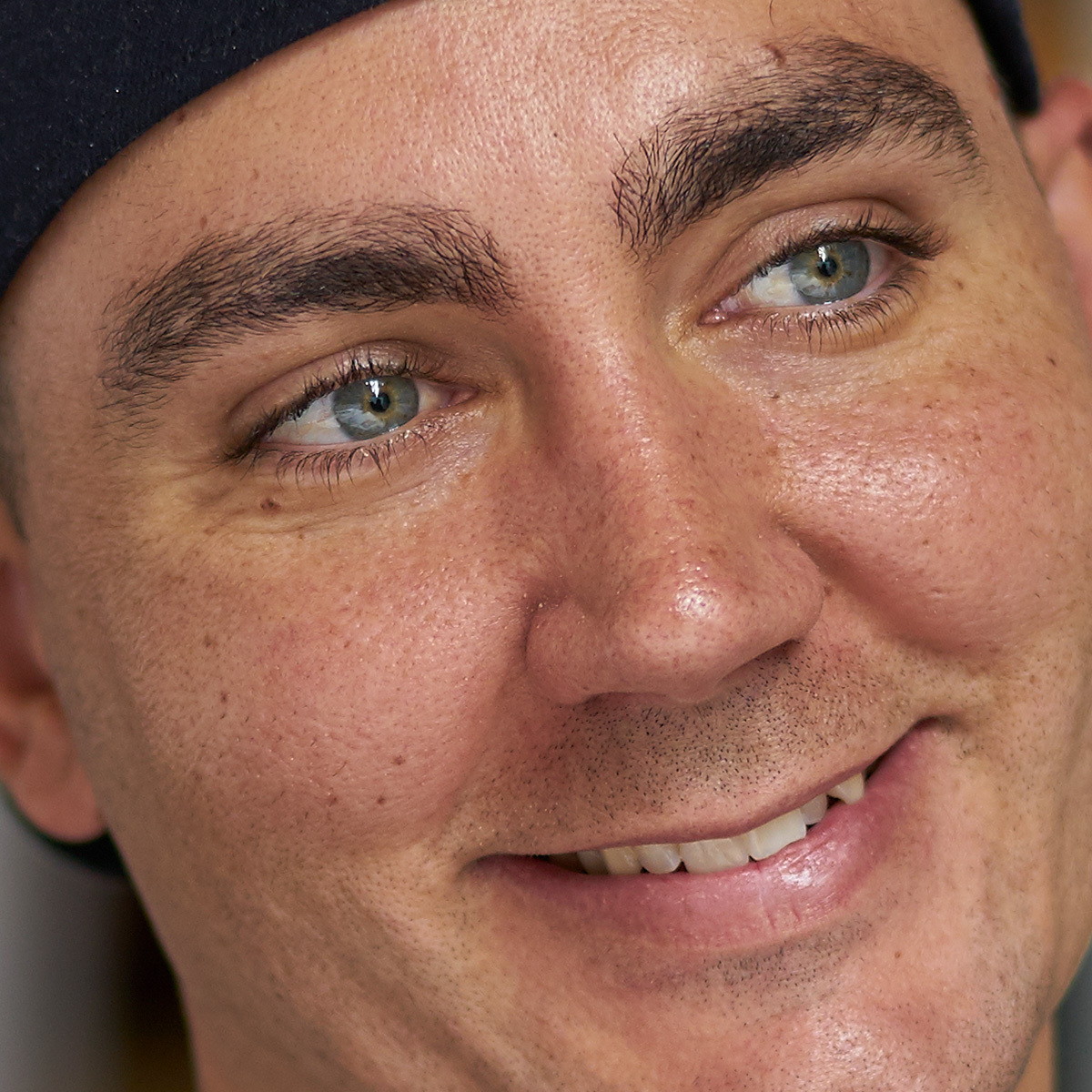
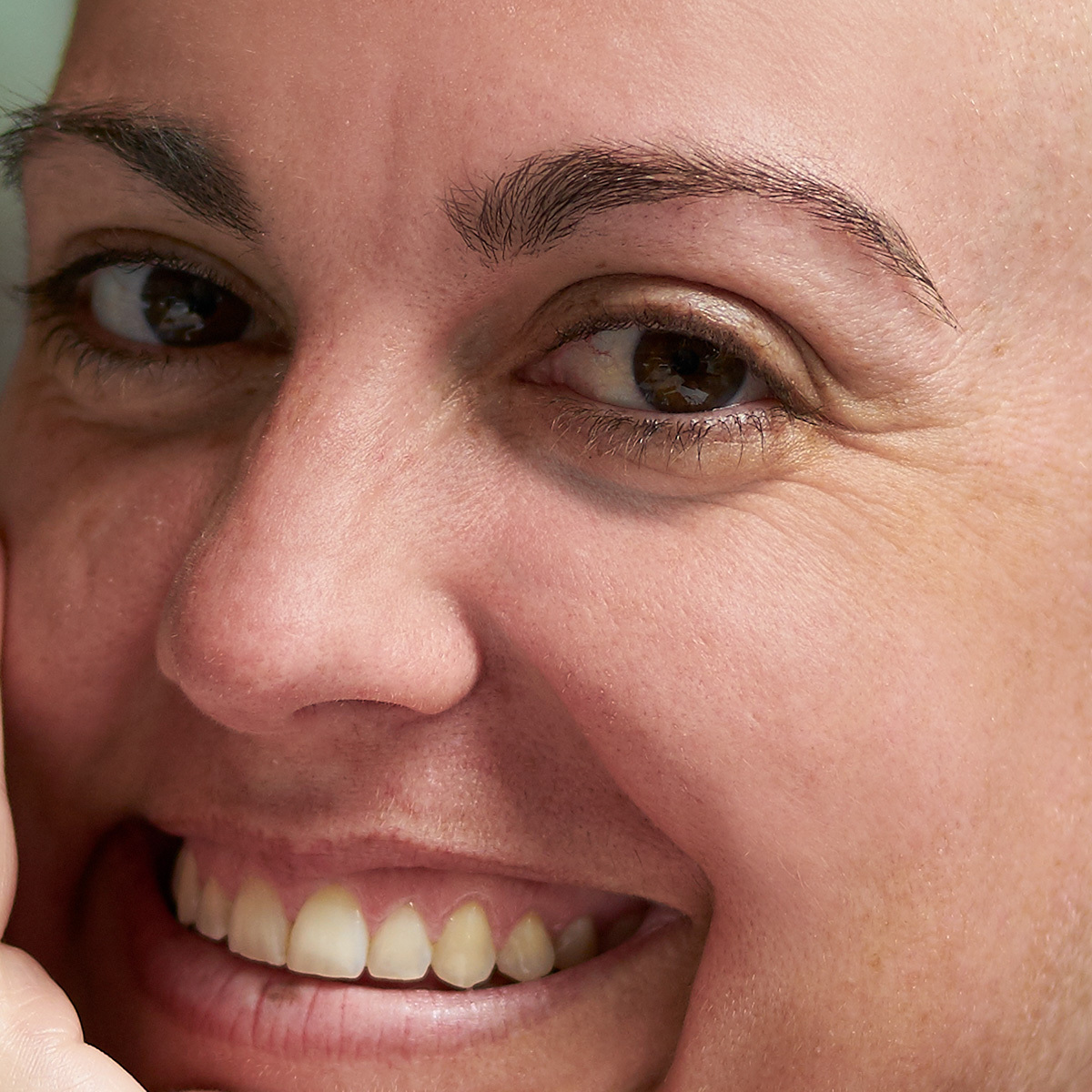
i was laughing last week when you guys were talking about your wives not wanting photos taken with especially sharp lenses - so as i was going through last night's shots (while everyone is still sleeping this morning) i thought the look on my wife's face (she turns 49 in 3 wks) was priceless and would be appreciated here. You can just hear her thinking to herself, "come on already moron". We were walking to dinner along the Mediterranean.
LBJ2 wrote:
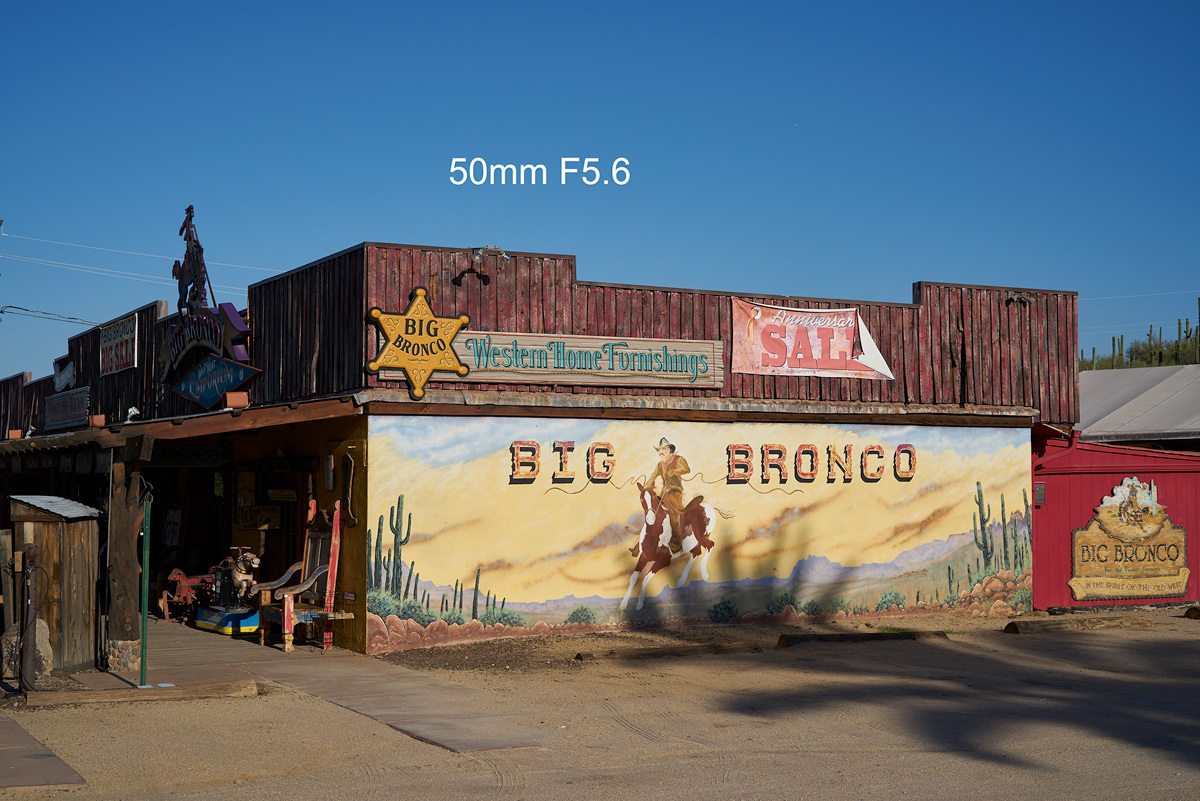
This will certainly be my 1.4 go -to lens! BTW, from what I can tell so far I think I am seeing some loss of sharpness at F8.
I spent the day with my old girlfriend, the Zony 35/1.4, after nearly 5 straight days and nights with my new flame.
While I've been over the moon with the new 50/1.4, the old girl still has the moves to keep me interested.
Sort of close foc len, but enough difference to possibly keep both.
One girl has more finesse, the other a bit more zip.
As far as f/8, there's conflicting info on where diffraction starts on a 42mp sensor but it's somewhere around f8 so that's why I usually shoot at f5.6 but that may be a mistake bc a bit of softness vs more dof, not sure which is better overall. I've actually meant to ask Fred about that bc I've seen him shooting at f11 but also focus stacking as well, so heprob has a good handle on that.
I'm loving this lens! Having a hard time not shooting at the moment as I'm trying to go through our latest vacation photos
Gregg
A7rll and FE 50 1.4 ZA @1.4
ecarlino wrote:
I spent the day with my old girlfriend, the Zony 35/1.4, after nearly 5 straight days and nights with my new flame.
While I've been over the moon with the new 50/1.4, the old girl still has the moves to keep me interested.
Sort of close foc len, but enough difference to possibly keep both.
One girl has more finesse, the other a bit more zip.
As far as f/8, there's conflicting info on where diffraction starts on a 42mp sensor but it's somewhere around f8 so that's why I usually shoot at f5.6 but that may be a mistake bc a bit of softness vs more dof, not sure which is better overall. I've actually meant to ask Fred about that bc I've seen him shooting at f11 but also focus stacking as well, so heprob has a good handle on that....Show more →
I am a fan of the FE 35 F1.4 too! The 35 was my first fast lens. Now I'll roll with three fast lenses FE35, FE50 and GM85 and will probably sell the Sigma 50 1.4 Art ( another very good lens I will be sorry to see go but enough is enough! ) I noticed FE loss of sharpness at F8 when I was comparing the Sigma Art 50 F1.4 at F8 with the new FE 50 F1.4. But I think I see that in the MTFs too.
Greggf wrote:
I'm loving this lens! Having a hard time not shooting at the moment as I'm trying to go through our latest vacation photos
Gregg
A7rll and FE 50 1.4 ZA @1.4
I keep telling myself, "be careful, it's still the honeymoon." But I agree with you, the more I see the more I am impressed. Who knew I would want another 50 !
Great usually lenses like this hit there optimum at 5.6 than they start to degrade. Not a bad thing and in many cases the DOF becomes more important. If important focus stacking is your friend.
LBJ2 wrote:
I'll do some more test shots just to be sure, but I think thats what I am seeing and I think I see the same in the MTF.
ecarlino wrote:
As far as f/8, there's conflicting info on where diffraction starts on a 42mp sensor but it's somewhere around f8 so that's why I usually shoot at f5.6 but that may be a mistake bc a bit of softness vs more dof, not sure which is better overall. I've actually meant to ask Fred about that bc I've seen him shooting at f11 but also focus stacking as well, so heprob has a good handle on that.
---------------------------------------------
GMPhotography wrote:
Great usually lenses like this hit there optimum at 5.6 than they start to degrade. Not a bad thing and in many cases the DOF becomes more important. If important focus stacking is your friend.
Stalking Canon shooter here-
Roger Cicala addressed the issue in a way that made sense to me, in that you're better stopping a stop or two into diffraction and sharpening in post if need be if focus stacking isn't on the table. A lens losing sharpness to diffraction will still produce an image that will respond better to sharpening in post than an image that is out of focus due to a wider aperture is the thesis, I believe.
Also, people testing the Canon 5Ds R have shown that diffraction starts hitting after about f/5.6 on their AA-less 50MP cameras.
Roger Cicala addressed the issue in a way that made sense to me, in that you're better stopping a stop or two into diffraction and sharpening in post if need be if focus stacking isn't on the table. A lens losing sharpness to diffraction will still produce an image that will respond better to sharpening in post than an image that is out of focus due to a wider aperture is the thesis, I believe.
Also, people testing the Canon 5Ds R have shown that diffraction starts hitting after about f/5.6 on their AA-less 50MP cameras.
GMPhotography wrote:
Yes there are sharpening techniques that you can do. We have to be careful here because a lot of people shoot in camera jpegs
Sure, but if you're shooting and delivering OOC, are you shooting something where the final output (print/web) would suffer from diffraction? I realize that the possibility most certainly exists, but it has to be a bit limited, IMO.
johnctharp wrote:
Sure, but if you're shooting and delivering OOC, are you shooting something where the final output (print/web) would suffer from diffraction? I realize that the possibility most certainly exists, but it has to be a bit limited, IMO.
thanks, i'll look up Roger's report on that, but thanks for the summary.
anyone shooting jpg has bigger problems.
I make extensive use of diffraction in the studio to gain effective AA. This aids tabletop in general, and fabric subjects in particular. Even cameras with AA filters (1Ds, D3x) can generate obvious artifacts at wider apertures. For both D3X and A7ii, my current studio digicams, the benefits start @ f/16. These sport FF 24MP sensors. Small-radius sharpening brings back sharpness without the tell-tale crunchiness or color speckles.