p.59 #2 · Nikon AF-S NIKKOR 200-500mm f/5.6E ED VR
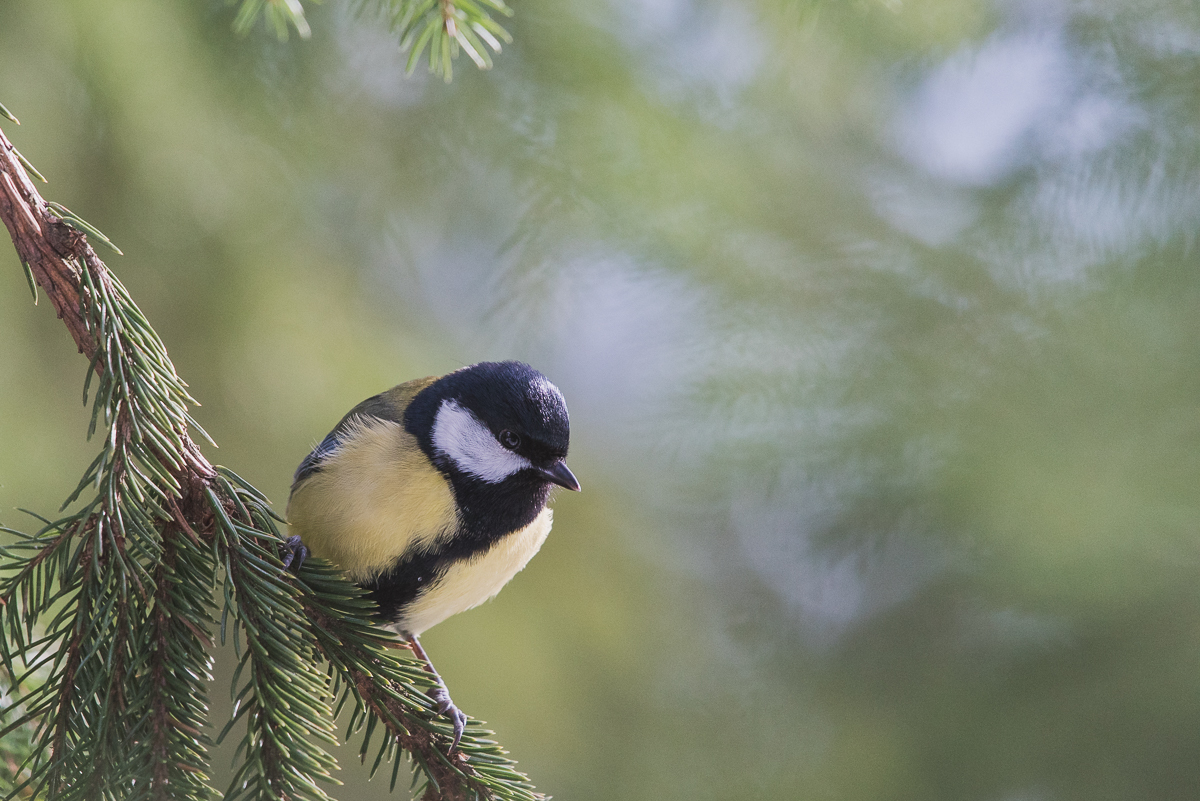
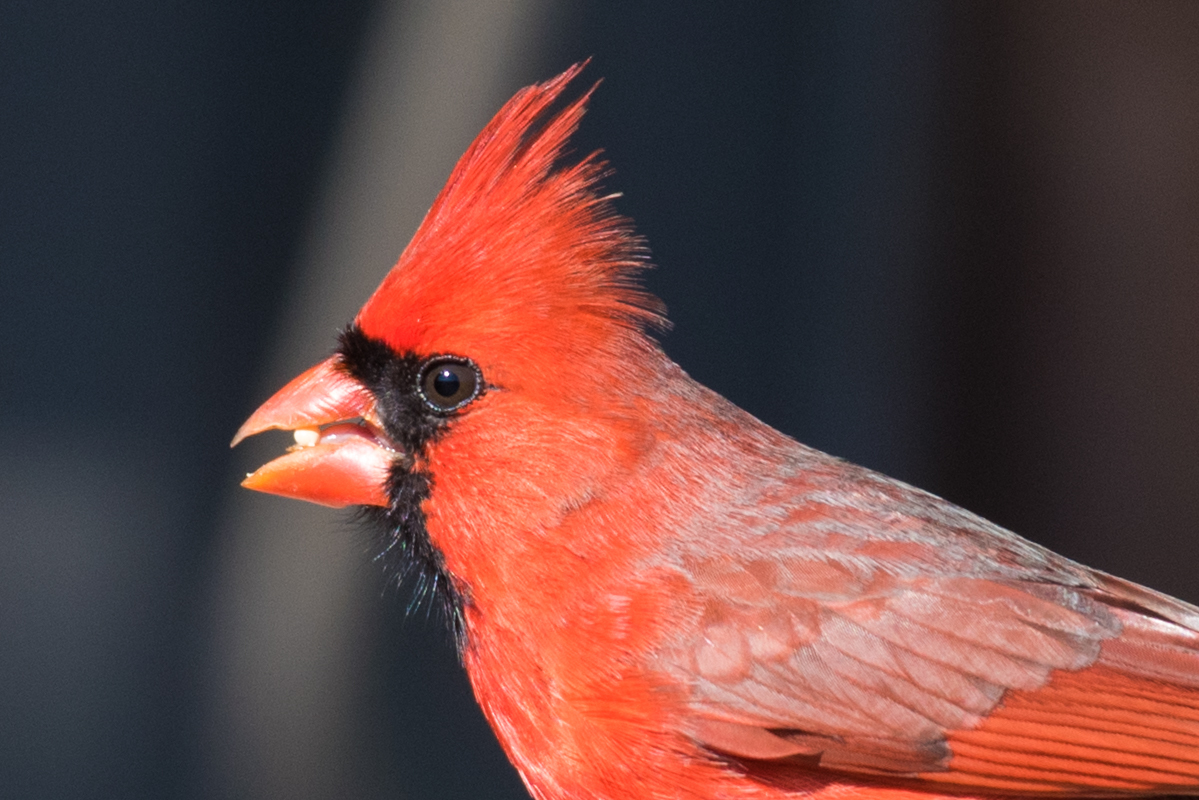
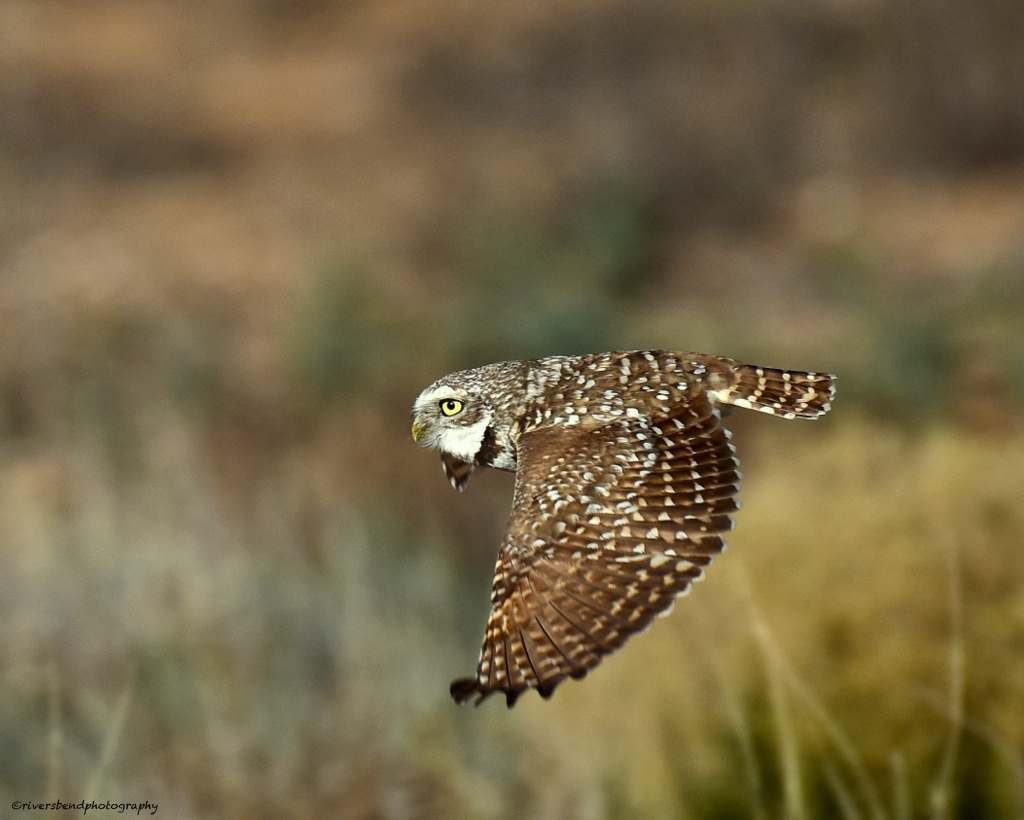
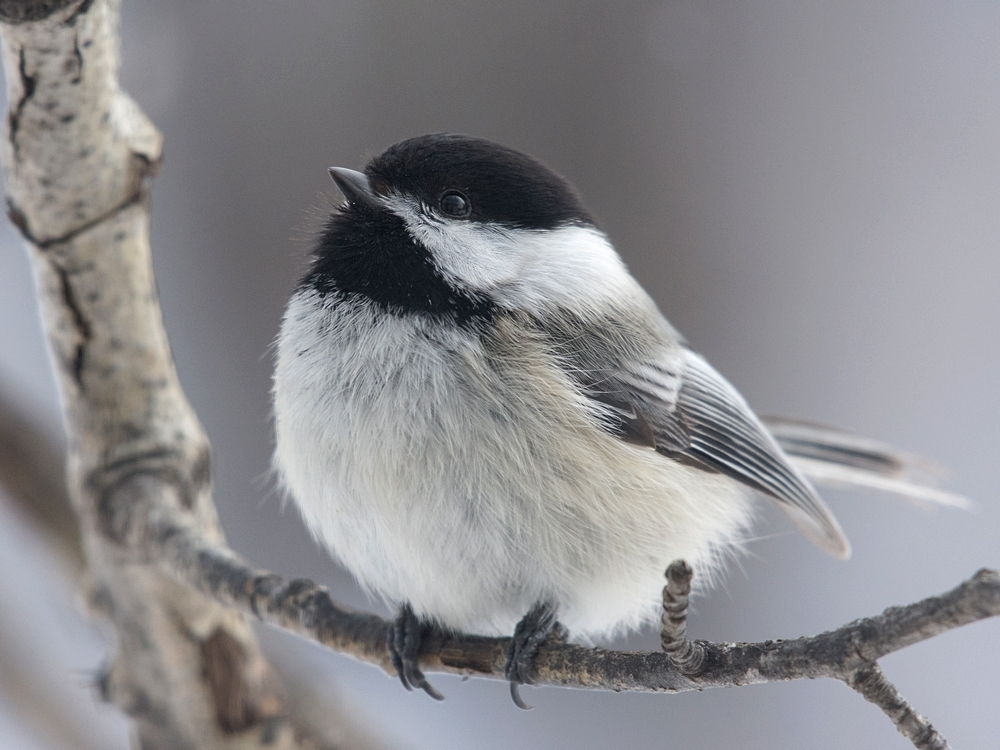
I have not posted a pic in a while, so here is one that is cropped a bunch but there has been no sharpening or noise work. Seemed a little noisy to me for ISO 400?
Thanks for looking,
Greg
p.59 #3 · Nikon AF-S NIKKOR 200-500mm f/5.6E ED VR
rxgolf wrote:
I have not posted a pic in a while, so here is one that is cropped a bunch but there has been no sharpening or noise work. Seemed a little noisy to me for ISO 400?
Thanks for looking,
Greg
Hard to say without more info but keep in mind that a heavy crop (100%) from a D810 on a monitor is like looking at a ~8.5 foot print at similar PPI, and noise is going to be far more obvious at the pixel level. Darker and OOF areas will also usually appear to have more noise than the subject as well.
p.59 #4 · Nikon AF-S NIKKOR 200-500mm f/5.6E ED VR
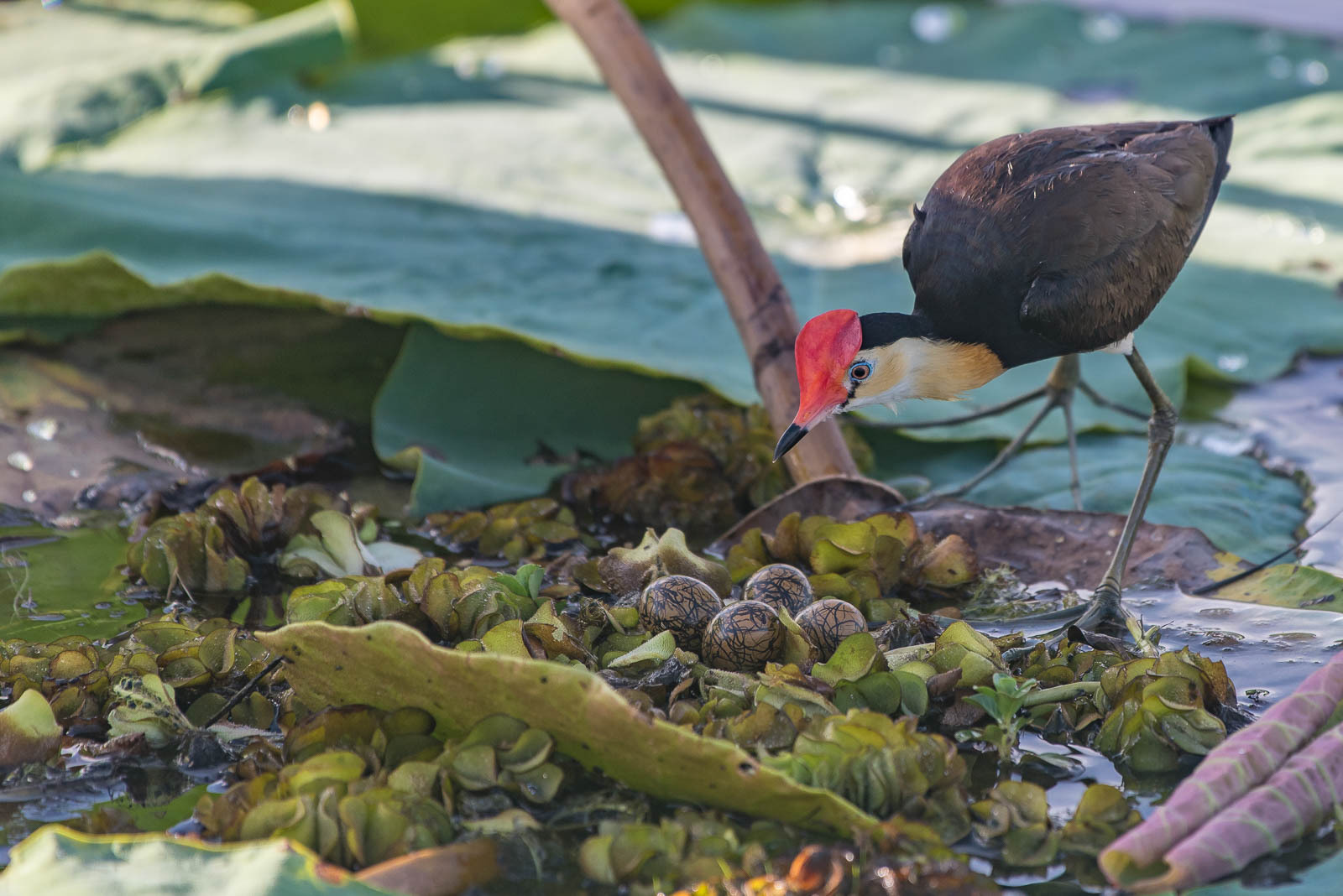
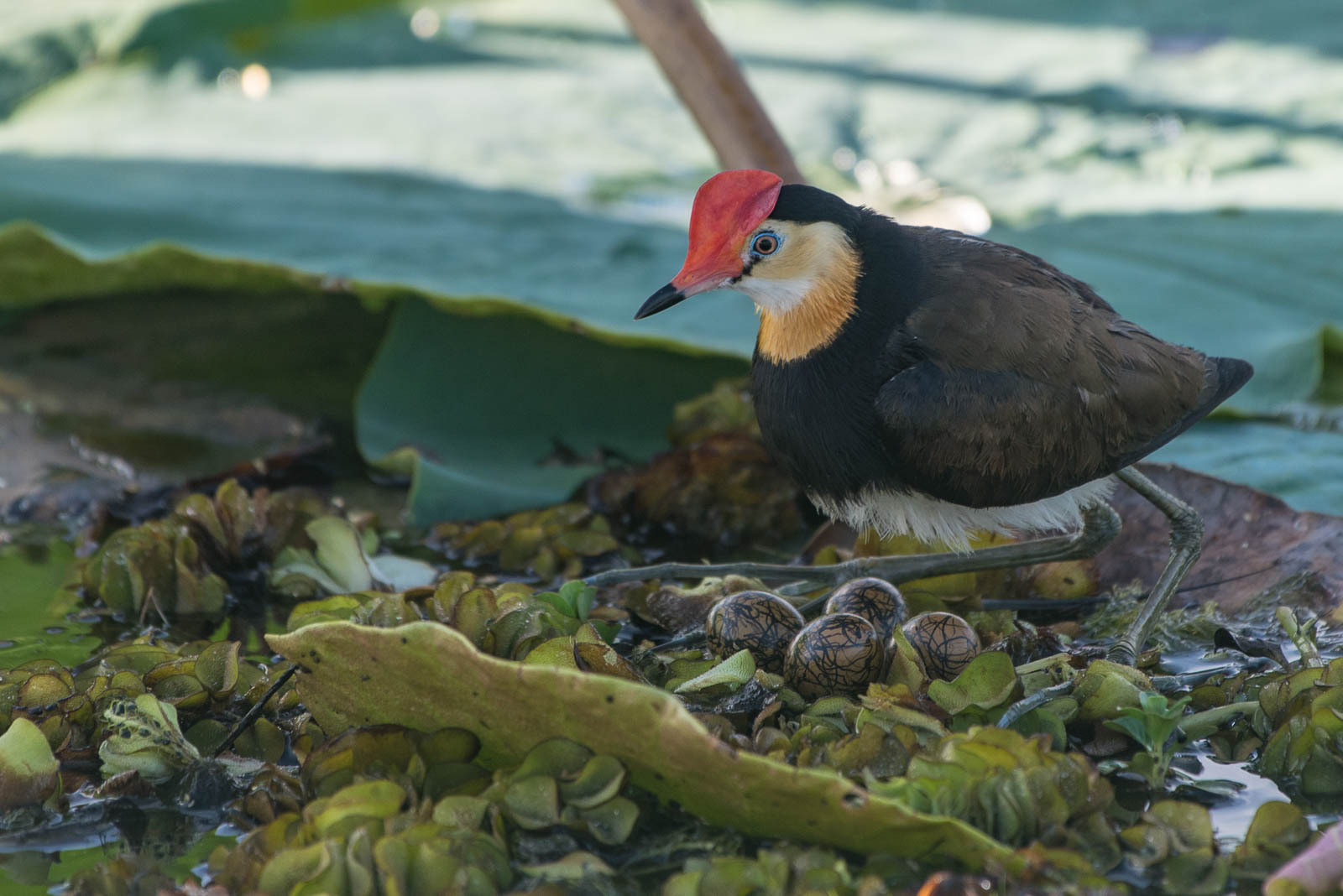
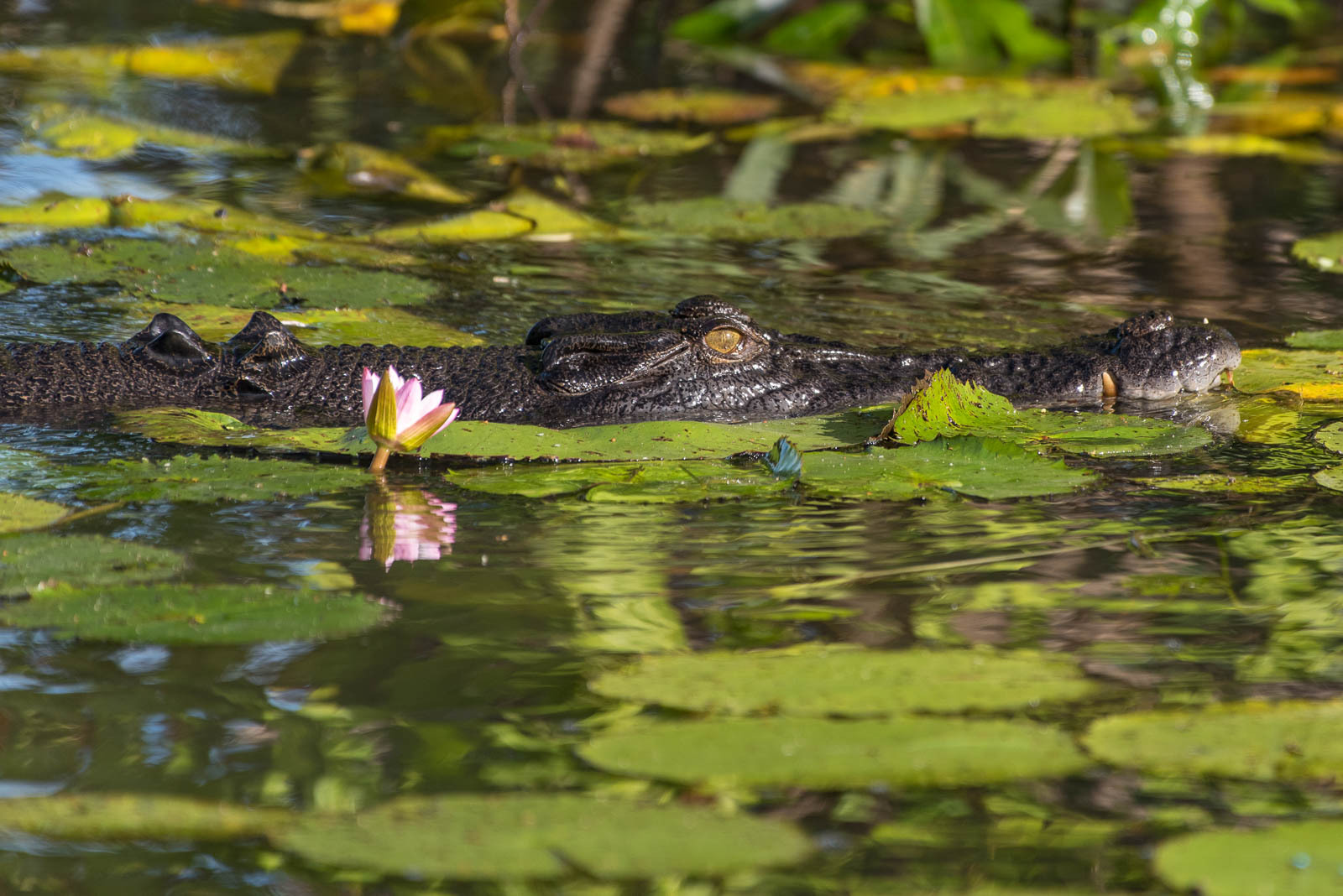
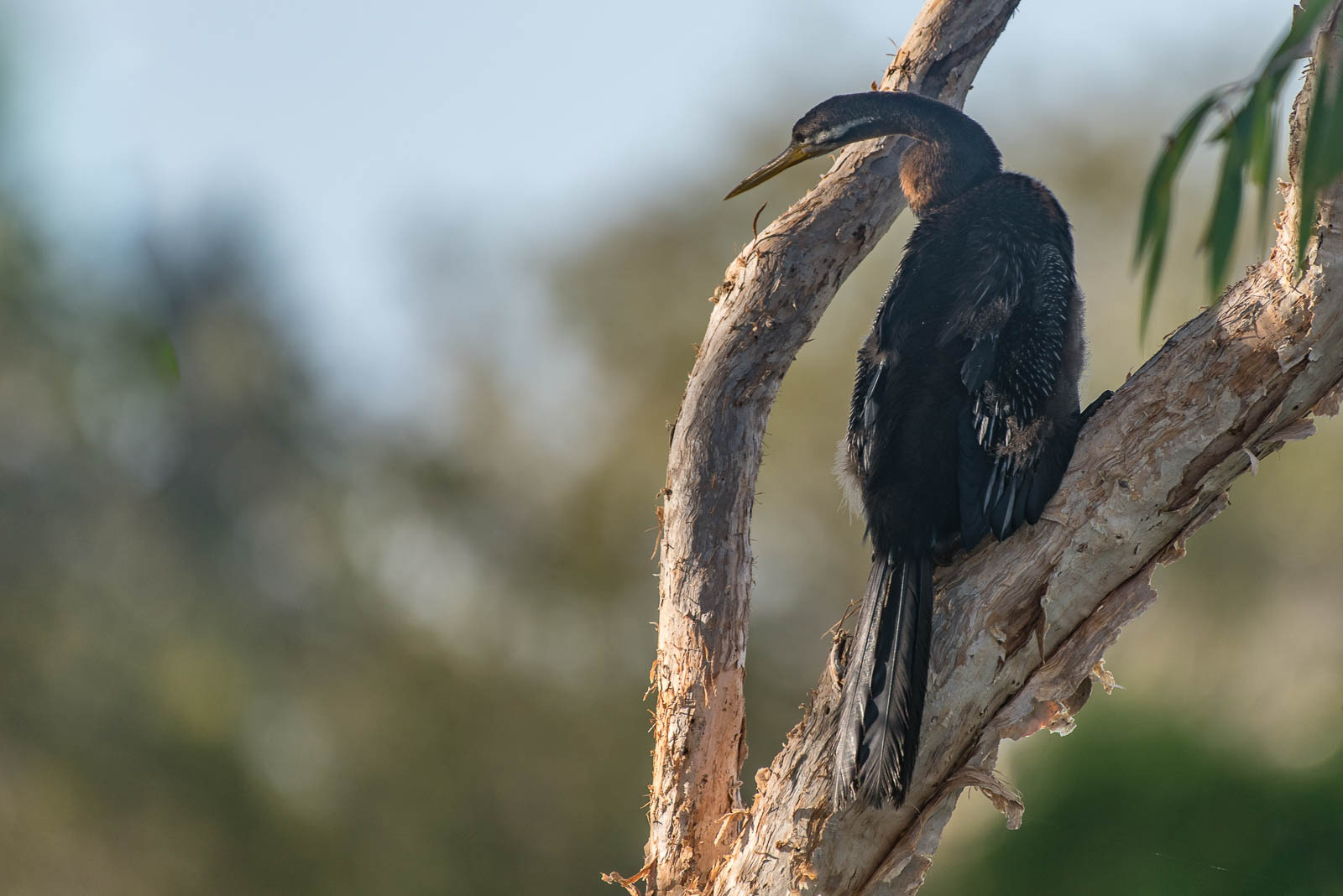
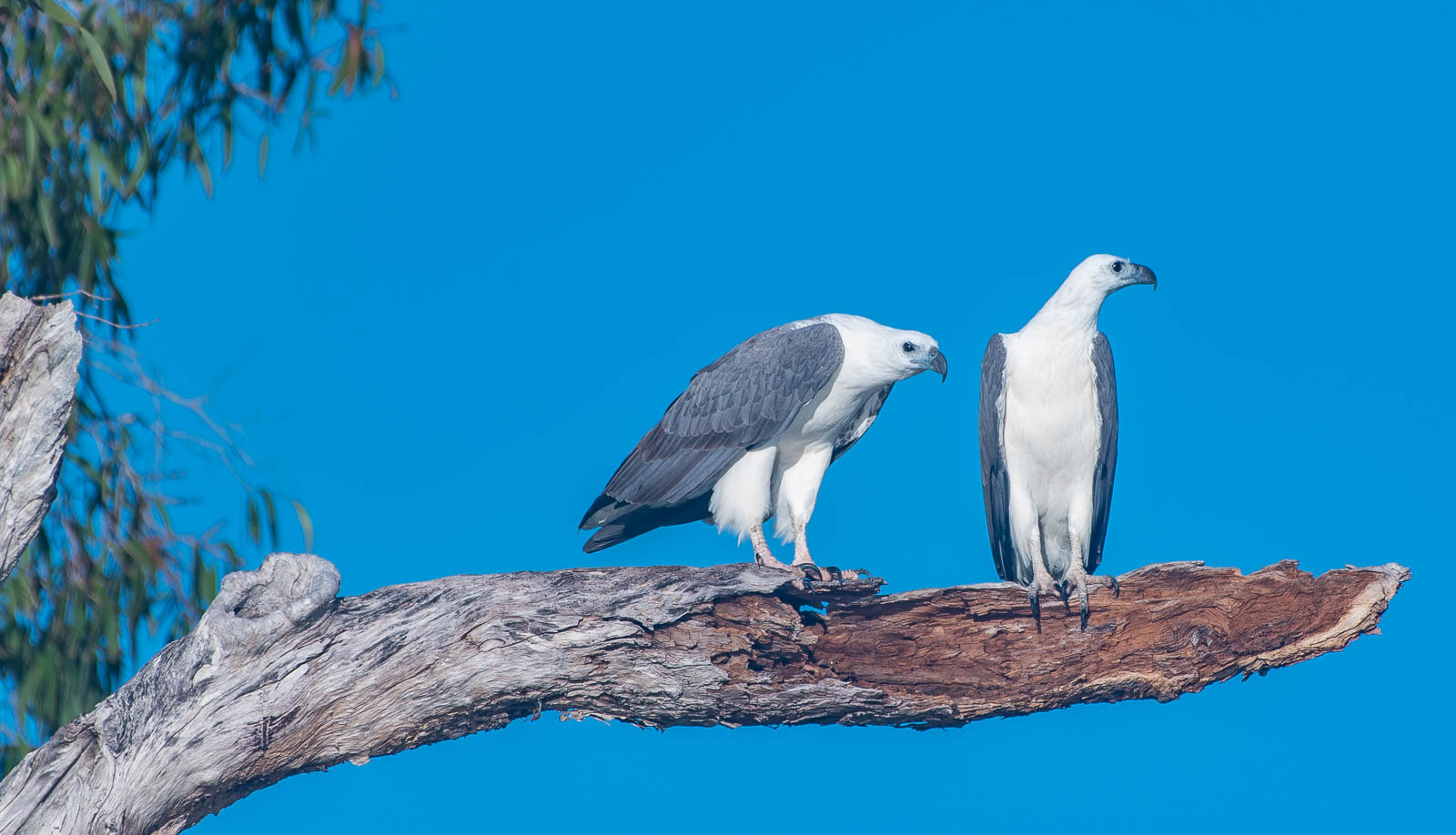
Kakadu National Park in the Northern Territory of Oz is the country's largest terrestrial national park. In the wet season, the Yellow Water Billabong is overflowing with plants, wildlife and birds.... here are a few captured with the Nikon 200-500VR...
p.59 #18 · Nikon AF-S NIKKOR 200-500mm f/5.6E ED VR
Most people are posting quality pics here .. but the following 3 posts are not going to follow that trend
I was interested in 3 aspects :
1) to see just how well the 200-500 can handle the TC20EIII giving 1,000mm and how well in low light (I have a May trip to Myanmar, Nepal & Bhutan, where lots of birding days have been set aside). When the D500 arrives I'll add that to the trip arsenal, to give me a FX equivalent 1,500mm and therefore no need for a spotting scope - it may even work well enough handheld to forego the tripod too, a massive advantage over a scope.
2) Tracking head-on
3) 500mm vs 400mm resized (see Mansurov's 'Photographylife' article for the reasons why this is important).
So the following is for Birders, when we need to ID a bird at distance (200-300m or more) without having to take a pretty picture - even a poor pic that can help ID the bird and keep a record so there is no dispute, is worth it's weight in gold.
This was handheld and taken in very low light (sun at between 10 and 25 degrees above the horizon). I took a few of different birds, all were very similar and the only ones that didn't work (1:3) were where I missed focus (not always easy at those distances) ! Even a poor birder could ID the bird in this pic (the bird, a Pale Thrush, is at about 200m).
I will say I was surprised how well the AF worked at f11 (on a D800E) - I hadn't expected it to be able to lock-on but it did, even in poor light, though it took a while. In good light I expect it will do just fine if slow AF is good enough for you. In the shot below I had to MF of course and I found the focussing ring to be set too far back for comfort - a bit of a stretch for my thumb when trying to hand-hold the lens.
p.59 #19 · Nikon AF-S NIKKOR 200-500mm f/5.6E ED VR
re. Part 2 of my testing : Tracking Head-on. The van here is driving at about 30kph (20mph) so a good equivalent for even for an Olympic sprinting child or an athletic event !
I haven't posted all the shots but enough to give a good idea. Only one shot was just a little out of perfect focus. All 1:1 crops.
p.59 #20 · Nikon AF-S NIKKOR 200-500mm f/5.6E ED VR
re. Part 3 of my testing : 500mm vs 400mm resized (see Mansurov's 'Photographylife' article for the reasons why this is important).
So it may (as with most variable long zooms) be worthwhile most people dialing back the zoom to possibly 400-450mm for the best compromise on CA, Off-centre and edge sharpness.
Shot taken at 80metres. Why 80m ? Because most shots in this thread don't give the distance the shot(s) were taken at. That is of course one major contributing factor to sharpness and many bird/wildlife shots will be taken at 30/40/50m to a 100m or more.
500mm on the Left. Resized 400mm on the right. Same EXIF (see the under the LR Histogram) bar FL. Identical LR treatment : Sharpening 50% (75/150), Shadows 17, Clarity 19.