This topic is in the 2015 archive. You can read it and like its posts here. It is read only.
Archive 2015Canon Summer '2015!
p.20 #2Canon Summer '2015!
pliukait wrote:
Excellent Ron!!! Which city was this?
Regards.....Pete
---------------------------------------------
Tenn.Jer wrote:
Ron, those are some of the best fireworks photos I've ever seen; I know the right vantage point is half of the solution, but would you mind revealing your shooting technique? I looked through your website with admiration but no luck in that regard before I mention it here...
Thanks,
Jerry
AlexDROP, other 'likes' and above, thanks very much!
Pete - It's Hamilton. Sorry, I should have included that.
Jerry - thanks. I should do a write up and assumed this was pretty common information already.
I was actually a bit disappointed with this vantage point, but it was the best one I could reach on short notice and on foot, since I had other commitments earlier in the day and didn't do any location scouting ahead of time (even though I've lived in the city for decades, I realized for this I would still need to do some scouting). It was shot from a bridge that crosses a cut in a ~50-75' high ridge that runs along the west end of the harbor in Hamilton. Unfortunately the harbor view along most of the length of the ridge is hidden by vegetation. I would have preferred to have been maybe 1/4 mile or so more to the right of where I set up so I could get more of the east end of the city in the background. Generally I like to find a decent foreground or background element to add some context to the fireworks.
For example, here are a few I did in another part of the city for this year's Victoria Day celebrations:
http://ronscheffler.com/samples/fmm9-3/20150517/20150517_1212.jpg
http://ronscheffler.com/samples/fmm9-3/20150517/20150517_1188.jpg
Maybe not the prettiest, but the objective was to show people watching the event, not just the fireworks.
A few years earlier I was at the same bridge as yesterday but shot it from across the street, to get people in the foreground. But I had some trouble with flare from the street lights, which are a lower, decorative type on the bridge, therefore easily in the scene, or just outside of the frame where they will still cause flare.
http://ronscheffler.com/samples/blogpix/20110701/20110701_0028.jpg
A lot of the shoreline is undeveloped and difficult to access, though there is a nice trail that runs along most of the west side. A few years ago I tried the north side across the harbor in the hopes of getting more of downtown in the shot, but the alignment wasn't perfect. There's a cemetery where the alignment is good, but with limited openings in the vegetation, which tend to get full of photographers, etc., hours beforehand. I generally try to find less common vantage points (though not so much the case yesterday). The two below were from the opposite shoreline.
http://ronscheffler.com/samples/blogpix/20120701/20120701_1054.jpg
A wider view that shows more of reflection off the water:
http://ronscheffler.com/samples/blogpix/20120701/20120701_1053.jpg
Hmm, the two images above seem to be the same types of fireworks and burst sequence as the image above them, shot from the bridge the year before... Never noticed that until now.
Anyway, because I don't do many fireworks events, it took me a couple tries to figure out what exposure settings generally work. Fireworks are almost like shooting with flash, where ISO and aperture have a greater influence on the exposure of individual bursts than the shutter does. You want to find an ISO and aperture value that does not blow out the bursts, which is too easy to do and will leave you with unappealing white streaks without any of the beautiful color. The shutter time is relevant in regards to the cumulative exposure of multiple bursts, influenced by the intensity of the bursts, as in, how many and how quickly at a given span of time. The more overlap of the bursts, and the faster they happen, the greater the chances of overexposure. The Hamilton show was rather lethargic. They spread it out quite a bit, so I've found that I could probably go for quite long exposure times, and even longer than I used yesterday, which was 20 seconds. 30 would probably work just fine most of the time. Where it would be a problem, and where I got burned was with the finale, which should have had a shorter time, perhaps 10 seconds or less, because it totally blew out beyond use. If the show is much more energetic and higher production value with many bigger, brighter bursts, a shorter shutter time would likely be better. I got burned at the finale in part because I set up the camera in a 'set it and forget it' mode. I set it to continuous advance and locked the cable release to keep it constantly shooting. As a result, synchronization with the timing of burst sequences wasn't always the best. But this allowed me to also watch and enjoy the fireworks. I also had a second camera clamped to the tripod with a wider lens (50mm) to give a more panoramic view. For example, here's one from yesterday and cropped to a longer rectangle:
http://ronscheffler.com/samples/fmm9-3/20150701/20150701_0077.jpg
It shows more of the west harbor with some of the downtown buildings to the right. It's not that dramatic of a shot, primarily because there really aren't a whole lot of interesting tall buildings in the city. If it was someplace like NYC, Hong Kong, etc., it would be a different matter. But for me, it's a record of how my city looked at this point in time.
I'm kind of split between water level and elevated shooting positions. At water level you get some nice reflections, but elevated positions potentially show more of what is around and behind the show. And the closer you are to the show, the more difficult it is to tie in scene-setting elements because the bursts will be that much higher above everything else. I tend to prefer shooting from farther away. It also usually means fewer traffic hassles immediately afterwards. BTW, I didn't include any from the second camera in the original post because it's not a Canon, but not because it could't have been. It's just what I have for a second camera...
Which leads to another point. Black frame subtraction. Many cameras no longer have this, or at least the delay between shots done at long exposure times is only a second or two. My second camera has mandatory black frame subtraction, which is EXTREMELY annoying when shooting fireworks. If you're not familiar with BFS, after a long exposure the camera does a second exposure of the same duration without the shutter open to determine noise characteristics and then remove the noise from the 'real' exposure. This therefore leaves the camera unusable for whatever the shutter duration is. That camera was set to 16 seconds exposure, which meant ~30 seconds of every minute was unavailable. This has a significant impact on how much you can shoot, considering that most shows are not all that long. Maybe 15 minutes. As a result, 7.5 minutes of the show will be unrecordable. With the second camera I was more selective of when I made an exposure, trying to guess when the bigger, better burst would happen. I would guess my success ratio was about 50/50. Thankfully the 1DX and many Canons before, and probably all since, have quite short delays between exposures. I would guess it was about one second.
Back to the technical details...
On the 1DX exposure was ISO 100, 20 seconds f/16. As I mentioned, the intention is to avoid blowing out the fireworks. Images were shot raw and processed in Lightroom. I set a very low white balance value, of around 2700K to get a bluish sky, in part because I really dislike the orange sky color cast often found due to the abundance of sodium vapor lighting (another reason the sky is not totally black was because of the moon, just above and to the right of the view. Its reflection can be seen in the water of the last image above. The light from the moon made the sky go that much more blue). I reduced contrast to -100, or thereabouts. This opens up the image dramatically, revealing a lot of subtle details/tonality. I also used a bit of highlight recovery, but not too much as it will quickly look bad. Then it was a matter of tweaking black point, clarity, vibrancy, saturation and curves a bit. Reducing contrast that much tends to drain the image of color/vibrancy, so it's necessary to bring it back wit the vibrancy/saturation sliders. The last adjustment was to the fireworks bursts themselves. Because of the very blue white balance, warmer colors in the bursts will suffer. I did a spot adjustment of +50 yellow color balance to bring back warmth in the yellow/orange/red bursts. But depending on preferences, you could just leave it.
Lastly, I tend to shoot these things on the loose side and use the first 30 seconds or one minute of the show to fine-tune composition. After that, I leave it and crop in post to optimize composition. Considering the pixel count of current cameras, this is a pretty versatile approach that still allows decent image quality.
Edited on Jul 02, 2015 at 11:56 AM · View previous versions
rscheffler wrote
Canada Day fireworks... 1DX & 70-200/4L ISRegards.....Pete
---------------------------------------------
Tenn.Jer wrote:
Ron, those are some of the best fireworks photos I've ever seen; I know the right vantage point is half of the solution, but would you mind revealing your shooting technique? I looked through your website with admiration but no luck in that regard before I mention it here...
Thanks,
Jerry
AlexDROP, other 'likes' and above, thanks very much!
Pete - It's Hamilton. Sorry, I should have included that.
Jerry - thanks. I should do a write up and assumed this was pretty common information already.
I was actually a bit disappointed with this vantage point, but it was the best one I could reach on short notice and on foot, since I had other commitments earlier in the day and didn't do any location scouting ahead of time (even though I've lived in the city for decades, I realized for this I would still need to do some scouting). It was shot from a bridge that crosses a cut in a ~50-75' high ridge that runs along the west end of the harbor in Hamilton. Unfortunately the harbor view along most of the length of the ridge is hidden by vegetation. I would have preferred to have been maybe 1/4 mile or so more to the right of where I set up so I could get more of the east end of the city in the background. Generally I like to find a decent foreground or background element to add some context to the fireworks.
For example, here are a few I did in another part of the city for this year's Victoria Day celebrations:
http://ronscheffler.com/samples/fmm9-3/20150517/20150517_1212.jpg
http://ronscheffler.com/samples/fmm9-3/20150517/20150517_1188.jpg
Maybe not the prettiest, but the objective was to show people watching the event, not just the fireworks.
A few years earlier I was at the same bridge as yesterday but shot it from across the street, to get people in the foreground. But I had some trouble with flare from the street lights, which are a lower, decorative type on the bridge, therefore easily in the scene, or just outside of the frame where they will still cause flare.
http://ronscheffler.com/samples/blogpix/20110701/20110701_0028.jpg
A lot of the shoreline is undeveloped and difficult to access, though there is a nice trail that runs along most of the west side. A few years ago I tried the north side across the harbor in the hopes of getting more of downtown in the shot, but the alignment wasn't perfect. There's a cemetery where the alignment is good, but with limited openings in the vegetation, which tend to get full of photographers, etc., hours beforehand. I generally try to find less common vantage points (though not so much the case yesterday). The two below were from the opposite shoreline.
http://ronscheffler.com/samples/blogpix/20120701/20120701_1054.jpg
A wider view that shows more of reflection off the water:
http://ronscheffler.com/samples/blogpix/20120701/20120701_1053.jpg
Hmm, the two images above seem to be the same types of fireworks and burst sequence as the image above them, shot from the bridge the year before... Never noticed that until now.
Anyway, because I don't do many fireworks events, it took me a couple tries to figure out what exposure settings generally work. Fireworks are almost like shooting with flash, where ISO and aperture have a greater influence on the exposure of individual bursts than the shutter does. You want to find an ISO and aperture value that does not blow out the bursts, which is too easy to do and will leave you with unappealing white streaks without any of the beautiful color. The shutter time is relevant in regards to the cumulative exposure of multiple bursts, influenced by the intensity of the bursts, as in, how many and how quickly at a given span of time. The more overlap of the bursts, and the faster they happen, the greater the chances of overexposure. The Hamilton show was rather lethargic. They spread it out quite a bit, so I've found that I could probably go for quite long exposure times, and even longer than I used yesterday, which was 20 seconds. 30 would probably work just fine most of the time. Where it would be a problem, and where I got burned was with the finale, which should have had a shorter time, perhaps 10 seconds or less, because it totally blew out beyond use. If the show is much more energetic and higher production value with many bigger, brighter bursts, a shorter shutter time would likely be better. I got burned at the finale in part because I set up the camera in a 'set it and forget it' mode. I set it to continuous advance and locked the cable release to keep it constantly shooting. As a result, synchronization with the timing of burst sequences wasn't always the best. But this allowed me to also watch and enjoy the fireworks. I also had a second camera clamped to the tripod with a wider lens (50mm) to give a more panoramic view. For example, here's one from yesterday and cropped to a longer rectangle:
http://ronscheffler.com/samples/fmm9-3/20150701/20150701_0077.jpg
It shows more of the west harbor with some of the downtown buildings to the right. It's not that dramatic of a shot, primarily because there really aren't a whole lot of interesting tall buildings in the city. If it was someplace like NYC, Hong Kong, etc., it would be a different matter. But for me, it's a record of how my city looked at this point in time.
I'm kind of split between water level and elevated shooting positions. At water level you get some nice reflections, but elevated positions potentially show more of what is around and behind the show. And the closer you are to the show, the more difficult it is to tie in scene-setting elements because the bursts will be that much higher above everything else. I tend to prefer shooting from farther away. It also usually means fewer traffic hassles immediately afterwards. BTW, I didn't include any from the second camera in the original post because it's not a Canon, but not because it could't have been. It's just what I have for a second camera...
Which leads to another point. Black frame subtraction. Many cameras no longer have this, or at least the delay between shots done at long exposure times is only a second or two. My second camera has mandatory black frame subtraction, which is EXTREMELY annoying when shooting fireworks. If you're not familiar with BFS, after a long exposure the camera does a second exposure of the same duration without the shutter open to determine noise characteristics and then remove the noise from the 'real' exposure. This therefore leaves the camera unusable for whatever the shutter duration is. That camera was set to 16 seconds exposure, which meant ~30 seconds of every minute was unavailable. This has a significant impact on how much you can shoot, considering that most shows are not all that long. Maybe 15 minutes. As a result, 7.5 minutes of the show will be unrecordable. With the second camera I was more selective of when I made an exposure, trying to guess when the bigger, better burst would happen. I would guess my success ratio was about 50/50. Thankfully the 1DX and many Canons before, and probably all since, have quite short delays between exposures. I would guess it was about one second.
Back to the technical details...
On the 1DX exposure was ISO 100, 20 seconds f/16. As I mentioned, the intention is to avoid blowing out the fireworks. Images were shot raw and processed in Lightroom. I set a very low white balance value, of around 2700K to get a bluish sky, in part because I really dislike the orange sky color cast often found due to the abundance of sodium vapor lighting (another reason the sky is not totally black was because of the moon, just above and to the right of the view. Its reflection can be seen in the water of the last image above. The light from the moon made the sky go that much more blue). I reduced contrast to -100, or thereabouts. This opens up the image dramatically, revealing a lot of subtle details/tonality. I also used a bit of highlight recovery, but not too much as it will quickly look bad. Then it was a matter of tweaking black point, clarity, vibrancy, saturation and curves a bit. Reducing contrast that much tends to drain the image of color/vibrancy, so it's necessary to bring it back wit the vibrancy/saturation sliders. The last adjustment was to the fireworks bursts themselves. Because of the very blue white balance, warmer colors in the bursts will suffer. I did a spot adjustment of +50 yellow color balance to bring back warmth in the yellow/orange/red bursts. But depending on preferences, you could just leave it.
Lastly, I tend to shoot these things on the loose side and use the first 30 seconds or one minute of the show to fine-tune composition. After that, I leave it and crop in post to optimize composition. Considering the pixel count of current cameras, this is a pretty versatile approach that still allows decent image quality.
Edited on Jul 02, 2015 at 11:56 AM · View previous versions
Jul 02, 2015 at 11:38 AM
Guest
Offline
Guest
Details
p.20 #3Canon Summer '2015!
Mike, I like every picture you posted. Great shots!
Jul 02, 2015 at 11:39 AM
p.20 #5Canon Summer '2015!
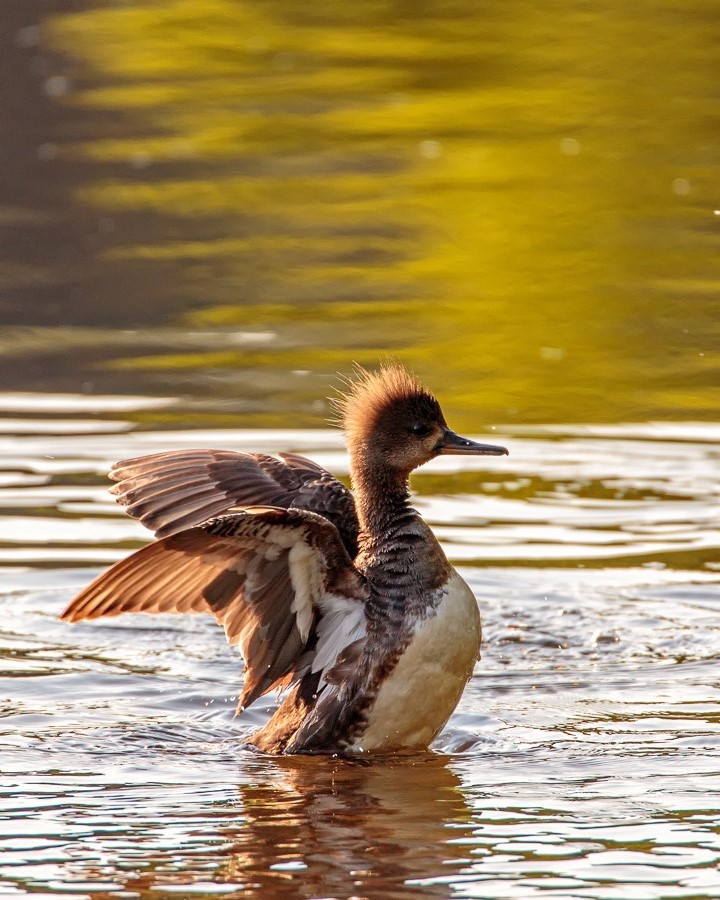
5DIII ~ 24-70II
 5C7A3528 C) All Rights Reserved by Sett N trenZ, on Flickr
Jul 02, 2015 at 12:27 PM
p.20 #6Canon Summer '2015!
During summer the ruffed grouse remains more in seclusion than even usual becuase it is molting. They don't come out in the open much then and can be found in the thickest parts of the forest.

Jul 02, 2015 at 12:44 PM
p.20 #7Canon Summer '2015!
onegreatcity wrote:
Gulp! Good lord that's close to shore! How big is that shark? What species? Fascinating capture Socrate.
-Cam
Cam, I actually caught that shark from shore and reeled it in (and released after it got off the hook). The fishing line is not visible. It was kind of close too shore anyway when I caught it. I believe is a black tip sharp. Not sure
Socrate
Shasoc wrote
Summer means go swimming in the Gulf. Hmmmm.... may be not-Cam
Cam, I actually caught that shark from shore and reeled it in (and released after it got off the hook). The fishing line is not visible. It was kind of close too shore anyway when I caught it. I believe is a black tip sharp. Not sure
Socrate
Jul 02, 2015 at 02:13 PM
p.20 #8Canon Summer '2015!
There has been many shark attacks in our area of Fl, many more than usual...
Jul 02, 2015 at 05:18 PM
p.20 #9Canon Summer '2015!
Another curiosity. We live close to an airport and occasionally see military aircraft coming and going. Having just returned from a shoot at the creek, I heard incoming fighters and was shocked to see their proximity and angle of approach. I barely had enough time to remove my lens cap and power up. These were badly underexposed initially so my crude post skills have introduced noise problems, as has the cropping. Both with the 1DIV and Sigma 150-600 C.
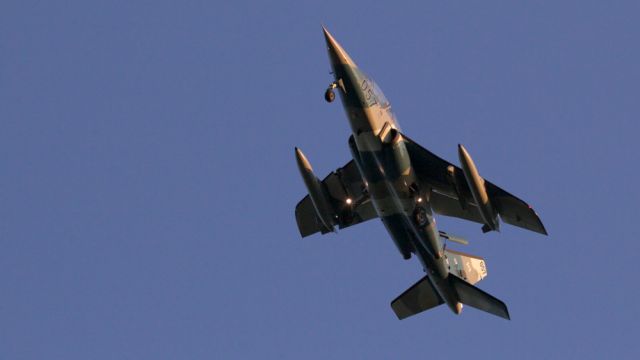
Immediately overhead
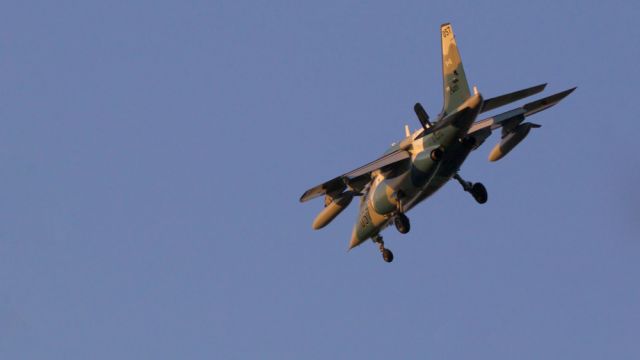
Swung around, on final approach
Immediately overhead
Swung around, on final approach
Jul 02, 2015 at 05:50 PM
p.20 #11Canon Summer '2015!
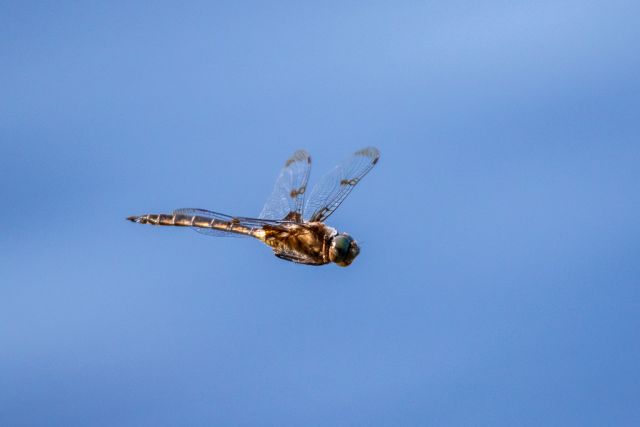
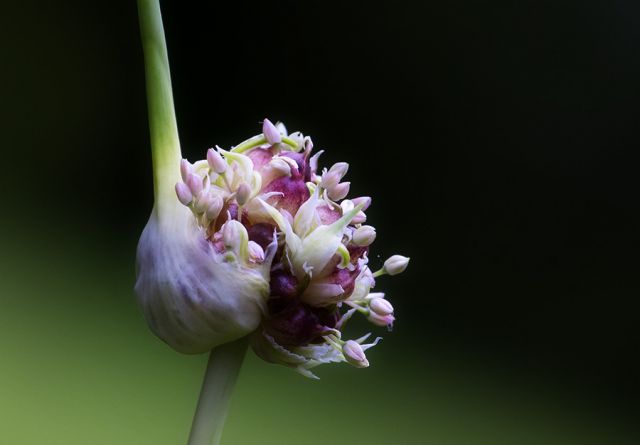
As I was walking by my herb garden I spotted this. There can be beauty in anything. If you don't recognize it, it's garlic.
 |
||
 © K White 2015 |
||
|
Jul 02, 2015 at 06:04 PM
p.20 #12Canon Summer '2015!
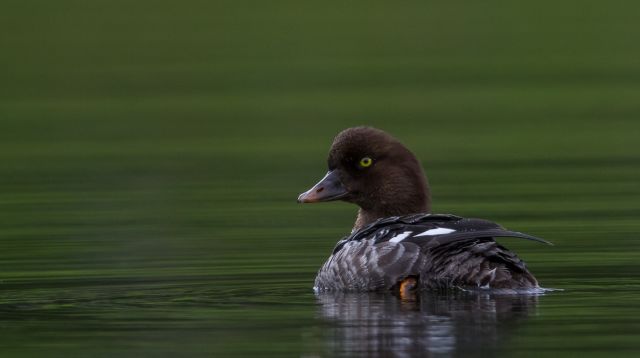
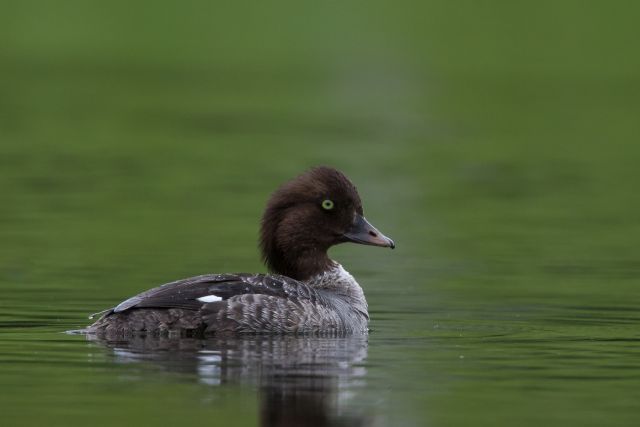
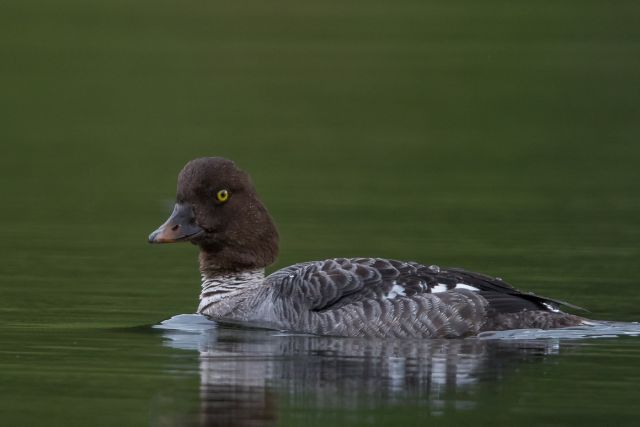
Three goldeneye images from the lake...
Edited on Jul 02, 2015 at 09:32 PM · View previous versions
 |
||
 |
||
|
|
||
 |
||
|
|
||
 |
||
|
Edited on Jul 02, 2015 at 09:32 PM · View previous versions
Jul 02, 2015 at 06:20 PM
p.20 #14Canon Summer '2015!
Ron, a thousand thanks for that detailed explanation; the vibrance of the colors, the dynamic sense of power and movement, the foreground details...everything combines to make your fireworks stand out from the crowd. I'm inspired to get to the local county park for our small town 4th of July version on Saturday night, regardless of the lack of high vantage point, foreground river and cityscape, and the relatively short duration.
Once again, thank you for sharing your expertise...

Jerry
Once again, thank you for sharing your expertise...
Jerry
Jul 02, 2015 at 06:43 PM
p.20 #15Canon Summer '2015!
Here's my first processed shot from my re-acquaintanceship lens (thanks here on B&S to Steve Bridges). Only the second lens I've "re-bought", this being the 17-35/2.8L lens I remember so well, preceding my current UWA zoom king, the 16-35/2.8L.
Getting the AFMA correct was its biggest challenge, so I see why there might have been complaint more often in the pre-AFMA era of film and digital. My earlier one was great and noticeably more compact than the 16-35L II, so no problems here.
Shot RAW, hand held with bounce flash, in my normal fashion, PP in LR6CC, using the 16-35L II profile with 2 on the CA Defringe reduction.
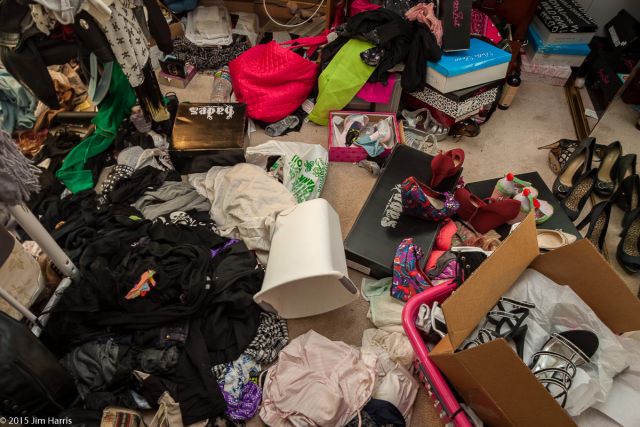
Real Life Bedroom (Girl), Summer 2015, Mixed Media Abstract Art
Getting the AFMA correct was its biggest challenge, so I see why there might have been complaint more often in the pre-AFMA era of film and digital. My earlier one was great and noticeably more compact than the 16-35L II, so no problems here.
Shot RAW, hand held with bounce flash, in my normal fashion, PP in LR6CC, using the 16-35L II profile with 2 on the CA Defringe reduction.
Real Life Bedroom (Girl), Summer 2015, Mixed Media Abstract Art
Jul 02, 2015 at 06:47 PM
p.20 #16Canon Summer '2015!
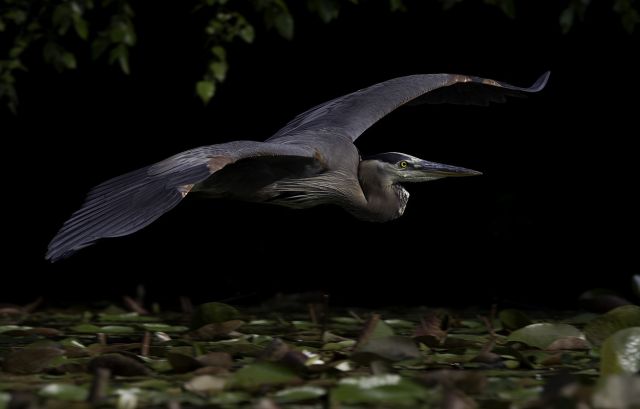
Mah Big boy likes to fly.
Edited on Jul 03, 2015 at 06:54 AM · View previous versions
Edited on Jul 03, 2015 at 06:54 AM · View previous versions
Jul 02, 2015 at 07:43 PM
p.20 #17Canon Summer '2015!
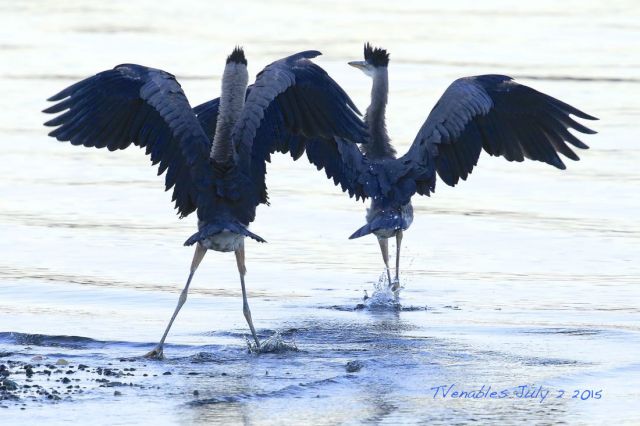
My Herons prefer to dance.... Name those dance steps
LuckyT
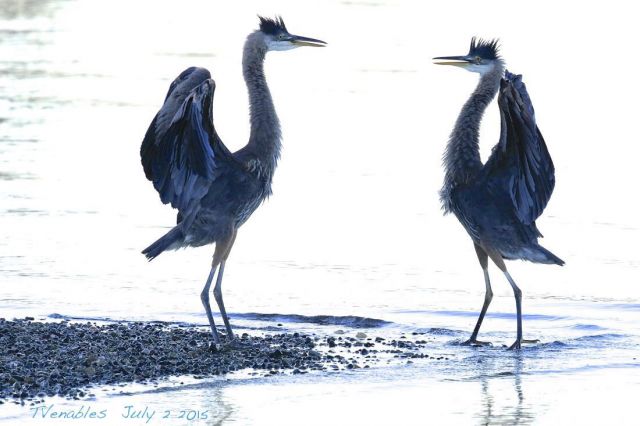
1
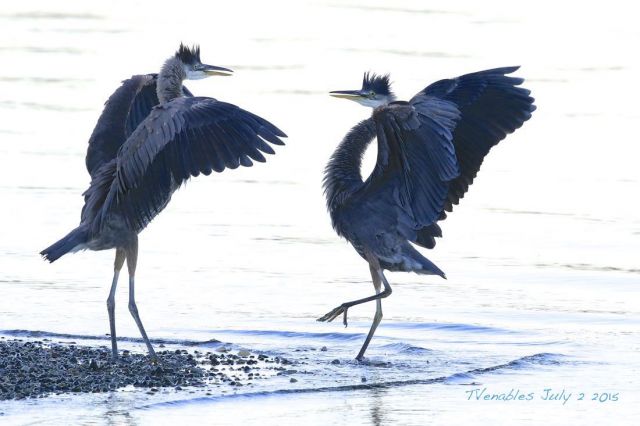
2
3
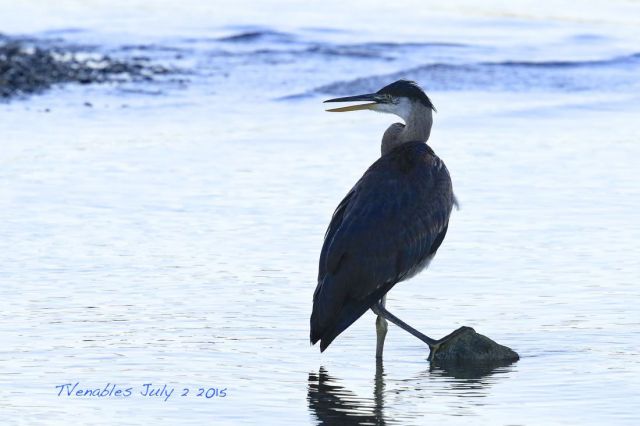
Hmmm....I'd give those dancers a 6 out of 10
LuckyT
© LuckyStrike 2015
1
© LuckyStrike 2015
2
© LuckyStrike 2015
3
© LuckyStrike 2015
Hmmm....I'd give those dancers a 6 out of 10
Jul 02, 2015 at 08:58 PM
p.20 #18Canon Summer '2015!
LuckyStrike wrote:
My Herons prefer to dance.... Name those dance steps
LuckyT
Pretty cute.
My Herons prefer to dance.... Name those dance steps
LuckyT
Pretty cute.
Jul 02, 2015 at 09:55 PM
p.20 #19Canon Summer '2015!
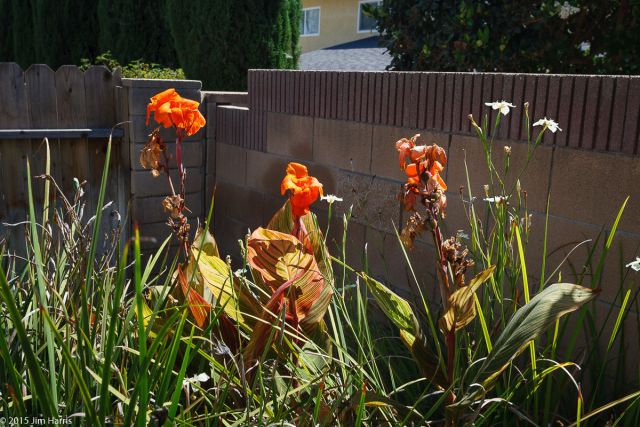
Another check on the new baby.
Hand held, AF, B+W CPL MRC, LR6CC.
Edited on Jul 02, 2015 at 11:22 PM · View previous versions
Hand held, AF, B+W CPL MRC, LR6CC.
Edited on Jul 02, 2015 at 11:22 PM · View previous versions
Jul 02, 2015 at 11:17 PM
p.20 #20Canon Summer '2015!
Gunzorro wrote:
Another check on the new baby.
Looks like a winner Jim.
Another check on the new baby.
Looks like a winner Jim.
Jul 02, 2015 at 11:21 PM