This topic is in the 2015 archive. You can read it and like its posts here. It is read only.
Archive 2015No DR improvement = no 5Ds for me
p.6 #1No DR improvement = no 5Ds for me
MarshallG wrote:
I pushed this +5 in Photoshop
Mike EnglesMike,
Try making that adjustment on a RAW file. It will blow your mind.
There are two ways to apply adjustments: Whole-image (easier) and area (work). I don't know if you shoot Nikon or Canon, but both have free RAW image editors. Open that picture, and instead of pushing brightness +5 (which totally wipes out the left side of the image), move the "Shadows" slider +3 or so. This will brighten the darker areas, bringing out all sorts of hidden details, without affecting the bright areas.
Hello
I am aware of what the possibilities are. Pushing the exposure is like increasing the ISO, it is a digital gain. The shadows at ISO 400 are pretty clean. I don't think the RAWs from my 5D2 could stand that kind of lift. This is pretty good and I was very sceptical, especially with that pixel density. This +8 in Photoshop
http://g3.img-dpreview.com/1A02EDECDDEC45BD8A525C8A3B5C8812.jpg
Mike Engles
mikeengles wrote
HelloI pushed this +5 in Photoshop
Mike Engles
Try making that adjustment on a RAW file. It will blow your mind.
There are two ways to apply adjustments: Whole-image (easier) and area (work). I don't know if you shoot Nikon or Canon, but both have free RAW image editors. Open that picture, and instead of pushing brightness +5 (which totally wipes out the left side of the image), move the "Shadows" slider +3 or so. This will brighten the darker areas, bringing out all sorts of hidden details, without affecting the bright areas.
Hello
I am aware of what the possibilities are. Pushing the exposure is like increasing the ISO, it is a digital gain. The shadows at ISO 400 are pretty clean. I don't think the RAWs from my 5D2 could stand that kind of lift. This is pretty good and I was very sceptical, especially with that pixel density. This +8 in Photoshop
http://g3.img-dpreview.com/1A02EDECDDEC45BD8A525C8A3B5C8812.jpg
Mike Engles
Feb 06, 2015 at 04:39 PM
p.6 #2No DR improvement = no 5Ds for me
chez wrote:
Good point @ augment for the sensor only ... although it does present some additional logistics aperture control for EF glass. BTW ... can you confirm if the A7R is a true non-AA or is it merely the "cancelling AA" like the Nikon D800E. I never was able to find confirmation of that one way or the other ... then I lost interest in the A7R @ the controls / ergonomics (at least for a primary camera platform).Yeh, I'm not that excited about the A7R controls, but I am getting used to them. I shoot mainly off a tripod so the control layout is not that important. I am starting to use the camera for some non landscape work...will be getting the Sony 16-35 zoom for my trip to New Mexico and Prauge in the next few months as a walk around street scape setup.
I was going to get the 16-35 FE but while waiting for the price to drop I got a sweet deal on a Canon 16-35 f/4 IS and have been very impressed with how it performs on the A7 and my 5D. You might consider the Canon as well if you can find a good deal on one up in Canada.
RustyBug wrote
Chez,Good point @ augment for the sensor only ... although it does present some additional logistics aperture control for EF glass. BTW ... can you confirm if the A7R is a true non-AA or is it merely the "cancelling AA" like the Nikon D800E. I never was able to find confirmation of that one way or the other ... then I lost interest in the A7R @ the controls / ergonomics (at least for a primary camera platform).
I was going to get the 16-35 FE but while waiting for the price to drop I got a sweet deal on a Canon 16-35 f/4 IS and have been very impressed with how it performs on the A7 and my 5D. You might consider the Canon as well if you can find a good deal on one up in Canada.
Feb 06, 2015 at 04:52 PM
p.6 #3No DR improvement = no 5Ds for me
mikeengles wrote:
I pushed this +5 in Photoshop
Mike EnglesMike,
Try making that adjustment on a RAW file. It will blow your mind.
There are two ways to apply adjustments: Whole-image (easier) and area (work). I don't know if you shoot Nikon or Canon, but both have free RAW image editors. Open that picture, and instead of pushing brightness +5 (which totally wipes out the left side of the image), move the "Shadows" slider +3 or so. This will brighten the darker areas, bringing out all sorts of hidden details, without affecting the bright areas.Hello
I am aware of what the possibilities are. Pushing the exposure is like increasing the ISO, it is a digital gain. The shadows at ISO 400 are pretty clean. I don't think the RAWs from my 5D2 could stand that kind of lift. This is pretty good and I was very sceptical, especially with that pixel density. This +8 in Photoshop
http://g3.img-dpreview.com/1A02EDECDDEC45BD8A525C8A3B5C8812.jpg
Mike Engles
Are you "pushing" jpegs again?
Read the warning: don't try this at home ...
MarshallG wrote
mikeengles wrote
HelloI pushed this +5 in Photoshop
Mike Engles
Try making that adjustment on a RAW file. It will blow your mind.
There are two ways to apply adjustments: Whole-image (easier) and area (work). I don't know if you shoot Nikon or Canon, but both have free RAW image editors. Open that picture, and instead of pushing brightness +5 (which totally wipes out the left side of the image), move the "Shadows" slider +3 or so. This will brighten the darker areas, bringing out all sorts of hidden details, without affecting the bright areas.
I am aware of what the possibilities are. Pushing the exposure is like increasing the ISO, it is a digital gain. The shadows at ISO 400 are pretty clean. I don't think the RAWs from my 5D2 could stand that kind of lift. This is pretty good and I was very sceptical, especially with that pixel density. This +8 in Photoshop
http://g3.img-dpreview.com/1A02EDECDDEC45BD8A525C8A3B5C8812.jpg
Mike Engles
Are you "pushing" jpegs again?
Read the warning: don't try this at home ...
Feb 06, 2015 at 05:16 PM
p.6 #4No DR improvement = no 5Ds for me
howard wrote:
I pushed this +5 in Photoshop
Mike EnglesMike,
Try making that adjustment on a RAW file. It will blow your mind.
There are two ways to apply adjustments: Whole-image (easier) and area (work). I don't know if you shoot Nikon or Canon, but both have free RAW image editors. Open that picture, and instead of pushing brightness +5 (which totally wipes out the left side of the image), move the "Shadows" slider +3 or so. This will brighten the darker areas, bringing out all sorts of hidden details, without affecting the bright areas.Hello
I am aware of what the possibilities are. Pushing the exposure is like increasing the ISO, it is a digital gain. The shadows at ISO 400 are pretty clean. I don't think the RAWs from my 5D2 could stand that kind of lift. This is pretty good and I was very sceptical, especially with that pixel density. This +8 in Photoshop
http://g3.img-dpreview.com/1A02EDECDDEC45BD8A525C8A3B5C8812.jpg
Mike EnglesAre you "pushing" jpegs again?
Read the warning: don't try this at home ...
Hello
Don,t be silly, this is a free forum, as long as no one is offensive and you are bordering on it
Mike Engles
mikeengles wrote
MarshallG wrote
mikeengles wrote
HelloI pushed this +5 in Photoshop
Mike Engles
Try making that adjustment on a RAW file. It will blow your mind.
There are two ways to apply adjustments: Whole-image (easier) and area (work). I don't know if you shoot Nikon or Canon, but both have free RAW image editors. Open that picture, and instead of pushing brightness +5 (which totally wipes out the left side of the image), move the "Shadows" slider +3 or so. This will brighten the darker areas, bringing out all sorts of hidden details, without affecting the bright areas.
I am aware of what the possibilities are. Pushing the exposure is like increasing the ISO, it is a digital gain. The shadows at ISO 400 are pretty clean. I don't think the RAWs from my 5D2 could stand that kind of lift. This is pretty good and I was very sceptical, especially with that pixel density. This +8 in Photoshop
http://g3.img-dpreview.com/1A02EDECDDEC45BD8A525C8A3B5C8812.jpg
Mike Engles
Read the warning: don't try this at home ...
Hello
Don,t be silly, this is a free forum, as long as no one is offensive and you are bordering on it
Mike Engles
Feb 06, 2015 at 05:28 PM
p.6 #5No DR improvement = no 5Ds for me
mikeengles wrote:
I pushed this +5 in Photoshop
Mike EnglesMike,
Try making that adjustment on a RAW file. It will blow your mind.
There are two ways to apply adjustments: Whole-image (easier) and area (work). I don't know if you shoot Nikon or Canon, but both have free RAW image editors. Open that picture, and instead of pushing brightness +5 (which totally wipes out the left side of the image), move the "Shadows" slider +3 or so. This will brighten the darker areas, bringing out all sorts of hidden details, without affecting the bright areas.Hello
I am aware of what the possibilities are. Pushing the exposure is like increasing the ISO, it is a digital gain. The shadows at ISO 400 are pretty clean. I don't think the RAWs from my 5D2 could stand that kind of lift. This is pretty good and I was very sceptical, especially with that pixel density. This +8 in Photoshop
http://g3.img-dpreview.com/1A02EDECDDEC45BD8A525C8A3B5C8812.jpg
Mike EnglesAre you "pushing" jpegs again?
Read the warning: don't try this at home ...Hello
Don,t be silly, this is a free forum, as long as no one is offensive and you are bordering on it
Mike Engles
I don't think he's trying to be offensive, I take it more as he's suggesting jpg's don't have the lattitude that a raw file does, so your examples are bordering on pointless, and efforts wasted. I myself am not quite sure what you're trying to accomplish...
Are there any raw samples available yet? That'd be infinitely better to muck about with in post to see what is possible.
howard wrote
mikeengles wrote
MarshallG wrote
mikeengles wrote
HelloI pushed this +5 in Photoshop
Mike Engles
Try making that adjustment on a RAW file. It will blow your mind.
There are two ways to apply adjustments: Whole-image (easier) and area (work). I don't know if you shoot Nikon or Canon, but both have free RAW image editors. Open that picture, and instead of pushing brightness +5 (which totally wipes out the left side of the image), move the "Shadows" slider +3 or so. This will brighten the darker areas, bringing out all sorts of hidden details, without affecting the bright areas.
I am aware of what the possibilities are. Pushing the exposure is like increasing the ISO, it is a digital gain. The shadows at ISO 400 are pretty clean. I don't think the RAWs from my 5D2 could stand that kind of lift. This is pretty good and I was very sceptical, especially with that pixel density. This +8 in Photoshop
http://g3.img-dpreview.com/1A02EDECDDEC45BD8A525C8A3B5C8812.jpg
Mike Engles
Read the warning: don't try this at home ...
Don,t be silly, this is a free forum, as long as no one is offensive and you are bordering on it
Mike Engles
I don't think he's trying to be offensive, I take it more as he's suggesting jpg's don't have the lattitude that a raw file does, so your examples are bordering on pointless, and efforts wasted. I myself am not quite sure what you're trying to accomplish...
Are there any raw samples available yet? That'd be infinitely better to muck about with in post to see what is possible.
Feb 06, 2015 at 05:32 PM

p.6 #6No DR improvement = no 5Ds for me
gdanmitchell wrote:
I can make out individual people on the sidewalks along the highway. I'm not seeing any smearing of detail anywhere.
+1 @ smearing. I've got this lens but haven't put to to any real challenges yet, so that was nice to see.
BTW, did you see the three planes in the sky?
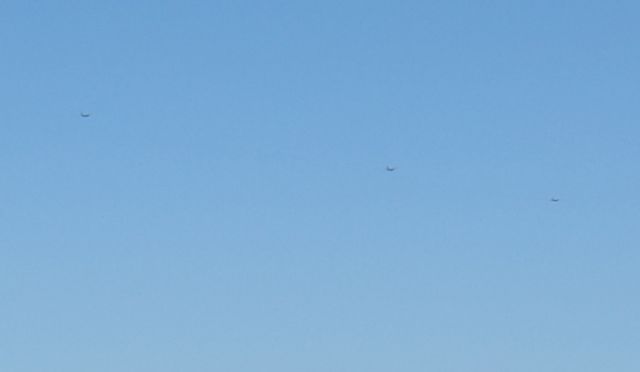
I can make out individual people on the sidewalks along the highway. I'm not seeing any smearing of detail anywhere.
+1 @ smearing. I've got this lens but haven't put to to any real challenges yet, so that was nice to see.
BTW, did you see the three planes in the sky?
Feb 06, 2015 at 05:42 PM
p.6 #7No DR improvement = no 5Ds for me
RustyBug wrote:
BTW, did you see the three planes in the sky?
Ha! No, I missed them. If I had done my usual dust bunny patrol I might have spotted them, but I only looked closely at the small section I printed and at one other area near a corner where I wanted to reduce a bit of CA.
I wrote up my print test and posted it at my blog: http://www.gdanmitchell.com/2015/02/06/new-canon-5ds-r-dslr-a-printing-test
Dan
Feb 06, 2015 at 06:00 PM
p.6 #8No DR improvement = no 5Ds for me
gdanmitchell wrote:
Ha! No, I missed them. If I had done my usual dust bunny patrol I might have spotted them, but I only looked closely at the small section I printed and at one other area near a corner where I wanted to reduce a bit of CA.
I wrote up my print test and posted it at my blog: http://www.gdanmitchell.com/2015/02/06/new-canon-5ds-r-dslr-a-printing-test
Dan
Nice writeup Dan. Based on your experience with 5DM2 prints how would you say the 5Ds compares on a max-print size POV, realizing it's difficult to compare without two identical prints in hand.
RustyBug wrote
BTW, did you see the three planes in the sky?I wrote up my print test and posted it at my blog: http://www.gdanmitchell.com/2015/02/06/new-canon-5ds-r-dslr-a-printing-test
Dan
Nice writeup Dan. Based on your experience with 5DM2 prints how would you say the 5Ds compares on a max-print size POV, realizing it's difficult to compare without two identical prints in hand.
Feb 06, 2015 at 06:04 PM
p.6 #9No DR improvement = no 5Ds for me
mikeengles wrote:
I pushed this +5 in Photoshop
Mike EnglesMike,
Try making that adjustment on a RAW file. It will blow your mind.
There are two ways to apply adjustments: Whole-image (easier) and area (work). I don't know if you shoot Nikon or Canon, but both have free RAW image editors. Open that picture, and instead of pushing brightness +5 (which totally wipes out the left side of the image), move the "Shadows" slider +3 or so. This will brighten the darker areas, bringing out all sorts of hidden details, without affecting the bright areas.Hello
I am aware of what the possibilities are. Pushing the exposure is like increasing the ISO, it is a digital gain. The shadows at ISO 400 are pretty clean. I don't think the RAWs from my 5D2 could stand that kind of lift. This is pretty good and I was very sceptical, especially with that pixel density. This +8 in Photoshop
http://g3.img-dpreview.com/1A02EDECDDEC45BD8A525C8A3B5C8812.jpg
Mike Engles
Hello
The point being is that it is very likely that the DR of this camera will be prove to be very good ,with clean shadows and no banding. If that proves the case , it will be a remarkable achievement considering the pixel density. Perhaps we should not be so negative at this stage, just day 1, with 4 months of speculation ahead.
Mike Engles
MarshallG wrote
mikeengles wrote
HelloI pushed this +5 in Photoshop
Mike Engles
Try making that adjustment on a RAW file. It will blow your mind.
There are two ways to apply adjustments: Whole-image (easier) and area (work). I don't know if you shoot Nikon or Canon, but both have free RAW image editors. Open that picture, and instead of pushing brightness +5 (which totally wipes out the left side of the image), move the "Shadows" slider +3 or so. This will brighten the darker areas, bringing out all sorts of hidden details, without affecting the bright areas.
I am aware of what the possibilities are. Pushing the exposure is like increasing the ISO, it is a digital gain. The shadows at ISO 400 are pretty clean. I don't think the RAWs from my 5D2 could stand that kind of lift. This is pretty good and I was very sceptical, especially with that pixel density. This +8 in Photoshop
http://g3.img-dpreview.com/1A02EDECDDEC45BD8A525C8A3B5C8812.jpg
Mike Engles
Hello
The point being is that it is very likely that the DR of this camera will be prove to be very good ,with clean shadows and no banding. If that proves the case , it will be a remarkable achievement considering the pixel density. Perhaps we should not be so negative at this stage, just day 1, with 4 months of speculation ahead.
Mike Engles
Feb 06, 2015 at 06:05 PM
p.6 #10No DR improvement = no 5Ds for me
From the samples the 5DS sensor output looks very similar to the 7D2 sensor output. But hey, tough to draw any conclusions until RAWs (and processing) are available.
Feb 06, 2015 at 06:27 PM
p.6 #11No DR improvement = no 5Ds for me
They shoulda just called them 5D3R and 5D3S, then no-one would be under the illusion that they are anything other than a (3 year old) 5D3 with a new sensor (and processor and mirror drive to go with it)
Feb 06, 2015 at 07:01 PM
p.6 #12No DR improvement = no 5Ds for me
shirozina wrote:
Enough already - I'll wait for the various tests but as it stands I think the next Sony update to the A7r will be more suited to my requirements. Until then I'll continue to enjoy the best of Canon's lenses on my A7r. Now on the topic of lenses - where the hell is the long promised update to the 45mm TS-E...........
Now on the topic of lenses - where the hell is the long promised update to the 45mm TS-E.........
Indeed (TSE 24 II with 1.4x converter is no substitute).
Feb 06, 2015 at 07:10 PM
p.6 #13No DR improvement = no 5Ds for me
snapsy wrote:
Good point @ augment for the sensor only ... although it does present some additional logistics aperture control for EF glass. BTW ... can you confirm if the A7R is a true non-AA or is it merely the "cancelling AA" like the Nikon D800E. I never was able to find confirmation of that one way or the other ... then I lost interest in the A7R @ the controls / ergonomics (at least for a primary camera platform).Yeh, I'm not that excited about the A7R controls, but I am getting used to them. I shoot mainly off a tripod so the control layout is not that important. I am starting to use the camera for some non landscape work...will be getting the Sony 16-35 zoom for my trip to New Mexico and Prauge in the next few months as a walk around street scape setup.I was going to get the 16-35 FE but while waiting for the price to drop I got a sweet deal on a Canon 16-35 f/4 IS and have been very impressed with how it performs on the A7 and my 5D. You might consider the Canon as well if you can find a good deal on one up in Canada.
I was thinking about getting the Canon version, but it's larger and heavier, especially when you add the adapter. The reviews I've seen on the Zeiss sound fantastic. I think I'll go with the Zeiss lens as it make for a more compact, responsive system when coupled up with the A7R.
chez wrote
RustyBug wrote
Chez,Good point @ augment for the sensor only ... although it does present some additional logistics aperture control for EF glass. BTW ... can you confirm if the A7R is a true non-AA or is it merely the "cancelling AA" like the Nikon D800E. I never was able to find confirmation of that one way or the other ... then I lost interest in the A7R @ the controls / ergonomics (at least for a primary camera platform).
I was thinking about getting the Canon version, but it's larger and heavier, especially when you add the adapter. The reviews I've seen on the Zeiss sound fantastic. I think I'll go with the Zeiss lens as it make for a more compact, responsive system when coupled up with the A7R.
Feb 06, 2015 at 08:44 PM
p.6 #14No DR improvement = no 5Ds for me
chez wrote:
Good point @ augment for the sensor only ... although it does present some additional logistics aperture control for EF glass. BTW ... can you confirm if the A7R is a true non-AA or is it merely the "cancelling AA" like the Nikon D800E. I never was able to find confirmation of that one way or the other ... then I lost interest in the A7R @ the controls / ergonomics (at least for a primary camera platform).Yeh, I'm not that excited about the A7R controls, but I am getting used to them. I shoot mainly off a tripod so the control layout is not that important. I am starting to use the camera for some non landscape work...will be getting the Sony 16-35 zoom for my trip to New Mexico and Prauge in the next few months as a walk around street scape setup.I was going to get the 16-35 FE but while waiting for the price to drop I got a sweet deal on a Canon 16-35 f/4 IS and have been very impressed with how it performs on the A7 and my 5D. You might consider the Canon as well if you can find a good deal on one up in Canada.I was thinking about getting the Canon version, but it's larger and heavier, especially when you add the adapter. The reviews I've seen on the Zeiss sound fantastic. I think I'll go with the Zeiss lens as it make for a more compact, responsive system when coupled up with the A7R.
When travelling, I'll take excellent, compact, and quick over outstanding, bulky and cumbersome every time
snapsy wrote
chez wrote
RustyBug wrote
Chez,Good point @ augment for the sensor only ... although it does present some additional logistics aperture control for EF glass. BTW ... can you confirm if the A7R is a true non-AA or is it merely the "cancelling AA" like the Nikon D800E. I never was able to find confirmation of that one way or the other ... then I lost interest in the A7R @ the controls / ergonomics (at least for a primary camera platform).
When travelling, I'll take excellent, compact, and quick over outstanding, bulky and cumbersome every time
Feb 06, 2015 at 08:46 PM
p.6 #15No DR improvement = no 5Ds for me
Why didn't they just put Sony's D800 sensor in it. Canon would have achieved it's apparent goal of using old sensor tech (as the D800 sensor is years old already), yet IQ and DR are great. Not to mention that 36MP would be less of a strain on the workflow.
Feb 06, 2015 at 09:22 PM
p.6 #16No DR improvement = no 5Ds for me
wow so ive been following this thread and the speculation and i will be eagerly awaiting the results of pushing a 5DSr RAW file to see the true dynamic range. im not sure we can really judge dynamic range numbers on paper between cameras because, technically, the 5d2 and 5d3 have very similar dynamic range numbers but in practice when you push the raw file the 5d2 will band and noise the shadows to @#$% while the 5d3 will be much cleaner. so i eagerly await real world raw comparisons.
on a side note, i just watched the dpreview chuck westfall "interview" and i was quite disturbed. Chuck seems soooo nervous and on edge. its like he is afraid to say ANYTHING wrong or anything that might be taken wrongly. it was a weird thing to watch.
o and i love canon, great glass, and i gave up on the bodies after the 5d2 for an a7r and adapter! im hoping that the RAWs from the 5ds series will be great! crossed fingers.
Feb 07, 2015 at 12:12 AM
p.6 #17No DR improvement = no 5Ds for me
Noise floor and DR are linked to a certain extent but they are not the same as a sensor can have very clean shadows and a very low noise floor but a small DR. Doesn't matter how far you push the shadows if there is no image detail there to recover. Again Canon would be very vocal about the issue if they had improved DR - so far it looks like managing expectations. Imagine if they had said nothing about it and everyone would rightly assume / expect that after all this time they had come up with a sensor at least as competitive in DR with other high MP sensors out there? Then imagine the fallout when it was eventually released and tested...........
Feb 07, 2015 at 12:27 AM
p.6 #18No DR improvement = no 5Ds for me
What is with this DR thing? Is 12 stops enough? Whats with its a niche camera for use in controlled situations? seriously if you cant go outside a take a picture with this then maybe photography isn't your thing but a spec-geek,ISO 6400 is more than enough for most people,I for one can see the more MP the better but if your pics only get viewed on facebook then yes maybe even a EOS 10D is overkill,stick to your iphones and let real photographers enjoy 50mp.
Feb 07, 2015 at 12:33 AM
p.6 #19No DR improvement = no 5Ds for me
shirozina wrote:
Noise floor and DR are linked to a certain extent but they are not the same as a sensor can have very clean shadows and a very low noise floor but a small DR. Doesn't matter how far you push the shadows if there is no image detail there to recover. Again Canon would be very vocal about the issue if they had improved DR - so far it looks like managing expectations. Imagine if they had said nothing about it and everyone would rightly assume / expect that after all this time they had come up with a sensor...Show more →
The DR can be improved in the following ways:
1) Reduce the electronic noise
2) Increase the full well saturation of the pixel
3) Increase the quantum efficiency of the sensor
The last point would only result in an increase in DR for a given exposure time. If exposure time is not a factor, then the quantum efficiency plays no role in the DR.
So, for example, if the 50 MP sensor is made from 7D2 pixels, then it will have the same per-pixel DR (obviously). However, for a given proportion of the photo, it will have 1.6x the electronic noise and 2.56x the saturation of the 7D2 for a given exposure, resulting in a 2/3 stop increase in DR.
Feb 07, 2015 at 12:42 AM
p.6 #20No DR improvement = no 5Ds for me
gdanmitchell wrote:
I wrote up my print test and posted it at my blog: http://www.gdanmitchell.com/2015/02/06/new-canon-5ds-r-dslr-a-printing-test
Dan
Thanks, Dan. Much appreciated.
I wrote up my print test and posted it at my blog: http://www.gdanmitchell.com/2015/02/06/new-canon-5ds-r-dslr-a-printing-test
Dan
Thanks, Dan. Much appreciated.
Feb 07, 2015 at 12:48 AM