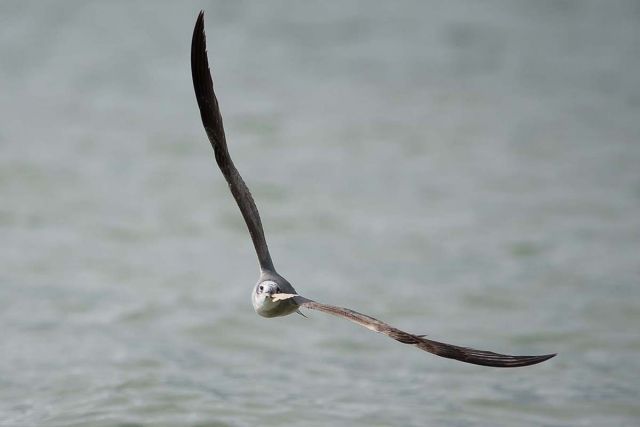
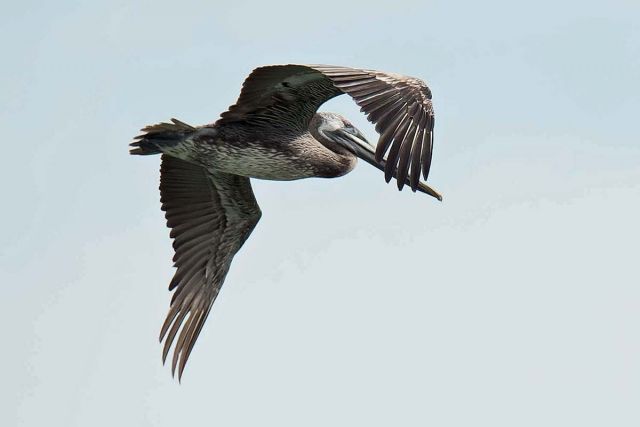
I handhold. Will use a monopod or tripod if available, but usually not. Do not use CPL. It really helps to keep shutter speeds up. I prefer to use a D750. Have also used a D810 and D7100 but the D750 really shines in low light, high ISO. I use auto ISO with a minimum shutter speed of 1/1000 and my results have improved quite a bit over time. This lens should be fine for outdoor daytime sports such as baseball, soccer or track. Not so good for low light sports such as Friday night football. Shooting wildlife at 600mm I need to stop down to f/7.1 or f/8 anyway to get enough depth of field so this lens is not really limiting in that respect.
I like to keep my ISO as low as possible, so I tend to get my best results with a tripod or monopod.
I did hand hold many of the BIF, and Blue Angels images I posted in this thread. So, not too difficult to get sharp images that way. My keeper rate is lower hand held is all.
I shoot mine handheld 99% of the time.. The VC is great and I can get sharps at 600mm down to about 1/80th or 1/100th, But the birds never hold still at that speed...
While my contribution pales is comparison with most the images posted here I love my Tammie 150-600 and D750 combo. I have used it for 6 months and actually have the Sigma on pre-order. I may still get it to compare, but really I am more than happy with this combo.
csd2020 wrote:
I handhold. Will use a monopod or tripod if available, but usually not. Do not use CPL. It really helps to keep shutter speeds up. I prefer to use a D750. Have also used a D810 and D7100 but the D750 really shines in low light, high ISO. I use auto ISO with a minimum shutter speed of 1/1000 and my results have improved quite a bit over time. This lens should be fine for outdoor daytime sports such as baseball, soccer or track. Not so good for low light sports such as Friday night football. Shooting wildlife at 600mm I need to stop down to f/7.1 or f/8 anyway to get enough depth of field so this lens is not really limiting in that respect. ...Show more →
_______
You handheld that shot of the Anhinga? Wow. I am in awe.
My order arrived today from B&H and my brief use indicates my copy is not as sharp from 400-600 as from 150-400, particularly weak on 600 even if I stop down to f/11 on my D810. I want to know whether or not this is what I ought to expect. Any ideas? Thank you. (this is a cross post.)
mshi wrote:
My order arrived today from B&H and my brief use indicates my copy is not as sharp from 400-600 as from 150-400, particularly weak on 600 even if I stop down to f/11 on my D810. I want to know whether or not this is what I ought to expect. Any ideas? Thank you. (this is a cross post.)
I'm no expert but:
1. Give it some time to get used to the lens. Shooting above 400mm is touchy. Keep your shutter speeds up.
2. MFA - I need about +5 I think on a D750 ( I use the Lens Align system but then verify in the field )
3. Try shooting on a tripod with live view to compare phase detect to contrast AF. If there is a difference in favor of live view, go back to step 2.
4. Experiment with different AF settings.
My results were not the best at first but seem to have improved with use. Still working on it.
That's about all I can think of off hand. Good luck.
1. Give it some time to get used to the lens. Shooting above 400mm is touchy. Keep your shutter speeds up.
2. MFA - I need about +5 I think on a D750 ( I use the Lens Align system but then verify in the field )
3. Try shooting on a tripod with live view to compare phase detect to contrast AF. If there is a difference in favor of live view, go back to step 2.
4. Experiment with different AF settings.
My results were not the best at first but seem to have improved with use. Still working on it.
That's about all I can think of off hand. Good luck.
Thanks for the tip. My initial use was all on AF-S for stationary subjects with shutter speed over at least 1/2000. Anyway, if you fine tune AF for the long end, will that make the rest of focal range not as sharp as before? I don't know whether or not there is a way to fine tune based on focal length on Nikon bodies. But I know I can enable or disable that AF fine tune on the fly even though that's a cumbersome workaround.
mshi wrote:
Thanks for the tip. My initial use was all on AF-S for stationary subjects with shutter speed over at least 1/2000. Anyway, if you fine tune AF for the long end, will that make the rest of focal range not as sharp as before? I don't know whether or not there is a way to fine tune based on focal length on Nikon bodies. But I know I can enable or disable that AF fine tune on the fly even though that's a cumbersome workaround.
Micro focus adjustment helps to align the focal point within the DOF. This is really just an adjustment of the communication between the AF sensor (phase detect) and the lens.
DOF is a function of focal length, aperture and distance to subject. Adjusting at the long end, wide open at a relatively close in distance should yield the most critical adjustment as the DOF is more narrow than at shorter focal lengths, smaller apertures and greater distances. Once adjusted, I do not find that AF at shorter focal lengths or smaller apertures is adversely affected as the DOF increases. I start off with the Lens Align or Dot Tune method at about 20 feet. After initial adjustment, I go outside and find a more distant fence or long brick wall and pick a distinct spot to focus on. I shoot at an angle and then check to see if the spot is relatively centered in the DOF. If not, I tweak from there.
Comparing the AF using phase detect (normal) and contrast (live view) is also useful. If you can get a sharp image using live view, you know the problem is just a AF adjustment. Just make sure to use a tripod to eliminate other variables.
One of the nice features on the Sigma 150-600 (C&S) is the usb dock. It does actually allow focus adjustment within the lens firmware at 4 different focal lengths. Thankfully, I do not find it necessary on my copy of the Tamron.
csd2020 wrote:
Micro focus adjustment helps to align the focal point within the DOF. This is really just an adjustment of the communication between the AF sensor (phase detect) and the lens.
DOF is a function of focal length, aperture and distance to subject. Adjusting at the long end, wide open at a relatively close in distance should yield the most critical adjustment as the DOF is more narrow than at shorter focal lengths, smaller apertures and greater distances. Once adjusted, I do not find that AF at shorter focal lengths or smaller apertures is adversely affected as the DOF increases. I start off with the Lens Align or Dot Tune method at about 20 feet. After initial adjustment, I go outside and find a more distant fence or long brick wall and pick a distinct spot to focus on. I shoot at an angle and then check to see if the spot is relatively centered in the DOF. If not, I tweak from there.
Comparing the AF using phase detect (normal) and contrast (live view) is also useful. If you can get a sharp image using live view, you know the problem is just a AF adjustment. Just make sure to use a tripod to eliminate other variables.
One of the nice features on the Sigma 150-600 (C&S) is the usb dock. It does actually allow focus adjustment within the lens firmware at 4 different focal lengths. Thankfully, I do not find it necessary on my copy of the Tamron. ...Show more →
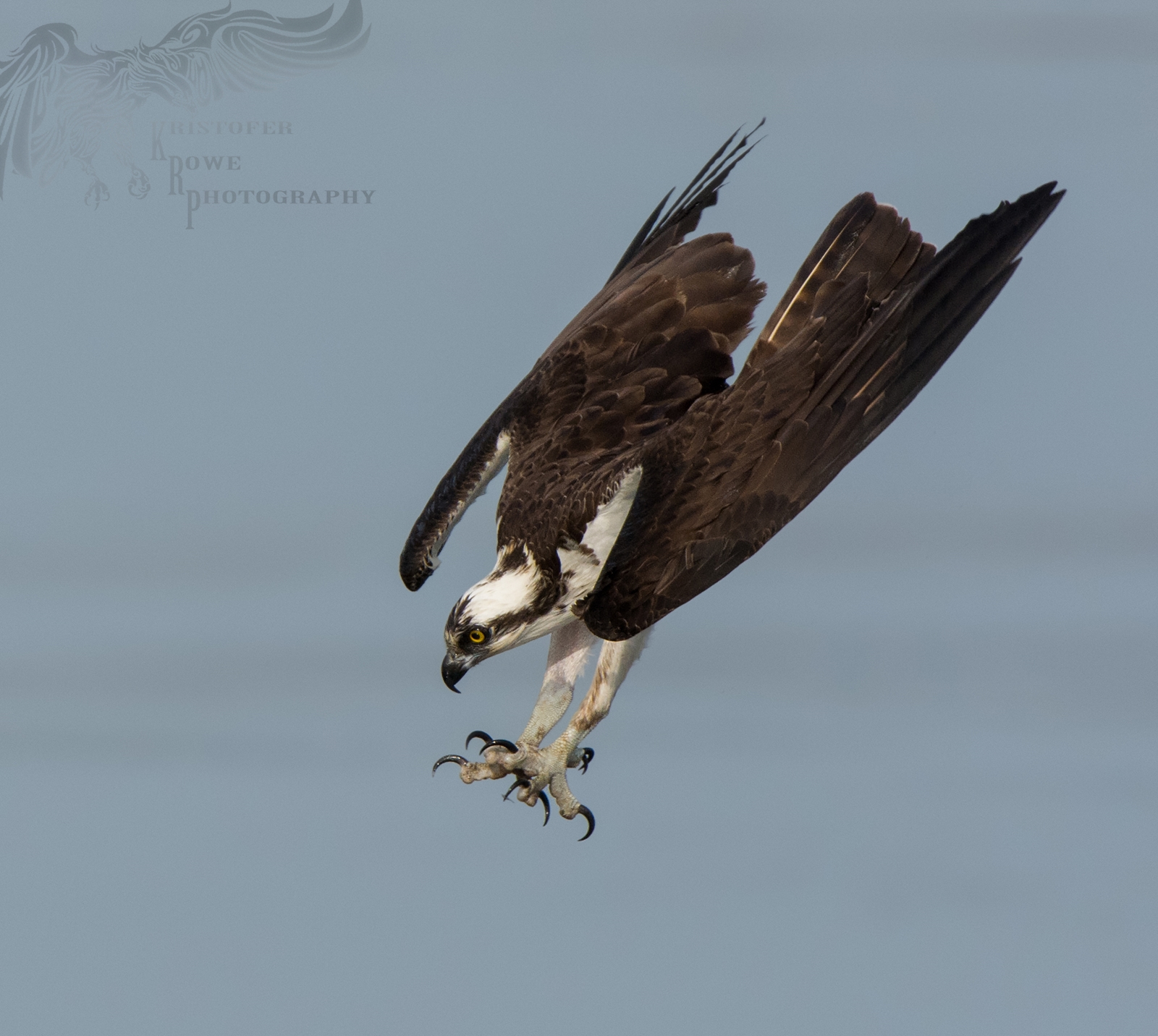
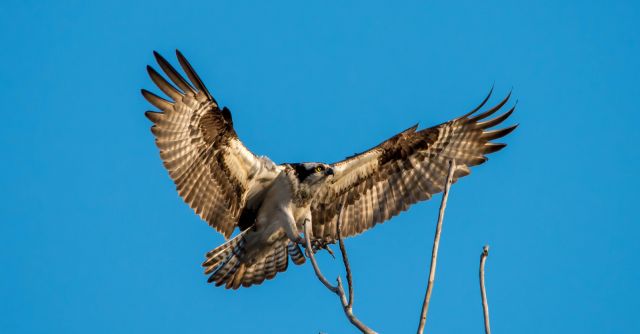
Lol, sure wish I did, that would be super cool! I live on the coast of CT where there are many Osprey nests. I've been contacted by many scientists lately and just licensed 6 images to Pew Charitable trust.. I'm kind of Mr. Osprey, lol.. dalite wrote:
Kristopher, do you own a Osprey farm? Those are wonderful shots.