This topic is in the 2014 archive. You can read it and like its posts here. It is read only.
Archive 2014Zeiss ZM 35 1.4
p.37 #1Zeiss ZM 35 1.4
The Hexagonal wrote:
Hiepphotog
Thanks for the reply.
So, a mod is needed to maximise the ZM 35mm 1.4 performance on any gen A7 series camera. I take that by what you say, smearing and maybe some field curvature issues remain on a stock a7rII, correct?
Kolari mod for A7x is needed to maximize ZM35D's performance when shooting at infinity and wider(er) apertures otherwise extreme corners and cross field sharpness will be negatively affected.
But then why purchase fast, large rangefinder lens that is hardly in lower price bracket to shoot mostly at infinity? I guess many photogs want perfection and all-in-one 35mm solution. Fair enough.
Myself, I use this lens mostly in f/1.4-2.8 range and occasionally at f/8 for landscaping. When shooting at wider apertures ZM35 doesn't really need Kolari modded Sony cameras. It manages quite well in low light, isolating subjects and producing pop and colours like only Zeiss can do.
http://www.kozera.ca/photos/images/20150905_0006_640.jpg
http://www.kozera.ca/photos/images/20150905_0003_640.jpg
http://www.kozera.ca/photos/images/20150905_0022_640.jpg
http://www.kozera.ca/photos/images/20150905_0025_640.jpg
Sep 05, 2015 at 03:51 PM
p.37 #2Zeiss ZM 35 1.4
JaKo wrote:
Thanks for the reply.
So, a mod is needed to maximise the ZM 35mm 1.4 performance on any gen A7 series camera. I take that by what you say, smearing and maybe some field curvature issues remain on a stock a7rII, correct?Kolari mod for A7x is needed to maximize ZM35D's performance when shooting at infinity and wider(er) apertures otherwise extreme corners and cross field sharpness will be negatively affected.
But then why purchase fast, large rangefinder lens that is hardly in lower price bracket to shoot mostly at infinity? I guess many photogs want perfection and all-in-one 35mm solution. Fair enough.
Myself, I use this lens mostly in f/1.4-2.8 range and occasionally at f/8 for landscaping. When shooting at wider apertures ZM35 doesn't really need Kolari modded Sony cameras. It manages quite well in low light, isolating subjects and producing pop and colours...Show more →
For the most part, I would agree with Jack. But I do think there are two situations that the field curvature at the edges/corners is undesirable. Firstly, for wide-field astrophotography, this lens is quite phenomenal for this use (none of the expensive Leica Lux is suitable for this use), and field curvature/astigmatism would make those stars bigger due to out of focus (quite out of place). Secondly, as most of these WAs, the field of focus would curve outward. For certain scene at WO, you can see somewhat clearer elements in the background around the edges and corners. This would exacerbate the double-image problem that this lens might have in some situations.
The Hexagonal wrote
HiepphotogThanks for the reply.
So, a mod is needed to maximise the ZM 35mm 1.4 performance on any gen A7 series camera. I take that by what you say, smearing and maybe some field curvature issues remain on a stock a7rII, correct?
But then why purchase fast, large rangefinder lens that is hardly in lower price bracket to shoot mostly at infinity? I guess many photogs want perfection and all-in-one 35mm solution. Fair enough.
Myself, I use this lens mostly in f/1.4-2.8 range and occasionally at f/8 for landscaping. When shooting at wider apertures ZM35 doesn't really need Kolari modded Sony cameras. It manages quite well in low light, isolating subjects and producing pop and colours...Show more →
For the most part, I would agree with Jack. But I do think there are two situations that the field curvature at the edges/corners is undesirable. Firstly, for wide-field astrophotography, this lens is quite phenomenal for this use (none of the expensive Leica Lux is suitable for this use), and field curvature/astigmatism would make those stars bigger due to out of focus (quite out of place). Secondly, as most of these WAs, the field of focus would curve outward. For certain scene at WO, you can see somewhat clearer elements in the background around the edges and corners. This would exacerbate the double-image problem that this lens might have in some situations.
Sep 05, 2015 at 08:03 PM
p.37 #3Zeiss ZM 35 1.4
Hi JaKo,
Thanks for the reply. I'm a journalist, so I am in the braket of the wide open -f4-5.6 shooting...mostly at short to medium distances. Field curvature, though, is really annoying. I used to own the 24mm 1.8 E for my NEX 7 and it was really annoying to see some things in relative focus when they should be properly out of focus.
For the prices A7r MK I's are going for today, I may get a second hand one, send it to Kolari for a mod and use that...OR...just wait until A7rII is modded by Kolari.
I have 2 RX1s and I love that lens...but I would highly welcome a faster focusing option (ZM+focus peaking was fast in my experience with NEX) than the RX1 currently has and IBIS is a major plus as well as being able to shoot video and stills with one camera.
Sep 06, 2015 at 06:49 AM
p.37 #4Zeiss ZM 35 1.4
Thanks again Jack,
I'm going back and forth about the ZM35/1.4.
The second image, the one with the bottles, again clearly shows what I don't like about the ZM. It's the same problem hiepp mentioned above: the background is nicely blurred in the center of the image but, I dare to say, ugly to the left and to the right. The black outlines on the wall painting hit my eyes. The last image where the lower ring is green and purple/magenta on the other is also not that appealing.
I'm not sure if those problems are fixed with a thinner sensor stack as I _think_ I've seen the same problem in images taken with Leicas. "Think" means I'm not sure so I'm still very much looking forward to more images from modded A7(x)MkII cameras.
I wish I didn't see those things so clearly - I love the clarity and bite in the center part of the images and I too would like to be able to leave my RX1 and take another step. The RX1 has been liberating, and soo good!, for the years I have used it but it's time to play with different lenses again.
Sep 06, 2015 at 08:22 AM
p.37 #5Zeiss ZM 35 1.4
JaKo wrote:
...why purchase fast, large rangefinder lens that is hardly in lower price bracket to shoot mostly at infinity? I guess many photogs want perfection and all-in-one 35mm solution. Fair enough.
Yes. All in one. Versatility. The ZM is probably the best all in one RF 35mm lens currently available. For me it would serve dual purposes: farther distance landscape type use moderately stopped down; wide open available lower light work typically at nearer distances (1-5m). That said, I do shoot distant subjects wide open if without a tripod, knowing that there will be some tradeoff.
The ZM's performance is such that you could shoot it at f/4-5.6 for far distances and not really have to worry about edges/corners (on a Leica or modded Sony), nor onset of diffraction effects. It seems to edge the ZM35/2, which is considered very good for landscape work (except for the extreme corners), though is a bit soft/glowy wide open.
Instead I'm exploring the new CV35/1.7. I think it delivers similar far distance performance once stopped down to f/4 and gives up ~ half-stop in low light situations. As usual, it will also boil down to rendering characteristics. IMO, I like its near-distances background rendering better than the ZM, but it lacks some of the contrast/pop of the ZM..
---------------------------------------------
Jonas B wrote:
Thanks again Jack,
I'm going back and forth about the ZM35/1.4.
The second image, the one with the bottles, again clearly shows what I don't like about the ZM. It's the same problem hiepp mentioned above: the background is nicely blurred in the center of the image but, I dare to say, ugly to the left and to the right. The black outlines on the wall painting hit my eyes. The last image where the lower ring is green and purple/magenta on the other is also not that appealing.
As I think I mentioned some posts back... I see this with a lot of rangefinder lenses I either own, have used, or seen from online samples. And I read about why this happens, but unfortunately didn't tag that source info. I believe it's a combination of factors - field curvature and vignetting of some sort.
My typical SLR field curvature experiences were that the plane of focus often curved towards the camera at the edges of the image, which resulted in greater edge blur. A lot of RF lenses I've used have the opposite field curvature. But not all. IIRC, when I compared the 21 Lux against the CV21/1.8, at the same aperture, the Lux blurs the edges better because of its typical Leica wavy plane of focus that recovers in the outer zone to about the same point as the center.
Vignetting seems to be influenced by a number of factors, including lens mount diameter, if I've understood it correctly. But also, you look at lenses like the Otus line, or adapting medium format lenses to 35mm for the larger image circle and using just the center sweet spot (same with using 35mm FF lens on APS-C, etc.). Those lenses are made bigger than the base minimum needed for the format. Then there's also the Sonnar in the RX1, which has a very, very unique design for optimizing performance on full frame. In contrast, standard RF lenses have to conform to a number of factors that likely compromise certain performance characteristics. One of which seems to be outer zone rendering - vignetting, the shape and character of out of focus specular light sources... The ZM35/1.4 is particularly 'wonky' in how it handles the latter and one of the few things I dislike about it. Certain subject background distance relationships result in a rather disruptive rendering. That said, similar can be coaxed out of the highly regarded 'cream machine' 50 Lux ASPH (IMO the FE 55/1.8 has slightly less smooth rendering than the 50 Lux ASPH but better maintains that rendering into the outer zone, where the Lux loses some of the smoothness found in the center of the image).
Sep 06, 2015 at 10:34 AM
p.37 #6Zeiss ZM 35 1.4
Yes Ron, I'm with you.
I recall "interesting" images taken with the old Canon EF50/1.0 for example... there we had an effectively higher f-stop number towards the edges than in the center and the result was images that were even worse than many RF lenses on the A7 series.
Natural vignetting and mechanical vignetting together... Another point you mention is the curved focal plane. I remember observing that in your initial images from November last year. You used a Leica for those images. That makes me think there won't be much of an improvement with a modded A7(x) with regards to the field curvature.
Maybe I should just give up on the ZM35/1.4. The new CV lens looks interesting as well. Like you I want a lens to be versatile. I can't expect the RX1 Sonnar performance but the closer the better.
I have owned a lot of CV lenses and I never really cared for the colors from the, or the so common purple/magenta haze they often pollute images with when shooting wide open and near wide open. This is most often seen when shooting against the light but also in other situations.
I'll however still look for ZM35/1.4 images when "modded" ones surface. And, I'll keep a close eye to the CV35/1.7(new) images which I'm sure we'll see more from, also such taken with A7(x) cameras.
My problem; if I have to use a 35mm lens in the size of the C/Y35/1.4 or the new ZA lens I don't know which route to chose.
Best regards, and a thank you for posting, images and thoughts!
Sep 06, 2015 at 11:17 AM

p.37 #7Zeiss ZM 35 1.4
After looking and looking and hearing good commentary from many of this thread (but especially Jonas' and Ron's thoughtful hesitation and Phillipe's, Jack's, and Greg's fantastic pictures and thoughtful defence of the lens). I think I am still going to get the lens and I probably won't modify my camera. Yes, there are issues with field curvature that are exacerbated on an unmodded camera which can render the edges funky at times even close up. Yes, (as Jonas notes above) there are issues with CA outside the focal plane, but these issues are no worse than other fast 35mm lens, IMO.
I love the pop of the lens for close shooting, however, and I think it can produce quite nice landscape images at f/8 even on an unmodded camera. I think one will have to no the lens well and learn to work around the issues, however. For close shots I think many may require a crop--I almost always crop to 4 X 5 or even square for these types of shots anyway. I think I could handle almost all the shots where the funkiness would bother me with this approach. For these close shots I think the pros of the lens simply outweigh the cons, but that may be just for me.
With regard to landscapes I think It won't be my primary lens. I think on a modded camera it could be. It looks excellent from f/4 for landscapes and very good even at much wider apertures. I have seen some shots at f/2 that look fantastic.
I do think it is a lens you will need to understand--more than most--to get the best out of it, but if you understand the field curvature and how to compose and crop for it I think the strengths of the lens make it an excellent choice for close up work, and on a modded camera or a Leica it is excellent for landscapes as well and it doe very well even on a modded camera at f/8.
That's my take and it is more than enough so that I still very much want the lens. Now, I just need to be patient until I can afford to buy it.
Sep 06, 2015 at 12:16 PM
p.37 #8Zeiss ZM 35 1.4
Steve Spencer wrote:
After looking and looking and hearing good commentary from many of this thread (but especially Jonas' and Ron's thoughtful hesitation and Phillipe's, Jack's, and Greg's fantastic pictures and thoughtful defence of the lens). I think I am still going to get the lens and I probably won't modify my camera. Yes, there are issues with field curvature that are exacerbated on an unmodded camera which can render the edges funky at times even close up. Yes, (as Jonas notes above) there are issues with CA outside the focal plane, but these issues are no worse than other fast 35mm...Show more →
Hi Steve,
I hope that you enjoy the lens when you purchase it.
For me, though the lens might be nice, it is not the optimum lens for my landscape shooting. For me, I need much DOF much more than the larger aperture offered by the lens. A modded A7r or an A7rII would better suit my needs with my Minolta CLE 40mm f2 M-Rokkor lens. No the M-Rokkor may not be as good a performer on a modded A7r or A7rII but it is tiny and light and will perform extremely well for my landscape shooting at between f5.6 and f11 on the modded cameras. Besides, modding my A7r is much less expensive than purchasing the lens. Add to this my Leica M WATE and my R 28mm f2.8 Elmarit V@ and I think that for my needs I am well covered.
Rich
Sep 06, 2015 at 12:40 PM
p.37 #9Zeiss ZM 35 1.4
I was put off by the busy background as well at first. But considering I have decided going full small and light and my emphasis is on landscape, this ZM makes sense. Ironically, this lens has a smoother bokeh than the much touted Leica Lux 35/1.4 ASPH. On a modded cam, its bokeh is even better than the Cron 28, which is considered by many Leica shooters to be quite smooth for its focal length. The Cron 28 has that curvature issue that turns the background corners and edges into double-image messes. The ZM has the sharpness that would be up there with the Cron 50 APO, phenomenal really. I do care about smooth bokeh, but for environmental portrait, structural bokeh is fine. These qualities put this lens ahead of any other faster 35s I have considered (FE is not good enough for landscape, especially for its size). Until Leica puts a BR element into its next 35/1.4, I don't think any RF 35/1.4 would be better than this. If Canon can shrink that new 35/1.4 to this size, it would be perfect.
The only thing that I'm not happy about this lens is that it's not a 28 . It really messes up my lens line-up, but I guess I have to live with it for now.
The only thing that I'm not happy about this lens is that it's not a 28
. It really messes up my lens line-up, but I guess I have to live with it for now. Sep 06, 2015 at 12:45 PM
p.37 #10Zeiss ZM 35 1.4
No lens is perfect and not meant for everyone, including ZM35D, but what this lens does very well easily makes you forget its little quirks when shooting specific conditions (nope, CA produced by light shining on glass or chrome surfaces is not this fast lens' exclusive fault)
As Hiep mentioned ZM35 is exceedingly sharp wide open. Below are two images taken yesterday afternoon; both lenses were set to widest apertures. Check 100% crop from ZM35; none of my fast f/1.2 - f1.5 lenses come even close to it, including Lux-M 50 asph.
http://www.kozera.ca/photos/images/20150905_0036_1600.jpg
http://www.kozera.ca/photos/images/20150905_0062_1600.jpg
100% crop (focus point)
http://www.kozera.ca/photos/images/20150905_0062C_1600.jpg
Sep 06, 2015 at 01:34 PM
p.37 #12Zeiss ZM 35 1.4
Jack...Thank you for all the great images and info on shooting with the ZM 35D. I agree...THis lens is really sharp WO, but damn, stop it down to f4-5.6, and it's stunning! Damn fun lens!
Gregg
2 WO on A7rM
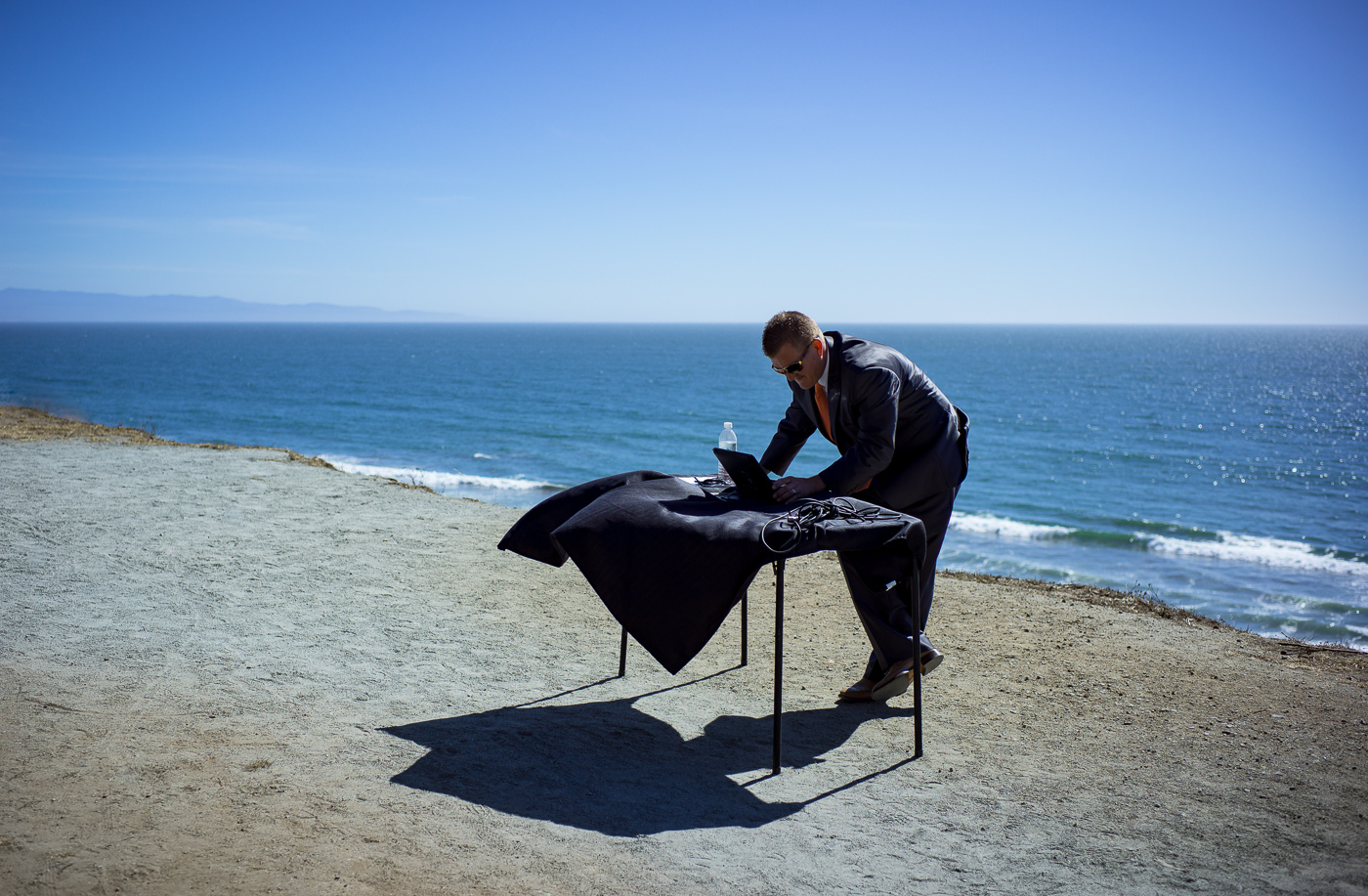
Not WO, but f2-2.8
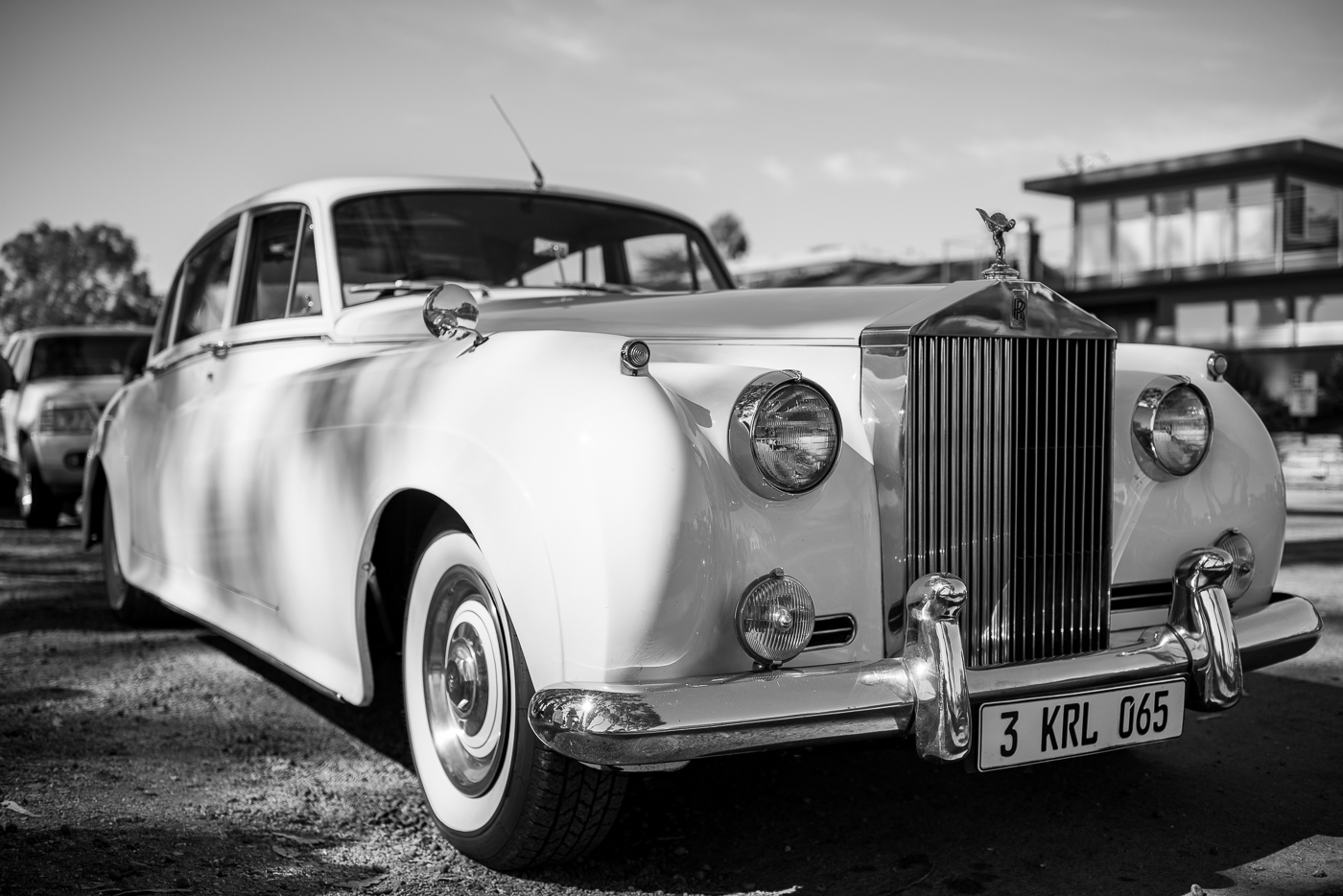
One very nice RR...
Gregg
2 WO on A7rM
Not WO, but f2-2.8
One very nice RR...
Sep 06, 2015 at 11:23 PM
p.37 #13Zeiss ZM 35 1.4
Field curvature, corner sharpness and posed attitude; all at f/1.4
http://www.kozera.ca/photos/images/20150907_0118_640.jpg
http://www.kozera.ca/photos/images/20150907_0108_640.jpg
http://www.kozera.ca/photos/images/20150907_0123_640.jpg
http://www.kozera.ca/photos/images/20150907_0118_640.jpg
http://www.kozera.ca/photos/images/20150907_0108_640.jpg
http://www.kozera.ca/photos/images/20150907_0123_640.jpg
Sep 08, 2015 at 12:08 AM
p.37 #14Zeiss ZM 35 1.4
Sunset at south side of False Creek in Vancouver, BC.
Shot at f/9, for a change
http://www.kozera.ca/photos/images/20150910_0137_1600.jpg
Shot at f/9, for a change
http://www.kozera.ca/photos/images/20150910_0137_1600.jpg
Sep 10, 2015 at 11:54 PM
p.37 #15Zeiss ZM 35 1.4
I am hesitant to mod the A7RM2.
See, 21 -35 - 50 - 90 setup works well for me and only Leica SEM21 really calls for modded sensor stack, so I decided to keep A7R.MOD strictly for SEM21 and use A7RM2 for the rest.
Is ZM35D really suffering on stock A7RM2? Not so, not unless I shoot infinity & diagonally most of the time. In fact there is a trade off between modded A7R and A7RM2 where the later exhibits much cleaner and brighter peripherals at the expense of slight field curvature. For now, ZM35D is housed on A7RM2.
'Cutting Corners'
http://www.kozera.ca/photos/images/20150911_0006_1600.jpg
Sep 12, 2015 at 05:30 PM
p.37 #16Zeiss ZM 35 1.4
What are you guys using for adapters? Is there any consensus?
Sep 14, 2015 at 09:04 PM
p.37 #17Zeiss ZM 35 1.4
ebookman wrote:
What are you guys using for adapters? Is there any consensus?
I'm really happy with my Rayqual.
What are you guys using for adapters? Is there any consensus?
I'm really happy with my Rayqual.
Sep 14, 2015 at 09:18 PM
p.37 #19Zeiss ZM 35 1.4
Awesome bokeh Jack!! Just got back from a 2 day stint in SF. Only brought the ZM 35D with...what an incredible lens!
Gregg
A7rM and ZM 35D
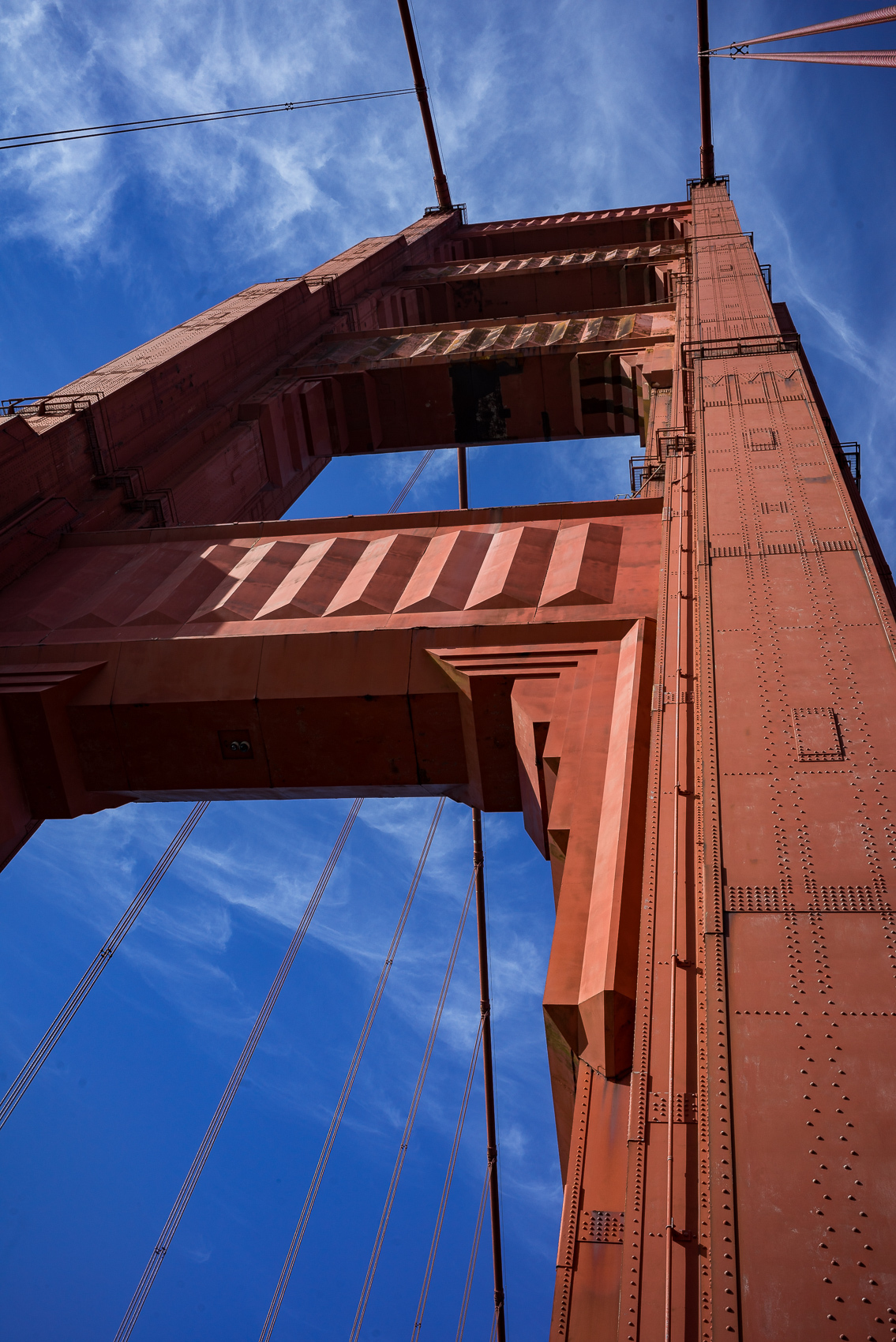
@f11
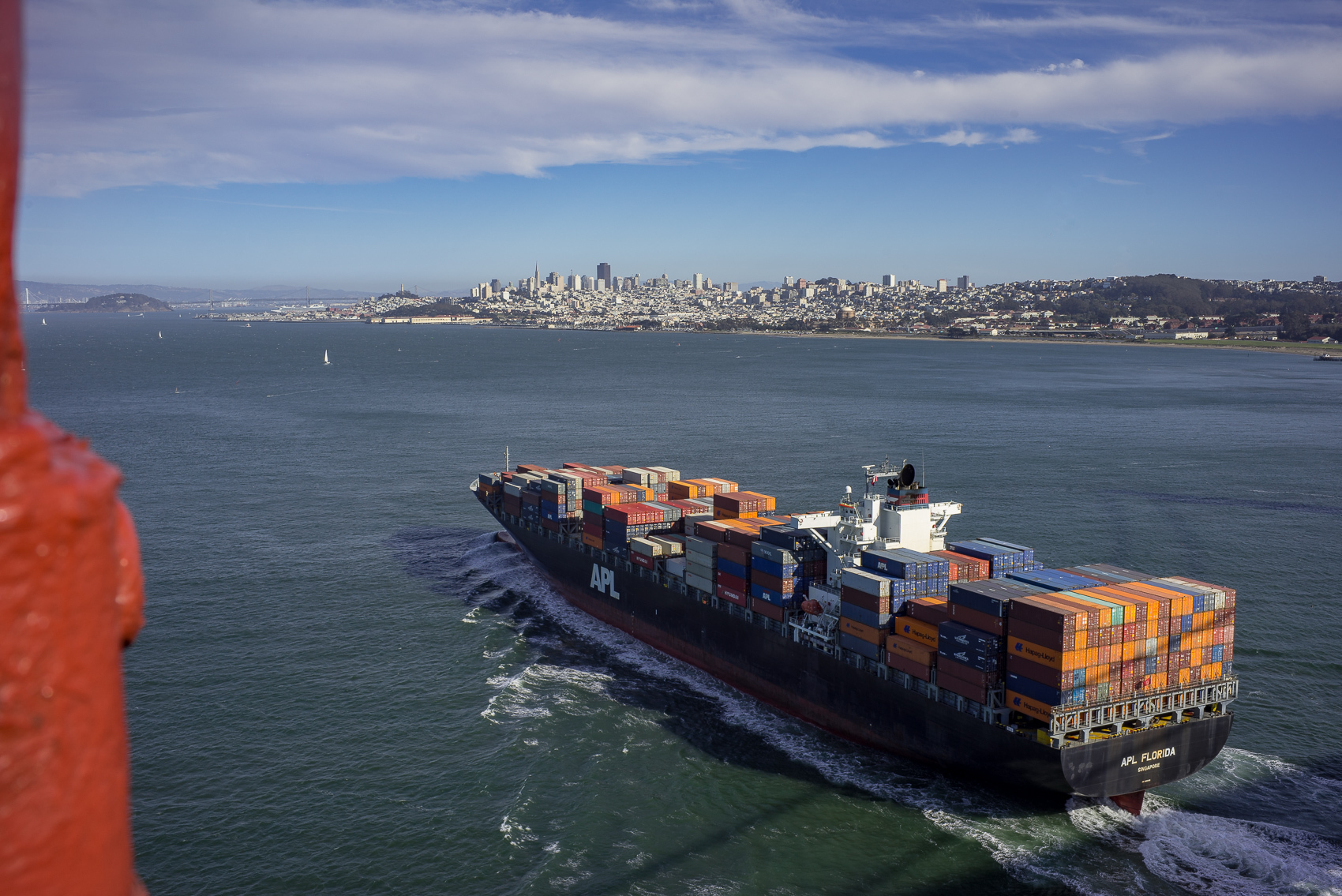
@f11
Gregg
A7rM and ZM 35D
@f11
@f11
Sep 27, 2015 at 08:47 AM