Old School DX Image Thread
p.6 #1Old School DX Image Thread
 A Unique Sight by Mawz, on Flickr
D200, Sigma 10-20 f4-5.6
Sep 09, 2014 at 05:17 AM


p.6 #3Old School DX Image Thread
 Pedal marketting by Mawz, on Flickr
D200, Sigma 10-20 f4-5.6
Sep 11, 2014 at 05:14 AM
p.6 #4Old School DX Image Thread
 Spadina Blue by Mawz, on Flickr
D200, Sigma 10-20 f4-5.6
Sep 12, 2014 at 05:52 AM
p.6 #5Old School DX Image Thread
Can anyone here wax poetic on why one would want to shoot with a CCD sensor, such as that in a D200? I currently use a D800, among other cameras, but I tend to have the latest (or close to it) Sony sensors. What difference would I see with a D200? Obviously, high ISO would be a big distinction, but let's say we confine the discussion to base ISO. What kind of latitude in post would I have?
Thanks in advance for the responses!
Thanks in advance for the responses!
Sep 12, 2014 at 11:45 AM
p.6 #6Old School DX Image Thread
Hi-Matic wrote:
Can anyone here wax poetic on why one would want to shoot with a CCD sensor, such as that in a D200? I currently use a D800, among other cameras, but I tend to have the latest (or close to it) Sony sensors. What difference would I see with a D200? Obviously, high ISO would be a big distinction, but let's say we confine the discussion to base ISO. What kind of latitude in post would I have?
Thanks in advance for the responses!
You lose a lot of processing latitude, shooting CCD is a lot like shooting chromes, no latitude for overexposure at all and underexposure leads to muted colour and noise. CCD cameras are not about the sort of wide DR and exposure recovery, instead they reward nailing exposure dead on. It's an interesting challenge.
But when you nail the exposure, you get lovely, saturated colour without losing fine gradations. CCD sensors were generally very good for this while CMOS sensors are usually specified with a weaker CFA that loses the ability to have both the rich saturation and fine gradation without a lot of care & profiling (one reason why I prefer a strong CFA over good high ISO, which is the tradeoff we're making).
Note the richly saturated images I've posted recently from the D200 are in fact recent shots with fairly minimal post (sharpening, some NR and maybe a curve for all the colour shots).
Sep 12, 2014 at 01:14 PM


p.6 #8Old School DX Image Thread
mawz wrote:
Thanks in advance for the responses!You lose a lot of processing latitude, shooting CCD is a lot like shooting chromes, no latitude for overexposure at all and underexposure leads to muted colour and noise. CCD cameras are not about the sort of wide DR and exposure recovery, instead they reward nailing exposure dead on. It's an interesting challenge.
But when you nail the exposure, you get lovely, saturated colour without losing fine gradations. CCD sensors were generally very good for this while CMOS sensors are usually specified with a weaker CFA that loses the ability to have both the rich saturation and fine gradation without a...Show more →
Thanks
Hi-Matic wrote
Can anyone here wax poetic on why one would want to shoot with a CCD sensor, such as that in a D200? I currently use a D800, among other cameras, but I tend to have the latest (or close to it) Sony sensors. What difference would I see with a D200? Obviously, high ISO would be a big distinction, but let's say we confine the discussion to base ISO. What kind of latitude in post would I have?Thanks in advance for the responses!
But when you nail the exposure, you get lovely, saturated colour without losing fine gradations. CCD sensors were generally very good for this while CMOS sensors are usually specified with a weaker CFA that loses the ability to have both the rich saturation and fine gradation without a...Show more →
Thanks
Sep 12, 2014 at 06:26 PM
p.6 #9Old School DX Image Thread
 On Black by Mawz, on Flickr
Double-whammy today. D200 and the much unloved and totally forgotten 70-300G non-VR. It's actually not a bad little lens as long as you avoid any situations which generate CA. Essentially the same optics as the 70-300D, just without the ED elements which control CA better. Can be had for $50 or so.
Sep 14, 2014 at 06:53 AM
p.6 #10Old School DX Image Thread
You dont have to spend a lot to get good results. Pick up a used D90 and get the 35mm 1.8G DX lens.


This is with the older 300mm f/4 ED AF


Carl
This is with the older 300mm f/4 ED AF
Carl
Sep 14, 2014 at 07:14 AM
|

p.6 #12Old School DX Image Thread
 After Sunset on Eglinton by Mawz, on Flickr
D200, 35DX
Sep 16, 2014 at 05:54 AM
p.6 #13Old School DX Image Thread
Nikon D40X and Nikkor 50mm f2 H-C
 Kagsmosen_1 by twoobeard1, on Flickr
Sep 16, 2014 at 01:31 PM
p.6 #14Old School DX Image Thread
 Blue and Brick by Mawz, on Flickr
D200, 35DX
This is one of the first shots I've processed in CaptureOne 8, very impressed in how much detail it pulls out of the file, I'd have had to tweak sharpening for quite a while to get close in Lightroom 5.
Sep 17, 2014 at 04:48 AM
p.6 #15Old School DX Image Thread
With D2Xs and 70-200VR1 just the other day.
 |
||
 |
||
 |
|
||
 |
||
|
Sep 20, 2014 at 10:45 AM
p.6 #16Old School DX Image Thread
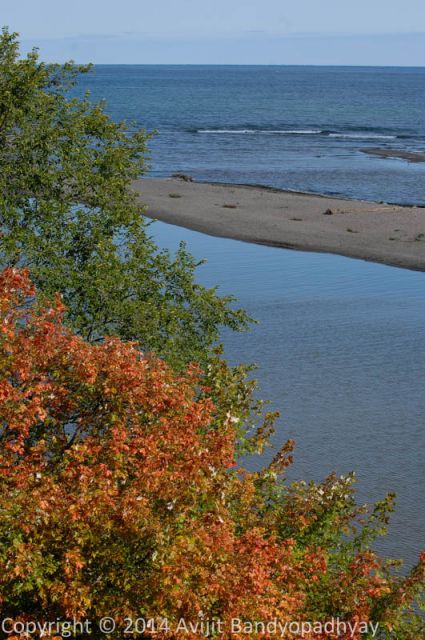
From the same day, with D2Xs and 70-200VR1.
Start of Fall Colours
Got Wood?
|
||
 |
||
|
Start of Fall Colours
|
||
 |
||
|
Got Wood?
Sep 20, 2014 at 10:48 AM
p.6 #17Old School DX Image Thread
Only images on these drives taken with a D1x back in 2005 at the dealership.
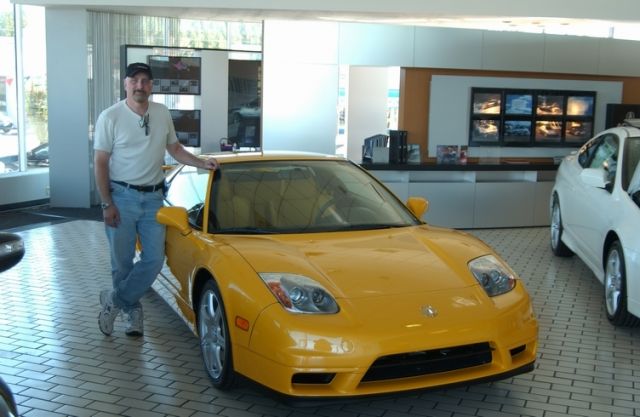
After financing getting ready to go home

Before financing.. crapping my pants.
After financing getting ready to go home
Before financing.. crapping my pants.
Sep 20, 2014 at 03:07 PM


p.6 #19Old School DX Image Thread
 Always Coca-Cola by Mawz, on Flickr
D200, Sigma 10-20 f4-5.6
Sep 22, 2014 at 05:46 AM
p.6 #20Old School DX Image Thread
 After the Rain by Mawz, on Flickr
D200 and the lowly 70-300G non-VR.
This is $150 of IQ.
Sep 23, 2014 at 05:23 AM