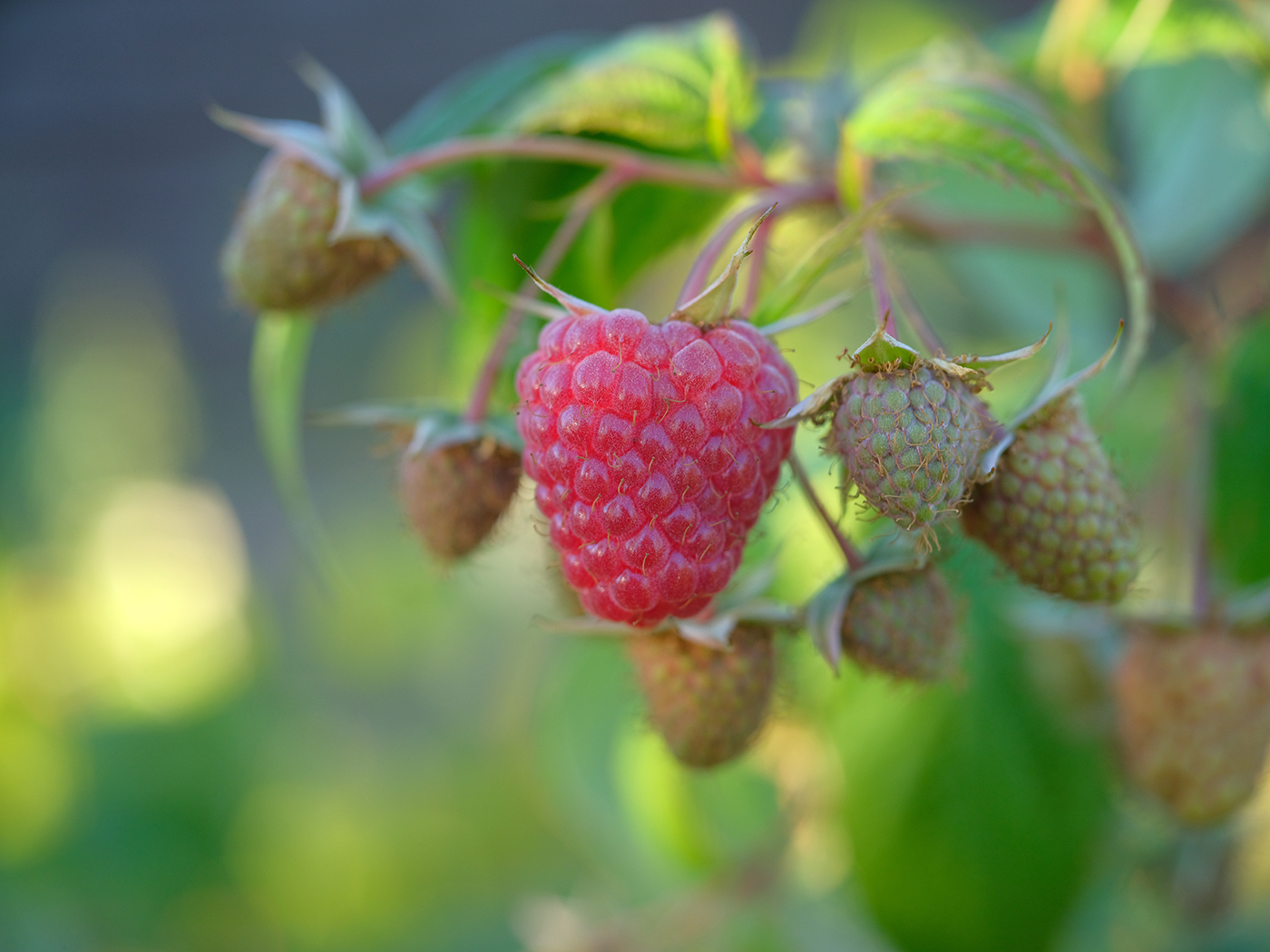
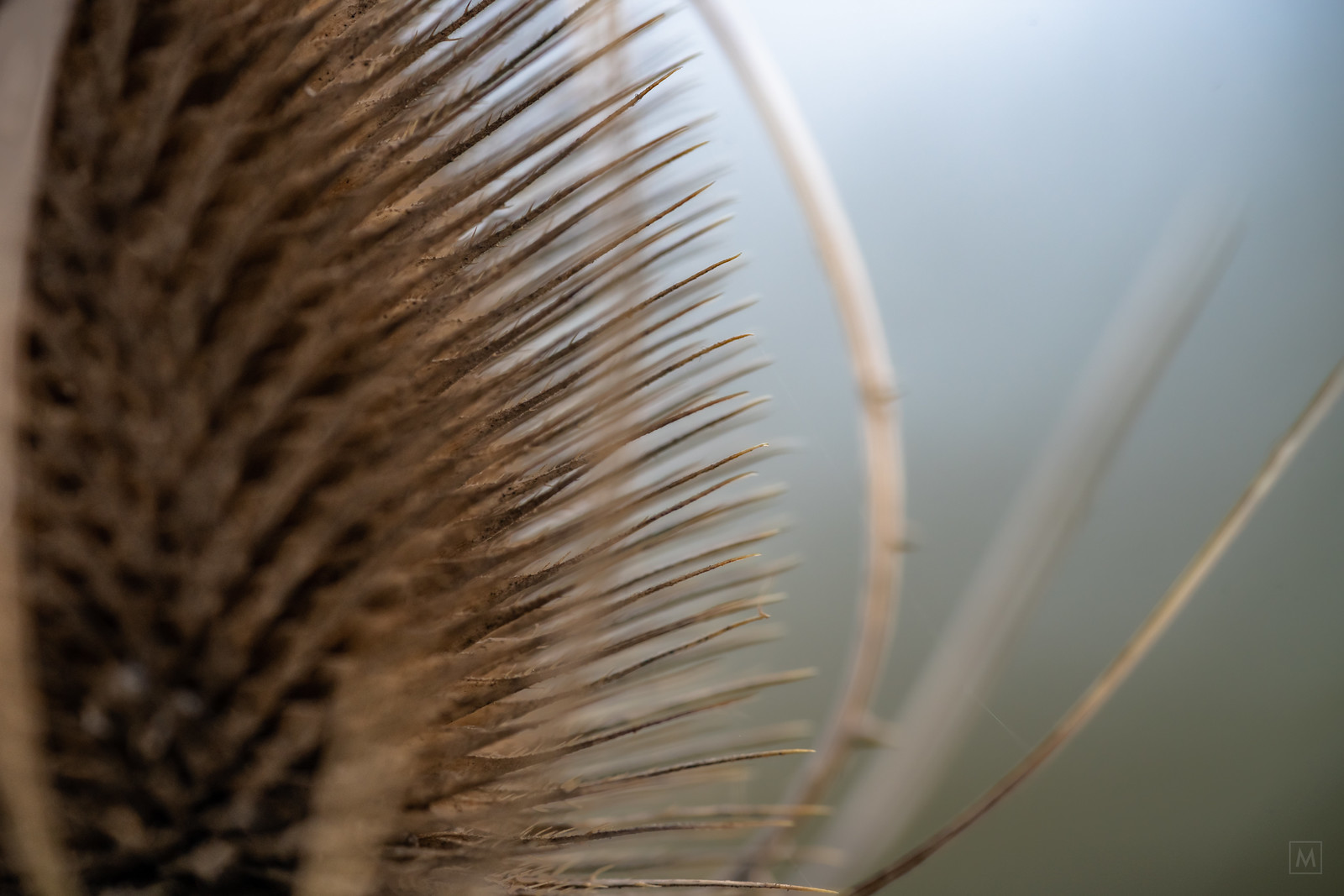
i'm thinking of getting back into some macro photography(insects) since i now have a Canon R5 and was wondering if anybody here has noticed that IBIS has helped produce sharper images?
n.v.m. wrote:
i'm thinking of getting back into some macro photography(insects) since i now have a Canon R5 and was wondering if anybody here has noticed that IBIS has helped produce sharper images?
Yes but I have very rarely had it switched off. With manual lenses (I have many) you need to set the focal length.
n.v.m. wrote:
if it were accidentally switched off, you would notice something was different with your usual results?
Such an accident is unlikely, as I would have to select IS, alter it and confirm, three distinct actions. Setting the focal length would not involve that part of the menu.
n.v.m. wrote:
to make a point i created that scenario. the chances of it happening was not meant to be questioned.
IS is only important at slow shutter speeds which are not generally suitable for freezing subject movement. I have it switched on because there is no point in switching it off, not that I think it is always essential.
When I first welcomed IS it was because I couldn't use flash e.g. in church interiors, not so much for macro, although there ae times when it may have contributed in daylight for the latter.
n.v.m. wrote:
i'm thinking of getting back into some macro photography(insects) since i now have a Canon R5 and was wondering if anybody here has noticed that IBIS has helped produce sharper images?
When using the R5 with the 180L lens, the IBIS doesn't help a lot with the resulting images, but it does help a lot with stabilizing the viewfinder. It's much less jittery and distracting, which frees up a lot of my attention to get a better shot.
When I am doing high mag with my Laowa 25mm x2.5 to x5, the viewfinder image can be jumping all over the place. Using a high intensity diode torch to illuminate the subject prevents that.
I do have a general macro question if anyone has the time. I have been taking photos of sempervivum (hens and chicks) in my garden. I use a z6 and the 105mm micro lens. Would you recommend flash for this type of photography? I am using early morning or later afternoon natural light and getting somewhat fuzzy results. Tripod use
Lancemountain wrote:
Just read this whole thread, very helpful folks!
I do have a general macro question if anyone has the time. I have been taking photos of sempervivum (hens and chicks) in my garden. I use a z6 and the 105mm micro lens. Would you recommend flash for this type of photography? I am using early morning or later afternoon natural light and getting somewhat fuzzy results. Tripod use
Natural light generally gives more-pleasing results.
I started out using flash for all my macro in the days when the film I used was ISO 25.
With digital, Image Stability makes all the difference and I started using only daylight. If you hold your breath during an exposure do it when you have breathed out.
Now, I use daylight for close-up an macro at around 1:1. At higher magnifications I use twin flash.
For many years I avoided using ISO above 800. Recently, except for the higher magnifications, I use high ISO, 1000 to 5000, occasionally higher. There is more noise but it cleans up nicely. Because of the tiny effective apertures at high magnification, flash is essential to get enough light and to freeze camera or subject movement.
I used to use a very versatile tripod, mainly for flowers but it is surprising how much air movement there is. Unless you are working alone, and not keeping up with a group, a tripod is impractical. You won't get near many insects with one and they are too slow to use.
Most images posted here are with hand-held cameras, usually with flash.
I give technical details in my posts. For subjects near or at ground level I use free-standing, remote control guns and they don't move between frames for stereo pairs.
Daylight (sunlight) can be very directional. Many macro shooters use huge diffusers on hot shoe flash. I prefer 2, sometimes 3 small (diffused) units. I have forward-tilting units which are very useful for tiny subjects on the ground or in the studio.
If you are going to do much macro you may find kneepads useful.
New to macro, having switched bodies I found myself liking the Sony 90mm 2.8 G Macro so I’ve been playing with it. I haven’t had the time nor patience yet to really focus on a subject, but hope to do that soon. For now I’m enjoying both the detail and the challenge and beauty of what kind of DoF you can get with images like these.
The edge of a leaf, we are nearing the end of fall here in Switzerland.
Newish macro shooter. I'm on and off with this genre. But couldn't resist a TT Artisan 40mm Macro lens for less that $100... Coupled to my Fuji X-T2 and a nice BW recipe, behold (SOOC)