FE 35
This is Alaskan artist Percy Avugiak dipnetting. Great guy, very talented artist. AKFishues-4.jpg by Alaskan Fishues, on Flickr
Playing with polarizers. Still a lot of basics to learn. Alaskan version of pseudo-street photography. After I limited out, I was snapping pictures of strangers fishing. AKFishues-10.jpg by Alaskan Fishues, on Flickr
I rarely shoot wide angle - that is because I compose images in 3D and depth is important aspect, and wide angles don't offer the control of depth I prefer. This is specially because most wide angle lenses have ugly boke before you close them 2-3 stops, and then combination of aperture and short focal length doesn't really allow much control to depth.
If we would not be limited to using small 36mm x 24mm sensors, I would shoot much more with 15/18/21/25mm equivalent FOV lenses. Naturally on larger formats we have issue of not having many fast wide angles, so upgrading sensor size would not be enough. So currently only good way of going around the limitation is to shoot with tele lens and panorama head. This naturally results field curvature because lens lens and camera are rotated (can be compensated but it makes shooting very slow and difficult). Drawbacks of the method are numerous;
- light can't change as it takes 2-10 minutes to shoot one scene
- wind can't move things between invidual frames
- diffucult to compose (maybe external 21mm viewfinder would help to visualize the 2D composition, I'm considering getting one)
- last but not least the extra effort of processing panorama and limitations to digital darkroom techniques.
I have found best lenses for this technique are fast lenses, which reach uniform boke over the whole image at biggest possible aperture. Unfortunately lenses like FE55 can't be used because designer have selected too small lens barrel and boke never gets same in corners as it's in center. From my lenses I prefer Canon FD 85mm f/1.2L (f/2 can be used), but also Zeiss f/1.4 planars (50 or 85) do well (f/2.8 can be used), and if you have very static subject, patience and computer with large memory then Zeiss APO-Sonnar T* 2/135 (f/2.5 can be used) could be also considered as option (Zeiss MP 2/100 was also ok, but needs to be closed down to f/3.2-3.5 at larger distances due to too small lens barrel). In addition to optical factors, I prefer 85/90 lenses also because my panorama head has 10° detent ring, and it matches perfectly to 85/90mm (and 45mm lenses, like Contax G45, skipping every 2nd detent).
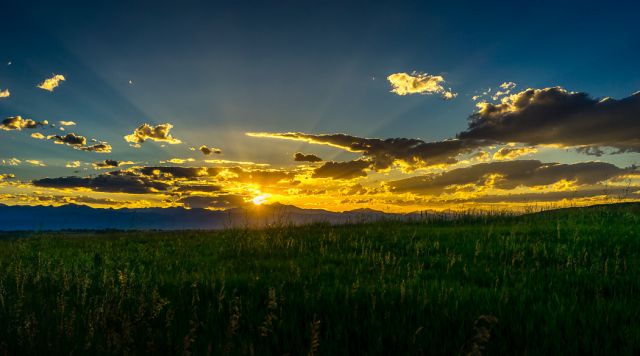
Horizontal 102° (for comparison in 36x24 sensor 15mm lens has 105 degrees) panorama, used Nodal Ninja 5L to shoot in 3 rows, 11 images in each row, resulting 397Mpix image (of which I waste most to boke as usual ). Lens used was Canon FD 85mm 1.2L @ f/2, which results similar boke in center of sensor and corners of sensor (no cats eye = no larger DOF in corners), one of the best lenses to shoot shallow DOF panoramas. Camera Sony A7 @ ISO 100.
Horizontal 105° panorama - 3 rows, 10 images in each row - same lens, camera etc. - demonstration of flattening the field by shooting column at a time (normally panoramaheads are optimized for shooting in rows). Pros of this method is that there if no field horizontal field curvature. Cons can be seen on the boke highlights, to me they look twisted and unnatural (most people won't notice and even if they do they don't understand physics behind to understand why it happens - and some people even like "cats eye boke", so as always "boke = subjective") - the boke "ball" size is larger in center of image, and on left and right edges "ball" size is smaller.
For reference same scene without compensating for the horizontal field curvature. WB and light difference due to processing and time between the frames (clouds shifted and light changed due to this - it took 5 minutes to shoot whole scene), has nothing to do with field curvature compensation:





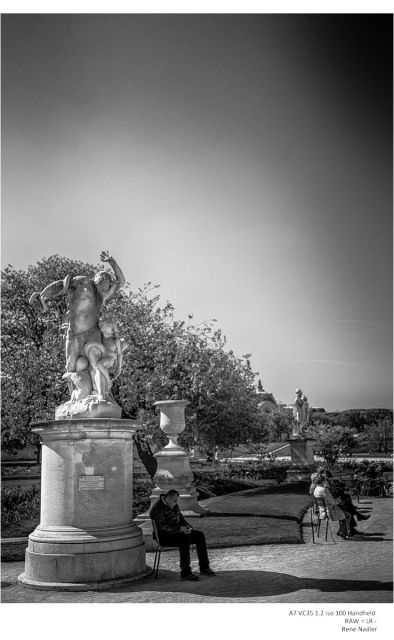
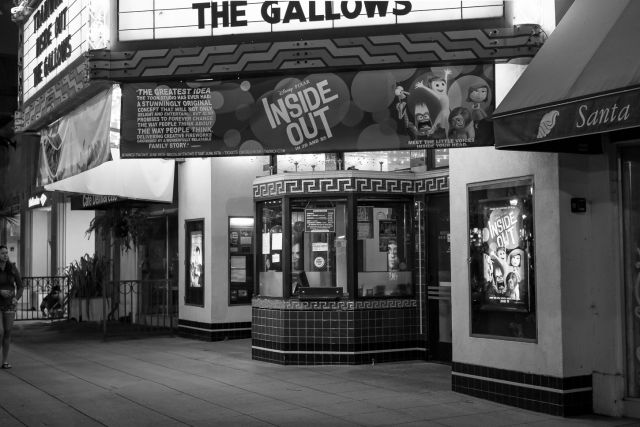
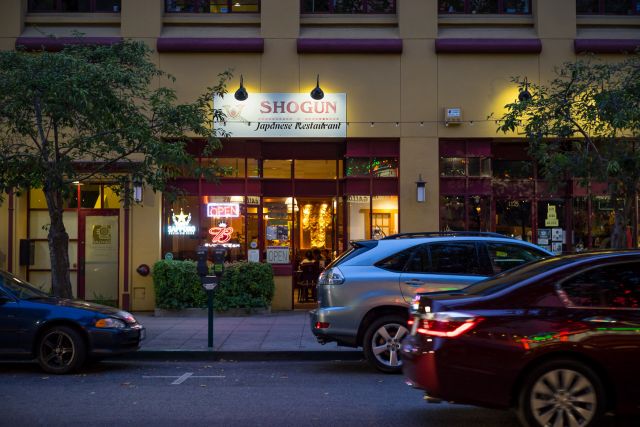
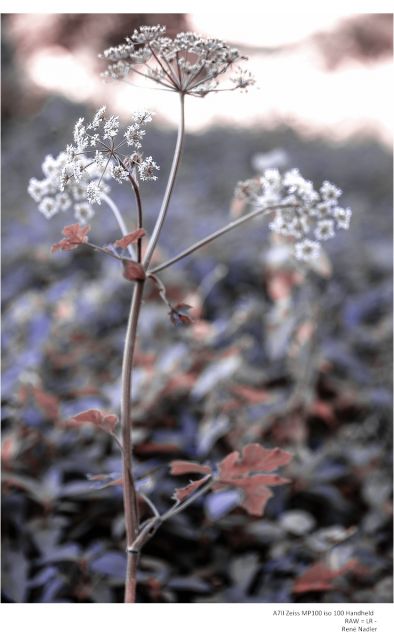
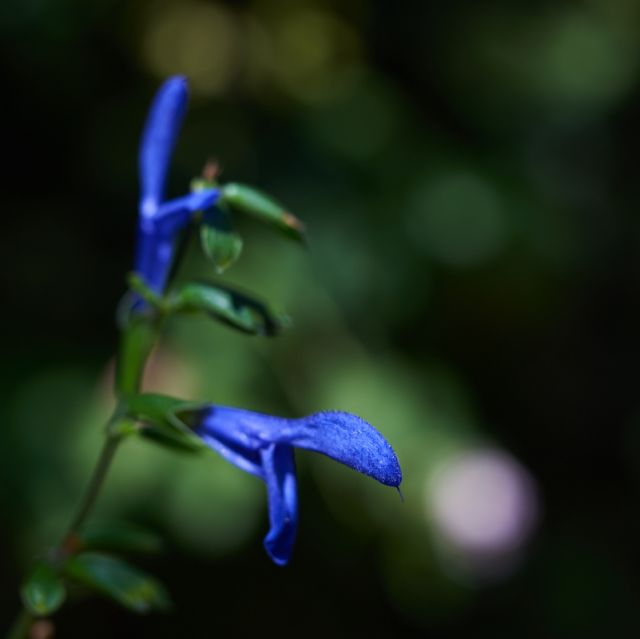
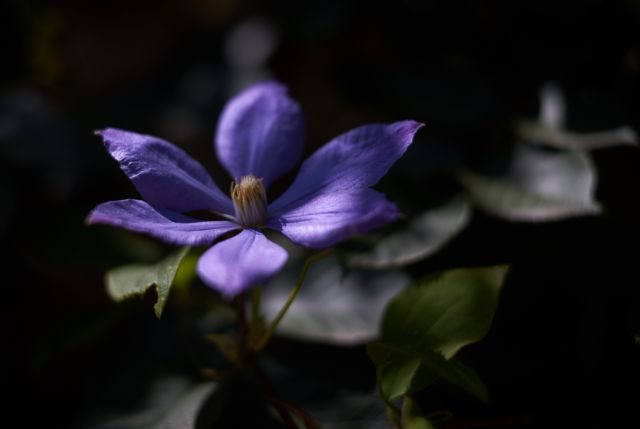


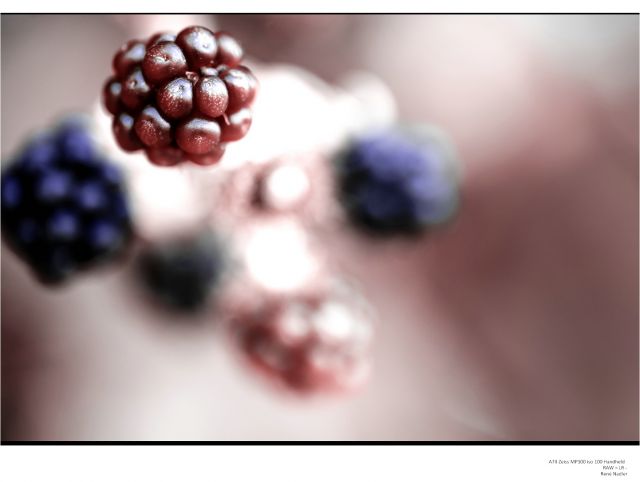
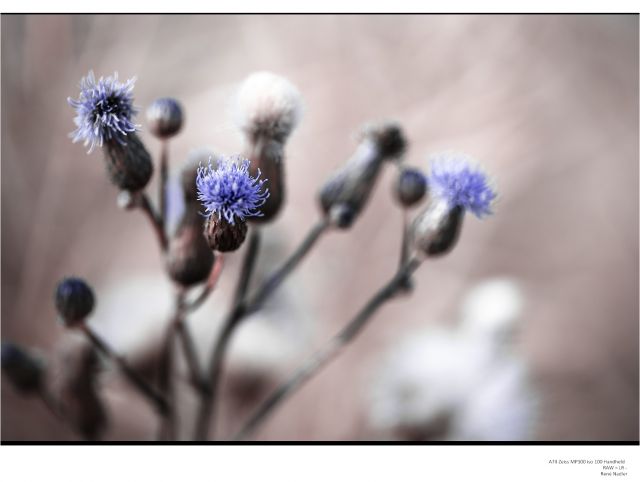
 ). Lens used was Canon FD 85mm 1.2L @ f/2, which results similar boke in center of sensor and corners of sensor (no cats eye = no larger DOF in corners), one of the best lenses to shoot shallow DOF panoramas. Camera Sony A7 @ ISO 100.

