I cannot believe how good this lens is. It's the lens that brought me back into Sony!
SOOC JPG (underexposed on purpose to test DRO +2 at base ISO) ORP04221 by Visual Novel, on Flickr
wtf it shows up as Loxia 50/2 on flickr lol Zeiss taking the credit:
Processed C1/Luminar 4 (i know, i see the dust spots, i kinda corrected it but i cleaned the sensor afterwards so forgive me please) ORP04221c by Visual Novel, on Flickr
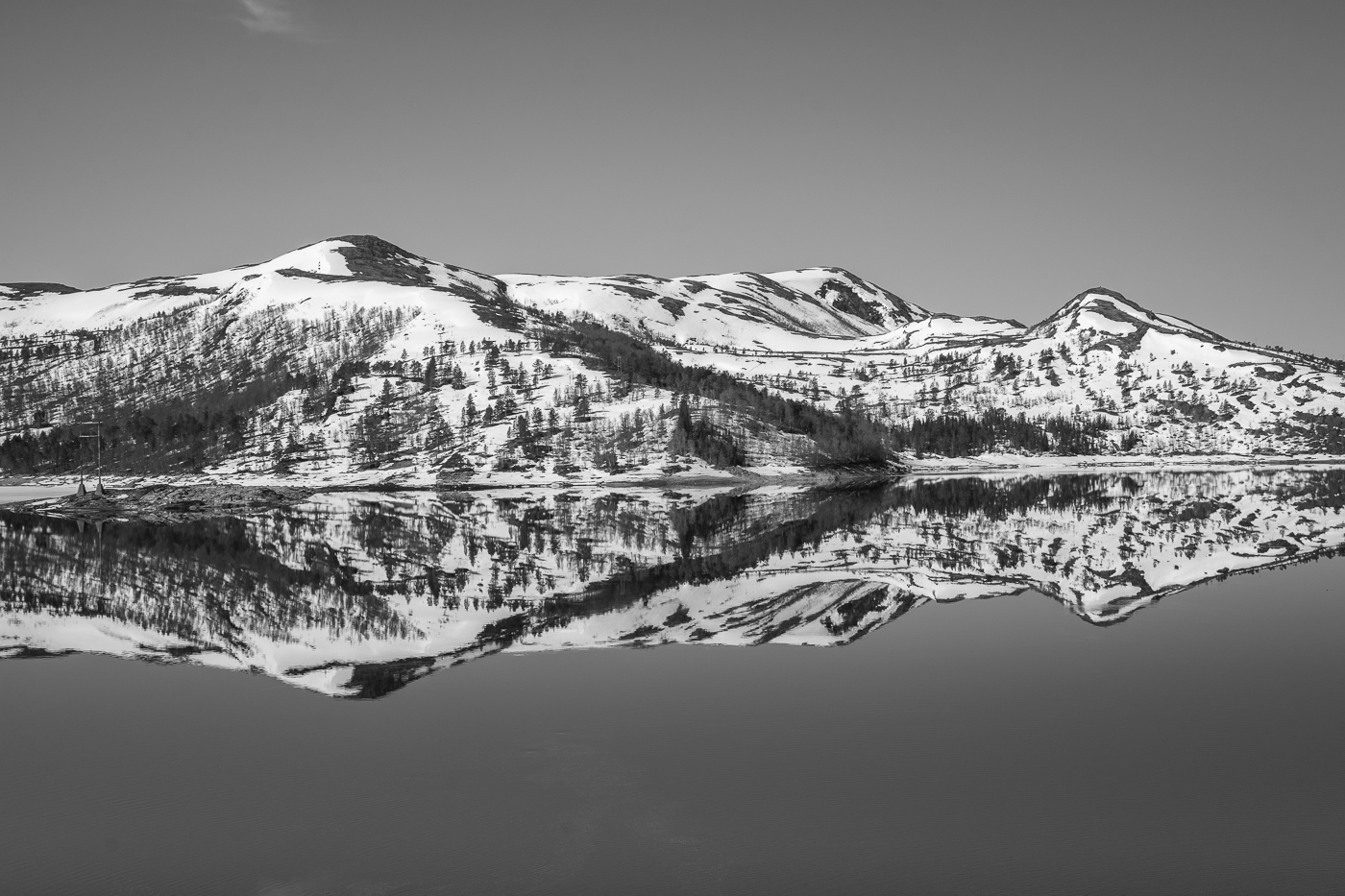
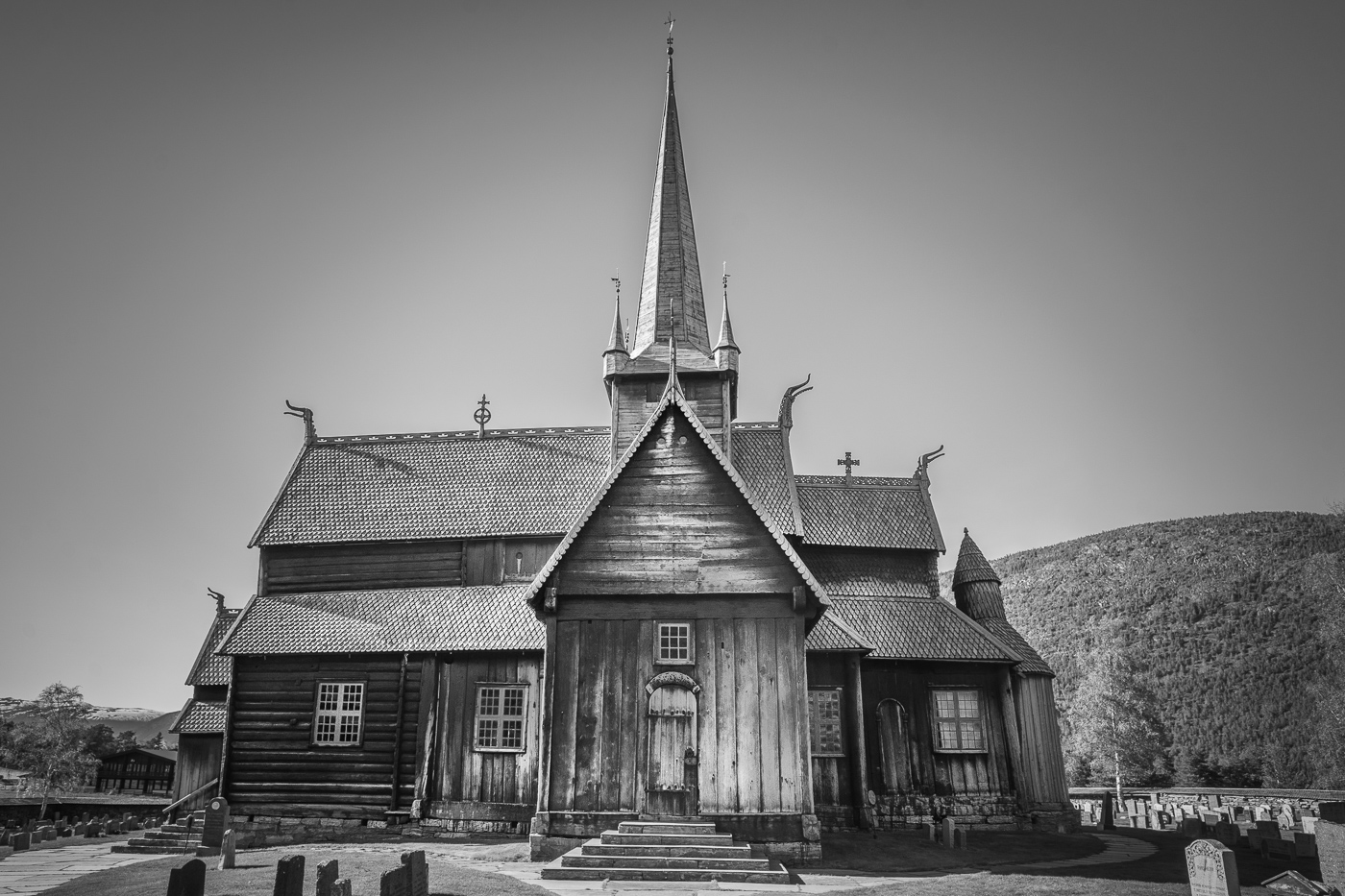
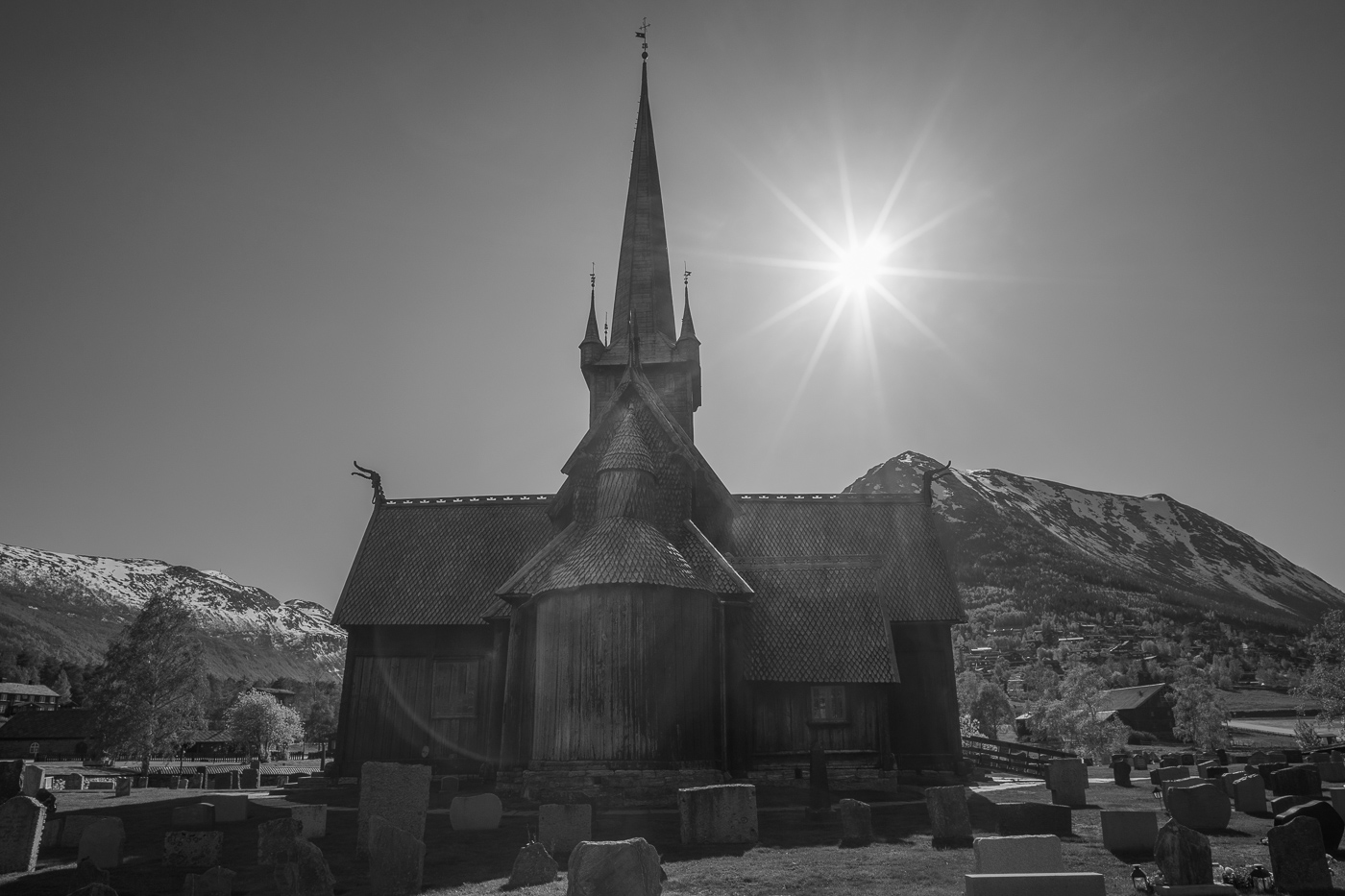
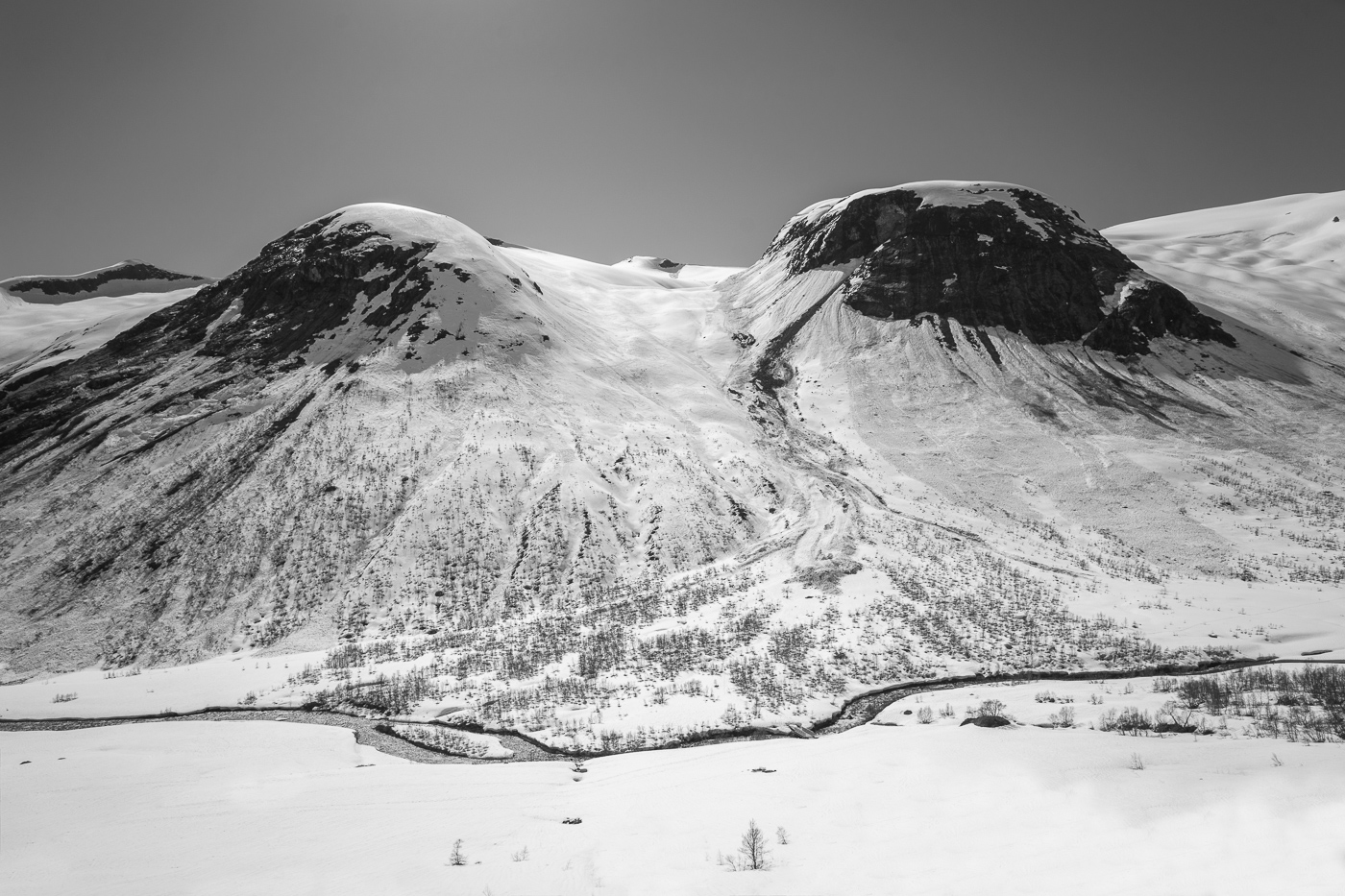
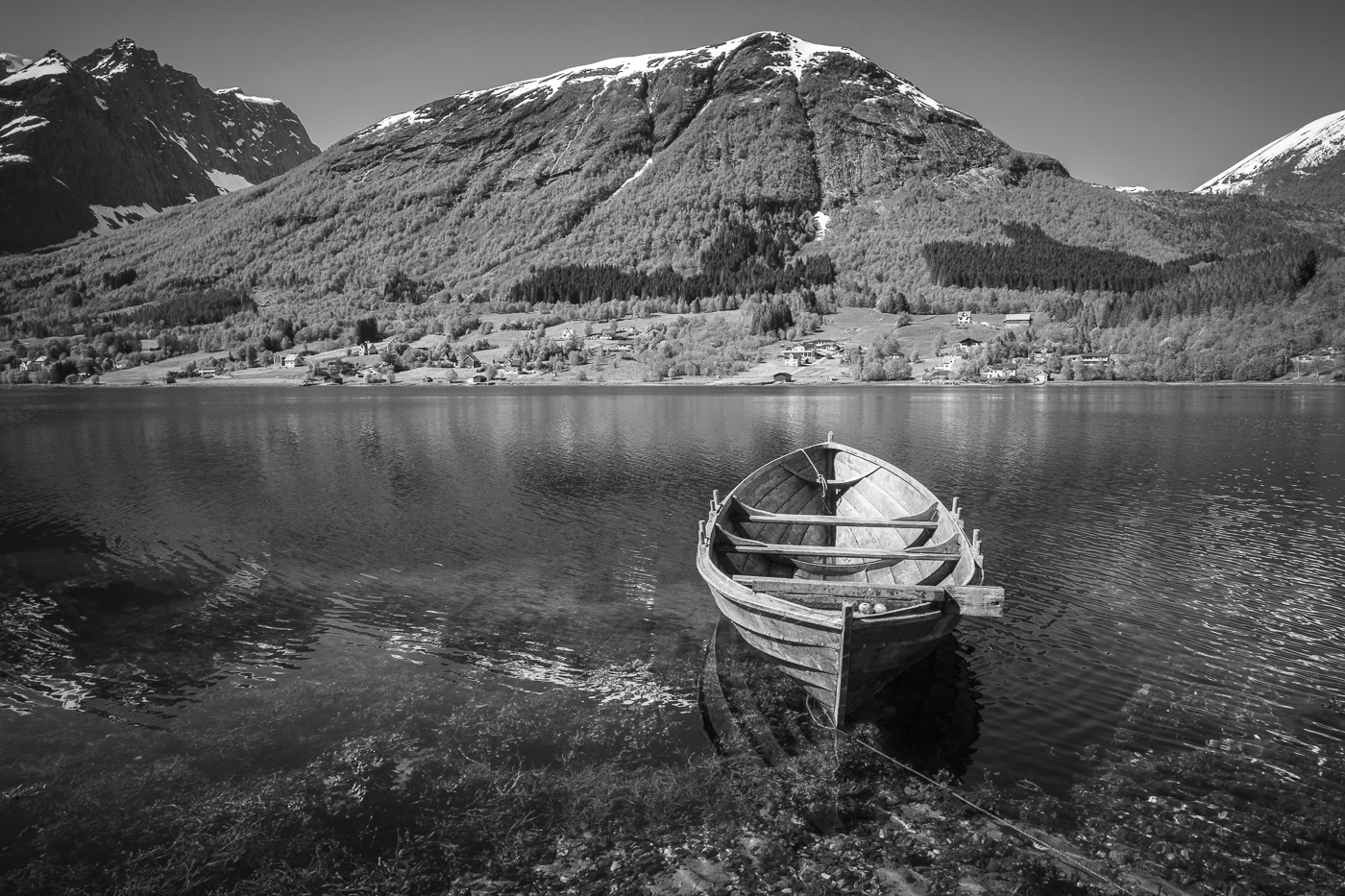
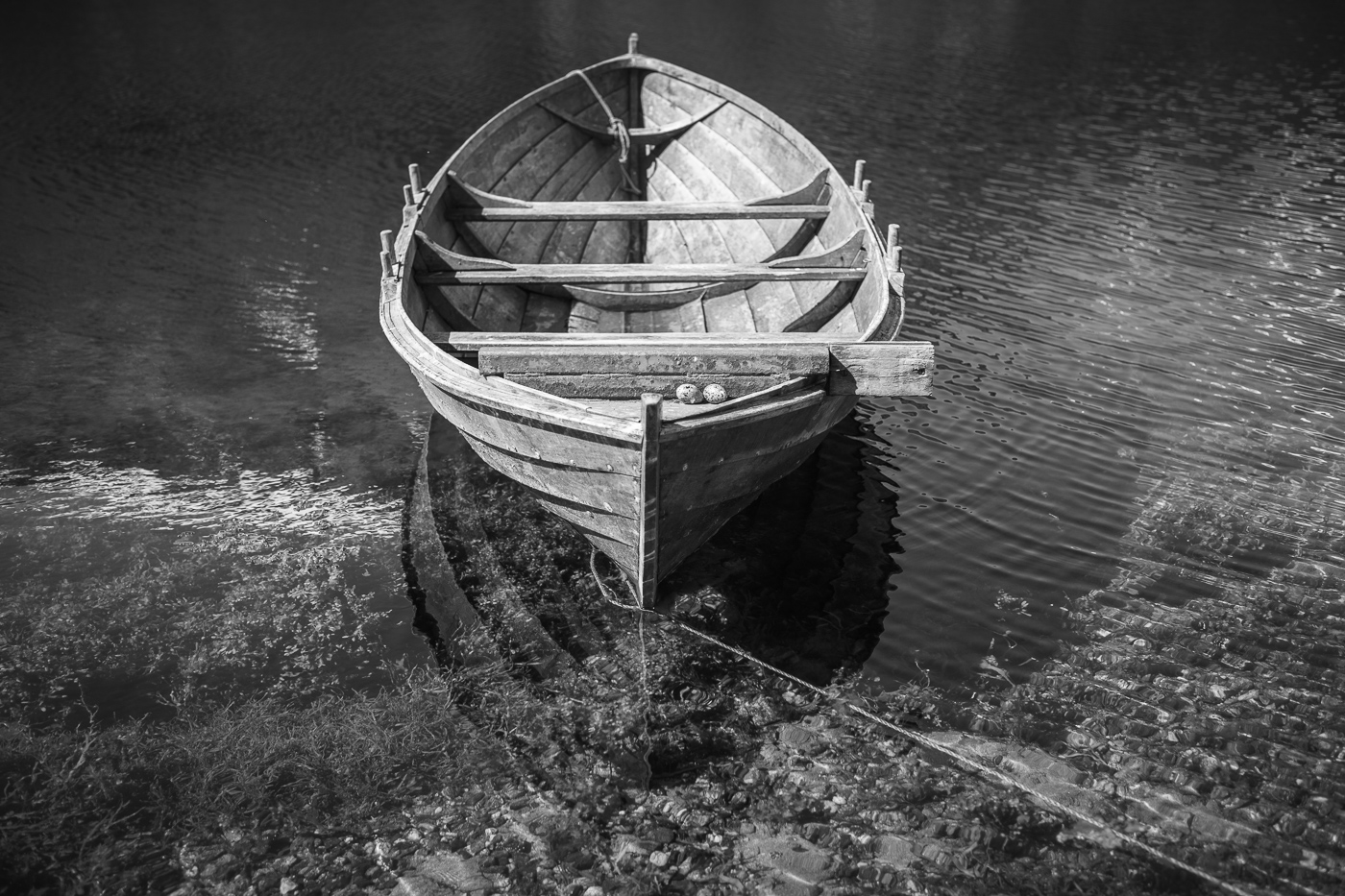
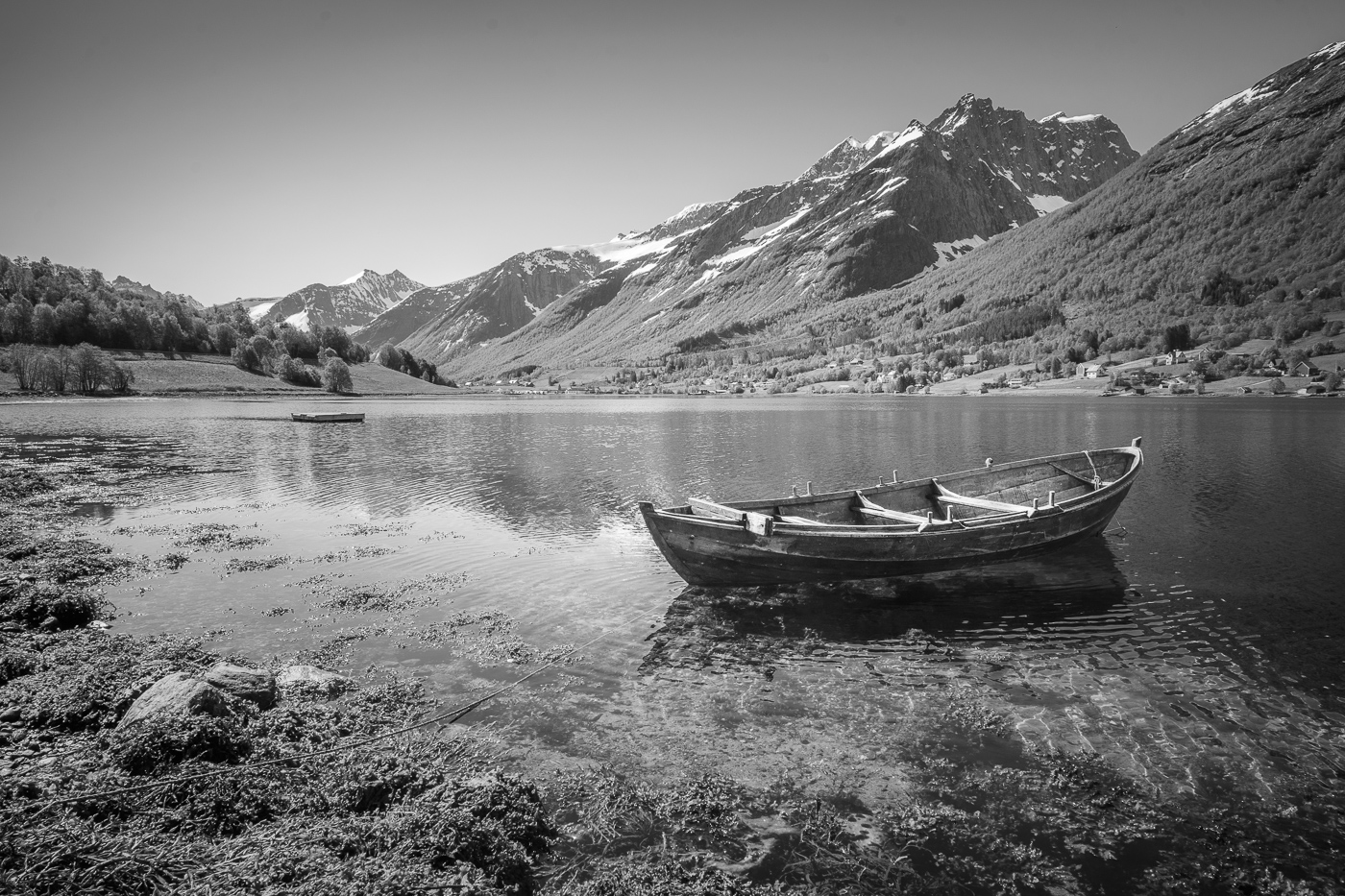
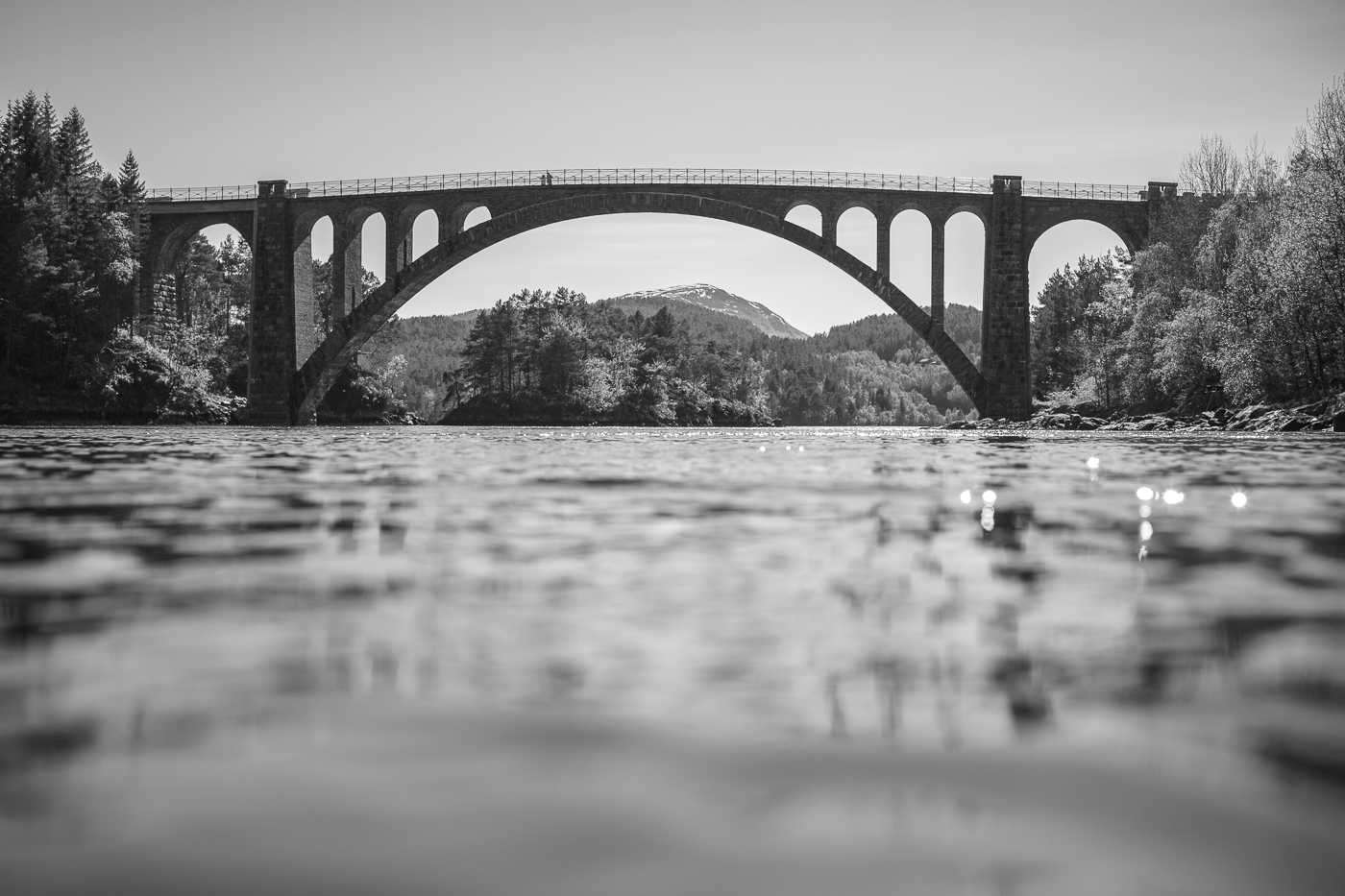
Some more from our little car trip last weekend.
The church is "Lom stavkirke". It's one of very few stave churches that still has its original medieval crest with dragon heads.
CV 21/3.5 (#2-5 and 7) and CV 40/1.2 E.
I bought the 21mm last summer and its a great little lens, but flare resistance seems worse than with the CV 21/1.8 VM I had before. Or perhaps I never tried it in such tough light conditions as here.
Photo taken at 7:16 PM about 26 minutes before sunset.
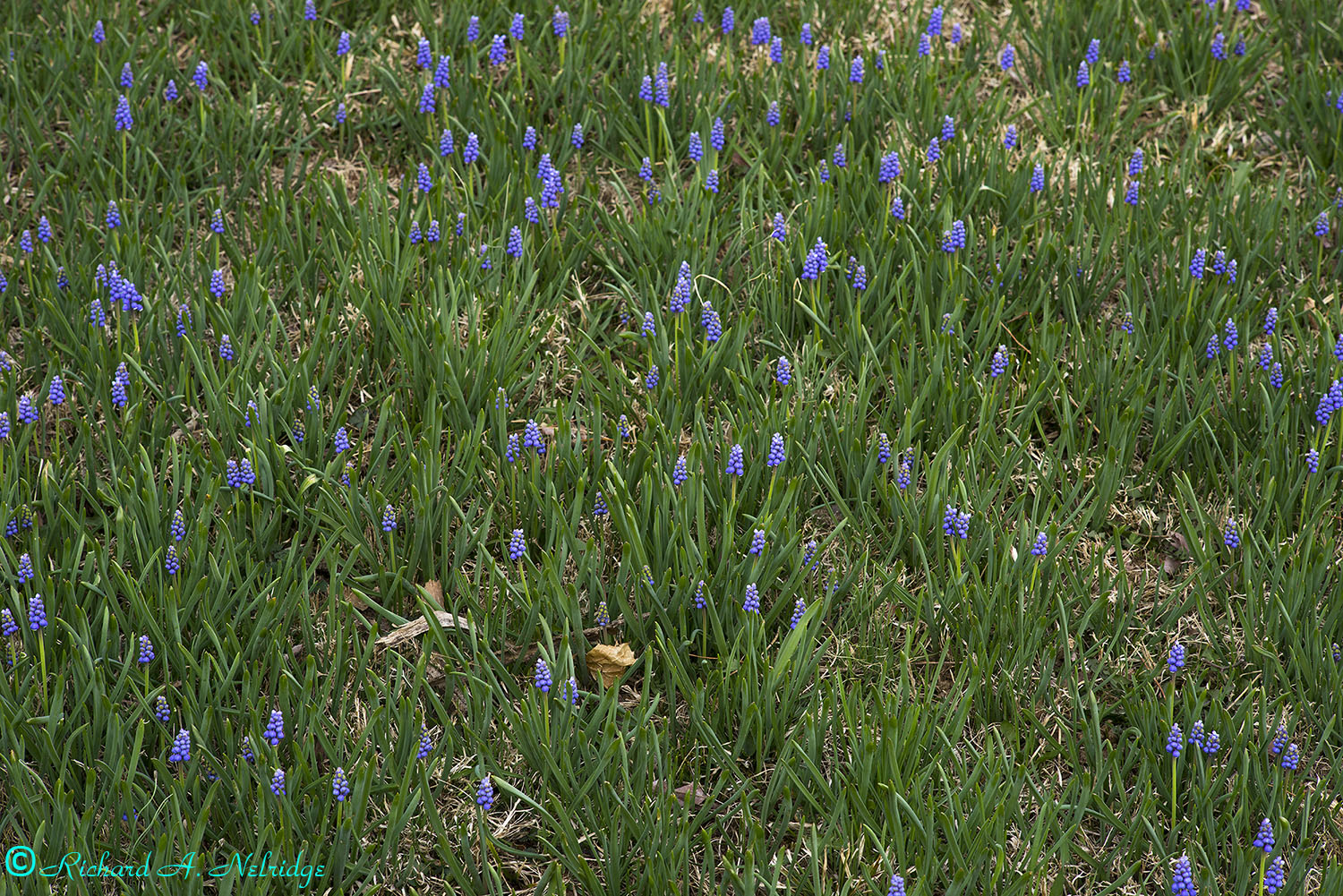
Looking at a field of Muscari "Bluebells".
Tripod mounted A7r and Leica M 90mm f2.5 Summarit lens.
ISO 200, f11, 1/8 second.
Exposure Corrected +0.59 Stops.
I like the posing of that owl, it looks even wiser. 👍
---------------------------------------------
HelenaN wrote:
Some more from our little car trip last weekend.
The church is "Lom stavkirke". It's one of very few stave churches that still has its original medieval crest with dragon heads.
CV 21/3.5 (#2-5 and 7) and CV 40/1.2 E.
I bought the 21mm last summer and its a great little lens, but flare resistance seems worse than with the CV 21/1.8 VM I had before. Or perhaps I never tried it in such tough light conditions as here.
Really nice series. You make the b&w work look great.
The Lom stave chuch dates from the last half of the 12th century. For those who have seen «Vikings» those dragon heads are an architectural and cultural remnant from the pagan Viking era. In the 12th century Christianity was still a new religion in Norway, the country having been christened only a 100-150 years before the Lom stave church was built. The formal christening in Norway happened 29th July 1030 when king Olav fell at the Battle of Stiklestad. King Olav became St Olav and is revered in both Eastern Russian Orthodox and in Western Catholic churches. Note that his death was in 1030 before the Great Scisma.