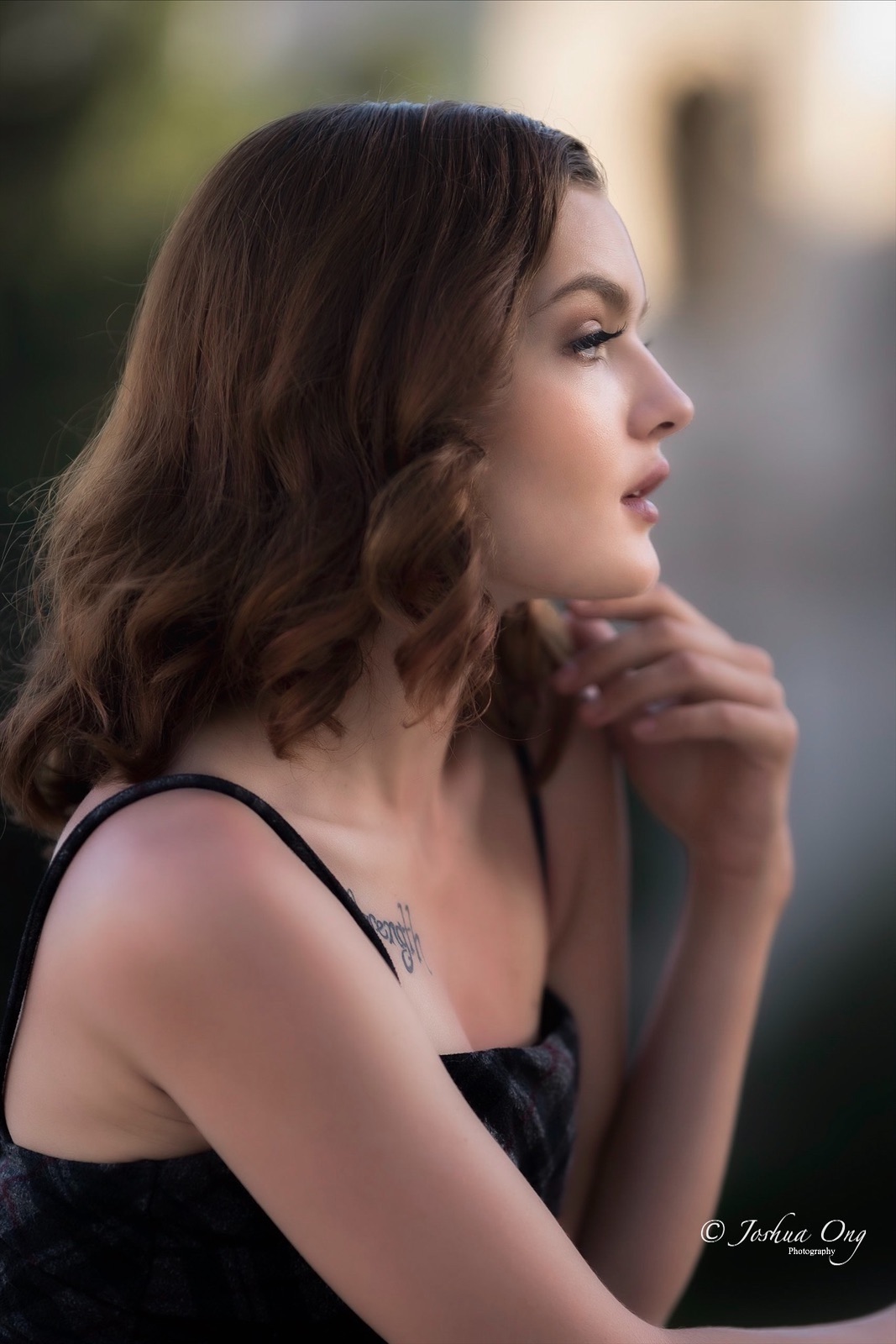
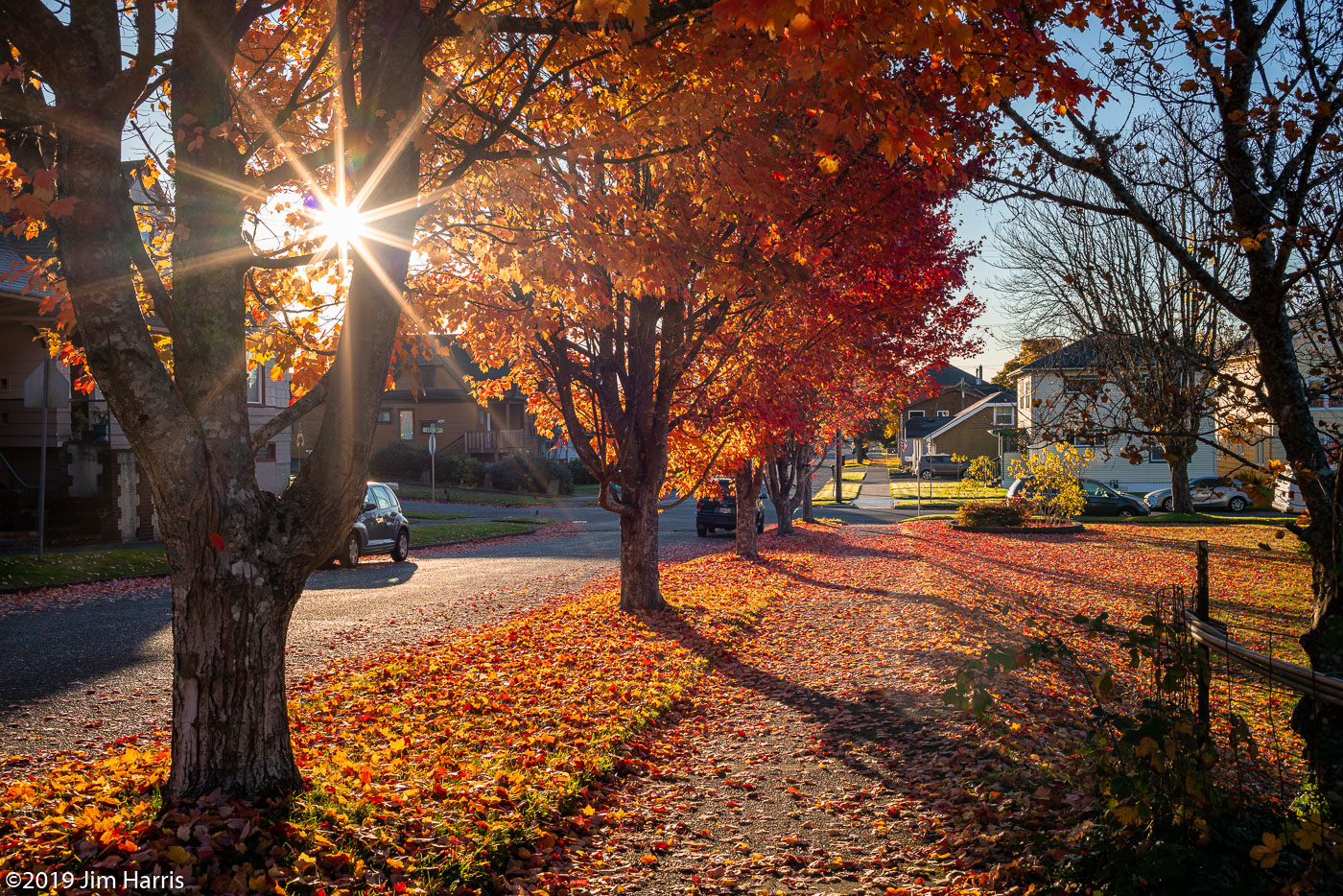
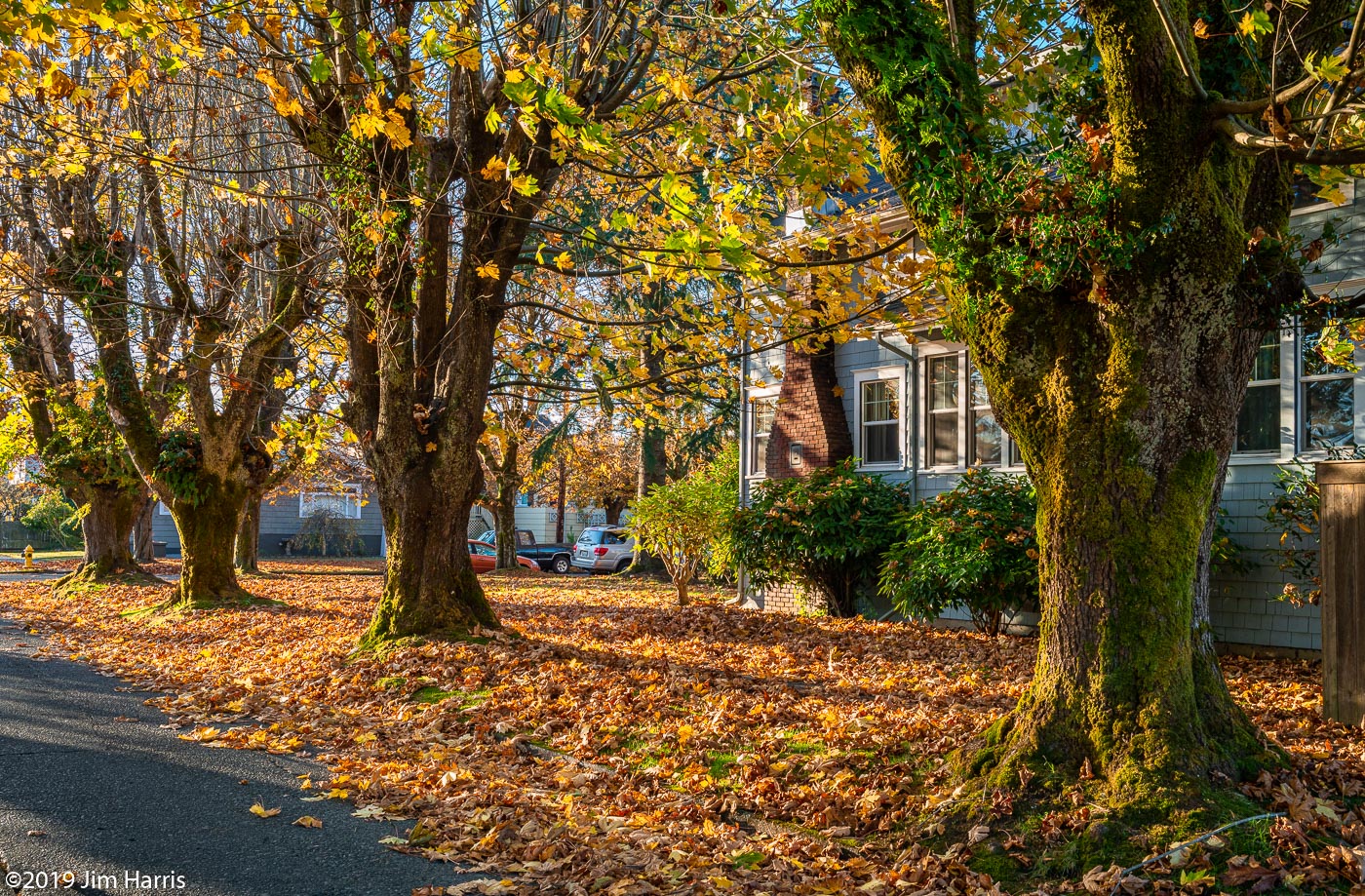
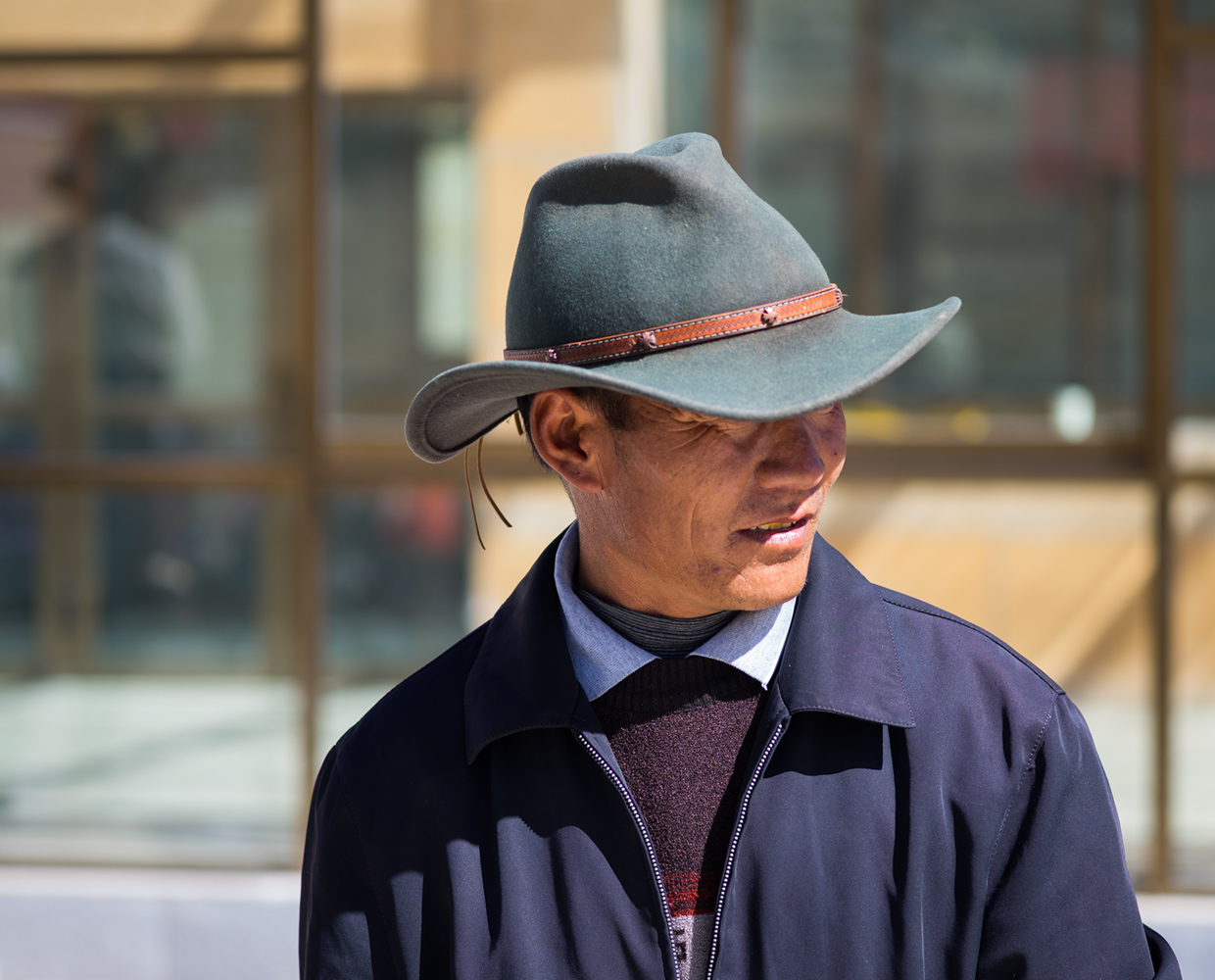
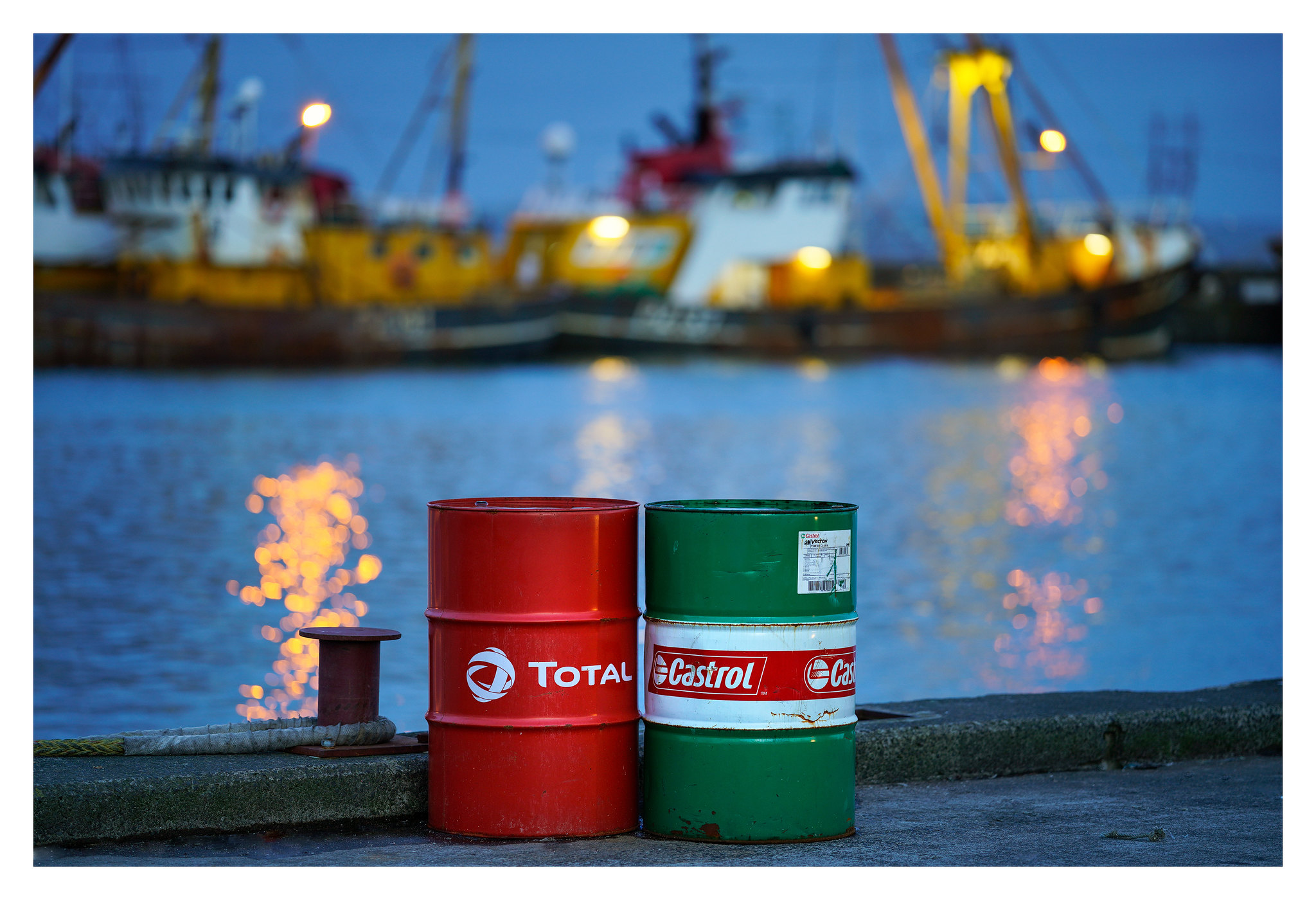
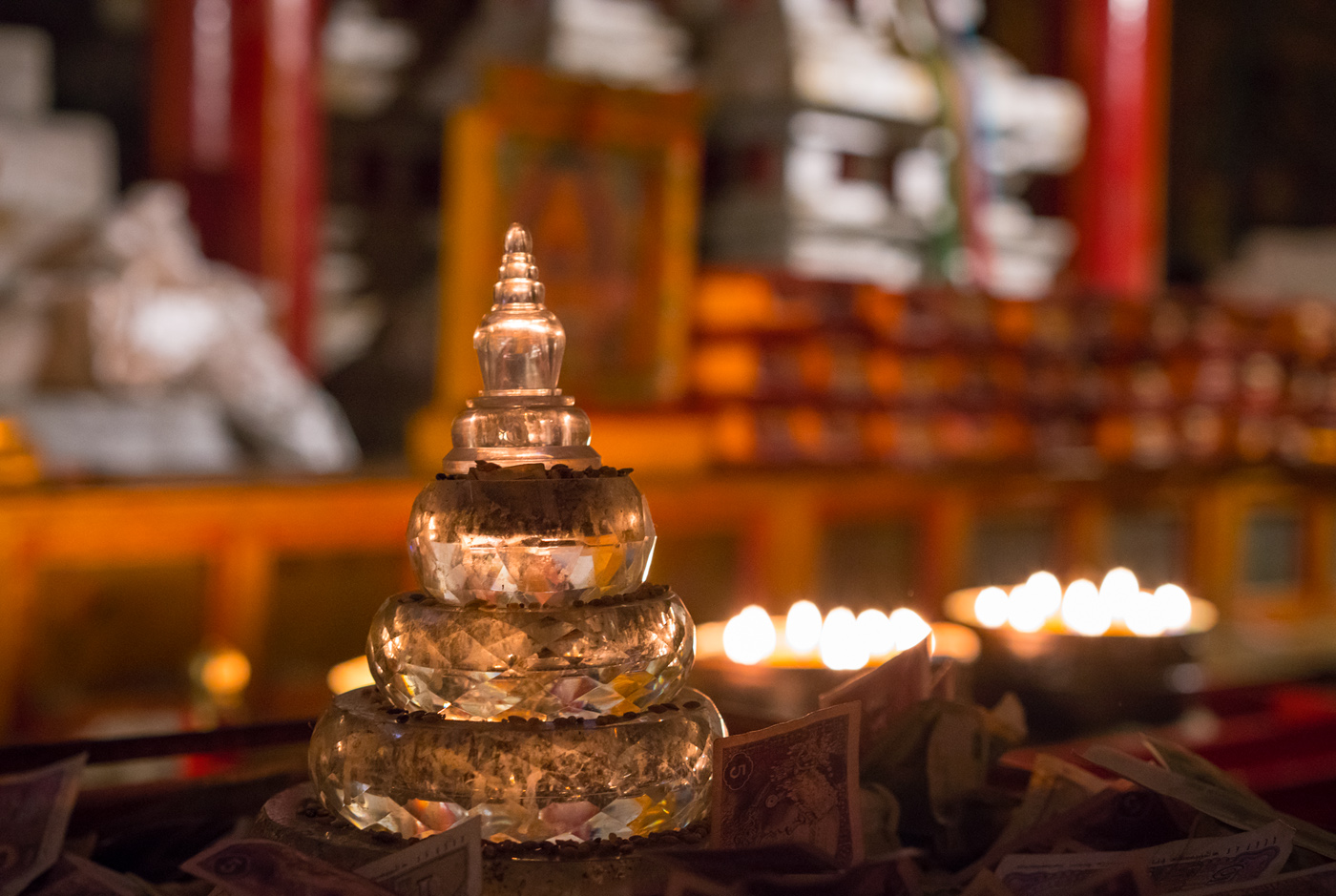
Many believe that bokeh pretty much requires a wide open aperture. Here, IBIS enabled a 1/30s image shot at 55mm at still OK ISO .. and f3.5 (where the FE55 is nearing its violent best). Gains everywhere - more key subject detail and shaping, better IQ (lower residual aberrations), better-smoother-settled bokeh.
Most of your pics without any descriptions/locations are a mystery.
What is it?
philip_pj wrote:
Many believe that bokeh pretty much requires a wide open aperture. Here, IBIS enabled a 1/30s image shot at 55mm at still OK ISO .. and f3.5 (where the FE55 is nearing its violent best). Gains everywhere - more key subject detail and shaping, better IQ (lower residual aberrations), better-smoother-settled bokeh.
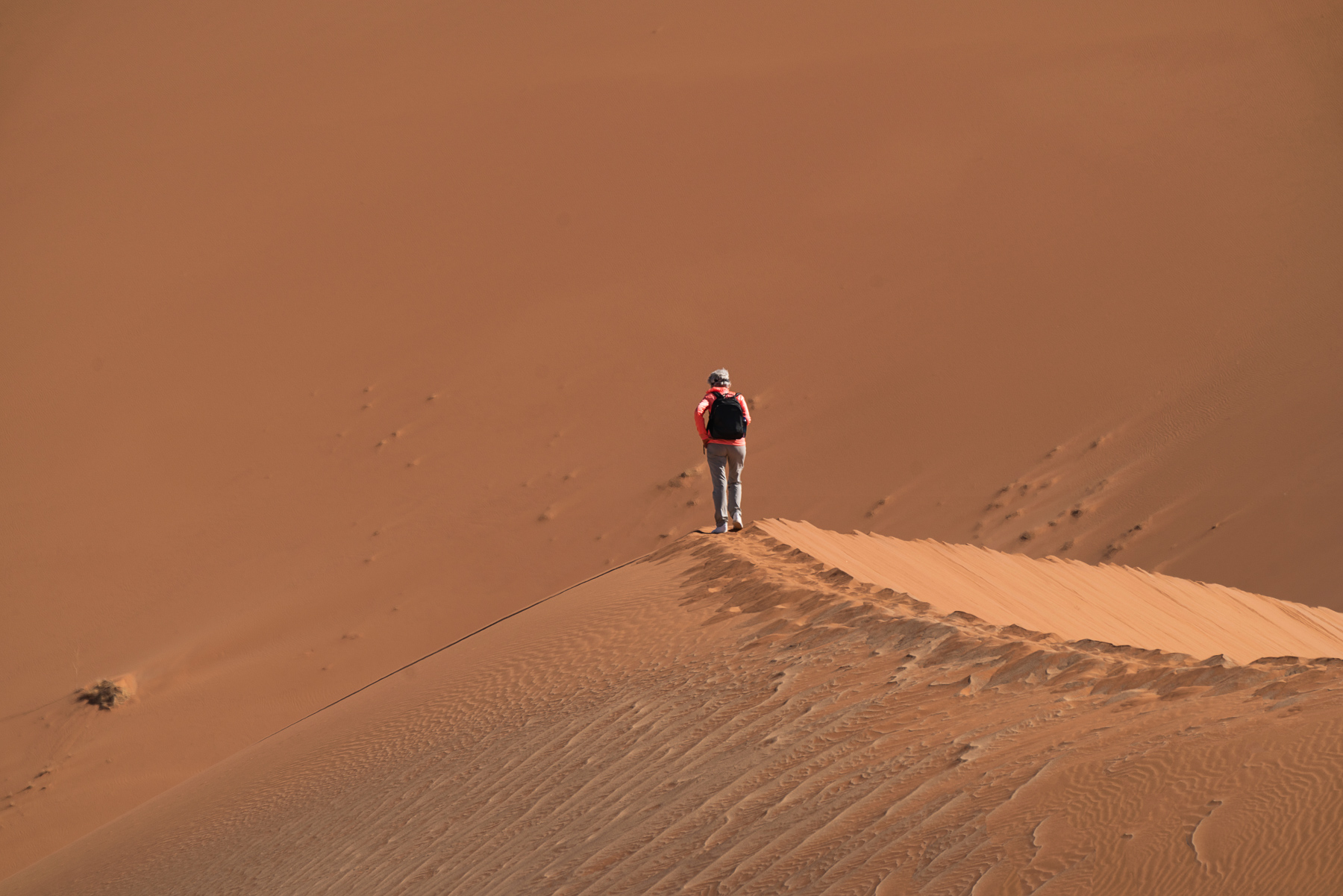
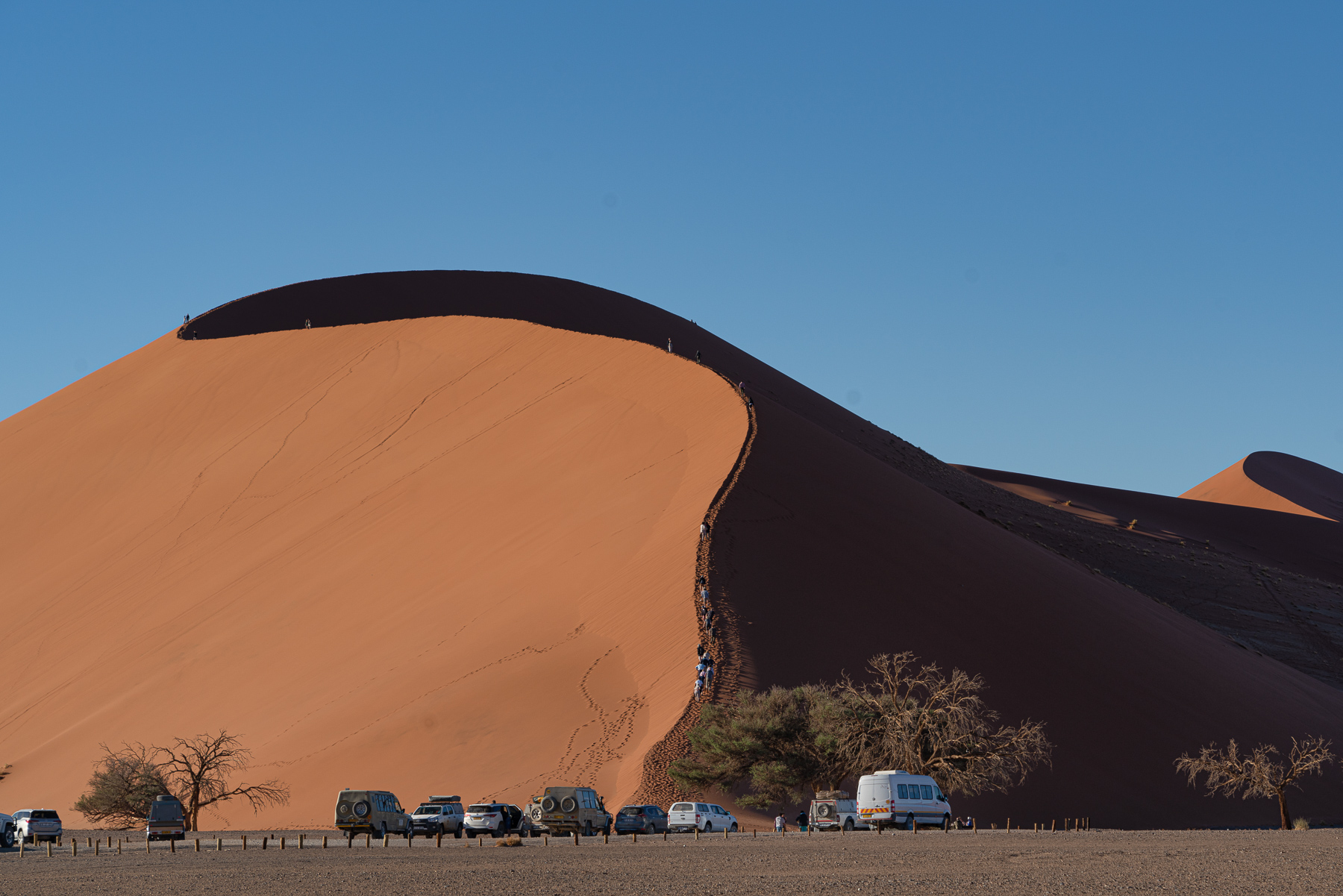
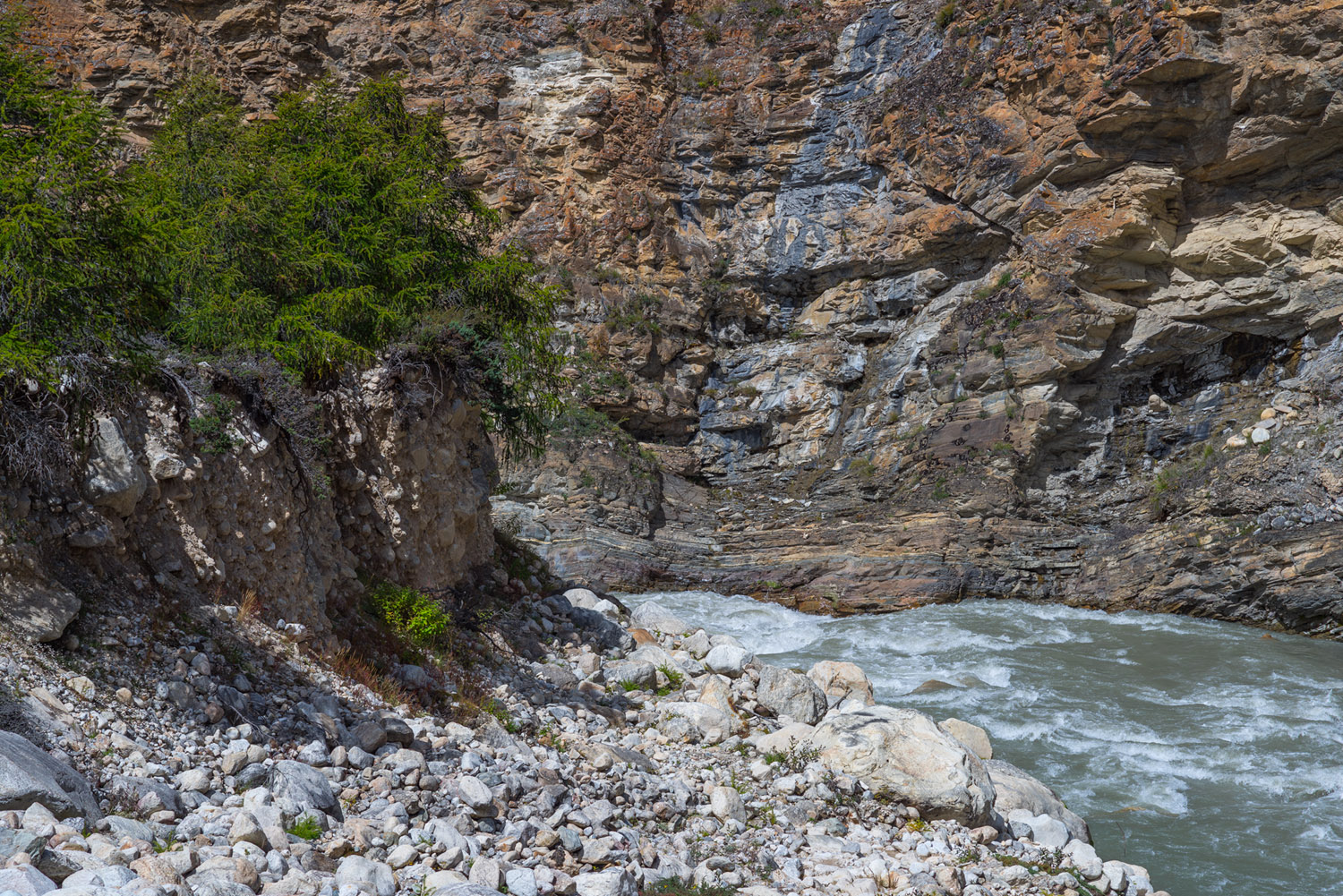
This scene in bleaching mountain light stretched the DR and demanded fine colour as hue/tone separation was important. That rusty colour is so hard to get right, as is the subtle blue rocks - but it all falls right into place perfectly here. A very impressive performance, it will be great to set the little lens against the FE55 and the new 50mm APO-Lanthar.
[Vivek, I have struggled with this matter - what to identify and what to leave unknown. This object is best seen as a religious objet d'art, and one reason for my reluctance is that many monasteries have been raided by art thieves over the past decade or two. These low-lifes took photographs and presold the things they then stole when no one was around to protect the sacred icons. Tibet has been open for only three decades so you can imagine the black market. The monks were forced to ban photography, and until recently, the authorities agreed. FWIW, most of what I do is from Tibet, the rest is from Ladakh, Zanskar, Rupshu, Nubra (you can look them up). So that's the backstory.]