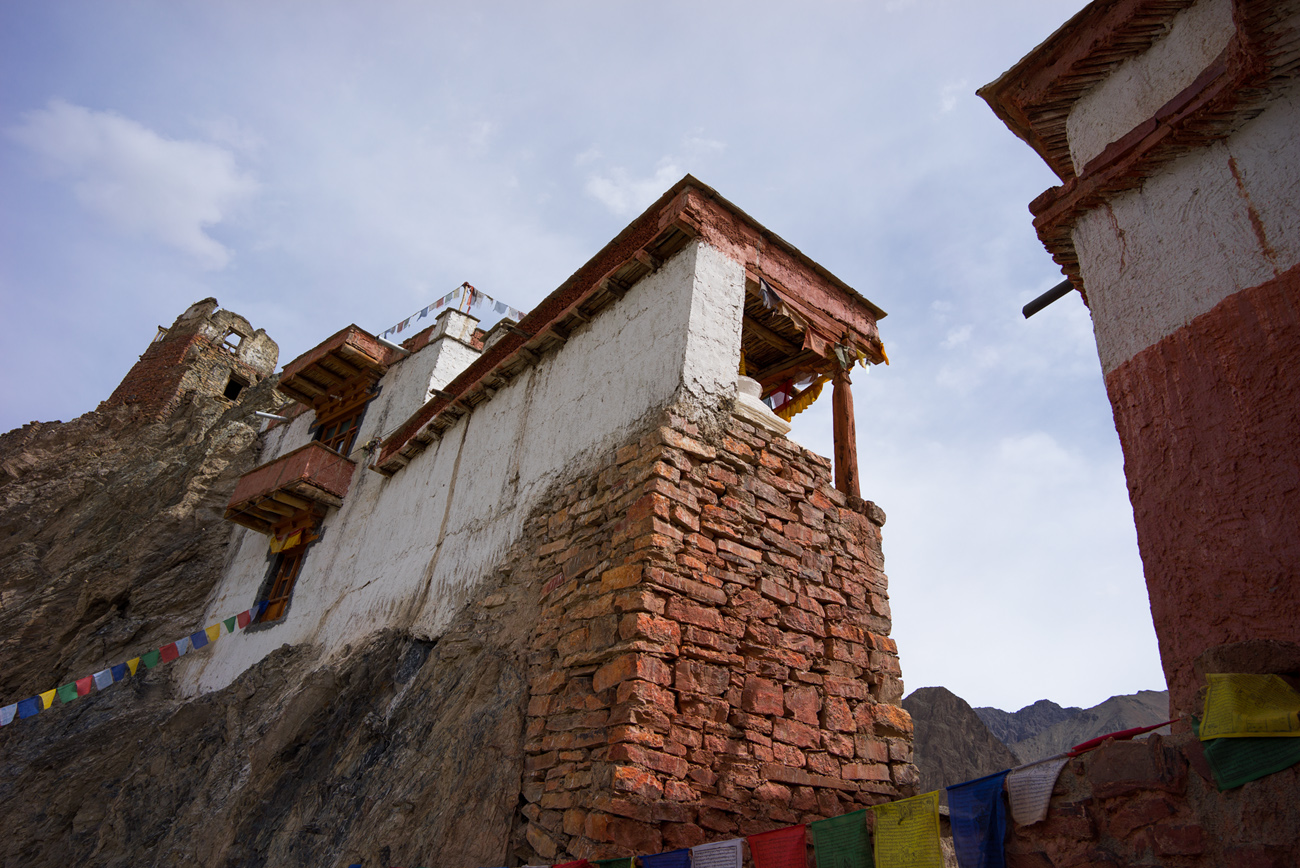
Among other things, I document early Tibetan temples and sites. The little Voigtlander 21/3.5 is a revelation for often hazardous footing work in precipitous places. Very happy with colour, shadow/highlight detail, here it is on my broadest DR camera.
precious ridge top 1000 year old monastery, partly restored
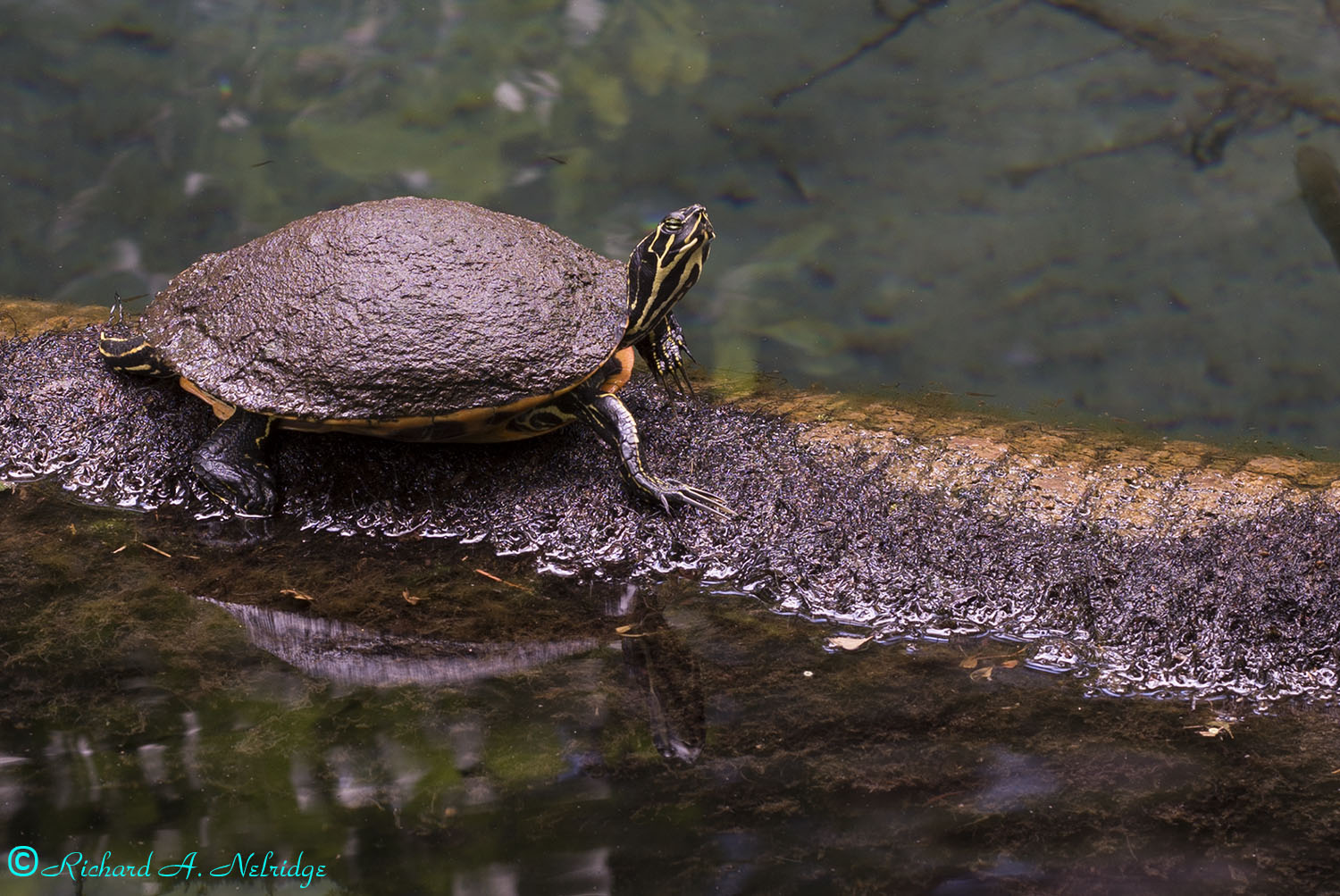
Looking at a turtle on a log
Heavily cropped, tripod mounted Leica R 100mm f2.8 Apo-Macro-Elmarit lens and Sony A7rIII camera.
ISO 100, f8?, 1/15 second
May 15, 2019
At Fern Hammock Springs, Juniper Springs Recreation Area, Ocala National Forest, near Ocala, FL
Back from three days of salmon fishing in Skipsfjorden on the island Vanna a little north of Tromsø. The fishing was good, but I had to spend some time on photography too:-) Most of these are taken around midnight when the midnight sun almost touches the horizon at the mouth of the north facing fjord.
Ronny your macros are amazing. I keep asking, "how do you do it, glue the creatures onto the setting.?" Of course I know you don't but you have a unique ability.
HelenaN wrote:
Love your cow photos Peter, but I don't agree that ours are more good looking than yours.
Various B&Ws from CV 40/1.2 E. Sorry, the old rowboat again, but we pass it every time we go to our cabin in Sweden and I can never resist taking a few shots, especially since it has started to break up and probably won't last much longer. This time the light wasn't too good, but I wanted to try it with the new lens.
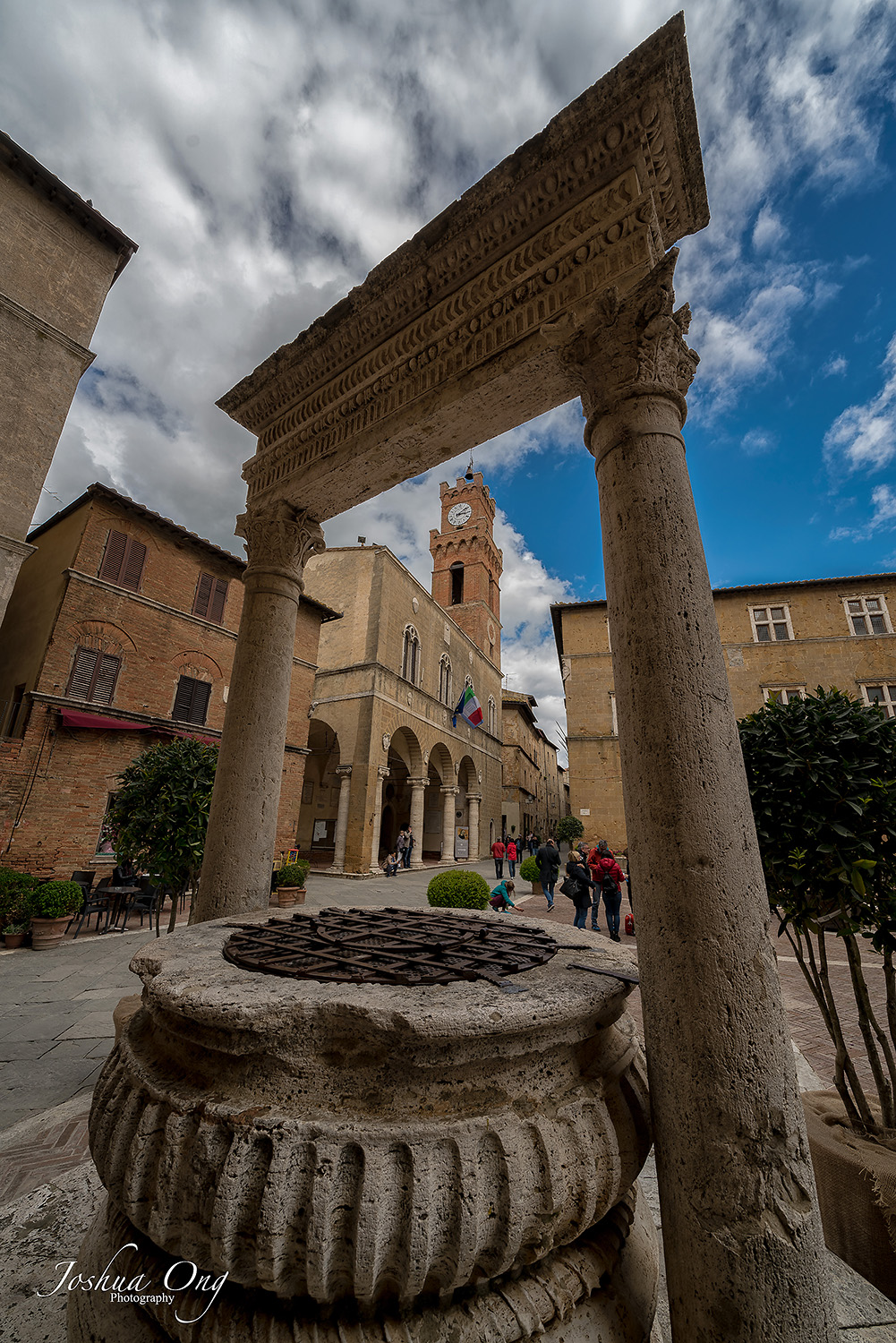
And your shots from Val d’Orcia is also stunning !
Thank you, Ronny!
gvg45 wrote:
Thanks Joshua! It would have been great to see you and Bobby, but I think you guys made a good call. The owls were out but it was a very slow morning for activity. I stayed around for an hour or so longer than the others and was rewarded with some action. Unfortunately, I've been terribly busy to find time to process much of the pics and am just getting around to some of them now. I'll have a few more to share soon. I hope people don't get too tired of seeing them. I'm not able to get out and shoot too often so it's nice to be able to contribute to the threads when possible.
BTW, you could shoot with anything, native or non-native lenses, and produce stellar images. Your work, along with several other members on the forum, set such a high level of quality with each post it's incredible. Keep continuing to inspire.
For stationary targets, my adapted Canon lens performs really well. But the owls fly erratically, trying to catch those June bugs mid air and more than just a few times, my setup couldn’t keep up with the movement. The 100-400mm with TC did well but due to the smallish aperture, the bokeh is not as smooth as taken with a fast prime lens. Your second image from the action above shows clearly the advantage of having a prime lens. Oh, well, I can’t wait until next month when one of the two long lenses or both will be available...
ManuelLaMantia wrote:
Thanks Ronny! Your last macro are... stunning, as usual
Greg, this is a WOOOOOW picture... absolutely perfect!
Joshua, great composition and tones... very natural Seems we are processing similar images at the same time
Schlotkins wrote:
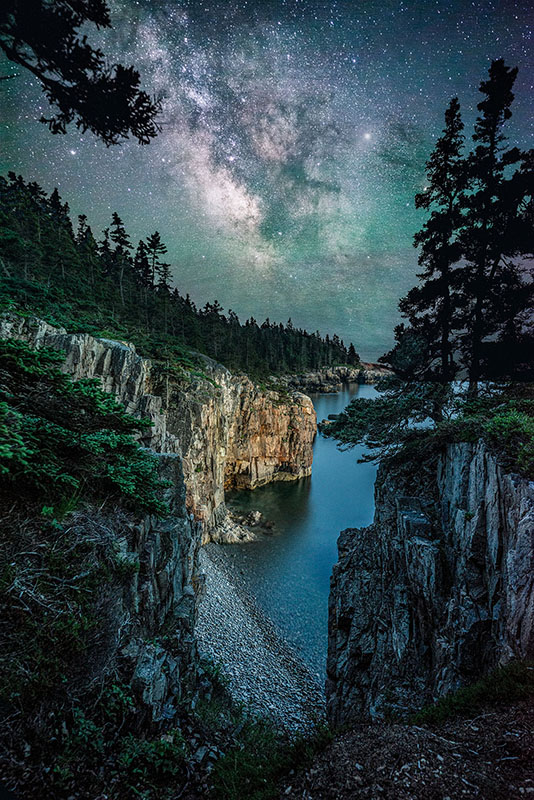
Acadia National Park. A7R + Tokina 20mm f2
That is just an incredible photo. What was the process of getting it, if you don't mind sharing? I'm just now starting to try some Astro.
austinschutz wrote:
That is just an incredible photo. What was the process of getting it, if you don't mind sharing? I'm just now starting to try some Astro.
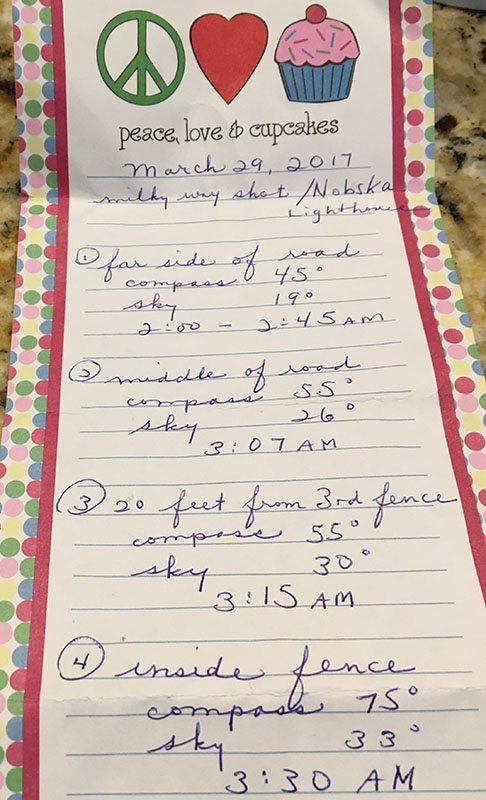
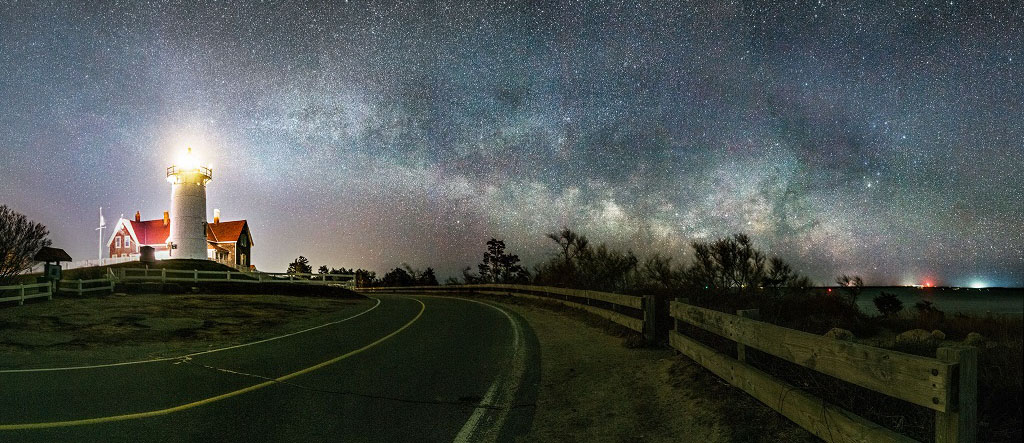
Thanks so much! Honestly, I do a ton of planning for all my night shots. You can't figure things out at the last minute usually since it's pitch black. I use a lot of google maps and Stellarium and, if possible, go one or two times before the shot. For example, here are my notes when I was planning this lighthouse shot. (my mom played secretary for me). I visited the site the day before the shot and took various panos at different spots so I knew exactly what I wanted.
In the field I use Photopills to make sure everything is going to workout and give me the time.
After that, execution is pretty easy. You need a fast lens and that's about it. For the foreground shot, you have 3 options. The first two require blending. For this shot, it's a blend as I did #1.
1) You can take a picture using sunlight either about 30-40mins before (at night) or after (in the morning) total darkness ends. It usually gives some nice contrast light. For this shot, the foreground image is about 40 minutes before total darkness. Settings are f4, ISO400, 30". I will take a few and stack them. I'm focused at infinity already.
2) You can do the same but with the moon if it's pretty bright. (Note you want to shoot the sky when the moon is set)
3) You can get a dim light and set it up for the foreground if you just want close objects illuminated. I do that a lot and it let's you avoid having to blend later. This didn't work for this shot since I wouldn't have been able to light up the cliff/trees in the distance.
Then at night, it's all about speed. The sky shots here are 15", ISO3200, f2. Make sure to take one "dark frame" (put on your lens cap) using the same settings. There will be a lot of thermal noise even if it's pretty cold outside and you can use that to "subtract" it out. I use StarryStacker to stack about 10-12 shots to help reduce noise and use the dark frame. I then use photoshop to blend the images if required.
For me personally, my rule is the shot has to be from the same tripod setup. No composite images.
After a while you can start thinking about more advanced issues like how big you want the MW to be relative to the foreground objects. For example, in this shot you can see I have the MW about the same size as the light coming from the lighthouse because I wanted it to look like the lighthouse was projecting the MW. In the acadia shot, I wanted the MW to fill up the sky. I wish I had an 18mm lens but I prefer this look to what a 15mm would have done.
The key is to just go try and be prepared. My first attempt was horrid. I tried to use my iPhone flashlight. Needless to say, I've learned a lot in 3 years.


 :
:





 I'm not able to get

 . I hope he is okay.