Chris_88 wrote:
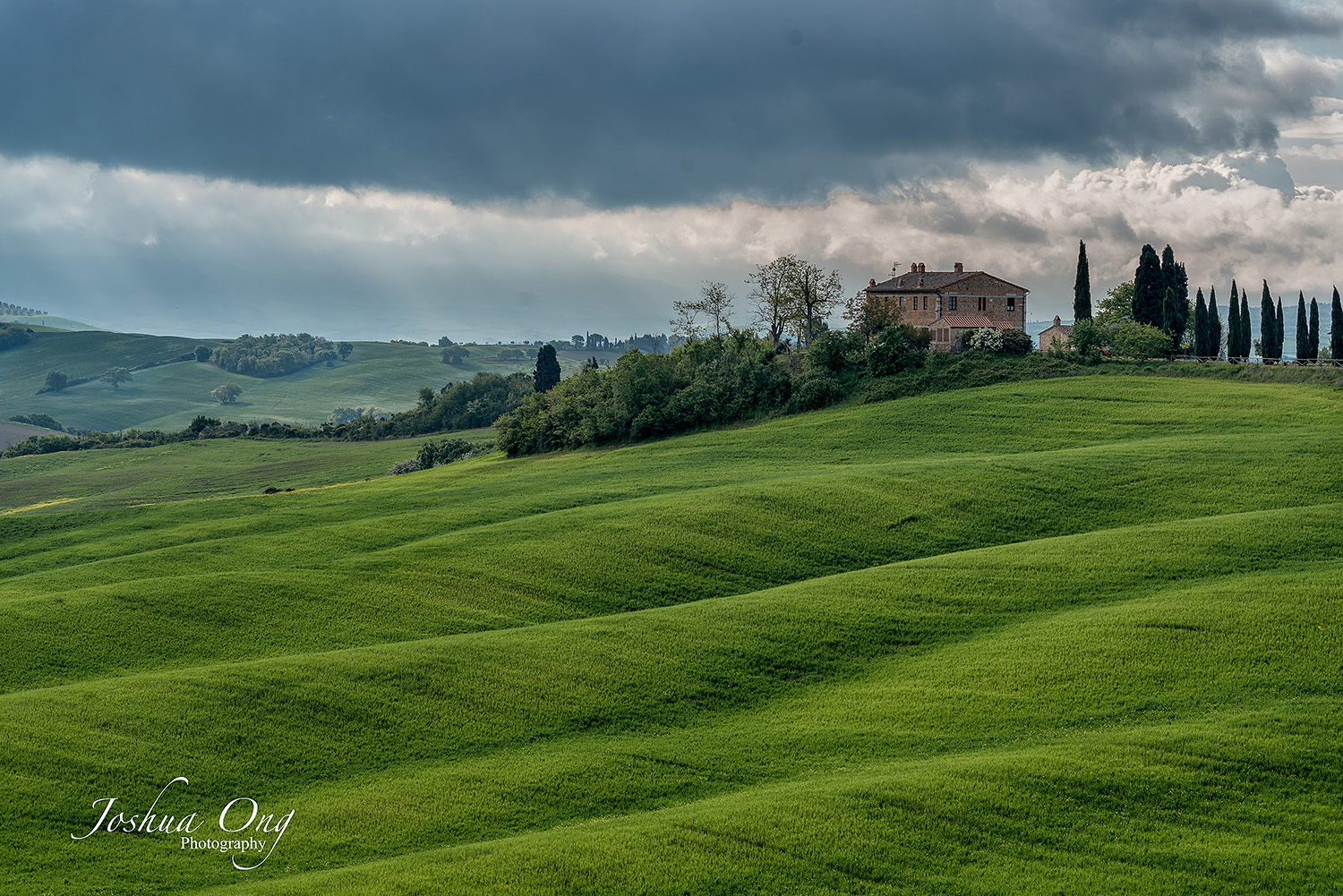
Joshua: Great shots from Europe. I really like the shot from Tuscany on the previous page. Looks like your doing a very scenic tour of Europe .
Ronny, Phillip: Vibrant, yet still naturally looking greens on those shots on the last 1-2 pages. Really feels like spring.
Chuck: You're certainly making good use of the Batis 40.
Bastian: Wonderful series from Scotland.
Douglas: I really like the calm atmosphere of that boat at sunrise shot.
Birdie: Really impressive macro work.
Bob: Nice DC series. I guess the first shot is sort of symbolic for politics in general these days .
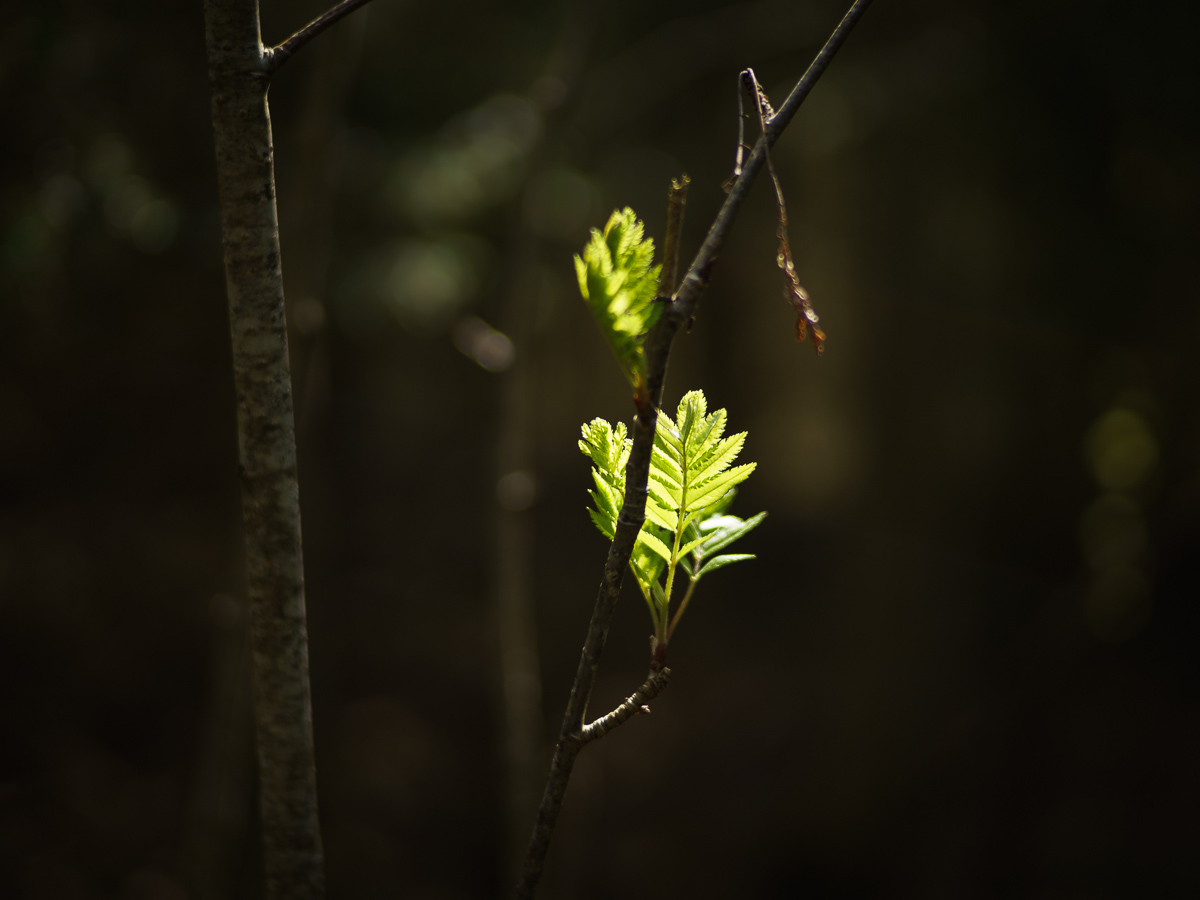
We have had a strange spring. First it got really warm (some days even above +20C in the shadow, which is very unusual for April) which made everything turn green in just a week. Then it has gotten cold instead and even snowed on and off. Looks like it'll continue like this for at least another week, so I don't know what will happen to the spring flowers that never got a chance to develop fully.
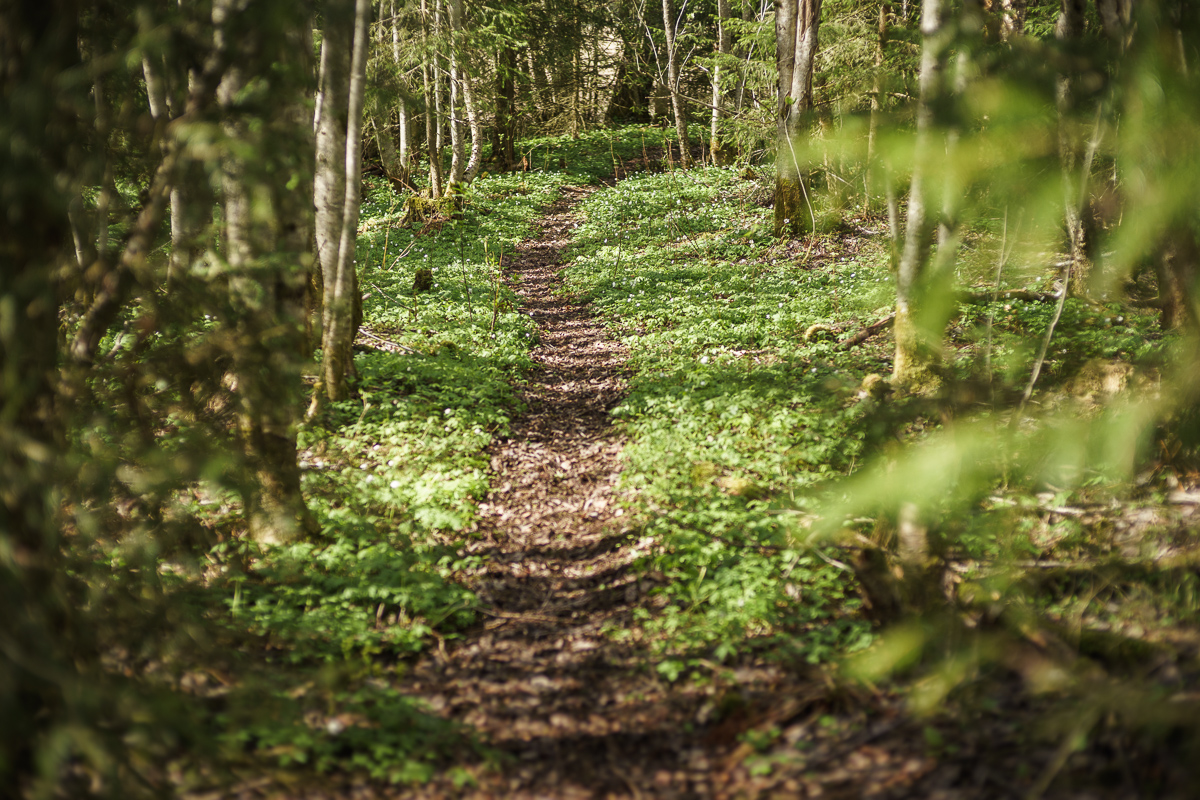
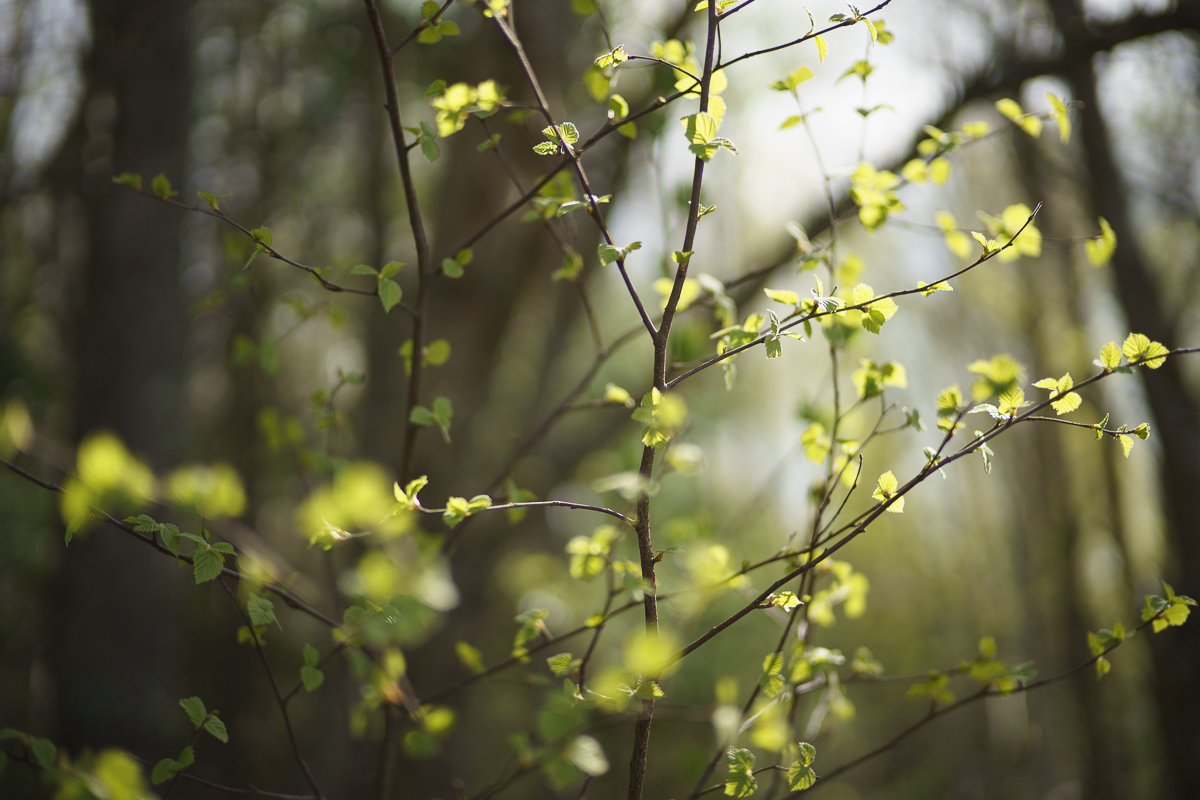
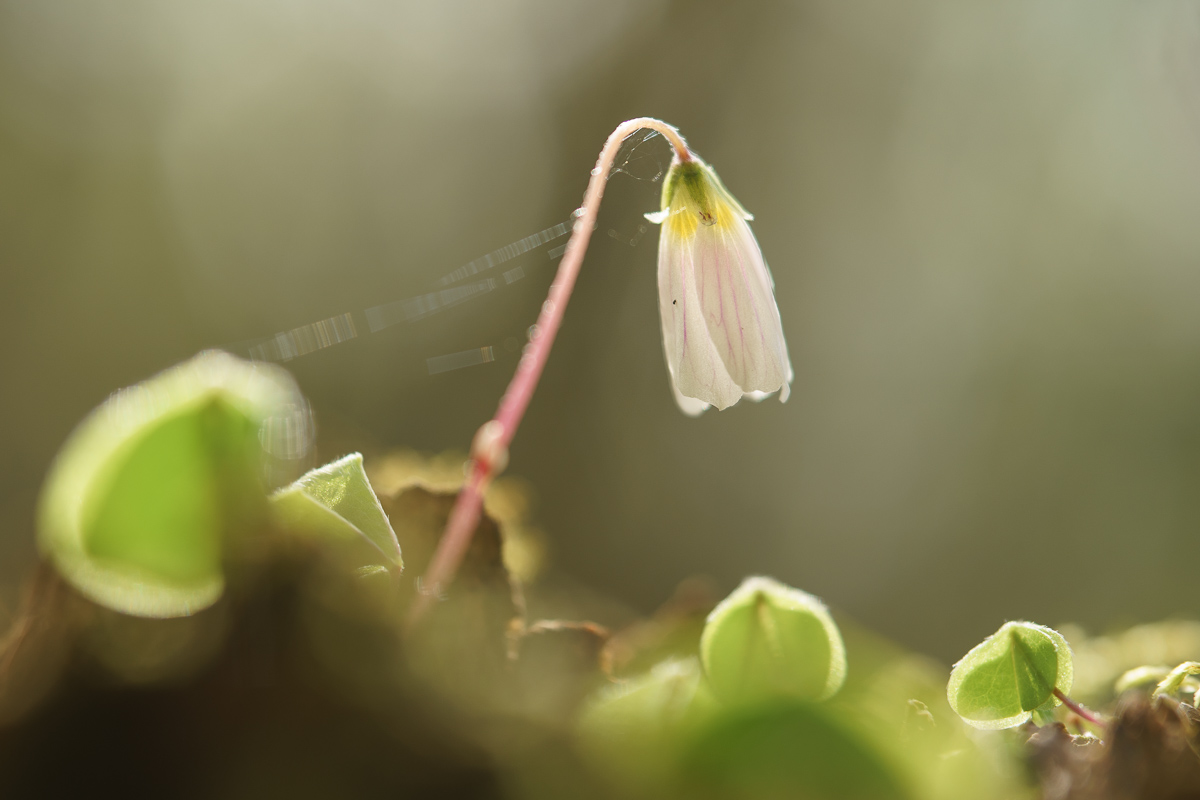
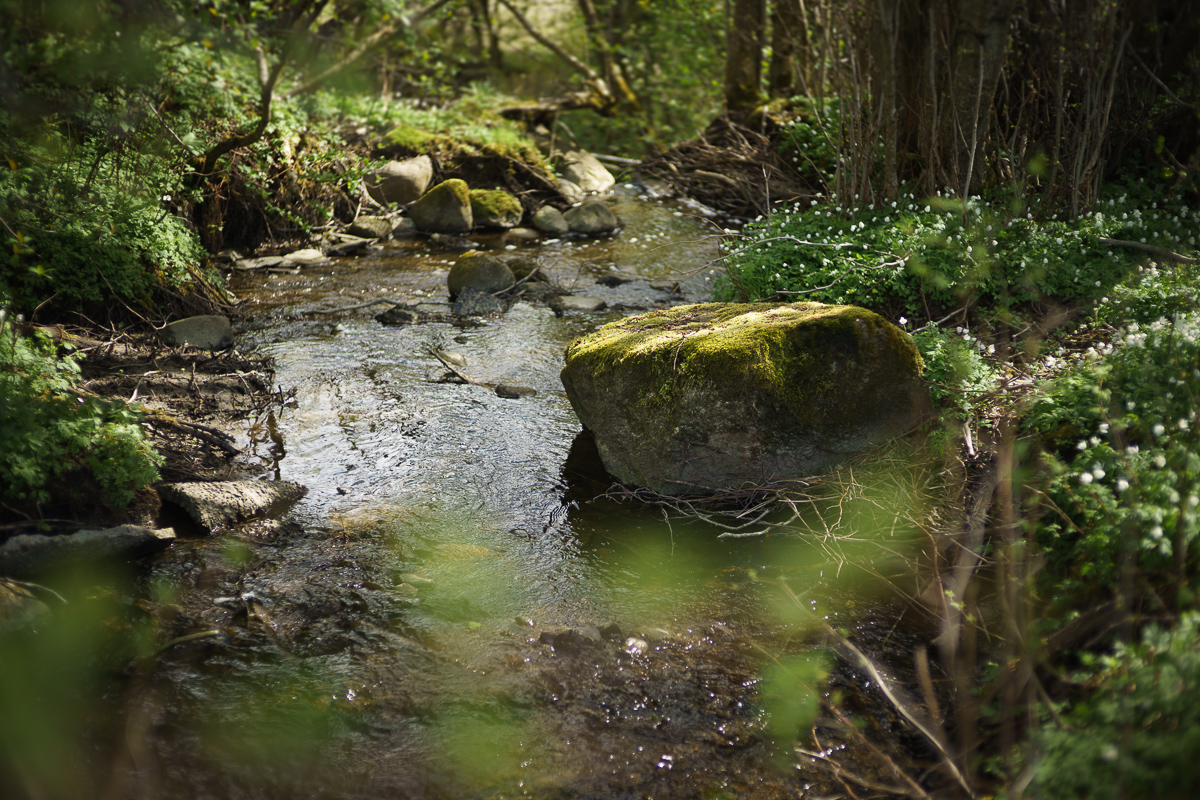
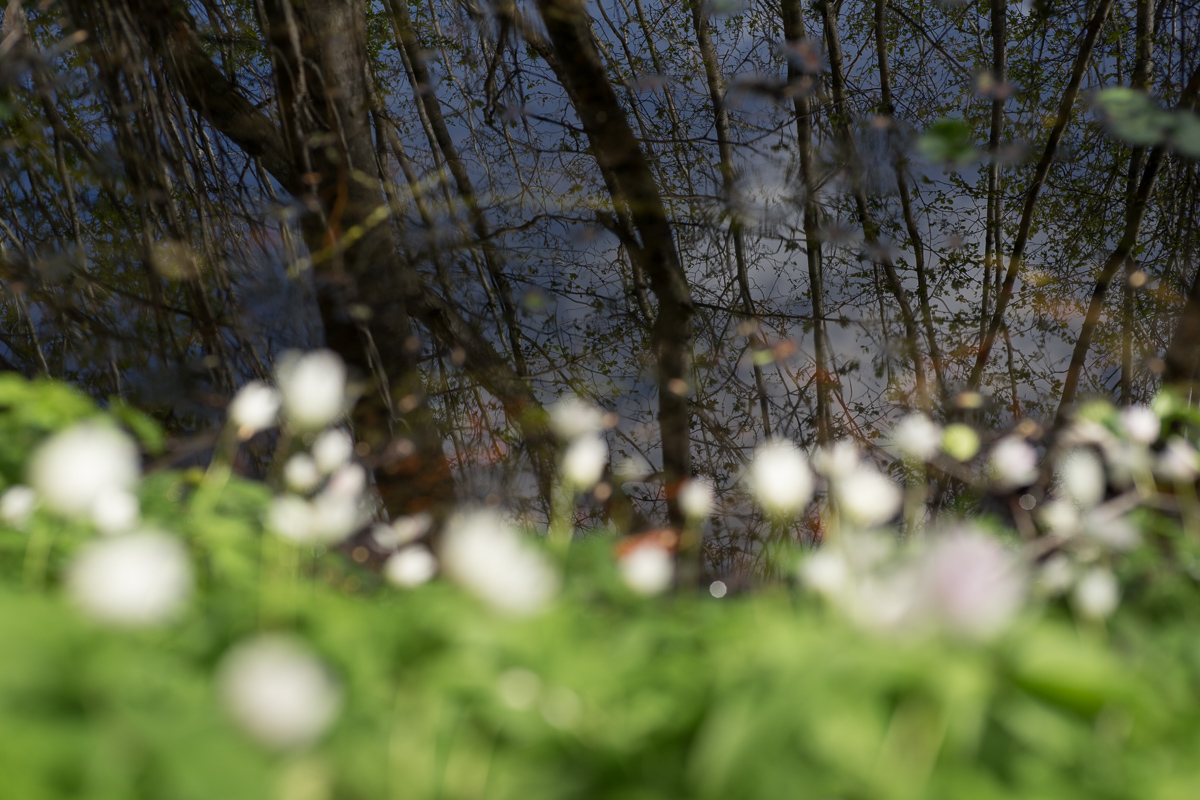
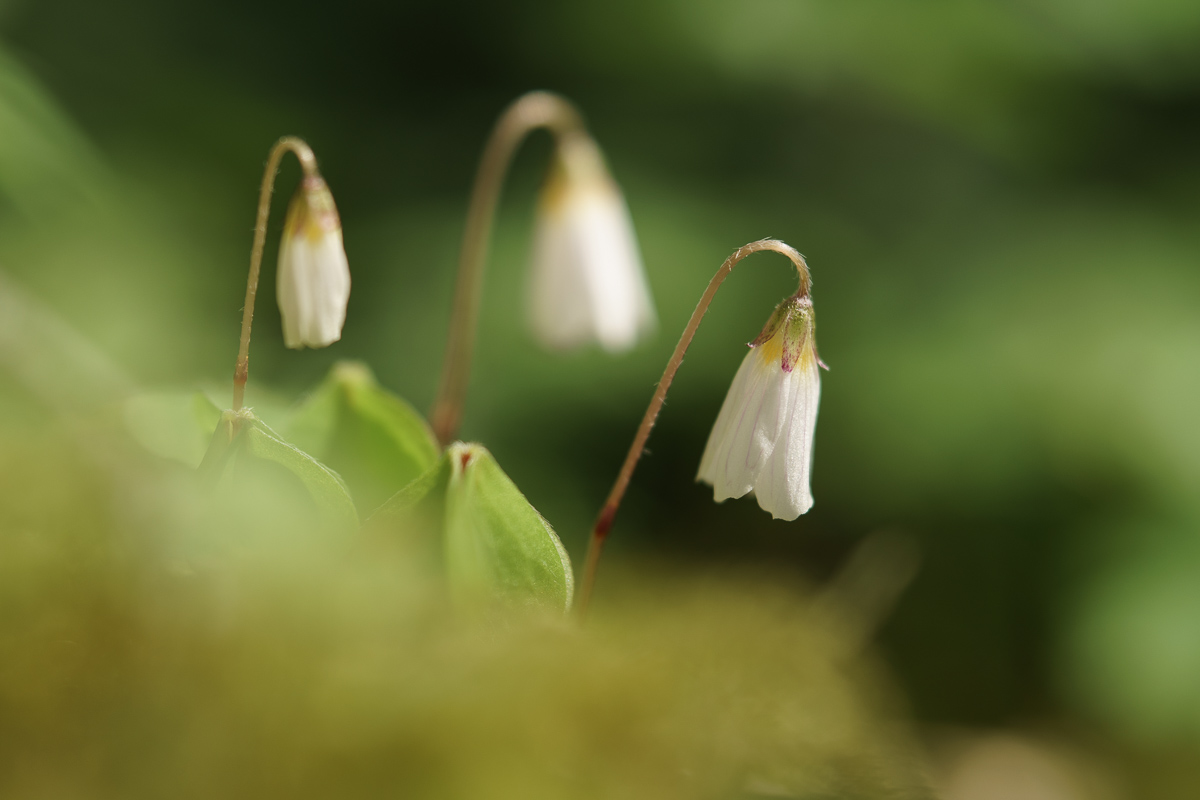
Yesterday I took a walk in the forest. It doesn't look like it in the photos, but it was quite cold. Even though the sun was out you needed wool underwear, scarf and gloves.
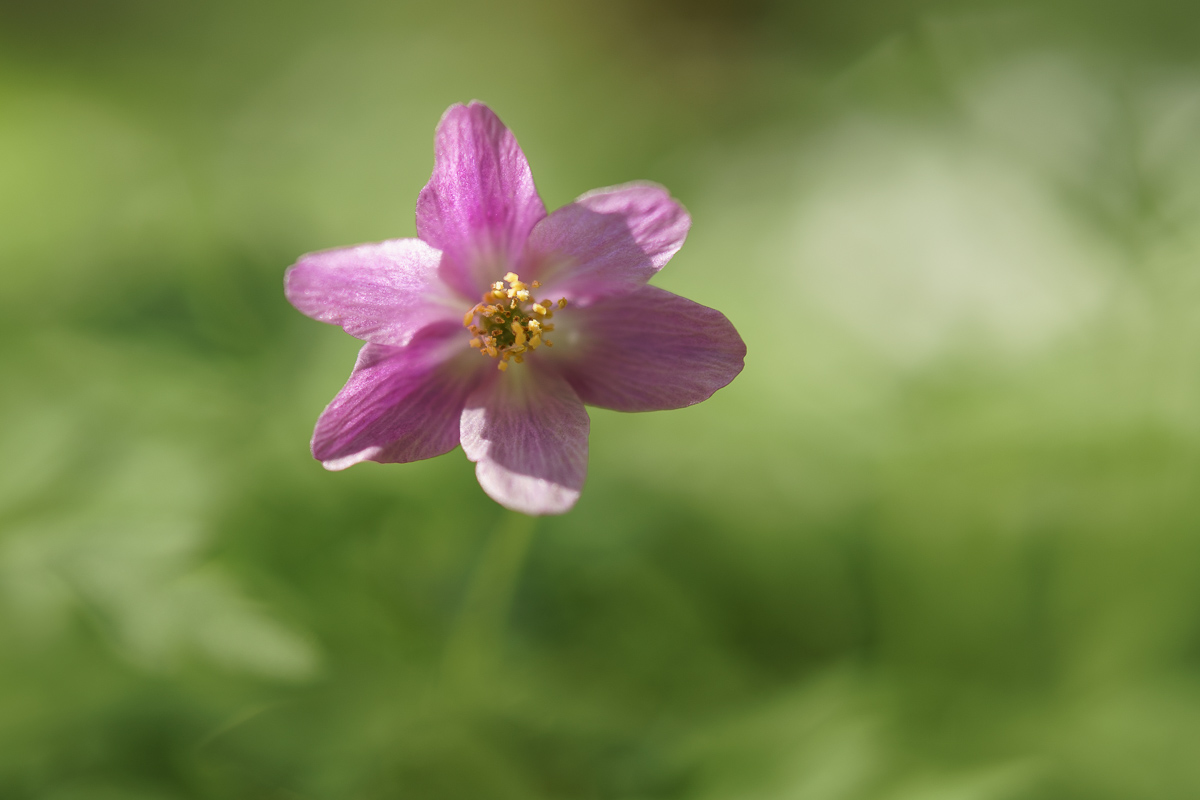
A7II and CV 50mm/1.5 VM (some with a Marumi close-up lens).
Michael Willmann - some call him pompously The Silesian Apelles, but I would rather call him Silesian Rubens or Rembrandt or Van Dyck.
Not just because he lived in the times close to those Dutch master painters, but above all,because his works were made under their expressive influence,plus his own,locally influenced genious,
He was born in Królewiec/ Königsberg in 1630 - at that time a part of Polish-Lithuanian Commonwealth,(just like my great-grandfather nearly two centuries later.Yay!).
His family was of poor's guild painter.This is probably why his education lasted so long.
At the age of twenty he went in Amsterdam to learn.
At about 1665 he appeared at the Habsburg court in Prague.
In 1660 he settled in Lubiąż /Leubus in Lower Silesia. He started cooperation with the Cistercian order, from which he took over most of his orders for the creation of works and where he founded a family,spend most of his life and died in 1706.
From about 1660ties he began to create his most beautiful works.I encourage all of you to visit Lubiąż/Leubus,Krzeszów/Grussau and Henryków/Heinrichau monastries in the Lower Silesia/Nietherschlesien to see most of his masterships and to feel the spirit of the country that must have influenced him. :-)
His paintings decorate many churches in Lower Silesia, but also in Poland Proper (outside The Lower/Upper Silesia).
Some of them can now be found also in Warsaw,where they have found themselves to replace older paintings destroyed or stolen during the WWII by the germans.
8 days ago I visited the church of St. Joseph in Krzeszów/Grussau in Lower Silesia/. The Willmann frescos decorate the whole church.
Willmann paintings embellish also the two side chapels of the huge basilica right next. I did not take pictures there, unfortunately (it was too dark), but take a look at the Saint Joseph Church in Krzeszów Decorated with his frescos.Just have a look at the pictures.And all you spectators,please,do not blame the painter for the shortcomings of the photographer.
This was The National Day of The Flag,The 2nd of May,so The Church of Saint Joseph and The Abbot's residence looked good enough,even for any nationalistic zealot
A72+Distagon C/Y 25/2.8
The Willmann's painted ceiling....
A72+C/Y Distagon 18/4
and the ceiling with powerfull organs,constructed by the masters from Breslau/Wrocław placed on the northern empora of the church...
Peire wrote:
Michael Willmann - some call him pompously The Silesian Apelles, but I would rather call him Silesian Rubens or Rembrandt or Van Dyck.
Not just because he lived in the times close to those Dutch master painters, but above all,because his works were made under their expressive influence,plus his own,locally influenced genious,
He was born in Królewiec/ Königsberg in 1630 - at that time a part of Polish-Lithuanian Commonwealth,(just like my great-grandfather nearly two centuries later.Yay!).
His family was of poor's guild painter.This is probably why his education lasted so long.
At the age of twenty he went in Amsterdam to learn.
At about 1665 he appeared at the Habsburg court in Prague.
In 1660 he settled in Lubiąż /Leubus in Lower Silesia. He started cooperation with the Cistercian order, from which he took over most of his orders for the creation of works and where he founded a family,spend most of his life and died in 1706.
From about 1660ties he began to create his most beautiful works.I encourage all of you to visit Lubiąż/Leubus,Krzeszów/Grussau and Henryków/Heinrichau monastries in the Lower Silesia/Nietherschlesien to see most of his masterships and to feel the spirit of the country that must have influenced him. :-)
His paintings decorate many churches in Lower Silesia, but also in Poland Proper (outside The Lower/Upper Silesia).
Some of them can now be found also in Warsaw,where they have found themselves to replace older paintings destroyed or stolen during the WWII by the germans.
8 days ago I visited the church of St. Joseph in Krzeszów/Grussau in Lower Silesia/. The Willmann frescos decorate the whole church.
Willmann paintings embellish also the two side chapels of the huge basilica right next. I did not take pictures there, unfortunately (it was too dark), but take a look at the Saint Joseph Church in Krzeszów Decorated with his frescos.Just have a look at the pictures.And all you spectators,please,do not blame the painter for the shortcomings of the photographer.
This was The National Day of The Flag,The 2nd of May,so The Church of Saint Joseph and The Abbot's residence looked good enough,even for any nationalistic zealot


 .
.  .
.



 !
!