Cadaver wrote:
Alfredo, On the previous page you had some interesting shots of a specific building taken with your new tilt shift lens. Could you advise what building that is and where it's located? Thanks and enjoy the lens!
Yes certainly and my fault for omitting the location. It is the Karnes County Courthouse about an hour south of San Antonio. I shot the building for my architecture client who worked on the extensive renovation. Thank you.
Werner_Utsch wrote:
Thx's !
It's a double exposure using the Sony app in camera:
First a regular short exp. then with adding a ND 3.0 a 6 sec. exp. with horizontal camera movement.
Blending can be done in camera or in PS CC. From the app you get 3 files.(1. and 2. as raw the third blended as jpeg.
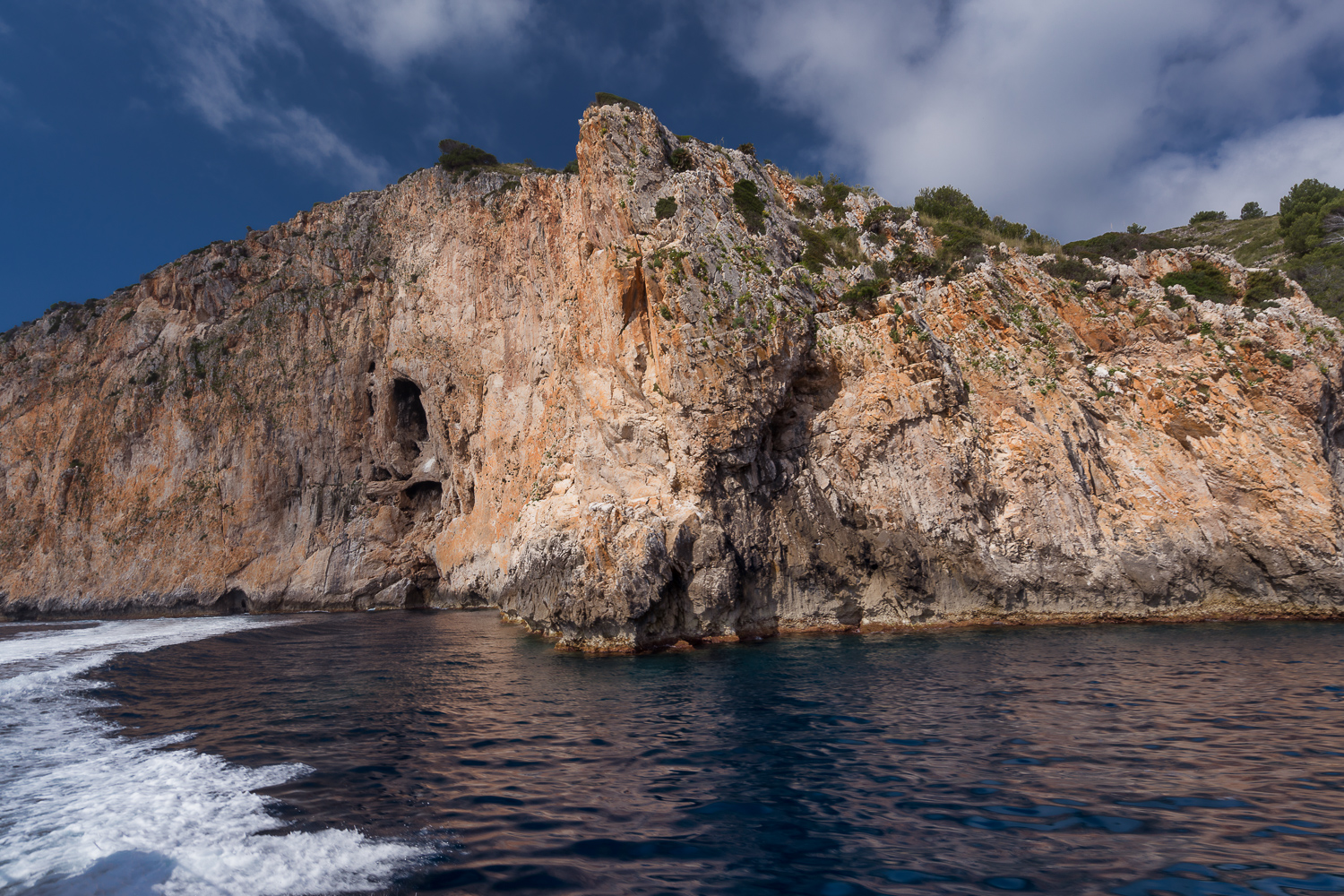
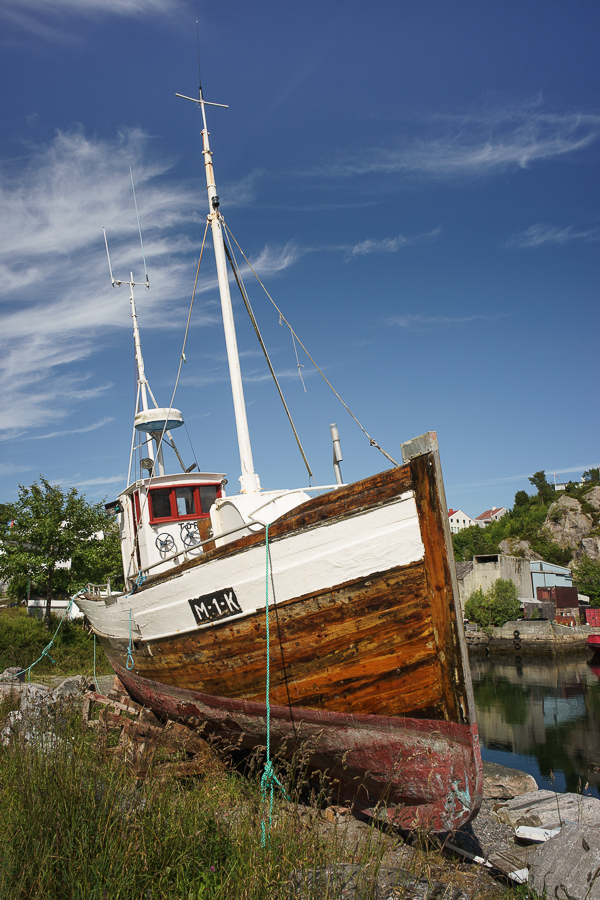
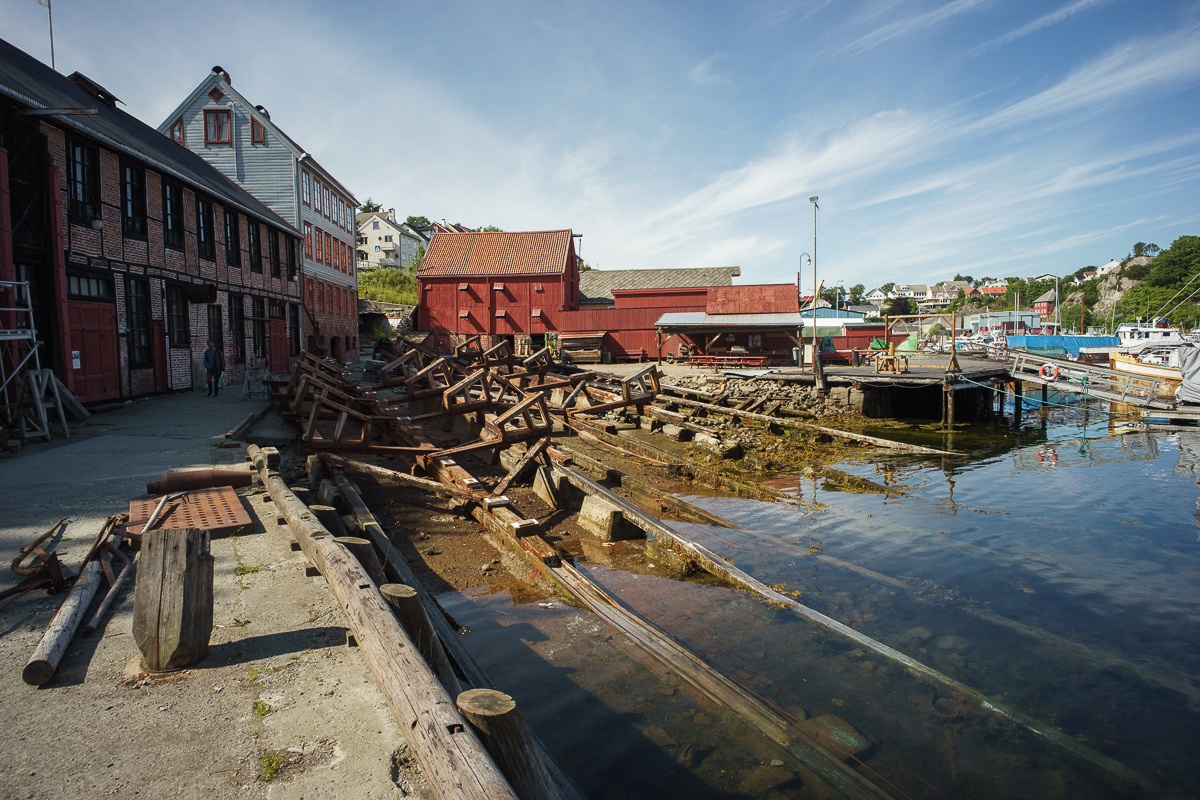
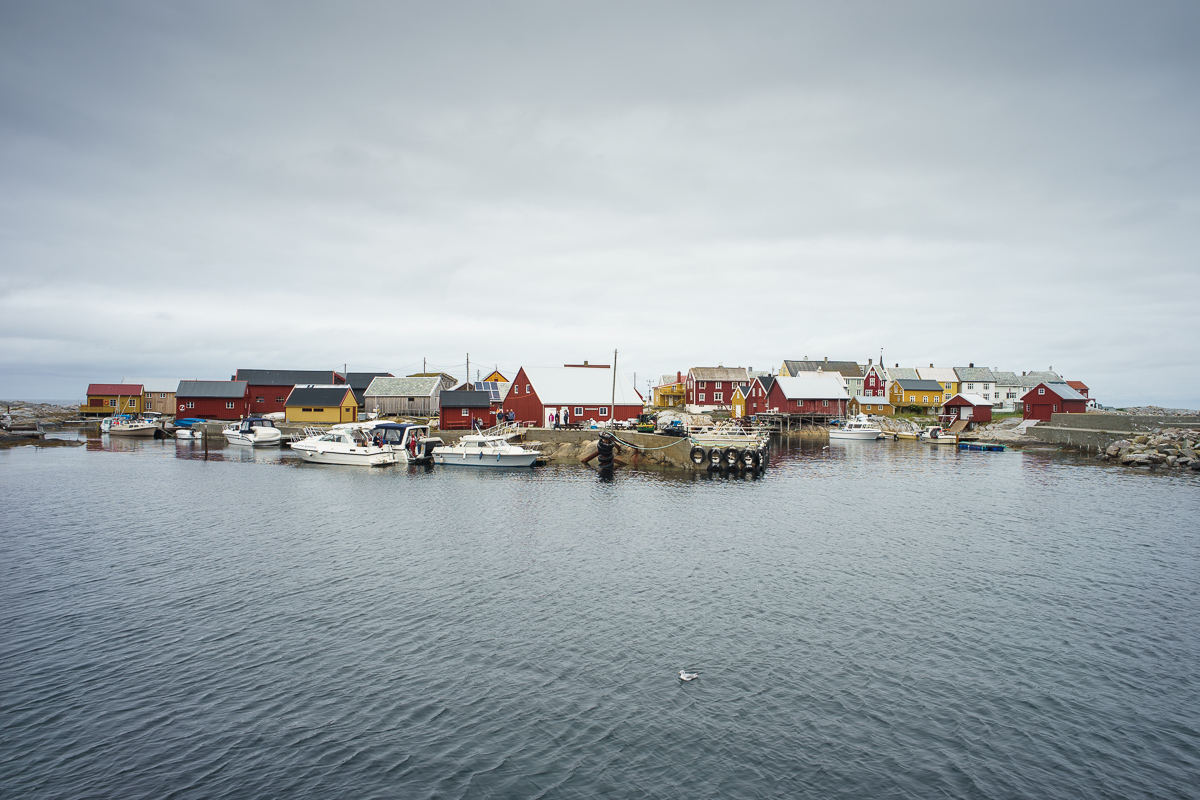
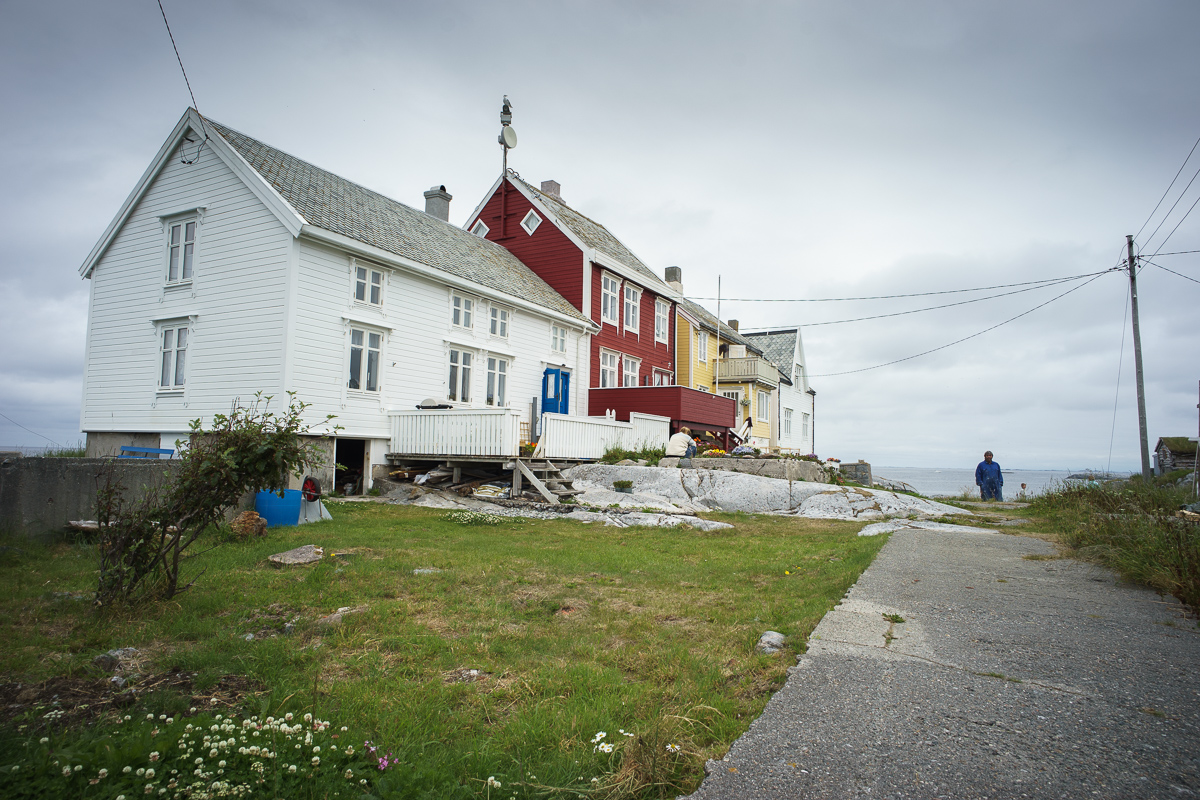
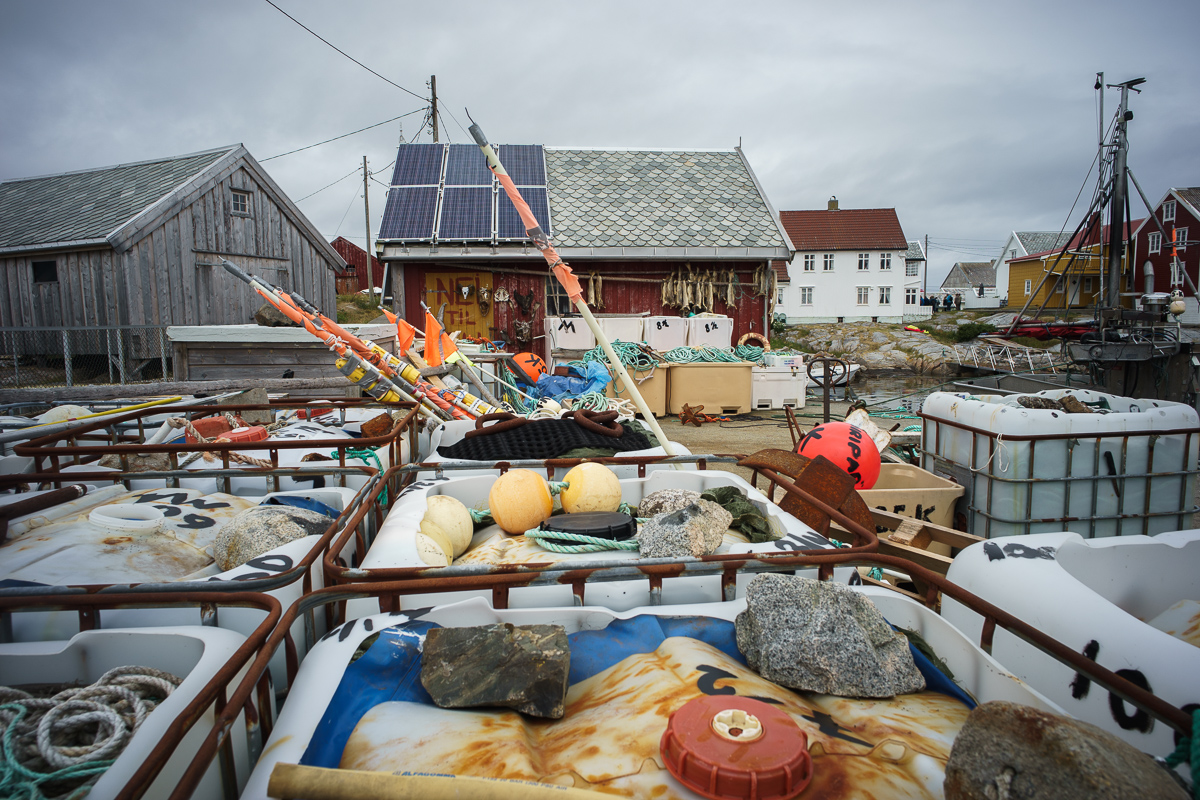
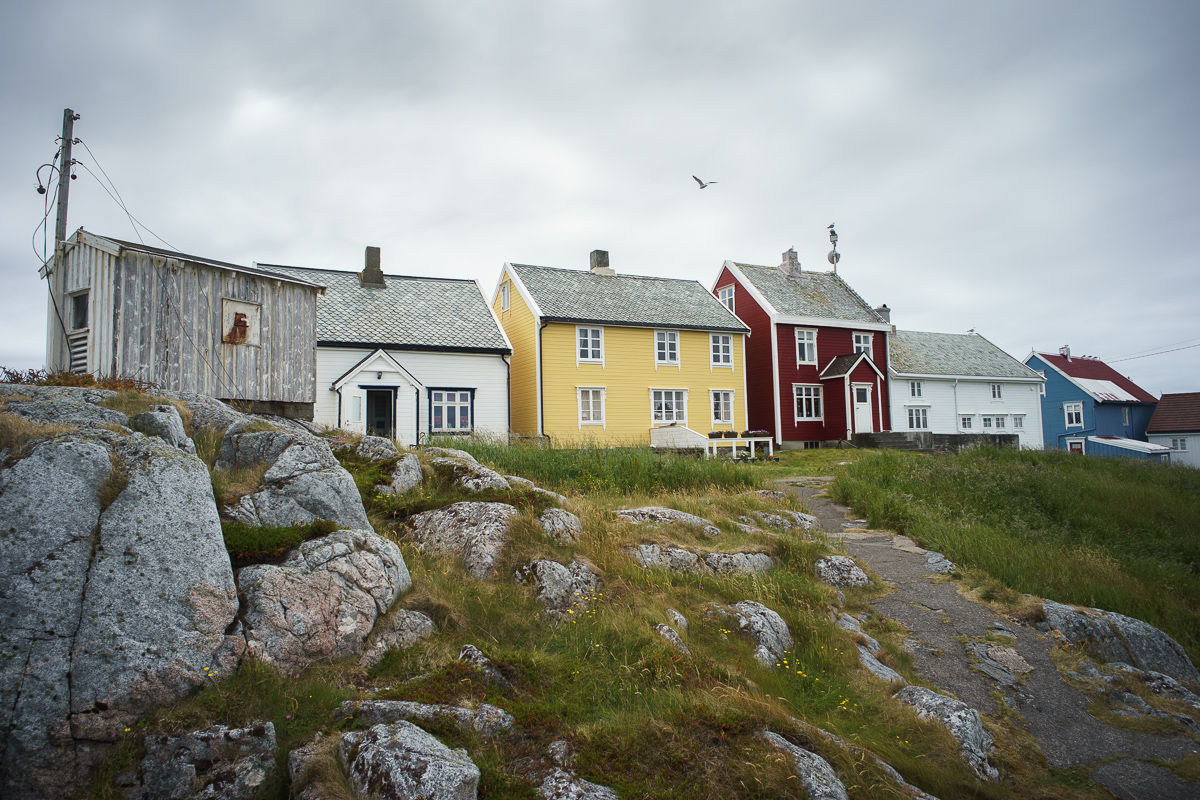
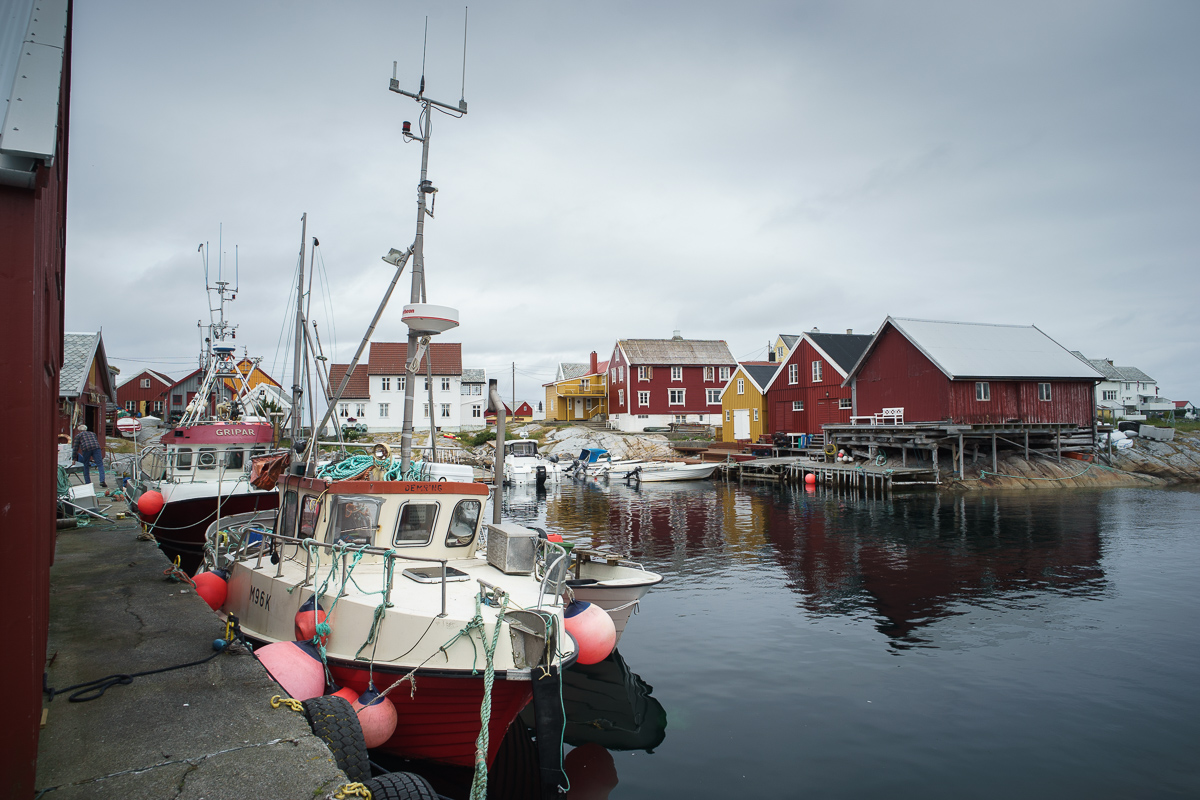
This weekend we went on a really nice trip by boat to a town called Kristiansund where we stayed two nights. There we did some walking around and also went on a shorter boat trip to a tiny island with an old fishing village.
Last one is from CV 35/1.7 VM and the rest CV 21/1.8 VM.
Those two lenses had to wait more than 3 years for their turn,but last Sunday I eventually managed to take them out for a while.The m42 soviet Jupiter 9 85/2 (Sonnar copy) and Helios M44-2 58/2 (Biotar copy).
It was very refreshing to see how differently they render versus later and contemporary lenses.I like Jupiter for glow at around wide open and smooth oof blurr (feasible with evenly lit background).Helios is nice to my eyes because of the swirly bokeh peripherically, at larger apertures,which combined with always sharp center may make up for interesting combination.All that backed up by organic colours and bubbles here and there
Peire, you mentioned a while ago in another thread that “the 135/2 Apo Sonnar is optically the best out of 423 lenses I currently have”. When you say that the Jupiter 9 85/2 and Helios M44-2 58/2 had to wait more than 3 years for their turn, does that mean that you have a strict rotation whereby each time you go out to photograph you pick one (or two or three) lenses to work with in turn? Although that goes against the conventional “wisdom” that one should learn to use a single lens well, it strikes me that your method would provide a thorough education in which lens might be best suited for a particular task.