FlyPenFly wrote:
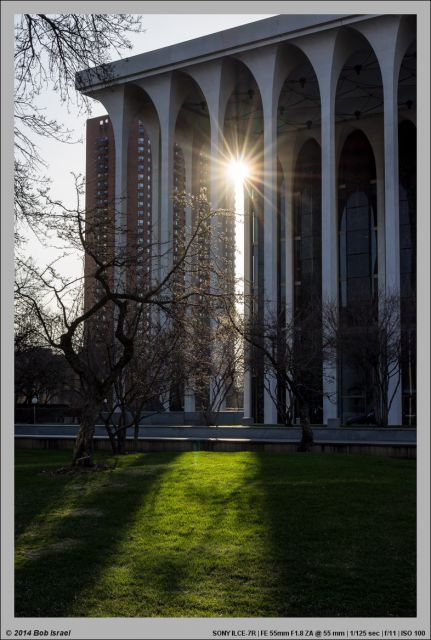
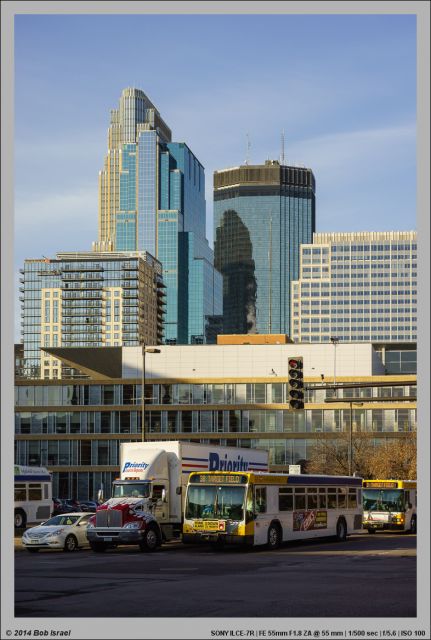
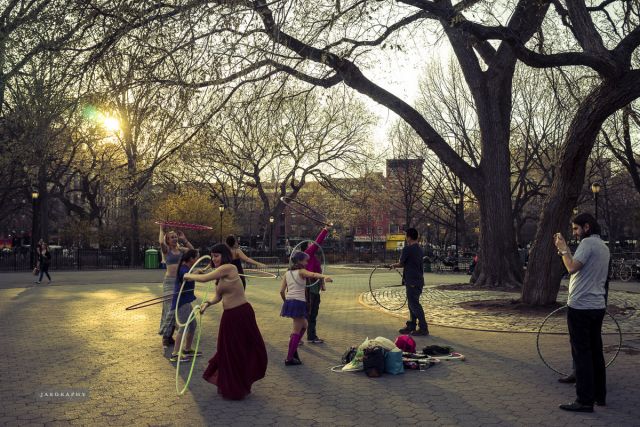
Thoughts on if on the second photo, the green flare is from the sensor or my B+W MRC UV Haze?
I would vote for sensor considering reflection shape, direction, lens and camera. To make 100% sure next time you are in such situation try one shot without filter.
I don't own any UV-filters, but I assume they are no worse than B+W polarizers (2 less glass to air surfaces=should be better), and they don't seem create this kind of issues.
Samuli Vahonen wrote:
Thanks. Didn't add sharpening, so slightly hard to use less of it. After fullsize 16-bit TIFF was exported from Lightroom it was resized to 1280px with Lanczos2-resampling filter with ImageMagick (command line tool for image processing).
I made You version using Mitchell resampling filter, instead of Lanczos2, it's much "softer" filter - maybe you like it better, I prefer Lanczos2 version: link (and Lanczos2 version again for comparison)
Samuli
Interesting - thanks. Yeah, i like the softer version a bit better, but I wonder if what I'm really seeing in the original is just the noise from ISO800.
FlyPenFly wrote:
Thoughts on if on the second photo, the green flare is from the sensor or my B+W MRC UV Haze?
It may very well get color from the IR filter. I hear the greeniness colors is a effect of IR filtering certain wavelengths and ignoring others (such as green).
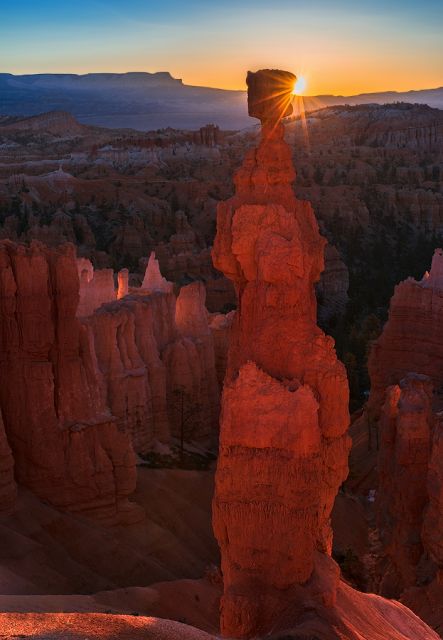
I am not bothered by it, I'll let go or just take away the green. It is just a flare. Many of what I consider topshots have flares, one way or another. A "Perfect" shot would only give some star pattern around strong remote lightsources, but a real flare have the potential of bringing in some new dynamics. Key asset is to be able to look image, not just indetifying various optical propagation factors.





 especially at night when there are bright lights.