AGeoJO wrote:
This is the last frame out of about 12 images or so when the owl look straight at me on its flight back to the burrow after catching a June bug mid-air with its right claw. In addition, it is was flying straight at me. After this frame, the owl shifted its attention more to its intended landing spot on the lower left of the frame and started to bank, loosing the eye contact with the camera. Cross posted this in the N&W board but I cropped the image here some more to accentuate the owl's intense, straight look of the owl and less of the surrounding....Show more →
Congratulations on your gear and fabulous image Joshua. Winners all around.
BTW which frame rate are you using? And which focus settings? TIA.
k-h.a.w wrote:
Congratulations on your gear and fabulous image Joshua. Winners all around.
BTW which frame rate are you using? And which focus settings? TIA.
K-H.
Thank you, K-H.! Originally, I had the 20FPS setting. In no time and without realizing it, I took over 1,000 images in a short period . And there were too many similar, well, almost identical images. For this kind of wildlife photography, it seems that the middle setting, 10FPS would strike the best balance. That's what I used for that particular sequence.
I tried two AF methods, the Lock-on AF center and AF Wide. But the situations changed rapidly and I cannot evaluate which method would be better. But let me put it this way, I got way more keepers using the AF-wide and relying on all PDAF point to do the focusing for me . The Lock-on AF works OK but the day before yesterday, I had a tough time getting it to lock focus on the owl and kept on switching to either the background or foreground. But the lighting conditions were weird that day and not ideal for sure. If the target is fairly big and quite contrasty, both methods seem to work equally well. And yet, the AF-wide mode is my preference at this point.
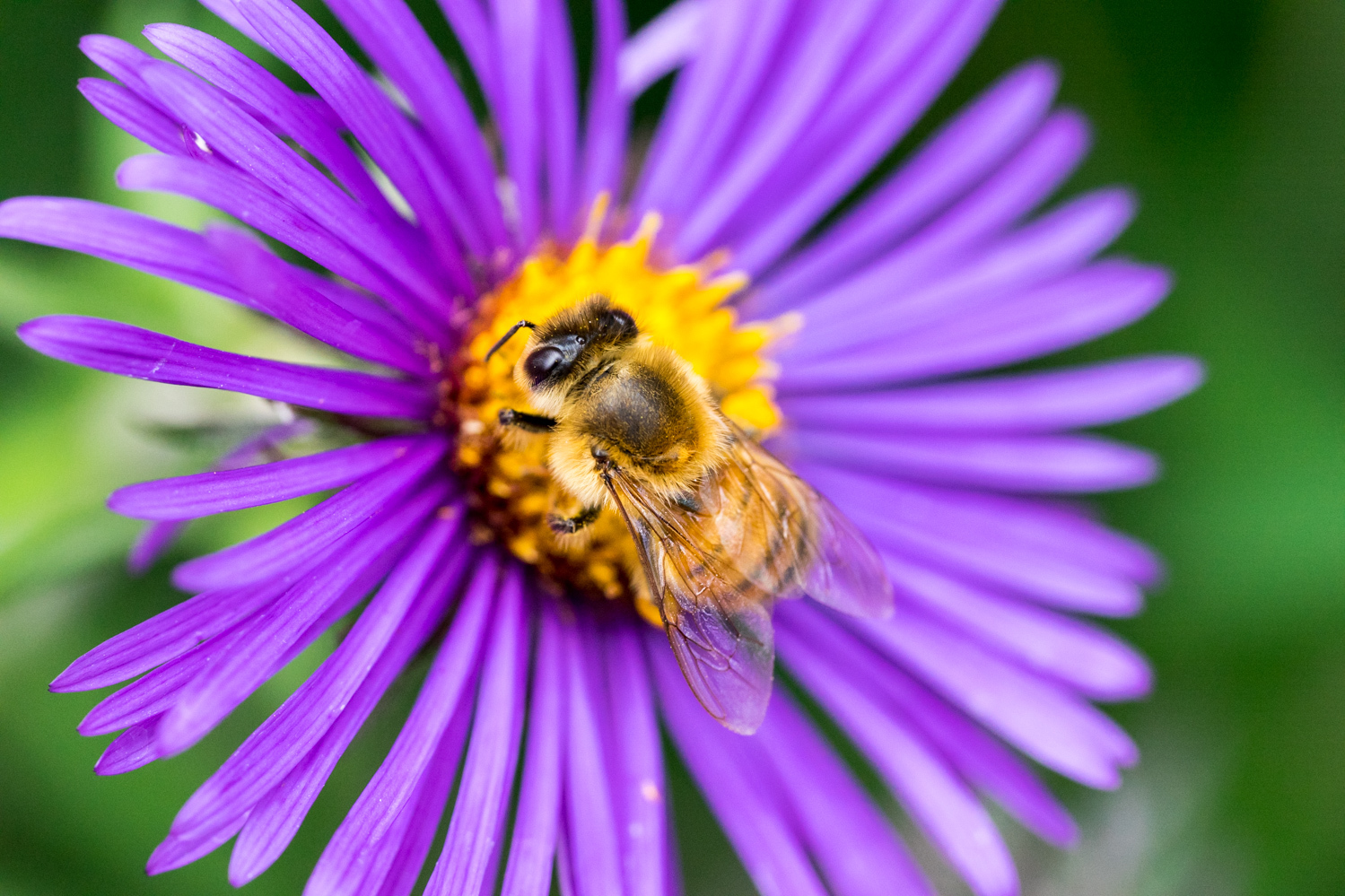
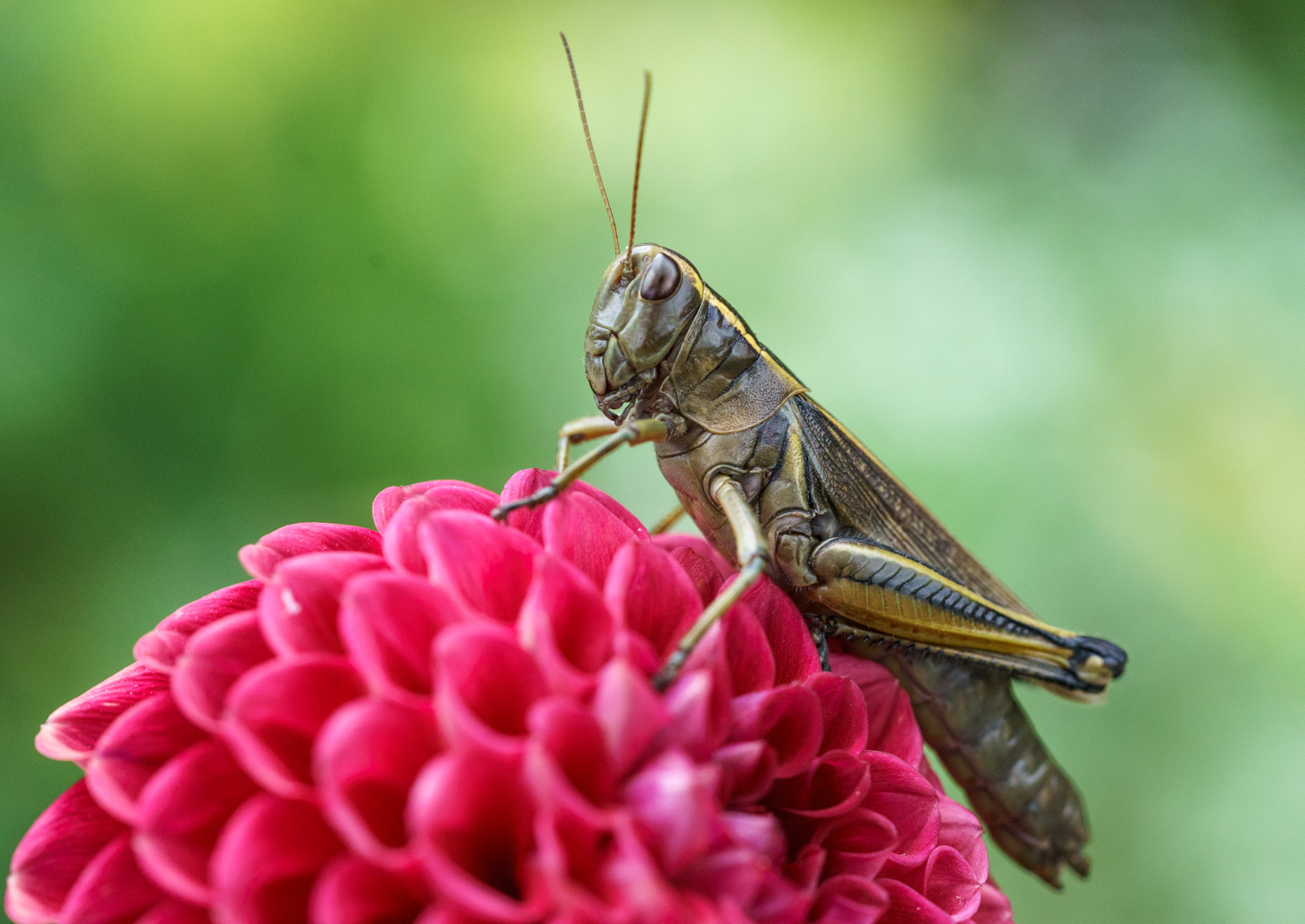
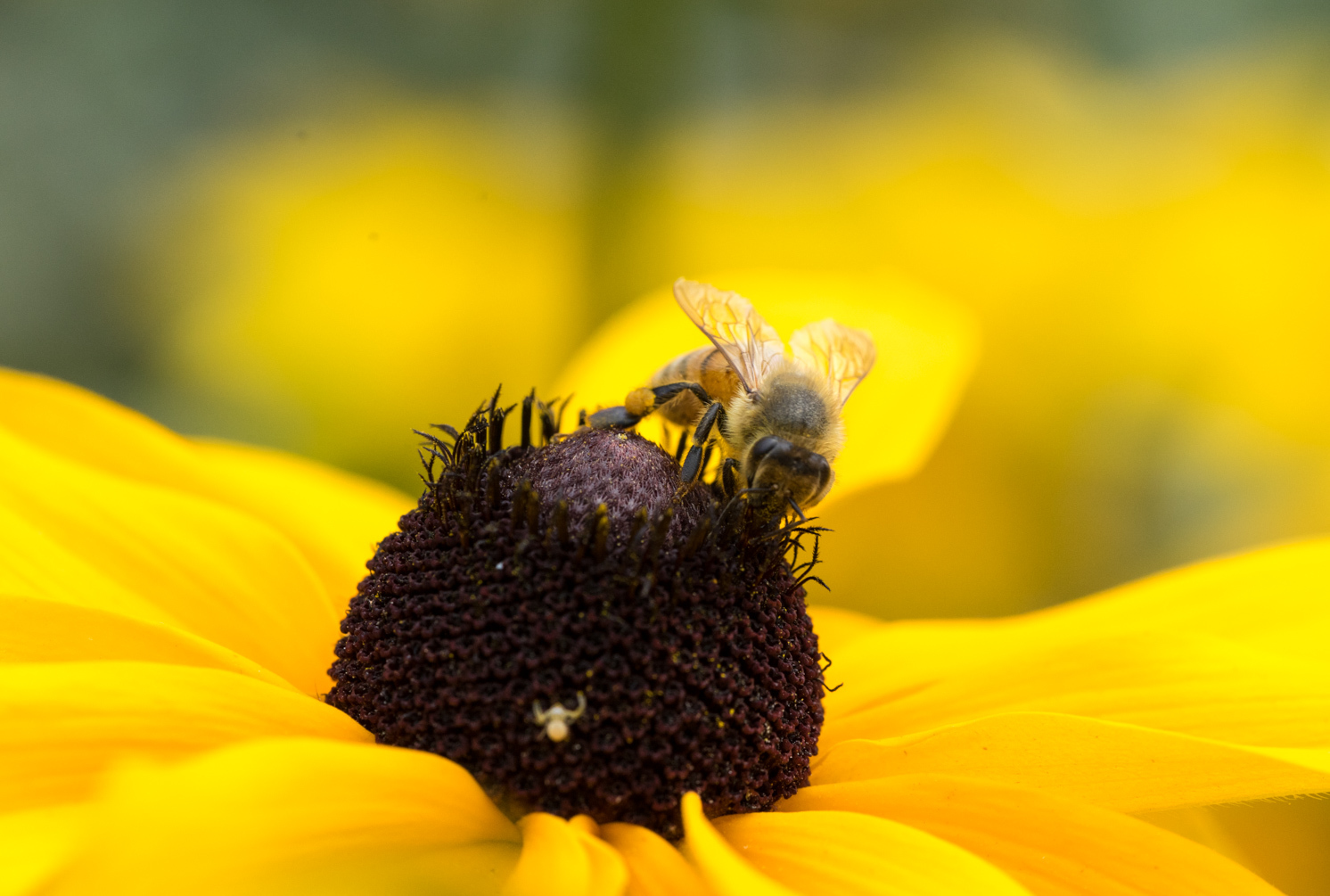
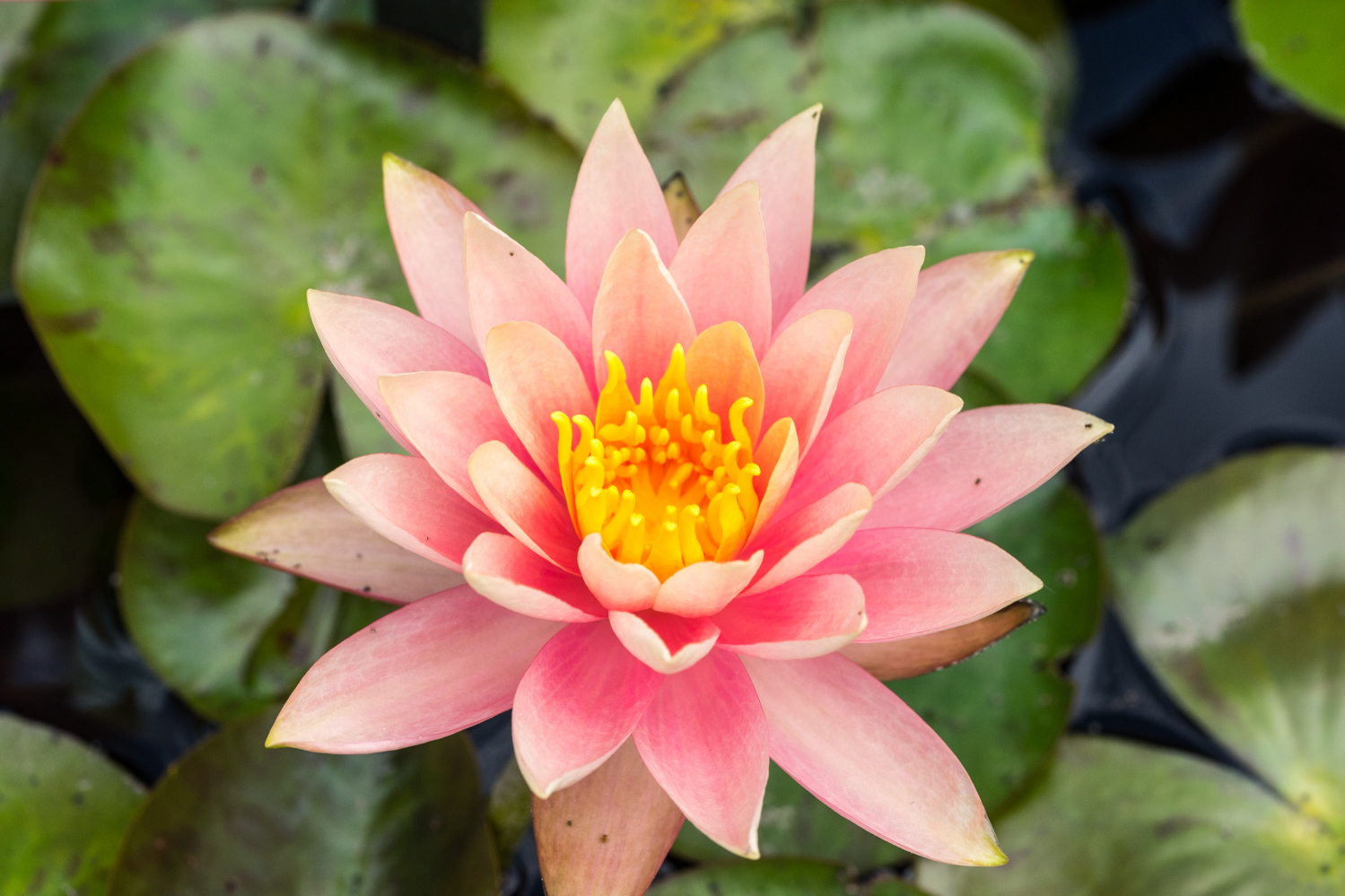
Went to a camera store demo days at the local botanic gardens, got to try the FE 90 Macro, FE 50 Macro, and the GM 24-70 2.8. First time shooting any sort of macro, kinda fun but pretty hard to nail focus when handheld
A couple more shots from roadside during my recent Iceland trip. To me, some of the scenes I saw when I was driving are more beautiful than some of the popular tourist attractions. But I didn't have the best light for them as these were unplanned random shots. Finding a place to pull over on the road is very tough as the roads are narrow and have no shoulder. I sure missed some opportunities because of that.
snikt228 wrote:
Went to a camera store demo days at the local botanic gardens, got to try the FE 90 Macro, FE 50 Macro, and the GM 24-70 2.8. First time shooting any sort of macro, kinda fun but pretty hard to nail focus when handheld
The grasshopper looks amazing, as though it's made of bronze.
genji wrote:
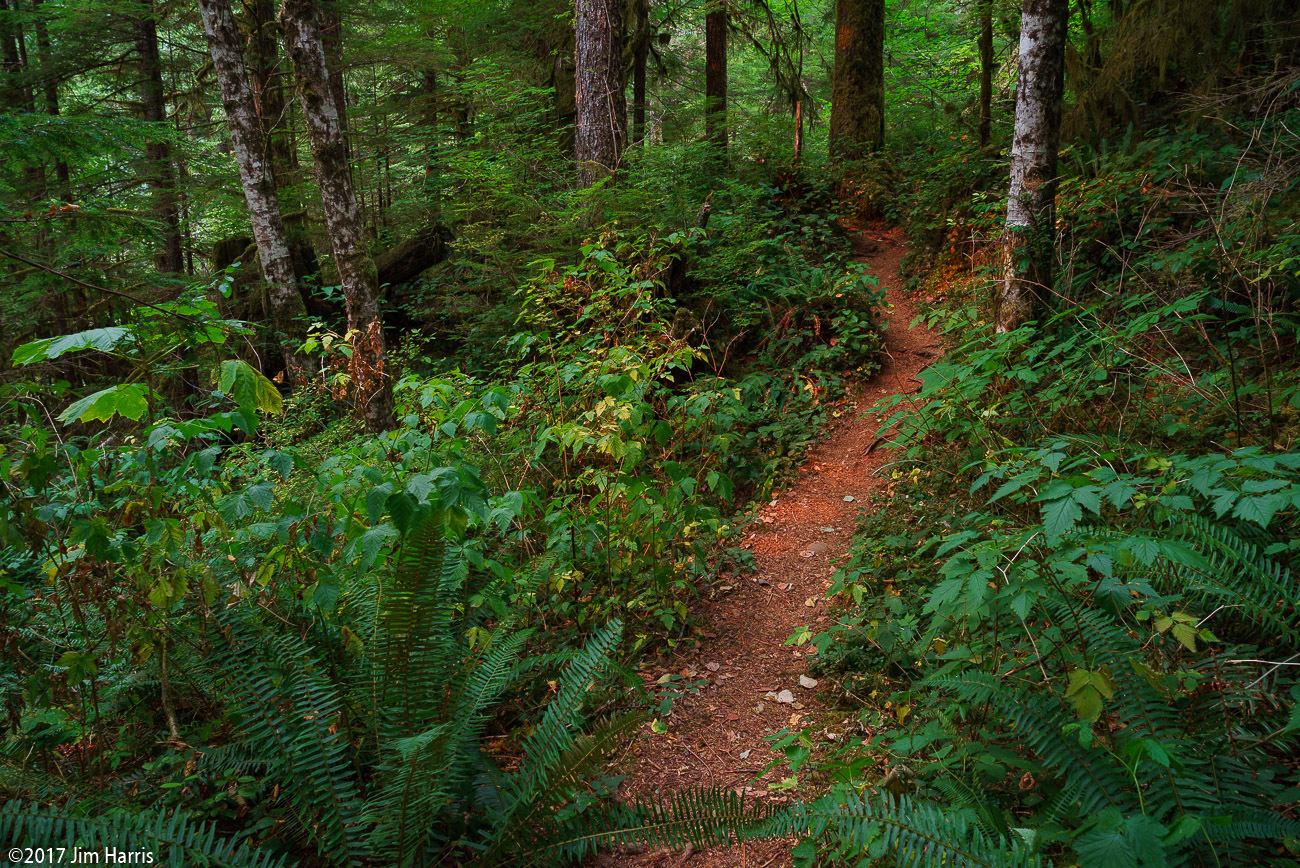
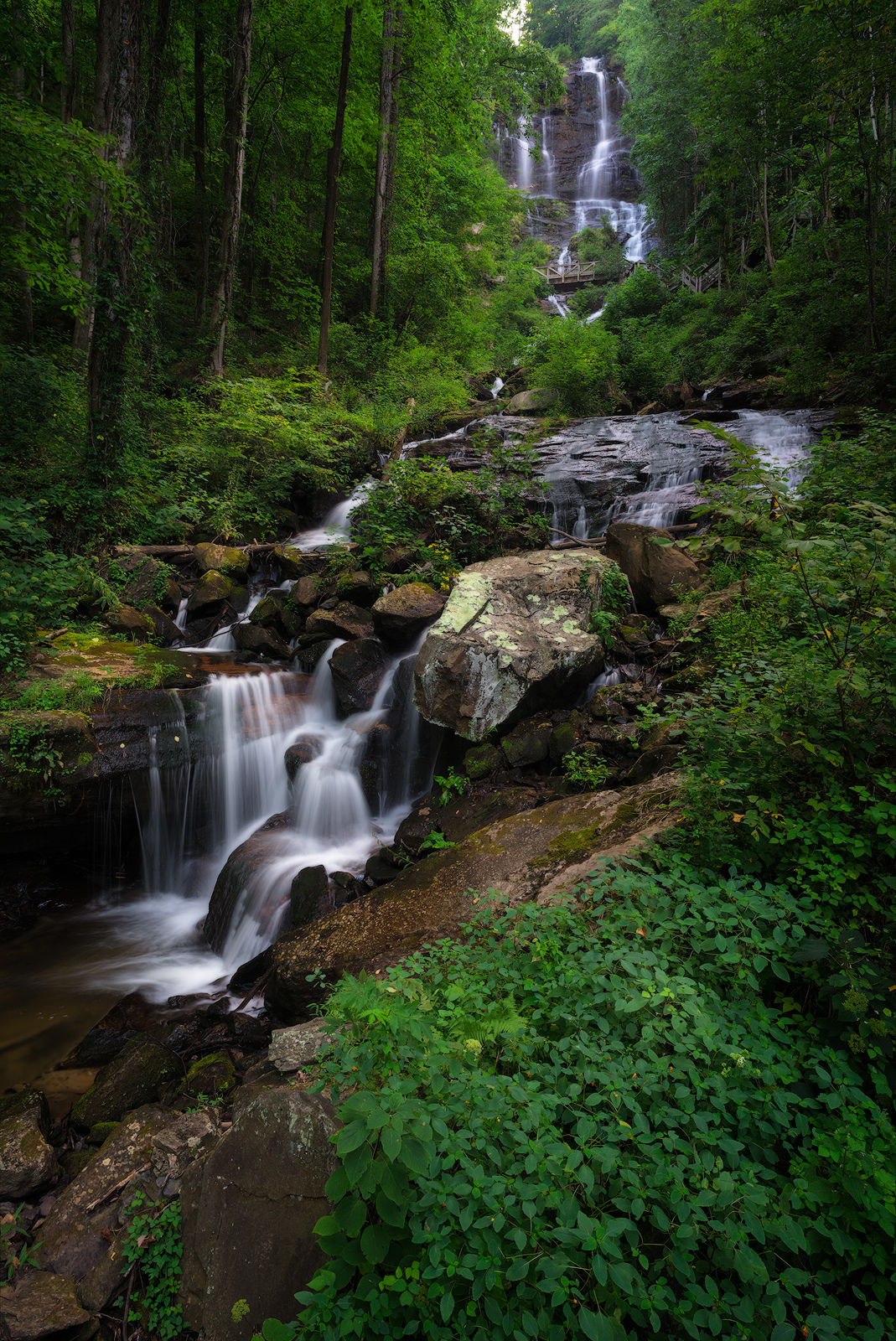
Samuli, you've sure figured out how to bend the Distagon FE 35/1.4 to your will. The picture of the path through the forest is really beautiful.
Thanks Jonathon! This lens is "weird" and has been quite challenge; usually "the technical skill" to shoot lens is
a) Knowing how much lens needs closing down for boke scenarios to avoid boke issues and have enough contrast of focus plane, but still keeping DOF as small as possible.
b) At large distances understand how much to close down to get edges and borders sharp but still avoiding loss of brilliance due to diffraction.
(+ some random items e.g. flare resistance, field curvature, aberrations...)
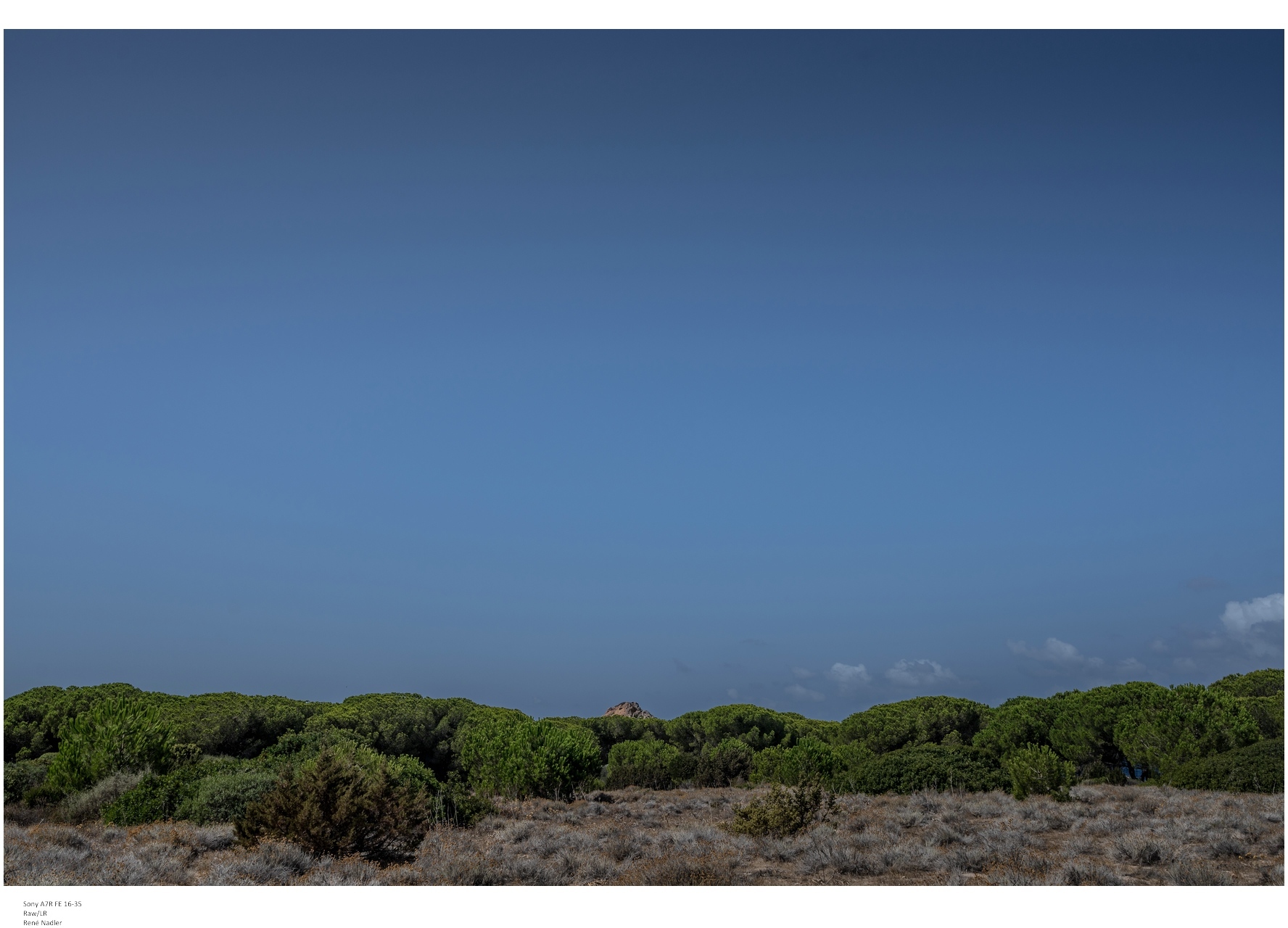
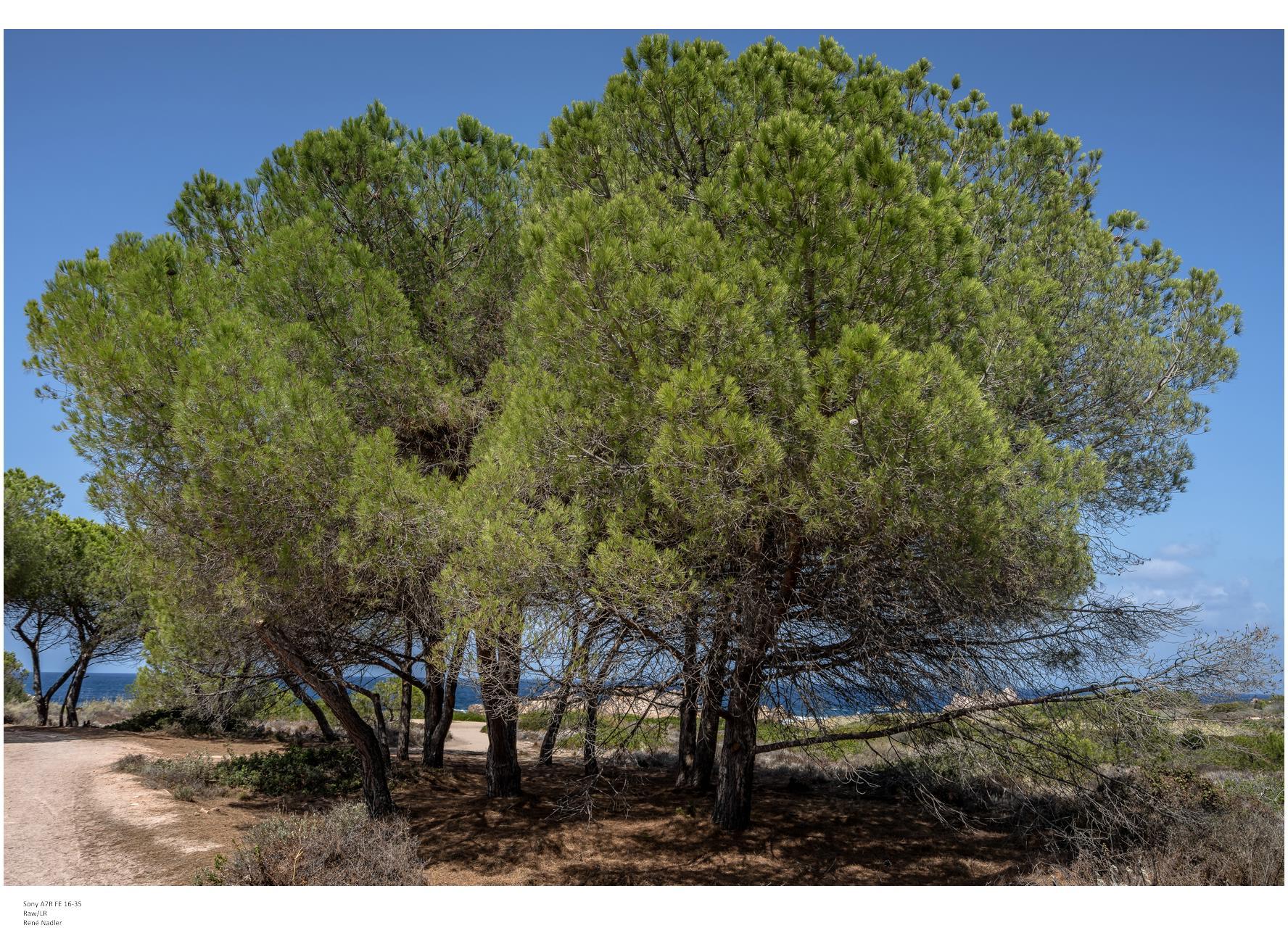
With my usual Zeiss lenses a) is the hard part, but b) is really easy. FE1.4/35 seems to be really easy for a), for easy scenarios f/1.4 works, with difficult scenes close down 1/3 or 2/3 stops. However I have struggled with b) more difficult - or my copy has issues at large distances (it's "perfect" at short distances) as this lens is famous for copy variance. It seems that at short edges and corners image sucks at f/4-f/5.6 (even lens is closed down 3-4 stops), but at f/8 two things happen: corners/edges improve to usable level, BUT at same time image gets more dull than any real Zeiss lens due to diffraction. And it gets even more weird; performance f/11, f/13 and f/14 is not as bad as f/5.6 -> f/8 brilliance lost due to diffraction indicates. This lens just is not logical to me. I have stopped trying to understand the lens performance at landscape usage, and just close down to f/8 for landscapes (or more if scene needs it). And then prepare do to some more effort on post processing e.g. convolution sharpening and local contrast methods to overcome the dullness from diffraction.
For landscapes my Zeiss ZM 2/35 (when used with Kolari thin filter camera and 3000mm PCX front filter) is better from f/4 to f/11 than FE 1.4/35 at any aperture (by better I mean combination of everything, not just sharpness). And f/5.6-11 both CY-mount 2.8/35 and 3.5/35-70@35mm are also better for landscapes use, specially the zoom thou I hate the rotating front as I always use polarizer. So in ideal conditions I would not use FE 1.4/35 for landscapes, however in real life it's not possible to carry every lens possible to all hikes, so compromises need to be made.
Sony Distagon T* 1.4/35 FE @ f/1.7, 1/30s, A7r @ ISO 100, Hoya HD CIR-PL 72mm (this is about worst boke performance I can get, should have closed down to f/1.8, there is still little harshness on top right corner boke highlights @f/1.7 [and even more @f/1.4])
Sony Distagon T* 1.4/35 FE @ f/8.0, HDR(1/4s, 1/15s and 1/60s), A7r @ ISO 100, Hoya HD CIR-PL 72mm


 . And there were too many similar, well, almost identical images. For this kind of wildlife photography, it seems that the middle setting, 10FPS would strike the best balance. That's what I used for that particular sequence.
  . The Lock-on AF works OK but the day before yesterday, I had a tough time getting it to lock focus on the owl and kept on switching to either the background or foreground. But the lighting conditions were weird that day and not ideal for sure. If the target is fairly big and quite contrasty, both methods seem to work equally well. And yet, the AF-wide mode is my preference at this point.