This topic is in the 2013 archive. You can read it and like its posts here. It is read only.
Archive 2013"MF Nikon Glass" shooters shooting AF !!
p.156 #1"MF Nikon Glass" shooters shooting AF !!
OMG, 'spiced chicken sphincters' 
pburke wrote:
"Before we get to the effectively redeeming culinary qualities of horse rectum, let’s be painfully clear exactly what we’re talking about. The horse rectum is not the tight, muscular tissue of the anus proper like you’d find in Korean dalkttongjip (stir-fried and spiced chicken sphincters). But it’s not the equivalent of the almost entirely spongy American chitterling (made up of the small intestines) either. Qarta consists of the last few inches of the digestive tract, just before the muscular sphincter. It’s a particularly large and complex segment with a layer of strong tissue on the outside, and gradations of tender...Show more →
Oct 31, 2018 at 09:23 PM
p.156 #2"MF Nikon Glass" shooters shooting AF !!
Talking of food - this was one of many Starlings that descended upon us when we parked up in a public car-park near a beautiful stretch of sandy seashore near Bournemouth, UK.
Obviously used to humans handing out food scraps.
24-120 VR was on the camera at the time.
 DSC_2462: Starling by Colin McIntosh, on Flickr
Colin
Obviously used to humans handing out food scraps.
24-120 VR was on the camera at the time.
DSC_2462: Starling by Colin McIntosh, on FlickrColin
Nov 04, 2018 at 02:30 AM
p.156 #3"MF Nikon Glass" shooters shooting AF !!
We arrived in Bishkek on the day before Independence Day (August 31st) and the repetitions were at full speed. 
 |
||
 |
||
 |
|
||
 |
||
|
|
||
 |
||
|
|
||
 |
||
|
Nov 04, 2018 at 05:38 AM
p.156 #4"MF Nikon Glass" shooters shooting AF !!
DeltaSigma wrote:
Talking of food - this was one of many Starlings that descended upon us when we parked up in a public car-park near a beautiful stretch of sandy seashore near Bournemouth, UK.
Obviously used to humans handing out food scraps.
24-120 VR was on the camera at the time.
https://farm5.staticflickr.com/4826/45659152052_73a155034f_b.jpgDSC_2462: Starling by Colin McIntosh, on Flickr
Colin
Those colours are really beautiful!
Normally people see starlings only as irritating birds.
Nov 04, 2018 at 05:41 AM
p.156 #5"MF Nikon Glass" shooters shooting AF !!
10 frame pano with the 24-85mm VR
Sunset on Mt. Whitney, west to northeast
f/7.1 1/250s ISO 125 on D810

Above everything else
Sunset on Mt. Whitney, west to northeast
f/7.1 1/250s ISO 125 on D810
Above everything else
Nov 05, 2018 at 12:49 AM
p.156 #6"MF Nikon Glass" shooters shooting AF !!
Some AF pics with a very old 28-80 zoom left over from film days.
Taken through a car window between Chamonix-Mont Blanc and Aosta
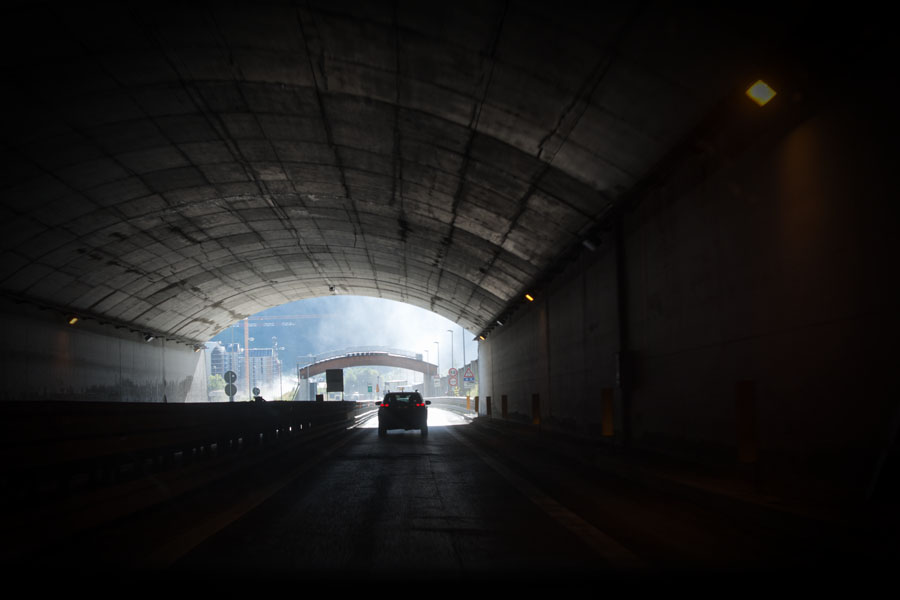
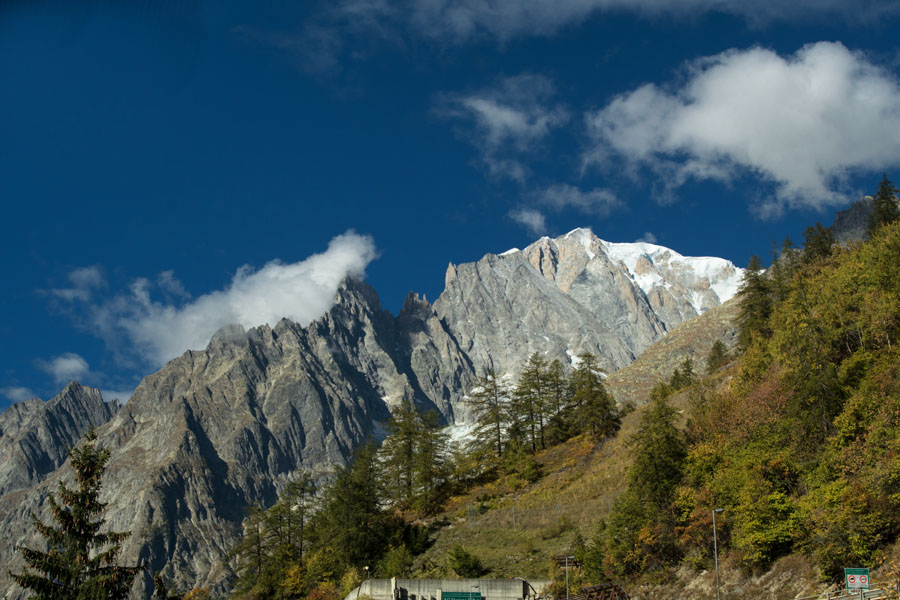
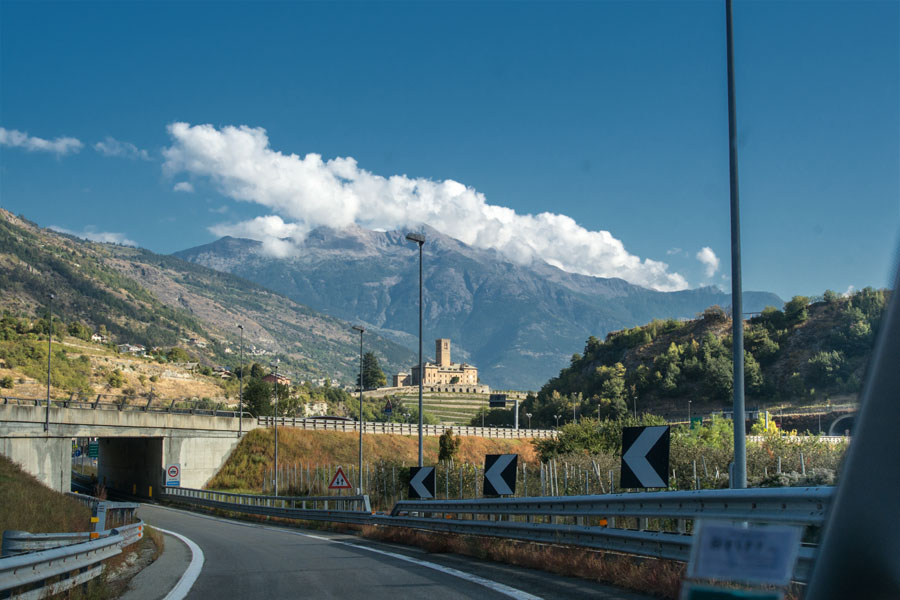
Taken through a car window between Chamonix-Mont Blanc and Aosta
Nov 05, 2018 at 12:58 AM
p.156 #7"MF Nikon Glass" shooters shooting AF !!
Chris Dees wrote:
Obviously used to humans handing out food scraps.
24-120 VR was on the camera at the time.
https://farm5.staticflickr.com/4826/45659152052_73a155034f_b.jpgDSC_2462: Starling by Colin McIntosh, on Flickr
ColinThose colours are really beautiful!
Normally people see starlings only as irritating birds.
Unfortunately Cecil John Rhodes imported these to South Africa along with English Sparrows, Chaffinches and Grey Squirrels to remind him of home.
The starlings are real pests and persist in nesting under our eaves. Each year I dispatch a couple with my 1955 airgun but as I write I can hear nestlings screeching to be fed! The problem arises after the young leave the nest as the bird mites have to find another source of nourishment - usually me! I hate the bastards!
DeltaSigma wrote
Talking of food - this was one of many Starlings that descended upon us when we parked up in a public car-park near a beautiful stretch of sandy seashore near Bournemouth, UK.Obviously used to humans handing out food scraps.
24-120 VR was on the camera at the time.
https://farm5.staticflickr.com/4826/45659152052_73a155034f_b.jpgDSC_2462: Starling by Colin McIntosh, on Flickr
Colin
Normally people see starlings only as irritating birds.
Unfortunately Cecil John Rhodes imported these to South Africa along with English Sparrows, Chaffinches and Grey Squirrels to remind him of home.
The starlings are real pests and persist in nesting under our eaves. Each year I dispatch a couple with my 1955 airgun but as I write I can hear nestlings screeching to be fed! The problem arises after the young leave the nest as the bird mites have to find another source of nourishment - usually me! I hate the bastards!
Nov 05, 2018 at 01:06 AM
p.156 #8"MF Nikon Glass" shooters shooting AF !!
We had that too with our previous house. I placed roof profiles under the tiles and problem was solved.
Nov 05, 2018 at 02:13 AM
p.156 #9"MF Nikon Glass" shooters shooting AF !!
Oosty wrote:
Obviously used to humans handing out food scraps.
24-120 VR was on the camera at the time.
https://farm5.staticflickr.com/4826/45659152052_73a155034f_b.jpgDSC_2462: Starling by Colin McIntosh, on Flickr
ColinThose colours are really beautiful!
Normally people see starlings only as irritating birds.Unfortunately Cecil John Rhodes imported these to South Africa along with English Sparrows, Chaffinches and Grey Squirrels to remind him of home.
The starlings are real pests and persist in nesting under our eaves. Each year I dispatch a couple with my 1955 airgun but as I write I can hear nestlings screeching to be fed! The problem arises after the young leave the nest as the bird mites have to find another source of nourishment - usually me! I hate the bastards!
Mmm. Touched an nerve there. Sorry Peter.
Maybe Jose will admire the bird for its plumage.
The birds nest under piers such as this one in Bournemouth.
A flock murmurating is a sight to behold.
 DSC_2500: Bournemouth Pier by Colin McIntosh, on Flickr
Colin
Chris Dees wrote
DeltaSigma wrote
Talking of food - this was one of many Starlings that descended upon us when we parked up in a public car-park near a beautiful stretch of sandy seashore near Bournemouth, UK.Obviously used to humans handing out food scraps.
24-120 VR was on the camera at the time.
https://farm5.staticflickr.com/4826/45659152052_73a155034f_b.jpgDSC_2462: Starling by Colin McIntosh, on Flickr
Colin
Normally people see starlings only as irritating birds.
The starlings are real pests and persist in nesting under our eaves. Each year I dispatch a couple with my 1955 airgun but as I write I can hear nestlings screeching to be fed! The problem arises after the young leave the nest as the bird mites have to find another source of nourishment - usually me! I hate the bastards!
Mmm. Touched an nerve there. Sorry Peter.
Maybe Jose will admire the bird for its plumage.
The birds nest under piers such as this one in Bournemouth.
A flock murmurating is a sight to behold.
DSC_2500: Bournemouth Pier by Colin McIntosh, on FlickrColin
Nov 05, 2018 at 01:56 PM
p.156 #10"MF Nikon Glass" shooters shooting AF !!
 tai by Chet Grabowski, on Flickr
Rented Nikon DF with Nikon 85mm 1.4 MF lens.
Nov 05, 2018 at 02:58 PM
p.156 #11"MF Nikon Glass" shooters shooting AF !!
DeltaSigma wrote:
Obviously used to humans handing out food scraps.
24-120 VR was on the camera at the time.
https://farm5.staticflickr.com/4826/45659152052_73a155034f_b.jpgDSC_2462: Starling by Colin McIntosh, on Flickr
ColinThose colours are really beautiful!
Normally people see starlings only as irritating birds.Unfortunately Cecil John Rhodes imported these to South Africa along with English Sparrows, Chaffinches and Grey Squirrels to remind him of home.
The starlings are real pests and persist in nesting under our eaves. Each year I dispatch a couple with my 1955 airgun but as I write I can hear nestlings screeching to be fed! The problem arises after the young leave the nest as the bird mites have to find another source of nourishment - usually me! I hate the bastards!Mmm. Touched an nerve there. Sorry Peter.
Maybe Jose will admire the bird for its plumage.
The birds nest under piers such as this one in Bournemouth.
A flock murmurating is a sight to behold.
https://farm5.staticflickr.com/4878/31845358148_7baa21f3f4_b.jpgDSC_2500: Bournemouth Pier by Colin McIntosh, on Flickr
Colin
Colin, the real problem, as with most introduced species, is that they tend to displace the indigenous birds. Common Starlings have spread from Cape Town as far as Port Elizabeth (about 750 Km). In Durban introduced Common Mynahs and Indian House Crows have also become pests. Mynahs have spread throughout the Eastern parts of the country.
Oosty wrote
Chris Dees wrote
DeltaSigma wrote
Talking of food - this was one of many Starlings that descended upon us when we parked up in a public car-park near a beautiful stretch of sandy seashore near Bournemouth, UK.Obviously used to humans handing out food scraps.
24-120 VR was on the camera at the time.
https://farm5.staticflickr.com/4826/45659152052_73a155034f_b.jpgDSC_2462: Starling by Colin McIntosh, on Flickr
Colin
Normally people see starlings only as irritating birds.
The starlings are real pests and persist in nesting under our eaves. Each year I dispatch a couple with my 1955 airgun but as I write I can hear nestlings screeching to be fed! The problem arises after the young leave the nest as the bird mites have to find another source of nourishment - usually me! I hate the bastards!
Maybe Jose will admire the bird for its plumage.
The birds nest under piers such as this one in Bournemouth.
A flock murmurating is a sight to behold.
https://farm5.staticflickr.com/4878/31845358148_7baa21f3f4_b.jpgDSC_2500: Bournemouth Pier by Colin McIntosh, on Flickr
Colin
Colin, the real problem, as with most introduced species, is that they tend to displace the indigenous birds. Common Starlings have spread from Cape Town as far as Port Elizabeth (about 750 Km). In Durban introduced Common Mynahs and Indian House Crows have also become pests. Mynahs have spread throughout the Eastern parts of the country.
Nov 06, 2018 at 01:50 AM
p.156 #13"MF Nikon Glass" shooters shooting AF !!
a couple more from Road America with the 400mm f/2.8 G
D810 here

M6 GT3 at V-max
D500

Cadillac in the morning
D500 plus TC-14e II

GT in Thunder Valley
D810 here
M6 GT3 at V-max
D500
Cadillac in the morning
D500 plus TC-14e II
GT in Thunder Valley
Nov 11, 2018 at 09:04 AM
p.156 #14"MF Nikon Glass" shooters shooting AF !!
I am sure there are some Corvette fans on this forum... champions in their class in 2018
400mm f/2.8 G VR with D500
f/3.5 1/4000s (yes, stop that thing for max sharpness at 160mph! you can't see the frozen tires at this angle anyway) ISO 100

The 2018 GTLM champions
400mm f/2.8 G VR with D500
f/3.5 1/4000s (yes, stop that thing for max sharpness at 160mph! you can't see the frozen tires at this angle anyway) ISO 100
The 2018 GTLM champions
Nov 12, 2018 at 08:39 AM
p.156 #15"MF Nikon Glass" shooters shooting AF !!
one with the lowly 70-300mm ED VR on D500
set to 180mm (270mm FX)
f.9.0 1/500s ISO 100

Renger in Turn 1
set to 180mm (270mm FX)
f.9.0 1/500s ISO 100
Renger in Turn 1
Nov 16, 2018 at 12:41 PM
p.156 #16"MF Nikon Glass" shooters shooting AF !!
view from Mt Whitney before sunset, some smoke in there to give it depth. 24-85mm VR @85mm plus a pretty good crop to simulate 135mm or better. wished I had had a 200-500mm VR up there that evening.

Excellent skies
Excellent skies
Nov 18, 2018 at 08:42 AM
p.156 #17"MF Nikon Glass" shooters shooting AF !!
some SEP2 processed recent B&W racing images, all with the 400mm f/2.8 G VR
D500 with TC 14e II

Acura Action
D500

Preparing for a win
D500

Banzai out of the woods
D500 with TC 14e II
Acura Action
D500
Preparing for a win
D500
Banzai out of the woods
Nov 26, 2018 at 03:38 PM
p.156 #18"MF Nikon Glass" shooters shooting AF !!
pburke wrote:
view from Mt Whitney before sunset, some smoke in there to give it depth. 24-85mm VR @85mm@ plus a pretty good crop to simulate 135mm or better. wished I had had a 200-500mm VR up there that evening.
https://farm5.staticflickr.com/4890/32059150678_a0b405993f_b.jpg
Excellent skies
Would you want to carry the additional weight along with everything else you need to take on your adventures?
I am looking at a backpack that will allow carrying the 200-500 mounted as well as having some space for essential hill climbing clothing and accessories. Day excursions only - not the hard core stuff you are into!
Lowepro Whistler BP 450 caught my eye but I just started looking.
Colin
Nov 27, 2018 at 01:48 AM
p.156 #19"MF Nikon Glass" shooters shooting AF !!
DeltaSigma wrote:
https://farm5.staticflickr.com/4890/32059150678_a0b405993f_b.jpg
Excellent skiesWould you want to carry the additional weight along with everything else you need to take on your adventures?
I am looking at a backpack that will allow carrying the 200-500 mounted as well as having some space for essential hill climbing clothing and accessories. Day excursions only - not the hard core stuff you are into!
Lowepro Whistler BP 450 caught my eye but I just started looking.
Colin
I'd love to carry that lens for a couple of days on a trip dedicated to shooting photos. What I usually end up doing is quite different, though. Most hikes are high mile per day and long distance with large loads of food and little room in already large packs. No time to wait for wildlife and make the best use of that lens. My daily schedule requires to do so many miles, or I'll run out of food before I can resupply. Leaves at best a day of flex time within a week of hiking and you don't use that time liberally since you may be bogged down by bad weather.
If I lived closer to the mountains, I'd be able to do short multi-day hikes and then bringing heavy gear like that would be just fine. Heck, I'd carry the 400/2.8 up there if I knew I am not going to have it on my back for 200 miles before I can put it back in the car
pburke wrote
view from Mt Whitney before sunset, some smoke in there to give it depth. 24-85mm VR @85mm@@ plus a pretty good crop to simulate 135mm or better. wished I had had a 200-500mm VR up there that evening.https://farm5.staticflickr.com/4890/32059150678_a0b405993f_b.jpg
Excellent skies
I am looking at a backpack that will allow carrying the 200-500 mounted as well as having some space for essential hill climbing clothing and accessories. Day excursions only - not the hard core stuff you are into!
Lowepro Whistler BP 450 caught my eye but I just started looking.
Colin
I'd love to carry that lens for a couple of days on a trip dedicated to shooting photos. What I usually end up doing is quite different, though. Most hikes are high mile per day and long distance with large loads of food and little room in already large packs. No time to wait for wildlife and make the best use of that lens. My daily schedule requires to do so many miles, or I'll run out of food before I can resupply. Leaves at best a day of flex time within a week of hiking and you don't use that time liberally since you may be bogged down by bad weather.
If I lived closer to the mountains, I'd be able to do short multi-day hikes and then bringing heavy gear like that would be just fine. Heck, I'd carry the 400/2.8 up there if I knew I am not going to have it on my back for 200 miles before I can put it back in the car
Nov 27, 2018 at 08:27 PM
p.156 #20"MF Nikon Glass" shooters shooting AF !!
DeltaSigma wrote:
pburke wrote
view from Mt Whitney before sunset, some smoke in there to give it depth. 24-85mm VR @85mm@@ plus a pretty good crop to simulate 135mm or better. wished I had had a 200-500mm VR up there that evening.https://farm5.staticflickr.com/4890/32059150678_a0b405993f_b.jpg
Excellent skies
I am looking at a backpack that will allow carrying the 200-500 mounted as well as having some space for essential hill climbing clothing and accessories. Day excursions only - not the hard core stuff you are into!
Lowepro Whistler BP 450 caught my eye but I just started looking.
Colin
Try the Think Tank Photo Streetwalker V2.0 Backpack or the Think Tank Photo Streetwalker Pro V2.0 Backpack. I have the pro version to carry the Nikon 200-500.
Nov 27, 2018 at 09:32 PM