bobbytan wrote:
One problem/handicap with m43 is that, in spite of the extra DOF that you get, you cannot get a good star burst effect. If you stop the lens down all the way down to f16 or f22 the star burst is just okay, but diffraction becomes a real problem. The camera/system that gives you very nice/long star bursts is the Sony FF mirrorless cameras.
bobbytan wrote:
One problem/handicap with m43 is that, in spite of the extra DOF that you get, you cannot get a good star burst effect. If you stop the lens down all the way down to f16 or f22 the star burst is just okay, but diffraction becomes a real problem. The camera/system that gives you very nice/long star bursts is the Sony FF mirrorless cameras.
That's certainly not unique to m43.
There's two requirements to get a good starburst.
1. An odd number of aperture blades, preferably not rounded.
2. Stop down a lot.
You're always going to be well into the range where diffraction is the biggest limitation for IQ.
m43 hits diffraction at the same working aperture as 24MP APS-C (16MP m43 has the same approximate pixel density as the 24MP APS-C sensors). So you will see the same limitations on IQ when shooting for starbursts.
FF gets better star bursts for the simple reason that due to pixel density it tends to suffer less from diffraction at a given aperture than the smaller, denser sensors. Couple that with lower-MP sensors, like the 24MP FF sensors or even the lower-MP APS-C sensors and you get some great star bursts. Fuji's are probably the best sub-FF bodies for this today due to the lower pixel density.
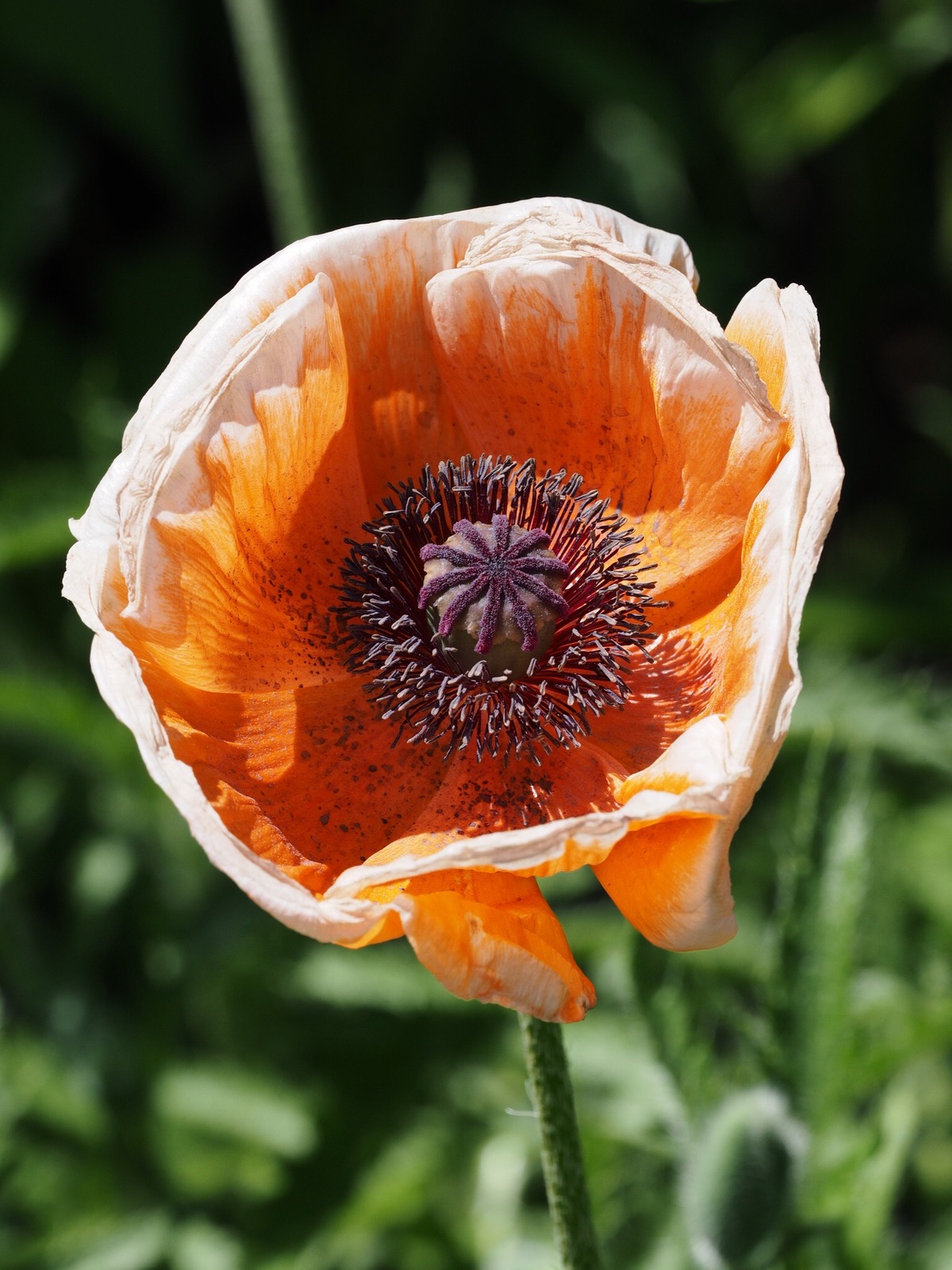
The 40-150 has just about replace my macro. From Kauai recently. The 12-40mm 9-18mm and this and I have most stuff covered. Thanks Olympus for some great lenses and I am still happy with my omd em5's.
1. An odd number of aperture blades, preferably not rounded.
2. Stop down a lot.
You're always going to be well into the range where diffraction is the biggest limitation for IQ.
m43 hits diffraction at the same working aperture as 24MP APS-C (16MP m43 has the same approximate pixel density as the 24MP APS-C sensors). So you will see the same limitations on IQ when shooting for starbursts.
FF gets better star bursts for the simple reason that due to pixel density it tends to suffer less from diffraction at a given aperture than the smaller, denser sensors. Couple that with lower-MP sensors, like the 24MP FF sensors or even the lower-MP APS-C sensors and you get some great star bursts. Fuji's are probably the best sub-FF bodies for this today due to the lower pixel density....Show more →