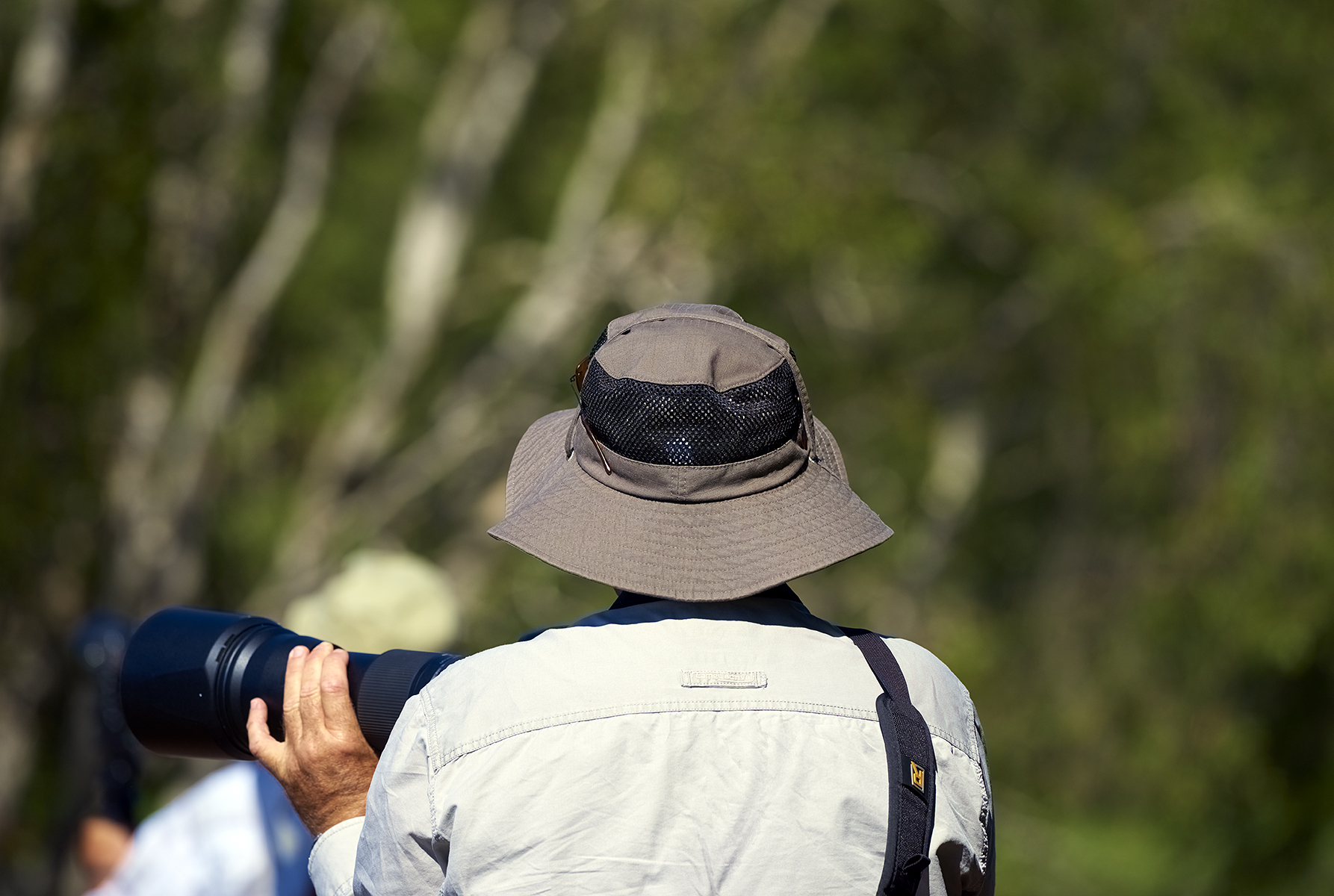
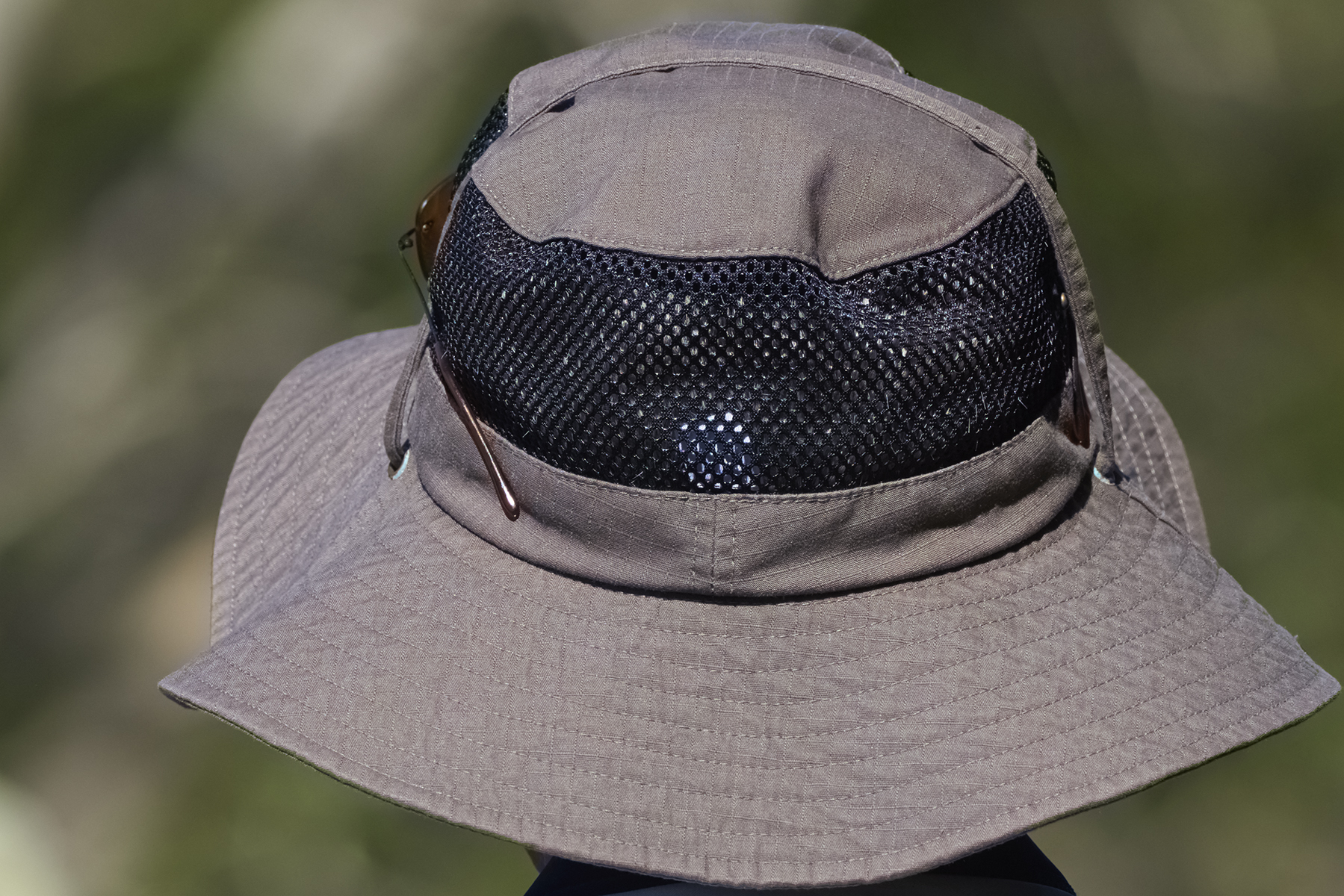
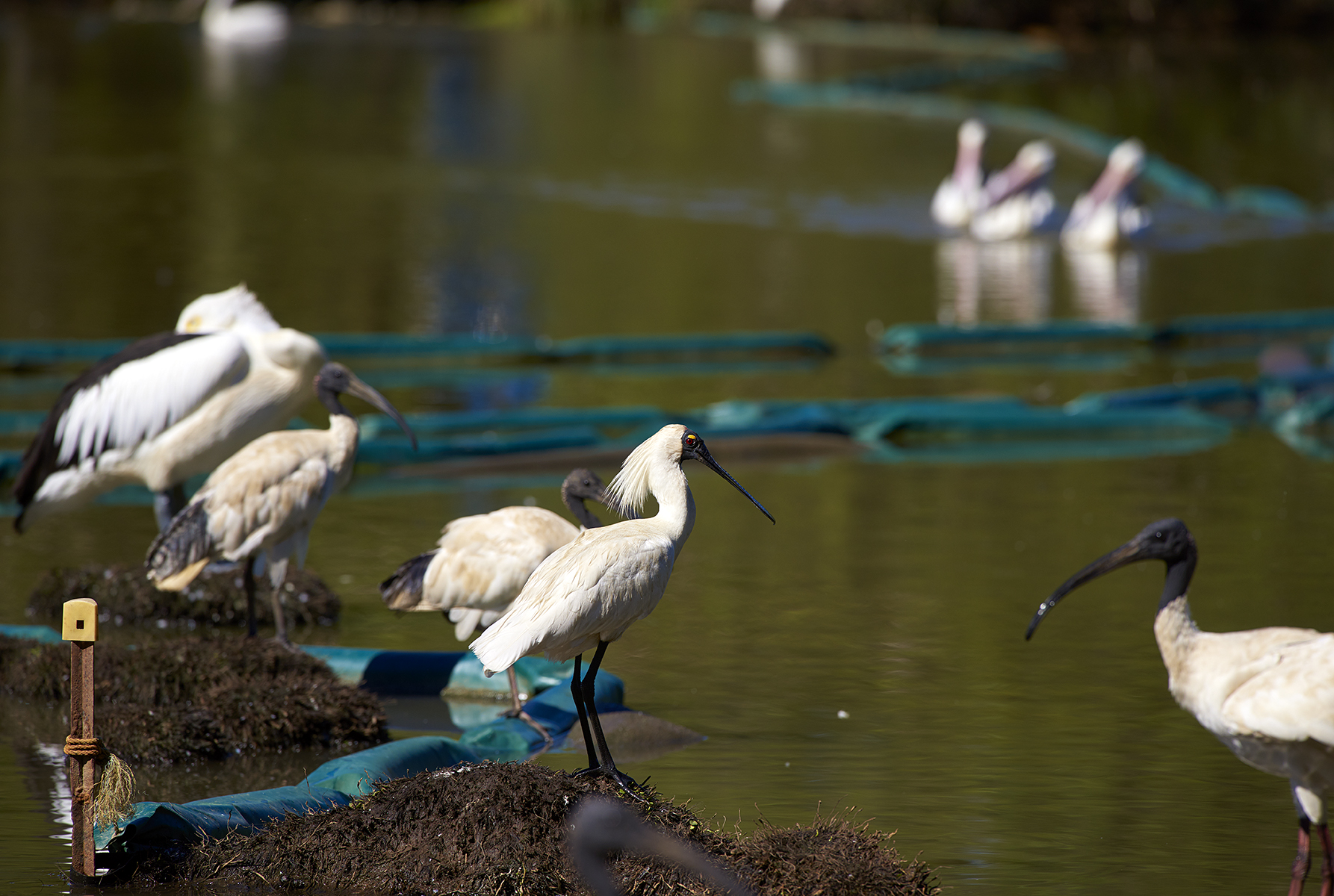
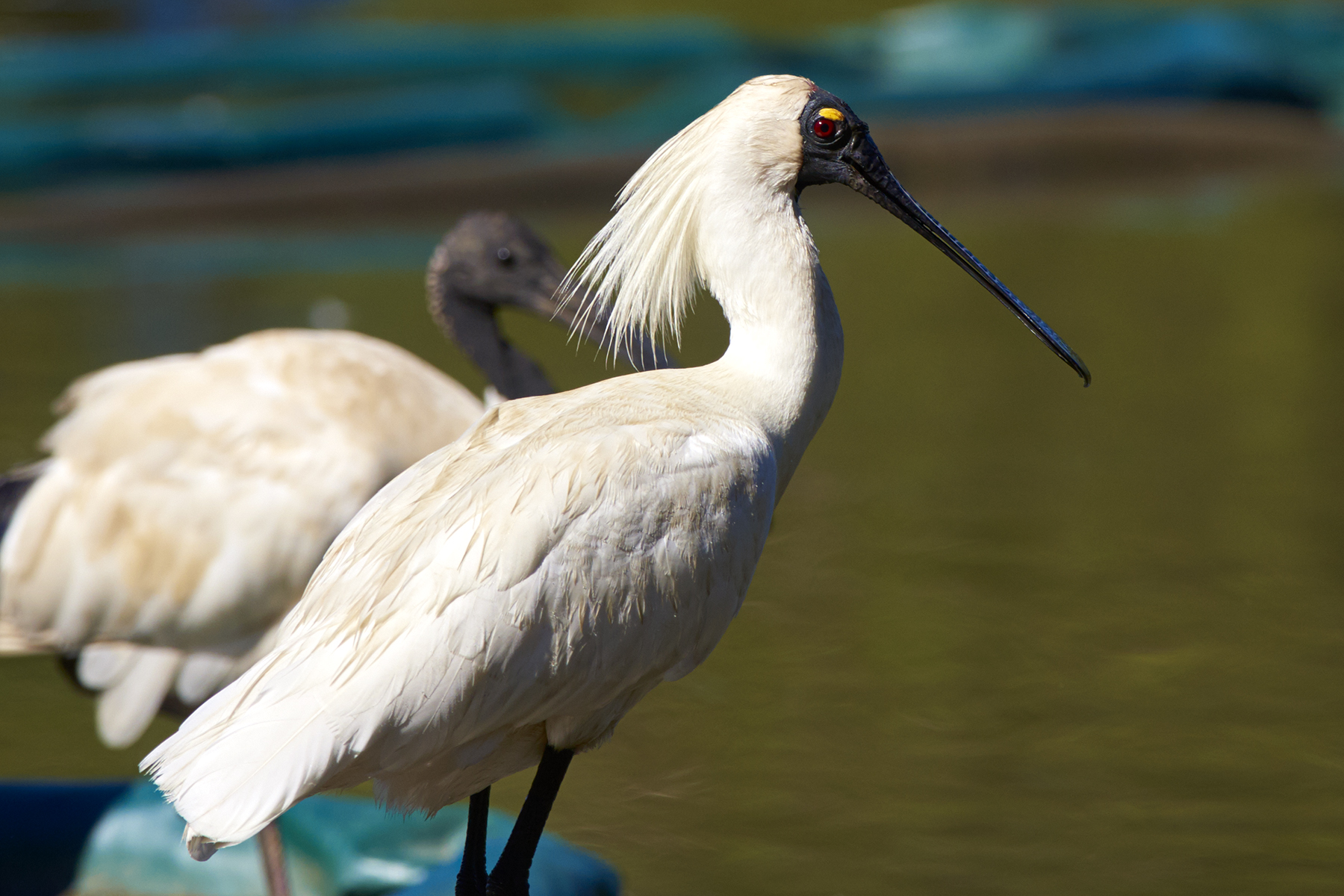
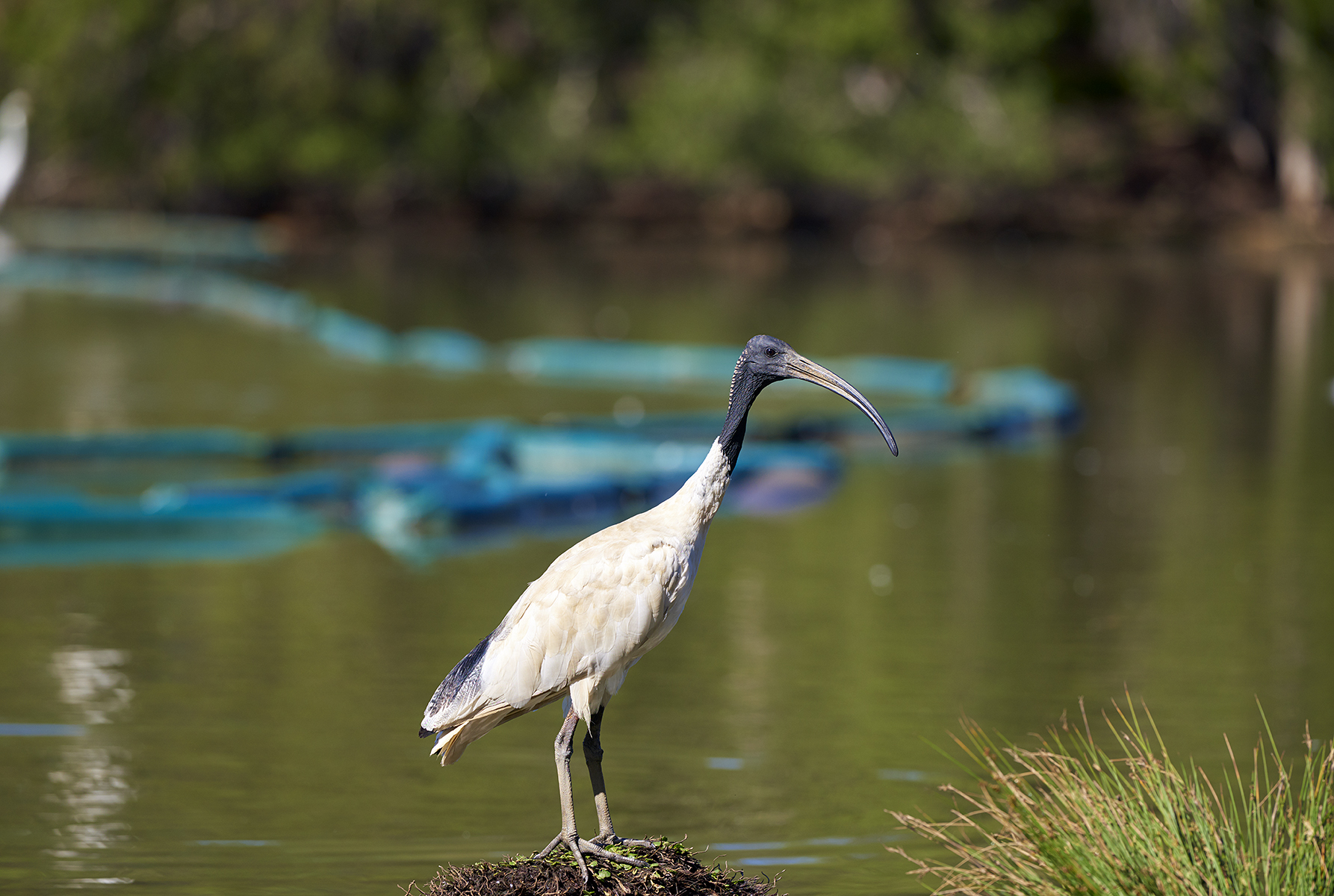
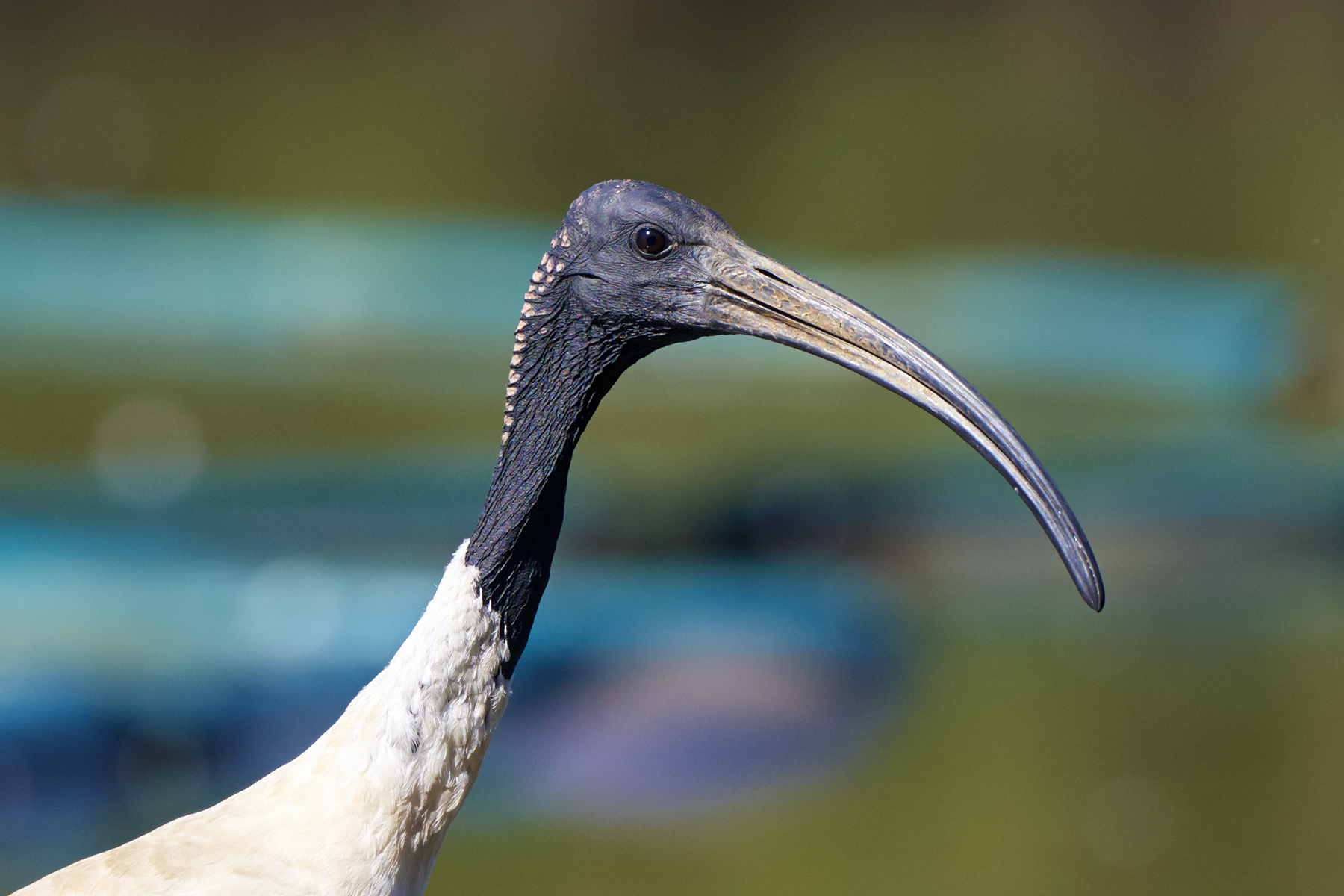
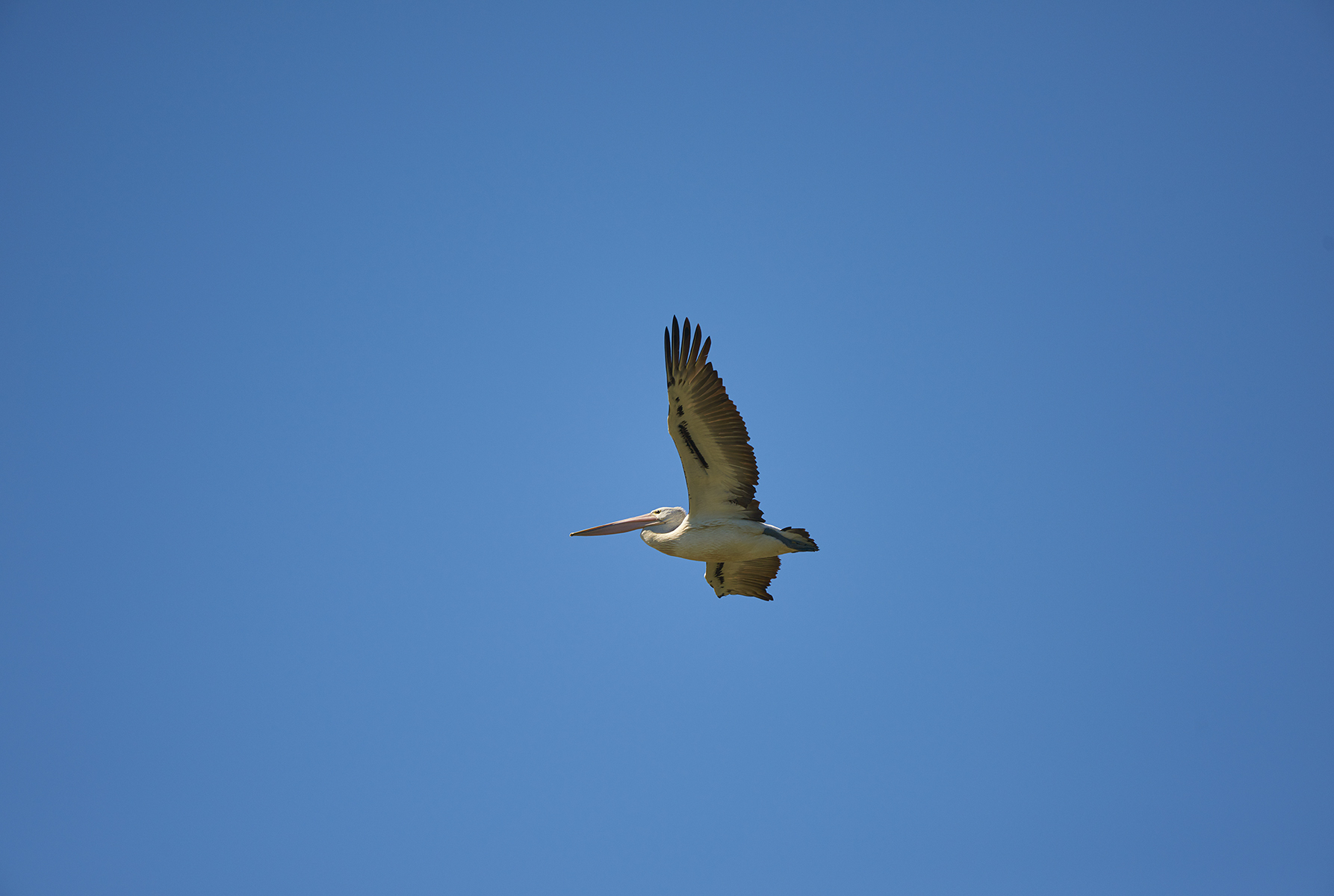
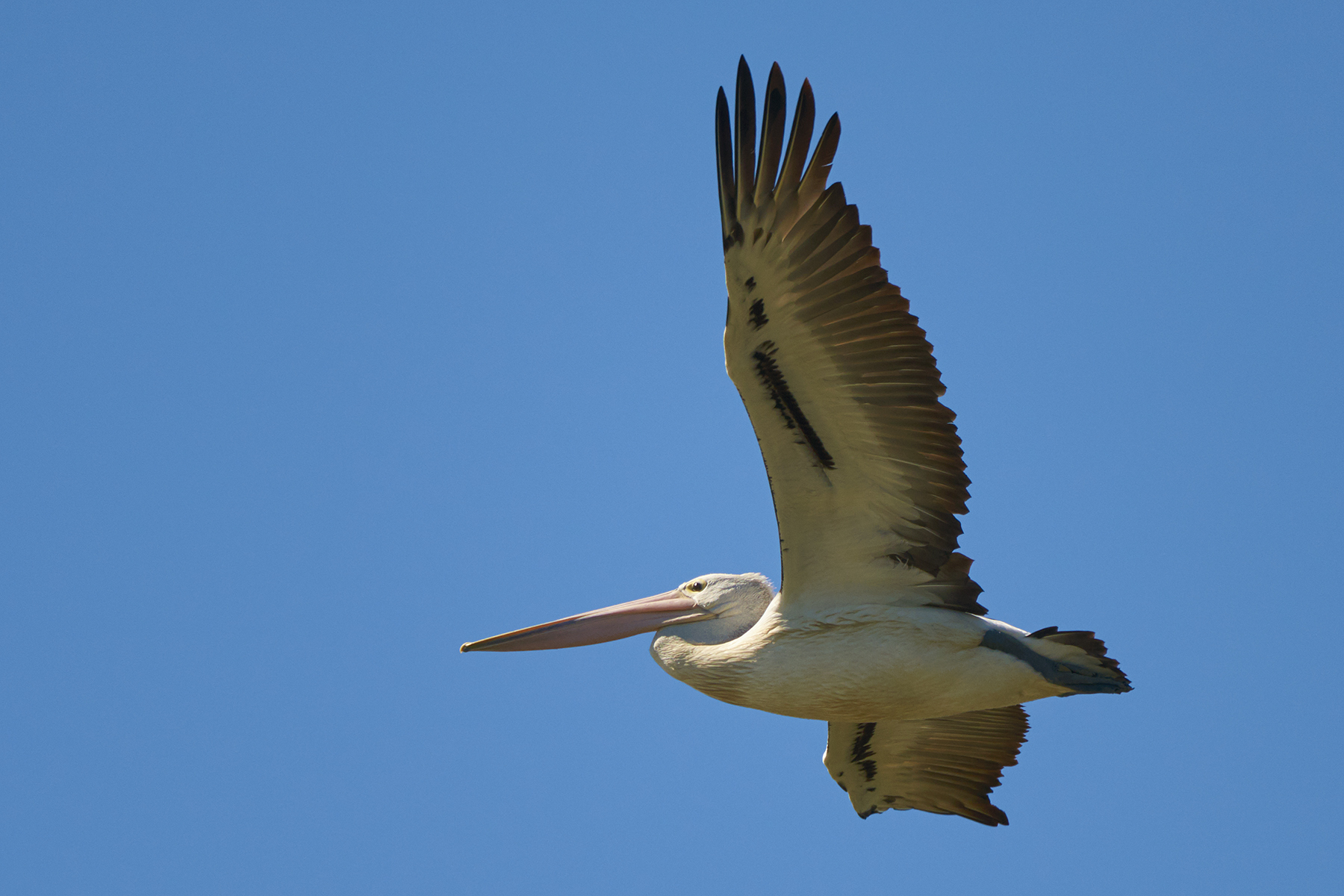
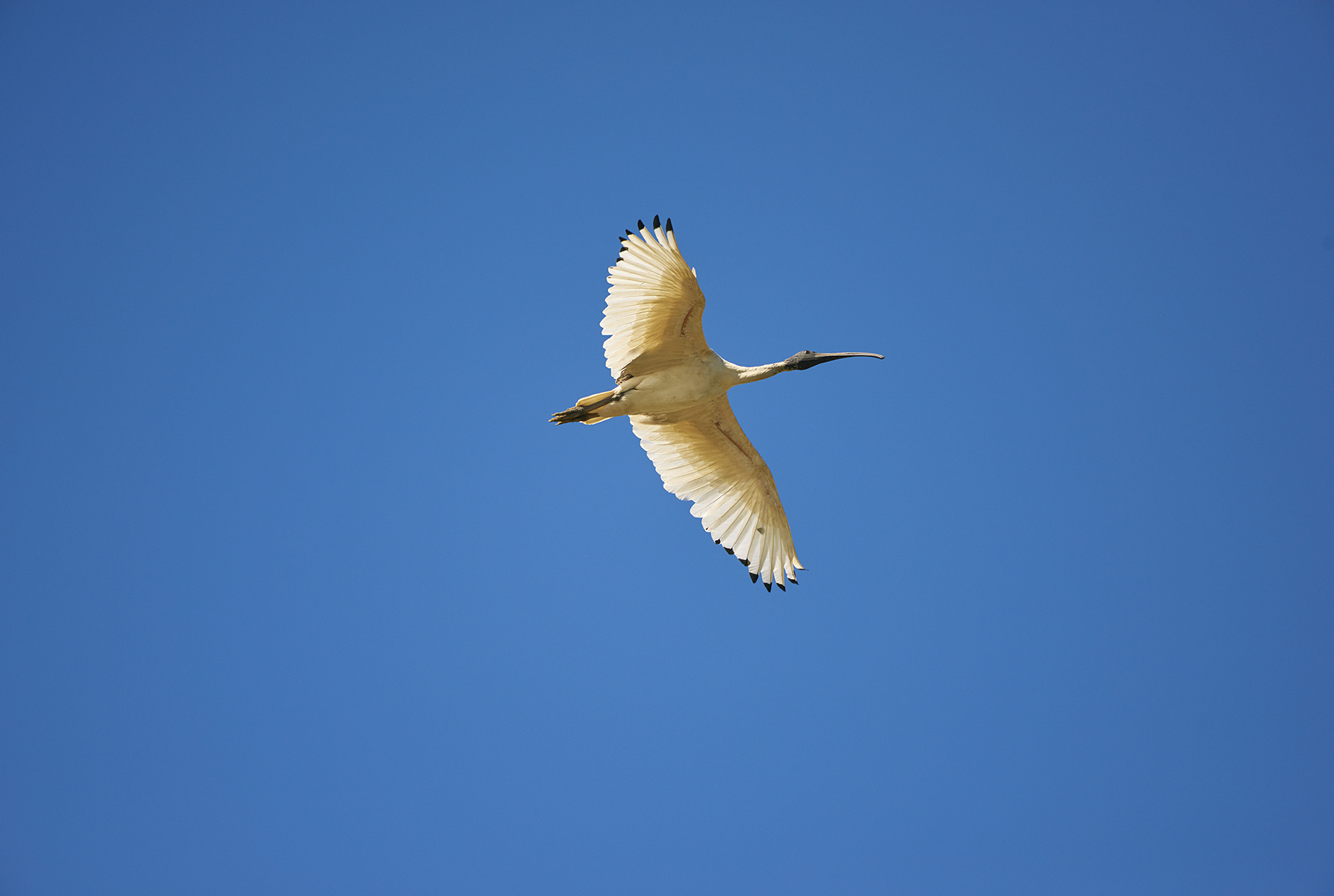
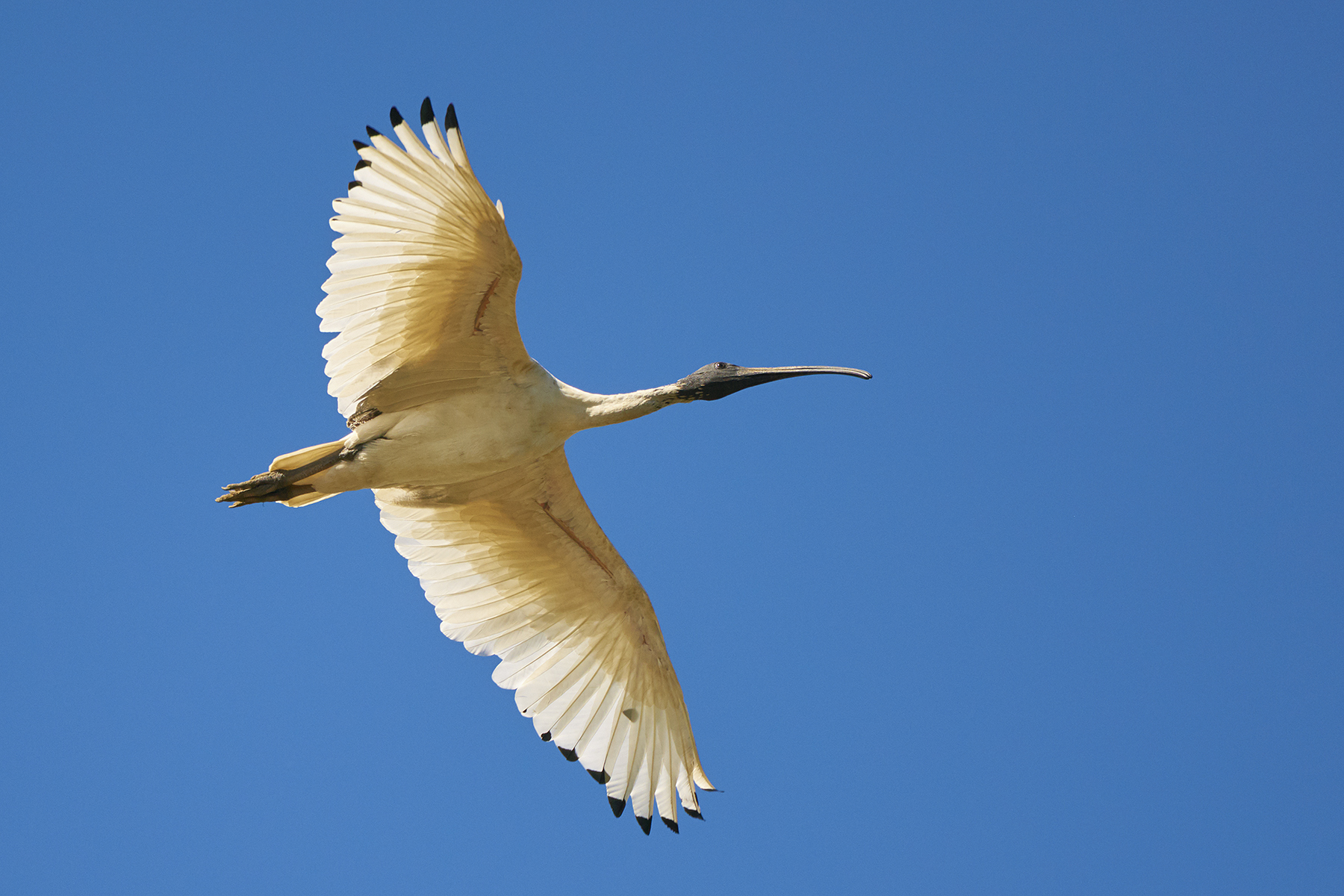
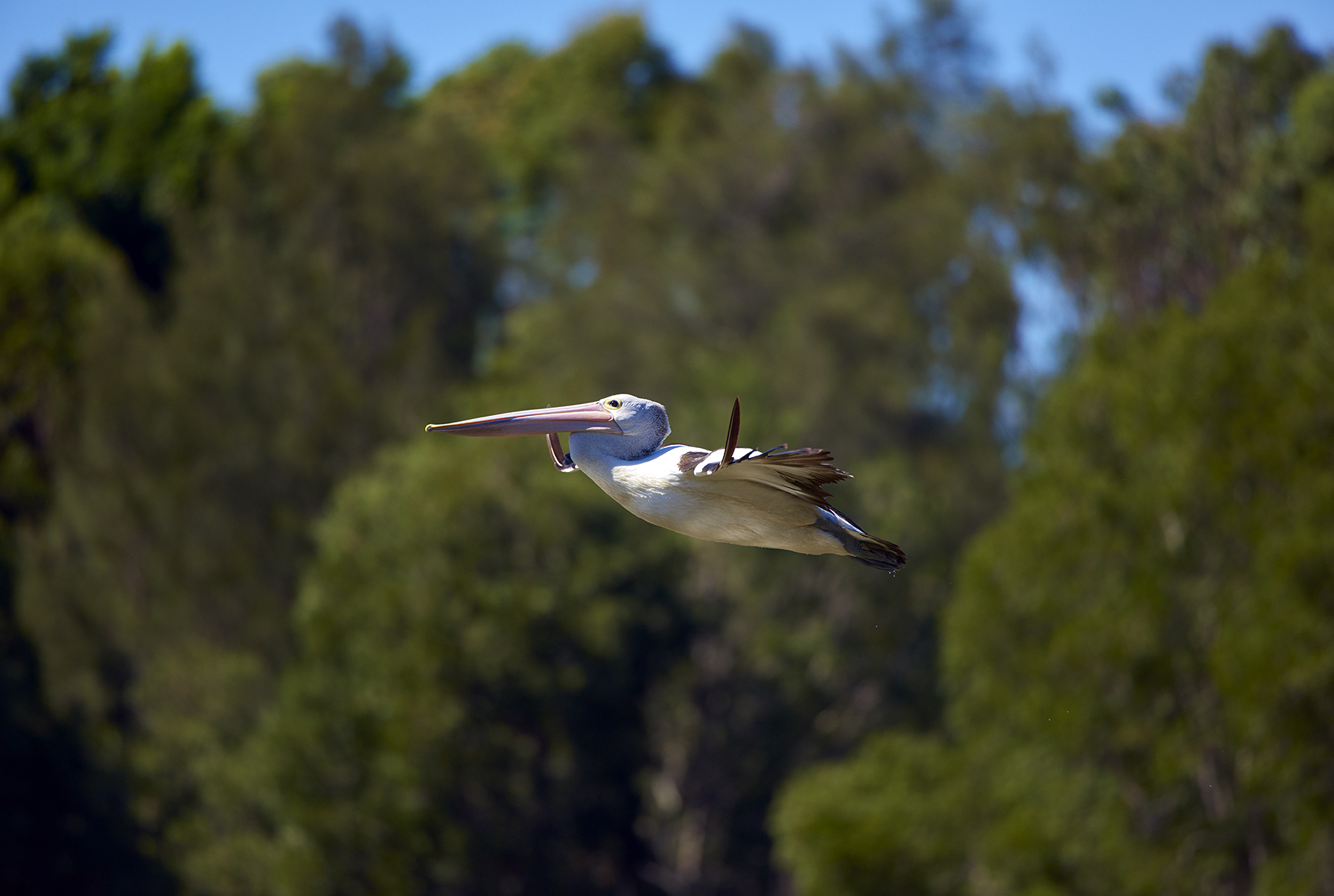
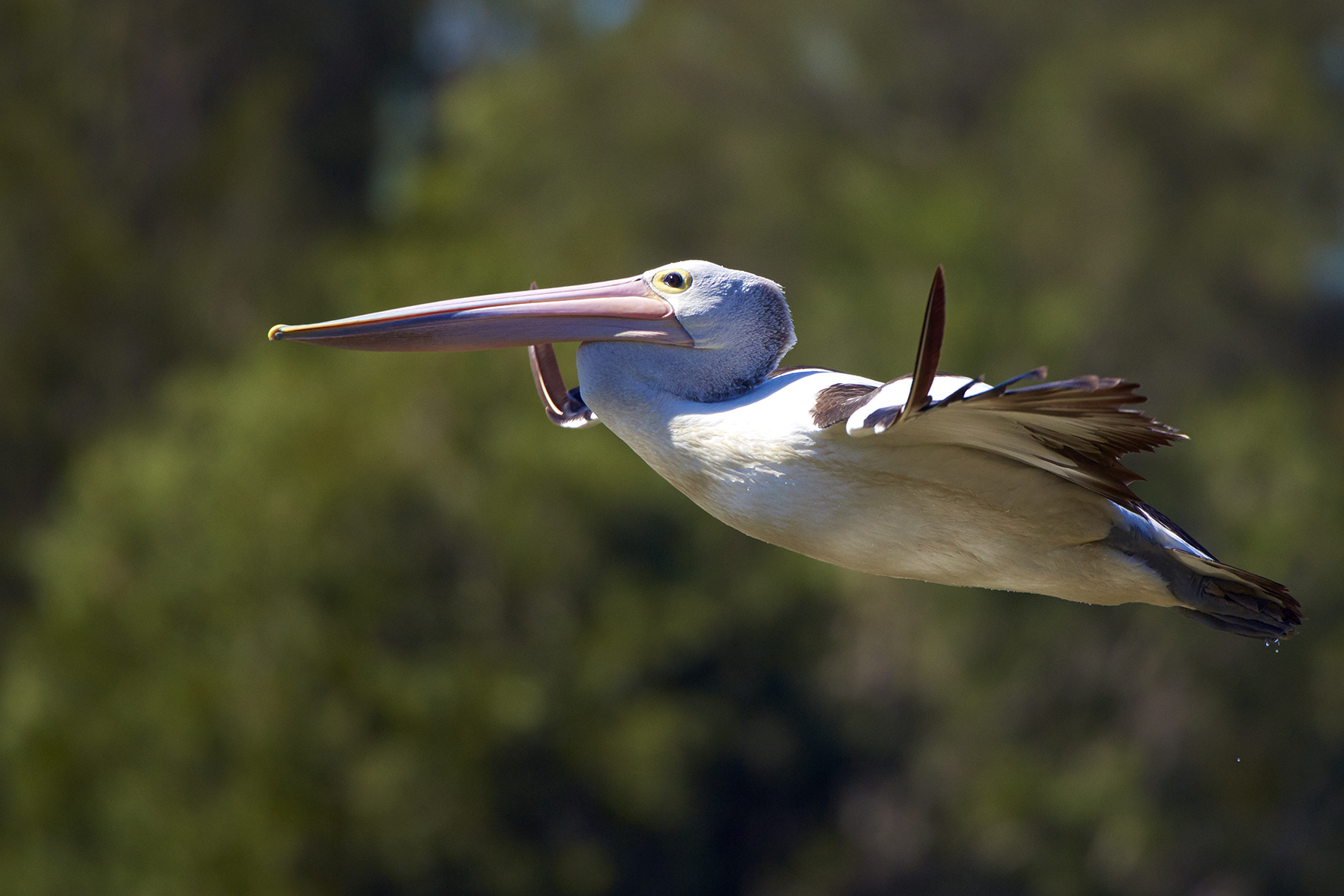
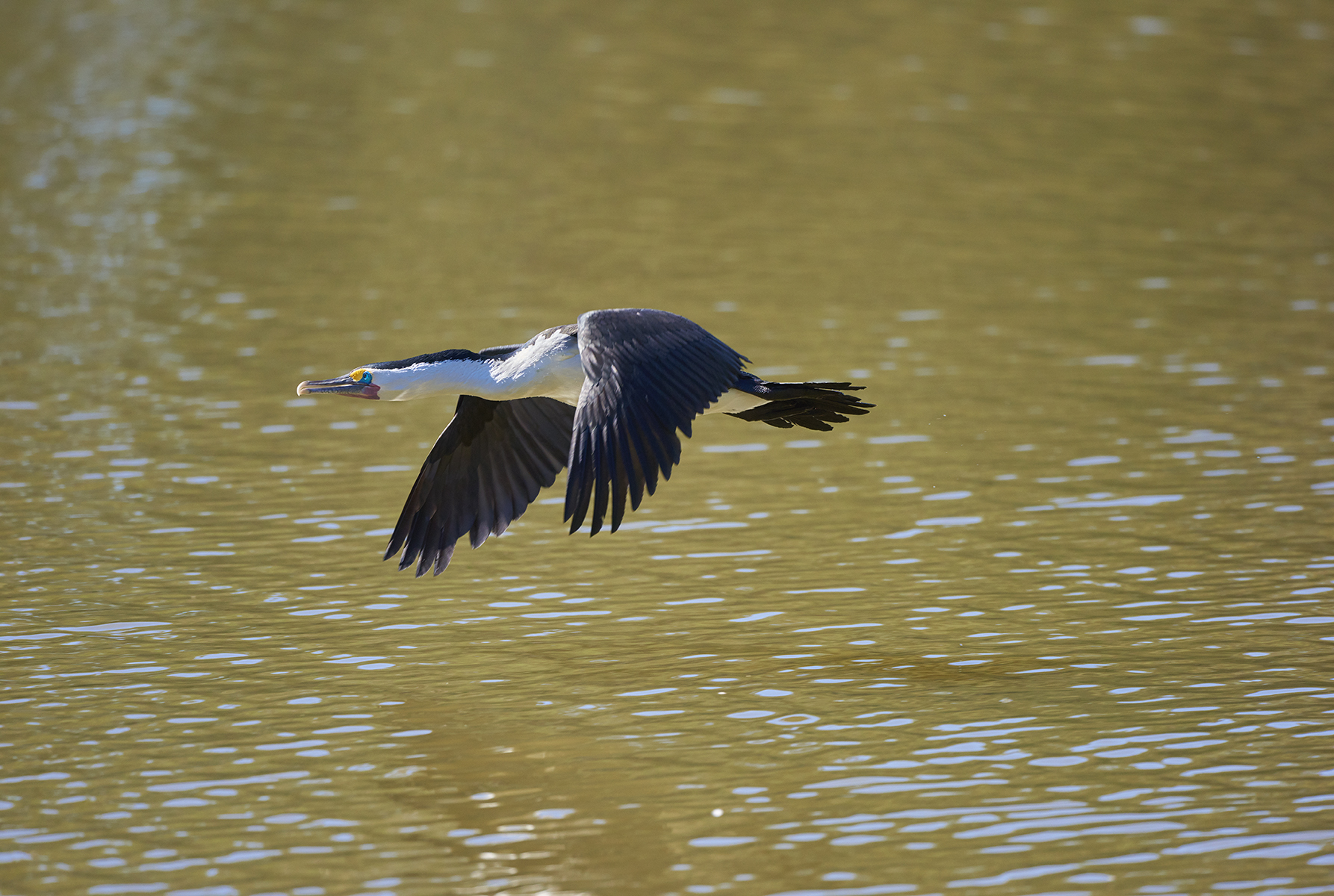
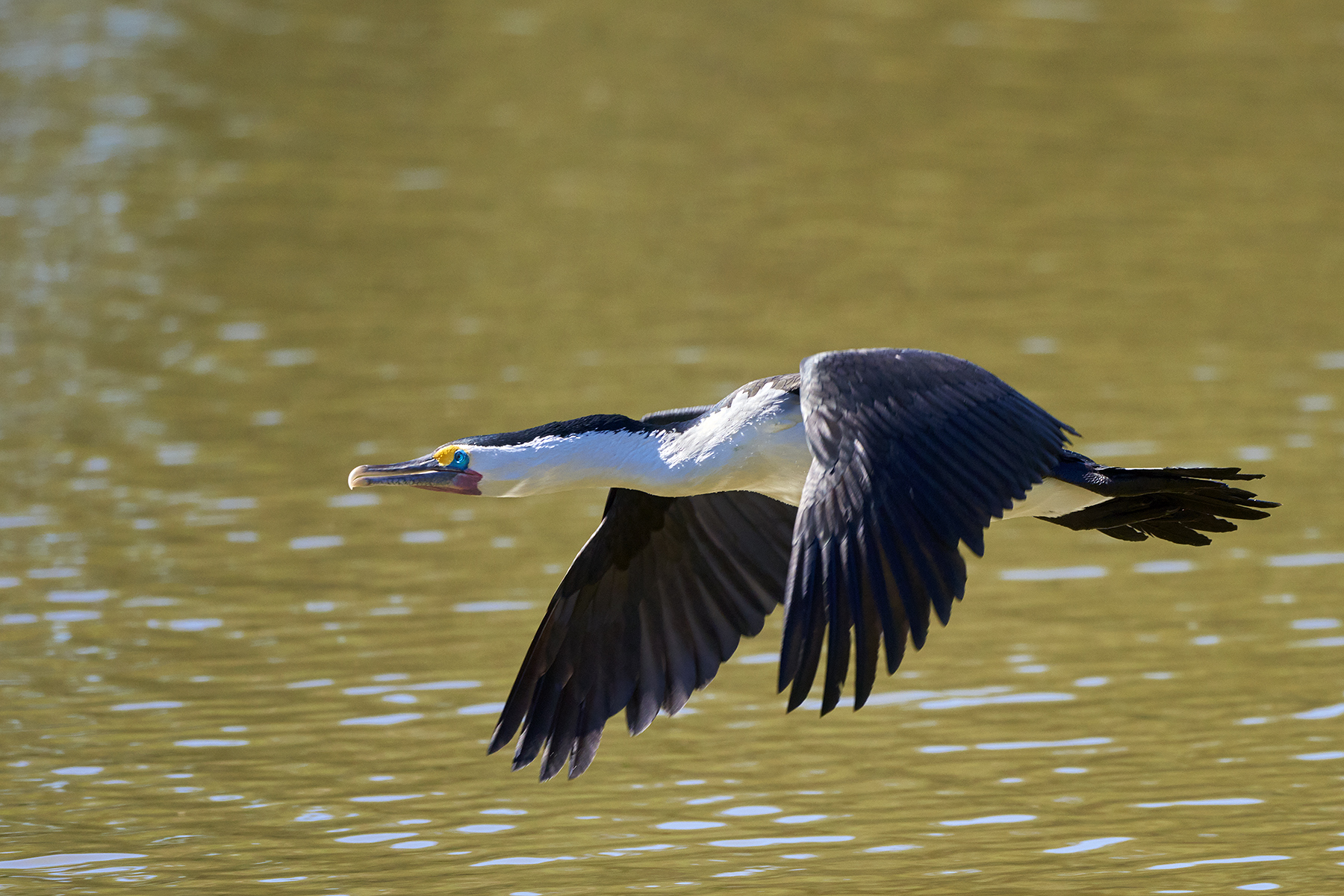
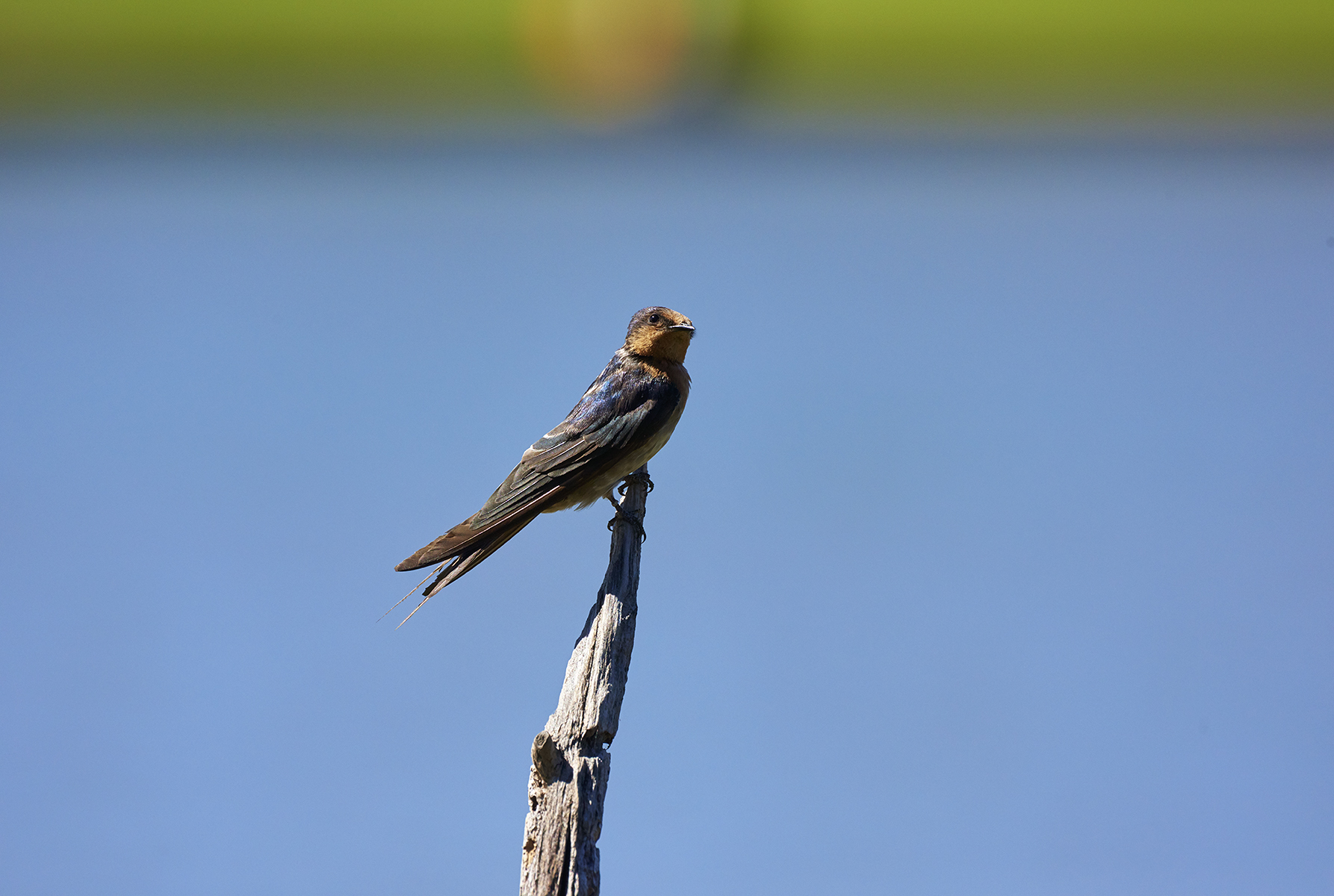
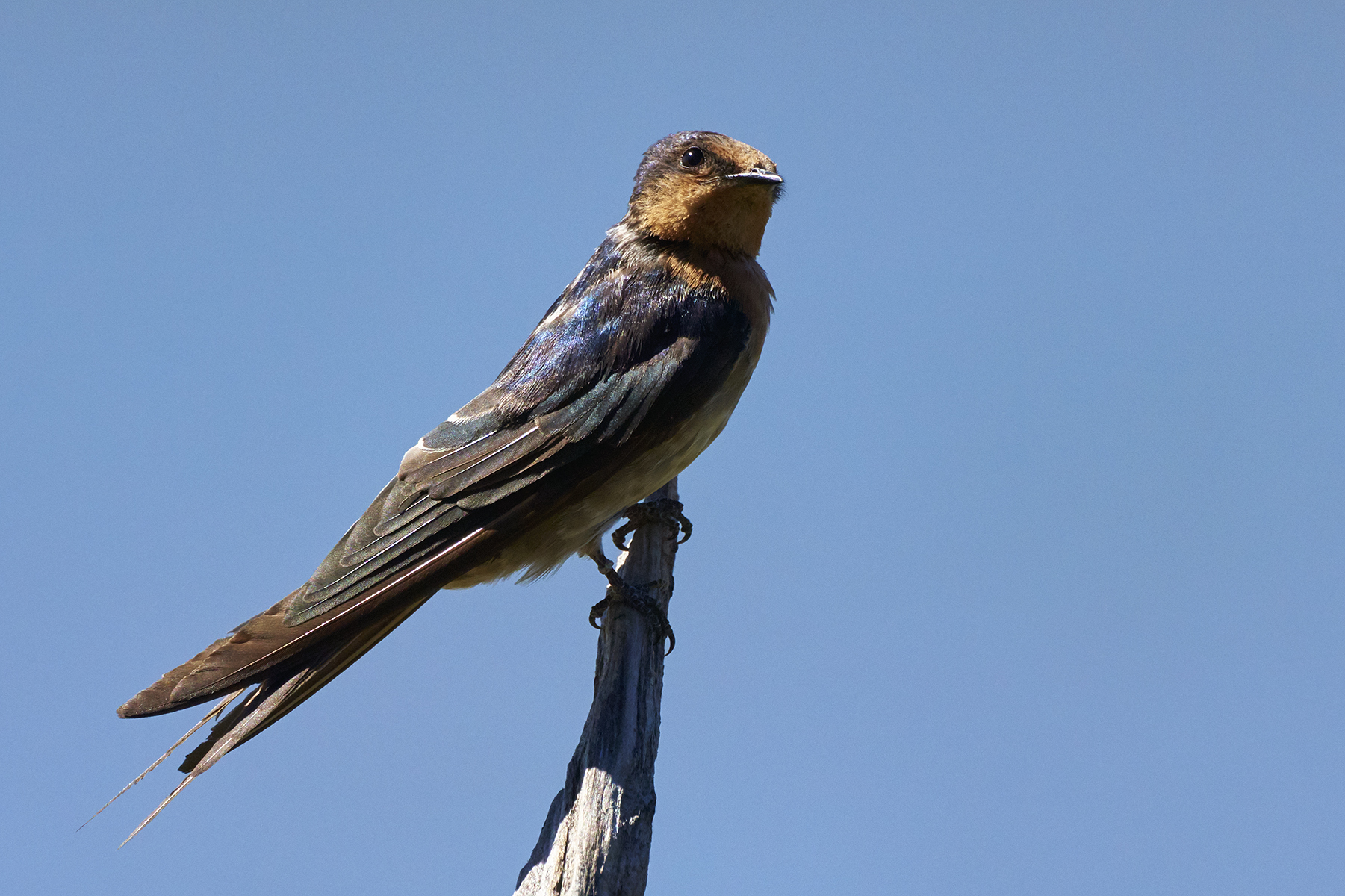
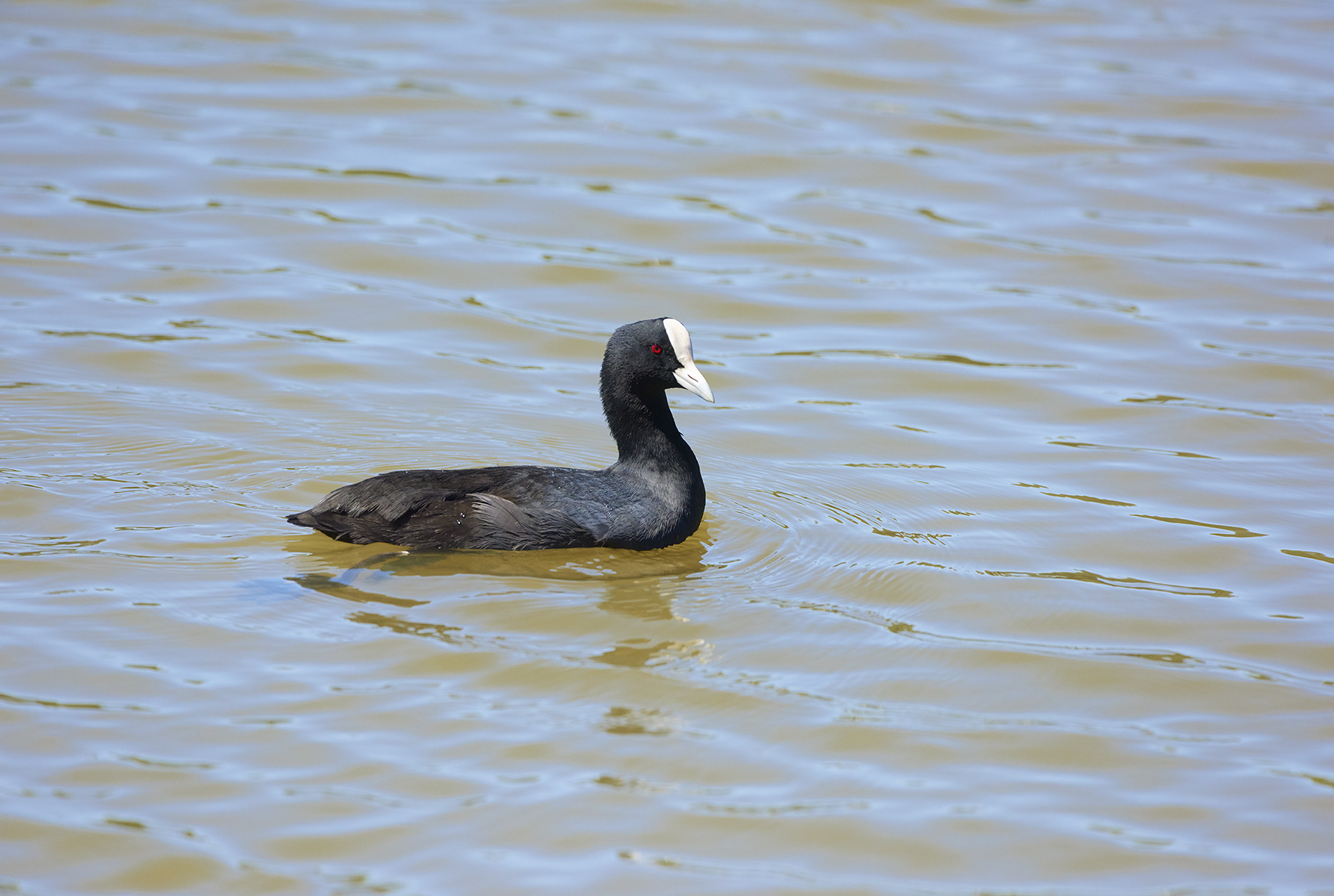
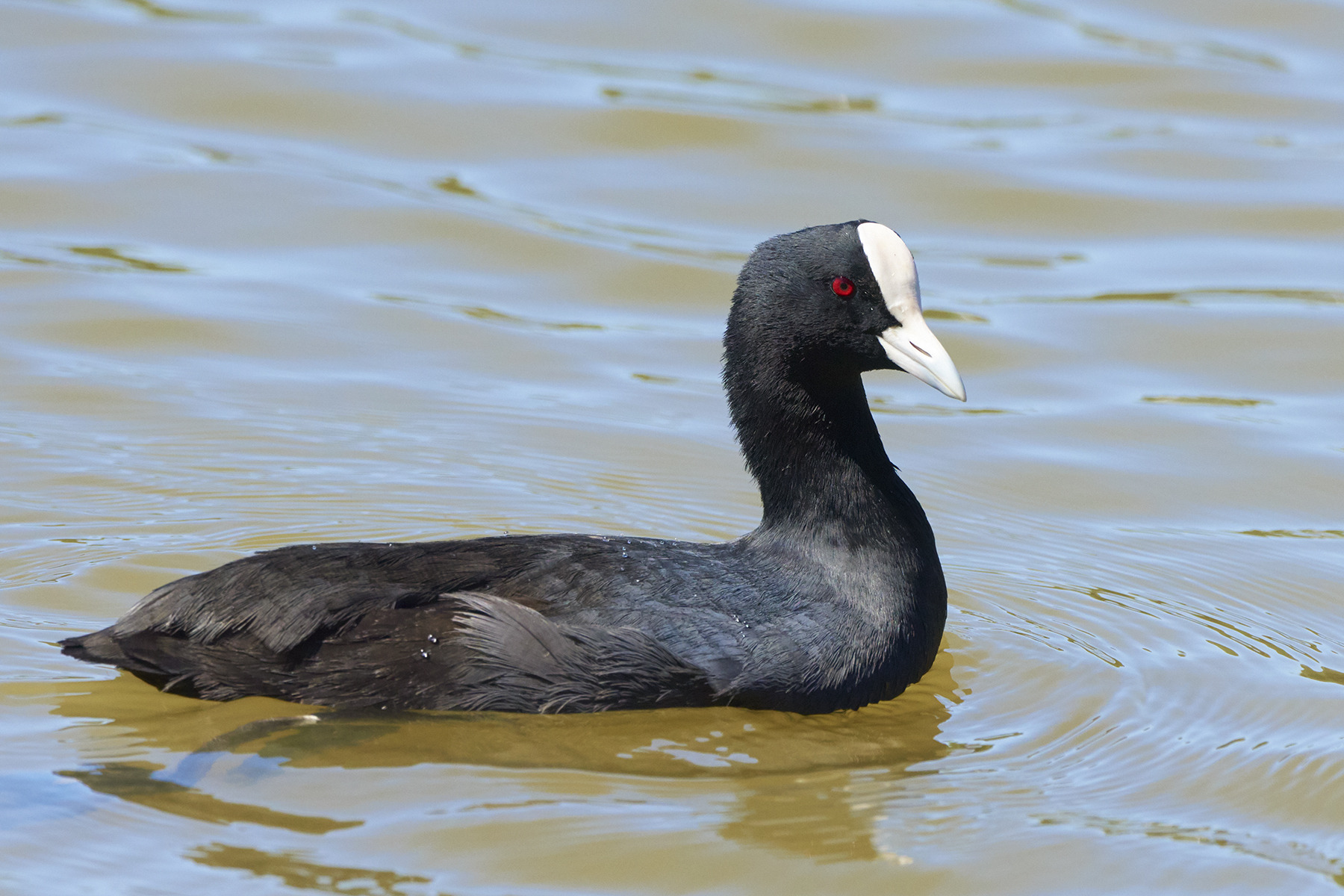
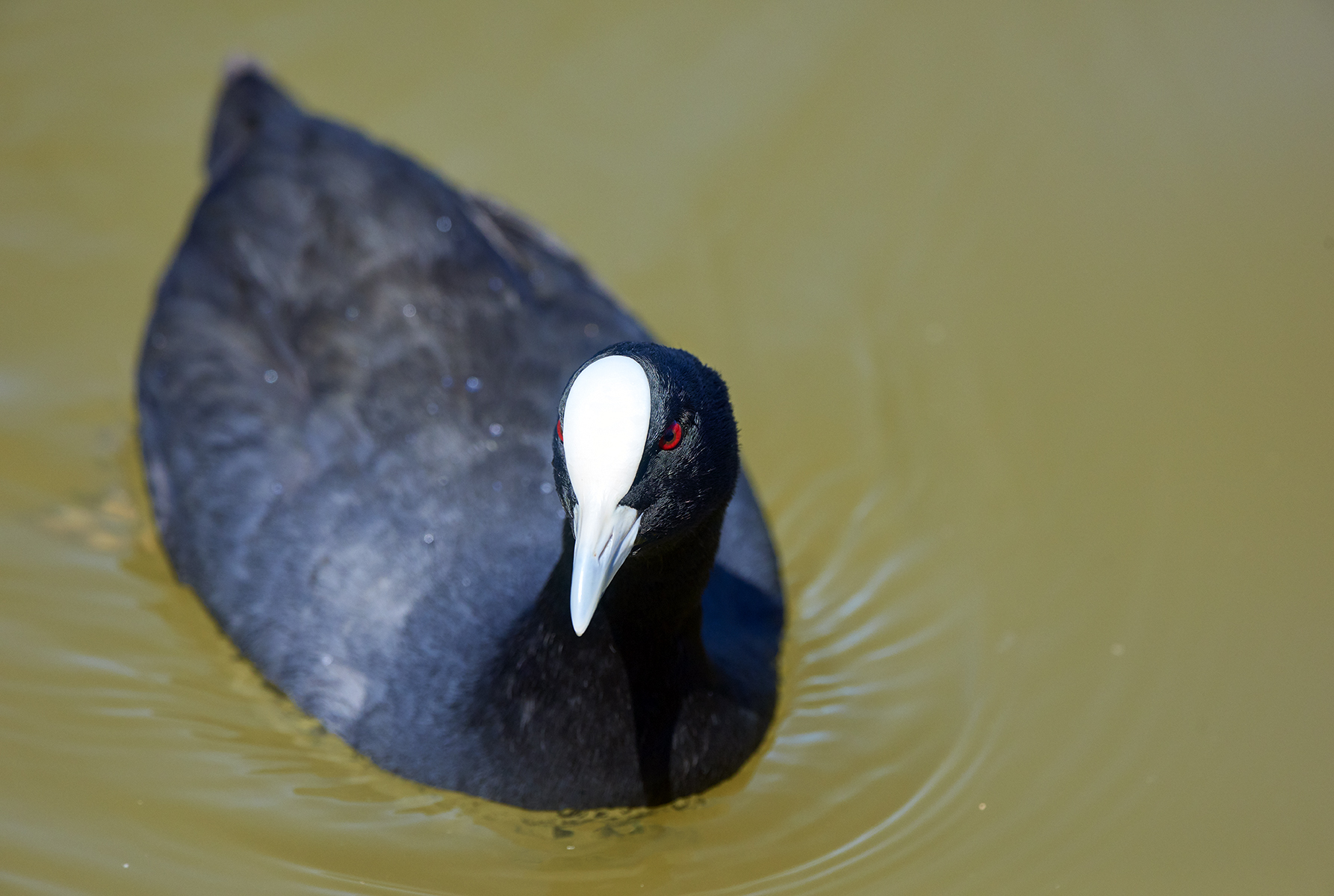
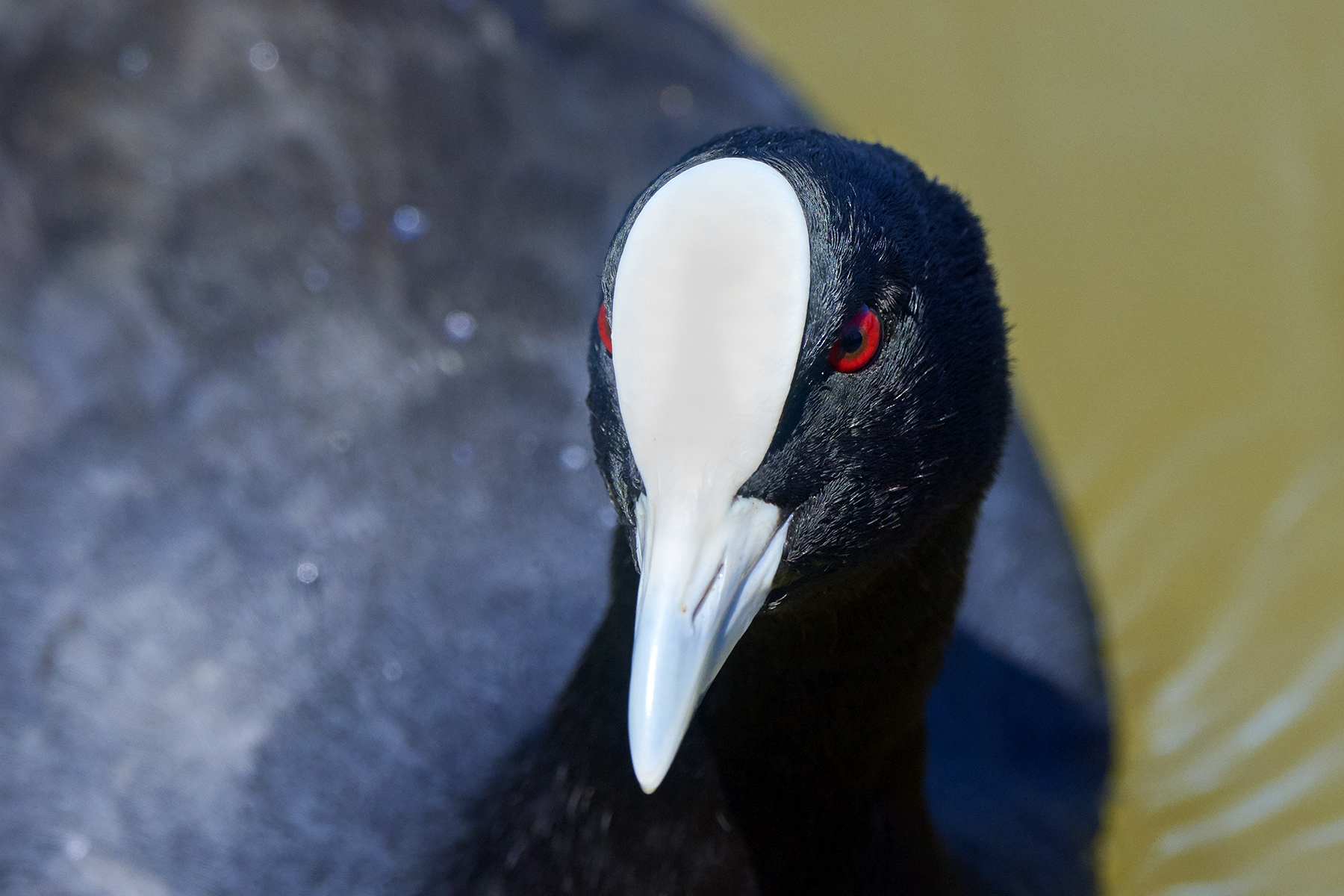
Borrowed a friend's brand new 300mm f4E PF ED VR which he picked up yesterday here in Sydney, possibly one of the first to be sold to the buying public anywhere in the world. It's still early days but I am very, very impressed with it, not yet prepared to say categorically whether it is as good or better than my 300 f2.8 VRII, but so far it seems to be at least as good, but more testing needs to be undertaken. Unfortunately we were at a park where most of the birds were far off so, I mainly used the 1.4x TCIII and a few with the 1.7x TCII, and they performed brilliantly, both in AF speed and accuracy but also giving very sharp results. Most of the shots with the TC's below are wide open!!
Unfortunately, as it isn't my lens, I only had about 1 hour to put it through it's paces as my friend needed to go to a another engagement and I had to (reluctantly) give the lens back. However, we are hoping to go to the zoo on Monday together to try it out mostly without the TC's to see how it performs naked as we can get closer to the birds and animals there. This should really show off how sharp the bare lens is and we can see how good the bokeh and other attributes are and how it stacks up against one of Nikon's best, the 300 f2.8 VRII.
The lens is so small and light weight, especially compared to my 300 f2.8 VRII which positively dwarfs it, but even compared to the old 300 f4 and even compared to the 24-70 f2.8!! In fact, it's almost too small and light, if that's possible, as it is lighter than the camera itself (D810) and it just doesn't seem right that a 300mm lens should be lighter than the camera, especially a lens with such great IQ (so far).
Haven't really tested VR as it was nice and bright today. Hopefully at the zoo we will see how good the VR is.
Here are some tantilisers, some with the lens bare and some with TC's. As I say, they look very very promising!
Wow! This has the potential to be a viable option for a traveling / hiking nature photographer. Seems like this type of technological innovation is Nikon's answer to the sized advantage being claimed by the mirrorless "revolution."
OwlsEyes wrote:
Wow! This has the potential to be a viable option for a traveling / hiking nature photographer.
I couldn't agree more!
Seems like this type of technological innovation is Nikon's answer to the sized advantage being claimed by the mirrorless "revolution."
It's such a small and light lens, it's quite amazing what can be achieved. With the lens hood attached to the new 300 f4 VR, it is the same length as the old f4 lens without the lens hood extended!!
If they do use PF it in the new Fluorite version of the 300 f2.8 VRII, I just hope they don't ruin the other attributes of that lens, being the superb bokeh etc. They haven't used PF in the new 400 f2.8 FL, so maybe PF technology only works on slower aperture lenses or shorter focal lengths.
If I had to pick a fault- and there isn't much- it'd be that the backgrounds come off a tad noisy, if your benchmark is the 300/2.8. Still, better performance than the 80-400G here, and I have to wonder if the bare lens will tend more toward the big glass when shot bare.
Thanks for the samples, bokeh looks fine, contrast looks fine too. The Nikon samples looked a bit flat and cold, whereas yours are more reassuring.
Lance B wrote:
I couldn't agree more!
It's such a small and light lens, it's quite amazing what can be achieved. With the lens hood attached to the new 300 f4 VR, it is the same length as the old f4 lens without the lens hood extended!!
If they do use PF it in the new Fluorite version of the 300 f2.8 VRII, I just hope they don't ruin the other attributes of that lens, being the superb bokeh etc. They haven't used PF in the new 400 f2.8 FL, so maybe PF technology only works on slower aperture lenses or shorter focal lengths. ...Show more →
It might be the cost and difficulty of making fresnel elements. Canon have a 400mm F4 lens and a small zoom only. Why no 600mm F4 lens? Or maybe it is simply that they sell so few of the big guns that the return on investment would be low and take ages, whereas a 300mm F4 lens should sell bucket loads. My guess is a combination of both explanations.
There are lots of bird photographers who would buy this lens to use with a TC. Nice to see it can use current TCs too.
Jan 17, 2015 at 03:53 AM
Andre Labonte Offline • • • • • • Upload & Sell: Off
LeifG wrote:
Thanks for the samples, bokeh looks fine, contrast looks fine too. The Nikon samples looked a bit flat and cold, whereas yours are more reassuring.
It might be the cost and difficulty of making fresnel elements. Canon have a 400mm F4 lens and a small zoom only. Why no 600mm F4 lens? Or maybe it is simply that they sell so few of the big guns that the return on investment would be low and take ages, whereas a 300mm F4 lens should sell bucket loads. My guess is a combination of both explanations.
There are lots of bird photographers who would buy this lens to use with a TC. Nice to see it can use current TCs too. ...Show more →
********************
I think also it is a new technology element that is best tested a larger # of enthusiast and professionals without breaking their banks.
I think also it is a new technology element that is best tested a larger # of enthusiast and professionals without breaking their banks.
That makes sense, this is new for Nikon, but why haven't Canon gone to larger DO lenses? My guess is that DO 1 was not a big seller, as the optics were not quite top,grade, but DO 2 being better might herald some big lenses from Canon.
Anyone know how they grind and polish the fresnel element?