Jeff
Offline
• • • • • •
Upload & Sell: On
|
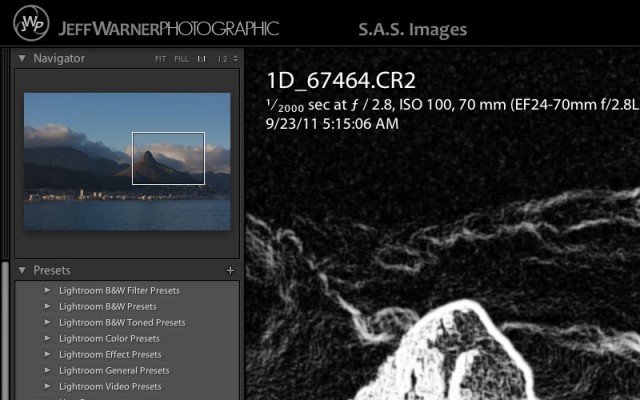
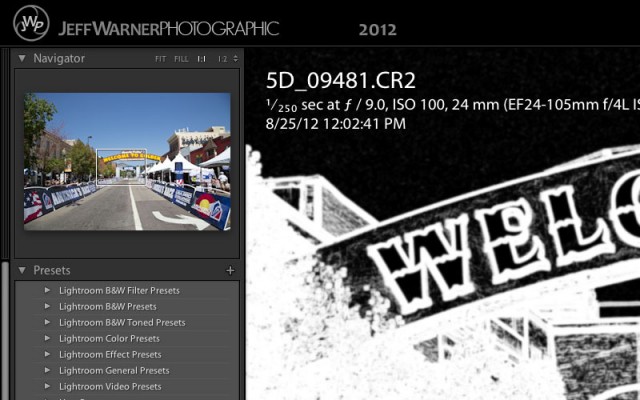
I've been fairly silent on details, knowing that many people are happy with the 7D's file quality, and that I don't have the longer-focal length needs that they do; if I did, there is no question that the 7D would be the camera to have, absent several $10k lenses that I'll never own. That being said, I just wanted to demonstrate my personal opinion, where it is coming from, and the reasons that non-focal length limited shooters may have become disillusioned with the sensor characteristics of the 7D. What is presented below is in no way scientific (nor is it intended to be), I simply selected (from several different cameras) a representative 100 ISO image that contained some blue sky exposed relatively similarly, and treated the exact same in LR4.1: No adjustments to CR2 files other than sharpening:
AMOUNT: 50
RADIUS: 0.5
DETAIL: 50
MASKING: 24
Yes, I've learned that 'detail' settings at <20 may be optimal for the 7D, but that's irrelevant since all files were treated equally. I know that I can make each file look the similarly by pushing different controls (NR and masking, specifically), the point was to see what each sensor gives with the same settings, regardless of what those settings were. To be clear, no NR was used on these examples.
So, what is presented below I think is the most effective way of illustrating the sensor characteristics of various cameras in relation to noise, in this case, in out-of-focus areas like sky. The innate characteristics of each sensor do, however, seem to propagate beyond just the blue channel in my experience, it was simply easiest to 'normalize' the content based upon the sky. In each screen grab, you can see the portion of the image that the 100% crop is viewed from, and was captured with the Option key depressed while using the Masking slider to more easily illustrate the noise characteristics. I didn't 'pick and choose' specific images to illustrate my point, other than to choose them based on being similar content and exposure; there were dozens that I looked at that were representative (check it out for yourself with different sensors you've used).
A quick tangent: despite many people who say that pixel-peeping at 100% is a useless endeavor, I will always disagree. For web presentation and small to medium prints, agreed: useless endeavor. Viewing at 50% indeed gives a more representative view of how a typical print will turn out, but as you print larger, the defects you see in a print are what you start to see when viewing a file at 100%. There I said it, I pixel peep, but only because it is very relevant to printing large, high-resolution prints that may (or may not) be viewed up close. Your mileage obviously varies.
Take from this what you will; shoot it down, burn it up, fire it back, whatever. These images precisely illustrate to me why the 7D didn't work for someone like myself: one who doesn't tend to frequently shoot long, nor wish to spend hours learning PP tricks to alleviate the unique sensor characteristics of the 7D. Call me lazy. I do think it's easier to deal with these issues for long-focal length type imagery (i.e. OOF backgrounds that are easy to mask around using a variety of techniques); for WA applications, selective sharpening becomes much harder to implement elegantly, especially when printing large. Take that with a bag of salt, but I've never been a fan of NR nor selective sharpening for most routine images, and have never needed to be with all other cameras I've used.
I captured many fine images with my 7D, and it was a camera I wanted to love (technically), but just couldn't (practically). Its feature set is rich for a crop camera, the build is fine, and the frame rate was a great choice by Canon. It simply turns out that for many, the image quality didn't quite do it. It should be OK that a few or many voice a similar opinion, without calling into question one's skills or motives.
Keep on shooting,
Jeff
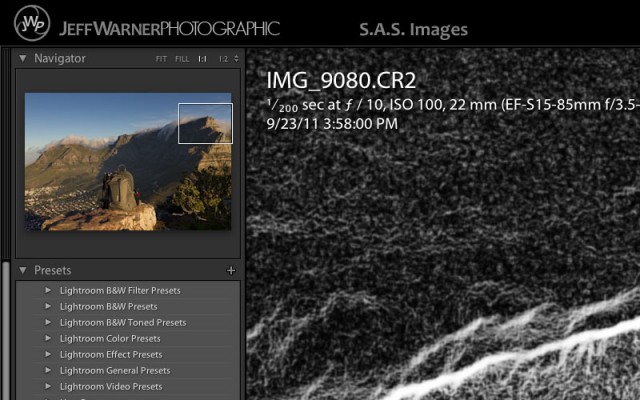
7D
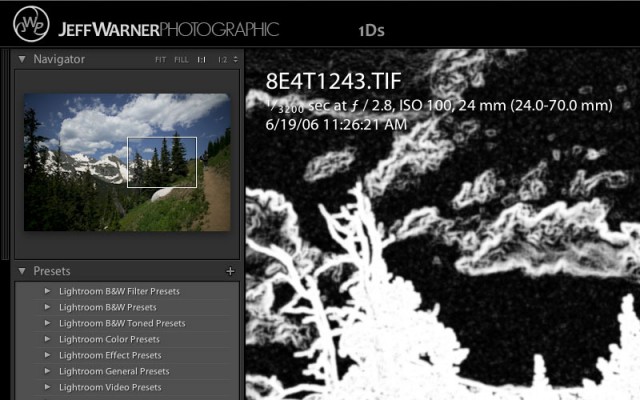
1Ds
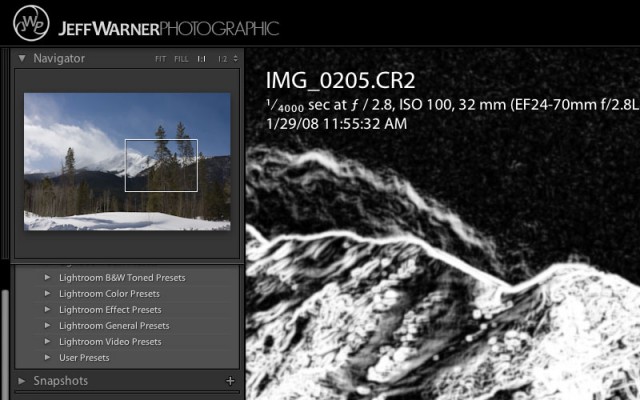
40D
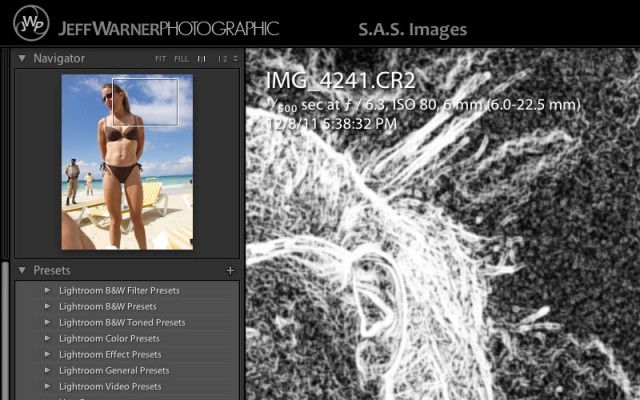
S90
|


 ?
?