asdfghreturns
Offline
Upload & Sell: Off
|
 Comparing Zeiss Planar 50mm F2 Comparing Zeiss Planar 50mm F2 | |
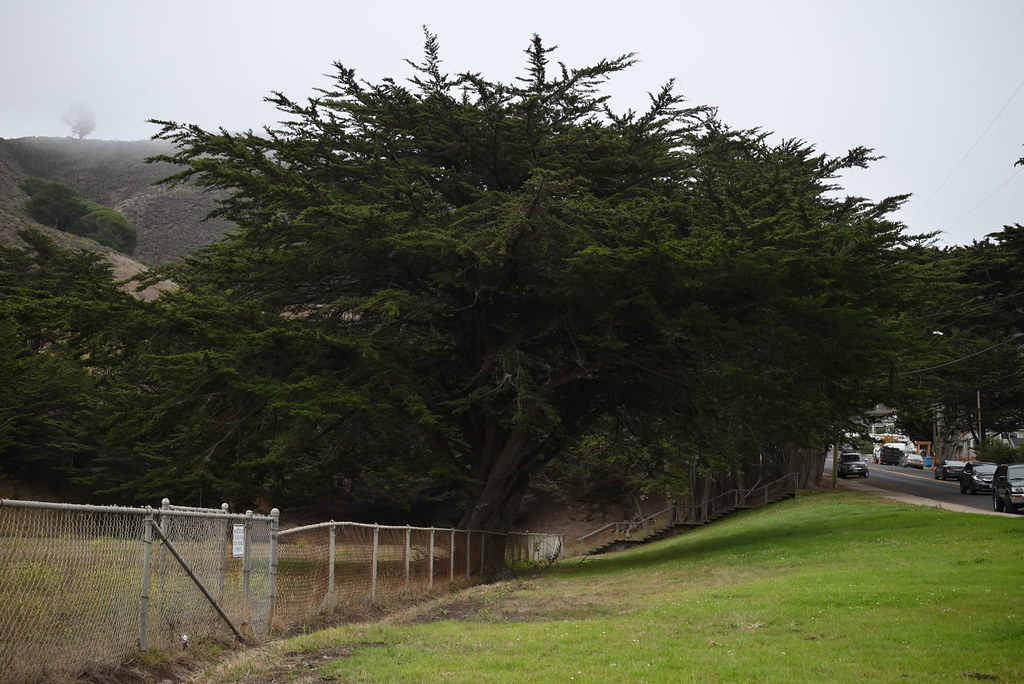
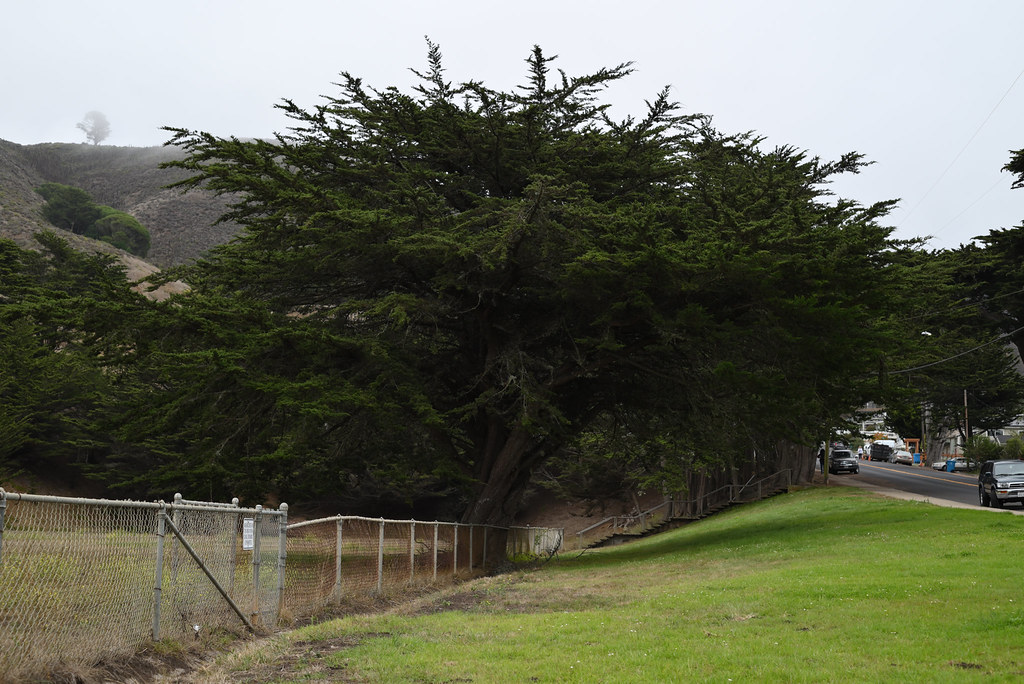
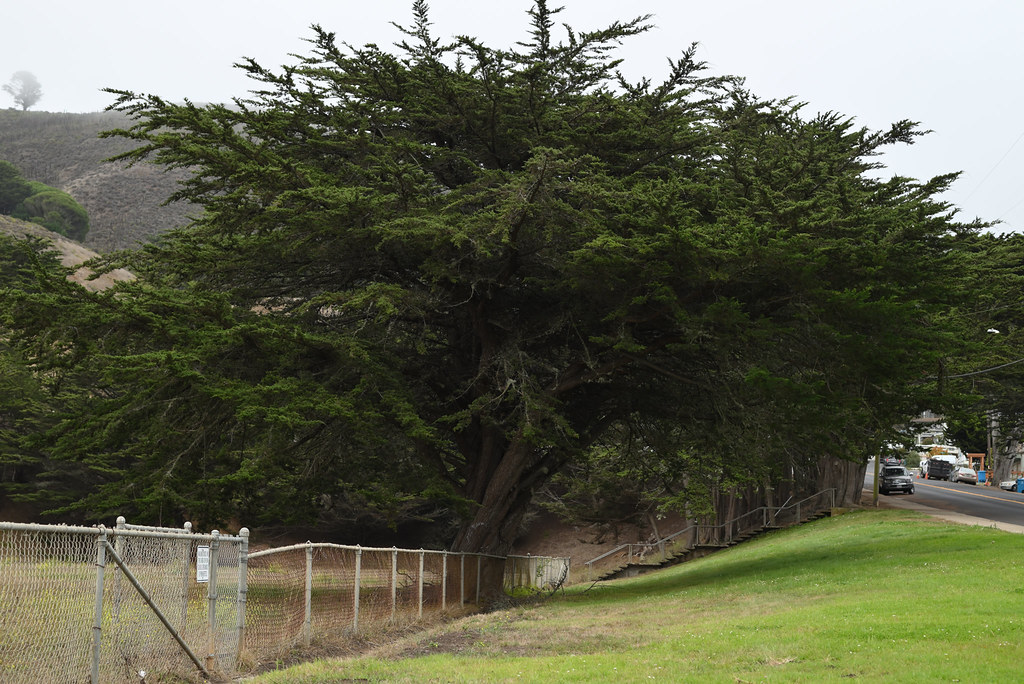
1. Landscape comparison - Zeiss Planar 50/2 M-mount (ZM) vs. Voigtlander 55/1.4 SLII-S Nokton F-mount (VF) vs. Voigtlander 50/3.5 Heliar M-mount (VM)
Taken on my Nikon Z5 (24MP raw [NEF]), Novoflex M-mount/K&F Concept F-mount adapters, overcast conditions, tripod, 5-second shutter delay, F/5.6 1/100s ISO 100, 1 minute apart, re-focused in magnified view on center each shot. First set is the full shot, unaltered except for setting the same white balance. Second set is a center crop where I have adjusted exposure compensation and contrast for each photo to maximize the contrast and colors within the cropped area and equalize for slight differences in light transmission, vignetting etc. The hope is to isolate the color response character of each lens.
Full shot, unaltered except for setting the same white balance:
VM
ZM
VF
Center crop where with adjusted exposure compensation and contrast for each lens, "spreading the histogram" to the edge of clipping highlights and shadows, as much as each crop could handle.
VM +1.68 EV, +28 Contrast
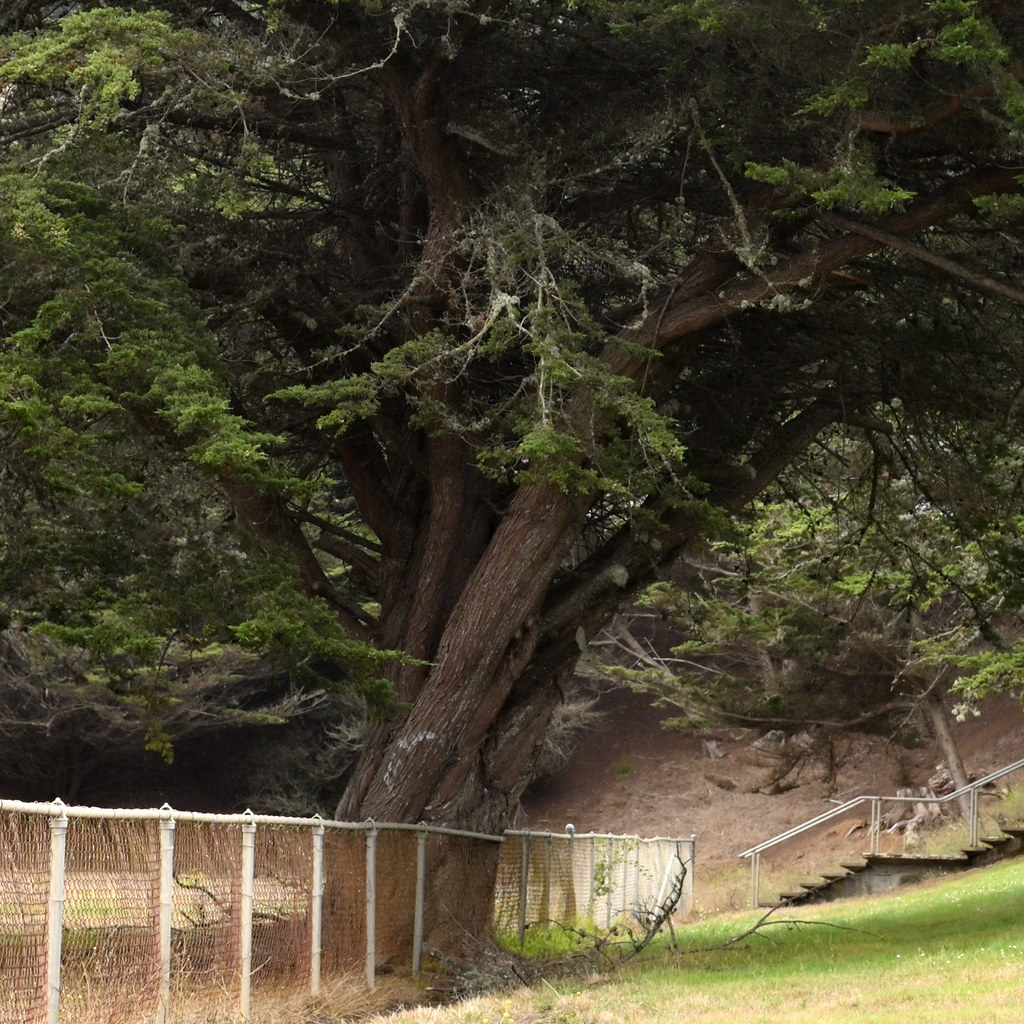
ZM +1.72 EV, +20 Contrast

VF +1.25 EV, +20 Contrast
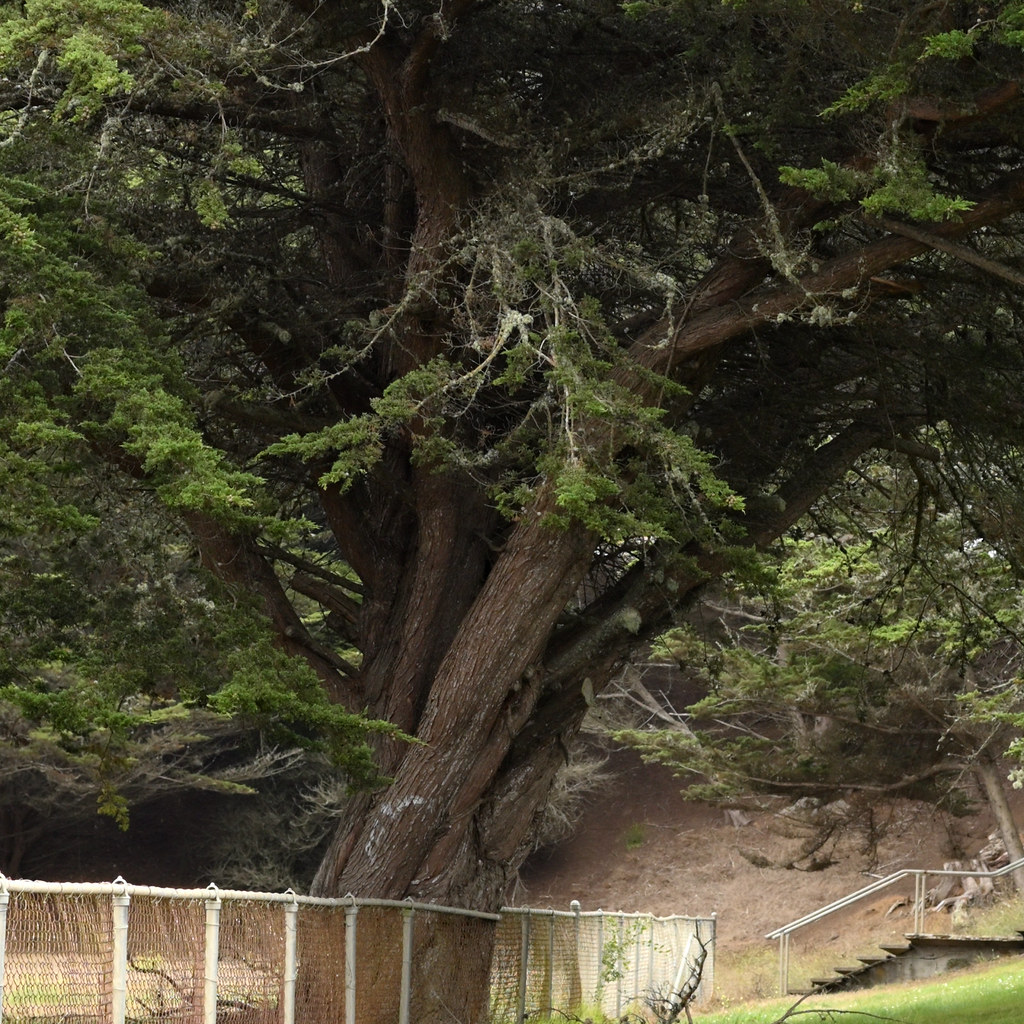
Image quality/resolution may be limited by Flickr. Link to full album: https://www.flickr.com/photos/203394938@N05/albums/72177720335331458/
My take on the images, in particular the crops:
Voigtlander Heliar (VM) has a darker warm cast with strong contrast in the reds, which gives the tree trunk good dimensionality, but surprisingly less contrast overall (note it needed the most contrast boost). Or perhaps not surprisingly given how I've been slightly unsatisified with the VM. VM greens are clearly less contrasty, with less "tonality" in the greens as they might say. Voigtlander Nokton SLII-S (VF) is brighter, flatter, with a pleasing but perhaps not-totally-accurate golden tone. VF has less contrast objectively but balanced color, good sharpness in the focused area and smooth focus fall-off makes up for the lower contrast. ZM has good color contrast in all three wavelengths - reds, greens, and blues, as seen in the histograms (not shown here). Some people complain that Zeiss "crushes" shadow tonality, and I can see how its higher contrast leads to darker shadows, but no information is lost in the shadows - we can raise shadow levels if we want, whereas we cannot create contrast if the lens fails to separate tones.
In other areas of the images other characteristics commonly called out are evident: Zeiss Planar (ZM) rendering has a strong center zone of peak sharpness that falls off quickly (the "pop") into a slightly busy blur area. Voigtlander Heliar (VM) is relatively free of aberrations - minimal chromatic abberations, sharp to the corners combined with slower focus falloff creates a "documentary" feel. VM strong red response probably lends itself well to black and white images. Combined with its heavier vignetting, the VM is less satisfying in nature scenes with lots of green vegetation, so I'm optimistic the Zeiss Planar (ZM) will earn its keep where nature landscapes are the priority.
That said, I'm pleasantly surprised by how well the Voigtlander Nokton (VF) does with nature tones and resolution. The lens already shines with portraits with strong subject rendering, low vignetting, and smooth bokeh (at F2 and below) - I should feel comfortable using it more in nature, stopped down further, such as as a one-lens ~50mm hiking solution with family. The Zeiss Planar will be for when I want maximum color fidelity, vibrance, and don't need to have pleasing out of focus background. I've had the best results shooting the Voigtlander Heliar VM in high contrast light (literally noon sunlight in the snow), and less satisfying results in softer light. I suppose that's why they named it Heliar, for pictures in sunlight!
Not included in this round is the Sigma Art. At the highest complexity (13 elements in 8 groups) and mass, I expect it to fall further along the spectrum as the relatively complex Voigtlander Nokton (7 elements in 6 groups) - with even smoother bokeh, higher contrast at wider apertures, but with more of a color cast. And of course it is uniquely qualified for people photos with autofocus.
Okay this is hard work - hope it's been helpful. On one hand it feels like I'm counting angels on a pinhead - at first glance the differences seem very subtle. On the other hand I'm pleased I have isolated meaningful differences that are congruent with my experience and feelings using the Nokton and Heliar. Let me know if there's anything I can elaborate upon, or compare further.
|


