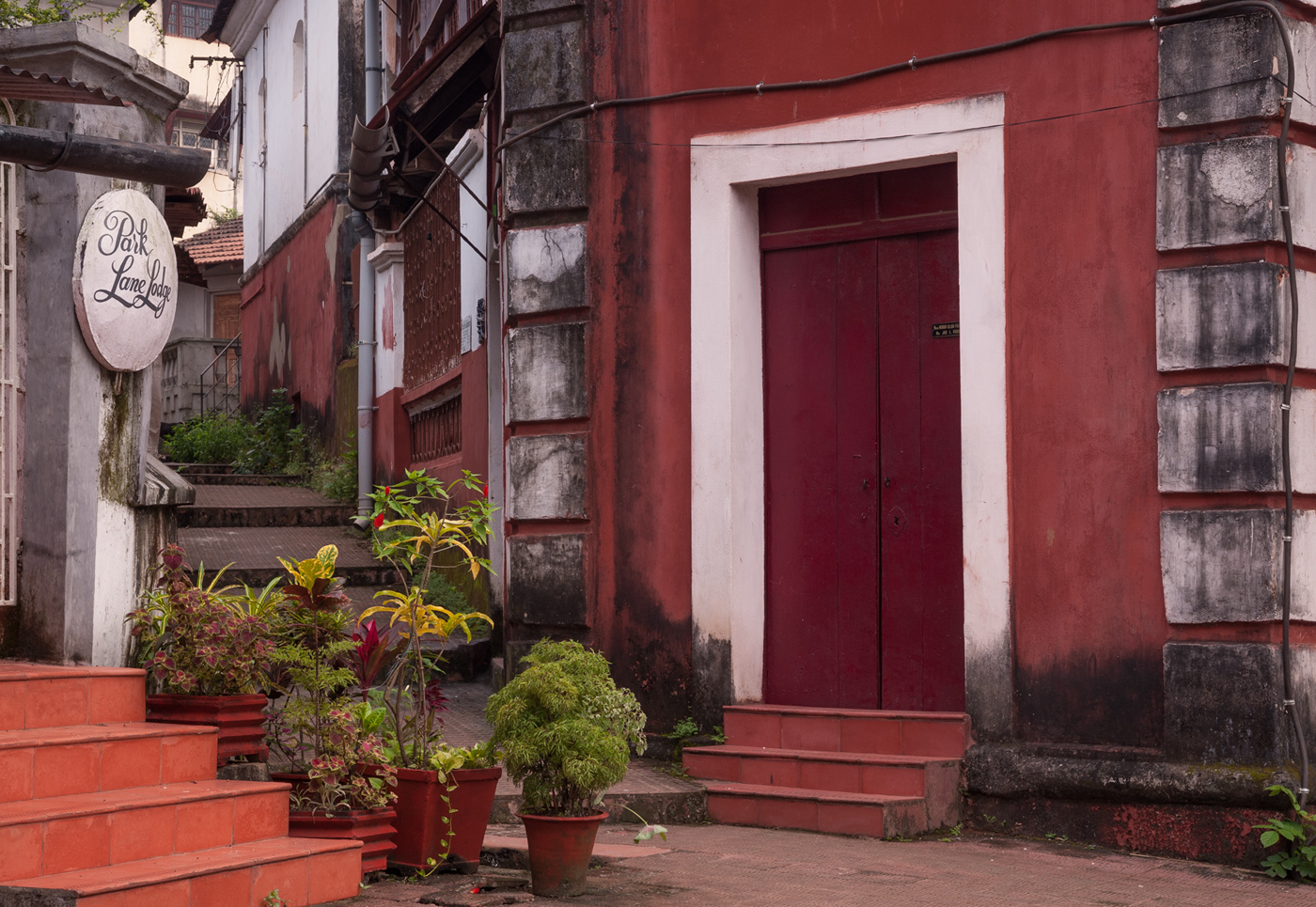
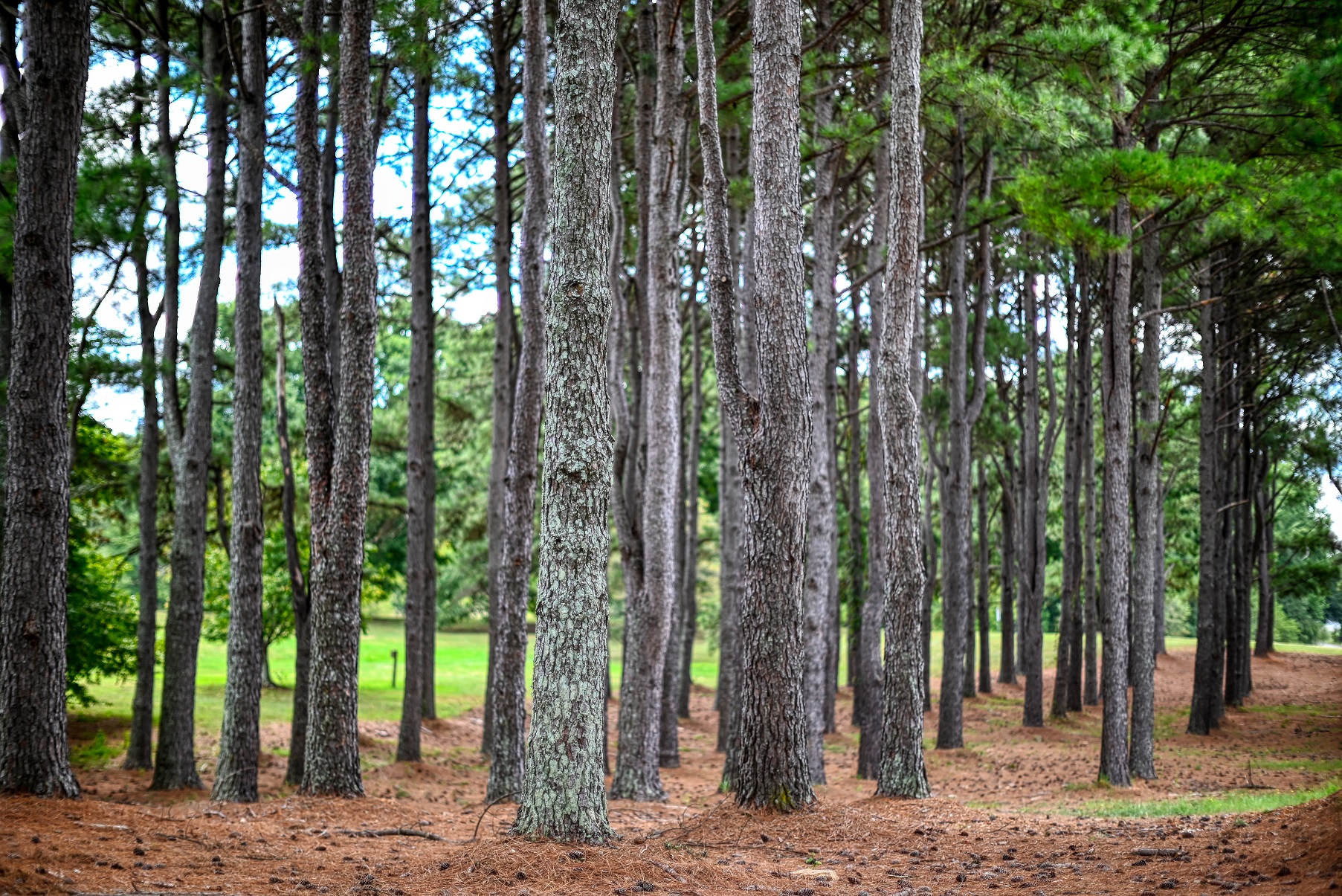
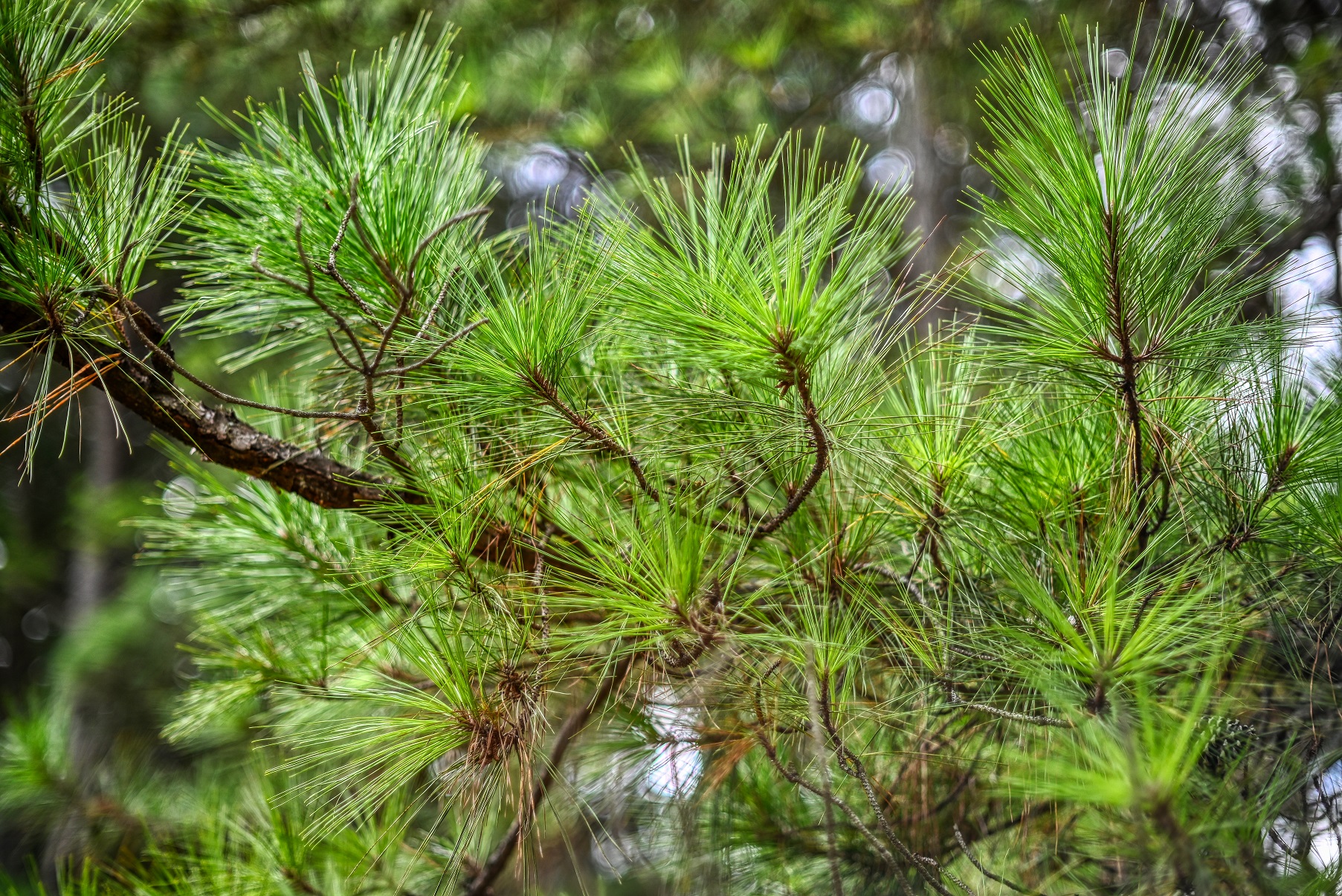
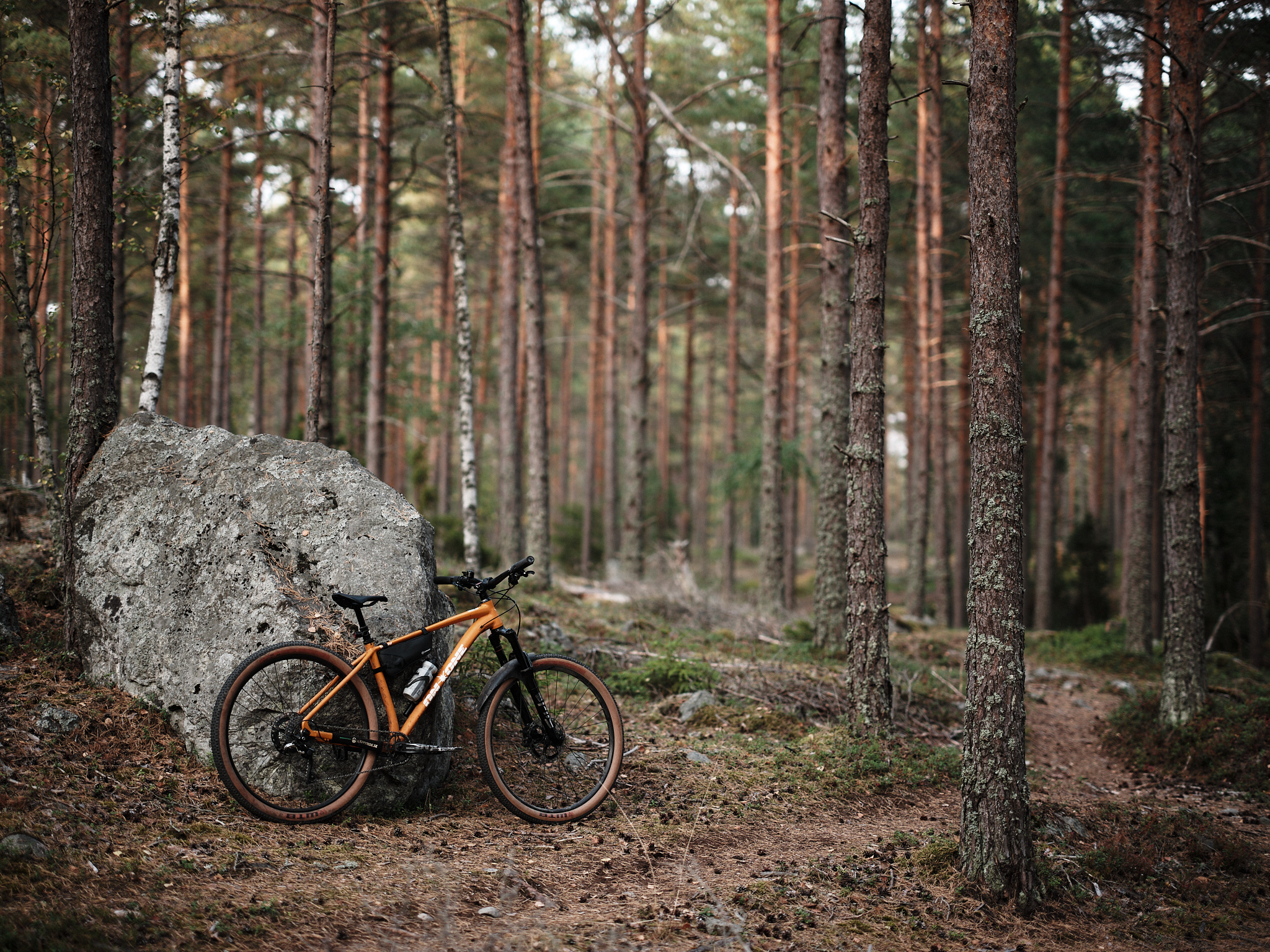
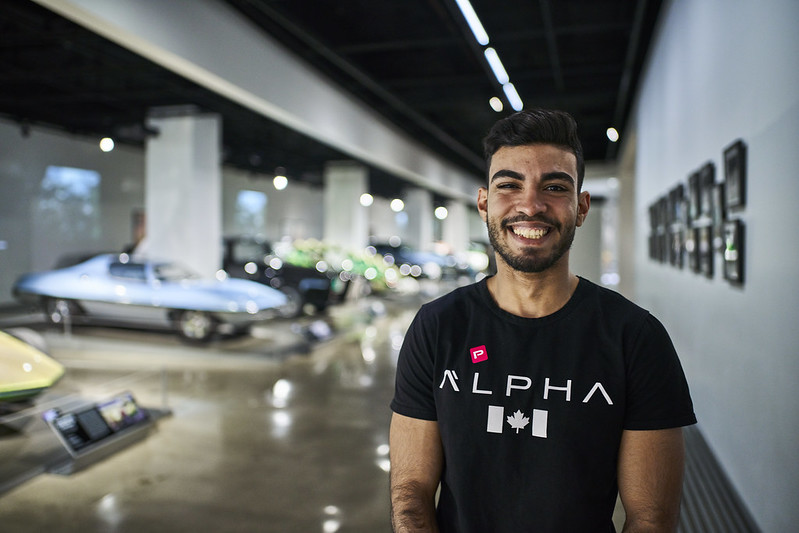
One lens I regret selling - Zeiss Contax 100/2 Planar AEG version, has plenty of 3D pop. My understanding is that the microcontrast characteristics have a lot to do with its rendering.
I thought my C/Y 100/2 Planar had a lot of dimensionality in the pics. So did my OM 50/2 Macro. Both were easy to focus manually with rapid drop off from the focal plane. Not sure if that had anything to do with perception of 3D pop.
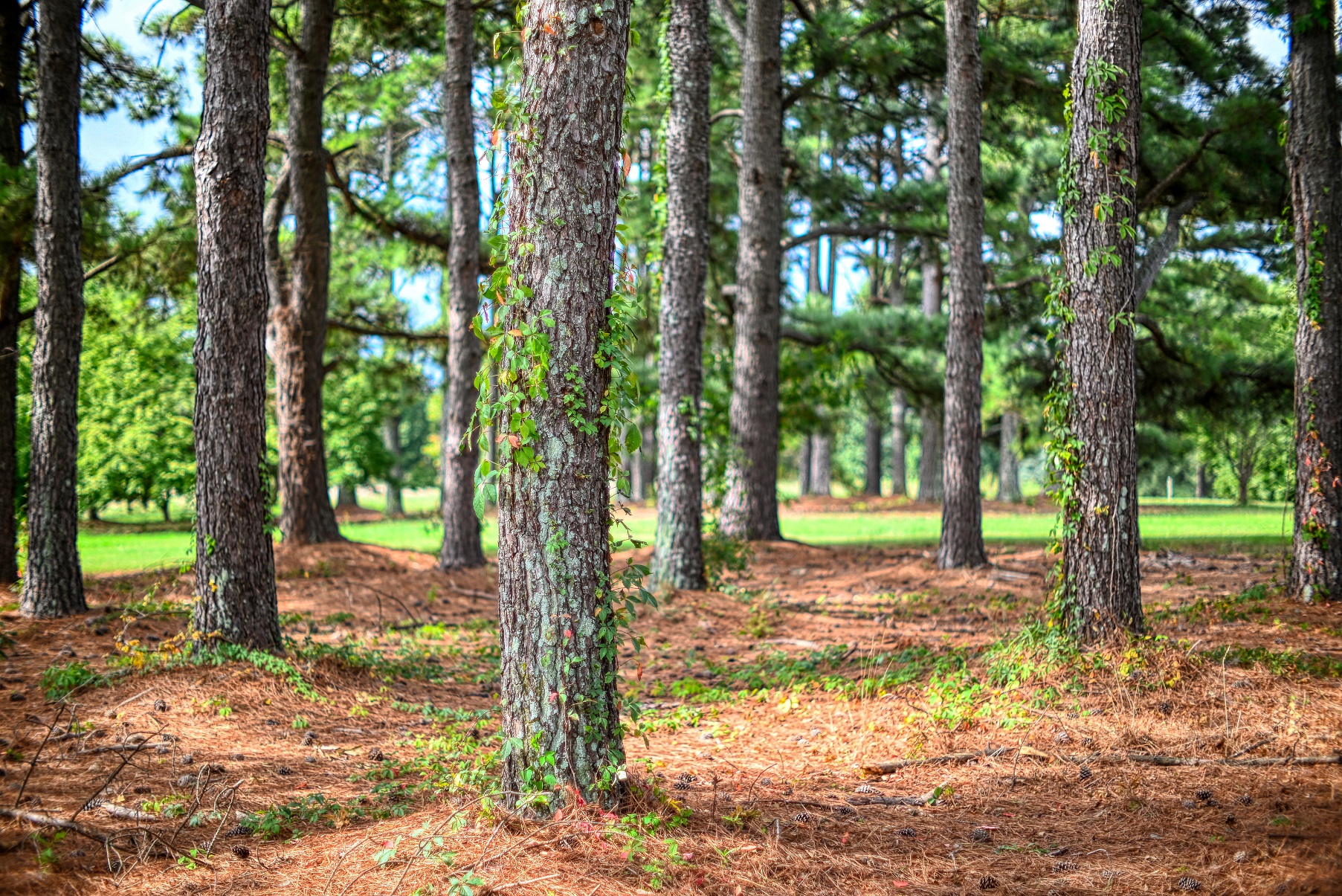
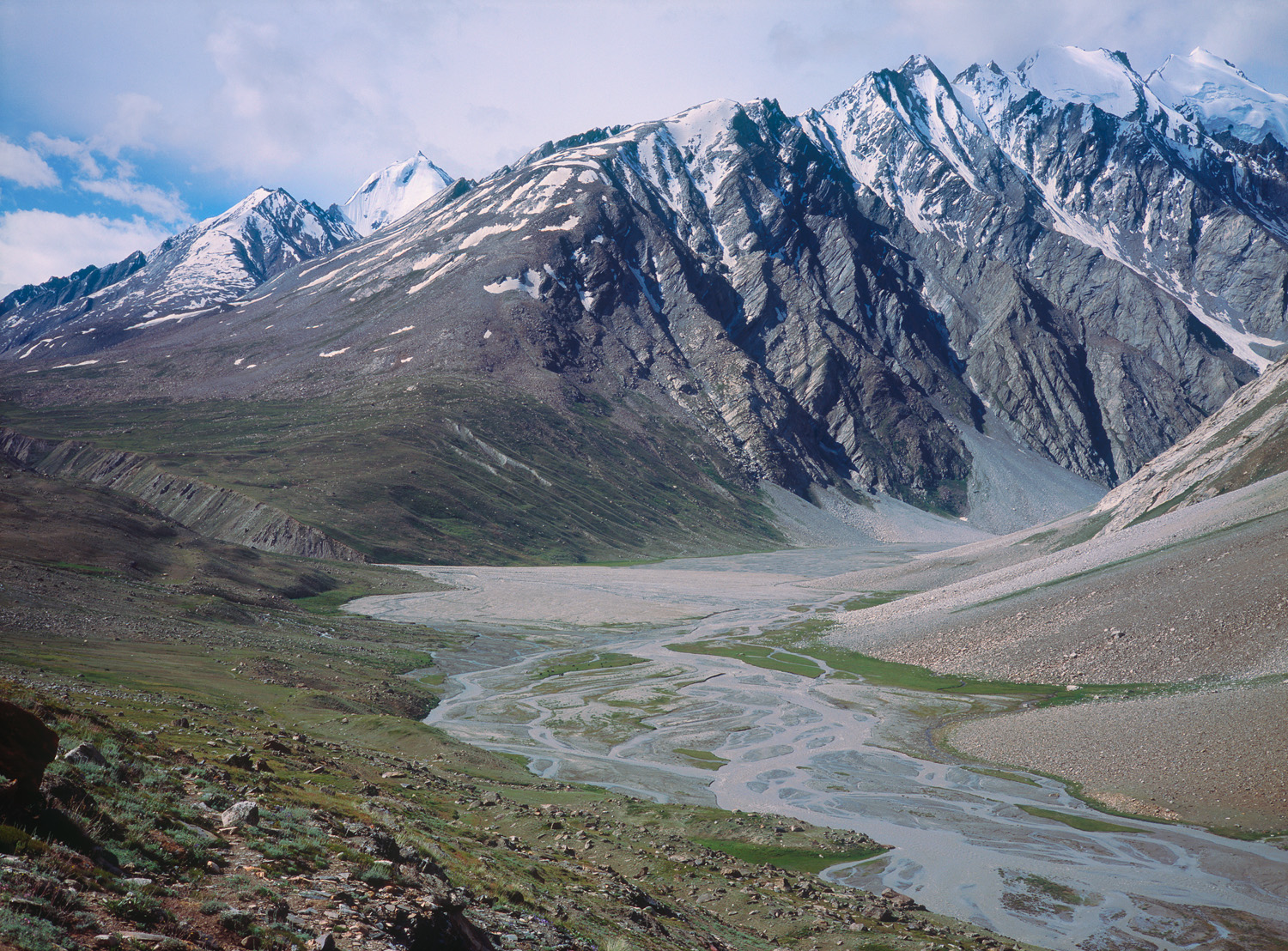
Being a huge fan of the 'as seen' real world, I've never bought into the 'bokeh is 3D' line. In fact, if you focus on a close object what you can see in the background is a doubling of motifs. Maybe we should tell lens makers to get real and make bokeh into doubles of everything. Here is a 'full DOF' image, it's so satisfying to slowly move your vision from front to back and side to side, to see things that never look good all blurred out in bokeh images. You would actually have to really like blurring to prefer it over real objects portrayed really well, in an orderly progression from front to back. It's amazing it took off like it did - the bokeh craze - it's quite a con.
Sadly, few lenses excel at full DOF (full focus, everything sharp or sharpish), like this Nikon zoom. Pretty good bokeh is much easier to achieve than lenses that deliver high standard full-focus images.
philip_pj wrote:
Sadly, few lenses excel at full DOF (full focus, everything sharp or sharpish), like this Nikon zoom. Pretty good bokeh is much easier to achieve than lenses that deliver high standard full-focus images.
Which Nikon zoom is it?
chiron wrote:
This is the best idea I have heard: to post a popped picture that was shot with a lens said to pop and to post next to it the identical scene shot with a lens of the same type and focal length and aperture that is said not to pop. Let's see what we see.
This was demonstrated before by long time fredmiranda members, there’s this green saab car shot by zeiss 1.4/50 planar classic and zeiss 2/50 makro classic.
It’s also demonstrated there, you can have 3d even without background blur. All sharp image.
These long time members and others know and agree what 3d means… i am talking somewhere 10 to 15 years back threads.
Nowadays the current trend for 3d posting is subject separation and blurry backgrounds.
Go 10-15 years back threads you’ll see 3d sampled images there.
Not entirely sure about 3D when the background is this blurred, but certainly some "pop". Also my high rez screen doesn't scale images well unless they are full size, so not sure how it will look at a lower rez screen.
Having disparaged the concept of bokeh as a reliable '3D' effect above, I want to add more context and two images to support my views. For various reasons we all need to have bokeh in many images, but I still want all-of-frame meaning in my work. This often translates into somewhat blurred but still identifiable motifs that complement the main subject.
I'm always on the lookout for 'meaningful bokeh' rather than 'just what happens in the background'. In the first image, the figures near the seat and the yellow wall add to the coy expression on her face, IMO. The second, of a pilgrim at the holy lake, is really enrichened by the otherworldly water and its ripples. Both images show more depth and appeal than a fully blurred out 'f1.2-f1.4 bokeh' shot. IMO.
Lhasa, Tibet - Sony 55/1.8 at f3.2 for partial bokeh
I feel the best realistic “dimensionality” is in that f2.8-3.5 range in focal lengths around 35-50mm normalish range. Of lenses I’ve had somewhat recently I thought the Loxia 35 was very 3d-ish in that aperture range.
philip_pj wrote:
Having disparaged the concept of bokeh as a reliable '3D' effect above, I want to add more context and two images to support my views. For various reasons we all need to have bokeh in many images, but I still want all-of-frame meaning in my work. This often translates into somewhat blurred but still identifiable motifs that complement the main subject.
I'm always on the lookout for 'meaningful bokeh' rather than 'just what happens in the background'. In the first image, the figures near the seat and the yellow wall add to the coy expression on her face, IMO. The second, of a pilgrim at the holy lake, is really enrichened by the otherworldly water and its ripples. Both images show more depth and appeal than a fully blurred out 'f1.2-f1.4 bokeh' shot. IMO....Show more →
it's whatever f-stop that perfectly "wraps" the subject so the perceived separation is more apparent. for normal range and frame-fill distances 2.8-4 is usually the case.
it's one of the things you learn in cine too, tho there are instances where individual elements are the subject (vs. whole human subject for example), so the option of a more shallow dof is welcome in those instances.
below is otus 28 wo, so depends on fl/scale and stuff but yeah i keep posting in this thread even though i shouldnt lol
philip_pj wrote:
Having disparaged the concept of bokeh as a reliable '3D' effect above, I want to add more context and two images to support my views. For various reasons we all need to have bokeh in many images, but I still want all-of-frame meaning in my work. This often translates into somewhat blurred but still identifiable motifs that complement the main subject.
I'm always on the lookout for 'meaningful bokeh' rather than 'just what happens in the background'. In the first image, the figures near the seat and the yellow wall add to the coy expression on her face, IMO. The second, of a pilgrim at the holy lake, is really enrichened by the otherworldly water and its ripples. Both images show more depth and appeal than a fully blurred out 'f1.2-f1.4 bokeh' shot. IMO....Show more →
Aren't - if we are honest - these "fully blurred out bokeh shots" for portraits of women (i.e. young and beautiful ones...) only anyway? Ah, and flowers of course.