fredmiranda.com
Login

Moderated by: Fred Miranda
  New fredmiranda.com Mobile Site
  New Feature: SMS Notification alert
  New Feature: Buy & Sell Watchlist
  

FM Forums | Leica & Alternative Gear | Join Upload & Sell

1       2       3              32              34              136       137       end
  

which lens has the most 3D POP?


AndereObjektiv
Offline
• •
Upload & Sell: Off
p.33 #1 · which lens has the most 3D POP?


I've noticed many images with a single central 3d subject with foreground and background out of focus, and some indeed do have 3d pop.

For those looking for that in the samples I posted, you won't find it. But you will find multiple instances in each image of 3d separation of objects in space from each other, which also pop out from within the image.

Neither is the sole way to have 3 dimensionality present itself, both have it, as do other image subject treatments.

It's even apparent in a video of a photograph here with Peter Karbe ( @ 3:29 The large poster of the Greatest )


Mar 19, 2020 at 12:06 AM
AcuteShadows
Offline
• • • •
Upload & Sell: Off
p.33 #2 · which lens has the most 3D POP?


I really think it's about having a background that is not compressed but still somewhat blurred. So you have an identifiable scene as one element of the image, and a subjekt as another element. Thus the 3D effect: the background is not simply background.


Mar 19, 2020 at 06:15 AM
NateWeatherly
Offline

Upload & Sell: Off
p.33 #3 · which lens has the most 3D POP?


I agree that the sensation of depth has something to do with separation, but I think it would be more precise to say that (in many domains and on multiple levels) it has to do with the sensation of believable *transition* (dark to Light, harsh to smooth, near to far, saturated to desaturated, etc) in a way that feels authentic to the way we see with our own eyes. A lot of is it psychological too, I think. If a photo feels like it is viewed through human eyes then it is easier for our brains to impart a sensation of depth––after all, visual depth is entirely a product of neurological processing as each eye only sees in 2 dimensions. So when the image is distorted by hyper shallow depth of field or extreme wide/tele focal lengths I think that can harm the sense of depth too. So it does have a lot to do with subjects and composition, but I think certain lens characteristics (such as smooth vignetting, rearward field curvature, and extremely high central image quality combined with astigmatism in the corners) lend themselves to creating a sense of natural feeling depth.


Mar 19, 2020 at 10:15 AM
fferreres
Offline

Upload & Sell: Off
p.33 #4 · which lens has the most 3D POP?


Excellent explanation. Matches my experience as well. I did not just like, because it's not that I just like your comment: I have independently arrived at similar conclusions.


Mar 25, 2020 at 02:12 AM
Uncle Chip
Offline
• • •
Upload & Sell: Off
p.33 #5 · which lens has the most 3D POP?


NateWeatherly wrote:
I agree that the sensation of depth has something to do with separation, but I think it would be more precise to say that (in many domains and on multiple levels) it has to do with the sensation of believable *transition* (dark to Light, harsh to smooth, near to far, saturated to desaturated, etc) in a way that feels authentic to the way we see with our own eyes. A lot of is it psychological too, I think. If a photo feels like it is viewed through human eyes then it is easier for our brains to impart a sensation
...Show more

In post to give an image more pop you do exactly what you say, for a portrait you slightly reduce contrast, saturation and sharpness in the background, and I would create a mask and paint each element separately to try and achieve a smooth transition,

I recently purchased the 200-600, I already have the 100-400, in part of my research I looked at thousands of images shot at 600mm on Sony cameras, in the end I could pick out the ones shot on the 600mm prime over the ones on the zoom, and it was all down to the smoothness of the transition between focus and out of focus,

Very interesting thread that has answered my ongoing question of why a prime is better than a zoom when you eliminate form factor, sharpness, speed and cost


Mar 25, 2020 at 09:39 AM
philip_pj
Offline
• • • • • •
Upload & Sell: On
p.33 #6 · which lens has the most 3D POP?


'for a portrait you slightly reduce contrast, saturation and sharpness in the background..'

And this is why many fine portrait lenses deliver just these qualities in out-of-focus content. You can easily observe different treatments by brand, often there is a family look to lenses in a range. The makers each have their own ideas on what works best, and modern fast lenses tend towards 'showy' bokeh.

Seeing Peter Karbe above reminded me of his intention to use f2 lenses with ultra high focal plane imaging (MTF) to create a facsimile of what users expect of f1.4 lenses. Easier to do with APO (or near to it) lenses, I tend to believe.

The idea would be to provide decent DOF (f2) plus this separation effect at full aperture, removing troublesome aperture blade effects when stopped down a stop or so. People now look very closely at bokeh balls, etc. It's an evolving issue, interesting that makers are ahead of popular tastes, which vary widely in this area. They have to make it before you can see if you like it or not.

There is less certainly in reviewers these days about exactly what constitutes 'good bokeh'. It even recently used to be 'the more abstraction, the better the bokeh', but it's not that simple. Some prefer 'contextual bokeh' to help tell the story of the image, and there are degrees of this.

It's easy to see that very sound image quality is a big factor too, in drawing objects (motifs) very accurately in longitudinal image space. Especially true at mid apertures, where DOF encloses more content - if it is all drawn with good contrast, 3D increases.


Mar 25, 2020 at 10:21 PM
AndereObjektiv
Offline
• •
Upload & Sell: Off
p.33 #7 · which lens has the most 3D POP?


Here are a few more from the 120 makro summarit-s - iso 100, F/8, shot yesterday. To my eyes they are like a glass matte painting composite shot, but completely made within the lens & camera - no post required. Open in new tabs for full 3k res.


Mar 25, 2020 at 11:04 PM
hasenbein
Offline
• • •
Upload & Sell: Off
p.33 #8 · which lens has the most 3D POP?


Sorry to burst your bubble, but I don't see anything remarkable at all.
You are "victim" of the "Leica placebo effect".


Mar 25, 2020 at 11:33 PM
AndereObjektiv
Offline
• •
Upload & Sell: Off
p.33 #9 · which lens has the most 3D POP?


Yet, you had to remark. If I delight in the images I make and share, a happy victim am I, Danke!
Ironic you've no luck at perceiving what is there; from each according to his ability, eh Kamerad?


Mar 26, 2020 at 01:21 AM
fferreres
Offline

Upload & Sell: Off
p.33 #10 · which lens has the most 3D POP?


The smoothness usually requires the lens with no outlining in the blur circle, that the blur circle near corners/edges not be too prominently optically vignetted, and in many cases, requires the lens to be well corrected, except for LoCA and spherical aberration (undercorrected), the single one factor to extend a smooth transition or DOF, when one is talking about a subject in the center with a background OOF. Human is equiv approx to f8 to f11 FF as seen by 40mm lens. So if using a 200mm lens, one wants to not be close to the subject, and keep a certain (smaller) distance between subject and background.

One way to see if one lens may be better suited to the impression of depth (and not distractions) is to shoot point light sources while focusing in front of those lights. If the blur circles (say you shoot Christmas lights) doesn't have bright edges, and if it has some slight higher intensity in the center that the outer parts, but is still sharp while focused, and when you shoot this lights near the edges of the frame they don't become too pronounced "cat eyes", chances are the lens will have rendering that makes subjects appear more like they really are there in 3D in the scene. If the subject doesn't have much depth, then one can use a very flat (no spherical aberration) lens too, and the idea is that the part that your retina focuses on do not have blur in the subject. It can transition to blur (important to be smooth) but things like one eye lash in focus and another not, or hair going forward start in focus and end in blurriness...this kill the 3D impression.


Mar 27, 2020 at 01:18 AM


Search in Used Dept. 

philip_pj
Offline
• • • • • •
Upload & Sell: On
p.33 #11 · which lens has the most 3D POP?


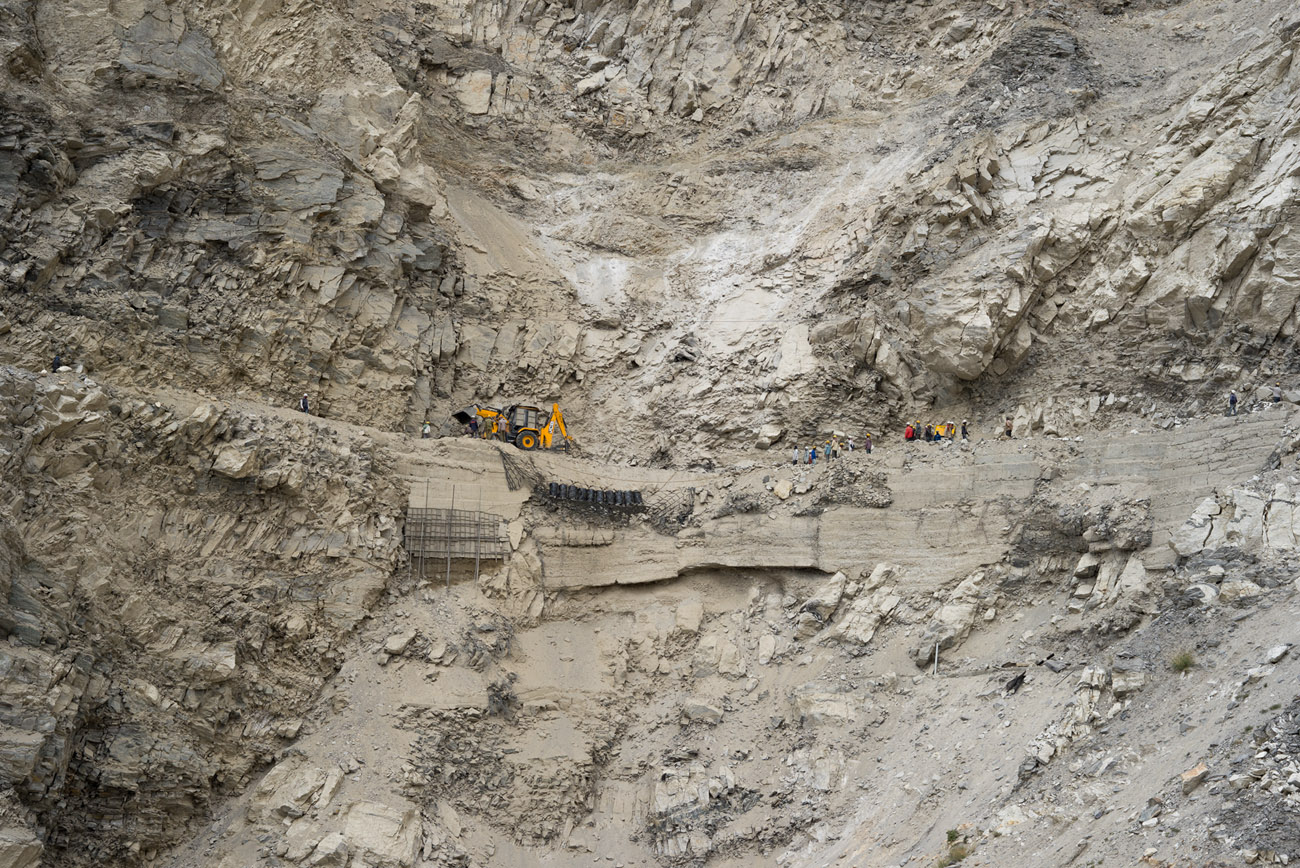
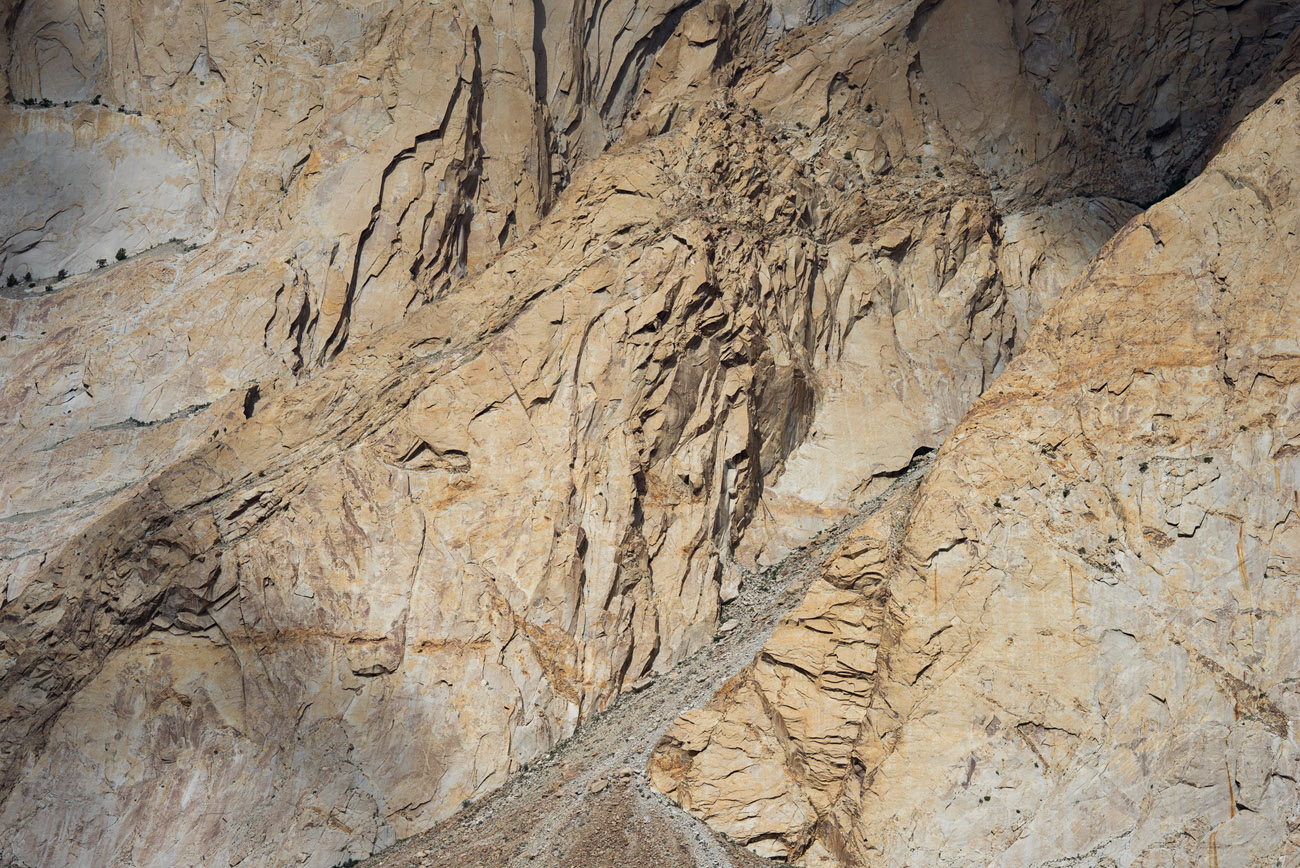
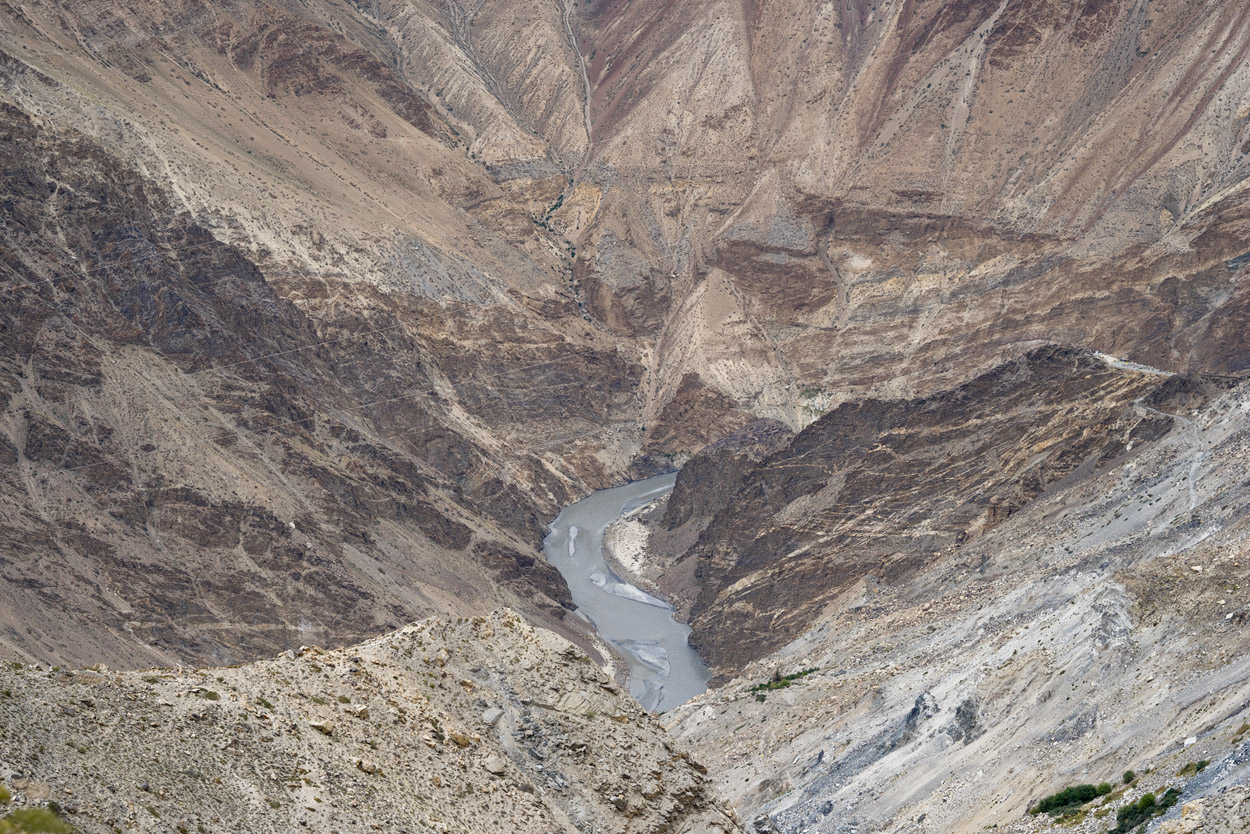
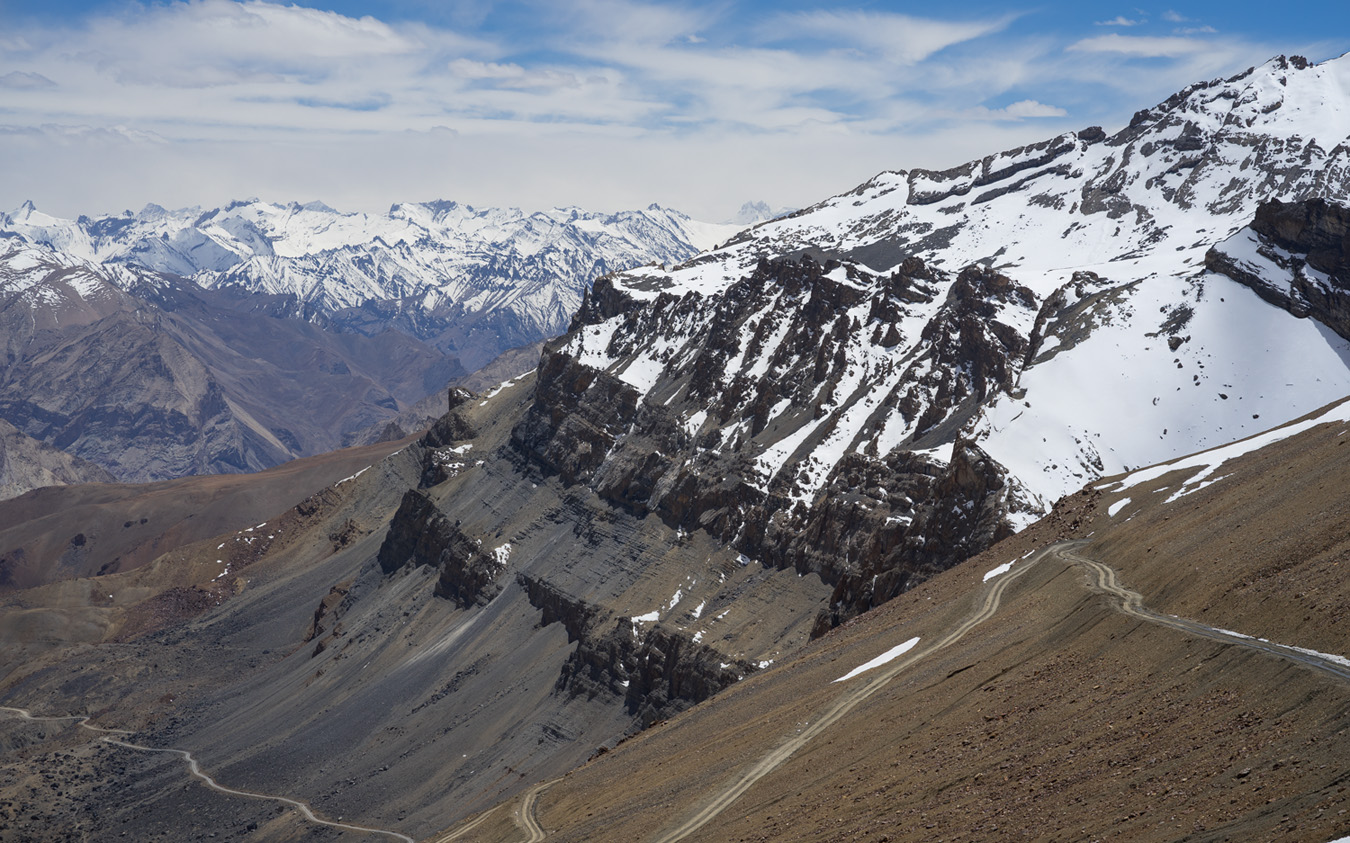
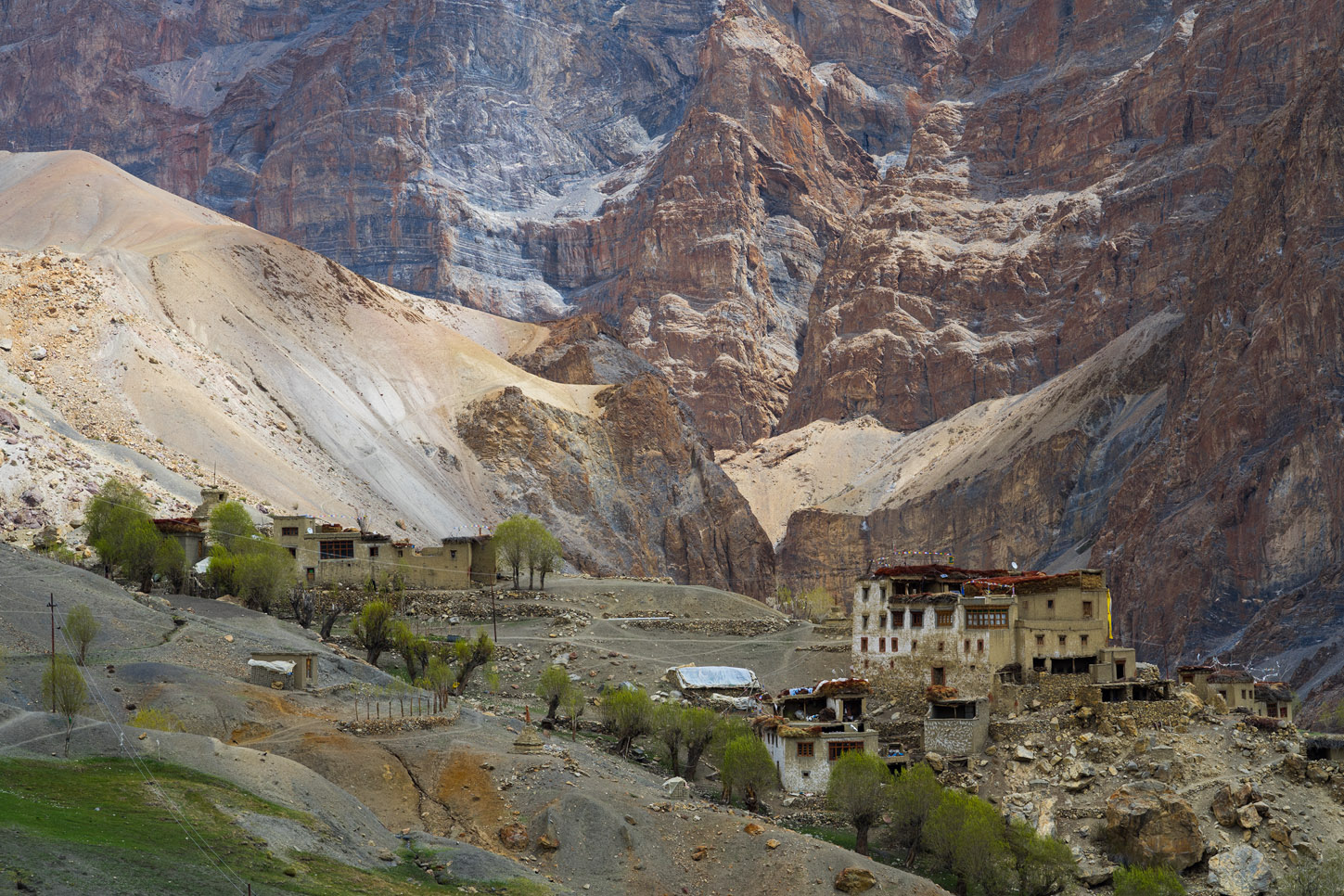
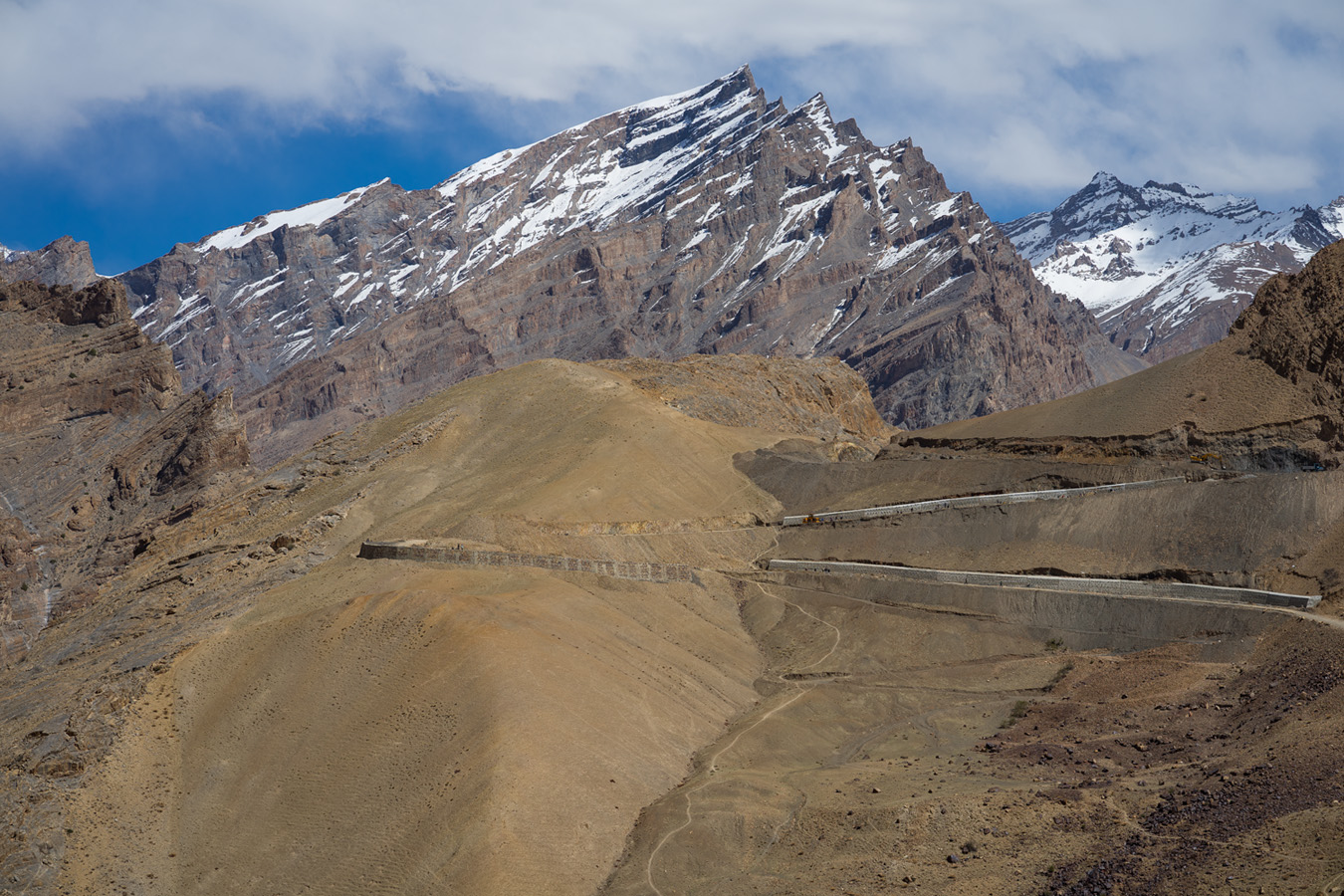
We may agree that many lenses have emerged over the decades that produce excellent 'separation 3D', where image content encompasses both focal plane detail and fade to some level of blur. I'm obliged to shoot a lot of incredible mountain countryside in the middle hours of each day. So I want to inject into this thread the other major category of 3D - what might be called 'full DOF 3D'.

These are images, several of which have serious levels of depth, often out to 10-20 kms (usually clear air) that are shot at f5.6-f8 unless front content is present. Some lenses may be sharp beyond reproach yet under the challenge of depicting satisfying longitudal depth, they fail to deliver. [I'll get into why I feel this is so later on.]

The Loxia 85mm did so poorly on its maiden (and last) journey, that I can employ Titanic phraseology such as this.

It has become a reminder of the folly of not fully investigating the performance characteristics of newly released lenses - it makes for an impressive paperweight. It's a popular lens, yet I must remain true to myself here. Without further ado, take a look and see if your eye can track the countryside into the images that were photographed here, to estimate the distances involved; to make 'physical sense' of the images.

All required savage processing levels. I actually realised its deficiencies on the trip from image reviews, and replaced it with a 30 year old Contax zoom, with startlingly better results. Thankfully I always carry many lenses.


f8 - sharp detail and poor colour separation; top is 300m away from bottom


f5.6 - as above, right to left is 1000m at least


f5.6 - top content is 2-3 kms away from river flat


f5.6 - without the river to give some perspective, this image is an amorphous mess


Mar 28, 2020 at 10:44 PM
philip_pj
Offline
• • • • • •
Upload & Sell: On
p.33 #12 · which lens has the most 3D POP?


I later found out that this modern Zeiss 85mm does well, provided the subject brightness range is high - sunsets, strong sidelighting etc. when, if anything, it tends towards over-saturation. But I needed more, much more than this!

For a companion, I brought along another 85mm lens the following year - Sony's cheerful and cheap(ish) FE 85mm. Here are a few from that one, to hopefully illustrate how a harmonious combination of colour tonality and contrast integration combine to give satisfying full DOF 3D. I've always used Contax film era lenses and found them a cut above in terms of 3D. They are now steadily making way for what I consider the new kings of the road - the Voigtlander range is a worthy successor to the Carl Zeiss lenses of old. For 'my' work, I hasten to add. All are different, as seen in any 3D thread commentary.

So, in summary, I believe that colour separation is a crucial but often overlooked contributing factor for this kind of imagery. The Voigts do this to an extraordinary degree - all of the modern, made for Sony ones. Sony lenses are well above average too, though their colour is not quite at the same level.


f8 - dirty scree is well separated from tawny surrounds, both differ from background tones


f8 - the ridge is easily tracked and mountain walls are well-differentiated for good shaping


f8 - a tough assignment, busy comp yet quite good tonal separation


Mar 28, 2020 at 11:06 PM
Bertrick
Offline
• •
Upload & Sell: Off
p.33 #13 · which lens has the most 3D POP?


Phillip, I am in the early stages of thinking the same way. I am calling it nuanced color. Those very subtle variations in color enable our eye-brains to interpret shapes. I am only beginning to recognize it in images. Thank you for this perspective. (sSe what I did there with multiple meanings of "perspective" (and "see") ? )


Mar 29, 2020 at 08:39 AM
philip_pj
Offline
• • • • • •
Upload & Sell: On
p.33 #14 · which lens has the most 3D POP?


We now see some of the more astute reviewers commenting on colour performance - such as Dustin Abbott's recent review of the Voigtlander 110mm macro lens. But colour preferences are one thing you can see in a lot of images of various kinds, including both kinds of 3D, hence all the 'Sony bad, Canon good' threads.

Having a lot of confidence in Cosina's colour handling, I bought one of these lenses, partly for use as a field lens. Two unremarkable test images below are from it, shot in typically harsh Australian midday lighting. Image 1 is (in my opinion) an excellent demonstration of image depth. Why?

Run your eye from the close content to the distant trees top left. The lens has captured a large range of greens and yellows, and the red-greens in the eucalypt canopies. This is not sharpness nor micro-contrast (f9 sits near the edge of diffraction) nor is it tones (brightness) depicted, but colour differentiation far from the focal plane, as well as near - very satisfying and it gets a solid tick from me. Even better, as you settle on exposure and saturation in post, the lens has retained this effect where many fail to deliver. Colour is both strong and realistic. The more subtle your shooting environment, the more you can see this effect.

Image 2 shows the same effect and shows how important colour is at the edge of the midtones, both in shadows (the central tree) and in highlights (the far grass lit up by the sun). Note the great range of greens in the trees, all more or less faithfully reproduced by this lens. I try not to be critical of other lenses for obvious reasons, but I don't see this level of colour handling very often. And it must be said that many compositions feature constant tones of colour.

Poor colour (in relative terms) may even be responsible for the dominant paradigm in landscape photography of 'edge of day' shooting - the archetypal red glow over everything in the scene and deep blank shadows, for example. It cannot be emphasised enough that colour is a midtone phenomenon, the bottom quarter and the top quarter of the 0-255 tone range carry very little colour. Deprived of colour, B/W scenes must use strong drama to be successful - see Ansel Adams work, with huge artifically induced brightness ranges.


Voigtlander 110mm f2.5 - f9


Voigtlander 110mm f2.5 - f9


Apr 01, 2020 at 08:40 PM
jeffersoncasey
Offline
• • •
Upload & Sell: Off
p.33 #15 · which lens has the most 3D POP?


Since there's lock down going on in my country and most of the time staying at home stating at my computer screen, I might as well spend more time on reading a lot about cameras. Here are my finding recent findings and that made me look at images quite differently ever since.

Firstly, nothing has changed from my previous opinions on what makes an image pop - the shadows and gradations of the subject, which means lightings, and to a certain degree, composition technique based on framing the subject according to the lighting.

But there's one aspect that isn't easily judged, well it's not even easily realized by many people - microcontrast. I've been fascinated by this very subject for long time and finally saw what people had been talking about.

Simply put, microcontrast ≠ contrast ≠ sharpness. There's one site that provide a very revealing studio test scene between different cameras, which is the red fabric (along with other) from imaging resource. You'll find some camera samples looked much more contrasty between the same swatches which consists mostly same colors, which cannot be replicated with basic editing (if you know a way to do this, do share as I'm curious). I've read somewhere in dpreview that it's both the lens and the sensor that contribute to this microcontrast, turned out to be true, based on what was observed in imaging resource studio tests. IMHO Philip covered quite a bit about the same topic above albeit we didn't use the same terms to describe it.

Generally speaking, tests of older camera tends to do better, some has punchy color contrasts straight out of the RAW files. Sadly, it seems like a trend that newer sensor tech or lens or system seems to do worse than they used to be, even from the same manufacturer. Crisps details, amazing dynamic range, are what consumers and pros are asking nowadays.

I notice this because I was editing my old travel photos taken with the RX1R and still amazed by the image quality, so much that I realized my GFX 50R did not do better, in fact, worse. Yes it's fun to see the crisp details when zoom in 200% and still hold up really well. It's when I watch the images at normal viewing distance and size and realize something special about the RX1R files that looked so pleasing and organic (for lack of better words). Interesting to note that I never really fall in love with the output of the RX1R ii compared to the original no matter how many real world samples I saw, and now I can see why.

Whether this translate into the quality of your image making, it's up to you to decide. In the end, IMHO, it's the lighting and composition make great images, not the gear (before anyone chime in and tell me it's the person behind the camera, you can take great pictures with iPhone). However, as a casual shooter, a camera like RX1R that's small and light with great image quality, it'll stay in my camera bag for a long, long time.

Last but not least, here's a great video with great informations, and also talk about microcontrast, even if he didn't quite mention it. I often hear people talk about what make Leica lens great, here you can probably have a clearer idea.

(PS: An interesting finding after comparing many camera studio tests, you'll also find with the same ISO and aperture setting, cameras varied greatly between models. Generally, newer cameras tend to use slower shutter speed. This will sometimes translate into real world difference but that's a whole different topic.)

&t


Apr 04, 2020 at 05:18 AM
LBJ2
Offline
• • • • •
Upload & Sell: On
p.33 #16 · which lens has the most 3D POP?


jeffersoncasey wrote:
Since there's lock down going on in my country and most of the time staying at home stating at my computer screen, I might as well spend more time on reading a lot about cameras. Here are my finding recent findings and that made me look at images quite differently ever since.

Firstly, nothing has changed from my previous opinions on what makes an image pop - the shadows and gradations of the subject, which means lightings, and to a certain degree, composition technique based on framing the subject according to the lighting.

But there's one aspect that isn't easily judged, well
...Show more

Been awhile, but since you reminded I had to watch this video again.

Even though I pixel peep with the best/worst of them as the iMac 5K tends to encourage this practice, I never forgot what Thorsten mentions in this video. Something along the lines of: "What can you measure in a picture? It is really hard to measure the artistic quality, and what is the emotional quality. But what is easy to measure is that you zoom in how sharp it is, how detailed it is, how sharp is that hair, but who really cares. But what you should look at is a picture as an overall picture...what you see when you zoom in or not doesn't matter"


Apr 04, 2020 at 06:56 AM
KarmaKramer
Offline
• • • •
Upload & Sell: Off
p.33 #17 · which lens has the most 3D POP?


Exactly. Its not about the tools.

LBJ2 wrote:
Been awhile, but since you reminded I had to watch this video again.

Even though I pixel peep with the best/worst of them as the iMac 5K tends to encourage this practice, I never forgot what Thorsten mentions in this video. Something along the lines of: "What can you measure in a picture? It is really hard to measure the artistic quality, and what is the emotional quality. But what is easy to measure is that you zoom in how sharp it is, how detailed it is, how sharp is that hair, but who really cares. But what you should look
...Show more


Apr 04, 2020 at 07:04 AM
mapgraphs
Offline
• • •
Upload & Sell: Off
p.33 #18 · which lens has the most 3D POP?


philip_pj wrote:
...

So, in summary, I believe that colour separation is a crucial but often overlooked contributing factor for this kind of imagery. ...


You might find Joseph Albers exploration of color in The Interaction of Color an interesting read.

http://www.louisapenfold.com/albers-interaction-of-color/

https://www.metmuseum.org/art/collection/search/737721


VM 75mm Nokton, Z7


Apr 04, 2020 at 11:56 AM
AndereObjektiv
Offline
• •
Upload & Sell: Off
p.33 #19 · which lens has the most 3D POP?


KarmaKramer wrote:
Exactly. Its not about the tools.


Someone tell them! They will save so much $$$!


Apr 04, 2020 at 03:45 PM
jeffersoncasey
Offline
• • •
Upload & Sell: Off
p.33 #20 · which lens has the most 3D POP?


AndereObjektiv wrote:


Someone tell them! They will save so much $$$!

Thorsten can save a bunch by using his phone, too!


Apr 04, 2020 at 11:31 PM
1       2       3              32              34              136       137       end


FM Forums | Leica & Alternative Gear | Join Upload & Sell

1       2       3              32              34              136       137       end


Welcome back
Log in to your account