which lens has the most 3D POP?
p.151 #1which lens has the most 3D POP?
Steve Spencer wrote:
RustyBug wrote
j4nu wrote
This is a great comparison by Fred, showing differences in rendering between lenses, but I wouldn't pick that shot as a standout example of "3D pop"
What others are able to deduce from this ... i.e. lens contributes vs. lens does not contribute ... YMMV

In my own experience the key is mostly composition that is tuned to the specific lens I am using and knowing the lens well. If the transition from in focus to out of focus is too fast, then you get the cut out look of a target that is...Show more →
Thank you. Probably the best and most sensible contribution to the topic in the last 15 years!
👍🏻
Aug 24, 2026 at 08:03 AM
p.151 #2which lens has the most 3D POP?
Nifty Fifty wrote:
Steve Spencer wrote
RustyBug wrote
j4nu wrote
This is a great comparison by Fred, showing differences in rendering between lenses, but I wouldn't pick that shot as a standout example of "3D pop"What others are able to deduce from this ... i.e. lens contributes vs. lens does not contribute ... YMMV
In my own experience the key is mostly composition that is tuned to the specific lens I am using and knowing the lens well. If the transition from in focus to out of focus is too fast, then you get the cut out look of a target that is too distinct from the background and that doesn't look like 3D to me. If the transition is too slow then there isn't a 3D effect either (or at least a 3D effect based on focus transition) and the target does not stand out in a 3D look. The heliar in Fred's example seems to have too slow of a focus transition and ruins the very marginal 3D effect you see with the other lenses in the example you linked.
So with focus transition, IMO, the lens can contribute to the 3D effect but it is a goldilocks effect where the focus transition needs to be not too fast nor too slow and although lenses can vary (even with the same focal length and aperture) in how fast the focus transition is, it really is much more a matter of composition and getting that focus transition just right if you want it to contribute and knowing the focus transition of your lens to do that.
Said another way, I suspect you could get the 3D effect just as much with the heliar in this example if you changed the composition by moving a bit closer and making the focus transition more abrupt. So, in my book this example is still mostly if not totally about composing the image properly to get a 3D effect if you want it. I almost always don't care, so I don't compose for that, but I think in this example you could get all the lenses to look pretty similar with just a slight change in composition.
👍🏻
I liked that too...
Something to add. Composing a picture takes place both in camera and in post. In general, the effects of post-processing cannot be ignored as all aspects of an image can be dramatically altered.
It is a valid question, whether a desired rendering is better achieved by investing into, and acquiring, unique and special lenses, or by mastering post-processing skills while working with modern good optical quality lenses (that some call "sterile").
I am a beliver in post-processing as the second main creative contributor to photography art (the first being the photographer). The thinking that some lenses with some rendering should significantly improve one's photography isn't unlike the thinking that using some third-party presets should produce impactful images in post. This mentality of "outsourcing" creativity and art is like suggesting to a painter that producing art requires a set of unique brushes together with a set of special pigments.
All photographers naturally share this deep interest in lenses (as in cameras); thus, the present thread is useful and educational. What I belive is that the visual impact (3D pop included) of a photo on viewers is not significantly determined by the rendering the lens used when taking the photo.
Aug 24, 2026 at 09:27 AM
p.151 #3which lens has the most 3D POP?
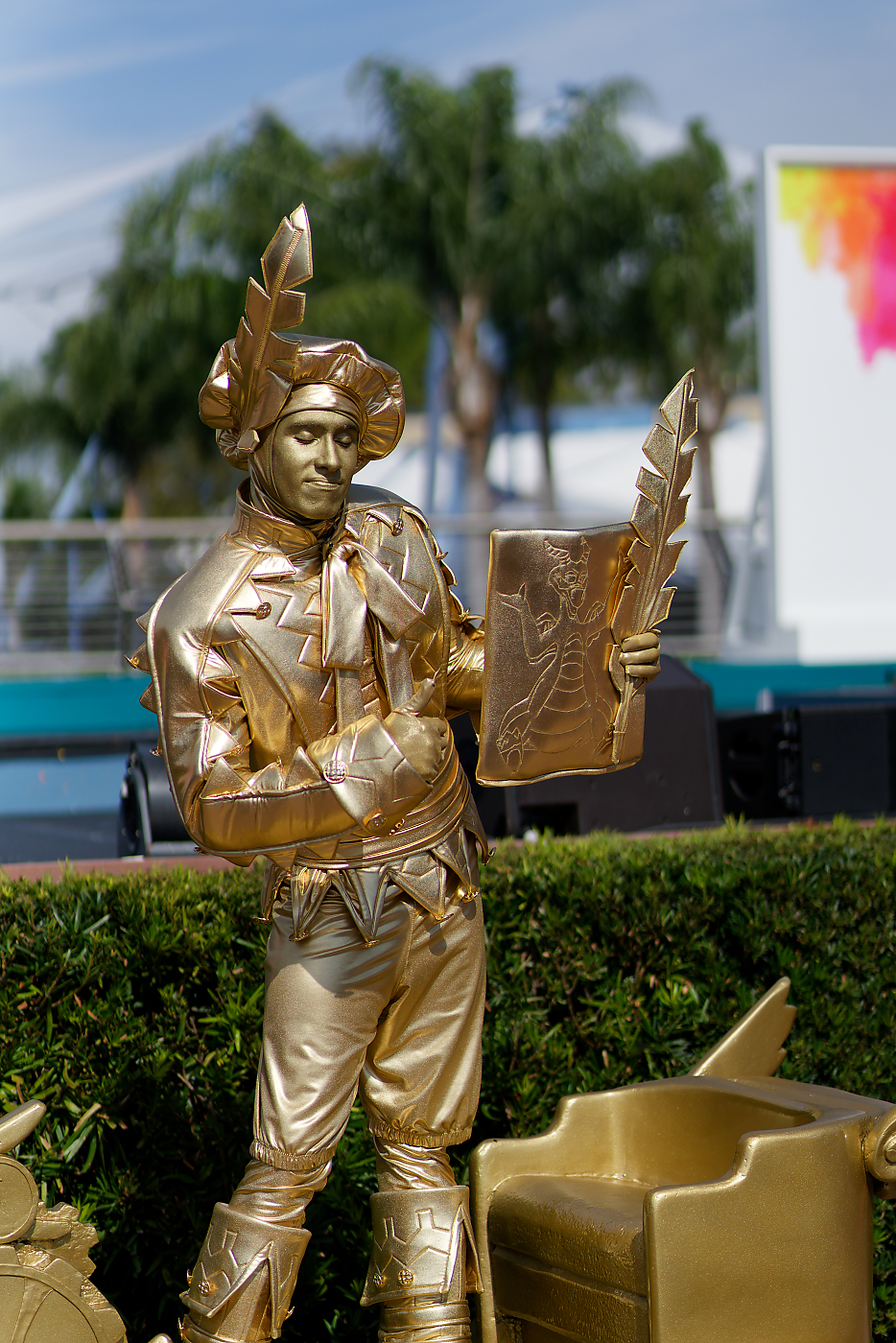
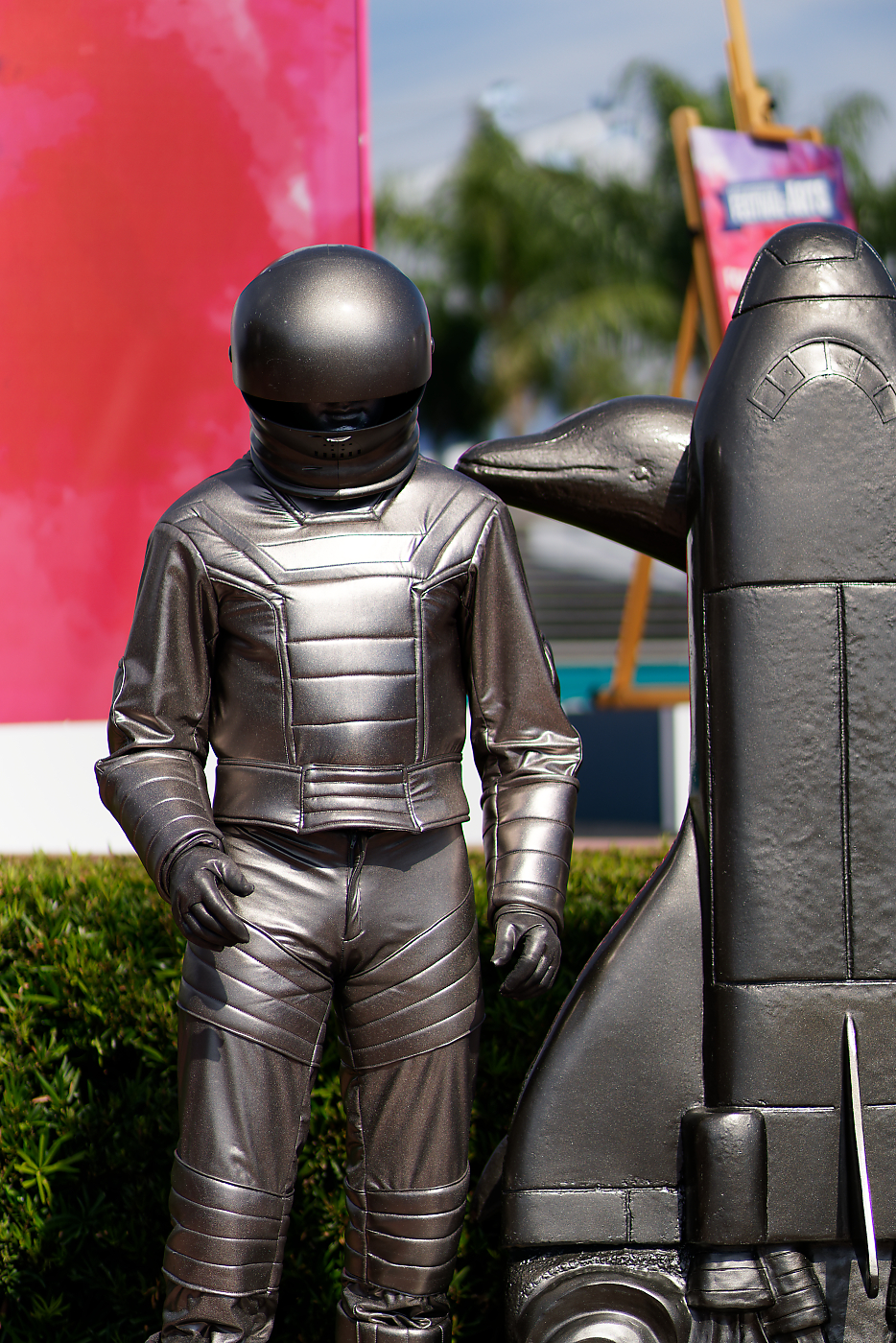
A few test photos from way back when I was experimenting with the well known ZEISS Makro-Planar T* 100mm f/2 ZE Lens for Canon EF adapted to my Sony A7rII. Never mind the blazing midday sunlight and the wide-open purple fringe this lens is known for. However, you can always count on the ZEISS micro contrast and lack of SA with this classic optic:
 |
||
 |
||
|
ILCE-7RM2 DT 100mm F2 SAM lens 61217 lens 100mm f/2.2 1/8000s 100 ISO 0.0 EV
|
||
 |
||
|
ILCE-7RM2 DT 100mm F2 SAM lens 61217 lens 100mm f/2.0 1/8000s 100 ISO 0.0 EV
Aug 24, 2026 at 10:01 AM
p.151 #4which lens has the most 3D POP?
Steve Spencer wrote:
When I look at those images the Helier looks different from the other three, but I don't think it has more 3D effect--at least to my eyes. If anything a little less. The speed of focus fade may be related to 3D, but I am not sure how and because focus fade is so dependent and aperture and focus distance whatever role it plays I would think would be swamped not by differences in lenses at the same aperture and focus distance, but would be affected more by what aperture is used and the focus distance. Lenses do differ...Show more →
My working theory is that the speed of falloff has to match the eye for the most convincing 3D, more or less detracts. This immediately rules out most Leica lenses, since they have fast falloff.
I also don't find Fred's images helpful in understanding the effect of 3D, but then he was simply reviewing a lens, and not trying to make points about 3D. In fact, I found only a single image in that thread had 3D.
Aug 24, 2026 at 10:16 AM
p.151 #5which lens has the most 3D POP?
Daran wrote:
Using that logic pretty much all modern lenses have 3D.Well, no, not at all. I did write agree or disagree,Doesn't matter. If you do not see the effect in an image, that does not mean that the lens used can not produce it. I have seen the effect, but I can't see it in most images presented here. Meanwhile I do not doubt that the proud presenters of those image did in fact see it and are not all just trolling. Hence all those lenses can probably produce it, whether I can see it or no.
Right, a failure to produce any 3D effect is not a condemnation of the lens (for this purpose), but if in many tries, using many 3D tricks, you never produce it, then the lens may well not have it. No other lens needed.
Besides, due to understanding how the effect comes to be, it is obvious that the lens used plays only a small role. This is confirmed by no one here on 150 pages even trying to show a significant difference in a back to back comparison using different lenses on the same scene.
I personally don't think that it is obvious that the lens plays only a small role. With some lenses, you will not be able to provoke much of an effect at all, regardless of how hard you try, whereas with other lenses, you will almost immediately get it.
All you get is loads of single lens examples that may or may not be significant and of course a ton of slop from Phillip.

---
I am a little puzzled how some people require two lenses to see 3D. It isn't some mysterious effect which only some people can see, and which we are not sure even exists. It sticks out immediately.
I should note that there are still at least two kinds of people:
- those who see 3D when foreground and background are sufficiently separated
- those who look in the texture, micro-contrast, in-focus roll-off, and whatever else. I belong to these.
carstenw wrote
Daran wrote
carstenw wrote
Nonsense, to determine if a lens has 3D you just look at a photo which demonstrates the 3D, and decide if you agree or disagree.Right, a failure to produce any 3D effect is not a condemnation of the lens (for this purpose), but if in many tries, using many 3D tricks, you never produce it, then the lens may well not have it. No other lens needed.
Besides, due to understanding how the effect comes to be, it is obvious that the lens used plays only a small role. This is confirmed by no one here on 150 pages even trying to show a significant difference in a back to back comparison using different lenses on the same scene.
I personally don't think that it is obvious that the lens plays only a small role. With some lenses, you will not be able to provoke much of an effect at all, regardless of how hard you try, whereas with other lenses, you will almost immediately get it.
All you get is loads of single lens examples that may or may not be significant and of course a ton of slop from Phillip.
---
I am a little puzzled how some people require two lenses to see 3D. It isn't some mysterious effect which only some people can see, and which we are not sure even exists. It sticks out immediately.
I should note that there are still at least two kinds of people:
- those who see 3D when foreground and background are sufficiently separated
- those who look in the texture, micro-contrast, in-focus roll-off, and whatever else. I belong to these.
Aug 24, 2026 at 10:24 AM
p.151 #6which lens has the most 3D POP?
LBJ2 wrote:
A few test photos from way back when I was experimenting with the well known ZEISS Makro-Planar T* 100mm f/2 ZE Lens for Canon EF adapted to my Sony A7rII. Never mind the blazing midday sunlight and the wide-open purple fringe this lens is known for. However, you can always count on the ZEISS micro contrast and lack of SA with this classic optic:
To my eyes, Zeiss lenses like the 100/2 Macro and 135/2 APO have a special sauce with exceptional micro-contrast, especially stopped down by one ot even two stops. It's not about blur but contrast separation. That often translates to a '3D' look, though that term has lost its meaning from being overused. To me, the Voigtlander 65/2 APO and 110/2.5 APO share that same rendering style.
Aug 24, 2026 at 11:21 AM
p.151 #7which lens has the most 3D POP?
What do you mean with contrast separation? High contrast in focus, low contrast in the background?
Aug 24, 2026 at 12:05 PM
p.151 #8which lens has the most 3D POP?
carstenw wrote:
What do you mean with contrast separation? High contrast in focus, low contrast in the background?
Not necessarily low contrast in the background, but rather extremely high micro-contrast in the focus area. It’s about subject isolation through micro-contrast rather than background blur. Another lens that excels at this is the Contax 100-300mm Vario-Sonnar. (f/4.5-5.6)
Aug 24, 2026 at 12:19 PM
p.151 #9which lens has the most 3D POP?
carstenw wrote:
I personally don't think that it is obvious that the lens plays only a small role. With some lenses, you will not be able to provoke much of an effect at all, regardless of how hard you try, whereas with other lenses, you will almost immediately get it.
How do you explain that no one seems to be able to show this? You can't either since all your lenses with a shared focal length just happen to produce about the same intensity of the effect? Or otherwise, maybe, you could try and show this? What this thread really needs is a convincing demonstration. I gave up hope about 100 pages ago.
Edited on Aug 24, 2026 at 12:40 PM · View previous versions
Aug 24, 2026 at 12:38 PM
p.151 #10which lens has the most 3D POP?
To take up someone else's argument, what is micro-contrast? 
I do find that the Mandler Leica lenses have high colour contrast in the in-focus areas, but lower colour contrast in the background. I wonder if that has anything to do with it. I previously said that Leica lenses did not really have 3D, but that is only wide open, if they are stopped down a bit, they can have it, I think.
I seem to recall that the 80-200 Contax did it as well, but in a subtle way.
Aug 24, 2026 at 12:39 PM
|
p.151 #11which lens has the most 3D POP?
carstenw wrote:
To take up someone else's argument, what is micro-contrast? I do find that the Mandler Leica lenses have high colour contrast in the in-focus areas, but lower colour contrast in the background. I wonder if that has anything to do with it.
I thought I knew what micro-contrast is, but apparently you are seeing something different. Care to show it?
To take up someone else's argument, what is micro-contrast?
I do find that the Mandler Leica lenses have high colour contrast in the in-focus areas, but lower colour contrast in the background. I wonder if that has anything to do with it.I thought I knew what micro-contrast is, but apparently you are seeing something different. Care to show it?
Aug 24, 2026 at 12:43 PM
p.151 #12which lens has the most 3D POP?
Daran wrote:
I do find that the Mandler Leica lenses have high colour contrast in the in-focus areas, but lower colour contrast in the background. I wonder if that has anything to do with it.I thought I knew what micro-contrast is, but apparently you are seeing something different. Care to show it?
I was asking!
carstenw wrote
To take up someone else's argument, what is micro-contrast? I do find that the Mandler Leica lenses have high colour contrast in the in-focus areas, but lower colour contrast in the background. I wonder if that has anything to do with it.I was asking!
Aug 24, 2026 at 12:44 PM
p.151 #13which lens has the most 3D POP?
carstenw wrote:
To take up someone else's argument, what is micro-contrast?
I do find that the Mandler Leica lenses have high colour contrast in the in-focus areas, but lower colour contrast in the background. I wonder if that has anything to do with it. I previously said that Leica lenses did not really have 3D, but that is only wide open, if they are stopped down a bit, they can have it, I think.
I seem to recall that the 80-200 Contax did it as well, but in a subtle way.
---------------------------------------------
Daran wrote:
I do find that the Mandler Leica lenses have high colour contrast in the in-focus areas, but lower colour contrast in the background. I wonder if that has anything to do with it.I thought I knew what micro-contrast is, but apparently you are seeing something different. Care to show it?
---------------------------------------------
carstenw wrote:
I do find that the Mandler Leica lenses have high colour contrast in the in-focus areas, but lower colour contrast in the background. I wonder if that has anything to do with it.I thought I knew what micro-contrast is, but apparently you are seeing something different. Care to show it?I was asking!
Since I've been using "micro-contrast" to describe what I see, let me clarify what I mean. The term has been used so loosely lately that it's largely lost its precise meaning.
To me, micro-contrast is the intersection of high local contrast and high-frequency detail. When a lens resolves fine textures while retaining crisp contrast across those tiny tonal shifts (often peak when stopped down a bit) you get those delicate tonal nuances within the smallest details. Zeiss and Contax lenses are famous for this rendering, but they certainly aren't the only ones that pull it off!
To take up someone else's argument, what is micro-contrast?
I do find that the Mandler Leica lenses have high colour contrast in the in-focus areas, but lower colour contrast in the background. I wonder if that has anything to do with it. I previously said that Leica lenses did not really have 3D, but that is only wide open, if they are stopped down a bit, they can have it, I think.
I seem to recall that the 80-200 Contax did it as well, but in a subtle way.
---------------------------------------------
Daran wrote:
carstenw wrote
To take up someone else's argument, what is micro-contrast? I do find that the Mandler Leica lenses have high colour contrast in the in-focus areas, but lower colour contrast in the background. I wonder if that has anything to do with it.---------------------------------------------
carstenw wrote:
Daran wrote
carstenw wrote
To take up someone else's argument, what is micro-contrast? I do find that the Mandler Leica lenses have high colour contrast in the in-focus areas, but lower colour contrast in the background. I wonder if that has anything to do with it.Since I've been using "micro-contrast" to describe what I see, let me clarify what I mean. The term has been used so loosely lately that it's largely lost its precise meaning.
To me, micro-contrast is the intersection of high local contrast and high-frequency detail. When a lens resolves fine textures while retaining crisp contrast across those tiny tonal shifts (often peak when stopped down a bit) you get those delicate tonal nuances within the smallest details. Zeiss and Contax lenses are famous for this rendering, but they certainly aren't the only ones that pull it off!
Aug 24, 2026 at 01:06 PM
p.151 #14which lens has the most 3D POP?
Daran wrote:
How do you explain that no one seems to be able to show this? You can't either since all your lenses with a shared focal length just happen to produce about the same intensity of the effect? Or otherwise, maybe, you could try and show this? What this thread really needs is a convincing demonstration. I gave up hope about 100 pages ago.
I am not sure what you mean about my inability to show the 3D effect, due to my lenses with a shared focal length and something about the intensity? That sentence is too complex for me.
On page 6, LeadyGonzalez's 2nd shot shows some 3D to me. JaKo's shot on page 18 too. AdaptedLenses' first shot on page 20 shows loads. Gunzorro's shot on page 27. It doesn't have loads, but I think if you look at it a bit, it is definitely there. lacksative's portrait on page 41. Makten's bicycle shot just below. Schwarzlicht's VW bus on page 45. JohnDizzo15's sofa shot on page 47. JaKo's p.48 #15 shot of the chair with the saddle. Kasper6188's first bird shot on page 51, specifically the beak.
More recently, Schwarzlicht's Porsche 356 on page 146. SpecFoto's girl with net on page 141, specifically the net. tsdevine's first army car on page 138, and my own truck shot on page 134:

carstenw wrote
I personally don't think that it is obvious that the lens plays only a small role. With some lenses, you will not be able to provoke much of an effect at all, regardless of how hard you try, whereas with other lenses, you will almost immediately get it.I am not sure what you mean about my inability to show the 3D effect, due to my lenses with a shared focal length and something about the intensity? That sentence is too complex for me.
On page 6, LeadyGonzalez's 2nd shot shows some 3D to me. JaKo's shot on page 18 too. AdaptedLenses' first shot on page 20 shows loads. Gunzorro's shot on page 27. It doesn't have loads, but I think if you look at it a bit, it is definitely there. lacksative's portrait on page 41. Makten's bicycle shot just below. Schwarzlicht's VW bus on page 45. JohnDizzo15's sofa shot on page 47. JaKo's p.48 #15 shot of the chair with the saddle. Kasper6188's first bird shot on page 51, specifically the beak.
More recently, Schwarzlicht's Porsche 356 on page 146. SpecFoto's girl with net on page 141, specifically the net. tsdevine's first army car on page 138, and my own truck shot on page 134:
Aug 24, 2026 at 01:36 PM
p.151 #15which lens has the most 3D POP?
There is something about dusk, that enhances 3D. The light, the colours, ...
Aug 24, 2026 at 01:37 PM
p.151 #16which lens has the most 3D POP?
When assessing lenses with 3D, it can help to omit those elements that automatically provide image depth to any image, regardless of the lens used. Here is my list:
the lens must be normal or longer in focal length;
the light must be even and diffuse;
there can be no leading lines in the image (longitudinally shown roads, streams, paths etc.);
there can be no easily perceived shapes of familiar objects (cars, benches, bikes, etc.);
the image should have some real physical depth to it, so as to permit 3D to be seen;
there can be no bokeh - that is a different (though related) issue.
The idea here is to make the lens 'do the work', rather than use 'optical tricks' like leading lines, strong side lighting, flash, vehicles. Because many lenses can provide 3D in those scenarios, and we all use them frequently whether by conscious intention or happenstance. ALL wide angle lenses have been gifted 3D by their angle of view, so they are disqualified. 3D gets progressively harder as focal length increases.
Cars seem popular, but they are everywhere in life and we have known their general shape for a century, and that familiarity actually precludes them from a legitimate 3D assessment (IMO). 3D in people imagery is a separate though critical issue.
The lens must shape the image content such that you gain an excellent sense of its depth, that you can almost reach out and touch it.
Aug 24, 2026 at 07:00 PM
p.151 #17which lens has the most 3D POP?
philip_pj wrote:
When assessing lenses with 3D, it can help to omit those elements that automatically provide image depth to any image, regardless of the lens used. Here is my list:
the lens must be normal or longer in focal length;
the light must be even and diffuse;
there can be no leading lines in the image (longitudinally shown roads, streams, paths etc.);
there can be no easily perceived shapes of familiar objects (cars, benches, bikes, etc.);
the image should have some real physical depth to it, so as to permit 3D to be seen;
there can be no bokeh - that is...Show more →
So how many rules does this break? There is a vehicle. I guess the path in the lower left? I'm not sure I understand the "no bokeh" rule, but I guess this breaks that rule? Oh, and a bit wider than 43mm, so that rule as well.

I'm having trouble visualizing what I may have photographed that has no leading lines, no familiar object, etc. So this helps me learn by negation.
Maybe post an example shot that meets your rule criteria?
When assessing lenses with 3D, it can help to omit those elements that automatically provide image depth to any image, regardless of the lens used. Here is my list:
the lens must be normal or longer in focal length;
the light must be even and diffuse;
there can be no leading lines in the image (longitudinally shown roads, streams, paths etc.);
there can be no easily perceived shapes of familiar objects (cars, benches, bikes, etc.);
the image should have some real physical depth to it, so as to permit 3D to be seen;
there can be no bokeh - that is...Show more →
So how many rules does this break? There is a vehicle. I guess the path in the lower left? I'm not sure I understand the "no bokeh" rule, but I guess this breaks that rule? Oh, and a bit wider than 43mm, so that rule as well.
I'm having trouble visualizing what I may have photographed that has no leading lines, no familiar object, etc. So this helps me learn by negation.
Maybe post an example shot that meets your rule criteria?
Aug 24, 2026 at 07:20 PM
p.151 #18which lens has the most 3D POP?
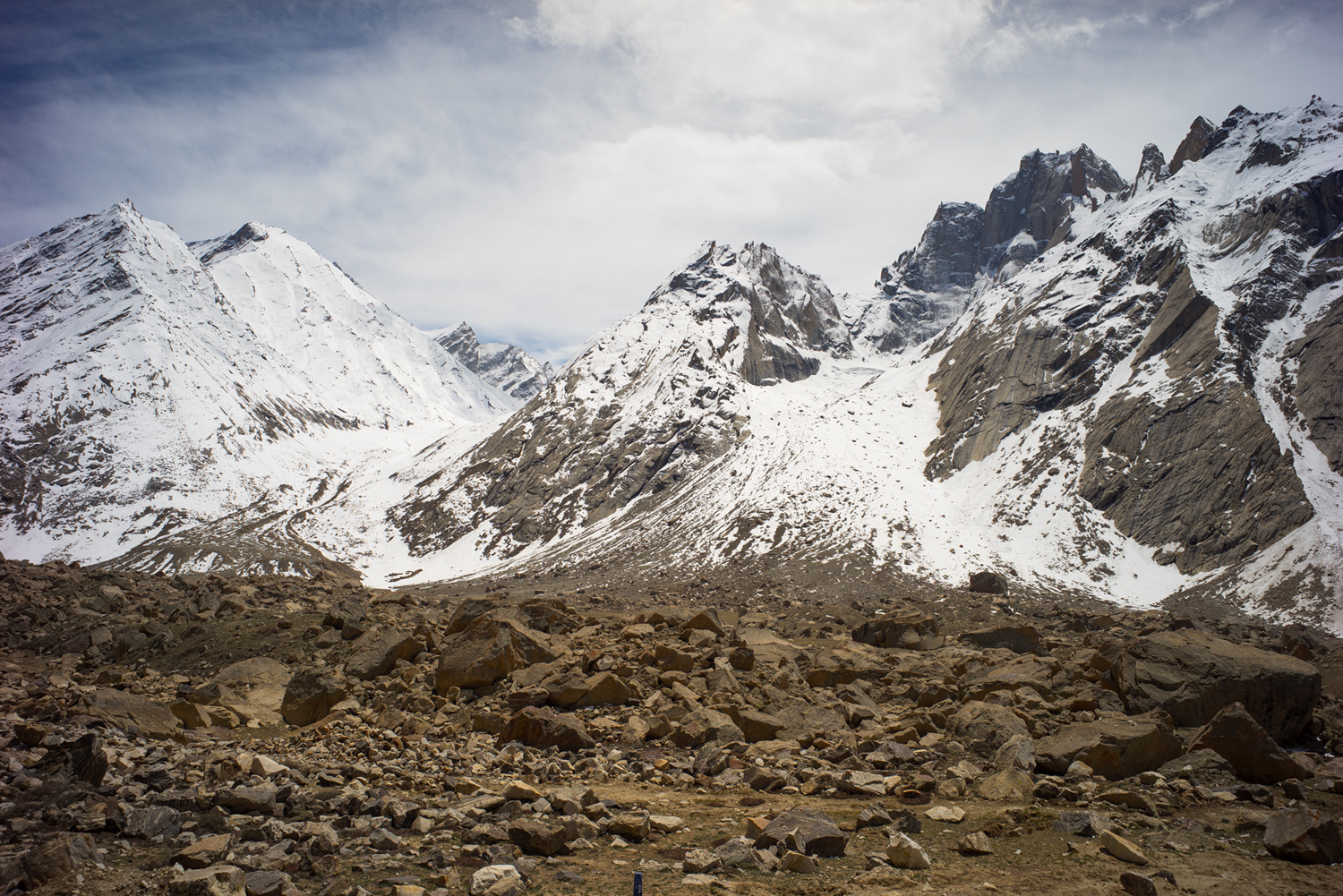
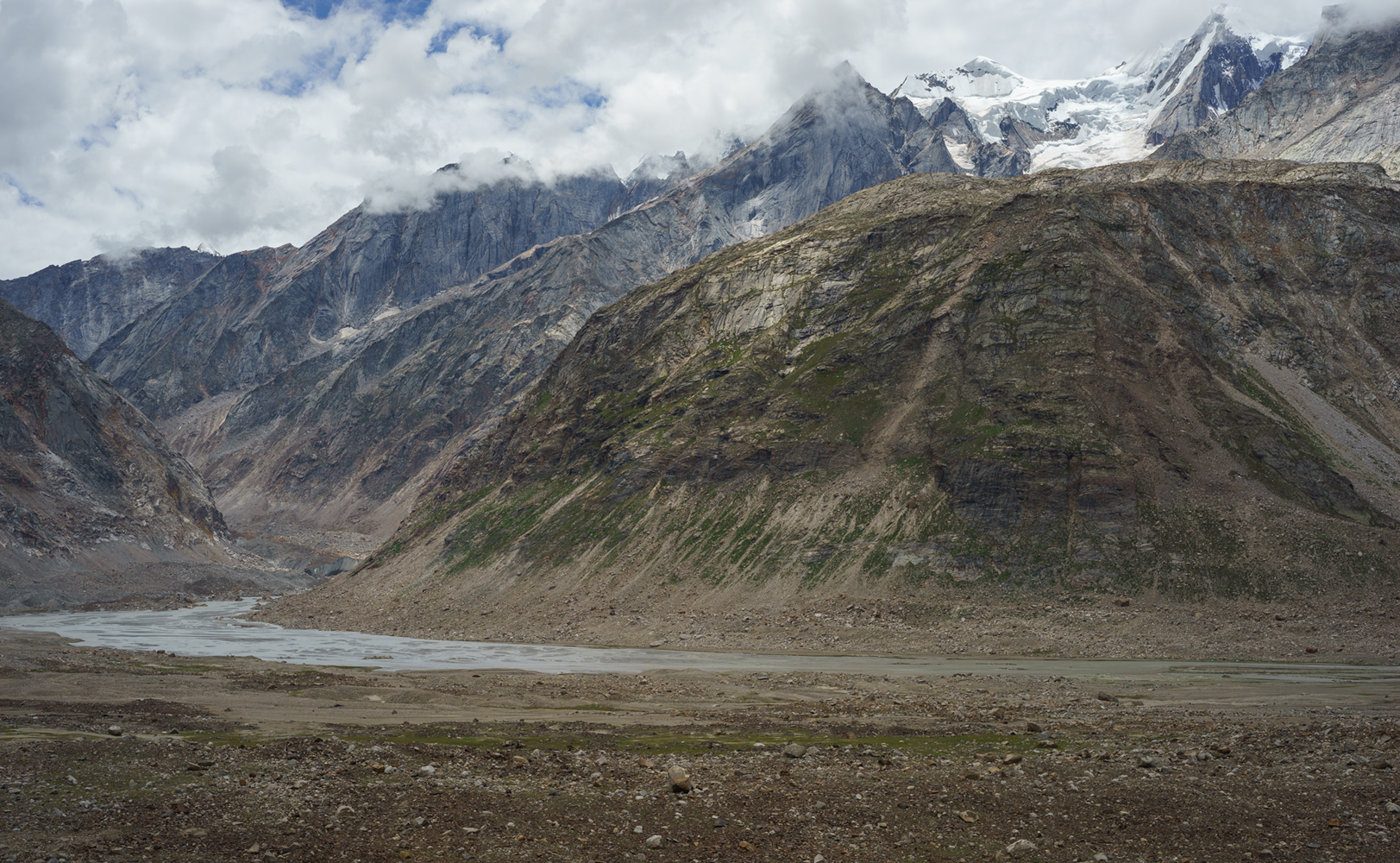
Here are two shot with a 50mm lens, bearing in mind I have never knowingly bought a lens that did not have excellent 3D. Once I see them fail in my light, they stay at home. You need excellent tonal gradation, a lot of texture and the right balance of lens sharpness and lens contrast, and very good color handling to complement the texture and contrast. I feel confident few modern lenses of the same focal length could emulate these images.
PS I want to add it helps if candidate images are above a certain size, for easy screen viewing. At least 1000px on the horizontal axis works well, more is often better as it helps the viewing eye to look past non-3D content.
PS2 Detail is important, because it is what our eyes see in the real world view of the subject matter the lens is trying to emulate.
The reason that dimensionality has become a big deal in cine is that - in an AI CGI world - the effect instills *trust* in the viewing of the image, whether it is moving or still. If you photograph in challenging light, the 3D lenses become your friends, not something to be 'managed' with its images in need of a lot of post work to restore them. People like natural, it turns out.
..
PS I want to add it helps if candidate images are above a certain size, for easy screen viewing. At least 1000px on the horizontal axis works well, more is often better as it helps the viewing eye to look past non-3D content.
PS2 Detail is important, because it is what our eyes see in the real world view of the subject matter the lens is trying to emulate.
The reason that dimensionality has become a big deal in cine is that - in an AI CGI world - the effect instills *trust* in the viewing of the image, whether it is moving or still. If you photograph in challenging light, the 3D lenses become your friends, not something to be 'managed' with its images in need of a lot of post work to restore them. People like natural, it turns out.
 |
||
 |
||
|
..
|
||
 |
||
|
Aug 24, 2026 at 07:43 PM
p.151 #19which lens has the most 3D POP?
philip_pj wrote:
Here are two shot with a 50mm lens, bearing in mind I have never knowingly bought a lens that did not have excellent 3D. Once I see them fail in my light, they stay at home. You need excellent tonal gradation, a lot of texture and the right balance of lens sharpness and lens contrast, and very good color handling to complement the texture and contrast. I feel confident few modern lenses of the same focal length could emulate these images.
PS I want to add it helps if candidate images are above a certain size, for easy screen viewing....Show more →
I'll have to ponder a bit, although in that second shot, the stream or river almost serves the same role a path or road would.
I have a weird feeling of deja vu, like we've had a similar conversation before. Where I say it's hard for me to think of a good place, where I normally photograph, where I can pull together a scene similar to those. No rocky mountains with sparse greenery in my area. Most of the scenery I shoot that would be similar, would be more tree covered mountains, not sharp edges in rocks etc.
Aug 24, 2026 at 08:03 PM

p.151 #20which lens has the most 3D POP?
Steve Spencer wrote:
I don't think it is as simple as a faster transition creates more 3D or some lenses create more 3D than other lenses.
Neither do I ... that is an example of but ONE attribute of the lens. As Fred also mentions micro-contrast differences, there is also the acutance of correction, as well as field curvature, etc. As those attributes work in combination with one another, the effects can have cumulative impact.
There's likely more to it than any ONE singular thing (human perception is capable of complexity), but while folks try to assign it to a single thing, they continue to run into saying, nope, not THAT ONE as an explanation ... and yet.
Just brainstorming for a moment, I'd be curious to see something like the Thypoch 28/1.4 vs. the Voigtlander 28/2 APO (both at f/2 or ) I'm sure that there is a good A:B combination out there, but I don't own the right pairing of glass to produce the dif's.
That said, I do think that the "abruptness" in which these transitions occur ... where such an abruptness of change occurs, that is a contributor to where folks get a "pop" (or sometimes a cutout look). Lenses that are gradual transition may still capture great dimensionality through micro-contrast, etc. ... but, if those transition rates / zones are gradual, slow, linear, etc. ... the "pop" isn't likely to present as well.
Here again, I think about the "natural" rendering approach of some glass ... notably the Typoch's that Phiilp presents. vs. the Voigt / Zeiss (C/Y or Zony), in terms of their predicate likelihood / magnitude differences ... resolution, aberration control, micro-contrast ... and the design capability for each as they transition across the frame. The soup mix is plentiful, so finding the pairing that has enough diff (hence the Heliar caught my attention) to satisfy (ha ha, like that'll happen) everyone on the matter remains elusive for some folks.
I don't think it is as simple as a faster transition creates more 3D or some lenses create more 3D than other lenses.
Neither do I ... that is an example of but ONE attribute of the lens. As Fred also mentions micro-contrast differences, there is also the acutance of correction, as well as field curvature, etc. As those attributes work in combination with one another, the effects can have cumulative impact.
There's likely more to it than any ONE singular thing (human perception is capable of complexity), but while folks try to assign it to a single thing, they continue to run into saying, nope, not THAT ONE as an explanation ... and yet.
Just brainstorming for a moment, I'd be curious to see something like the Thypoch 28/1.4 vs. the Voigtlander 28/2 APO (both at f/2 or
) I'm sure that there is a good A:B combination out there, but I don't own the right pairing of glass to produce the dif's.That said, I do think that the "abruptness" in which these transitions occur ... where such an abruptness of change occurs, that is a contributor to where folks get a "pop" (or sometimes a cutout look). Lenses that are gradual transition may still capture great dimensionality through micro-contrast, etc. ... but, if those transition rates / zones are gradual, slow, linear, etc. ... the "pop" isn't likely to present as well.
Here again, I think about the "natural" rendering approach of some glass ... notably the Typoch's that Phiilp presents. vs. the Voigt / Zeiss (C/Y or Zony), in terms of their predicate likelihood / magnitude differences ... resolution, aberration control, micro-contrast ... and the design capability for each as they transition across the frame. The soup mix is plentiful, so finding the pairing that has enough diff (hence the Heliar caught my attention) to satisfy (ha ha, like that'll happen) everyone on the matter remains elusive for some folks.
Aug 25, 2026 at 06:15 AM