I did a presentation at our local photography club this past Monday night and was about the history of cameras, camera basics, etc. One of the club members told me afterward that he had something for me. He was a member of the original photo club that has long since dissolved and he still had a some of the gear that the club had/used.
Below is what he gave me to "restore". It is in rough shape but mechanically seems to be ok. Lens functions, focal plane shutter in the rear still works, etc. Lot of cosmetic work to be done and best I can tell the bellows are ok. Lot of mildew smell so it is airing out in the garage for the time being. Going to start work on the tripod first.
Graflex Pacemaker Speed Graphic 4×5 and wood tripod, box with the dedicated flash, filters, lens hood, film holders, etc.
ndwgolf1 wrote:
I came across this thread and wanted to ask a question. I have just bought a new Nikon Zf (I get it on Tuesday in Malaysia). Yesterday I saw on eBay a Nikon 105mm f1.8 AIS for around $350 to 400 bucks so I asked my mate in KL if he could get me one in Malaysia..... He came back with Ive got one of these the Nikon 105mm f2.0 DC AF-D, so we got chatting and another mate of mine in KL said he has a Carl Zeiss Makro-Planar T* 2/100 ZF...............I cant afford all 3 but out of this bunch what would you recommend for portraiture ...Show more →
As a 105mm addict (it's the focal length with the largest representation by far in my modest collection at 4 Nikkors), I would probably go with the Makro-Planar first, based on its reputation (disclosure: I have never used this lens, but my Voigtlander 125/2.5 APO-Lanthar seems comparable). The 105/2 AF-DC will of course not AF on the ZF as it is a screw-drive lens, and is also pretty tough to nail focus, so I would probably go with the 105/1.8 as my second choice. I only just purchased my 105/2 AF-DC, and use it on my DF body, but the manual focus is far superior on the 105/1.8, not to mention that its a bit smaller than the DC lens (and also not to mention that the DC feature seems to be not incredibly useful, at least IMO)
Balsam Root, Balsamorhiza sp., is blooming in the Columbia Gorge. Oregon in foreground; Washington state on other side of the river. The vertical rock face sloping to the right is known locally as Coyote Wall. It showcases the Mosier syncline, a downwarping of the basalt flows of the Columbia River Basalt Group.
I made a quick trip to Greenville, SC on Saturday. This was my first visit there, but it won't be my last. It's a really cool city. How many cities have a waterfall downtown?
Balsam Root, Balsamorhiza sp., is blooming in the Columbia Gorge. Oregon in foreground; Washington state on other side of the river. The vertical rock face sloping to the right is known locally as Coyote Wall. It showcases the Mosier syncline, a downwarping of the basalt flows of the Columbia River Basalt Group.
AdaptedLenses wrote:
I find the 10.5cm f/2.5 S to be a bit clunkier to use, and there’s not much size advantage at that focal length, but the output looks pretty good.
Yes...the output does look good, in the right hands, such as yours.
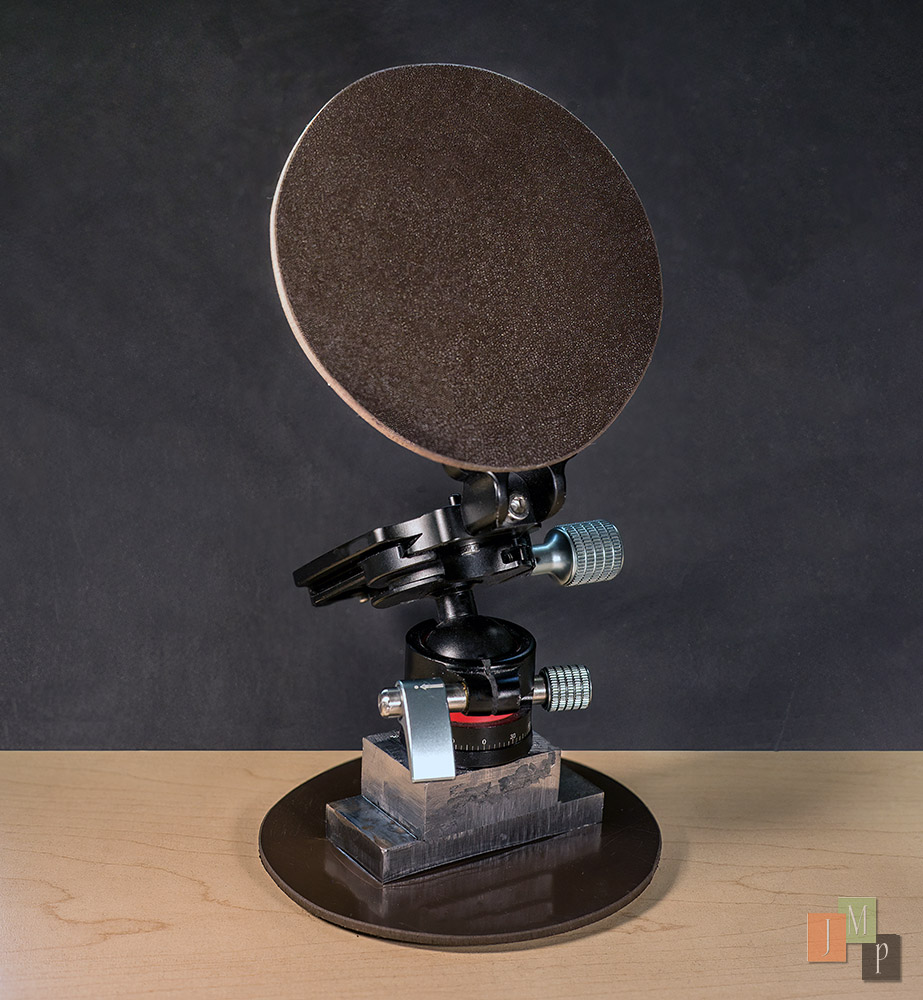
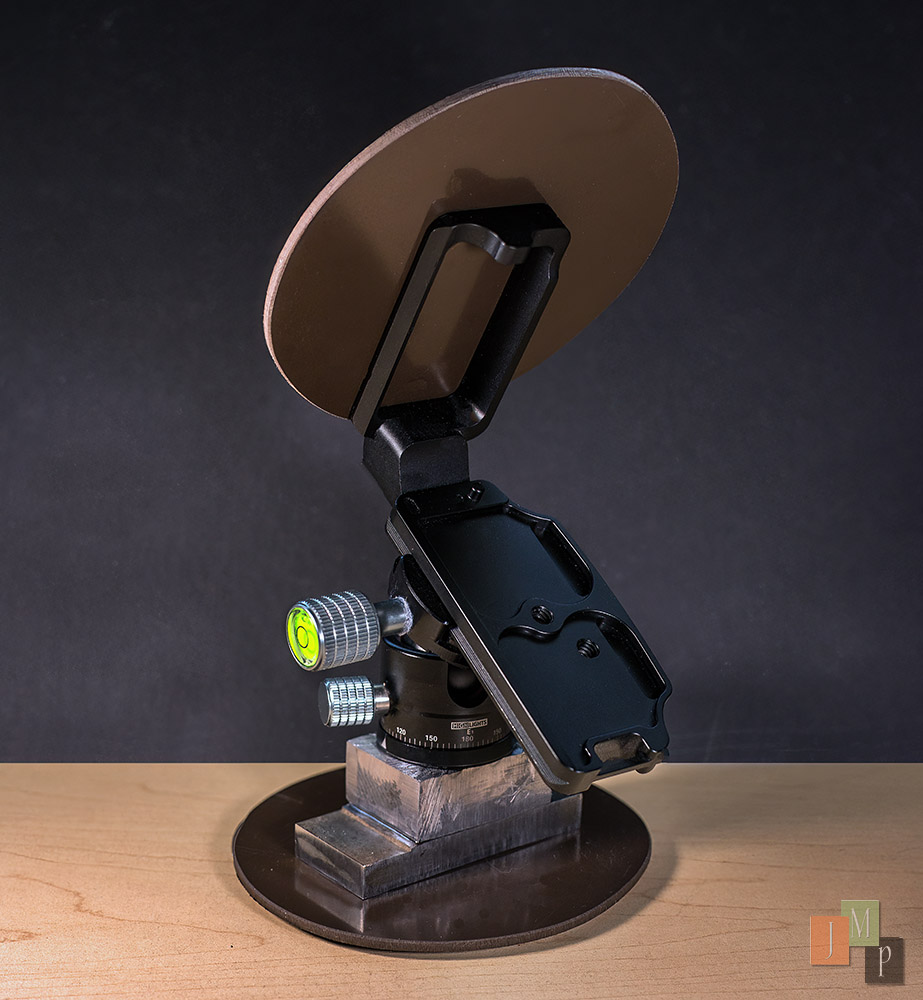
Got some bench time night before last. While I wait for the PS-5 to arrive so I can modify it to permanent film plane alignment - I built a macro stage that works in all positions out of spare bits. I really think this will make some subjects much easier to deal with, and will likely fashion addon attachments for securing subjects + various modified arca plates. It weights 802 grams, has a 5" oval base, a 4.75" circular stage, a single lever ball head with panning, and a left over D850 arca Swiss plate L-bracket. The stage can be 4.75" high when parallel to the table top, and can go beyond vertical if needs be - about 8" high max. A tap and die evenings result.