This is another "reality" topic from 1993. A famous photo that quite literally destroyed the photographer that took the image. Four months after being awarded the Pulitzer Prize for Feature Photography - he took his own life. Many years ago I read something he wrote that he believed he had lost his humanity trying to record the story, and not become a part of the story. He believed his response was inadequate, and about his thoughts while it was occurring right in front of him. To offer food or not - to seek help or not etc. Real life can be so poignant at times.
Kevin Carter's photo of the vulture and the little boy, Kong Nyong Story link here
James Markus wrote:
This is another "reality" topic from 1993. A famous photo that quite literally destroyed the photographer that took the image. Four months after being awarded the Pulitzer Prize for Feature Photography - he took his own life. Many years ago I read something he wrote that he believed he had lost his humanity trying to record the story, and not become a part of the story. He believed his response was inadequate, and about his thoughts while it was occurring right in front of him. To offer food or not - to seek help or not etc. Real life can be so poignant at times.
Poignant story. I think I remember reading about it at some point. On the one hand a photo like that can bring about awareness of such an issue, if the photographer has the reach. But I can sympathize with that photographer's turmoil afterwards.
I find myself turning away from taking a picture of a homeless person (unless someone willingly asked me to), as an example. Just to get a photo to post somewhere, or even if the photo did not get posted, I think it starts to becoming exploitative.
Samy I recall years ago my daughter had a High School project to document the homeless in NYC. We had a good morning until one person saw her taking his picture and he snapped. Violently! He had real anger and real issues. He saw me and he stood his ground fortunately. They have their own culture and rules. So I agree with your assessment in asking or being invited to shoot a picture.
saph wrote:
Poignant story. I think I remember reading about it at some point. On the one hand a photo like that can bring about awareness of such an issue, if the photographer has the reach. But I can sympathize with that photographer's turmoil afterwards.
I find myself turning away from taking a picture of a homeless person (unless someone willingly asked me to), as an example. Just to get a photo to post somewhere, or even if the photo did not get posted, I think it starts to becoming exploitative.
Ken,
I use to let whoever I was interested in photographing know who I was, what the photo was to be used for, and the paper I represented. If they objected, I didn't shoot the picture. If it was for a specific product (marketing produced content) I carried release forms for that product. I got the idea from reading Dorothea Lange's account of her years shooting for the government farm bureau, but for her most famous photograph, "Migrant Mother," of a Pea Picker - the subject never consented to the photo and remained very angry her whole life that the most famous photo in history documented the lowest point of her life. Even when that photo paid for medical treatment near the end of her life. So asking for permission I found to be the best policy. Street photography (capturing people who are unaware) is something I really struggle with - I am always looking for a shot that the people are unidentifiable.
Jim
Ken Hill wrote:
Samy I recall years ago my daughter had a High School project to document the homeless in NYC. We had a good morning until one person saw her taking his picture and he snapped. Violently! He had real anger and real issues. He saw me and he stood his ground fortunately. They have their own culture and rules. So I agree with your assessment in asking or being invited to shoot a picture.
I'm just thankful that I have no trouble with needing the permission of landscapes, trees, rivers, inanimate objects, or flowers to take their pictures; and the owners of classic cars want their cars' pictures taken! I'm also glad that I generally don't want people in my photos, and that I am not tasked with photographically documenting the tragic and demoralizing features of the human condition. I certainly do not envy that young man who apparently couldn't continue to live with his traumatic moral injury. As a trauma counsellor to military veterans and first responders I am confronted with moral injuries every day, and they are a truly harsh fact of many people's lives.
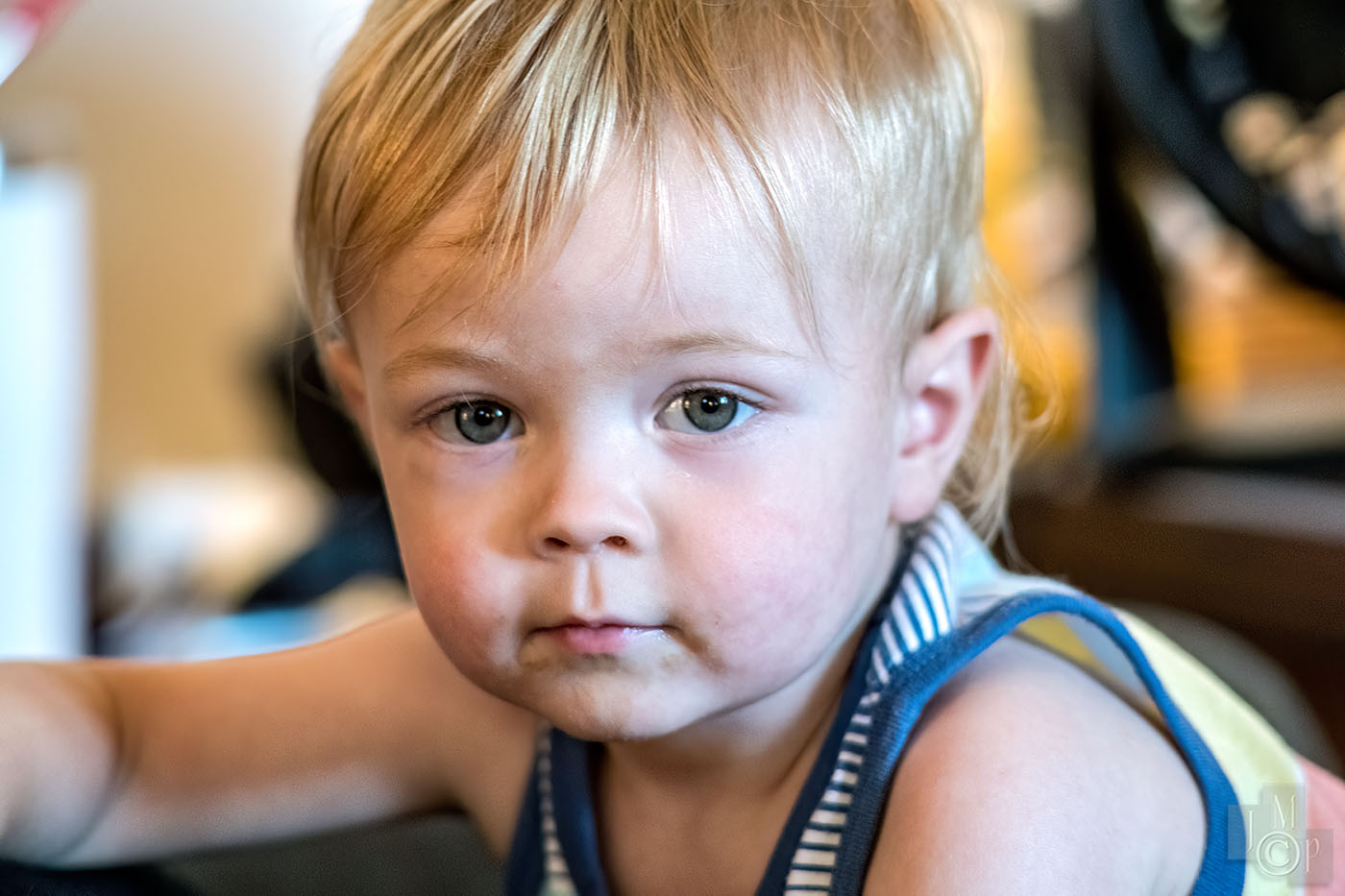
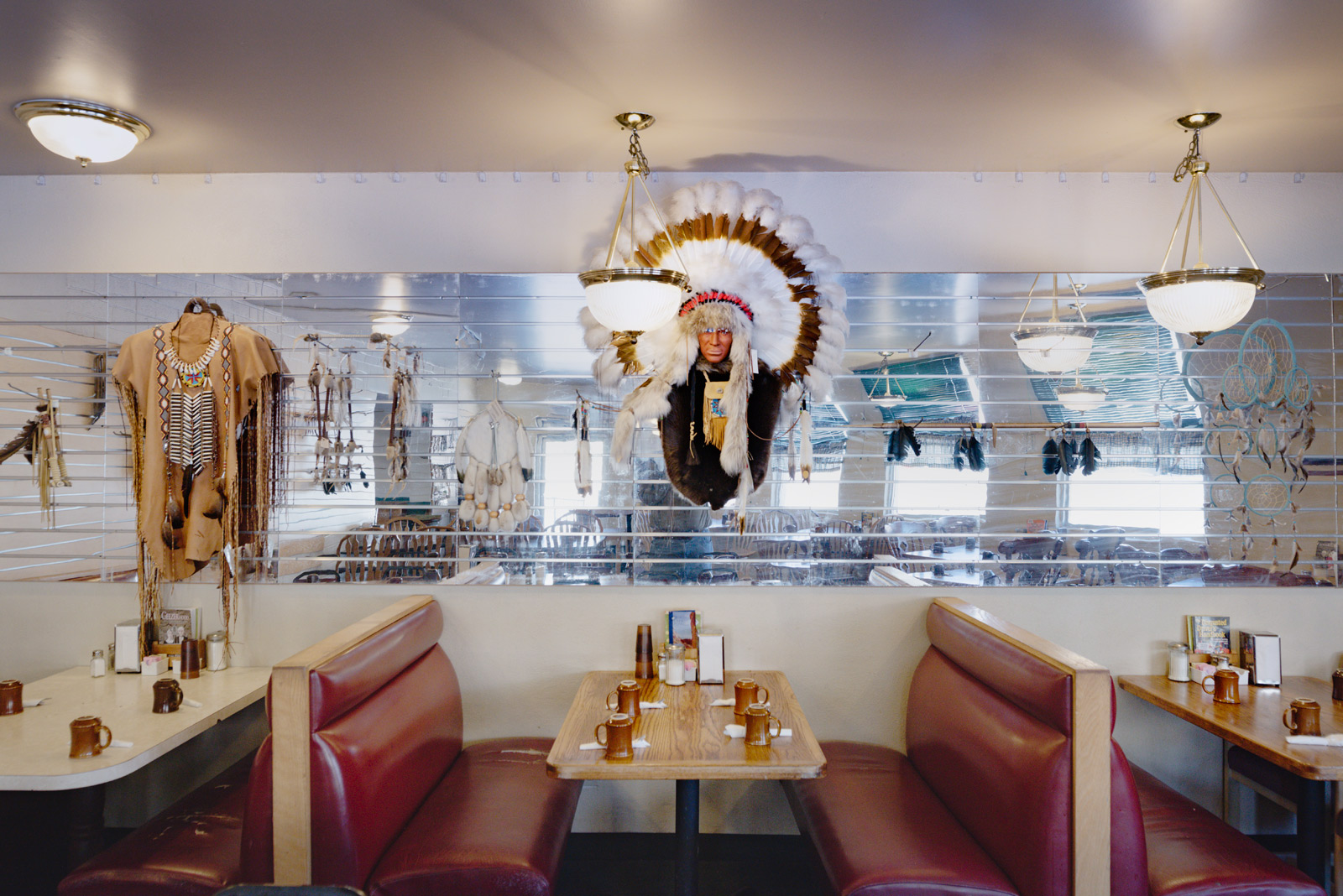
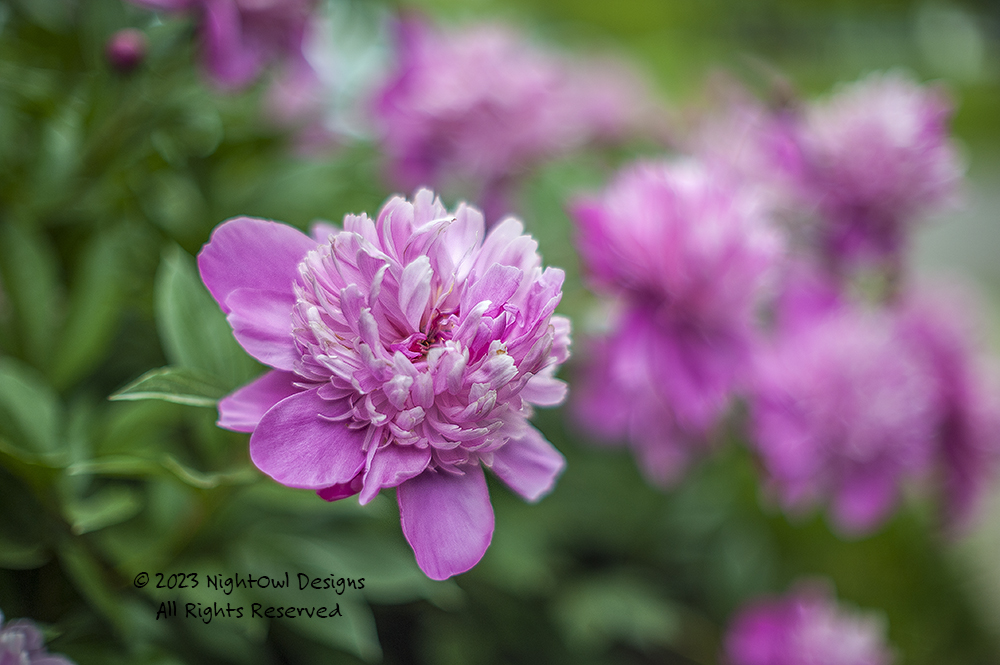
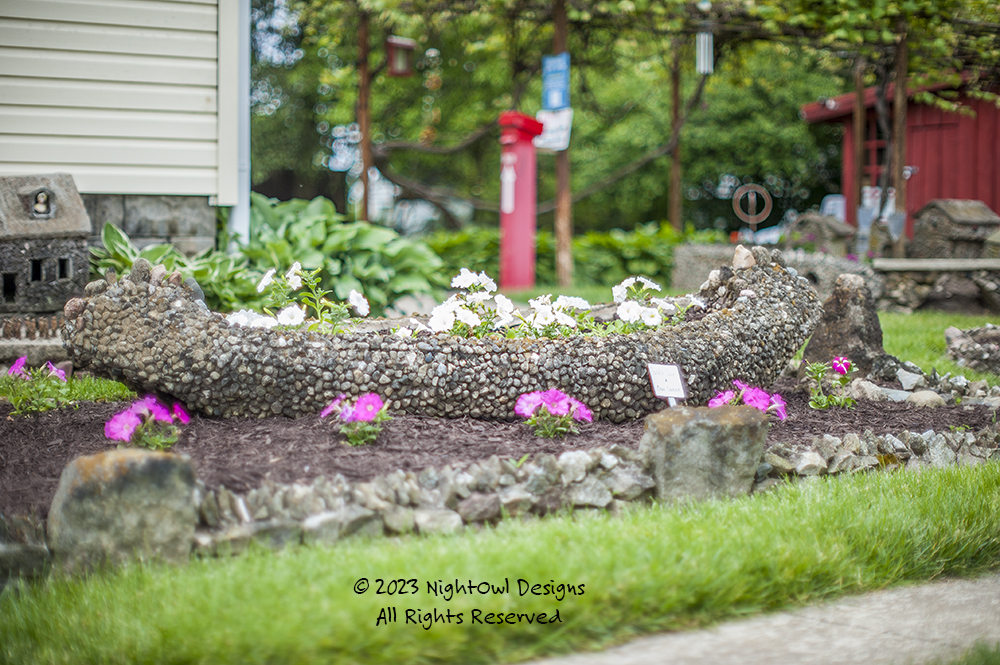
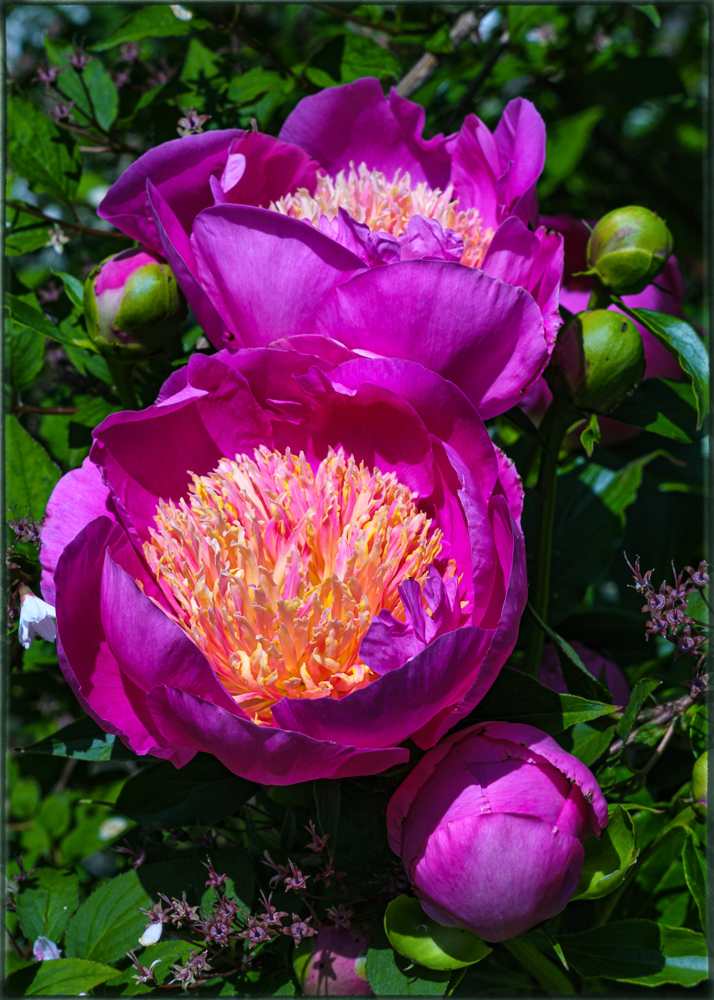
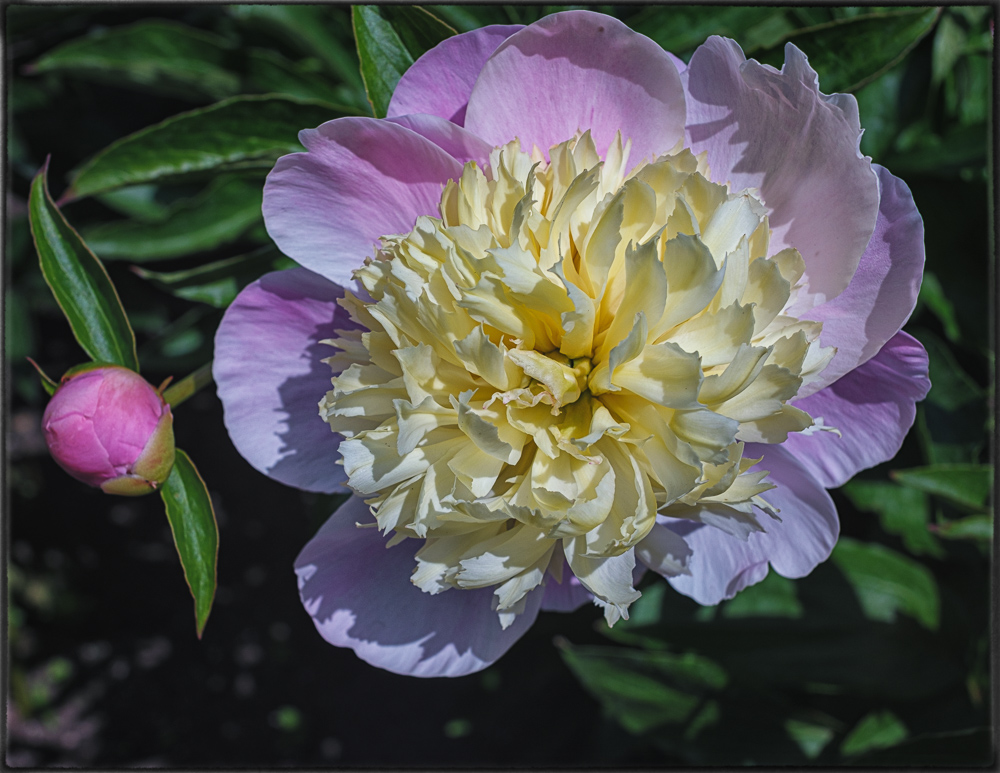
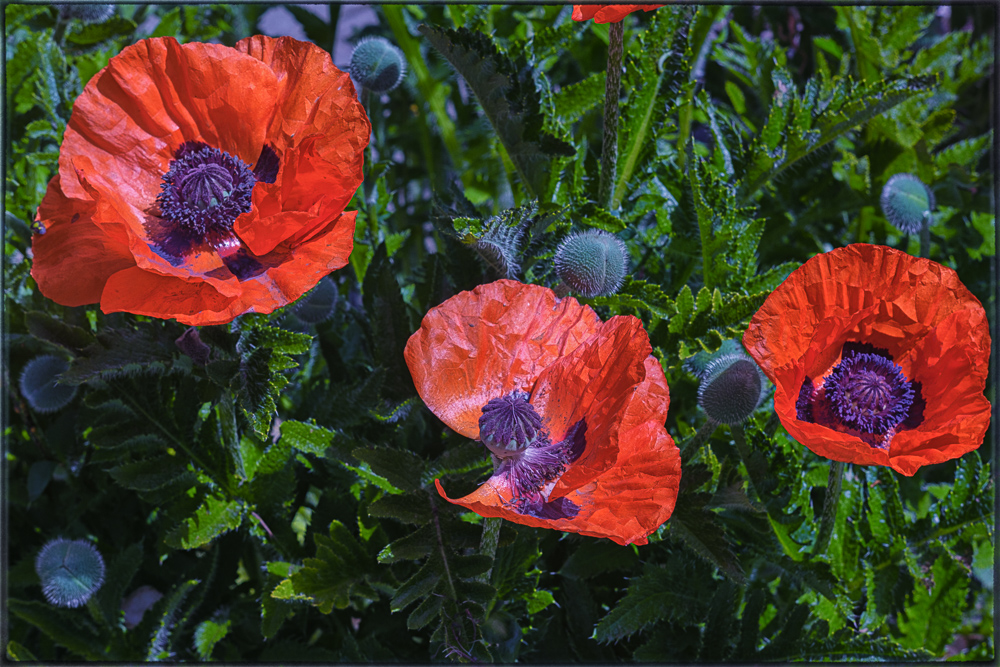
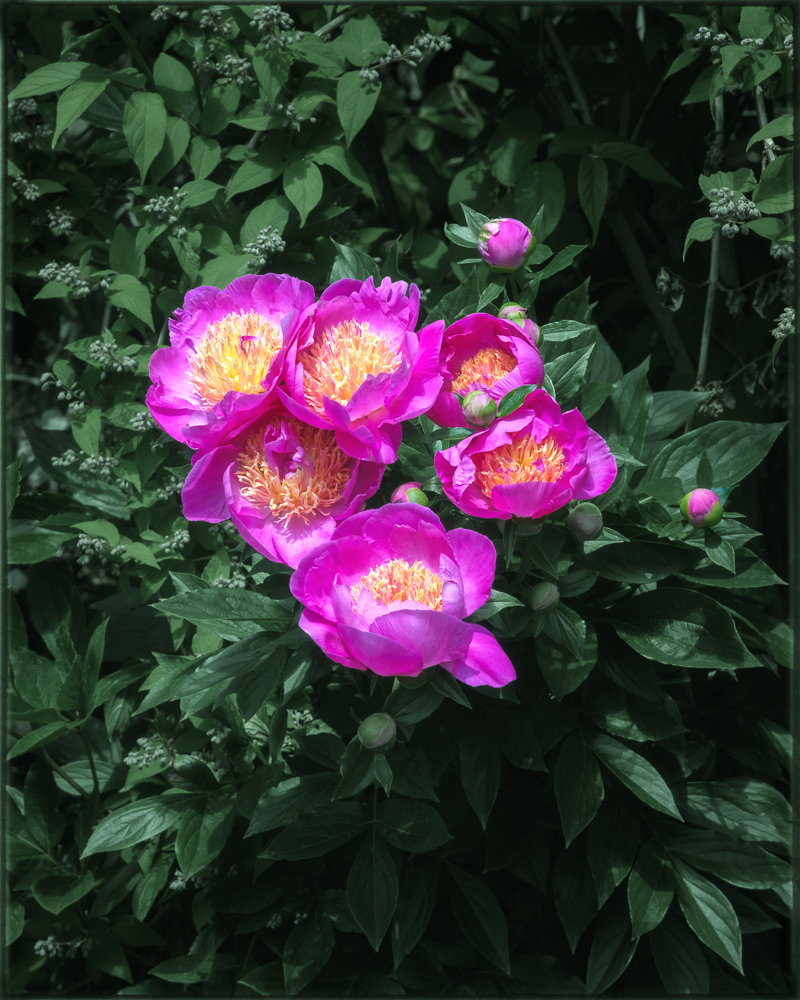
Now, getting back to less solemn material, here are a few photos of some flowers (mainly peonies, plus some poppies) at Victoria, BC's overpriced tourist trap, Butchart Gardens, all from the X-T4 with either the 105 f/2.5 P (first, third and fourth images) or the 28-50 f/3.5 Ai-s (second shot).
I've been reading quite a bit about this AI stuff and have thoughts forming, good to see some of it discussed here. I did try out the Photoshop AI fix on an AF shot I'll get back to later, and share the result later on the "AF for Nikon MF" (something to that effect) thread.
That's a sad story, James, about the prize winning photographer. I've never heard that story before, and it still resonates. I don't do homeless or strangers (unless they are part of the scene but not the story) and even then I'm hesitant. I won't judge others, but since I personally don't like being the subject in photos, I apply the golden rule approach when I am behind the lens.
Back to happy pictures (for me anyway) here's a couple of shots of the "local watering hole". I was way underlensed (yes, I made the word up) so these large crops of Z5 pics with the 135 f3.5 Q Non-AI that was crudely AI'ed by some previous owner.
I found a lens I had mis-placed today (it happens ) - the 135mm f2.0 ai. Paired with the D850 and the TC-16a made for a 216mm (EFL) portrait lens which I thoroughly enjoyed.
I hesitated taking this topic further, but it does relate to everyday photography a bunch of us do. I do take photos of people in general, in the public space. But if someone objects I will definitely respect their wishes. And certainly anyone (or animal) in any kind of distress is out of bounds.
Landscapes, architecture, that's correct they don't demand a release form. Neither do birds. Wait, birds do decide whether to consent or not There was a heron a couple days ago that seemed to turn its beak away in annoyance. I do think I got some pics of it with its full profile, will know when the film scans show up. Another heron a week of so ago I also thought was turning away from me except it was going after a good size fish it came up with.
mjgphotoz wrote:
Serge! Awesome. I have mentioned my rather blah view of fisheys, but you and Rafael along with a few other skilled users here absolutely knock it out of the park! Well handled and love it!
Mary
Mary, many thanks for the super nice comments.
The 16/3.5 is a superb piece of glass that I try to use as often as opportunities allow. It is a different sort of beast but is fun to use.
Edinburgh Castle, the most besieged castle in Europe plus attacked to less than 23 times. It has been destroyed and rebuilt several times over the centuries. Today, the oldest structure is the St. Margaret of Scotland Chapel, ca1130.
The following were taken two days later, it was an extremely windy day.
Entrance to The Great Hall, completed in 1511 for King James IV.
There is ai in Photoshop's sharpening, but it may not be what you expect. Sharpening in Photoshop is accomplished by a process of "UnSharp Masking" (USM). It literally makes edges less sharp, then adds a outline of lighter colored pixels to both sides of that edge to add contrast to the edge. Your brain (the real ai) sees it as sharper. So, it is a trick.
saph wrote:
Come to think about it, I am sure there's AI in any sharpening that Photoshop applies.
James Markus wrote:
There is ai in Photoshop's sharpening, but it may not be what you expect. Sharpening in Photoshop is accomplished by a process of "UnSharp Masking" (USM). It literally makes edges less sharp, then adds a outline of lighter colored pixels to both sides of that edge to add contrast to the edge. Your brain (the real ai) sees it as sharper. So, it is a trick.
Jim any AI in my brain is getting less and less sharp every year But thanks for the explanation. I should look at the after sharpening in 100% to check that out.




 ) - the 135mm f2.0 ai. Paired with the D850 and the TC-16a made for a 216mm (EFL) portrait lens which I thoroughly enjoyed.