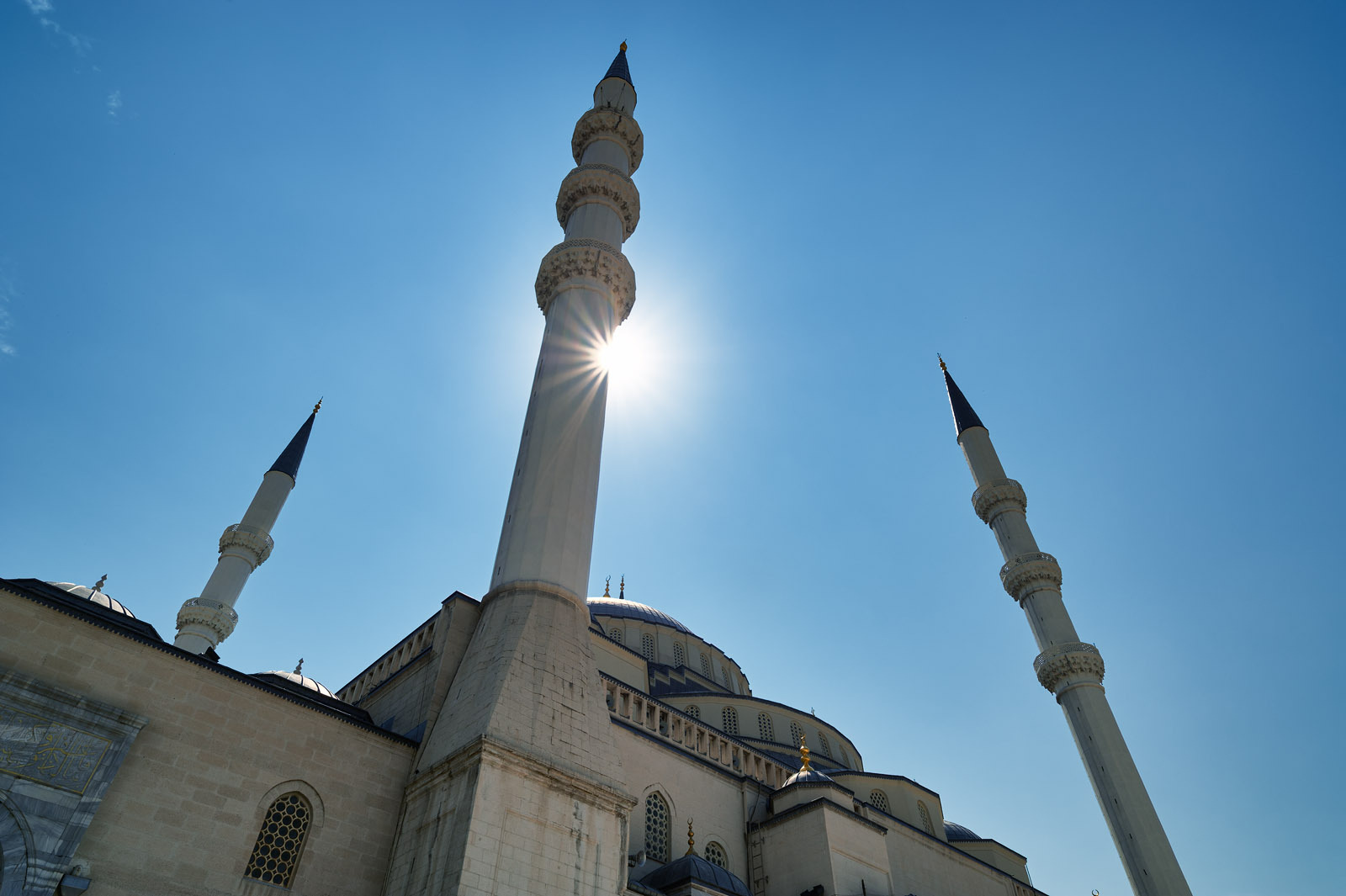
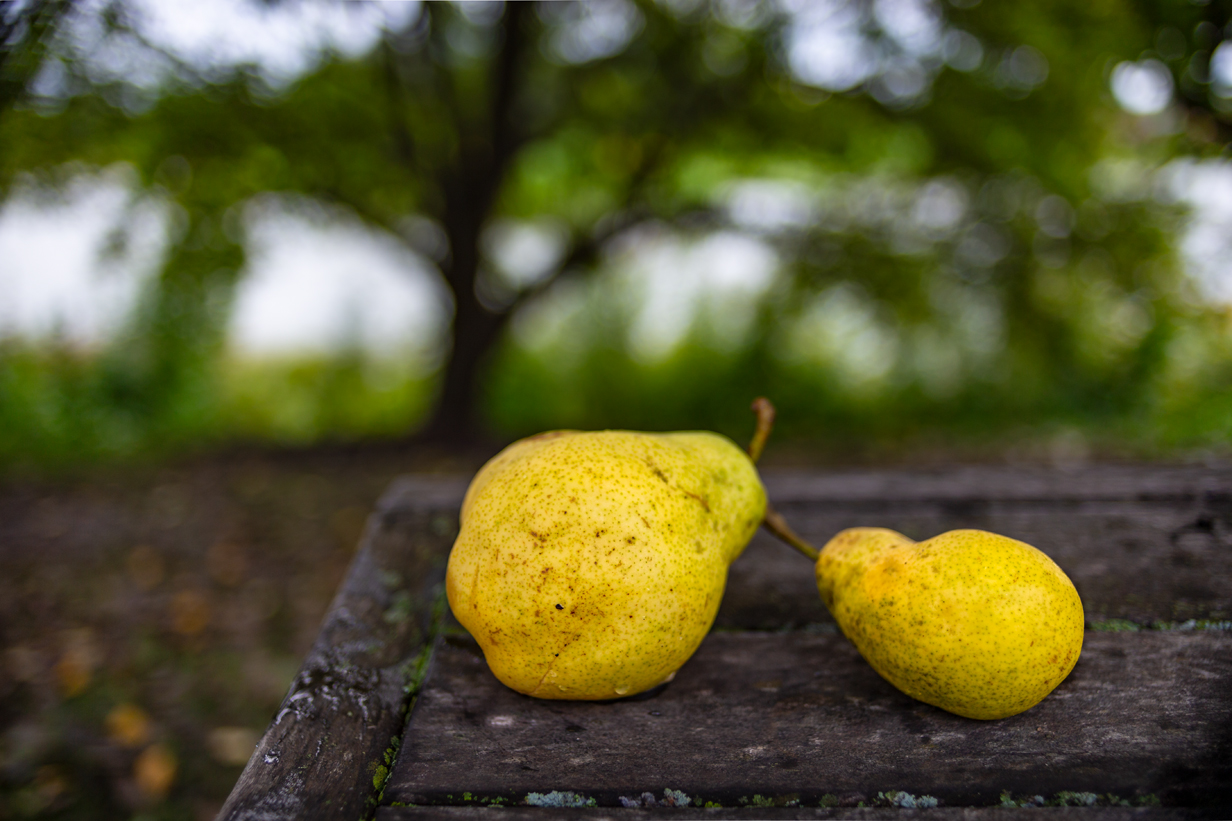
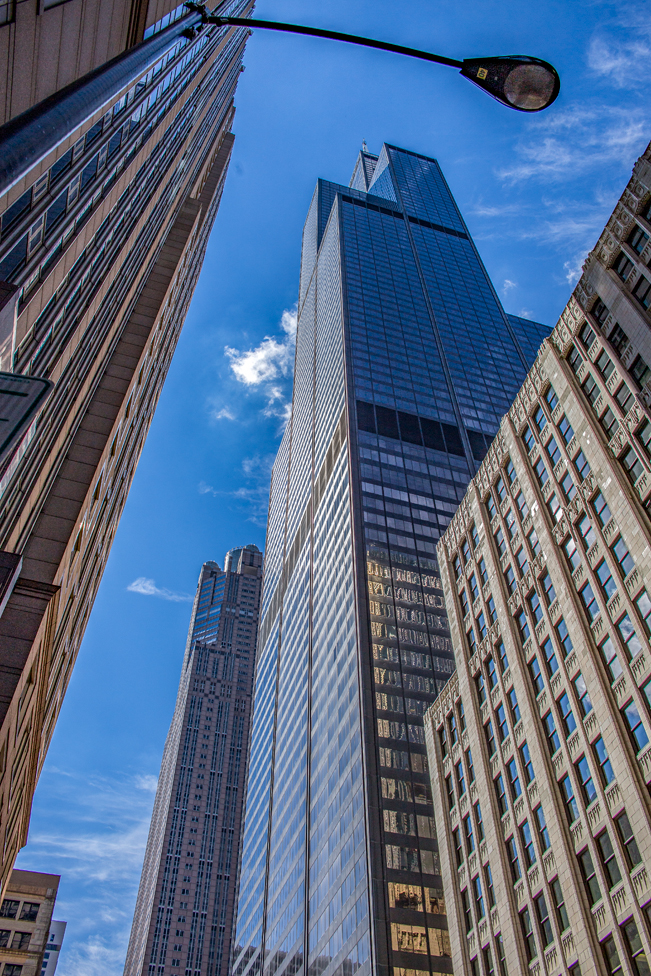
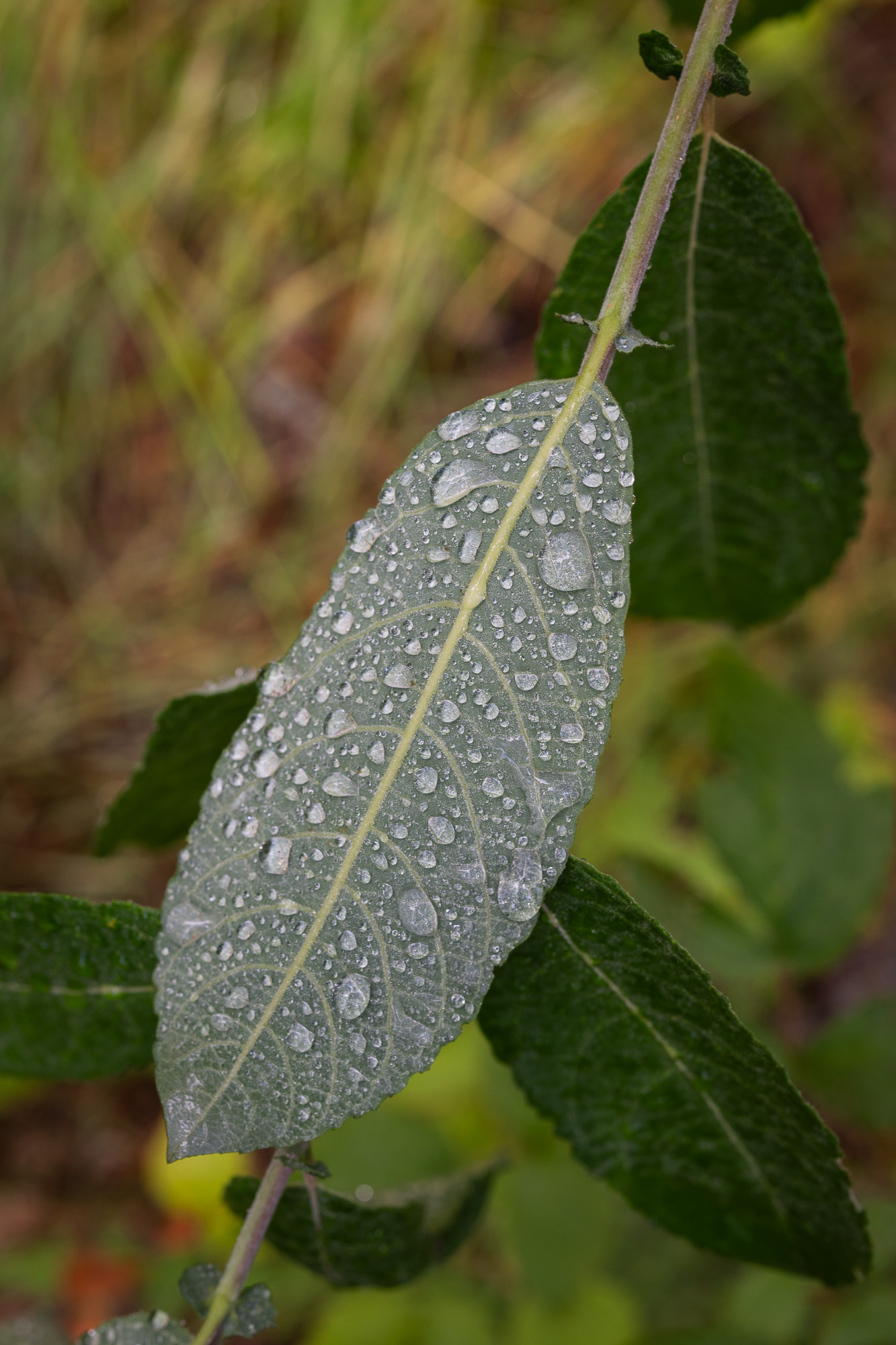
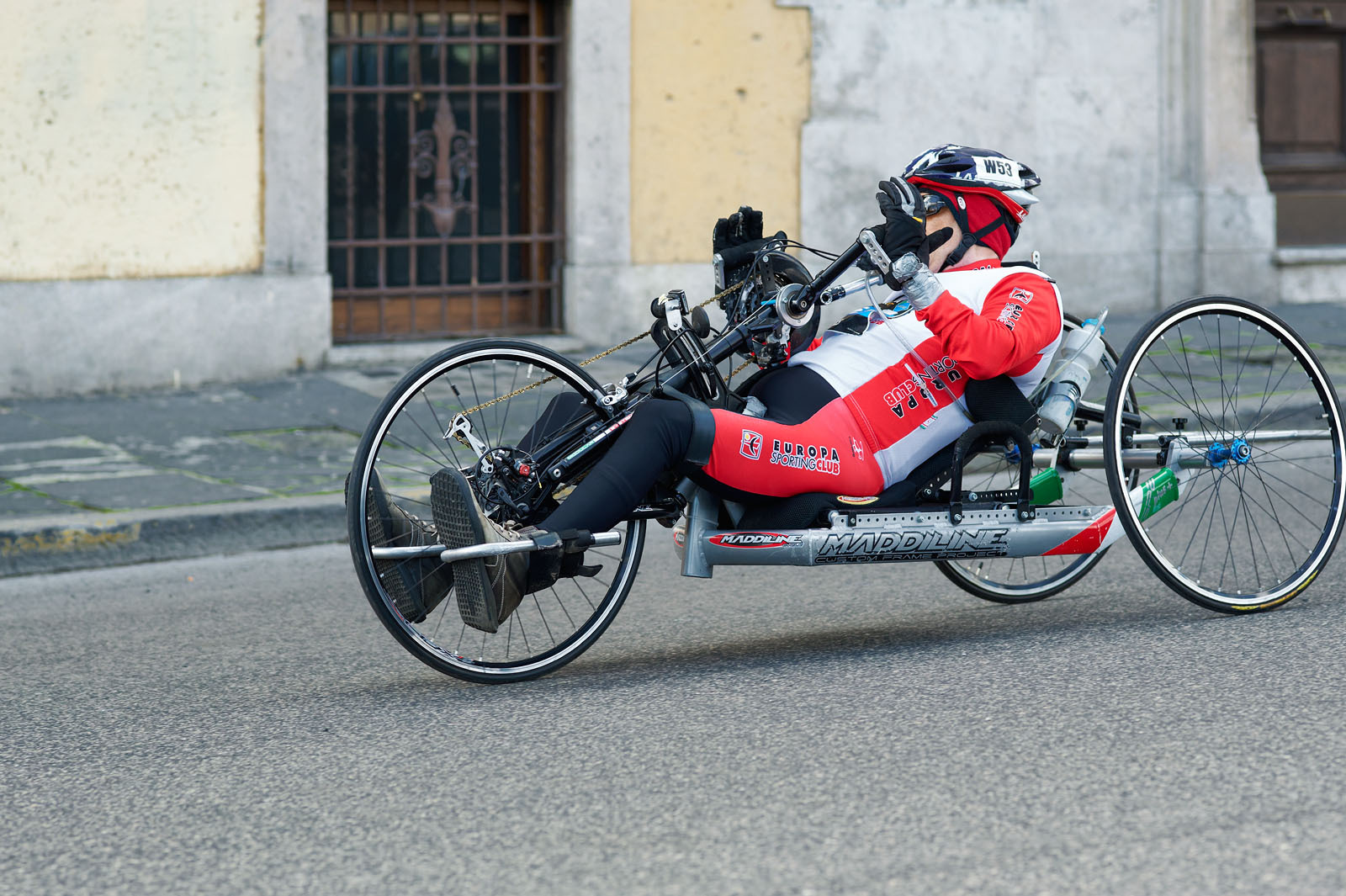
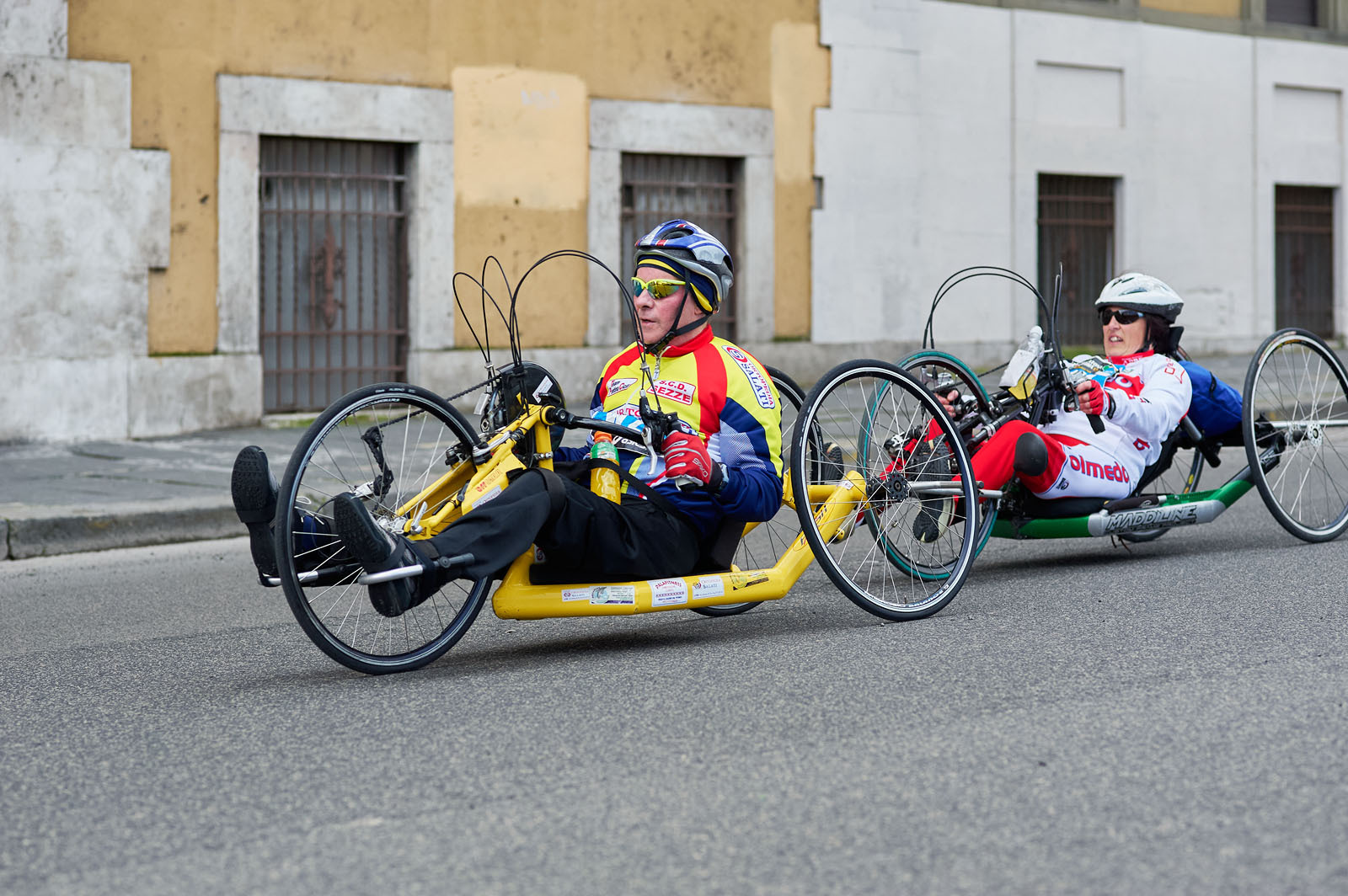
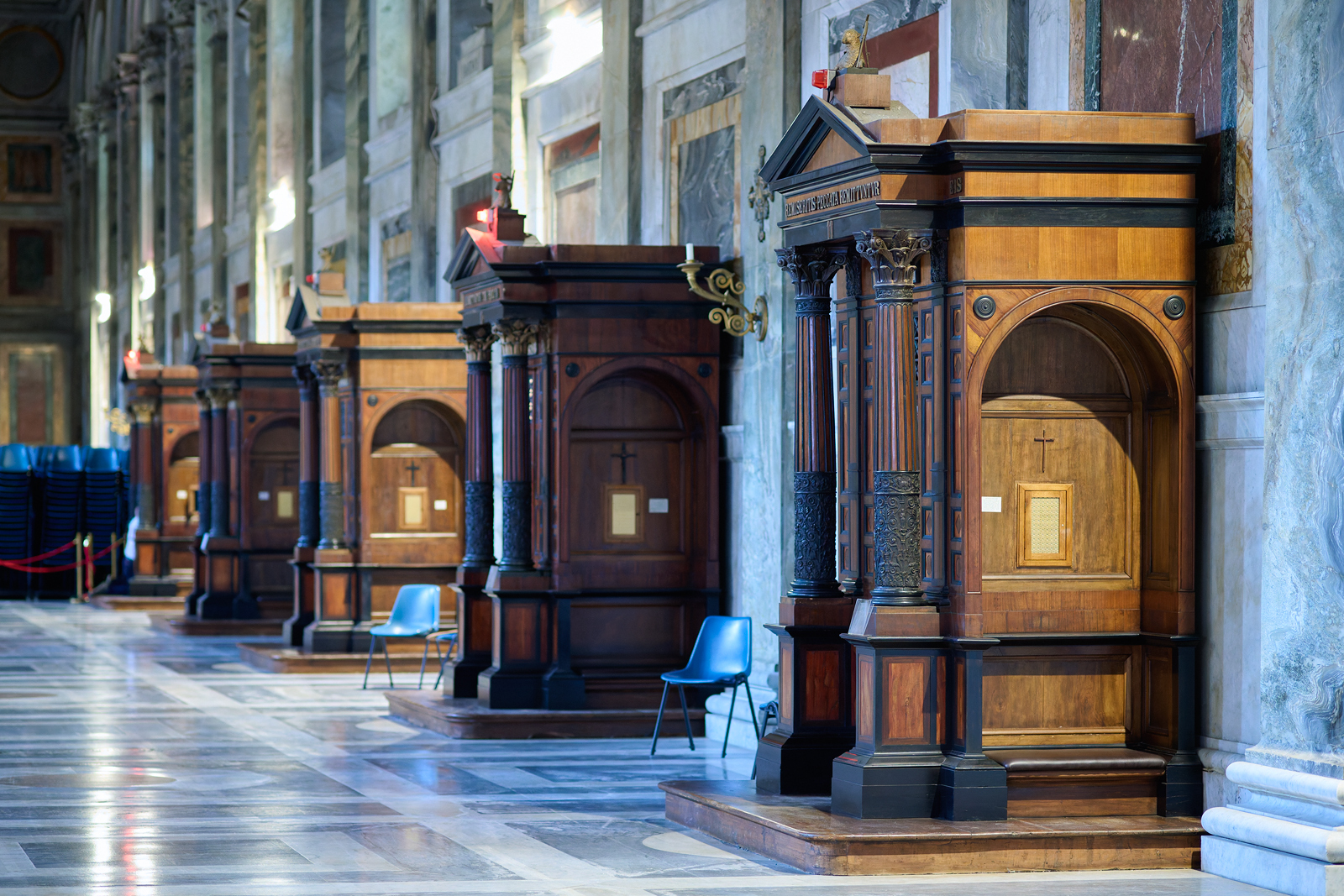
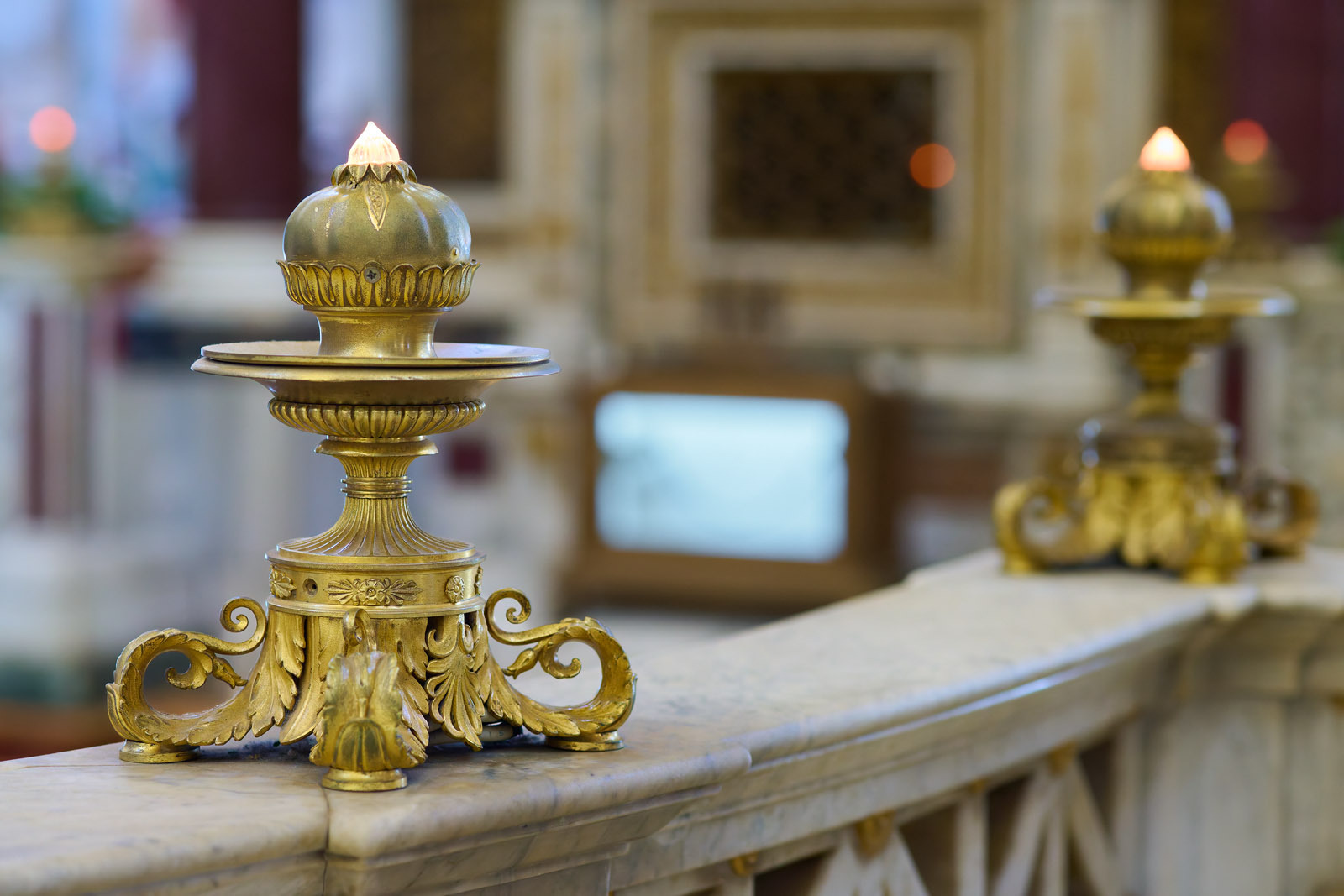
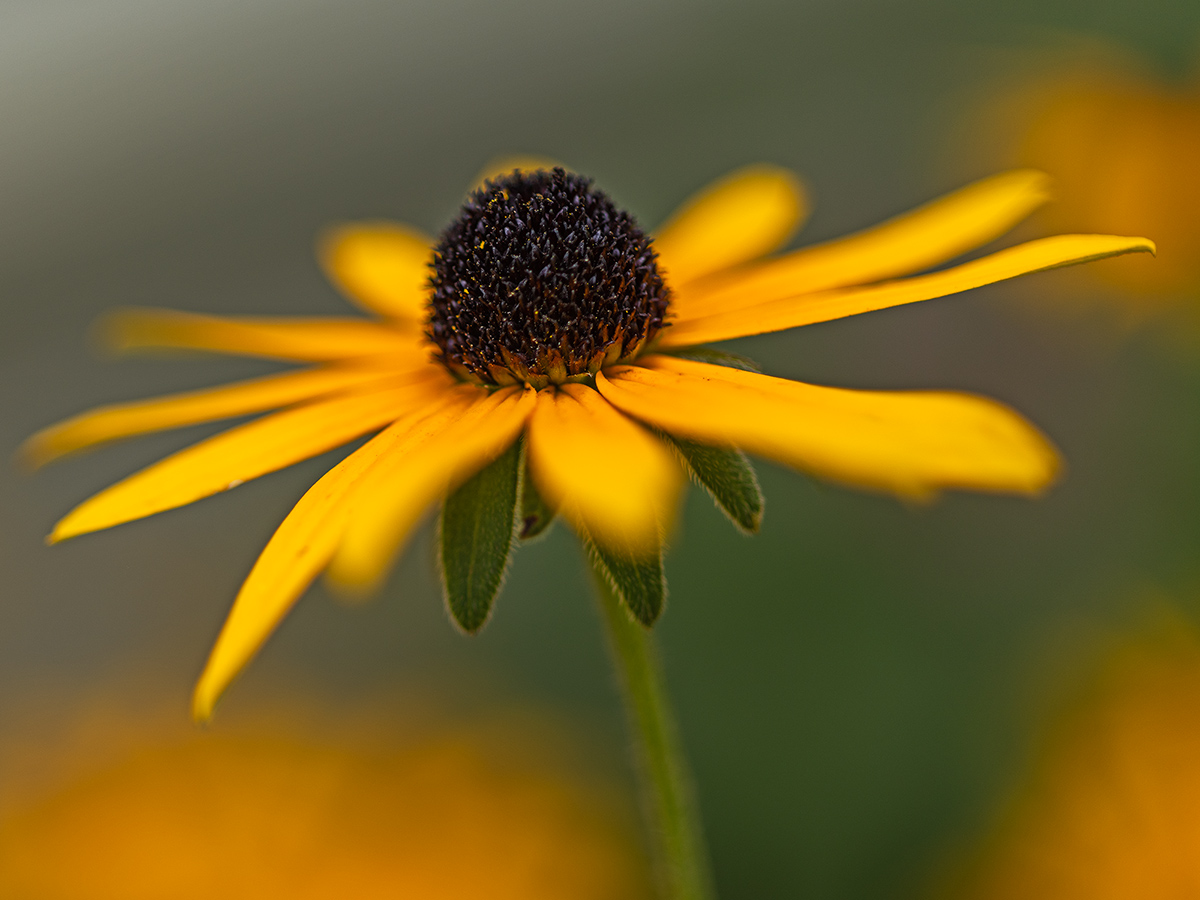
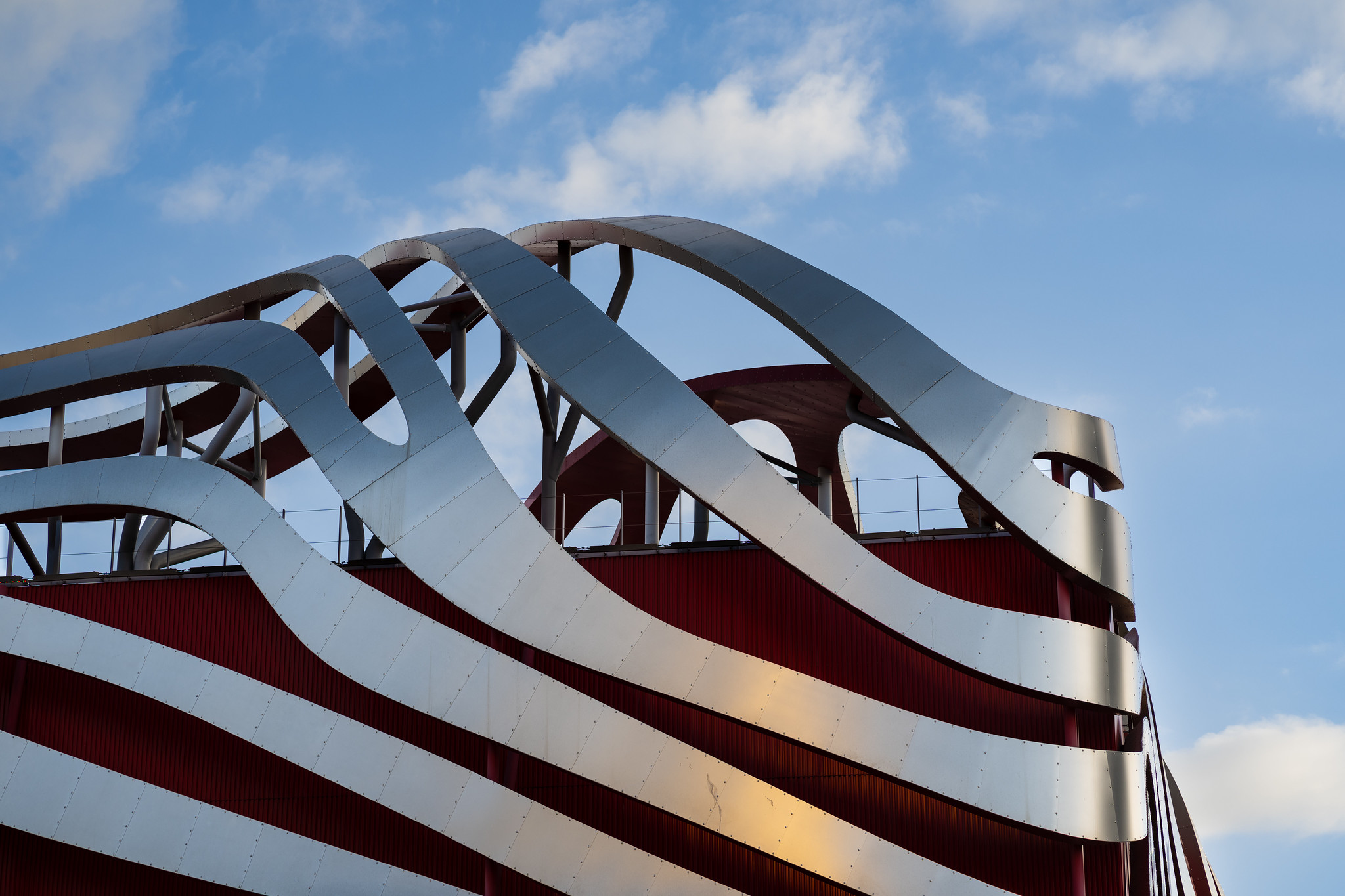
Got a mint copy of the 85 Classic Planar after trying the original Contax version again recently and being disappointed by it after having loved it years ago. Wasn't expecting much, especially since it's basically the same lens design, just with all the screws metaphorically tightened... but wow, I am blown away. Quite frankly the results make me question the relatively unimpressive MTF charts.
These images don't ask a lot of the high spatial frequency data, low frequencies and contrast carry the day here. Apparently the only major change I can find CY -> ZF were new coatings, no APD glass and importantly, no lead oxide. They are of course portrait lenses, the CY being closely related to the Zeiss Super Speeds in coatings, glass and designs. And lovely lead oxide as the main ingredient.
philip_pj wrote:
These images don't ask a lot of the high spatial frequency data, low frequencies and contrast carry the day here. Apparently the only major change I can find CY -> ZF were new coatings, no APD glass and importantly, no lead oxide. They are of course portrait lenses, the CY being closely related to the Zeiss Super Speeds in coatings, glass and designs. And lovely lead oxide as the main ingredient.
The change from CY to ZE/ZF very much depends on the lens. Some lenses changed very little (e.g., 28 f/2, 50 f/1.4, 85 f/1.4) other lenses changed a lot (e.g., 18 f/4, 25 f/2.8, 135 f/2).
Several of the CY mount Zeiss lenses had APD glass. These include the 21 f/2.8, the 200 f/2.8 APO, the 300 f/2.8 APO, the 28-70 f/3.5-4.5, and the 100-300 f/4.5-5.6.
The Zeiss ZE/ZF mount lenses had a number with APD glass (e.g., the 35 f/2, 100 f/2 Makro, 135 f/2 APO) but many of them didn't have APD glass at all (28 f/2, 50 f/2 Makro, 50 f/1.4, & 85 f/1.4).
Simply put the distinction between CY and ZE/ZF is sometimes hardly any difference and sometimes a major difference. So much so that it really doesn't make much sense, IMO, to talk in generalities about the differences in the lines of lenses, but rather one needs to talk about differences (minor or major) between specific lenses.
Finally, the link you posted is very old and needs to be taken with a grain of salt as they acknowledge obtaining good focus with DSLRs in their testing was very difficult. Fortunately, with mirrorless cameras now, obtaining good focus has become really easy and especially so with the focus aids for Canon that I use and I presume it is pretty easy with the Nikon focus aids too. That changes the analysis a lot. I have zero issues focussing my Milvus 85 f/1.4 at f/1.4 for portraits on my Canon R5 II. It is easy peasy to get focus even with the thin depth of field right on the iris. In that link they had a hard time differentiating between lack of sharpness and focus errors. That is no longer an issue with manual focus lenses.
They were very different - the CY mainstream lenses - from the latter ZEF lenses, to long term stills and cine users of the former range. Recall that the CY range began in 1973 and was populated quickly. Maybe you don't agree that 33 years - a massive time span in optical tech (broadly defined) - makes a difference here, so we must disagree.
It was a time of rapid consolidation by Carl Zeiss and it paralleled the development of the magical Super Speed range of cine lenses (1975). The major common ingredient was lead oxide, which for this class of lenses was 45-65%. Those SS lenses, now in huge demand, used the same basic formulas in glass types - they render very similarly, and they appealed to more artistically oriented cine users:
'Zeiss Contax (C/Y) lenses developed an even more enduring cult and prestige status (than the off-the-shelf ZFs used by early DSLR users) specifically for their classic, organic vintage rendering, neutral-yet-rich color science, and cinematic "Contax Zeiss" look (frequently sought after for full-frame vintage rehousings and custom CT.Pro-style conversions).' So they noticed too!
The industry took years to find its feet with new glass formulations to comply with the mandated removal of lead oxide. The catalog of Schott had been decimated - it was reduced, by some accounts, by 75% in the glass types the glass works could offer its clients.
Zeiss only used APD glass very late in the CY era, certainly for the prime lenses outside the exotic telephotos. 21/2.8 - 1994, and 100-300 - 1994 also. The APD glass and forced design recalibrations changed everything internally to the otherwise similar designs - you can't take out half the lenses' 'flint glass' composition and have it be otherwise! It's effectively traditional crystal..
'High Refractive Index and Brilliance: The inclusion of metal oxides increases the material's density, bending and dispersing light more sharply than regular glass. This creates "sparkle" and high clarity.'
The link I posted is for those with an interest in Zeiss lenses, it does not have to include you, and your dismissive comment is noted for this kind of lens comparison - sorely needed today. I made no reference to focus ease. but yes, of course - easier for all of them. cheers.
The change from CY to ZE/ZF very much depends on the lens. Some lenses changed very little (e.g., 28 f/2, 50 f/1.4, 85 f/1.4) other lenses changed a lot (e.g., 18 f/4, 25 f/2.8, 135 f/2).
Several of the CY mount Zeiss lenses had APD glass. These include the 21 f/2.8, the 200 f/2.8 APO, the 300 f/2.8 APO, the 28-70 f/3.5-4.5, and the 100-300 f/4.5-5.6.
The Zeiss ZE/ZF mount lenses had a number with APD glass (e.g., the 35 f/2, 100 f/2 Makro, 135 f/2 APO) but many of them didn't have APD glass at all (28 f/2, 50 f/2 Makro, 50 f/1.4, & 85 f/1.4).
Simply put the distinction between CY and ZE/ZF is sometimes hardly any difference and sometimes a major difference. So much so that it really doesn't make much sense, IMO, to talk in generalities about the differences in the lines of lenses, but rather one needs to talk about differences (minor or major) between specific lenses.
Finally, the link you posted is very old and needs to be taken with a grain of salt as they acknowledge obtaining good focus with DSLRs in their testing was very difficult. Fortunately, with mirrorless cameras now, obtaining good focus has become really easy and especially so with the focus aids for Canon that I use and I presume it is pretty easy with the Nikon focus aids too. That changes the analysis a lot. I have zero issues focussing my Milvus 85 f/1.4 at f/1.4 for portraits on my Canon R5 II. It is easy peasy to get focus even with the thin depth of field right on the iris. In that link they had a hard time differentiating between lack of sharpness and focus errors. That is no longer an issue with manual focus lenses....Show more →
I agree with your assessment. I recently bought a used 50mm f/1.4 T* ZE. I think it's just a CY lens with 9 aperture blades and the electronics to talk to my EOS camera. It might be a little weird, but that is exactly what I was looking for. It's convenient because it communicates with my camera. It's really sharp stopped down, and it's easy and fun to use. I'm happy.