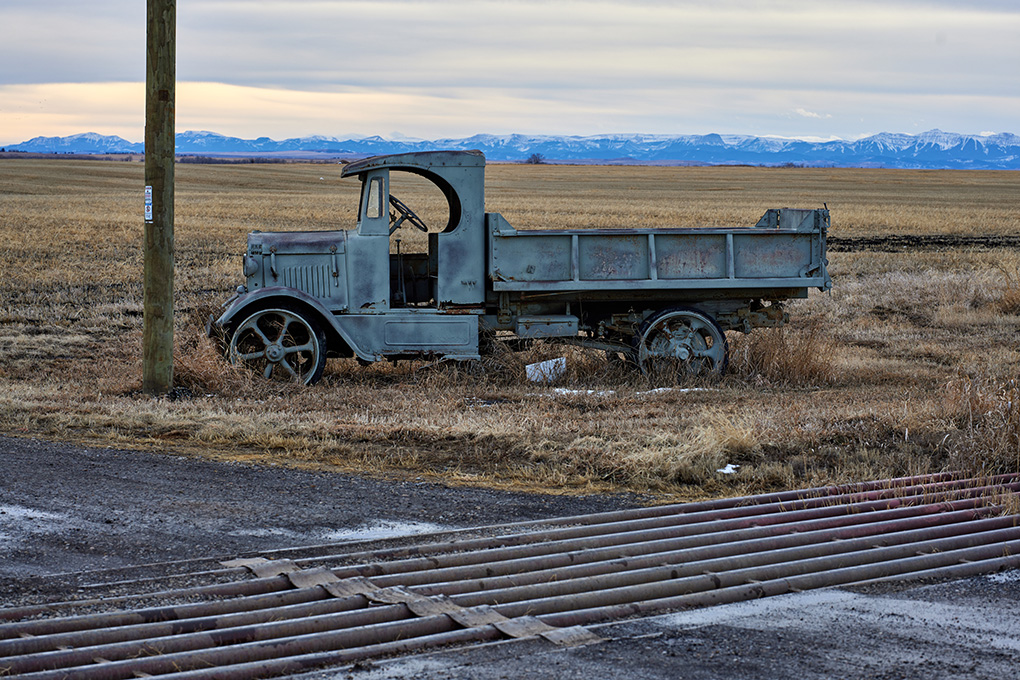
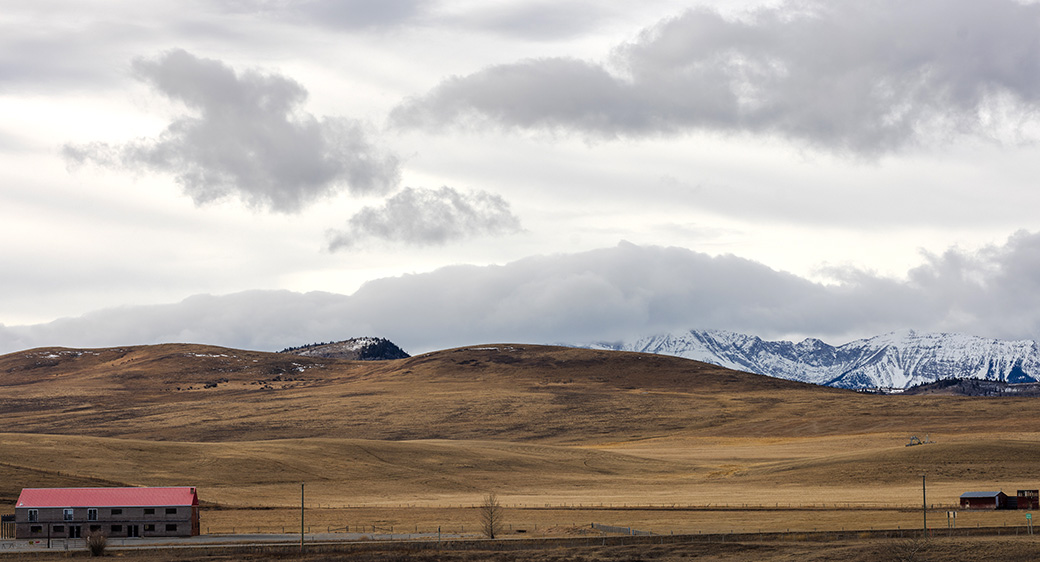
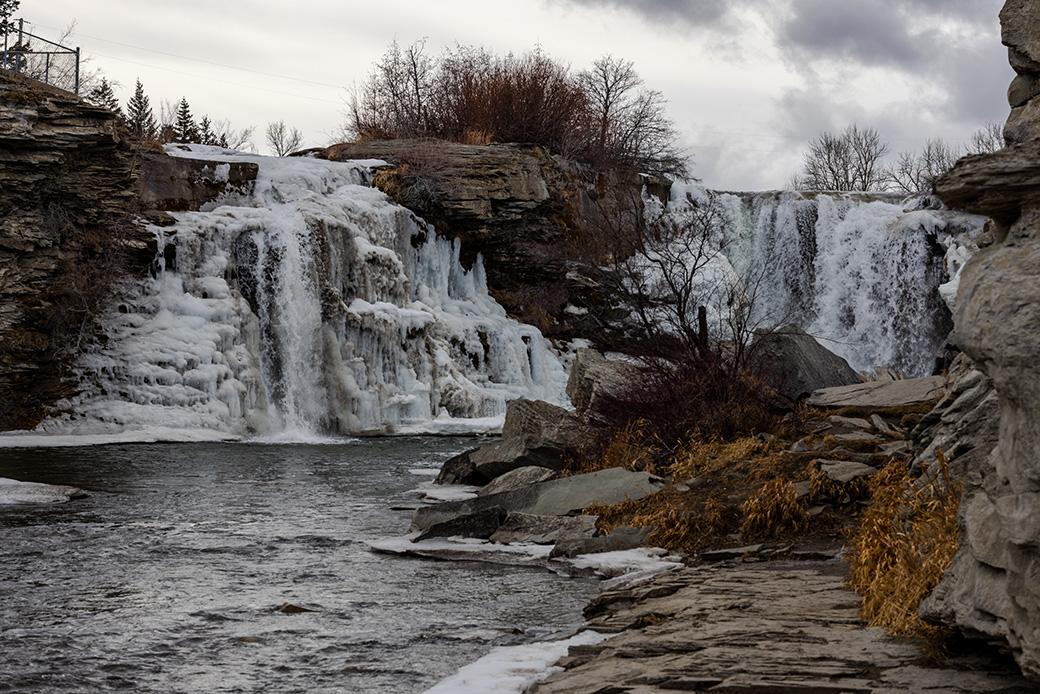
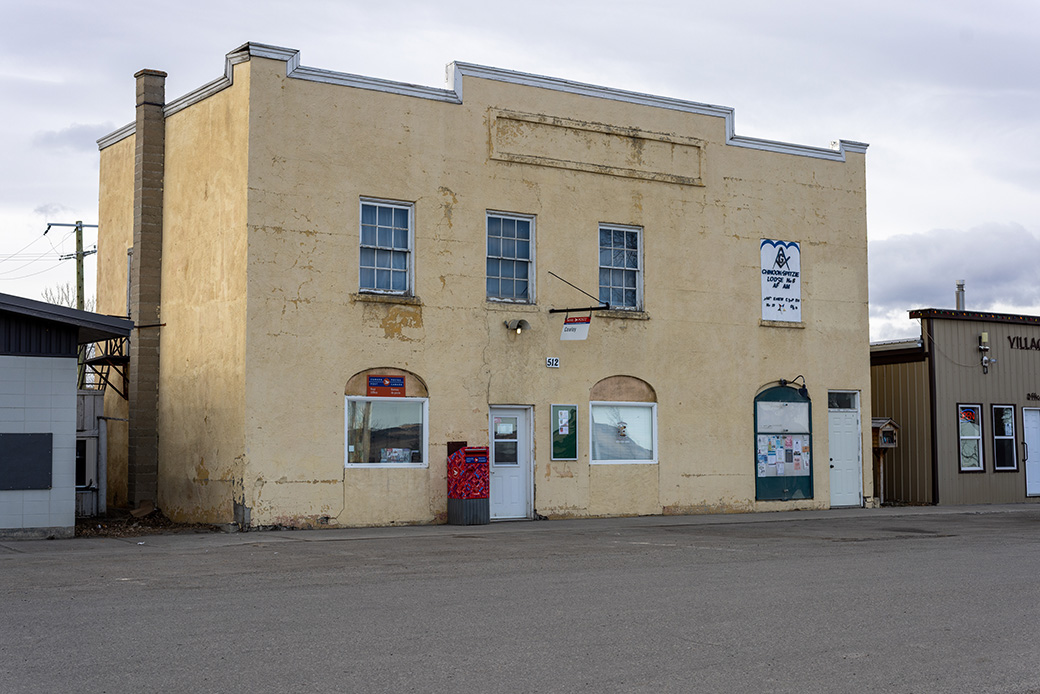
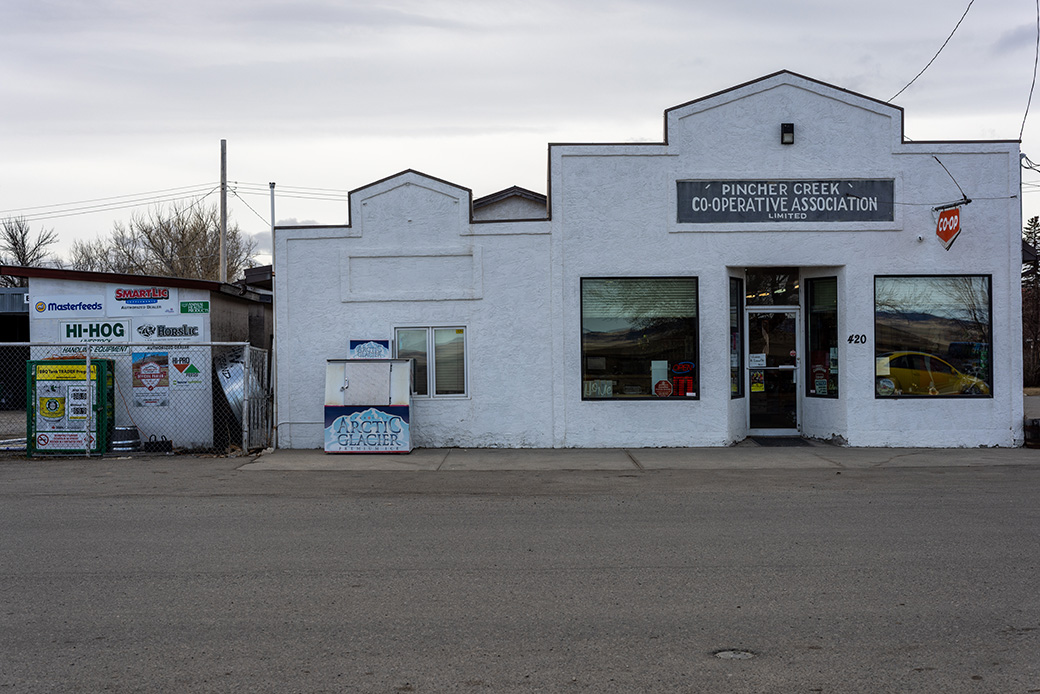
The 35/2 had a well-deserved reputation for image depth (3D) as we see in abundance in the above post.
Here are two from a telephoto from the Contax Zeiss days. It was the time of SLRs amid the dying embers of the film-dominant era. It's the Vario-Sonnar 100-300mm, from the turn of the century. I think of it when I read how good modern tele zooms are.
It was CZ's first zoom to use ED glass, of which it has three elements. It's a simple design overall, 12 elements in just seven groups, so the 3D performance is not a surprise. That configuration means that is a lot of achromat doublets by today's standards.
Sony's very good (but flat) 70-200mm uses 17/14 elements/groups - so it has two lens doublets less in a lens that is 50% more complex. The achromat doublet form is a traditional method of optical correction, using convex/concave element pairs, as used in flint and crown glass types.
Most modern Zeiss, Voigtlander and Leica lenses now use anomalous partial dispersion (or APD) glass, which is a little different from 'pure' ED glass as used as the low dispersion side of the doublet, the other piece being the 'high dispersion' element, often made of high refractive index glass, which can have the side effect of increasing dispersion of light wave forms. APD glass cheats a little by giving designers the ability to correct light color very accurately, and with extreme effectiveness.
Zeiss called the glass inside the VS 100-300 'ultra low dispersion' glass. But that much ED glass tells us it was very special special glass. In the VS, the first two elements appear to be a doublet formed into a huge block of glass. That's the one that you look into when you may discover glass separation and associated issues, if luck is not on your side.
The lens weighs a lot - 925 grams. That glass is really heavy. And adding to that is the almost certain use of lead oxide, a marvelous material that confers great saturation, high refraction, and great clarity. All are Zeiss characteristics. It's worth it to many to keep older lenses - one or two at least, just to experience the look these old leaded lenses give us. Lead still get used today in stills and cine lenses, but it's rarely discussed. It's a kind of clandestine, almost esoteric issue.
'The use of lead in high-end photographic lenses was extremely widespread, bordering on universal, for high-quality lenses manufactured before the mid-1990s to early 2000s. Lead oxide was a staple ingredient in optical glass..'
philip_pj wrote:
The 35/2 had a well-deserved reputation for image depth (3D) as we see in abundance in the above post.
Here are two from a telephoto from the Contax Zeiss days. It was the time of SLRs amid the dying embers of the film-dominant era. It's the Vario-Sonnar 100-300mm, from the turn of the century. I think of it when I read how good modern tele zooms are.
It was CZ's first zoom to use ED glass, of which it has three elements. It's a simple design overall, 12 elements in just seven groups, so the 3D performance is not a surprise. That configuration means that is a lot of achromat doublets by today's standards.
Sony's very good (but flat) 70-200mm uses 17/14 elements/groups - so it has two lens doublets less in a lens that is 50% more complex. The achromat doublet form is a traditional method of optical correction, using convex/concave element pairs, as used in flint and crown glass types.
Most modern Zeiss, Voigtlander and Leica lenses now use anomalous partial dispersion (or APD) glass, which is a little different from 'pure' ED glass as used as the low dispersion side of the doublet, the other piece being the 'high dispersion' element, often made of high refractive index glass, which can have the side effect of increasing dispersion of light wave forms. APD glass cheats a little by giving designers the ability to correct light color very accurately, and with extreme effectiveness.
Zeiss called the glass inside the VS 100-300 'ultra low dispersion' glass. But that much ED glass tells us it was very special special glass. In the VS, the first two elements appear to be a doublet formed into a huge block of glass. That's the one that you look into when you may discover glass separation and associated issues, if luck is not on your side.
The lens weighs a lot - 925 grams. That glass is really heavy. And adding to that is the almost certain use of lead oxide, a marvelous material that confers great saturation, high refraction, and great clarity. All are Zeiss characteristics. It's worth it to many to keep older lenses - one or two at least, just to experience the look these old leaded lenses give us. Lead still get used today in stills and cine lenses, but it's rarely discussed. It's a kind of clandestine, almost esoteric issue.
'The use of lead in high-end photographic lenses was extremely widespread, bordering on universal, for high-quality lenses manufactured before the mid-1990s to early 2000s. Lead oxide was a staple ingredient in optical glass..'...Show more →
Thanks for sharing that. I don't think my 85/1.4 Planar contains lead oxide anymore, but i think out of all my Zeiss lenses, it produces the clearest pictures.
About the pictures you posted, they look great! Lots of detail, but am I saying something bad when i say they could use some more blacks/contrast to let them even pop more?
OwlsEyes wrote:
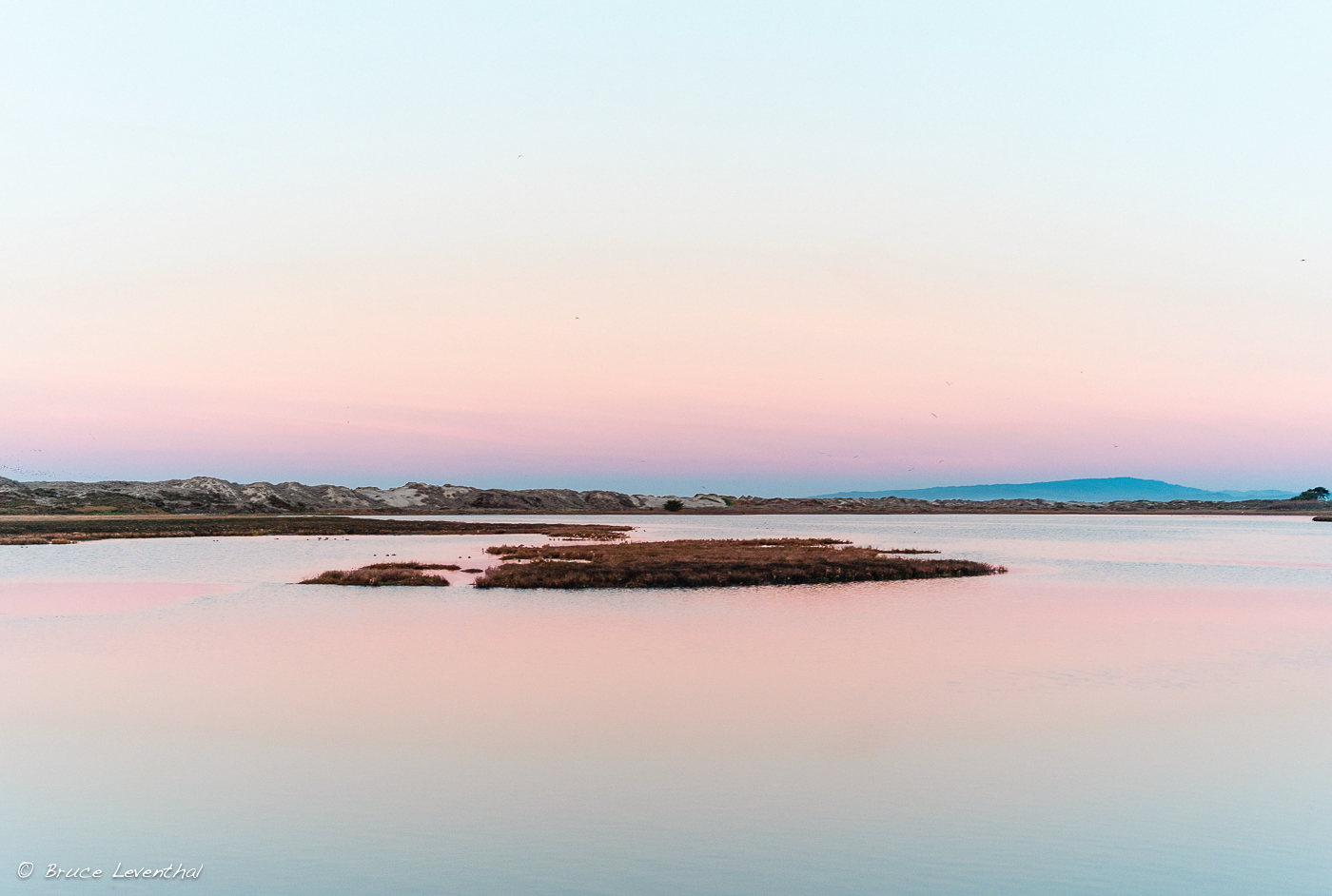
Went out to photograph shorebirds this morning but had my M8 with me for impromptu landscapes. The light was sublime just before sunrise...
Very nice color! Was this taken with the Zeiss Biogon 35/2 ZM lens or the Planar 50/2 ZM lens?
ocean2059 wrote:
Very nice color! Was this taken with the Zeiss Biogon 35/2 ZM lens or the Planar 50/2 ZM lens?
Thank you ... The M8 sensor seems to love the dawn and dusk light... I wish it had a just a little more dynamic ranged.
Neither... Voigtlander Color-Skopar 35mm f2.5 PII. I normally use this set for city and streets, but since I was carrying my Z9 w/ 400 f2.8TC on a hike to my shorebird location, I decided to put the Leica around my neck... 'twas a good decision
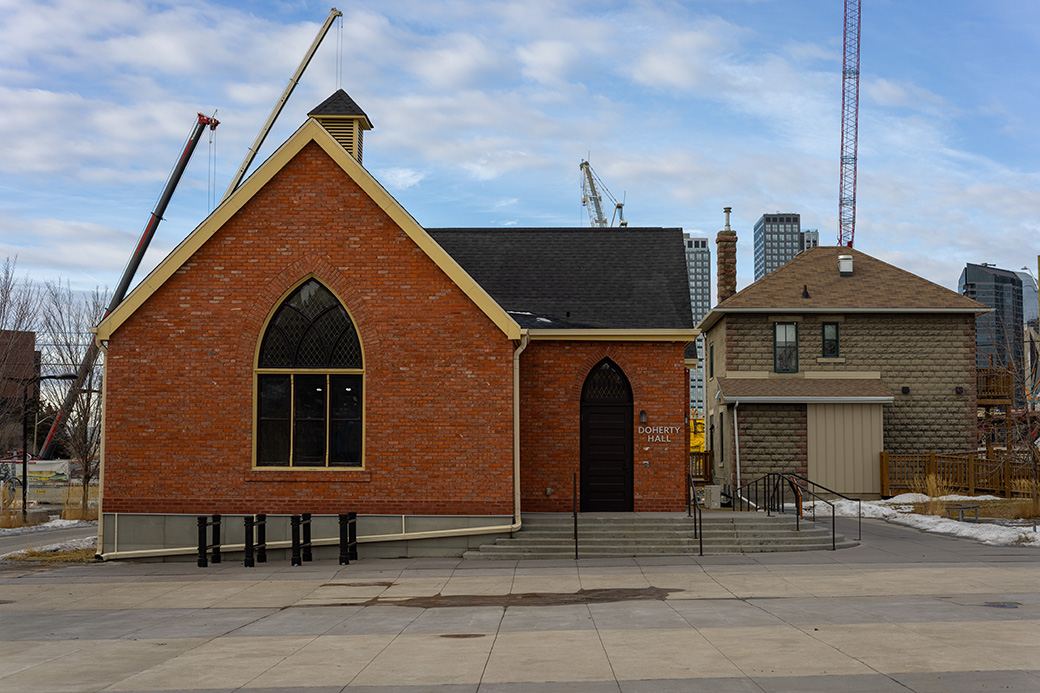
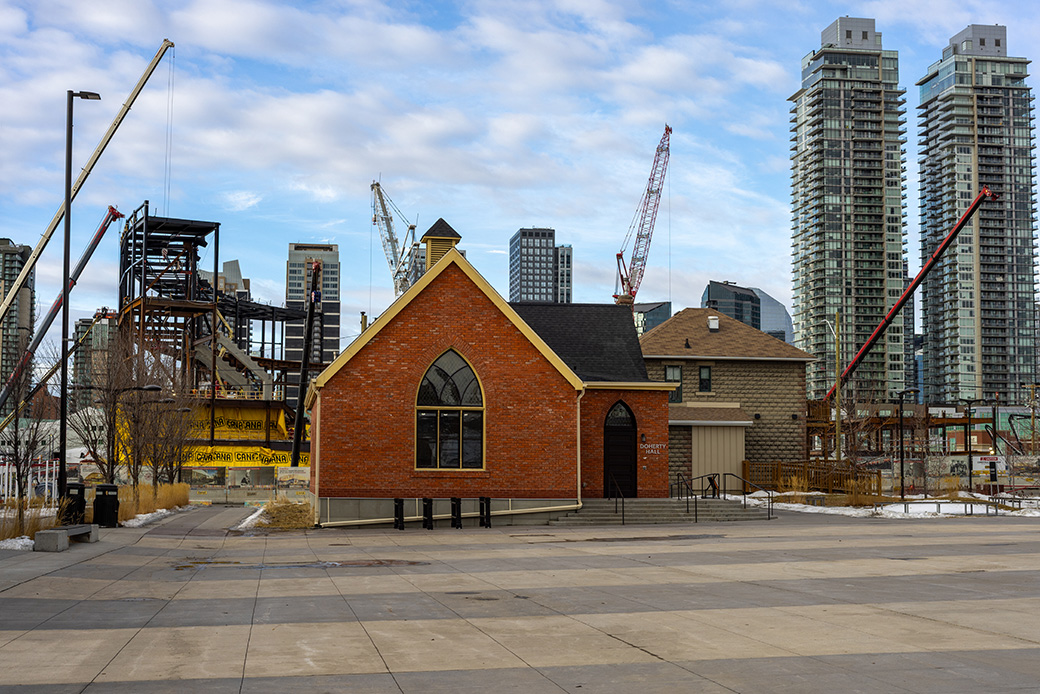
Sometimes stepping further back can tell an entirely different story. In behind Dorerty Hall is the construction of the new Events Centre. Future home of the Calgary Flames.
Canon EOS R5ZEISS Otus ML 1.4/50 lens50mmf/4.01/640s100 ISO0.0 EV
Canon EOS R5ZEISS Otus ML 1.4/50 lens50mmf/8.01/160s100 ISO0.0 EV
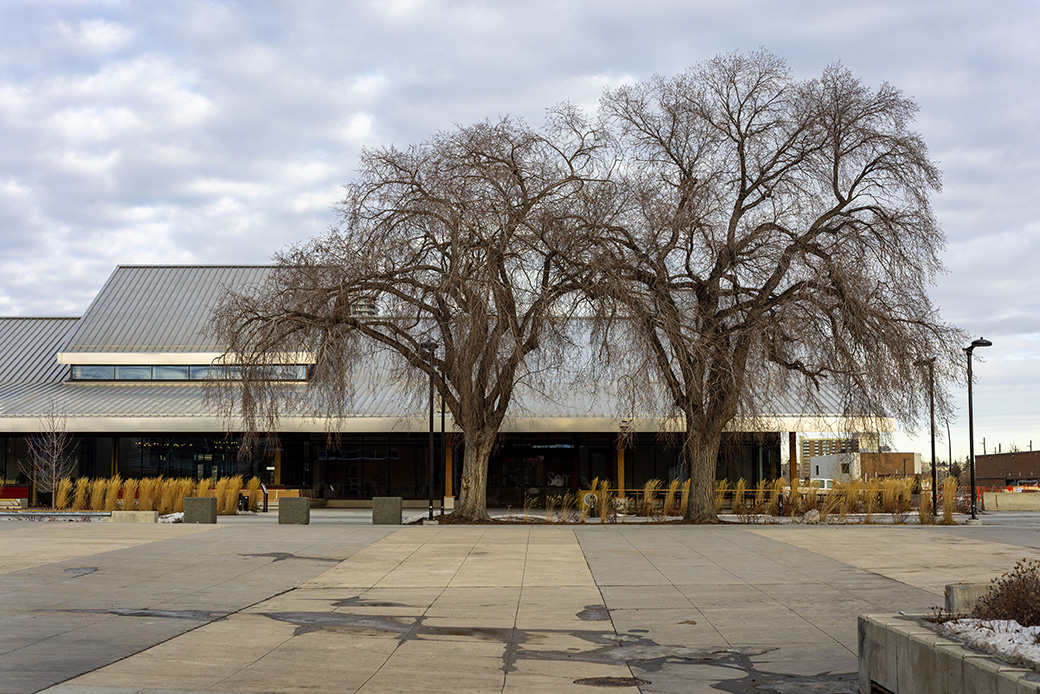
Canon EOS R5ZEISS Otus ML 1.4/50 lens50mmf/5.61/400s100 ISO0.0 EV
Deathchant wrote:
Some snow pictures of my village. Yes yes, it has some CA, but it is the 85/1.4 Planar...not much I can do anyways :
My first and worst zeiss lens (CA+focusing far on one of my bodies (or near, don't remember..). It was great for indoor portraits with flash, no argument here. Sold it. Bought the updated version...day and night. Pretty much the new 85 is an Otus.



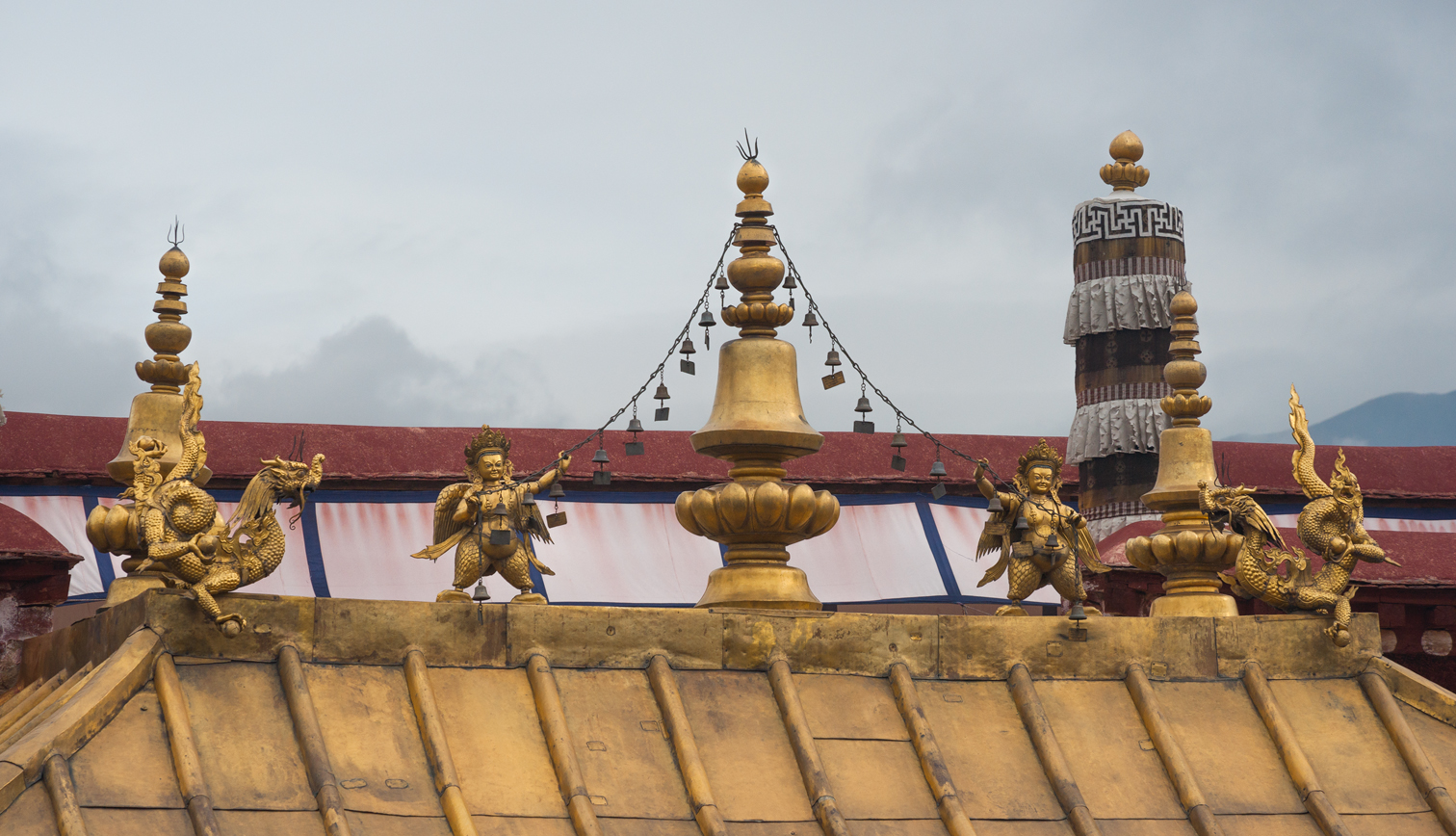


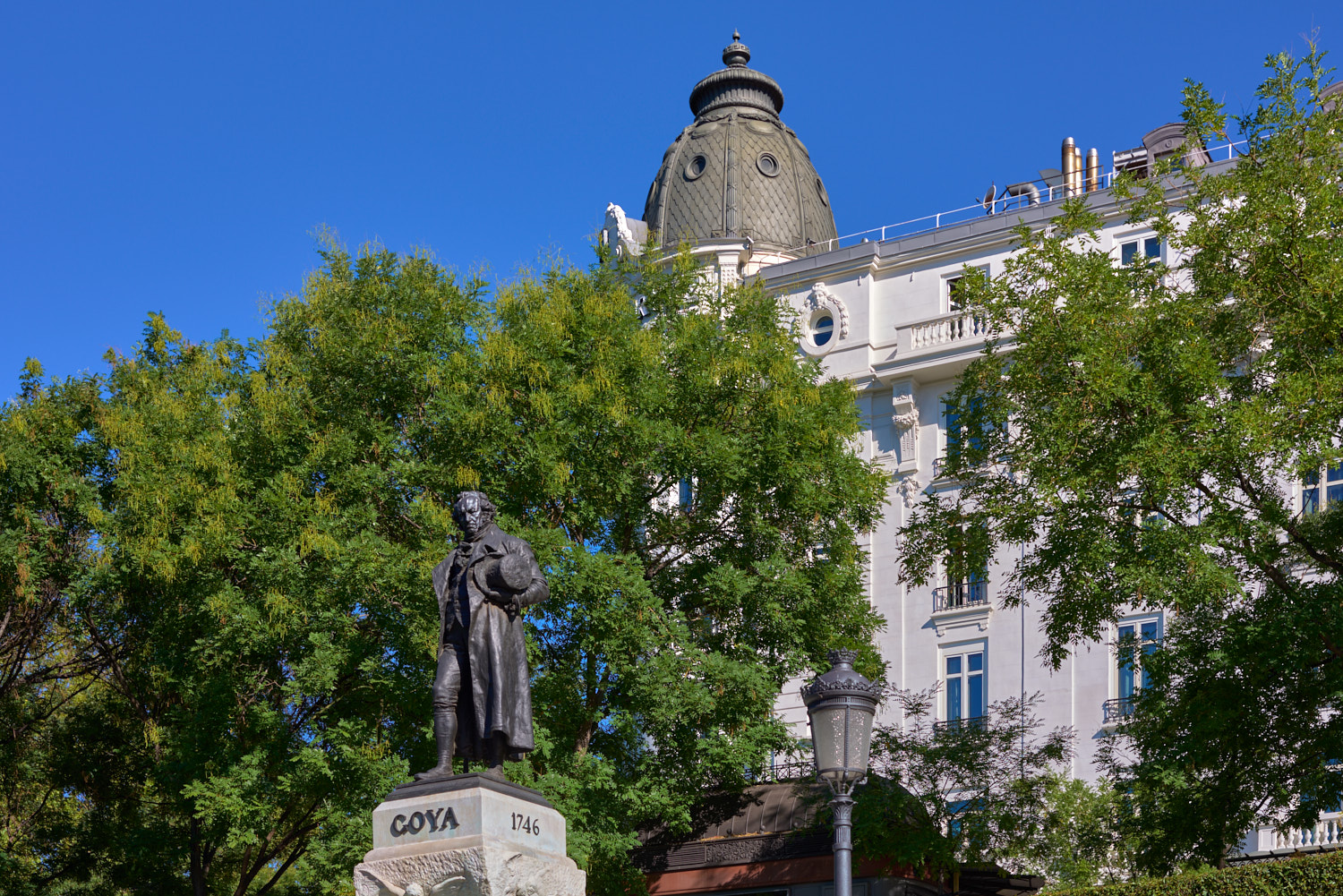


 :
: