Steve Perry wrote:
I used a 500 mirror a loooooooong time ago with film. Pretty much sucked. Not real sharp, donut-shaped highlights, etc.
If you're looking for quality, this ain't it. If you're just looking to play and cell-phone camera looking quality is fine, then have at 'em.
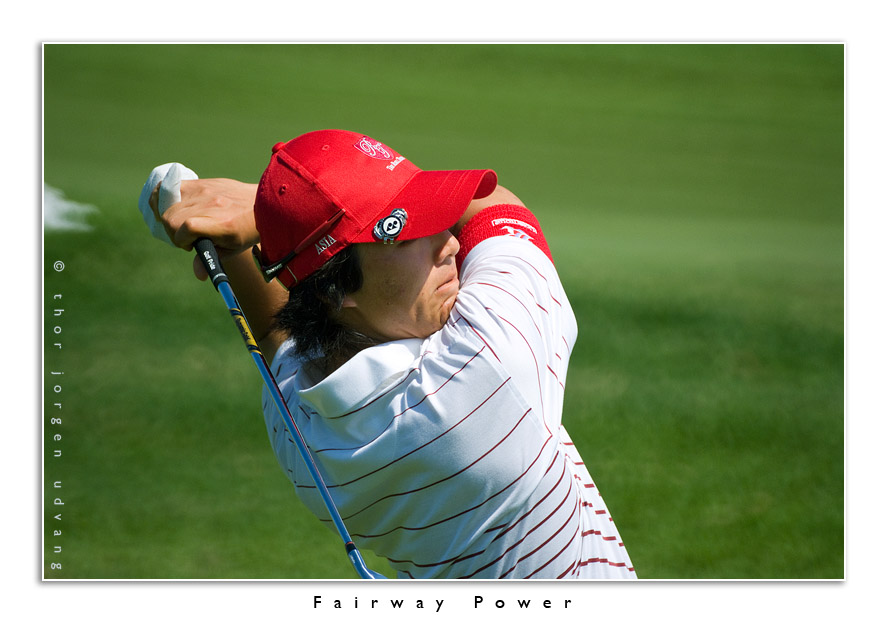
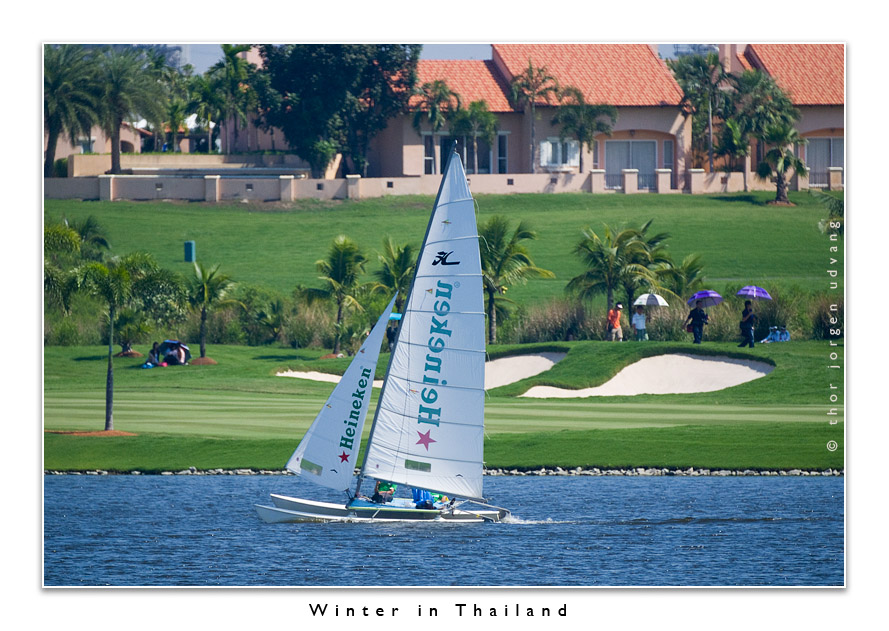
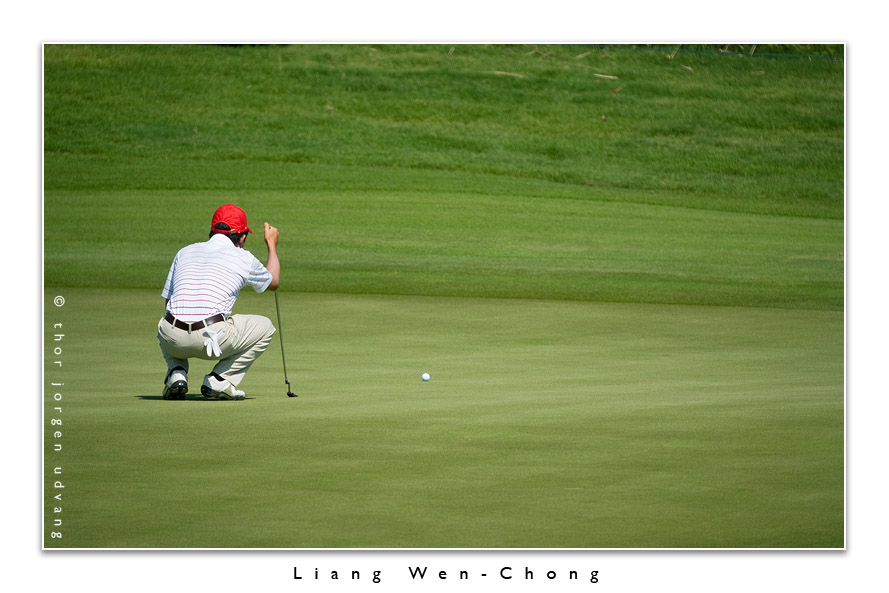
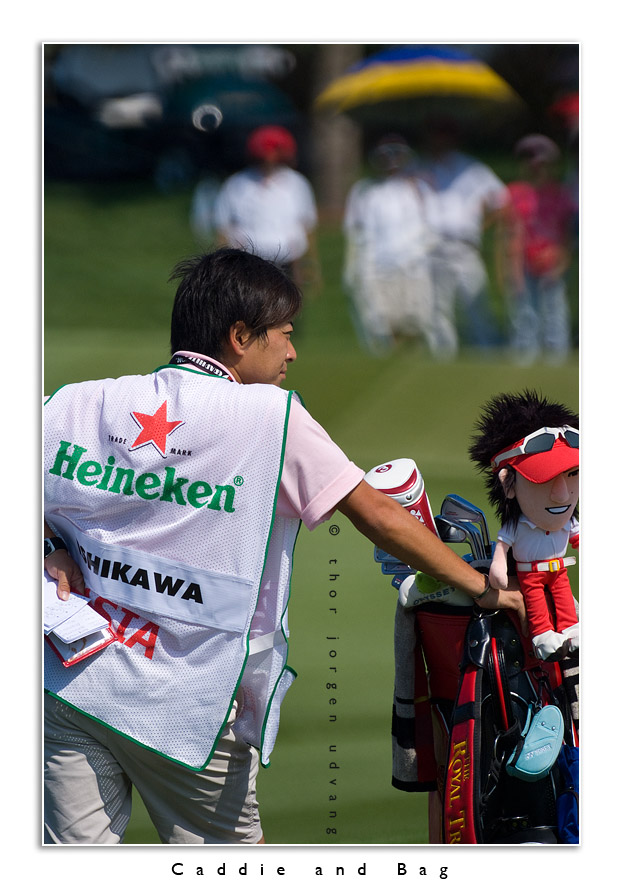
BS! The best mirror lenses are very sharp but have low contrast (easily corrected in PS or any other photo editing software). Correctly used (read: high shutter speeds, lots of light) they can produce excellent images. I don't know how the Samyang is, but here are a few samples shot at a recent golf tournament with the Nikkor 500mm f/8 AIS, all with the Fuji S5:
The "funny" bokeh can be seen in the last sample, but donuts can be avoided if OOF highlights are avoided.
They get bad press for quality, but let us not forget that many are hand held with (IMHO) overconfidence and that at longer distances can be a bear to get perfect focus with. You are shooting wide open....there is no stapdown for quality or safer depth.
Back in the day I had a Nikkor 500/5.0 which was fabulous WHEN YOU GOT IT RIGHT. Which was sometimes, not every time.
papageno wrote:
They get bad press for quality, but let us not forget that many are hand held with (IMHO) overconfidence and that at longer distances can be a bear to get perfect focus with. You are shooting wide open....there is no stapdown for quality or safer depth.
Back in the day I had a Nikkor 500/5.0 which was fabulous WHEN YOU GOT IT RIGHT. Which was sometimes, not every time.
Very important to remember. These lenses are not easy to use, and even on a tri- or monopod,I would recommend shutter speeds faster than 1/1000s. Handheld, I rarely use it below 1/2000s. Because the mirror lenses have very low mass, there's nothing damping vibrations, so even those from the shutter and mirror will be visible as camera shake at slow shutter speeds, unless you use a very heavy tripod.
With the Samyang, this is probably an even bigger problem, since it's lighter than the Nikkor and doesn't have a tripod mount. Using the mount on the camera may increase the blur resulting from camera shake, since the pivoting point is moved backwards, away from the center of the camera/lens assembly. What does help a bit, is the larger aperture (f/6.3), enabling faster shutter speeds. I would use that lens handheld on sunny days, and put it back in the drawer if the weather isn't perfect.
In addition, you have to watch the OOF areas always. Big differences in distance between main subject and background helps a lot, like with any lens, but you don't always have that option.
One more thing: Mirror lenses focuses past infinity, and focusing on distant subject can be tricky sometimes. In my experience, these lenses work best on subjects that are between 10 and 30 meters from the photographer, with the background considerably further away.