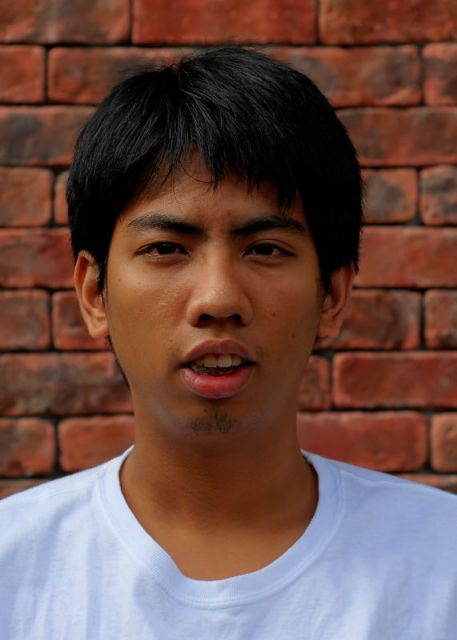
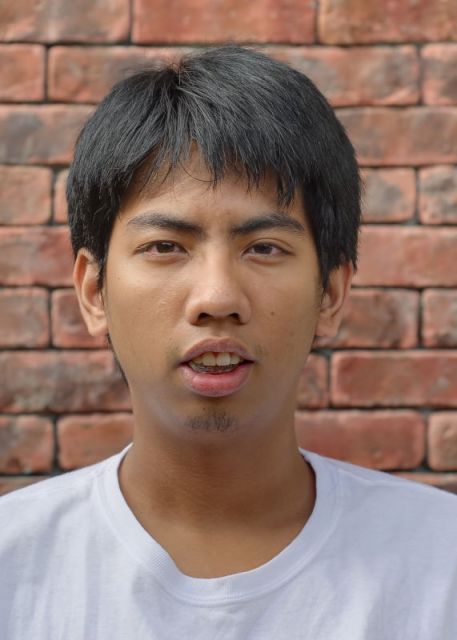
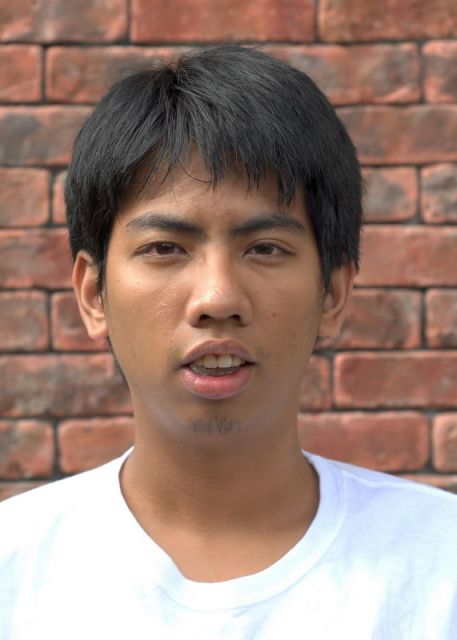
I. conditions: 5 shots bracketed with (-1, -0.5, 0, +0.5, +1)
a. processes:
# 1 - photomatix generated HDR, tone mapped, then saved to JPEG file,
# 2 - photomatix just plain blending the five images,
# 3 - photoshop cs2 just plain blending,
no further post processing was done.
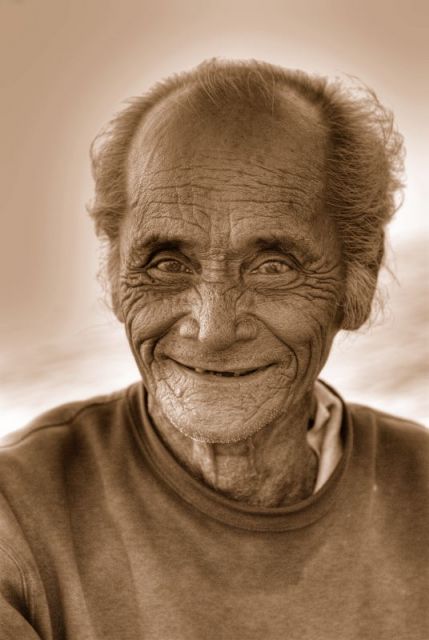
II. condition & picture # 4: 1 shot in raw file, photomatix generated HRD, tone mapped, then saved to JPEG. no further post processing was done.
My observations:
(i) the photomatix HDR generated image is over saturated. using my capture NX software, i can easily do the same to the 0-exposure shot,
(ii) the photomatix blend mode yielded an image, which has just the right amount highlights & shadows in accordance to my taste,
(iii) the photoshop cs2 image result was a bit bland for my taste and needs some adjustment in saturations,
(iv) the raw-photomatix-hdr generated image is, for me, something more usable in terms of image result for straight B&W or sepia conversion. there is some kind of "magic" in it.
(v) lastly, the bracketed shots converted to HDR may yield interesting results if the subject being photograph is heavily maked-up (powder colors, lipstick, long eyelashes, colored hair, etc.,). i still have to find this out for myself
i converted the oldman's hdr image to b&w, thence to sepia.
for pp, additional sharpening and darkening were employed.
here is the resulting image, which i really like
I think this thread is progressing well. Good that Stan is adding examples and new shots (based on the HDR methods).
But....I don't think the posted images from Stan show enough dynamic range in the face s due to the mostly even lighting on the faces (of old man and young man). The original image of the young man (underexposed) just looks like a simple levels adjustment could bring it to the final point shown.
I believe Liam's original image is a better example of a face that has lighting that causes highlights and midtones and shadows (deep ones).
That is a challenge.
Stan, try to take a typical shot of a person outside in typical overhead sun with pronounced shadows under the chin or under the eyebrows. This is the typical 'noon day sunlight' that causes dark faces (e.g. shots at a beach are often like this).
Then take those three HDR exposures and tone map the face for the highlights, the midtones, and the shadow areas. Bring up the shadows etc.. I think the goal for this experiment should be to concentrate on 'lightening' the deepest darkest shadows and attempts to bring them up from dark shadow areas to closer to midtone (but not there exactly).
I think that would be a better example of how a typical high contrast people image could be rescued or fixed or modified using three exposures and HDR methods.
Example: you go to the beach on holiday. There is no shade. Your friend says "Take my picture." You realize the sun is almost directly overhead and will cause very dark shadows below his brow and chin. So you must compensate and you have no fill flash or reflector. So you tell him to stand perfectly still, set your camera to bracket and fire off three shots. Later take those and HDR the shadows. You also want to keep the 'highlight' of the sand and the beach scene too and the sky. So HDR those from the darker exposures. Result ?
i will try your suggestion and will be high noon in two hours time here in the Philippines.
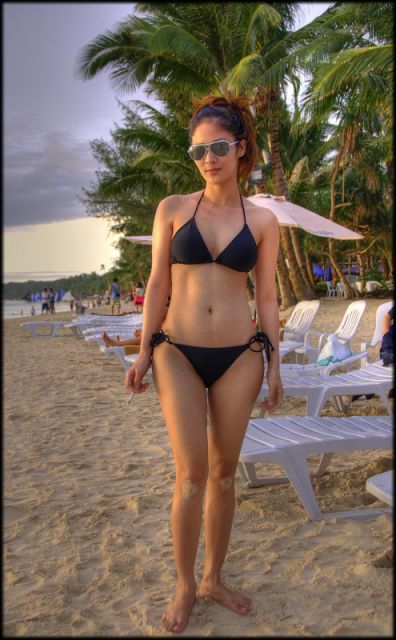
while waiting for that, here is a sample picture of a lady which was taken with well lit background and she being underexposed.
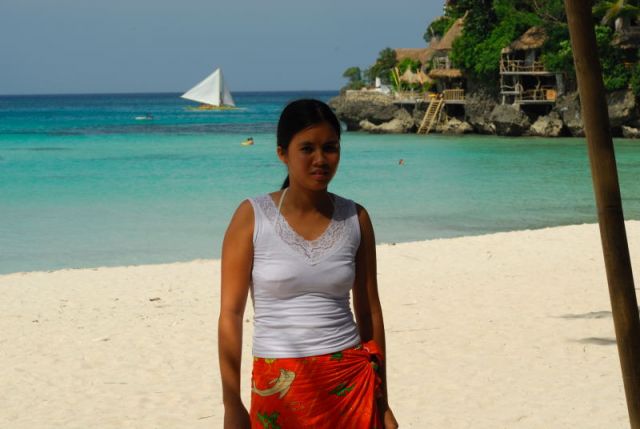
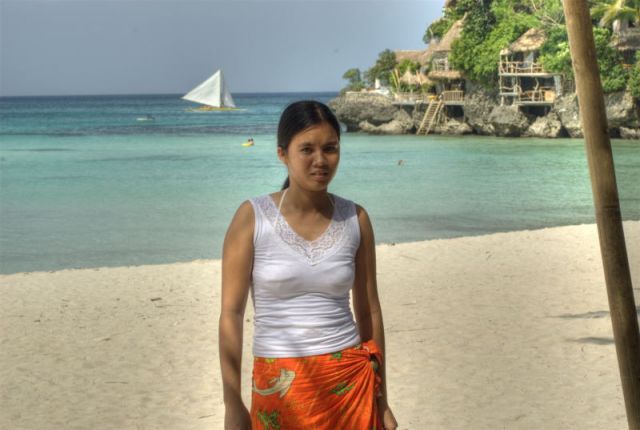
took the high noon shoot (sun at it's zenith) and here are the images side by side.
left pic is the zero-exposure in the bracket of 5. the right pic is the hdr image.
I think that the question of wether or not you can shoot an HDR portrait has a pretty obvious answer. of course you can. the next question should be why. what are you gaining by shooting a portrait in HDR. you are not getting a hard hitting wow when it is viewed. and in some of the examples above i would rather see a properly lit and exposed shot maybe even in B&W rather then the HDR version. just my opinion but i think that HDR is put to much better use elsewhere and there are far greater ways to shoot portraits.
I also agree with steady hand that we need to start having more in depth discussions on technique etc. If i ask for C&C i hope someone tears my work apart or maybe notices something I didn't. thats what i'm here for to learn from my mistakes.
But i agree that HDR shots can definitely be accomplished. but getting your subject to sit still for at least 3 photos could be a challenge in some cases. as far as taking one photo and trying to change the exposure values to trick the software will work in photomatix but the quality is fair at best. and in CS2 i know it even has a message telling to that the data from the images is not suitable for HDR.
iknow im ranting on but my final input is that there is no reason HDR cant be done for portraits. to be a true HDR image you need 3 separate images at different exposure levels. if you are only using one image you may as well use light room and get the same quality if not better. again this is where a in depth technique thread would come in handy explaing what makes HDR, HDR.
i have noted your opinion on hdr and i surely respect what you think about it.
as for myself (and maybe liam), i am trying to see where hdr can take me in another level. all the sample pictures i posted are the tone mapped images only and no further post processing were done.
talking about hdr in the next level, at least for me, i further process the images and got better results, according to my preferences.
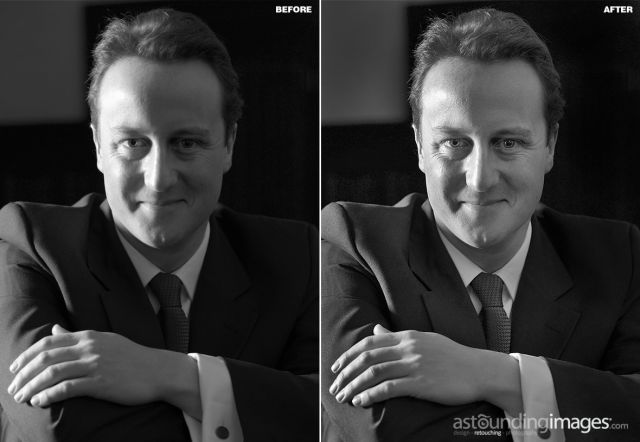
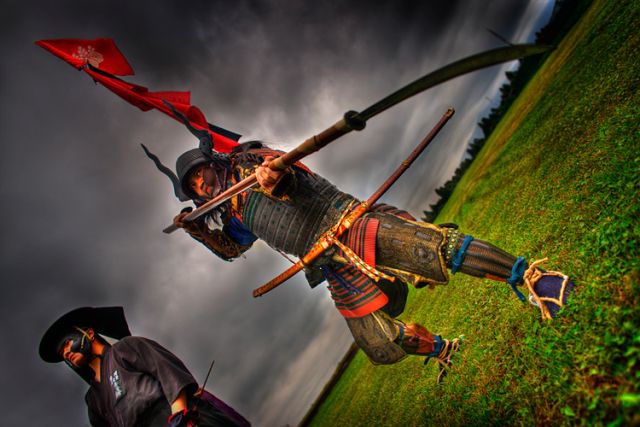
here are three examples of people pictures . they may not be good for you, but they are for me.
what i am trying to convey here is that i do not stop on the definition or parameter on what hdr is all about. using the hdr technique and combining it with other tools that are available may (or may not) improve the images.
lastly, this is not in any way a rebutal to yours and no offense is being made.
stan
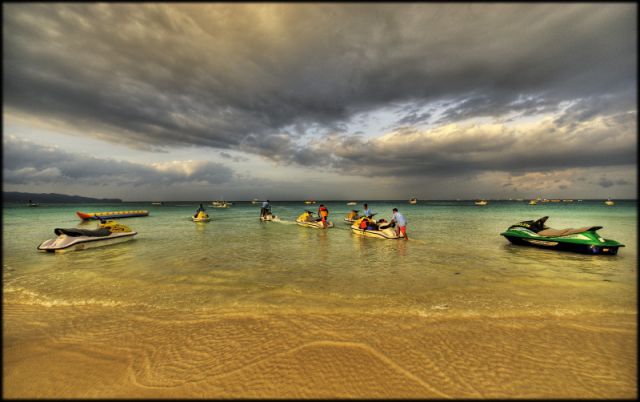
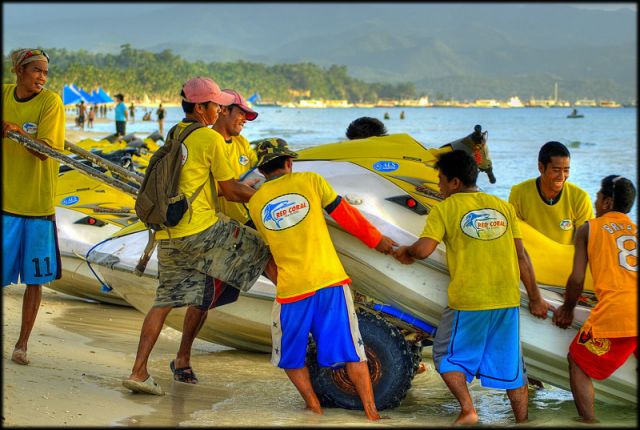
following are example images taken only with 1 raw shot.
A true HDR portrait would be quite difficult with the whole movement factor. I took your image and using the shadow/highlight tool and some light painting came up with this. I think the lighting actually worked fine in achieveing these results.
Come on guys, wise up !
When you want more tonal range work with a mid format digital camera in 16 bit ! That's it.
As for doing portraits in HDR: hardly possible.
For starters you need at least 4 images taken with different exposures ! I never ever met a subject that could hold still 4 images so that they all are exactly the same. So, landscape, on a tripod, OK, Portrait, forget it...
hear me out- i am not trying to persuade you to stop what you are trying to accomplish in bringing you photos to life or experiments in photo post processing.
HDR photography is the tone mapping of bracketed exposures each providing a unique dynamic range that cant be reproduced out of one RAW format file. the level of information provided when using 3 independent exposures ( by saying information i mean channels of color, dynamic range, and luminescence value in each shot) is not there when you use one image and just change the exposure level. so your three files all contain the same exact color channels, and dynamic range. all your doing is tone mapping your images to bring light to the shaded or underexposed areas of your photo.
this same process can be accomplished by tone mapping your image in 16 bit mode. no need to mess with HDR. if you are trying to save photos because you consistently underexpose or mis use your light that is a whole other issue.
Is it possible to shoot a HDR portrait. yes it is. i agree it can be done but i want you to have a model sit and hold a perfect smile in a natural environment for 3 bracketed shots let alone 5 or more.
so i say continue what you are doing but remember even though you are using the HDR process to do your tone mapping, you are still just tone mapping not creating a True HDR scene.