Thypoch Black Friday Sale
p.1 #1Thypoch Black Friday Sale
|


Up to 29th off.
Lenses across the entire lineup are already discounted, so extra site promo codes won't work during the sale.
Here's the official link to the sale:
https://store.thypoch.com/pages/black-friday-2026
The same sale is also available via B&H Photo:
https://www.bhphotovideo.com/c/search?q=thypoch&sts=ma
Oct 21, 2026 at 03:39 PM
p.1 #2Thypoch Black Friday Sale
I love my Simera 21, 28, 50, and 75. Truly lovely images out of all of them. Check the threads on those from sample images from me.
Oct 21, 2026 at 09:33 PM
p.1 #3Thypoch Black Friday Sale
These also are discounted on B&H where Fred's affiliate links should work for some FM kickback. 
Oct 21, 2026 at 09:41 PM
p.1 #4Thypoch Black Friday Sale
rscheffler wrote:
These also are discounted on B&H where Fred's affiliate links should work for some FM kickback.
Thanks for the reminder!
Here is a the link to B&H Photo showing all Thypoch lenses with Black Friday discounts:
https://www.bhphotovideo.com/c/search?q=thypoch&sts=ma
These also are discounted on B&H where Fred's affiliate links should work for some FM kickback.
Thanks for the reminder!
Here is a the link to B&H Photo showing all Thypoch lenses with Black Friday discounts:
https://www.bhphotovideo.com/c/search?q=thypoch&sts=ma
Oct 22, 2026 at 08:23 AM
p.1 #5Thypoch Black Friday Sale
I really wish the discount on the Ksanas was as deep as the Simeras!
Oct 22, 2026 at 08:24 AM
p.1 #6Thypoch Black Friday Sale
They just released Simera-c 100mm 1.9 for M and Sony FE, but no review yet:
https://store.thypoch.com/products/simera-c-cine-lens?variant=50648153719024&_kx=8TiPX3-7WcSZcynVFgcrWxQ824fKDJoVsWwBiT6NYf0.TPJiZs
https://www.bhphotovideo.com/c/search?q=simera%20100mm&sts=ma
some sample photos:
https://www.instagram.com/p/DdRPCtTiBPw/?img_index=1
https://store.thypoch.com/products/simera-c-cine-lens?variant=50648153719024&_kx=8TiPX3-7WcSZcynVFgcrWxQ824fKDJoVsWwBiT6NYf0.TPJiZs
https://www.bhphotovideo.com/c/search?q=simera%20100mm&sts=ma
some sample photos:
https://www.instagram.com/p/DdRPCtTiBPw/?img_index=1
Oct 23, 2026 at 08:17 AM
p.1 #7Thypoch Black Friday Sale
serhan_ wrote:
They just released Simera-c 100mm 1.9 for M and Sony FE, but no review yet:
https://store.thypoch.com/products/simera-c-cine-lens?variant=50648153719024&_kx=8TiPX3-7WcSZcynVFgcrWxQ824fKDJoVsWwBiT6NYf0.TPJiZs
https://www.bhphotovideo.com/c/search?q=simera%20100mm&sts=ma
some sample photos:
https://www.instagram.com/p/DdRPCtTiBPw/?img_index=1
This is neat! 100/2 are a bit forgotten nowadays. I used the Oly 100/2, ZF 100/2, CY 100/2 and Mino 100/2 just love that FL aperture combo. The Mino and CY produce just lovely images.
Oct 23, 2026 at 10:18 AM

p.1 #8Thypoch Black Friday Sale
nehemiahphoto wrote:
https://store.thypoch.com/products/simera-c-cine-lens?variant=50648153719024&_kx=8TiPX3-7WcSZcynVFgcrWxQ824fKDJoVsWwBiT6NYf0.TPJiZs
https://www.bhphotovideo.com/c/search?q=simera%20100mm&sts=ma
some sample photos:
https://www.instagram.com/p/DdRPCtTiBPw/?img_index=1This is neat! 100/2 are a bit forgotten nowadays. I used the Oly 100/2, ZF 100/2, CY 100/2 and Mino 100/2 just love that FL aperture combo. The Mino and CY produce just lovely images.
I would be interested as well if they make a non-cine version. I love a 28, 50, & 100 combo and for my tastes 100 f/2 is about perfect as a balance between size of the lens and size of the aperture.
serhan_ wrote
They just released Simera-c 100mm 1.9 for M and Sony FE, but no review yet:https://store.thypoch.com/products/simera-c-cine-lens?variant=50648153719024&_kx=8TiPX3-7WcSZcynVFgcrWxQ824fKDJoVsWwBiT6NYf0.TPJiZs
https://www.bhphotovideo.com/c/search?q=simera%20100mm&sts=ma
some sample photos:
https://www.instagram.com/p/DdRPCtTiBPw/?img_index=1
I would be interested as well if they make a non-cine version. I love a 28, 50, & 100 combo and for my tastes 100 f/2 is about perfect as a balance between size of the lens and size of the aperture.
Oct 23, 2026 at 11:35 AM
|
p.1 #9Thypoch Black Friday Sale
nehemiahphoto wrote:
https://store.thypoch.com/products/simera-c-cine-lens?variant=50648153719024&_kx=8TiPX3-7WcSZcynVFgcrWxQ824fKDJoVsWwBiT6NYf0.TPJiZs
https://www.bhphotovideo.com/c/search?q=simera%20100mm&sts=ma
some sample photos:
https://www.instagram.com/p/DdRPCtTiBPw/?img_index=1This is neat! 100/2 are a bit forgotten nowadays. I used the Oly 100/2, ZF 100/2, CY 100/2 and Mino 100/2 just love that FL aperture combo. The Mino and CY produce just lovely images.
For me ~100mm is the perfect focal length for tight portraits, and CY 100/2 is just all around fantastic. I might have to try the Minolta, too.
serhan_ wrote
They just released Simera-c 100mm 1.9 for M and Sony FE, but no review yet:https://store.thypoch.com/products/simera-c-cine-lens?variant=50648153719024&_kx=8TiPX3-7WcSZcynVFgcrWxQ824fKDJoVsWwBiT6NYf0.TPJiZs
https://www.bhphotovideo.com/c/search?q=simera%20100mm&sts=ma
some sample photos:
https://www.instagram.com/p/DdRPCtTiBPw/?img_index=1
For me ~100mm is the perfect focal length for tight portraits, and CY 100/2 is just all around fantastic. I might have to try the Minolta, too.
Oct 23, 2026 at 11:53 AM
p.1 #10Thypoch Black Friday Sale
mranger211 wrote:
https://store.thypoch.com/products/simera-c-cine-lens?variant=50648153719024&_kx=8TiPX3-7WcSZcynVFgcrWxQ824fKDJoVsWwBiT6NYf0.TPJiZs
https://www.bhphotovideo.com/c/search?q=simera%20100mm&sts=ma
some sample photos:
https://www.instagram.com/p/DdRPCtTiBPw/?img_index=1This is neat! 100/2 are a bit forgotten nowadays. I used the Oly 100/2, ZF 100/2, CY 100/2 and Mino 100/2 just love that FL aperture combo. The Mino and CY produce just lovely images.For me ~100mm is the perfect focal length for tight portraits, and CY 100/2 is just all around fantastic. I might have to try the Minolta, too.
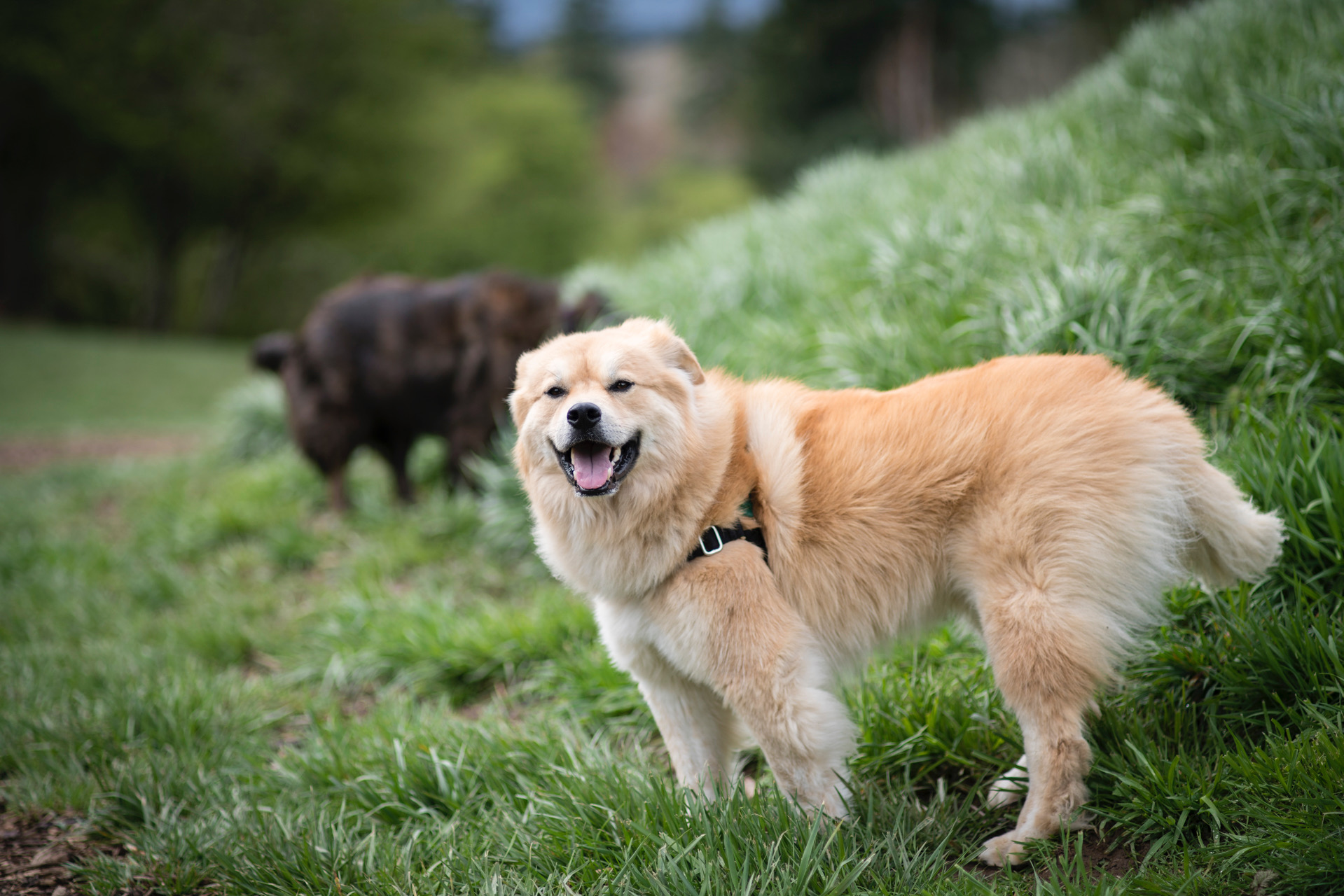
The ergo sucks (this was when Mino was pushing AF and so the MF ring is dinky and no aperture ring) and it has 80/90’s tele flare issues as well as LoCal, buuuuuut the sharpness, bokeh, color and physical size are fantastic. Images sing.
@Steve Spencer I am with you on spacing.
21-35-75mm or 28-50-90/100 are great kits.



Edited on Oct 23, 2026 at 07:59 PM · View previous versions
nehemiahphoto wrote
serhan_ wrote
They just released Simera-c 100mm 1.9 for M and Sony FE, but no review yet:https://store.thypoch.com/products/simera-c-cine-lens?variant=50648153719024&_kx=8TiPX3-7WcSZcynVFgcrWxQ824fKDJoVsWwBiT6NYf0.TPJiZs
https://www.bhphotovideo.com/c/search?q=simera%20100mm&sts=ma
some sample photos:
https://www.instagram.com/p/DdRPCtTiBPw/?img_index=1
The ergo sucks (this was when Mino was pushing AF and so the MF ring is dinky and no aperture ring) and it has 80/90’s tele flare issues as well as LoCal, buuuuuut the sharpness, bokeh, color and physical size are fantastic. Images sing.
@Steve Spencer I am with you on spacing.
21-35-75mm or 28-50-90/100 are great kits.
Edited on Oct 23, 2026 at 07:59 PM · View previous versions
Oct 23, 2026 at 12:41 PM
p.1 #11Thypoch Black Friday Sale
It's likely to be a 100/1.8 in M-mount stills form (lens speed matters in marketing), potentially the same size as the 75/1.4. And most important for lenses in this class, it's already in the same weight class - just 450 grams even in cine housing. The 75/1.4 is 370 grams in M-mount stills livery, so that is the target range if they go ahead and do a stills lens. And why wouldn't you do that?
The 16-blade 75mm is a much-underrated portrait lens, IMO. That look it has would work well at 100mm. 100mm is a major old school Carl Zeiss focal length from back when they made complete lens ranges. For most others (and also CZ), it was a macro focal length.
But - weight! All those grams are no good for travel. No lens manufacturer cared in the portrait lens space.
The 100MP, a 9/8 design at 100/2, weighs 680g in ZF.2 form, or 810g in Milvus form. OK, it's a 'half macro'.
The CY 100/2 Planar (6/5 design) was all of 670 grams.
Leica's 90/2 Asph APO (5/4) is 500 grams despite being half the complexity of this Simera-C (11/8).
AI: 'If you are looking for the lightest native full-frame stills lenses with a 100mm or 105mm focal length and a maximum aperture of f/2 or faster, options are incredibly rare.'
That is to put it in perspective. I brought this deficit to their attention a few months back. They promised to pass the message on to the design team. We saw Cooke, Zeiss and Letiz add 100mm lenses to their new mirrorless light cine mount ranges - SP3, Nano and Hektor.
These are Thypoch's direct competitors in the light cine market. I suggested they make a lightly modified 75/1.4 at 100mm, and f2 would be fine with the certain group of photographers interested in such a lens. Everything in the mainstream E/Z/L mounts are very heavy/complex/fast for 'big blur' pro usage. 100mm puts it well out of the sensor stack issues for many of us who want an EVF experience for such a lens. It just won't matter at 100mm and f2 at portrait ranges, however. IMO, of course.
Oct 23, 2026 at 01:48 PM
p.1 #12Thypoch Black Friday Sale
And 11/8 compared to 9/8, that 75mm was already a little stronger than the Summilux ASPH-sourced Simera 50/1.4. At the same dimensions, the Asph element will very likely stay, so two extra stand alone elements are going to give it even more power. And 100mm is a sweet spot for resolution, as see in the last Otus. It could be pretty special even at f2. The cine guys will tell all, soon enough.
Oct 23, 2026 at 02:26 PM
p.1 #13Thypoch Black Friday Sale
@philip_pj If you are including the Leica 90/2 ASPH you should also include the CV 90/2 APO. It’s only 338g with a 52 filter thread and 0.9 MFD and high degree of correction with a modern draw—very much like this 100/1.8 (I am anticipating). It will be interesting to see how the M version lands in terms of size and ergo though.
I do like they made a 100/2 (ish) lens. I was hoping for a better MFD, just like I’d like the CV 90/2 APO to have a MFD more like the ZF 100/2 Macro Planar or the Olympus 100/2.
Edited on Oct 23, 2026 at 08:00 PM · View previous versions
I do like they made a 100/2 (ish) lens. I was hoping for a better MFD, just like I’d like the CV 90/2 APO to have a MFD more like the ZF 100/2 Macro Planar or the Olympus 100/2.
Edited on Oct 23, 2026 at 08:00 PM · View previous versions
Oct 23, 2026 at 02:59 PM
p.1 #14Thypoch Black Friday Sale
nehemiahphoto wrote:
The ergo sucks (this was when Mino was pushing AF and so the MF ring is dinky and no aperture ring) and it has 80/90’s tele flare issues as well as LoCal, buuuuuut the sharpness, bokeh, color and physical size are fantastic. Images sing.
[...]
Thanks for the examples. Now I will definitely have to try one. I have been getting a bunch of Minolta AF lenses for my Kolari modded Sony as the AF vintage option. So far they have been working nicely with the LA-EA5.
I will probably give the Thypoch a try as well, although I am pretty happy with the Konica 90mm f2.8.
mranger211 wrote
For me ~100mm is the perfect focal length for tight portraits, and CY 100/2 is just all around fantastic. I might have to try the Minolta, too.[...]
Thanks for the examples. Now I will definitely have to try one. I have been getting a bunch of Minolta AF lenses for my Kolari modded Sony as the AF vintage option. So far they have been working nicely with the LA-EA5.
I will probably give the Thypoch a try as well, although I am pretty happy with the Konica 90mm f2.8.
Oct 23, 2026 at 03:06 PM
p.1 #15Thypoch Black Friday Sale
serhan_ wrote:
They just released Simera-c 100mm 1.9 for M and Sony FE, but no review yet:
https://store.thypoch.com/products/simera-c-cine-lens?variant=50648153719024&_kx=8TiPX3-7WcSZcynVFgcrWxQ824fKDJoVsWwBiT6NYf0.TPJiZs
https://www.bhphotovideo.com/c/search?q=simera%20100mm&sts=ma
some sample photos:
https://www.instagram.com/p/DdRPCtTiBPw/?img_index=1
nehemiahphoto wrote:
This is neat! 100/2 are a bit forgotten nowadays. I used the Oly 100/2, ZF 100/2, CY 100/2 and Mino 100/2 just love that FL aperture combo. The Mino and CY produce just lovely images.
Steve Spencer wrote:
I would be interested as well if they make a non-cine version. I love a 28, 50, & 100 combo and for my tastes 100 f/2 is about perfect as a balance between size of the lens and size of the aperture.
I'm waiting for this, a 100/2 or 100/1.8 from Canon for their VCM line as I prefer 100 over 85 for general portraiture. Nice to see Thypoch release this and that hopefully a stills version will follow, though the cine version would still be OK to use. 100 doesn't really suit M mount due to the frame lines mis-match, but would still be usable. I see this focal length as more viable adapted to mirrorless, which in M mount via a 'smart' adapter would allow native PD-based focus assist features.
Oct 24, 2026 at 02:43 PM