Sony FE 400mm f/4.5 GM OSS Images Thread
p.8 #1Sony FE 400mm f/4.5 GM OSS Images Thread
arbitrage wrote:
Then we have the more recent tests by Dave showing that the 400 is a rare lens that is actually longer than its stated focal length and the 600 is the typical case of being shorter than stated. This makes them only 9mm apart when comparing at the "600mm" length eliminates any thoughts about missing 40mm (even though 40mm isn't that big of deal anyways).
Is this test available in this forum ? I haven't found it in this thread.
edit: fount it at https://www.fredmiranda.com/forum/topic/1960859/
Nov 07, 2026 at 08:29 AM
p.8 #2Sony FE 400mm f/4.5 GM OSS Images Thread
Fboss wrote:
Is this test available in this forum ? I haven't found it in this thread.
edit: fount it at https://www.fredmiranda.com/forum/topic/1960859/
I asked the question in that thread, but if there's copy variation then does that equate to FL variation in each lens as well? So does this 9mm difference account for every single 400/600 in the world or do the lenses have different FLs? I can't replicate the test my self to see what my lens FL actually is, would be interesting to see if others can get the same FL with their lens as listed in that thread.
arbitrage wrote
Then we have the more recent tests by Dave showing that the 400 is a rare lens that is actually longer than its stated focal length and the 600 is the typical case of being shorter than stated. This makes them only 9mm apart when comparing at the "600mm" length eliminates any thoughts about missing 40mm (even though 40mm isn't that big of deal anyways).edit: fount it at https://www.fredmiranda.com/forum/topic/1960859/
I asked the question in that thread, but if there's copy variation then does that equate to FL variation in each lens as well? So does this 9mm difference account for every single 400/600 in the world or do the lenses have different FLs? I can't replicate the test my self to see what my lens FL actually is, would be interesting to see if others can get the same FL with their lens as listed in that thread.
Nov 07, 2026 at 09:38 AM
p.8 #3Sony FE 400mm f/4.5 GM OSS Images Thread
Still no Short Eared Owls. Tried for a bittern today and no luck. Shooting a bunch of subjects I usually never shoot.
Loving this 400 4.5. The bokeh is very similar to the 300GM, and the sharpness is outrageous. I can't believe you can get this much lens for so cheap.
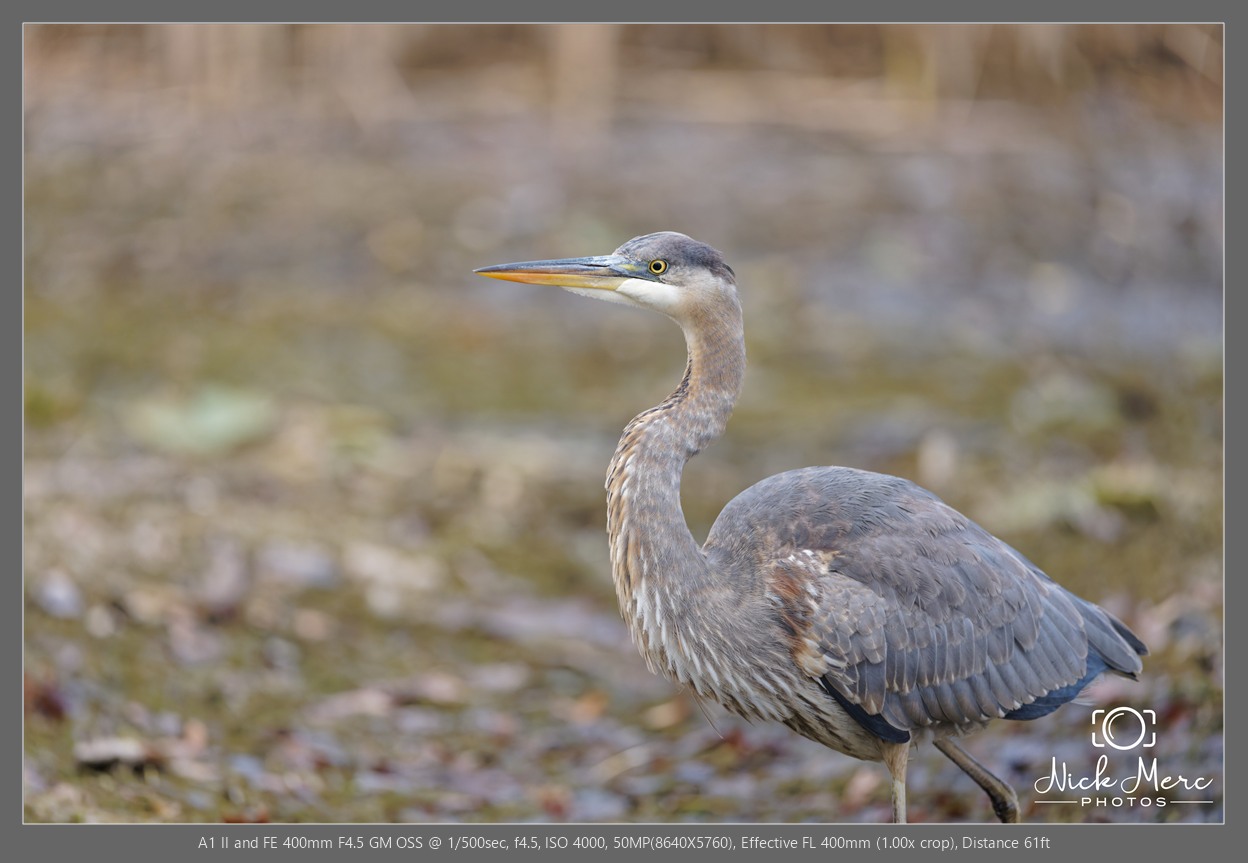
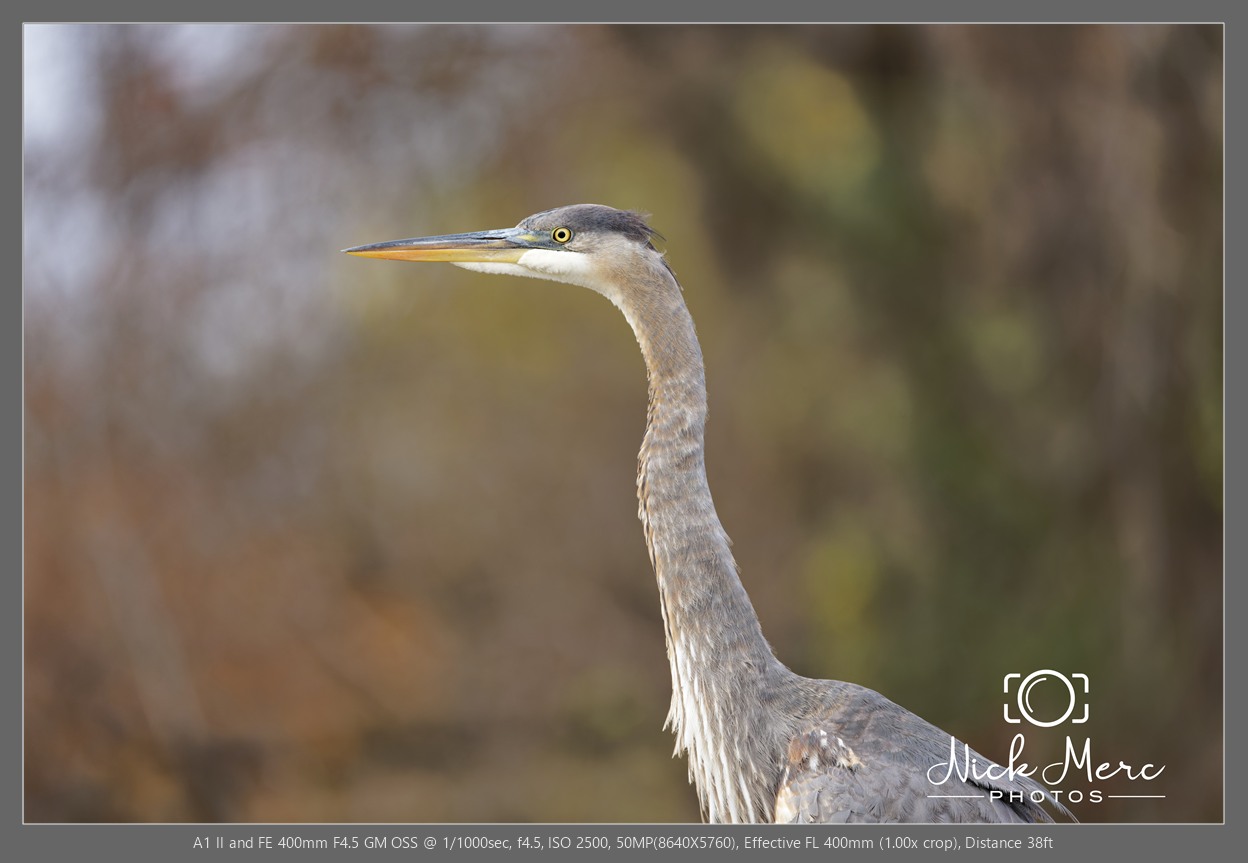

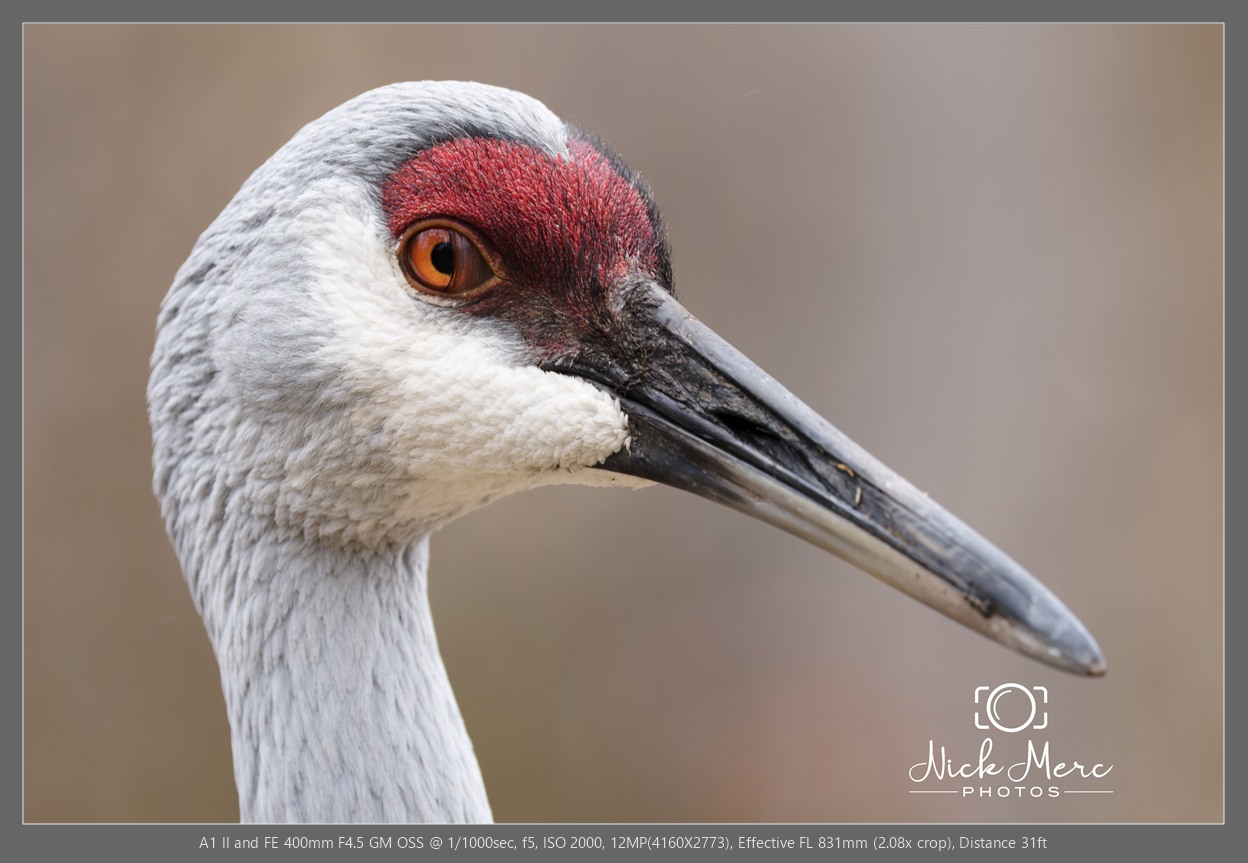
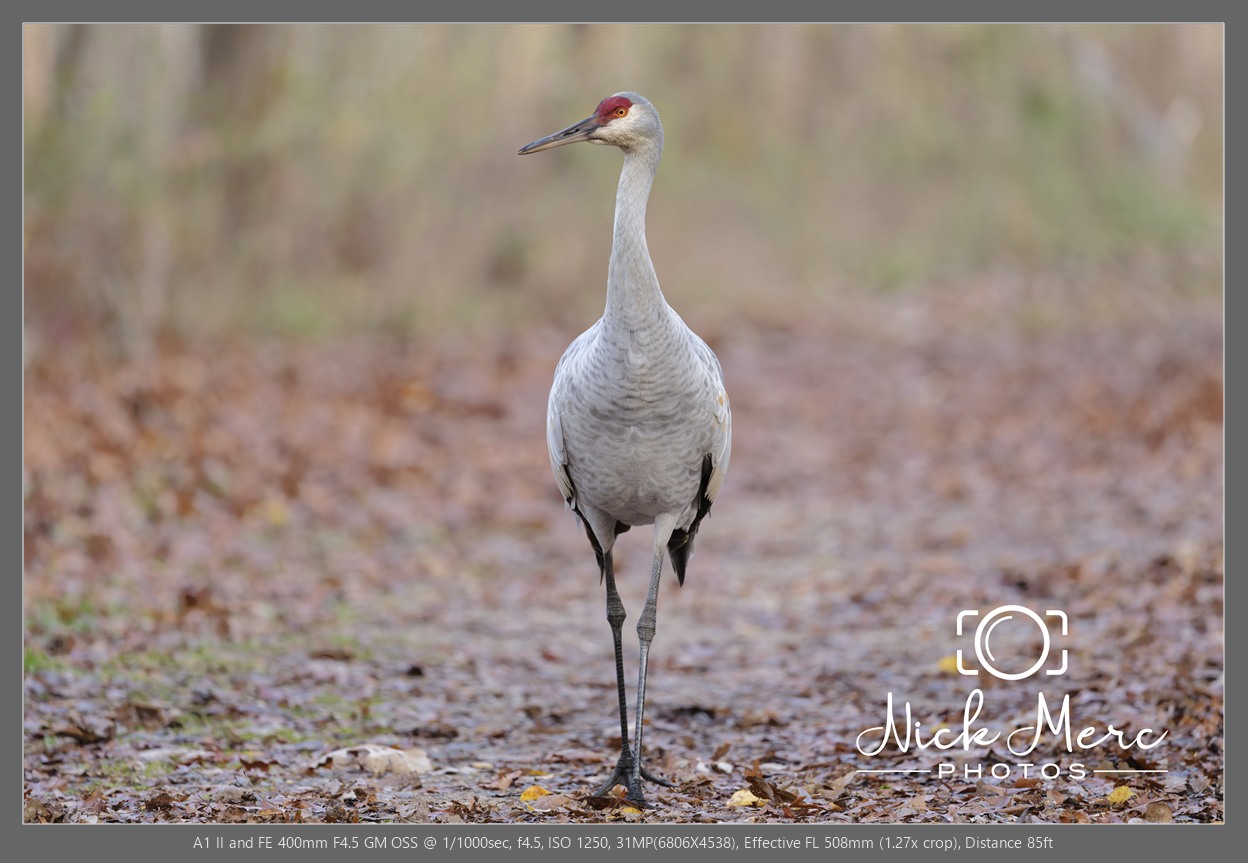
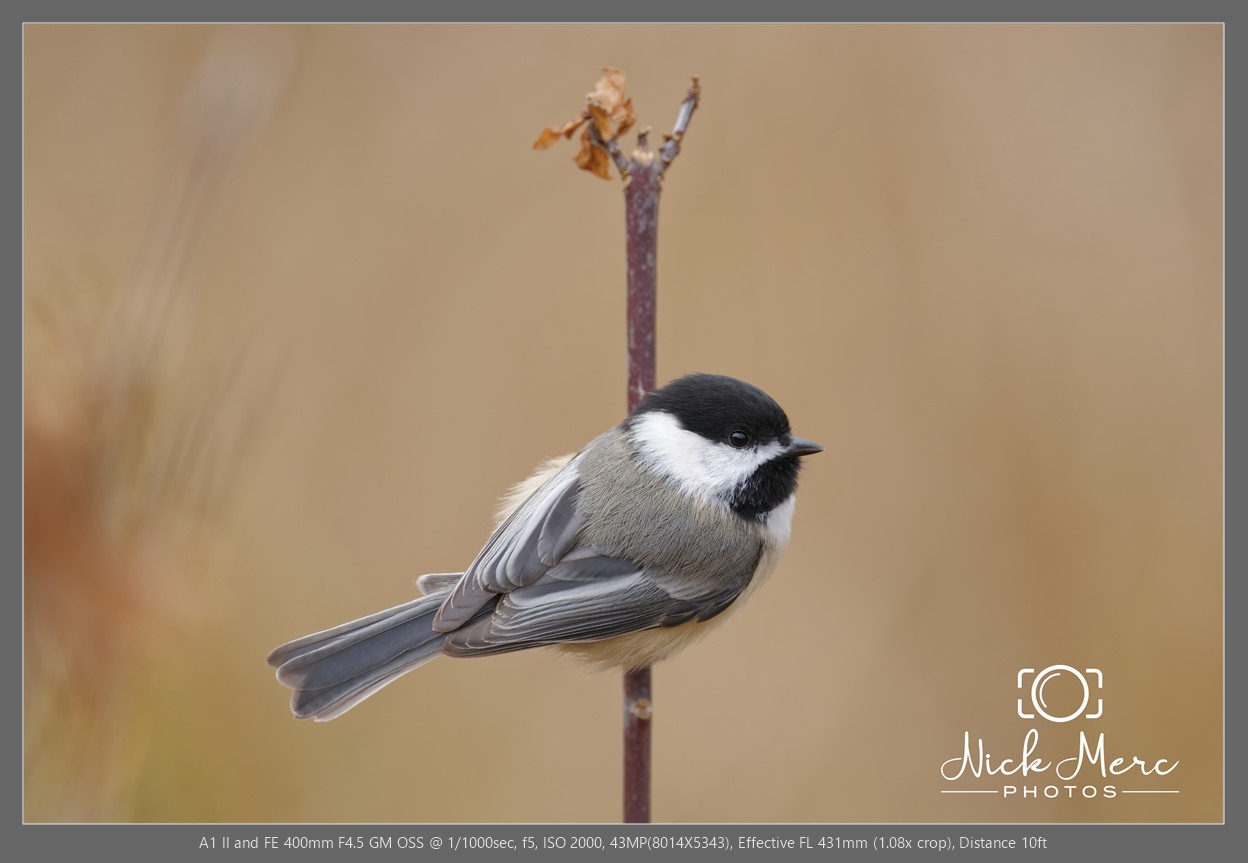
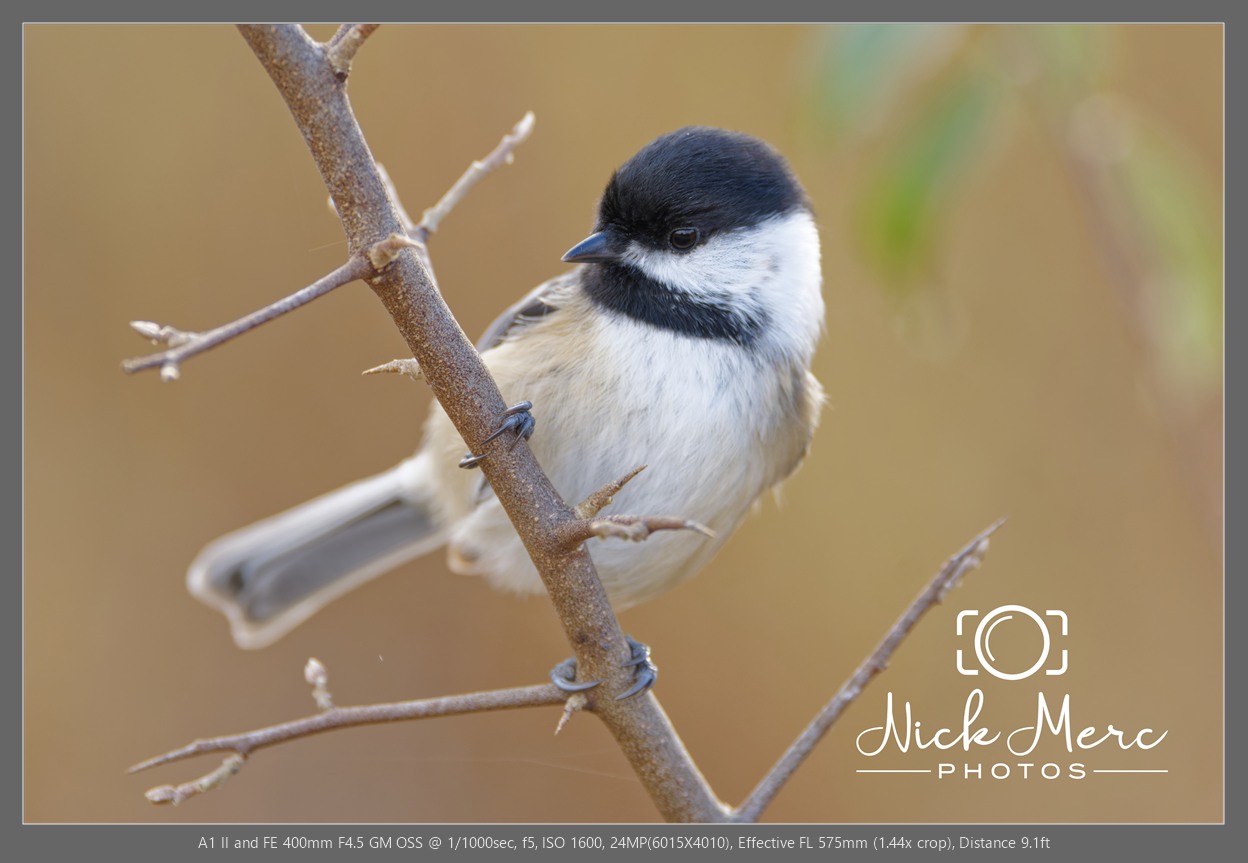
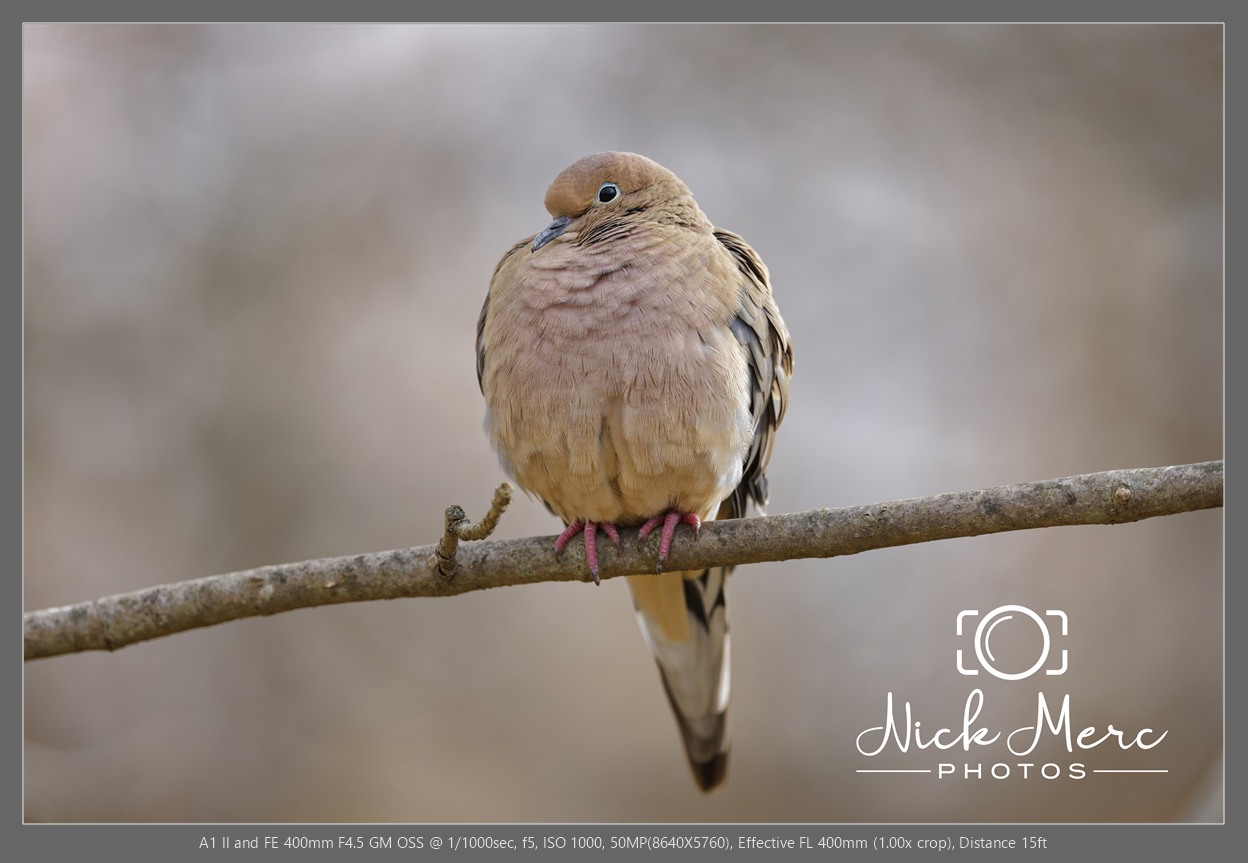
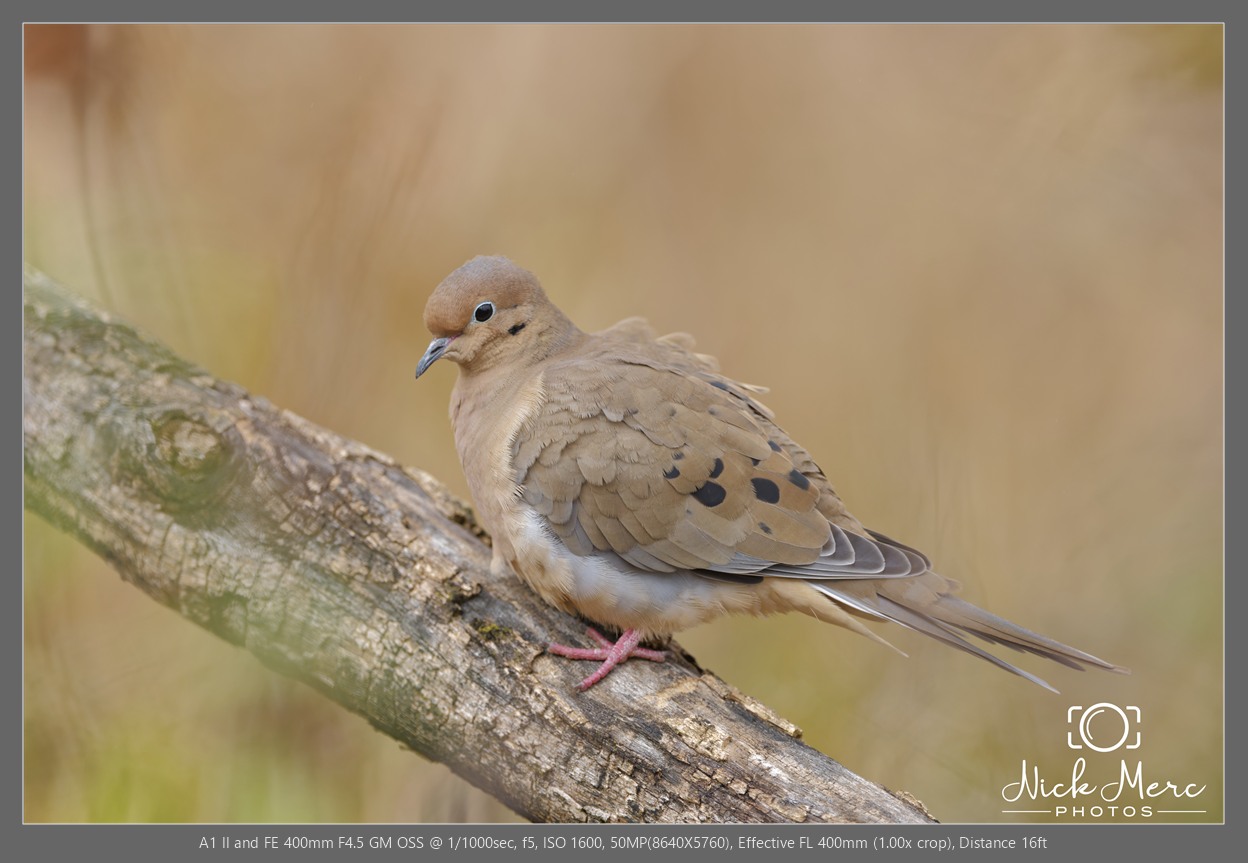
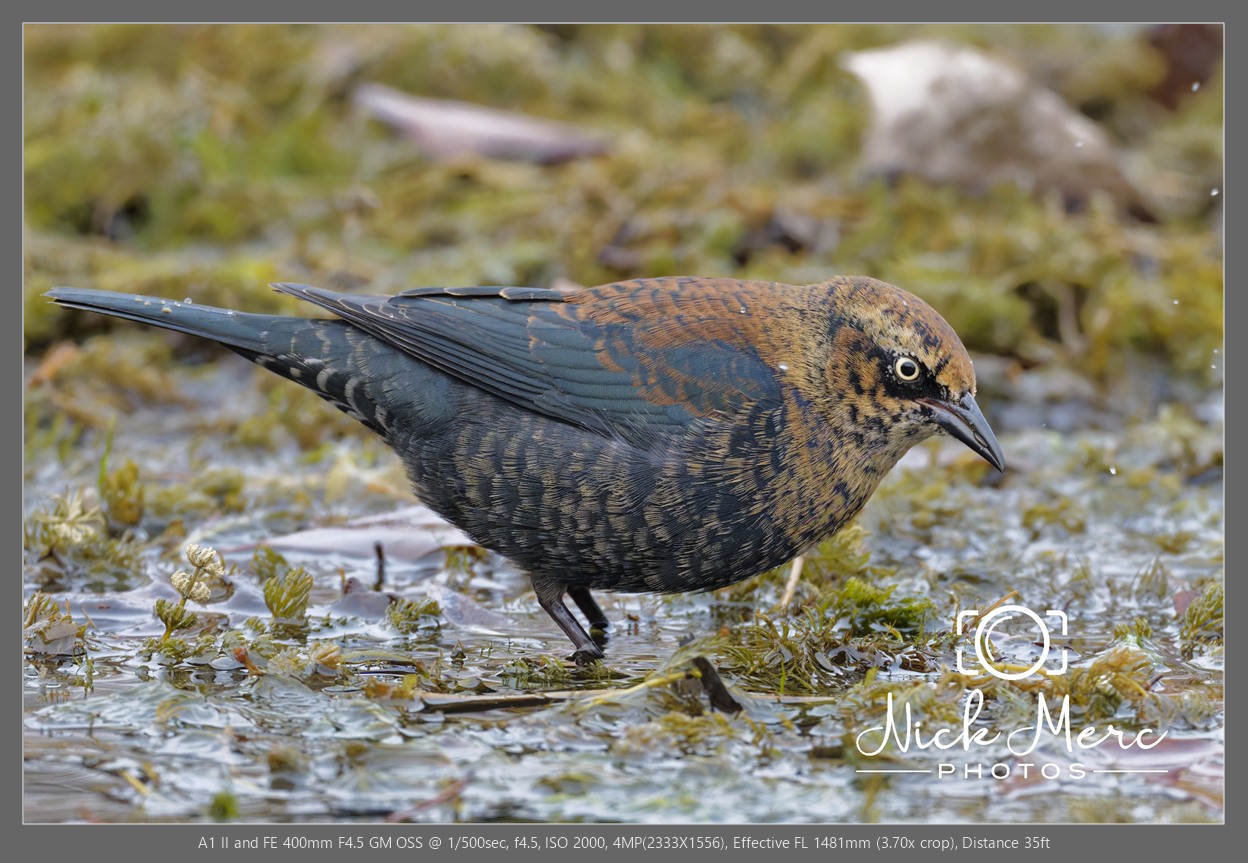
Loving this 400 4.5. The bokeh is very similar to the 300GM, and the sharpness is outrageous. I can't believe you can get this much lens for so cheap.
Nov 07, 2026 at 12:24 PM
p.8 #4Sony FE 400mm f/4.5 GM OSS Images Thread
nmerc_photos wrote:
Still no Short Eared Owls. Tried for a bittern today and no luck. Shooting a bunch of subjects I usually never shoot.
Loving this 400 4.5. The bokeh is very similar to the 300GM, and the sharpness is outrageous. I can't believe you can get this much lens for so cheap.
The last picture tell you all about this lens. Even 4mp crop is useable unless you want to print big .
Still no Short Eared Owls. Tried for a bittern today and no luck. Shooting a bunch of subjects I usually never shoot.
Loving this 400 4.5. The bokeh is very similar to the 300GM, and the sharpness is outrageous. I can't believe you can get this much lens for so cheap.
The last picture tell you all about this lens. Even 4mp crop is useable unless you want to print big
. Nov 07, 2026 at 12:40 PM
p.8 #5Sony FE 400mm f/4.5 GM OSS Images Thread
iso 500 1/640 F4.5 SOOC
 FAMILY IN FALL LEAVES by upercontributor, on Flickr
Nov 07, 2026 at 03:50 PM
p.8 #6Sony FE 400mm f/4.5 GM OSS Images Thread
Here are a few, all with the 1.4x and A7CR, taken while out on a bike ride since this set up is so light.


Nov 08, 2026 at 02:51 PM
p.8 #7Sony FE 400mm f/4.5 GM OSS Images Thread
Still no Short Eared Owls, but I think I have a new place to check this week.
Today was just big ole white tail day. Saw many decent ones, with the one large 11 pter.
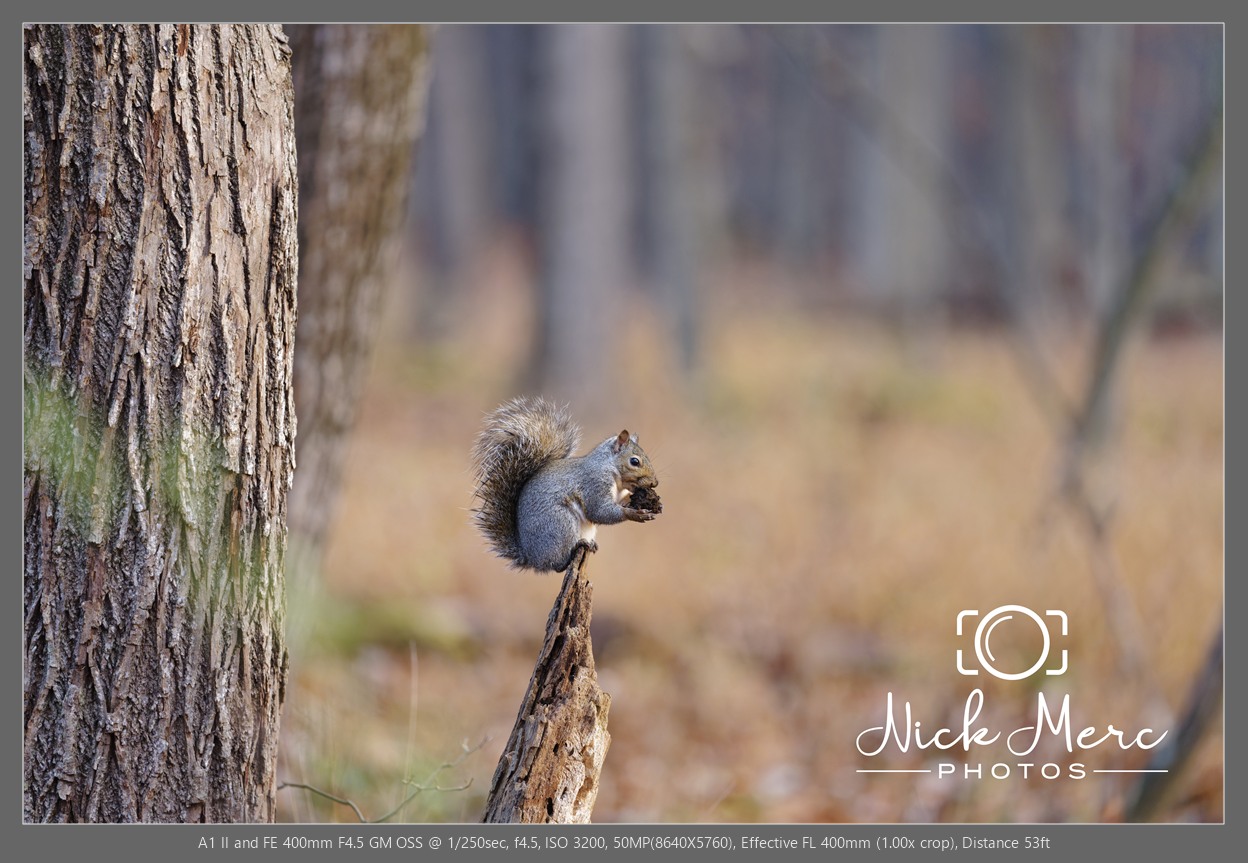
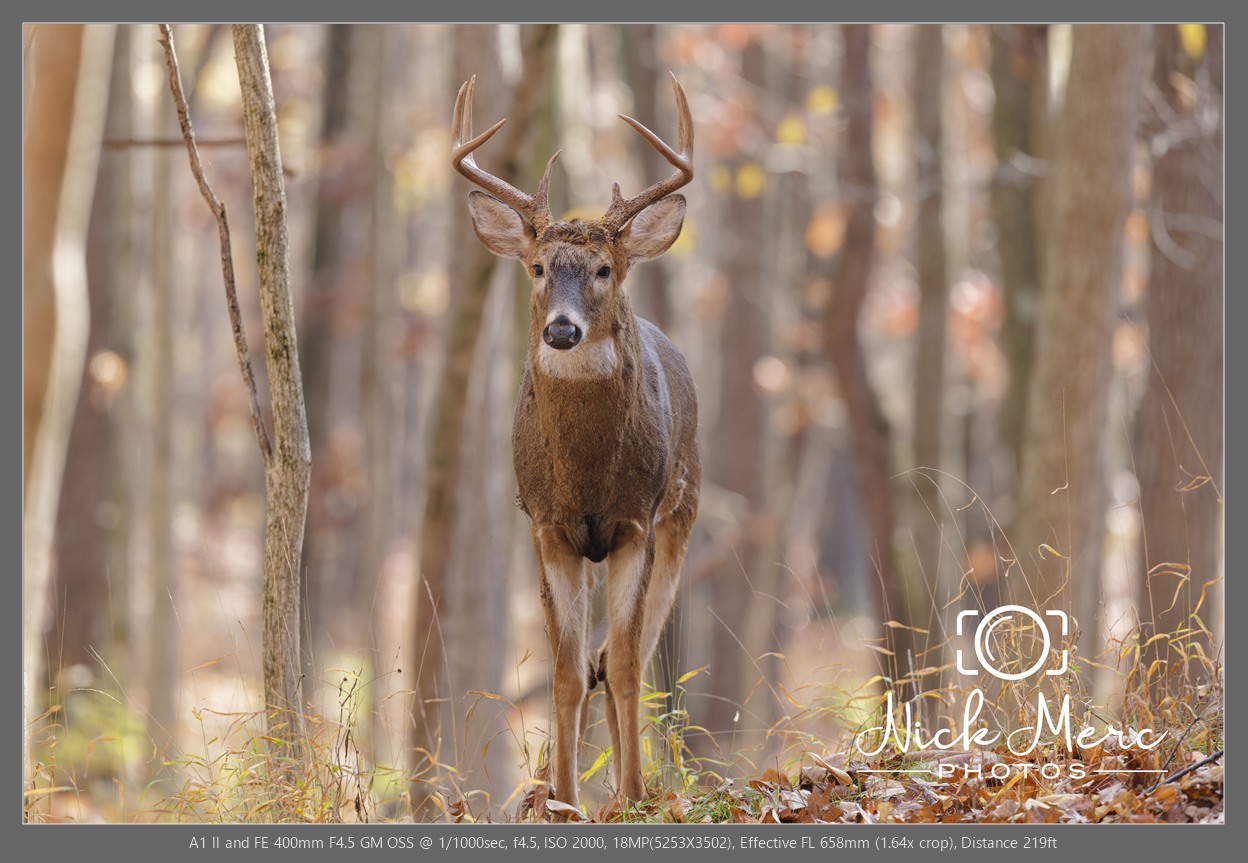
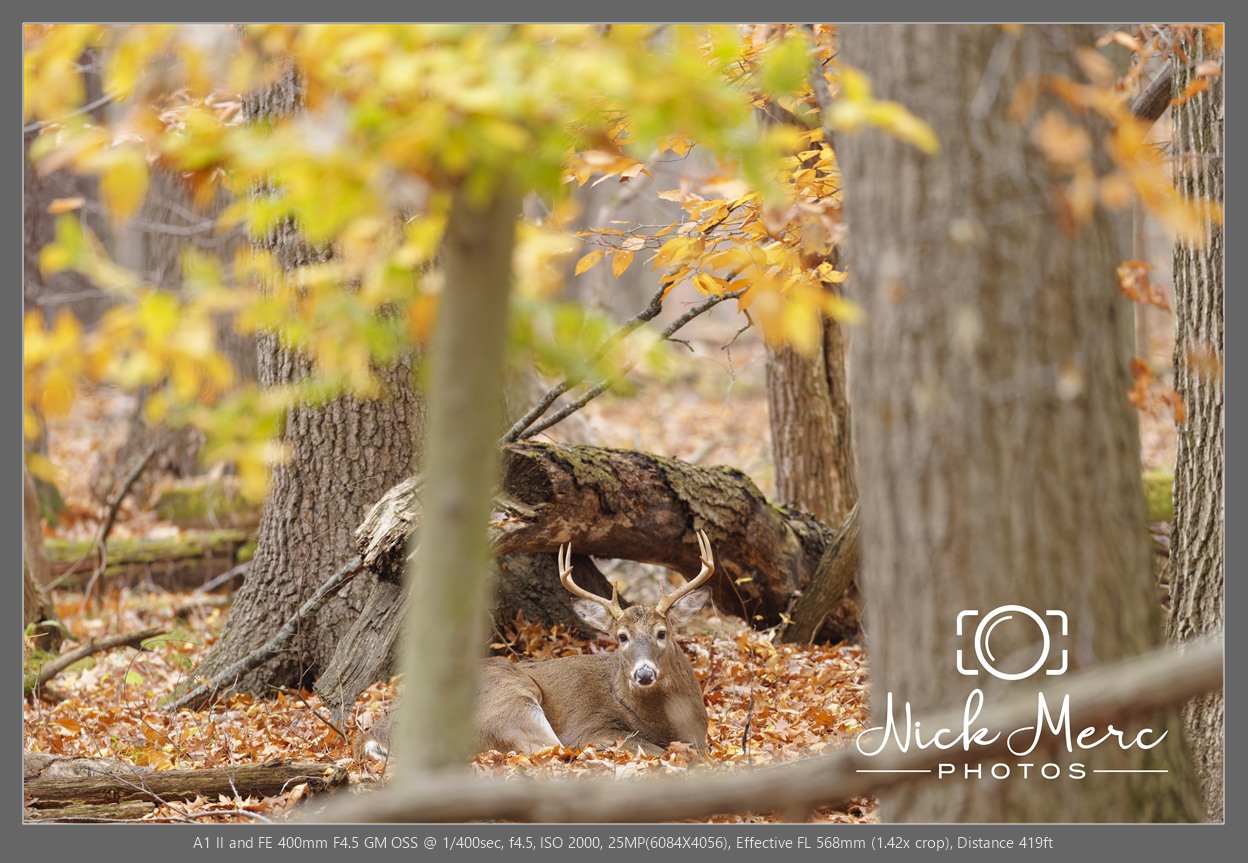
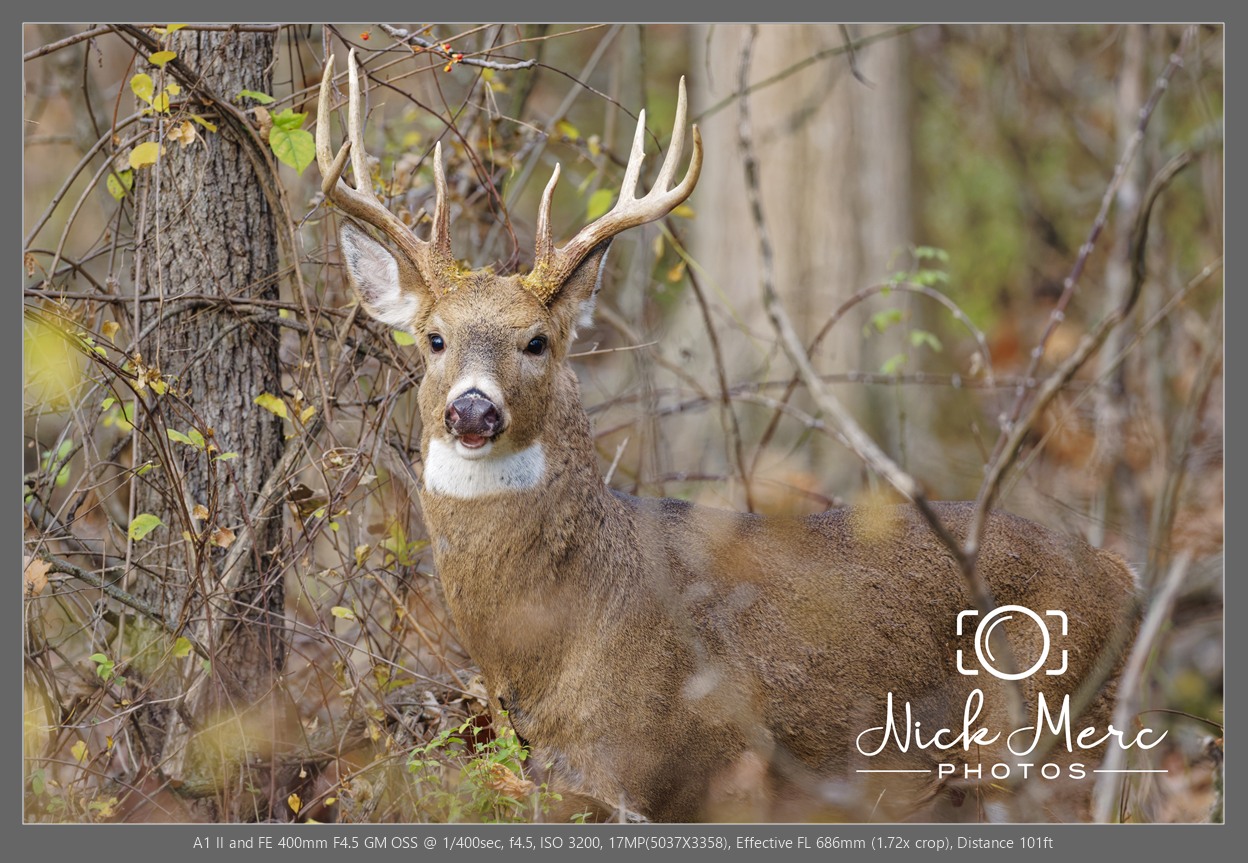
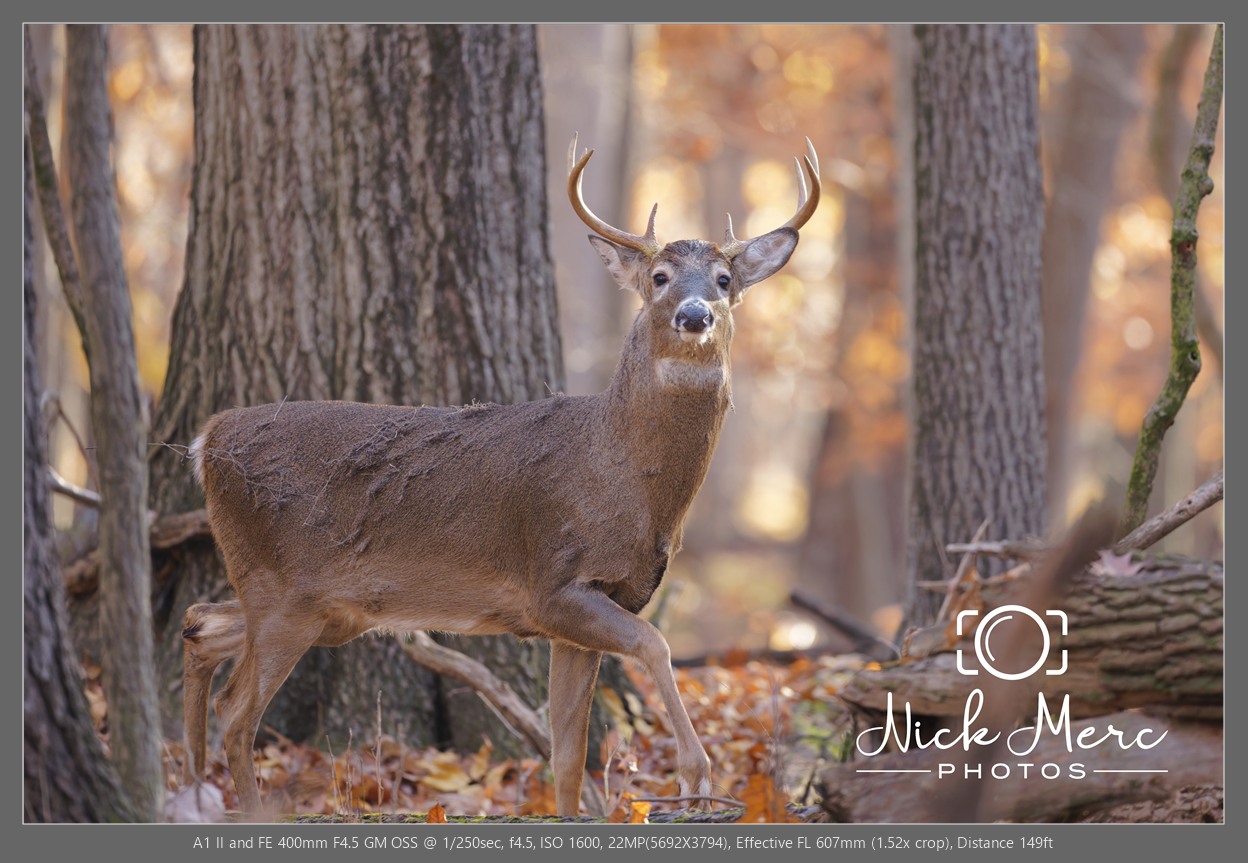
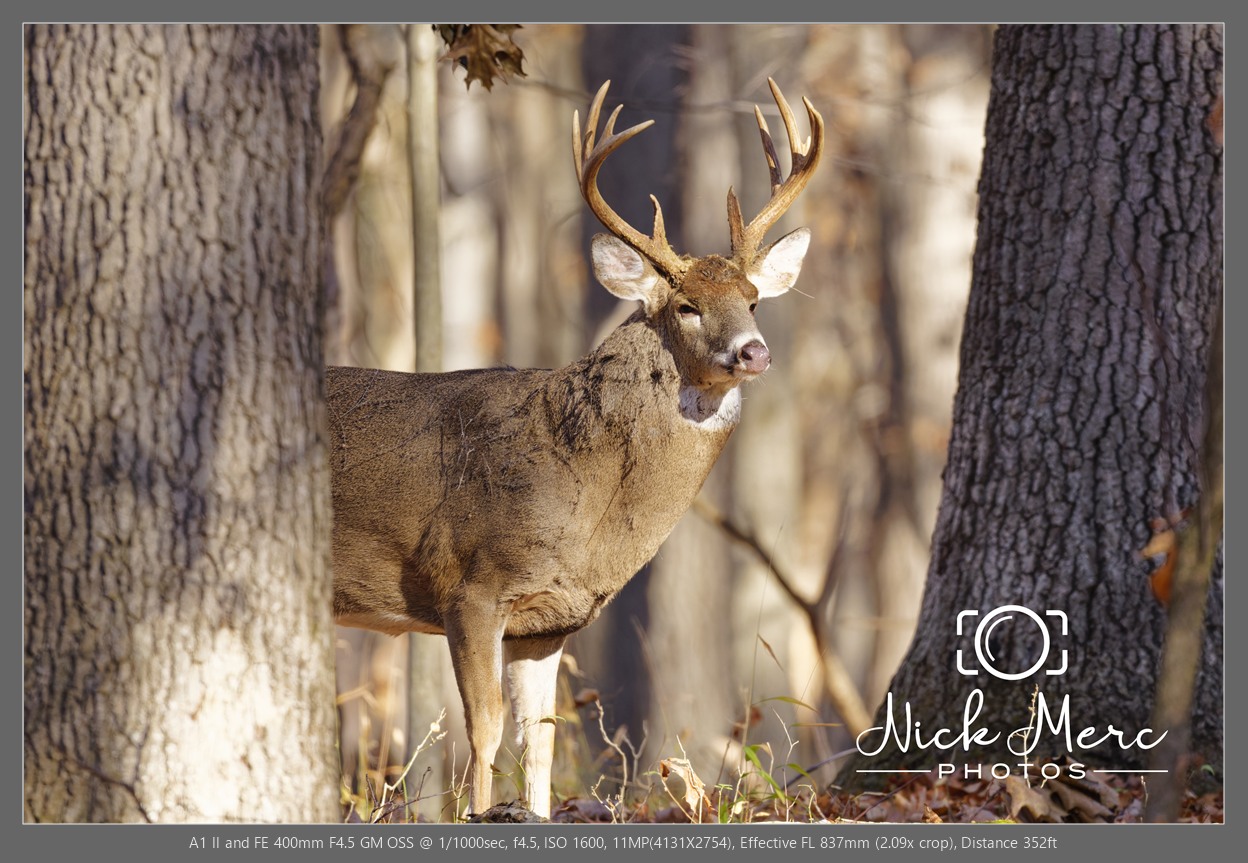
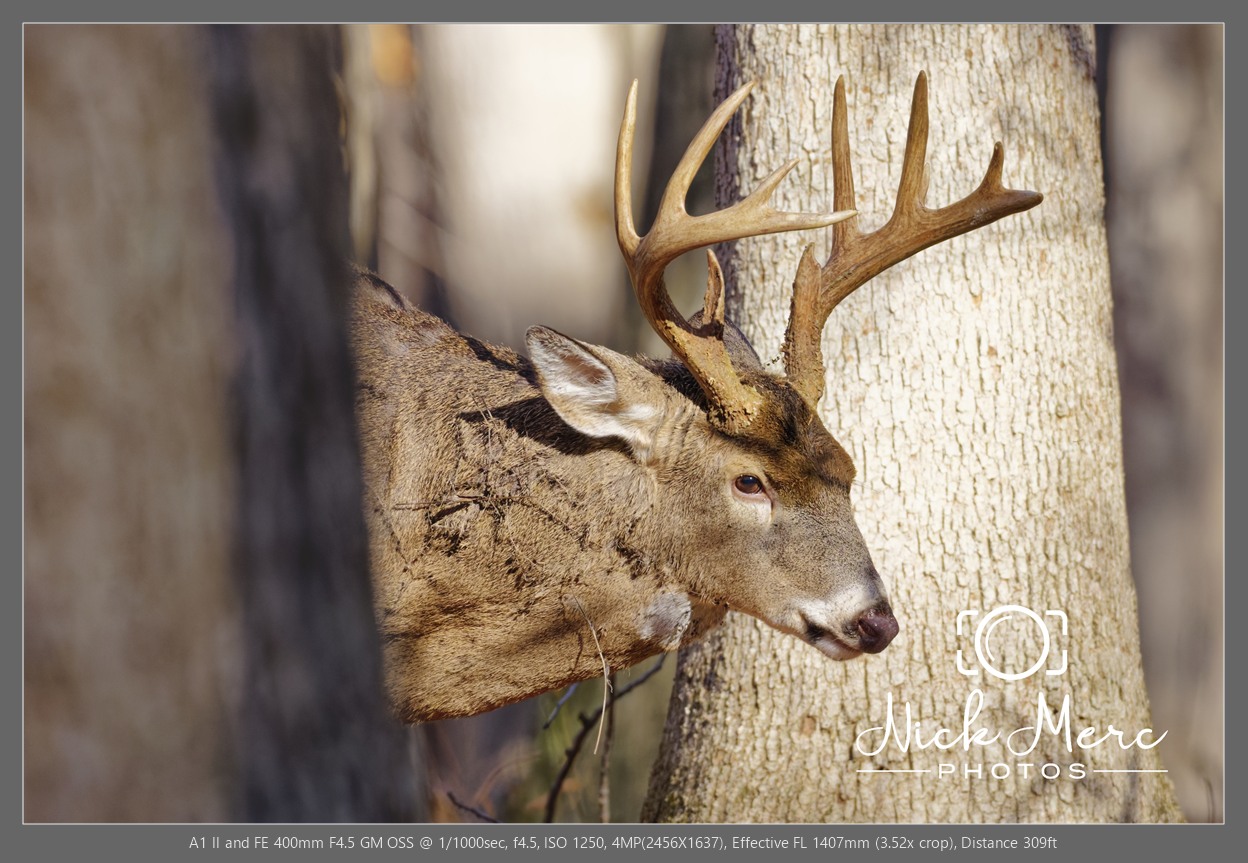
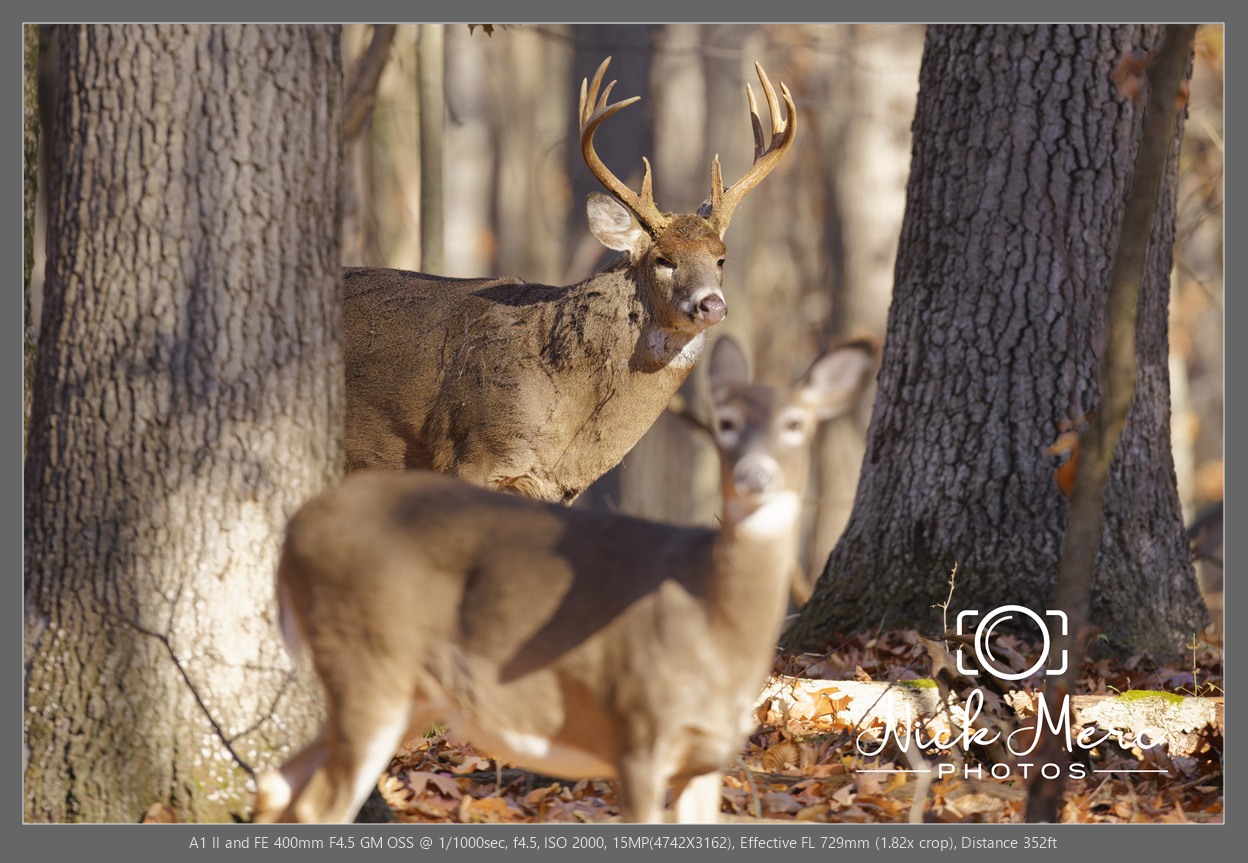
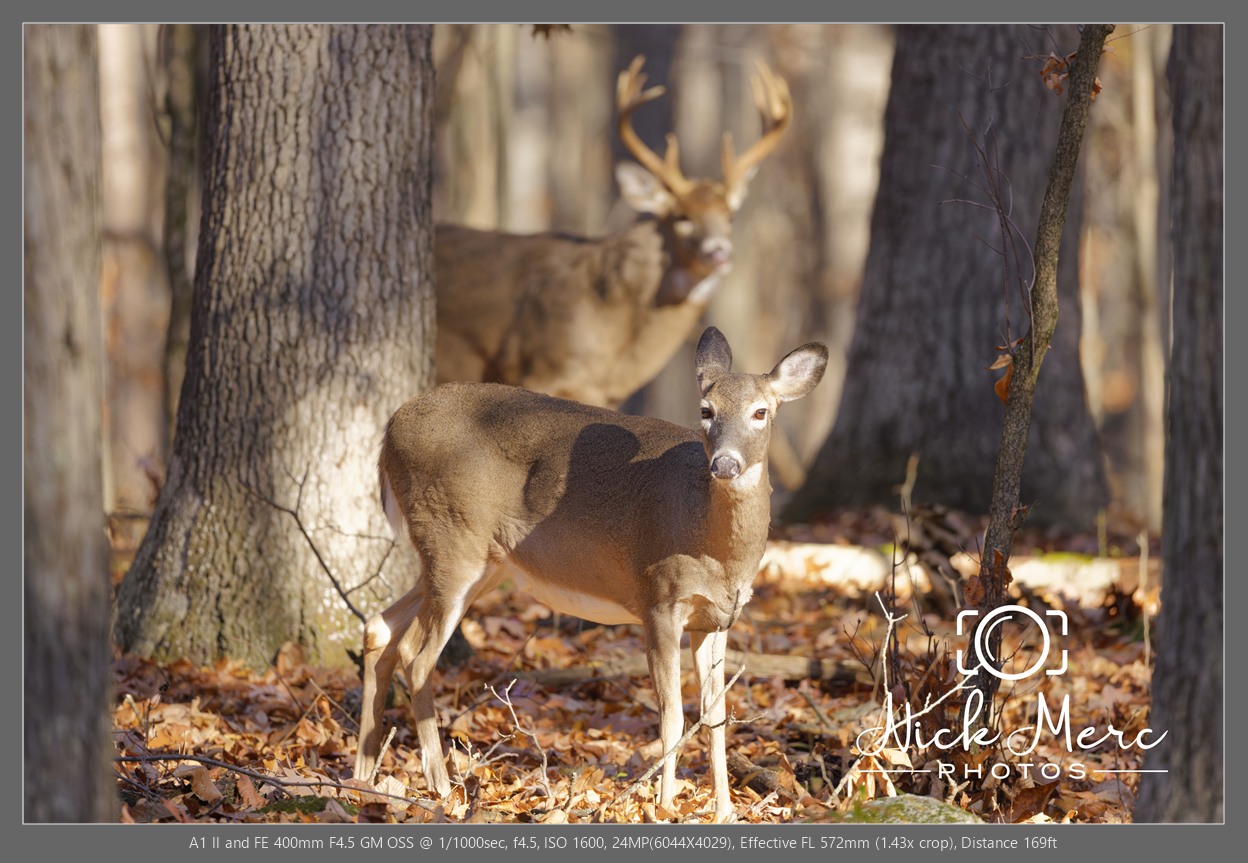
Today was just big ole white tail day. Saw many decent ones, with the one large 11 pter.
Nov 08, 2026 at 07:05 PM
p.8 #8Sony FE 400mm f/4.5 GM OSS Images Thread
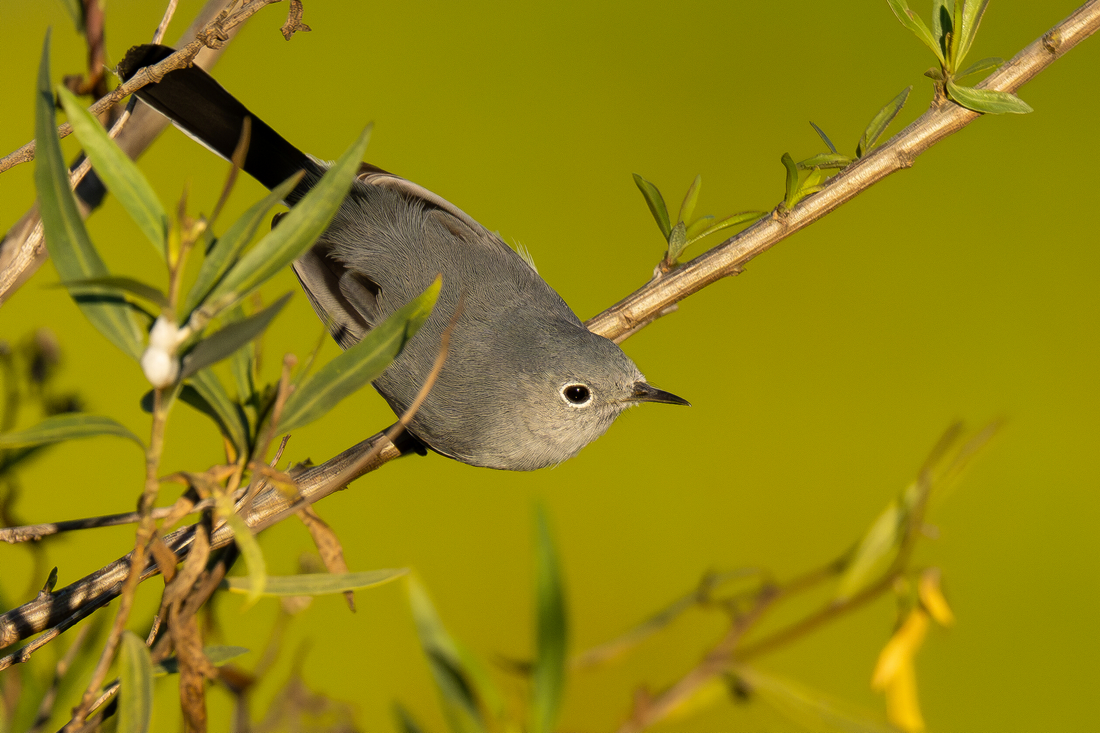
ILCE-7RM6 FE 400mm F4.5 GM OSS + 1.4X Teleconverter lens 560mm f/6.3 1/4000s 1600 ISO 0.0 EV
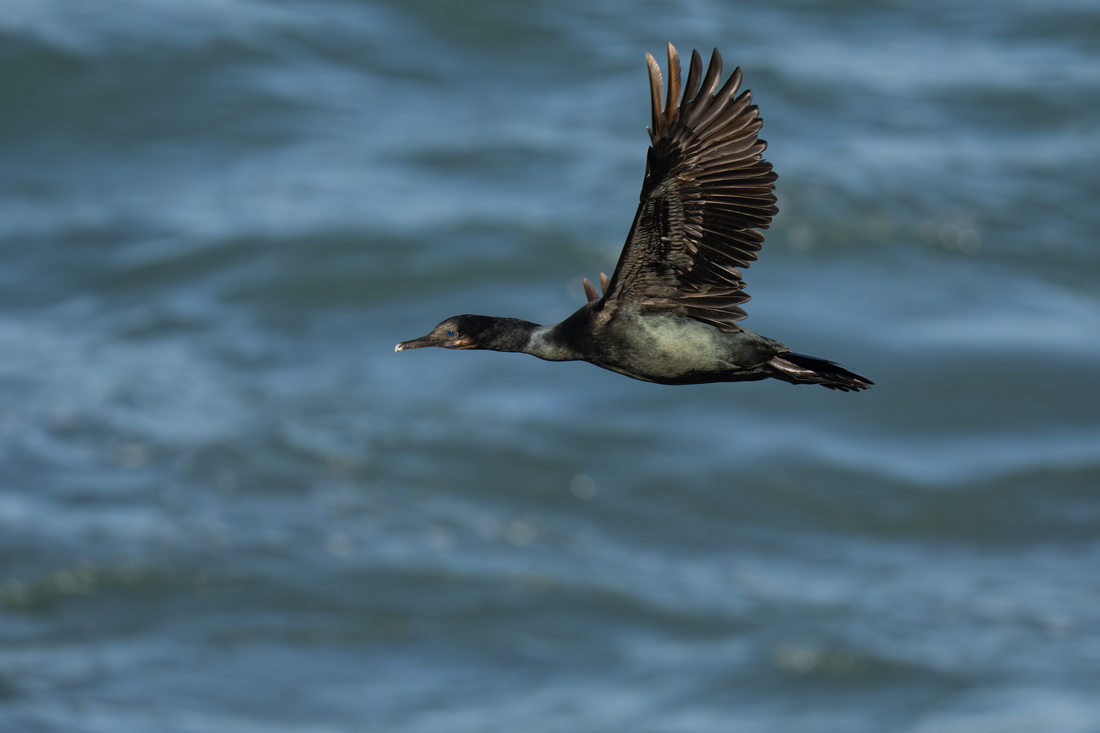
ILCE-7RM6 FE 400mm F4.5 GM OSS + 1.4X Teleconverter lens 560mm f/6.3 1/3200s 1000 ISO 0.0 EV
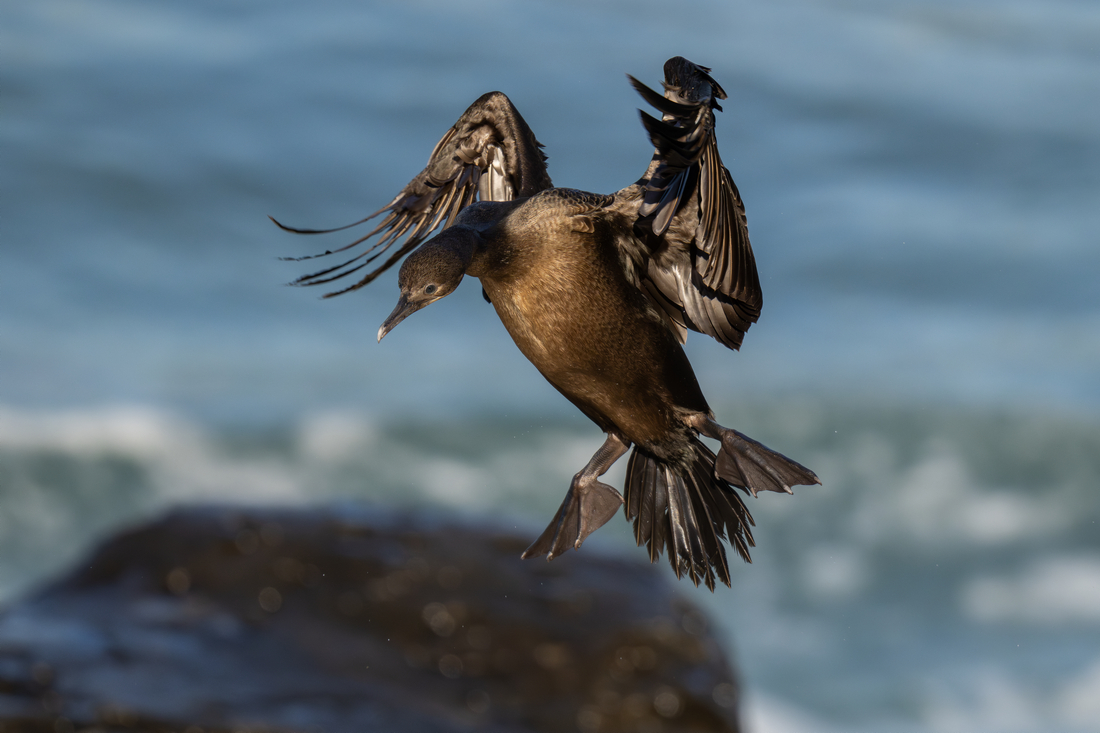
ILCE-7RM6 FE 400mm F4.5 GM OSS + 2X Teleconverter lens 800mm f/9.0 1/3200s 2500 ISO 0.0 EV
Nov 09, 2026 at 01:19 AM
p.8 #9Sony FE 400mm f/4.5 GM OSS Images Thread
 Untitled by Tyrone Barthelemy, on Flickr
Sony A9 400mm f/4.5 GM
Edited on Nov 10, 2026 at 08:02 AM · View previous versions
Nov 09, 2026 at 08:17 AM
|
p.8 #11Sony FE 400mm f/4.5 GM OSS Images Thread
Thanks to everyone who replied and shared their serial number prefixes.
So far, it looks like the US-market lenses are made in Japan, with serial numbers starting with 680, while the European samples seem to have the prefix 430 and are made in China.
Interestingly, my FE 300mm F2.8 GM starts with 681 and is Made in Japan.
To be clear, I'm not saying that a lens made in China is automatically worse.
I'm sure Sony has strict quality standards and controls the manufacturing process regardless of where the lens is made.
Still, I have to say that I'm not particularly happy about getting a Chinese-made lens when buying a GM product.
Maybe that's partly a matter of personal preference, but for me, the country of manufacture is part of what makes a premium product premium.
And let's be honest: we pay a lot of money for these lenses.
European customers pay pretty much the same price as US customers, yet apparently get a lens made in China rather than Japan.
Given the difference in labor costs, I find that a bit hard to swallow.
It's also about the image Sony creates around its GM line.
When I buy a premium Japanese product, I expect a certain level of exclusivity and craftsmanship.
It's a bit like buying a Grand Seiko watch. I wouldn't be particularly pleased to find "Made in China" on it either.
Anyway, I find this difference between markets quite interesting.
I'd be curious to know whether the same applies to other GM lenses.
Nov 09, 2026 at 09:51 AM
p.8 #12Sony FE 400mm f/4.5 GM OSS Images Thread
No raptors today, but still a fun day out with the 400.
 SawyerRobin2026 by Tarekith, on Flickr
 HouseFinch2026 by Tarekith, on Flickr
 WhiteLeaf2026 by Tarekith, on Flickr
SawyerRobin2026 by Tarekith, on FlickrHouseFinch2026 by Tarekith, on FlickrWhiteLeaf2026 by Tarekith, on FlickrNov 09, 2026 at 10:39 AM
p.8 #13Sony FE 400mm f/4.5 GM OSS Images Thread
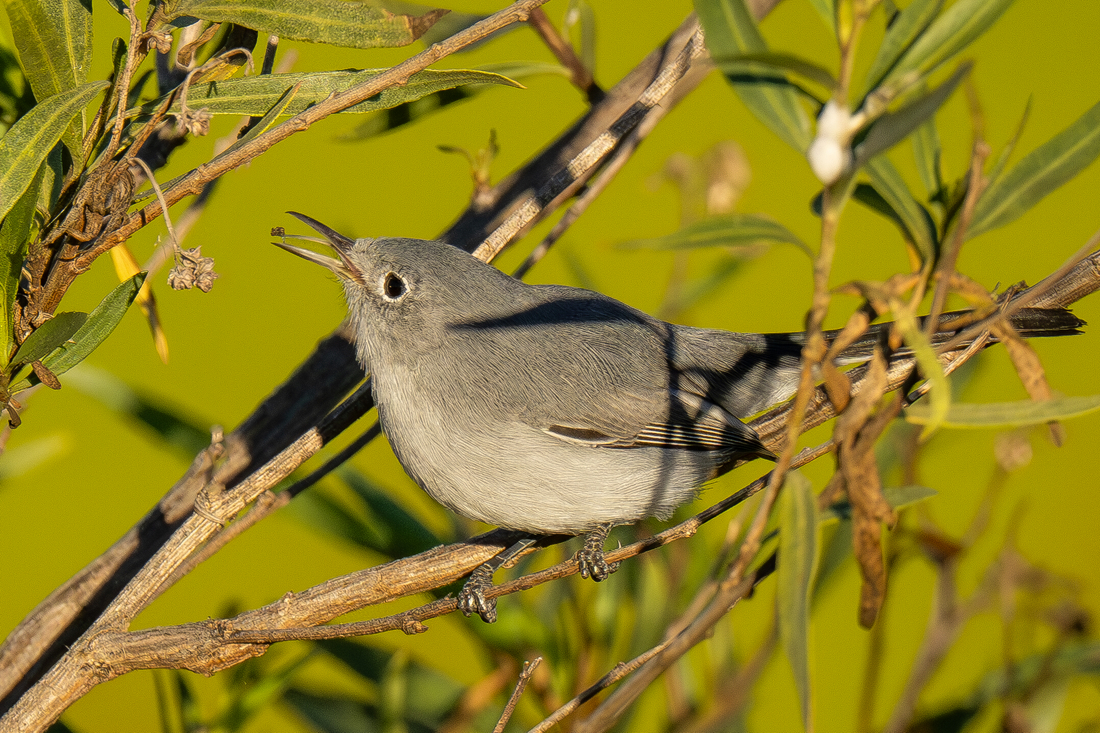
ILCE-7RM6 FE 400mm F4.5 GM OSS + 1.4X Teleconverter lens 560mm f/6.3 1/4000s 1600 ISO 0.0 EV
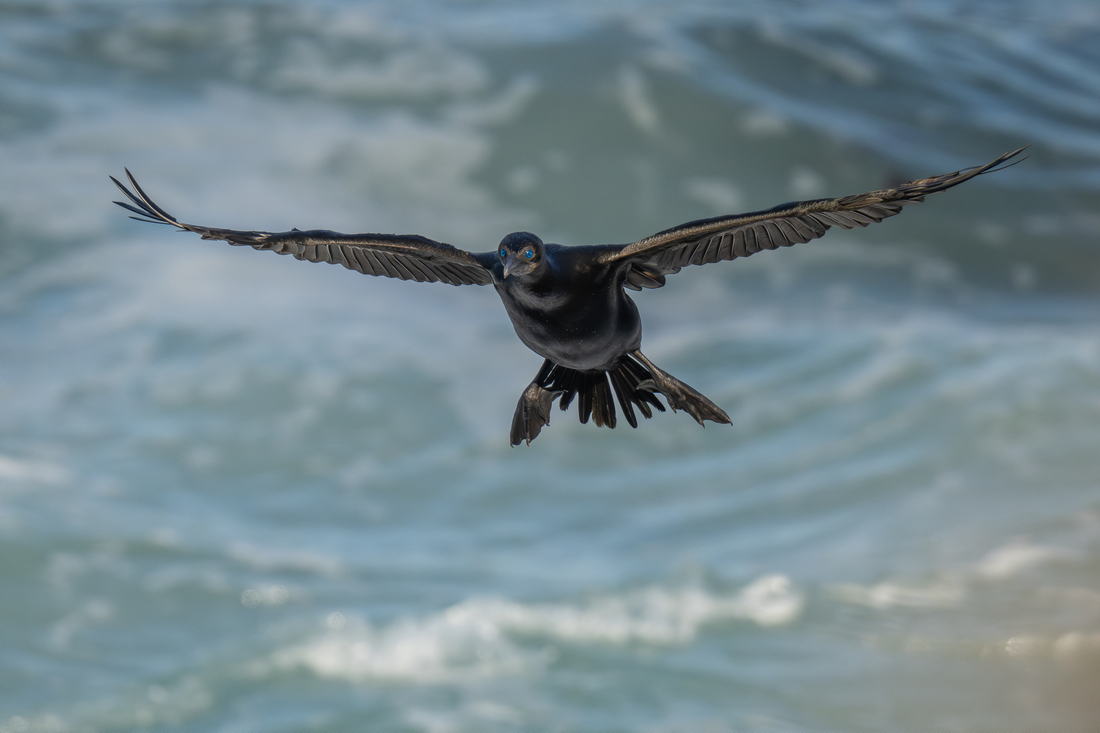
ILCE-7RM6 FE 400mm F4.5 GM OSS + 2X Teleconverter lens 800mm f/9.0 1/4000s 2500 ISO 0.0 EV
Nov 09, 2026 at 06:23 PM
p.8 #14Sony FE 400mm f/4.5 GM OSS Images Thread
What do you guys think of the bokeh quality of this lens?
I think it is not quite as creamy as I would have hoped (backgrounds can be a bit busy, judging from some of the sample photos).
Did anyone compare it to the Sigma 500mm? The Sigma has very nice bokeh imho.
I think it is not quite as creamy as I would have hoped (backgrounds can be a bit busy, judging from some of the sample photos).
Did anyone compare it to the Sigma 500mm? The Sigma has very nice bokeh imho.
Nov 10, 2026 at 10:35 AM
p.8 #15Sony FE 400mm f/4.5 GM OSS Images Thread
3rd party lenses fps capped at 15 fps pretty much eliminated my interest in sigma tele.
keepcoding wrote:
What do you guys think of the bokeh quality of this lens?
I think it is not quite as creamy as I would have hoped (backgrounds can be a bit busy, judging from some of the sample photos).
Did anyone compare it to the Sigma 500mm? The Sigma has very nice bokeh imho.
keepcoding wrote:
What do you guys think of the bokeh quality of this lens?
I think it is not quite as creamy as I would have hoped (backgrounds can be a bit busy, judging from some of the sample photos).
Did anyone compare it to the Sigma 500mm? The Sigma has very nice bokeh imho.
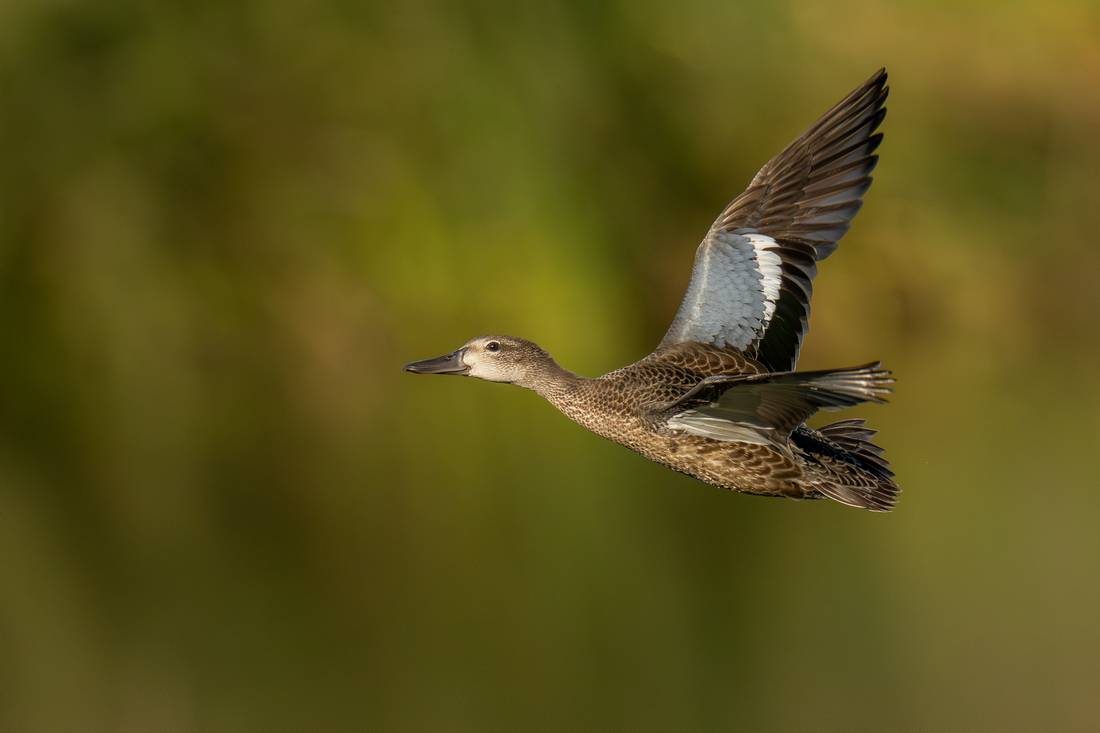
ILCE-7RM6 FE 400mm F4.5 GM OSS + 1.4X Teleconverter lens 560mm f/6.3 1/4000s 1250 ISO 0.0 EV
Nov 10, 2026 at 11:12 AM
p.8 #16Sony FE 400mm f/4.5 GM OSS Images Thread
keepcoding wrote:
What do you guys think of the bokeh quality of this lens?
I think it is not quite as creamy as I would have hoped (backgrounds can be a bit busy, judging from some of the sample photos).
Did anyone compare it to the Sigma 500mm? The Sigma has very nice bokeh imho.
In my experience the 400 4.5’s bokeh is very good. The character is smooth, and I’d put it up there with the 300GM F2.8 and 600GM F4 I’ve used. I’d be careful judging it from sample photos, though. Most “busy” backgrounds come down to shooting conditions, not the lens.
On the Sigma 500 comparison, the physics is closer than people think. For a subject framed the same, background blur scales with the entrance pupil (focal length ÷ f-number):
400 / 4.5 = 89mm
500 / 5.6 = 89mm
So they produce the same amount of blur on a distant background. For closer backgrounds, the 400 actually blurs slightly more, because you’re standing closer to get the same framing. The Sigma’s real edge is its narrower field of view. You see a smaller slice of background, which makes it easier to pick a clean one. That’s background selection, not bokeh quality.
For reference, the 300 2.8 is 107mm (about 20% more blur) and the 600 f/4 is 150mm (about 70% more). If you want maximum melt, that’s where it comes from, along with the size and weight that go with it.
The things that actually determine how much blur you get:
Magnification (fill the frame)
Subject-to-background distance relative to camera-to-subject distance
Background choice and light (dappled sun will make any lens look nervous)
Where lenses do differ is the character of that blur: how they render partly defocused twigs and grass, onion rings, cat’s eye toward the edges. On that front I haven’t seen anything from the 400 4.5 that I’d call busy. Post some examples of what you’re seeing, with distances, and it’d be easier to tell what’s lens and what’s scene.
Nov 10, 2026 at 11:22 AM
p.8 #17Sony FE 400mm f/4.5 GM OSS Images Thread
nmerc_photos wrote:
I think it is not quite as creamy as I would have hoped (backgrounds can be a bit busy, judging from some of the sample photos).
Did anyone compare it to the Sigma 500mm? The Sigma has very nice bokeh imho.In my experience the 400 4.5’s bokeh is very good. The character is smooth, and I’d put it up there with the 300GM F2.8 and 600GM F4 I’ve used. I’d be careful judging it from sample photos, though. Most “busy” backgrounds come down to shooting conditions, not the lens.
On the Sigma 500 comparison, the physics is closer than people think. For a subject framed the same, background blur scales with the entrance pupil (focal length ÷ f-number):
400 / 4.5 = 89mm
500 / 5.6 = 89mm
So they produce the same amount of blur on a distant background. For closer backgrounds, the...Show more →
Maybe 'busy' is the wrong word. I agree that the bokeh of the 400mm looks very good in most of the shots, but what I mean is that sometimes there is just a bit much definition in the background (hard lines) when focusing further away.
The amount of blur is limited by the aperture, that's clear. And whether the Sigma or Sony has more blur is not really a concern. What I'm mostly interested in is how the lenses render, how smooth that background looks when a subject is far away.
I haven't found a direct comparison yet.
keepcoding wrote
What do you guys think of the bokeh quality of this lens?I think it is not quite as creamy as I would have hoped (backgrounds can be a bit busy, judging from some of the sample photos).
Did anyone compare it to the Sigma 500mm? The Sigma has very nice bokeh imho.
On the Sigma 500 comparison, the physics is closer than people think. For a subject framed the same, background blur scales with the entrance pupil (focal length ÷ f-number):
400 / 4.5 = 89mm
500 / 5.6 = 89mm
So they produce the same amount of blur on a distant background. For closer backgrounds, the...Show more →
Maybe 'busy' is the wrong word. I agree that the bokeh of the 400mm looks very good in most of the shots, but what I mean is that sometimes there is just a bit much definition in the background (hard lines) when focusing further away.
The amount of blur is limited by the aperture, that's clear. And whether the Sigma or Sony has more blur is not really a concern. What I'm mostly interested in is how the lenses render, how smooth that background looks when a subject is far away.
I haven't found a direct comparison yet.
Nov 10, 2026 at 12:18 PM
p.8 #18Sony FE 400mm f/4.5 GM OSS Images Thread
keepcoding wrote:
The amount of blur is limited by the aperture, that's clear. And whether the Sigma or Sony has more blur is not really a concern. What I'm mostly interested in is how the lenses render, how smooth that background looks when a subject is far away.
Blur also depends on a combination of focal length, how close your subject is to the camera vs how close the subject is to the background. Not just aperture. A very slow aperture, much slower than 4.5, could produce blur that competes with much faster glass, depending on the shooting conditions.
Personally, my subjective opinion is that the new 400 and 600mm renders pretty well. I have the 600. This thread and the 600 thread has many examples of the rendering.
Nov 10, 2026 at 01:07 PM

p.8 #20Sony FE 400mm f/4.5 GM OSS Images Thread
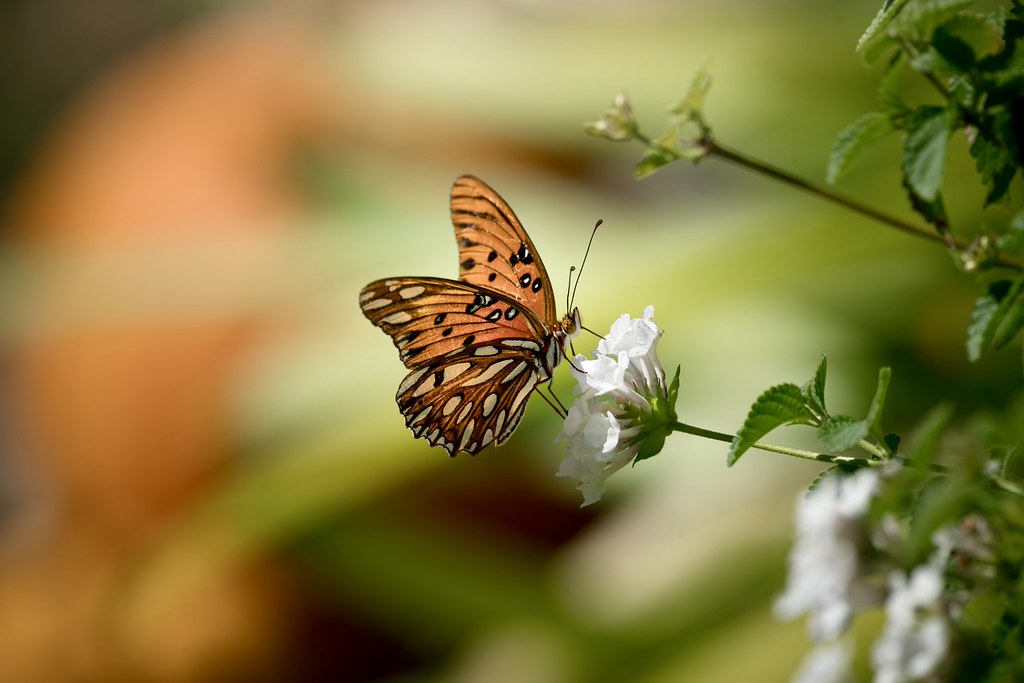
 800 mm by Tyrone Barthelemy, on Flickr
Sony 400mm f/4.5 + 2.0x tc = 800mm, no crop
Nov 11, 2026 at 12:57 PM