Infrared on Sony - anyone doing it these days?
p.1 #1Infrared on Sony - anyone doing it these days?
Happened across some IR images I shot several years ago on a full-spectrum a6000, and it inspired me to try it again. So...my old a7R is on its way to LifePixel for a 590nm conversion (I wasn't a fan of having to use filters with the full-spectrum body, and the 590nm images were my favorites).
Looking forward to playing with it soon.
Anyone else here shooting IR on a Sony body?
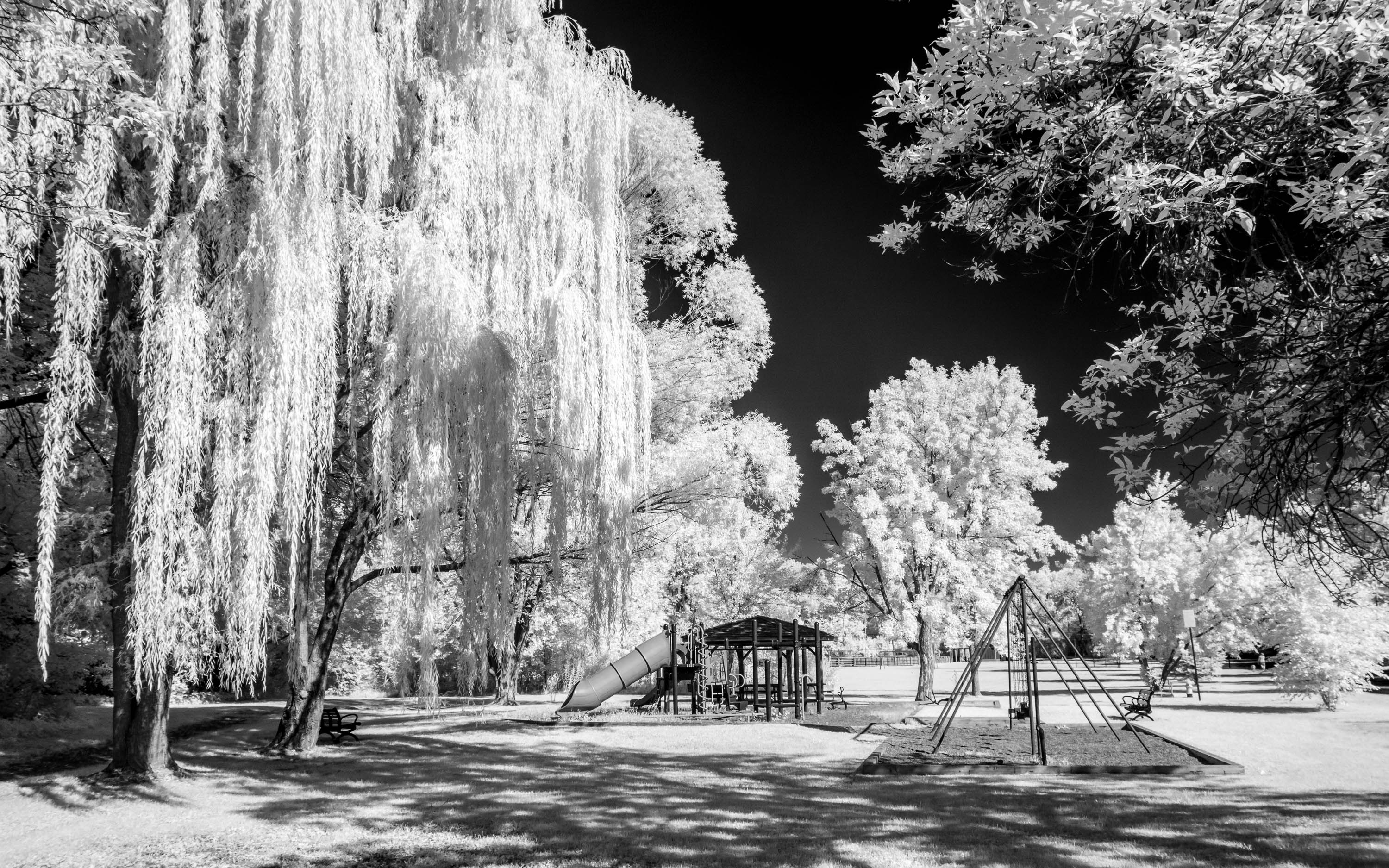
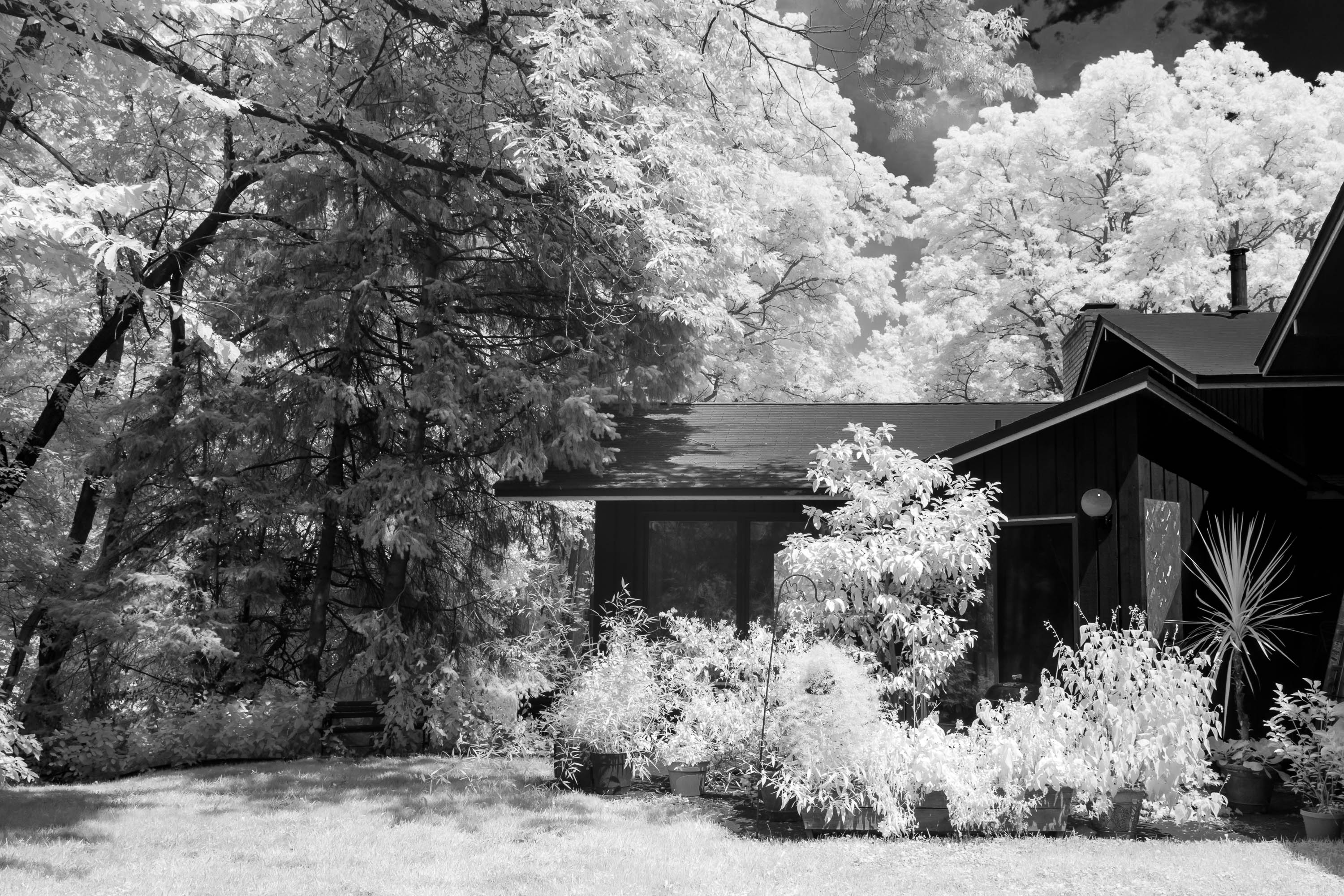
Meanwhile, here's a couple old shots...
Looking forward to playing with it soon.
Anyone else here shooting IR on a Sony body?
Meanwhile, here's a couple old shots...
ILCE-6000 FE 16-35mm F4 ZA OSS lens 20mm f/9.0 1/320s 200 ISO +1.0 EV
ILCE-6000 E 25mm F2 lens 25mm f/9.0 1/160s 100 ISO +0.7 EV
Sep 29, 2026 at 12:40 PM
p.1 #2Infrared on Sony - anyone doing it these days?
I have the exact same plans. I have an old A7r that has served me well, but I don’t use it anymore. I have shot IR with an old canon dslr that was converted, but don’t really have any canon lenses for it anymore. The A7r would be a great camera for ir.
Sep 29, 2026 at 12:53 PM
p.1 #3Infrared on Sony - anyone doing it these days?
chez wrote:
The A7r would be a great camera for ir.
That's what I was thinking/hoping.
The A7r would be a great camera for ir.
That's what I was thinking/hoping.
Sep 29, 2026 at 01:03 PM
p.1 #4Infrared on Sony - anyone doing it these days?
I did. I enjoyed my 830nm A7VIII so much that I had an A7RIV converted, disaster with the banding in the sky, just the nature of Sony PDAF. The higher the resolution, the darker the conversion, the more visible the banding shows. I bought a Canon R5 specifically for 830 nm conversion because they don't use PDAF.
Long thread here: https://www.fredmiranda.com/forum/topic/1681697/
Long thread here: https://www.fredmiranda.com/forum/topic/1681697/
Sep 29, 2026 at 01:04 PM
p.1 #5Infrared on Sony - anyone doing it these days?
Douglas L wrote:
Long thread here: https://www.fredmiranda.com/forum/topic/1681697/
Thanks for that. Didn't come up when I searched (archived). Great stuff there.
Long thread here: https://www.fredmiranda.com/forum/topic/1681697/
Thanks for that. Didn't come up when I searched (archived). Great stuff there.
Sep 29, 2026 at 01:06 PM
p.1 #6Infrared on Sony - anyone doing it these days?
I've considered it, also considered doing a dedicated mono conversion. Reality for me is I'm not sure how long before I got tired of the effect or even the effort to use it -- it's already about all I can manage to get out and shoot enough with my normal cameras...
If I did IR, I'd do Full Spectrum on an older body, probably something like an A7RV or better an A7Cr so it fit in my bag easier so it was there if/when I wanted it. Then I'd get the Kolari snap in body filters for true color, and then probably the 590 or 665 in order to do false-color as well as partial mono IR. But then as soon as I consider doing this, I think I'd actually use a true mono camera a lot more often, so start thinking in that direction. Note that mono can still do IR, just not false color. So here I'd probably get an 850 nm IR filter, again with appropriate internal, removable IRUV cut filter for normal mono. Then I look at the costs, and look at my converted color files and think, "why bother." But I get the appeal.
If I did IR, I'd do Full Spectrum on an older body, probably something like an A7RV or better an A7Cr so it fit in my bag easier so it was there if/when I wanted it. Then I'd get the Kolari snap in body filters for true color, and then probably the 590 or 665 in order to do false-color as well as partial mono IR. But then as soon as I consider doing this, I think I'd actually use a true mono camera a lot more often, so start thinking in that direction. Note that mono can still do IR, just not false color. So here I'd probably get an 850 nm IR filter, again with appropriate internal, removable IRUV cut filter for normal mono. Then I look at the costs, and look at my converted color files and think, "why bother." But I get the appeal.
Sep 29, 2026 at 01:17 PM
p.1 #7Infrared on Sony - anyone doing it these days?
I had an A7r (og) with a slight scratch on the sensor cover glass so had it removed and converted to full spectrum.
After a lot of dabbling with lens filters I settled on a STC clip-in IR720 filter.
Had quite a few IR photo walks the last couple of summers.
I use Sony PZ 16-35:

 [


Tamron 28-75 G2:


Sigma 24mm f3.5:


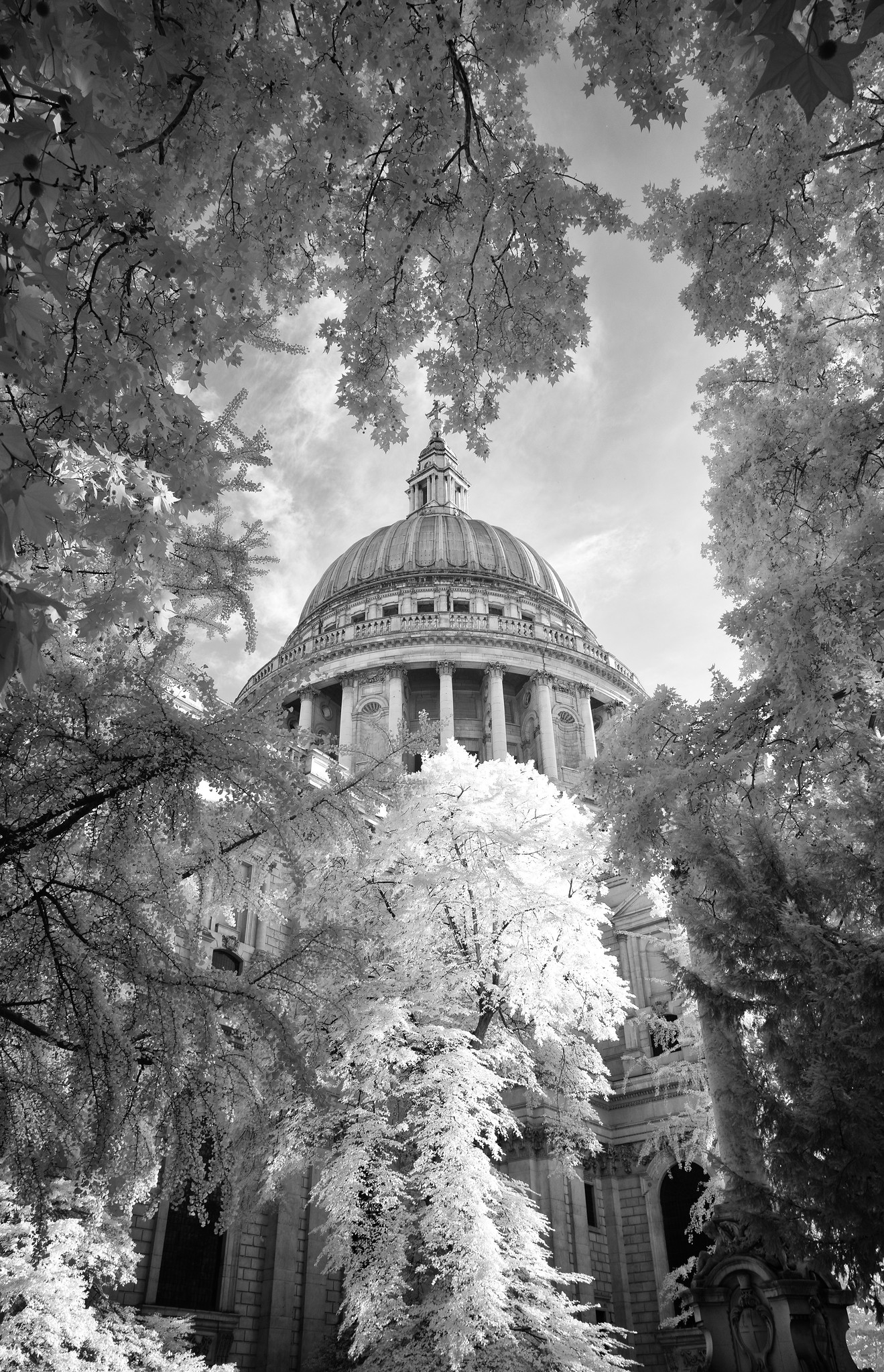
Before I had the PZ 16-35 I had the Tamron 17-28 which is fantastic for infrared
After a lot of dabbling with lens filters I settled on a STC clip-in IR720 filter.
Had quite a few IR photo walks the last couple of summers.
I use Sony PZ 16-35:
[Tamron 28-75 G2:
Sigma 24mm f3.5:
Before I had the PZ 16-35 I had the Tamron 17-28 which is fantastic for infrared
Sep 29, 2026 at 01:25 PM
p.1 #8Infrared on Sony - anyone doing it these days?
Jack Flesher wrote:
older body, probably something like an A7RV or better an A7Cr.
Older body, you're kidding me right

older body, probably something like an A7RV or better an A7Cr.
Older body, you're kidding me right
Sep 29, 2026 at 01:27 PM
p.1 #9Infrared on Sony - anyone doing it these days?
Also wanted to say IR can work brilliantly in winter as well as those typical summer full foliage shots
[url=https://flic.kr/p/2kvbczj]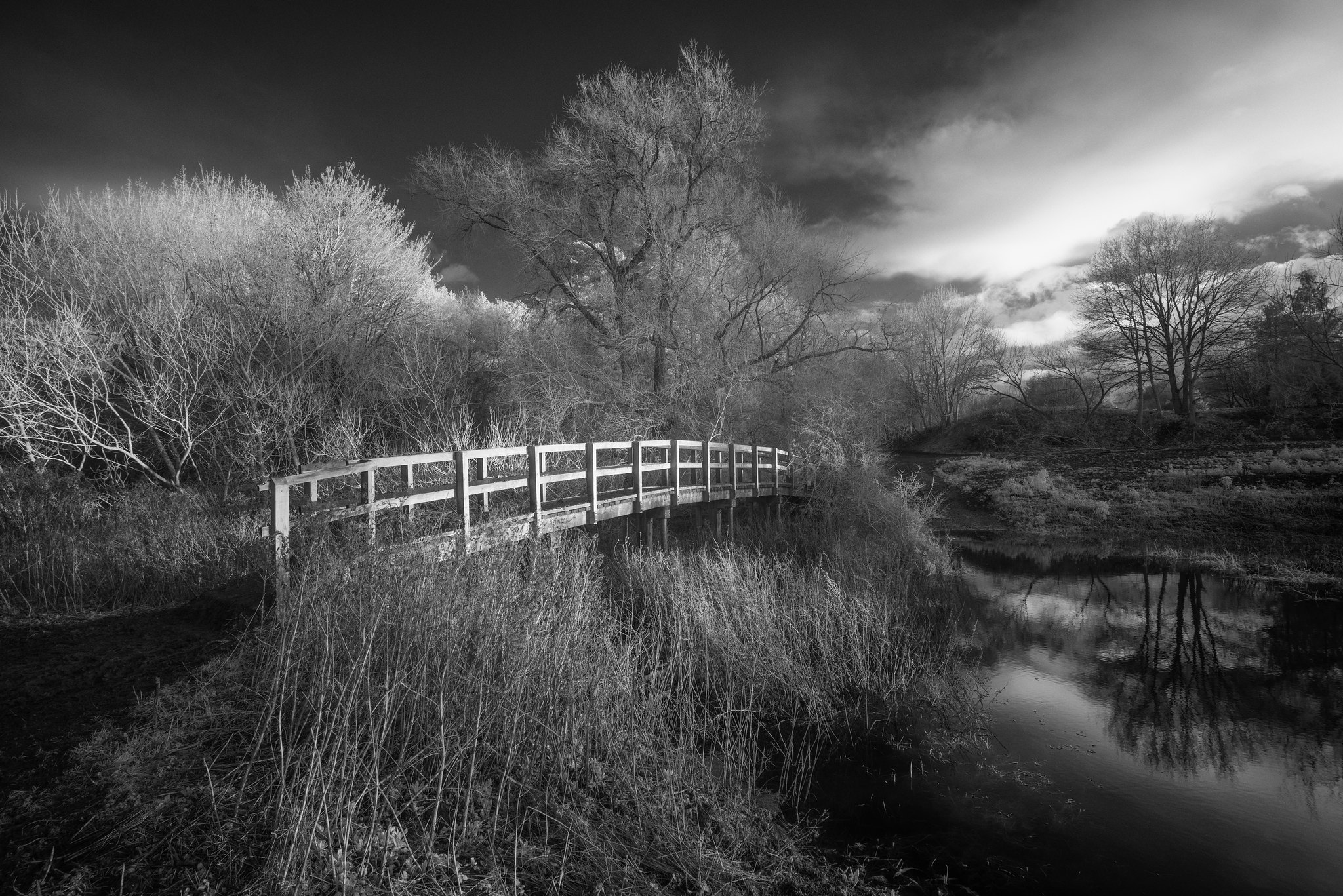
[url=https://flic.kr/p/2kvbczj]
Sep 29, 2026 at 03:42 PM
p.1 #10Infrared on Sony - anyone doing it these days?
Yep. I've got a FS mono rII that I love.
750nm on Minolta AF 28-85...
 IRWestyU#2 by Bradley Clemens, on Flickr
Same lens with 850nm...
 IRShowOffTree by Bradley Clemens, on Flickr
One with the Tamron A05 17-35 with 720nm (which about as deep as I can go without hotspots)...
 UWIRWestyU1 by Bradley Clemens, on Flickr
One with the Minolta MD 28/2 and the 850nm filter shot into the sun...
 IRMinoMD28_2 by Bradley Clemens, on Flickr
And a two shot pano from the other side of the bridge with the same filter...
 IRMinoMD28_2Pano by Bradley Clemens, on Flickr
750nm on Minolta AF 28-85...
IRWestyU#2 by Bradley Clemens, on FlickrSame lens with 850nm...
IRShowOffTree by Bradley Clemens, on FlickrOne with the Tamron A05 17-35 with 720nm (which about as deep as I can go without hotspots)...
UWIRWestyU1 by Bradley Clemens, on FlickrOne with the Minolta MD 28/2 and the 850nm filter shot into the sun...
IRMinoMD28_2 by Bradley Clemens, on FlickrAnd a two shot pano from the other side of the bridge with the same filter...
IRMinoMD28_2Pano by Bradley Clemens, on FlickrSep 29, 2026 at 11:58 PM
|
p.1 #11Infrared on Sony - anyone doing it these days?
Did you get the anti-reflective coating? I've just started researching this and I'm seeing conflicting information as whether it helps, does nothing, or makes things worse (with respect to hotspots).
I suppose the various services that do conversions might use different coatings which muddies the waters.
I suppose the various services that do conversions might use different coatings which muddies the waters.
Sep 30, 2026 at 10:06 AM
p.1 #12Infrared on Sony - anyone doing it these days?
I just got the standard stuff; wanted to keep the price as low as possible, as I’m not sure how much I’ll actually use it. We’ll see.
sbay wrote:
Did you get the anti-reflective coating? I've just started researching this and I'm seeing conflicting information as whether it helps, does nothing, or makes things worse (with respect to hotspots).
I suppose the various services that do conversions might use different coatings which muddies the waters.
Sep 30, 2026 at 10:11 AM
p.1 #13Infrared on Sony - anyone doing it these days?
johnahill wrote:
I had an A7r (og) with a slight scratch on the sensor cover glass so had it removed and converted to full spectrum.
After a lot of dabbling with lens filters I settled on a STC clip-in IR720 filter.
Had quite a few IR photo walks the last couple of summers.
I use Sony PZ 16-35:
https://live.staticflickr.com/65535/55435548168_5c8be5c956_k.jpg
https://live.staticflickr.com/65535/55435805095_cc5d09d0f5_k.jpg[
https://live.staticflickr.com/65535/55429004318_7c5e5719fa_k.jpg
https://live.staticflickr.com/65535/54697219029_d16a2e1d2f_k.jpg
Tamron 28-75 G2:
https://live.staticflickr.com/65535/55407158863_96f505776d_k.jpg
https://live.staticflickr.com/65535/55432577452_74090b9a26_k.jpg
Sigma 24mm f3.5:
https://live.staticflickr.com/65535/55390786352_5e26625d96_k.jpg
https://live.staticflickr.com/65535/55391717151_faf589c74f_k.jpg
https://live.staticflickr.com/65535/55392103490_24c8043ebb_k.jpg
Before I had the PZ 16-35 I had the Tamron 17-28 which is fantastic for infrared
Damit John! These images make me want to go down the mono conversion rabbit hole!
Sep 30, 2026 at 11:08 AM
p.1 #14Infrared on Sony - anyone doing it these days?
johnahill wrote:
Also wanted to say IR can work brilliantly in winter as well as those typical summer full foliage shots
[url=https://flic.kr/p/2kvbczj]https://live.staticflickr.com/65535/50869639576_eb93f36dff_k.jpg
This is in a word, stunning! I am curious re exif, camera and lens -- is this still the A7R mono with 720nm and the 16-35 PZ?
Also wanted to say IR can work brilliantly in winter as well as those typical summer full foliage shots
[url=https://flic.kr/p/2kvbczj]https://live.staticflickr.com/65535/50869639576_eb93f36dff_k.jpg
This is in a word, stunning!
I am curious re exif, camera and lens -- is this still the A7R mono with 720nm and the 16-35 PZ? Sep 30, 2026 at 11:11 AM
p.1 #15Infrared on Sony - anyone doing it these days?
There is some false colour with the A7r 720nm and the 16-35PZ, custom white balance is a must.
I find in colour hotspot may be there, but in mono it's better behaved
 [/url]
I find in colour hotspot may be there, but in mono it's better behaved
[/url]Sep 30, 2026 at 01:27 PM
p.1 #16Infrared on Sony - anyone doing it these days?
I have always some sort of IR body in my set, ever since the Canon 20d. I currently have a full spectrum a7iii, with which I most frequently use an IR-Chrome filter on the lens. I shoot that mostly but occasionally shoot 590 or 720. I can pop in an OEM filter via the Kolari magnetic clip and instantly have a vis spectrum second body. I appreciate that flexibility.
In the Canon EOS system, its L lenses generally behaved well with IR. By contrast, most GM lenses have either a spot or “hot haze” in the center. The clip in Hot Spot Killer filter from Kolari does a pretty good job of mitigation. My go-to is the 24GM. The old Zeiss 16-40/4 OSS was good for hot spots but had fairly soft corners in IR. 16-35/2.8 GM II plays reasonably well with the hot spots killer filter, at least with IR-Chrome.
Jim
 Reed my Lake by Jim, on Flickr
 Fin by Jim, on Flickr
 Rainbow rim by Jim, on Flickr
 Dreamscape by Jim, on Flickr
 Ethereal Soldier by Jim, on Flickr
 Sacrifice by Jim, on Flickr
 Dreamland by Jim, on Flickr
 Crimson Veldt by Jim, on Flickr
 Depth of loss by Jim, on Flickr
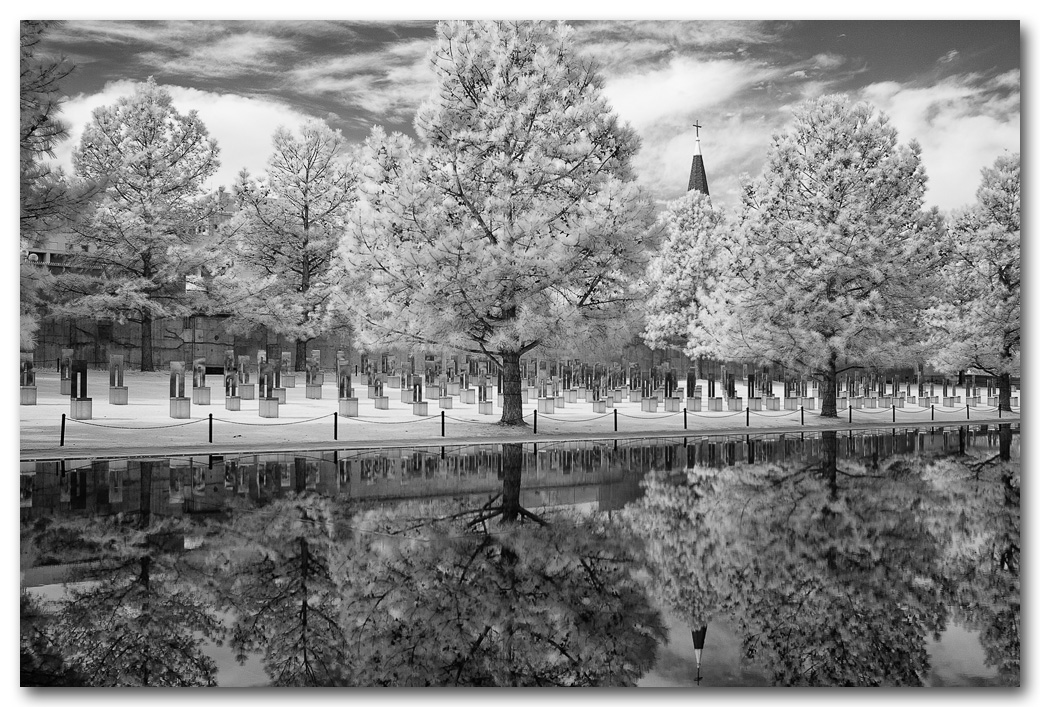 Grid - BW by Jim, on Flickr
In the Canon EOS system, its L lenses generally behaved well with IR. By contrast, most GM lenses have either a spot or “hot haze” in the center. The clip in Hot Spot Killer filter from Kolari does a pretty good job of mitigation. My go-to is the 24GM. The old Zeiss 16-40/4 OSS was good for hot spots but had fairly soft corners in IR. 16-35/2.8 GM II plays reasonably well with the hot spots killer filter, at least with IR-Chrome.
Jim
Reed my Lake by Jim, on FlickrFin by Jim, on FlickrRainbow rim by Jim, on FlickrDreamscape by Jim, on FlickrEthereal Soldier by Jim, on FlickrSacrifice by Jim, on FlickrDreamland by Jim, on FlickrCrimson Veldt by Jim, on FlickrDepth of loss by Jim, on FlickrGrid - BW by Jim, on FlickrSep 30, 2026 at 01:50 PM
p.1 #17Infrared on Sony - anyone doing it these days?
My converted camera has shipped from LifePixel, so I'm starting to think about which of my lenses might work best/worst. Looking at the various online databases which document IR performance, it seems that none of them are updated any more; they only list older e-mount lenses.
Anyone have experience with any of these?:
Primes:
12mm ƒ5.6 Voigtlander
14mm ƒ4 Viltrox
24mm ƒ1.4 Sony GM
35mm ƒ1.4 Sony GM
50mm ƒ1.4 Sony GM
110mm ƒ2.5 Voigtlander
135mm ƒ2.8 Zeiss
Zooms:
28-60mm Sony
20-70mm Sony G
@Grenache - I see you're using the 24mm GM; that's good to know, as it's one of my favorites.
ChatGPT found some reports that the two Voigtlanders are goo.
Oct 13, 2026 at 09:28 AM
p.1 #18Infrared on Sony - anyone doing it these days?
MikeEvangelist wrote:
My converted camera has shipped from LifePixel, so I'm starting to think about which of my lenses might work best/worst. Looking at the various online databases which document IR performance, it seems that none of them are updated any more; they only list older e-mount lenses.
Anyone have experience with any of these?:
Primes:
12mm ƒ5.6 Voigtlander
14mm ƒ4 Viltrox
24mm ƒ1.4 Sony GM
35mm ƒ1.4 Sony GM
50mm ƒ1.4 Sony GM
110mm ƒ2.5 Voigtlander
135mm ƒ2.8 Zeiss
Zooms:
28-60mm Sony
20-70mm Sony G
@Grenache@ - I see you're using the 24mm GM; that's good to know, as it's one of my favorites.
ChatGPT found some reports that the two Voigtlanders are goo.
Can't help you much on the GM's because I've only just got the 24 and 35.
These are on the Sony 28-60:

 2860 IR_4 by Johnboy, on Flickr
 2860 IR_3 by Johnboy, on Flickr
 2860 IR_ by Johnboy, on Flickr
 2860 IR_2 by Johnboy, on Flickr
These are on the viltrox 14:
 viltrox IR_1 by Johnboy, on Flickr
 viltrox IR_2 by Johnboy, on Flickr
My converted camera has shipped from LifePixel, so I'm starting to think about which of my lenses might work best/worst. Looking at the various online databases which document IR performance, it seems that none of them are updated any more; they only list older e-mount lenses.
Anyone have experience with any of these?:
Primes:
12mm ƒ5.6 Voigtlander
14mm ƒ4 Viltrox
24mm ƒ1.4 Sony GM
35mm ƒ1.4 Sony GM
50mm ƒ1.4 Sony GM
110mm ƒ2.5 Voigtlander
135mm ƒ2.8 Zeiss
Zooms:
28-60mm Sony
20-70mm Sony G
@Grenache@ - I see you're using the 24mm GM; that's good to know, as it's one of my favorites.
ChatGPT found some reports that the two Voigtlanders are goo.
Can't help you much on the GM's because I've only just got the 24 and 35.
These are on the Sony 28-60:
2860 IR_4 by Johnboy, on Flickr2860 IR_3 by Johnboy, on Flickr2860 IR_ by Johnboy, on Flickr2860 IR_2 by Johnboy, on FlickrThese are on the viltrox 14:
viltrox IR_1 by Johnboy, on Flickrviltrox IR_2 by Johnboy, on FlickrOct 13, 2026 at 12:48 PM
p.1 #19Infrared on Sony - anyone doing it these days?
johnahill wrote:
Can't help you much on the GM's because I've only just got the 24 and 35.
These are on the Sony 28-60:
These are on the viltrox 14:
Excellent images! And great to know those two lenses are more than up to the task.
Can't help you much on the GM's because I've only just got the 24 and 35.
These are on the Sony 28-60:
These are on the viltrox 14:
Excellent images! And great to know those two lenses are more than up to the task.
Oct 13, 2026 at 12:51 PM
p.1 #20Infrared on Sony - anyone doing it these days?
if the 24gm doesn't work out these are from the tiny Sigma 24mm f3.5 DG DN
 24f3.5_ir by Johnboy, on Flickr
 24f3.5_ir_2 by Johnboy, on Flickr
 24f3.5_ir_3 by Johnboy, on Flickr
 24f3.5_ir_4 by Johnboy, on Flickr
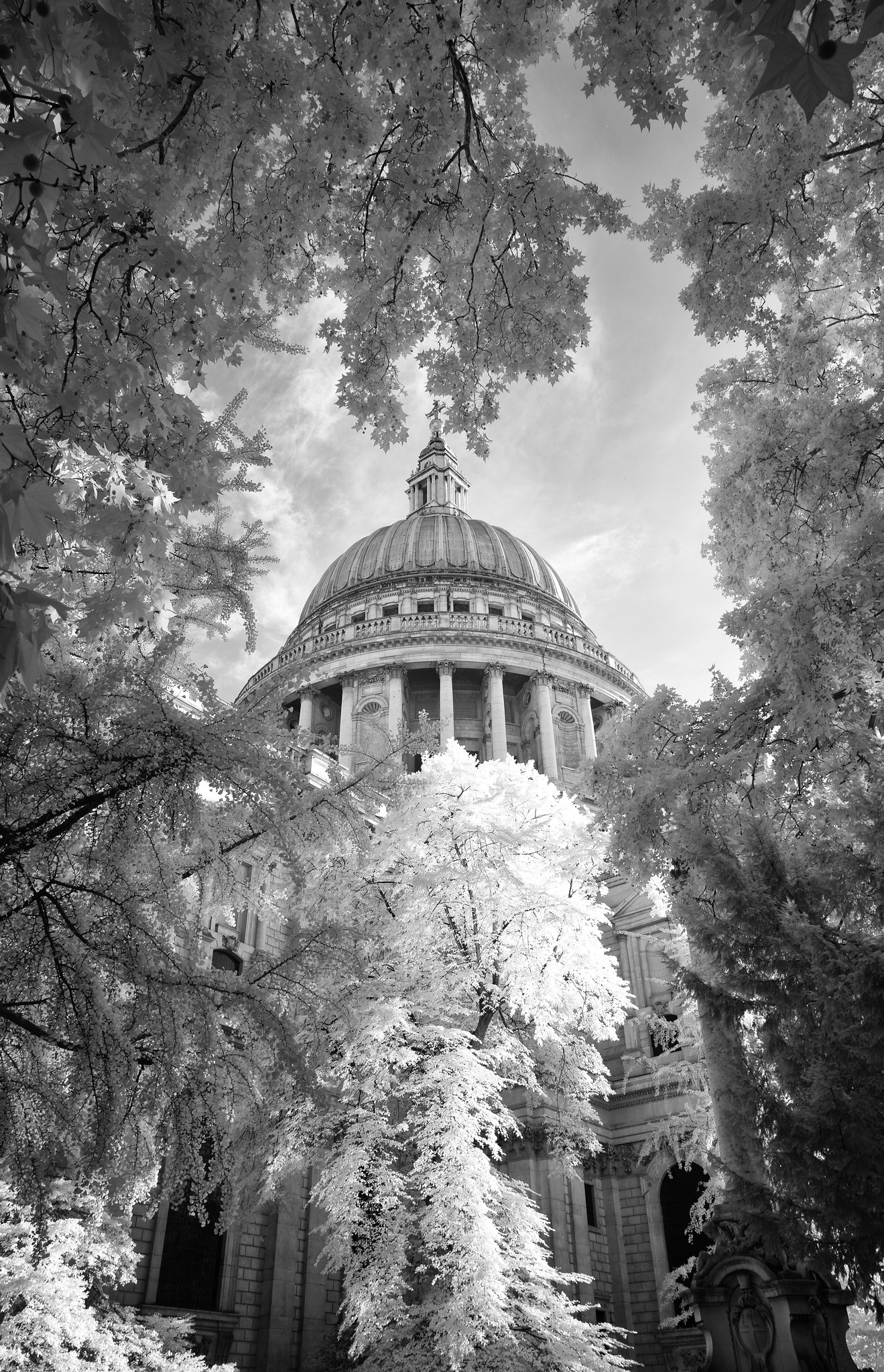 24f3.5_ir_5 by Johnboy, on Flickr
24f3.5_ir by Johnboy, on Flickr24f3.5_ir_2 by Johnboy, on Flickr24f3.5_ir_3 by Johnboy, on Flickr24f3.5_ir_4 by Johnboy, on Flickr24f3.5_ir_5 by Johnboy, on FlickrOct 13, 2026 at 12:54 PM