Fred Miranda
Offline
Admin
Upload & Sell: On
|
 p.6 #10 · Voigtlander 90mm f/4 APO-Lanthar Close-Focus Review p.6 #10 · Voigtlander 90mm f/4 APO-Lanthar Close-Focus Review | |
Voigtlander 90mm f/4 APO-Lanthar -- Read the Full Review
Final Thoughts
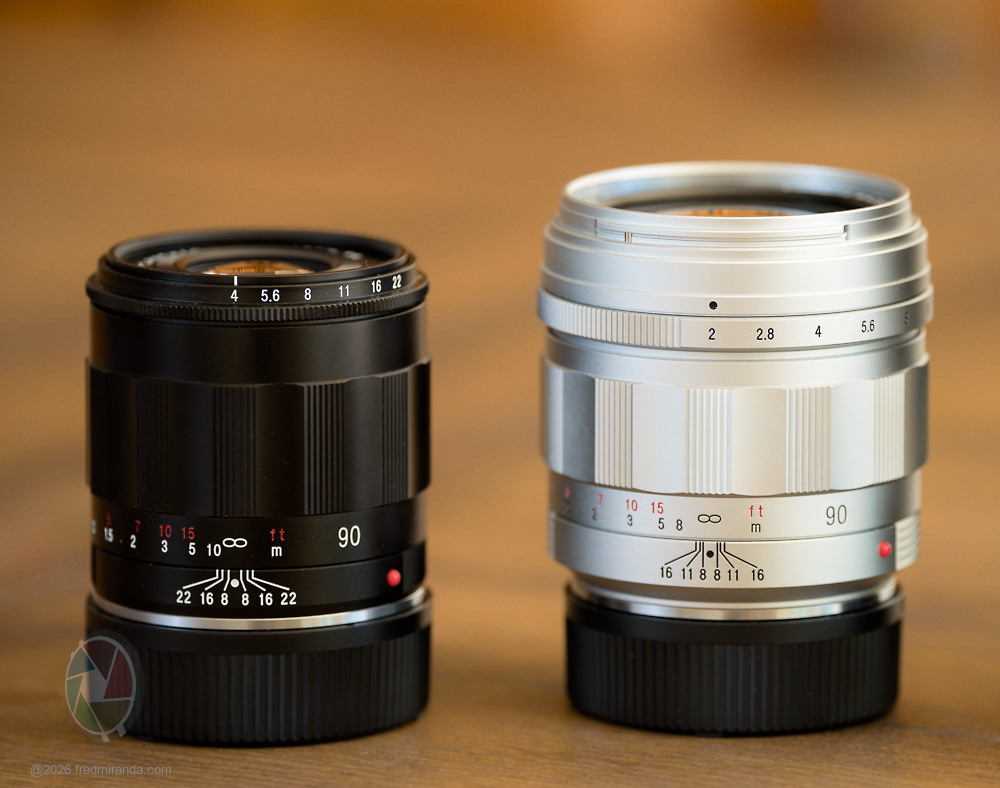
Cosina announced the Voigtlander 90mm f/4 APO-Lanthar Close Focus on July 15, 2026, after an early showing at CP+ 2026 in February, and after extended testing it lives up to what it promised on paper. At 54.8mm long and 232g measured, it is the shortest 90mm ever made for the Leica M system. Yet it packs a true apochromatic design (8 elements in 7 groups, six of them anomalous partial dispersion glass, and no aspherical elements) and focuses down to 0.5m for 0.28x magnification without a separate adapter. It has an all metal build, a 43mm filter thread, and a compact low profile hood included.
What makes it special is how clearly it was designed around the rangefinder experience. By choosing a slower f/4 aperture, Cosina kept the barrel short enough that it doesn't intrude into the 90mm framelines, even with the hood attached and at the rangefinder coupled minimum focus distance. In use, it handles more like a compact 50mm than a typical telephoto. The focus ring is smooth and well damped with a robust helicoid, and the throw is 135 degrees from infinity to 0.7m and 220 degrees to 0.5m, where the lens extends to nearly double its length. The aperture ring turns in firm half stop clicks from f/4 to f/22. After years of testing Voigtlander lenses, I've never encountered a loose aperture ring, sticky focus or mechanical play, and my copy is perfectly centered and aligned with my rangefinder.
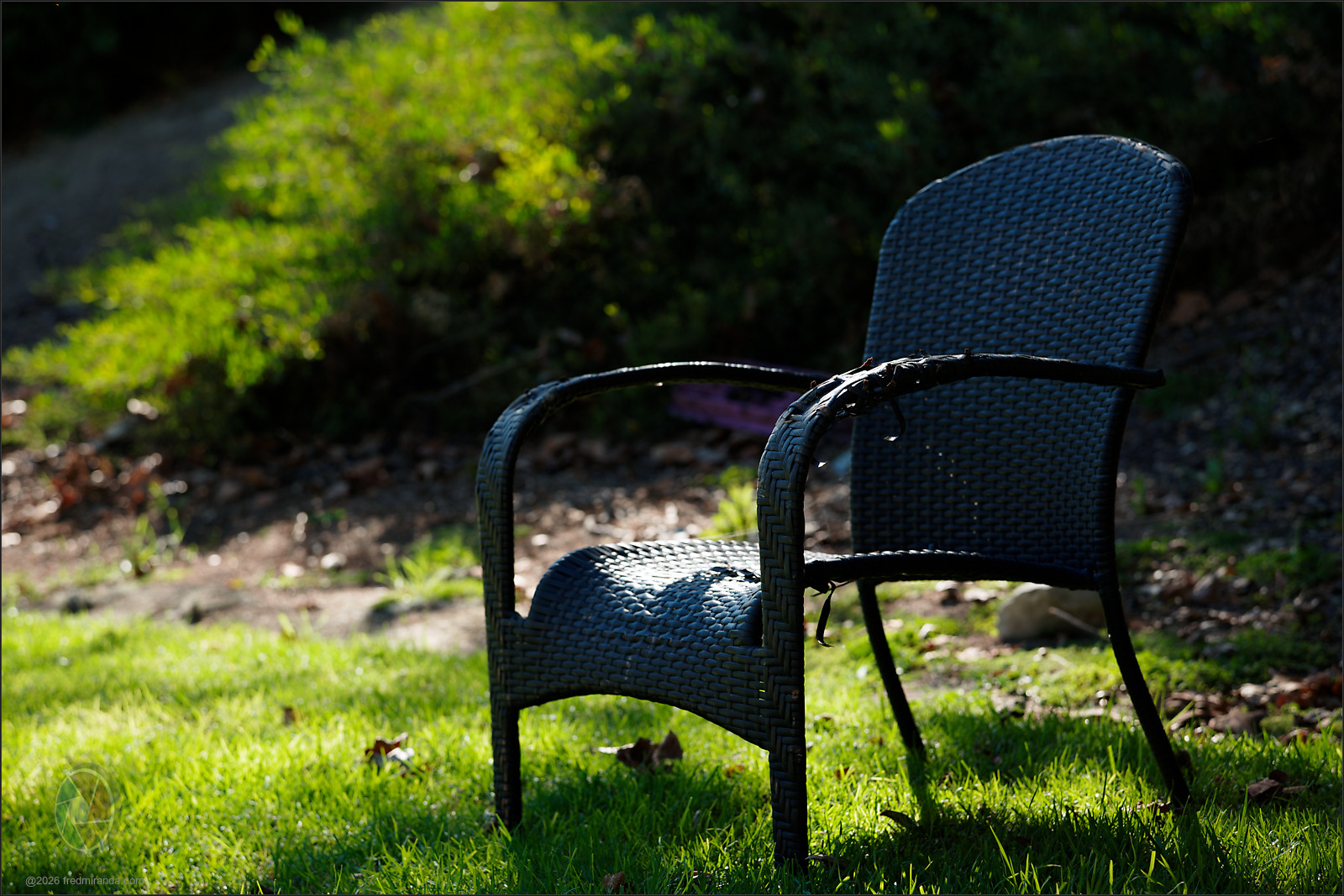
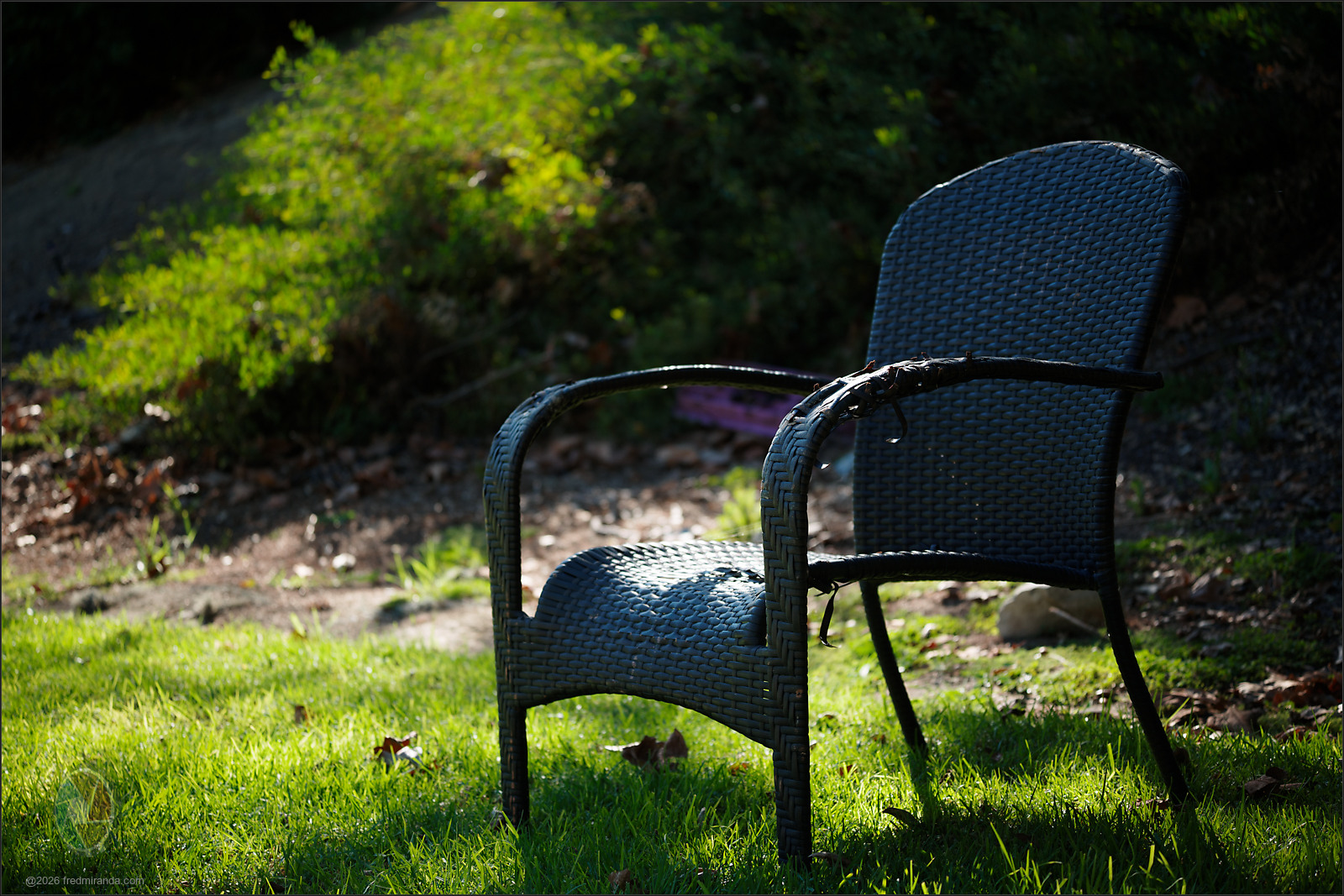
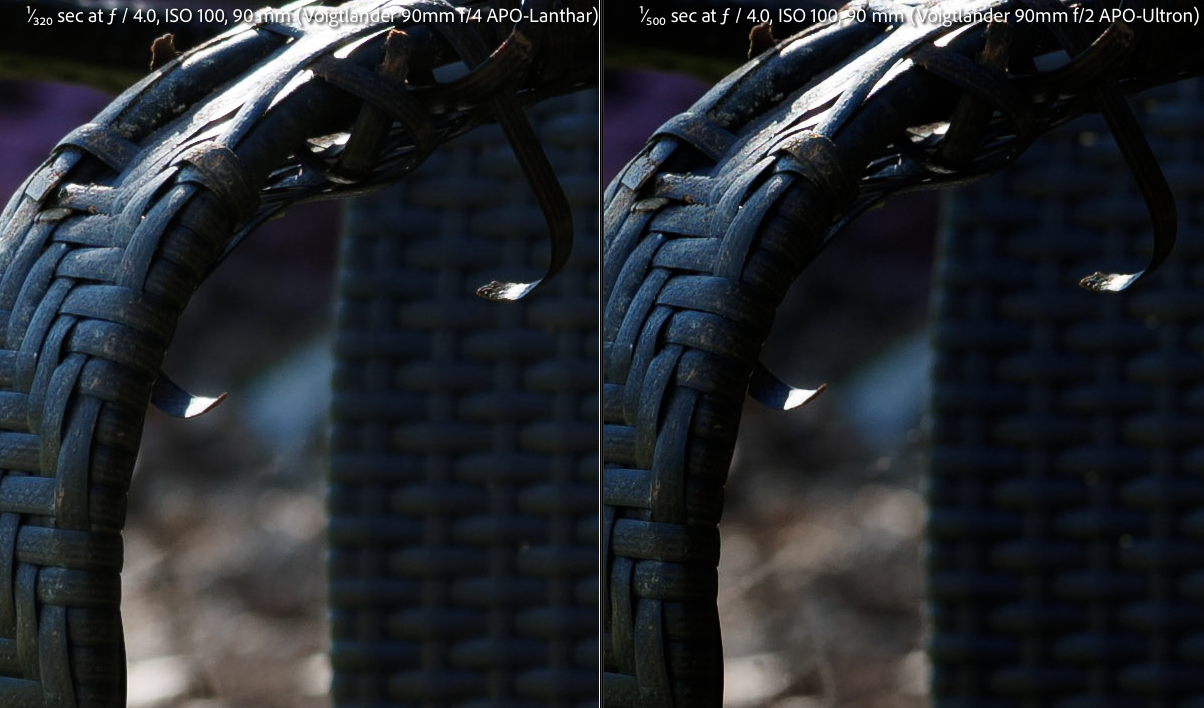
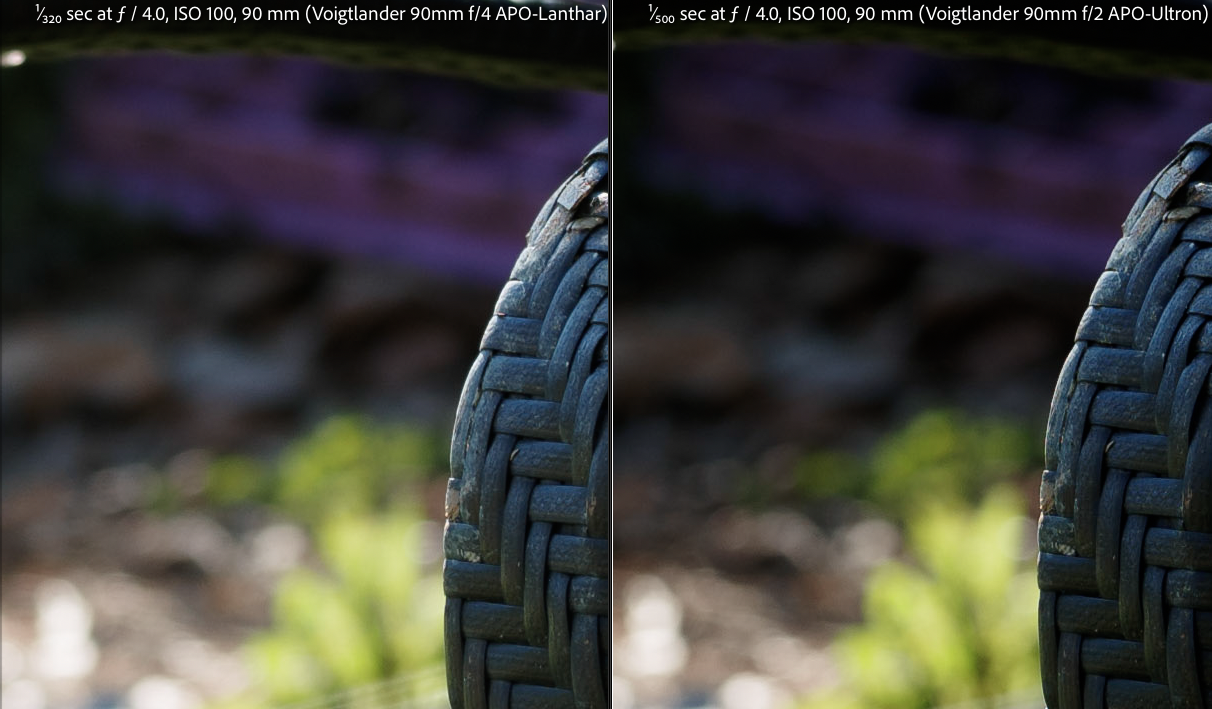
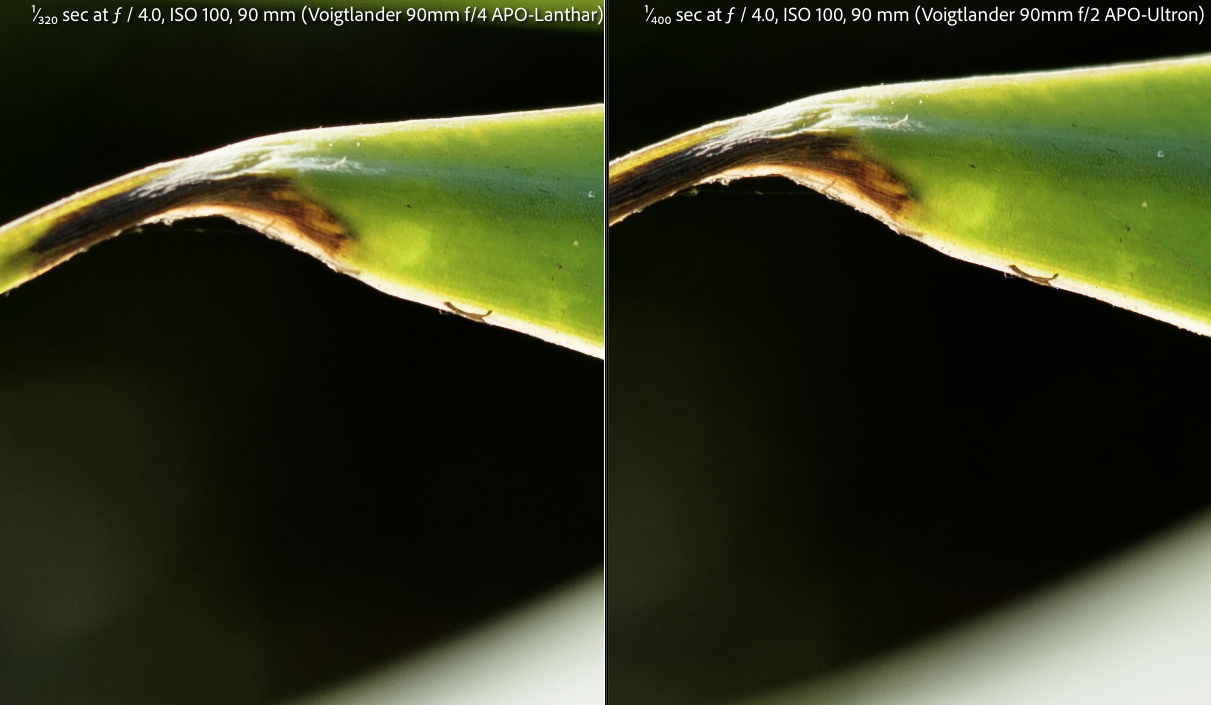
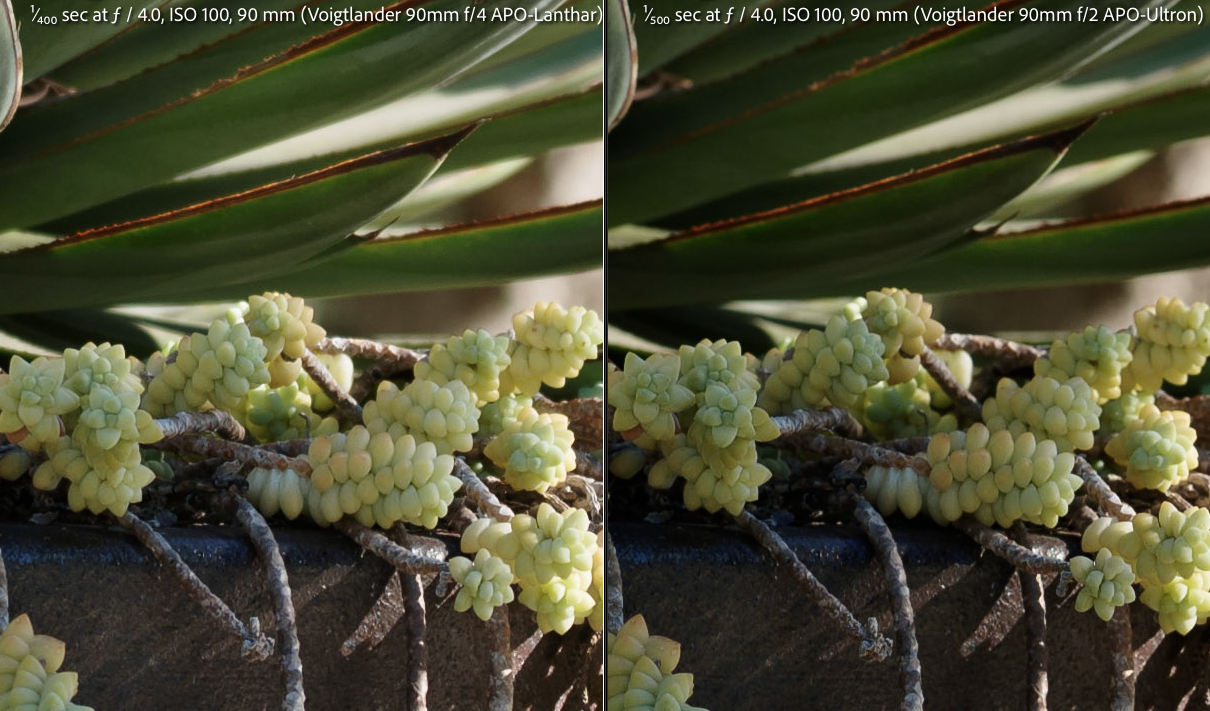
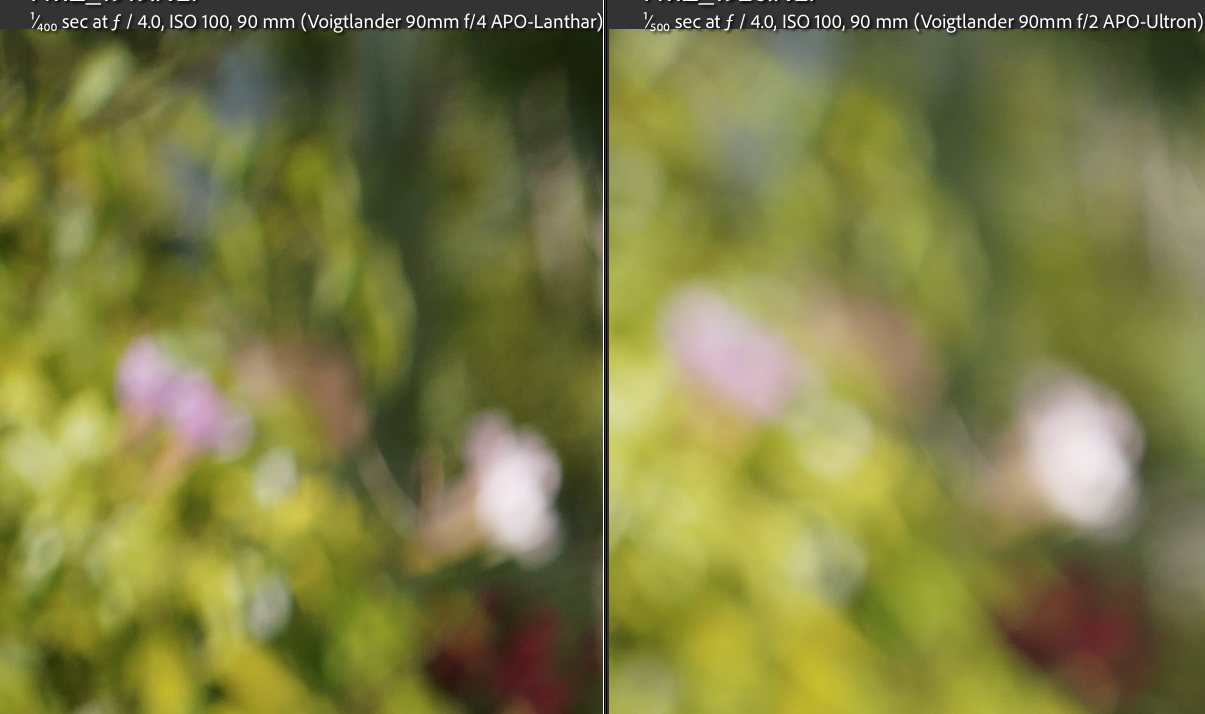
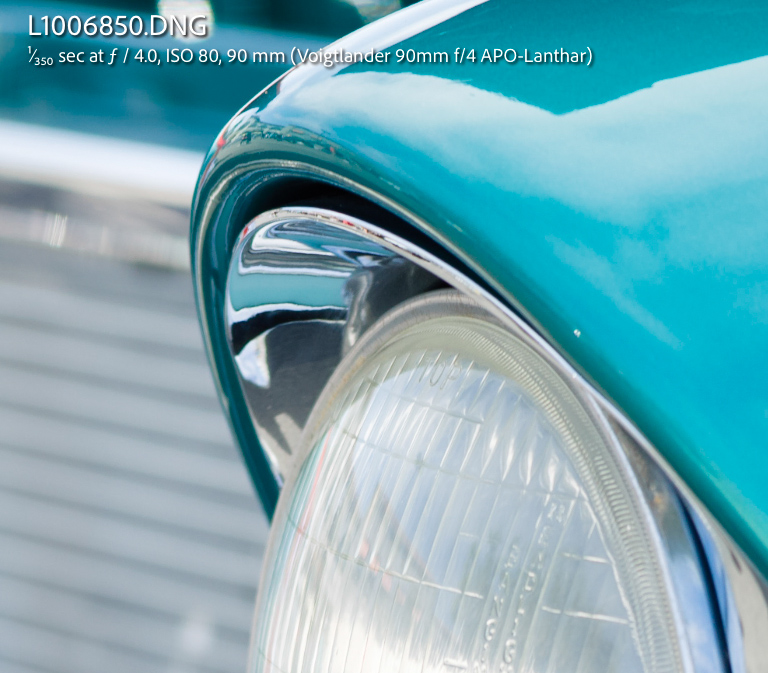
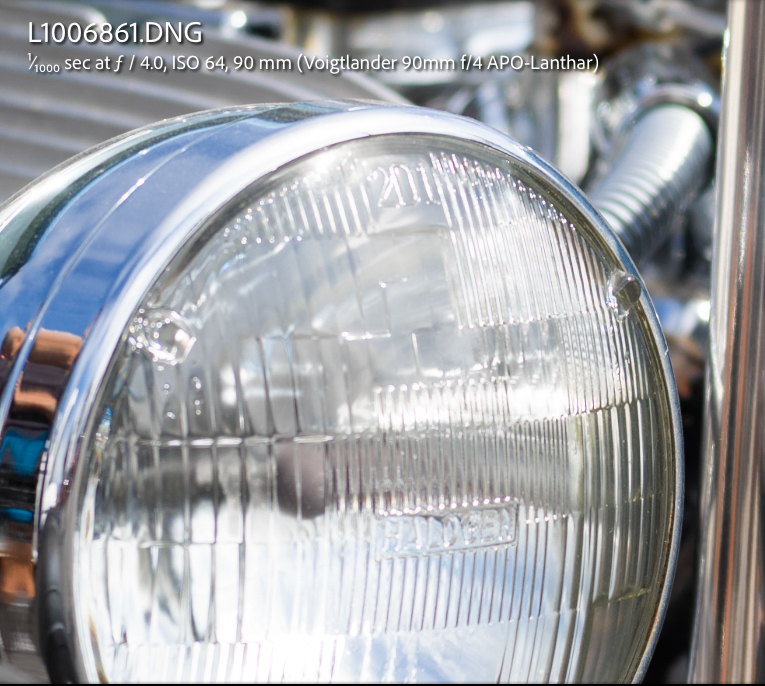
I tested the lens on the Leica M10-R (41MP) and M11-D (60MP), and adapted to the Sony A7R II (42MP). It is designed to be used wide open, delivering excellent resolution and strong contrast across the entire field at f/4, with only very slight gains at f/5.6. Diffraction is visible by f/8 on the 41MP sensor, and at the center by f/5.6 on the 60MP sensor, so stopping down is for depth of field, not for correction. Compared with the Laowa 85mm f/5.6 2x Macro APO, it performs much better off-axis. Compared with the Voigtlander 90mm f/2 APO-Ultron stopped down to f/4, the Ultron is better at the center, but the Lanthar captures more high frequency detail in the mid-zone and corners from wide open and holds that level from f/5.6 onward. On the Sony A7R II, I couldn't detect any loss in resolution, even at the pixel level.
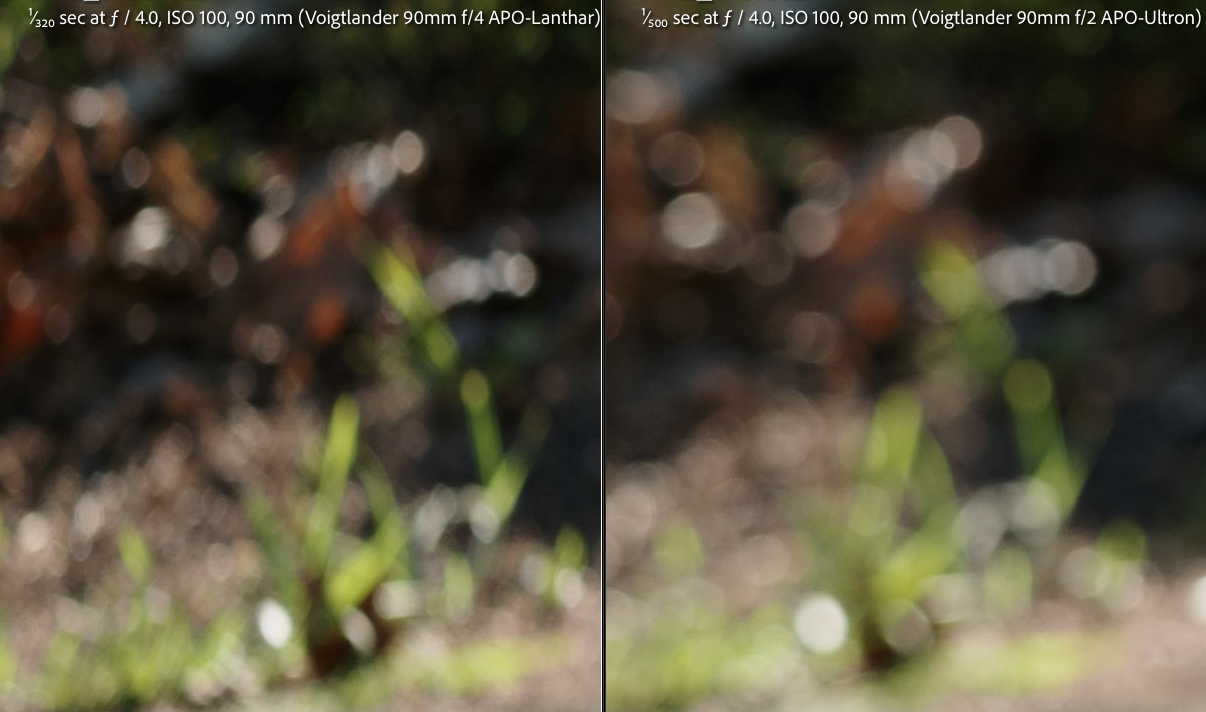
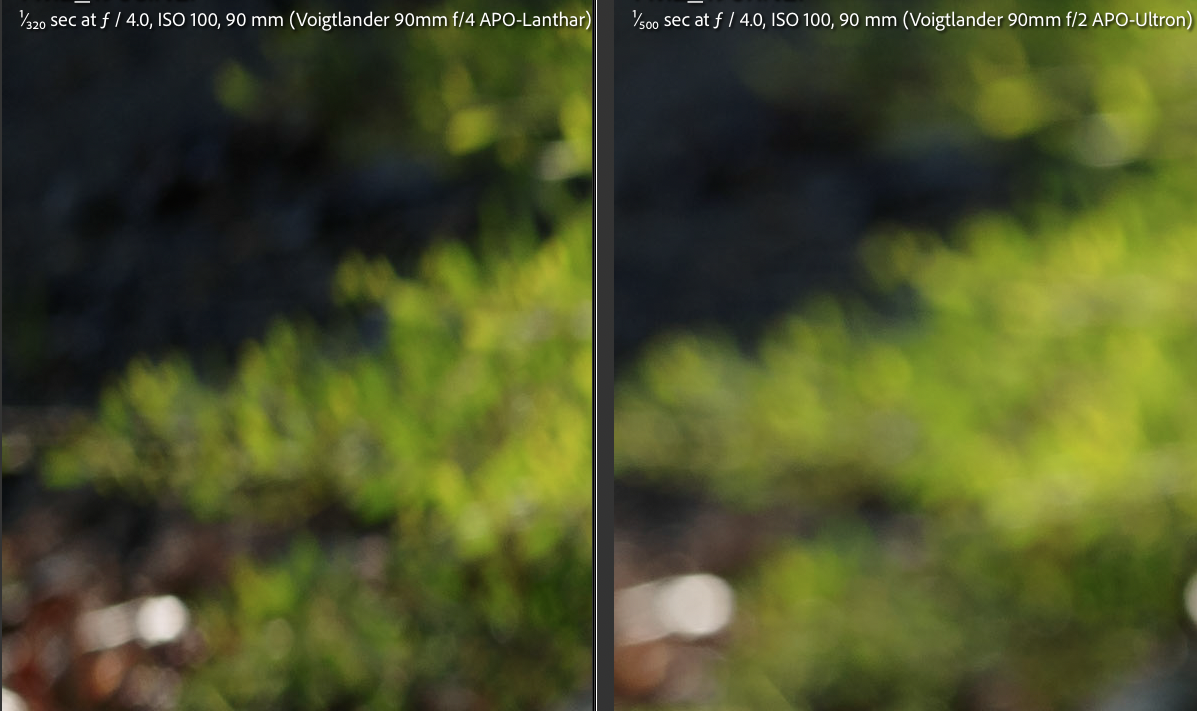
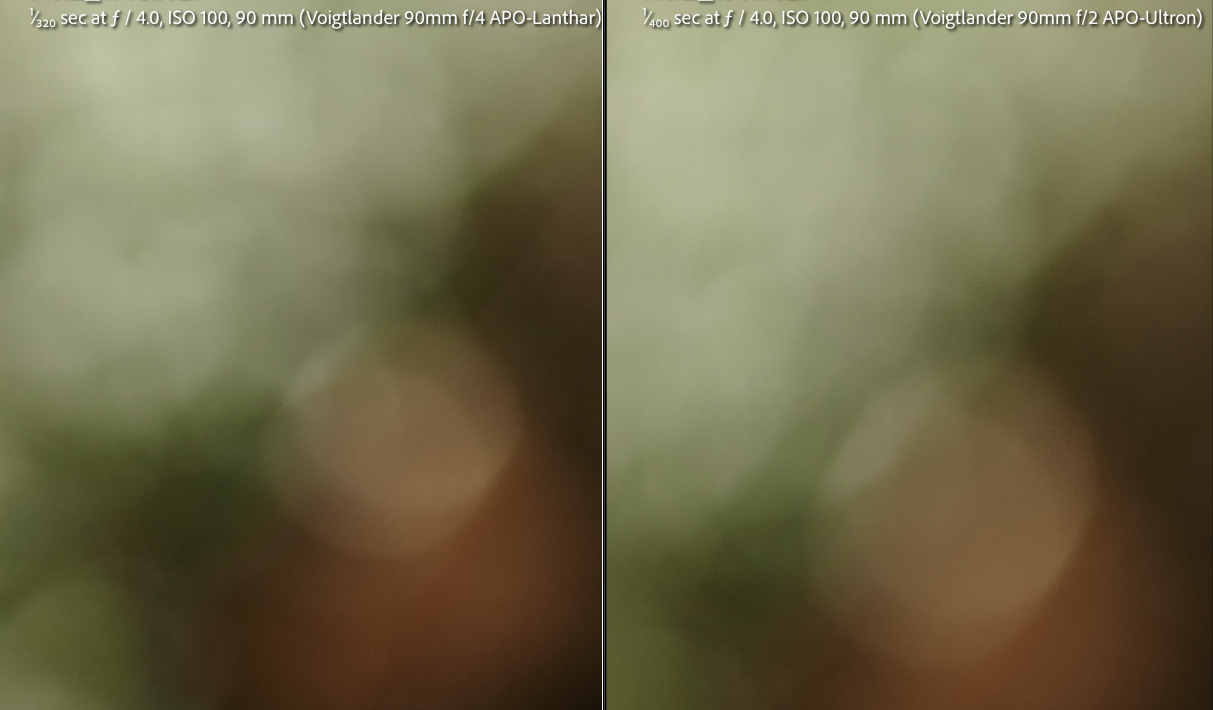
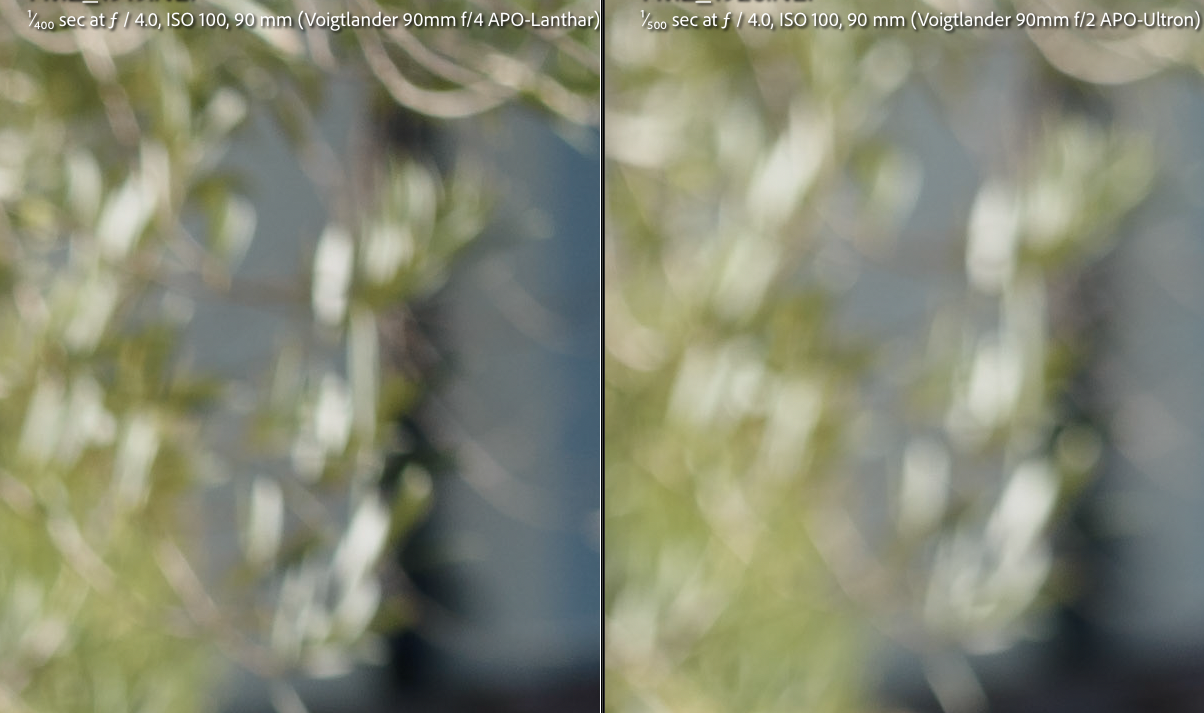
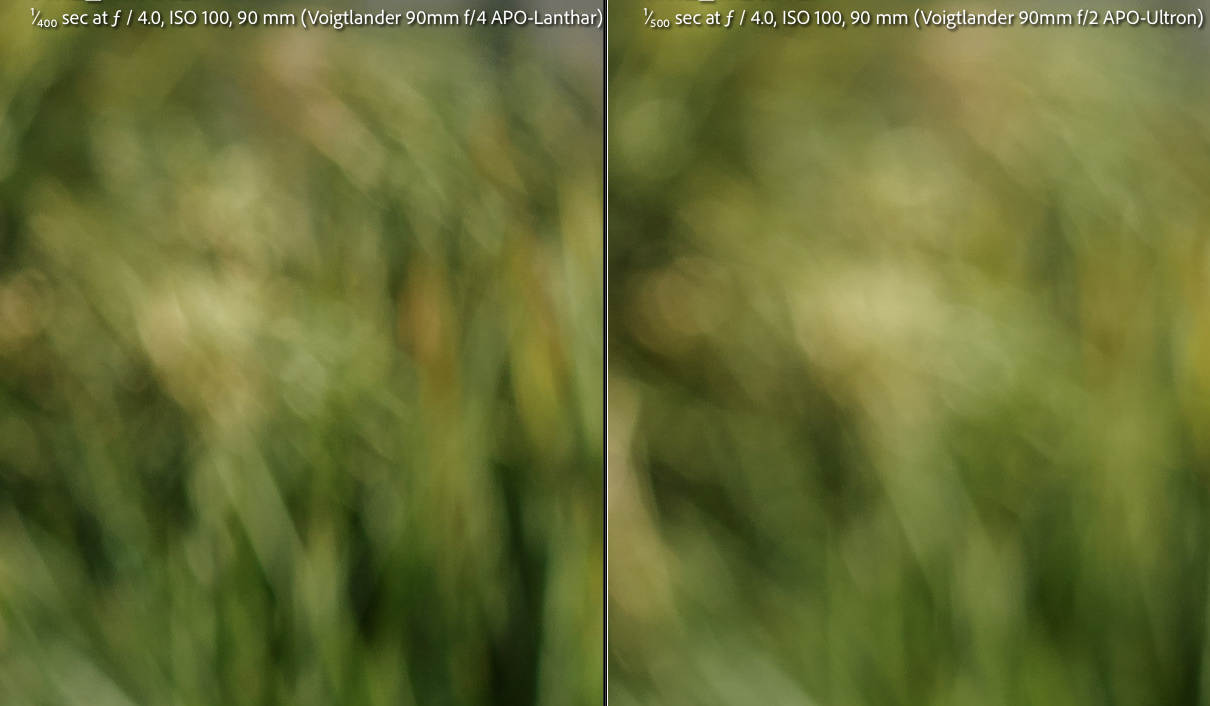
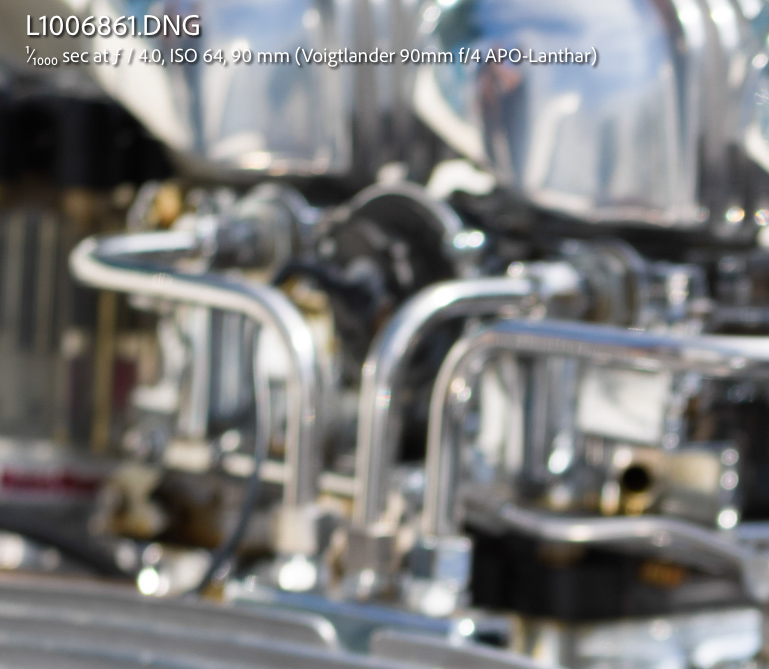
Aberration control is outstanding. I saw only traces of purple fringing at the focus area under extreme contrast, and no green or magenta fringing in the defocused zones in front of or behind the subject. Lateral chromatic aberration is also excellent, with small traces visible only at pixel level in high contrast areas. Field curvature is very flat, with a very slight outward shape at close distance and inward at infinity. Distortion is minimal but there is a slight pincushion, and I'd apply about -3 in Lightroom for an absolutely clean image. The rendering is very similar to the Voigtlander 50mm f/3.5 APO-Lanthar, with that same corrected look. Without aspherical elements, highlights stay smooth without any onion ring pattern. Compared with the 90/2 APO-Ultron at f/4, the center rendering is very similar, but the 90/4 shows smaller, more cat's-eye shaped discs toward the corners, and higher tonal vignetting, both from being wide open. Vignetting improves a lot by f/5.6.
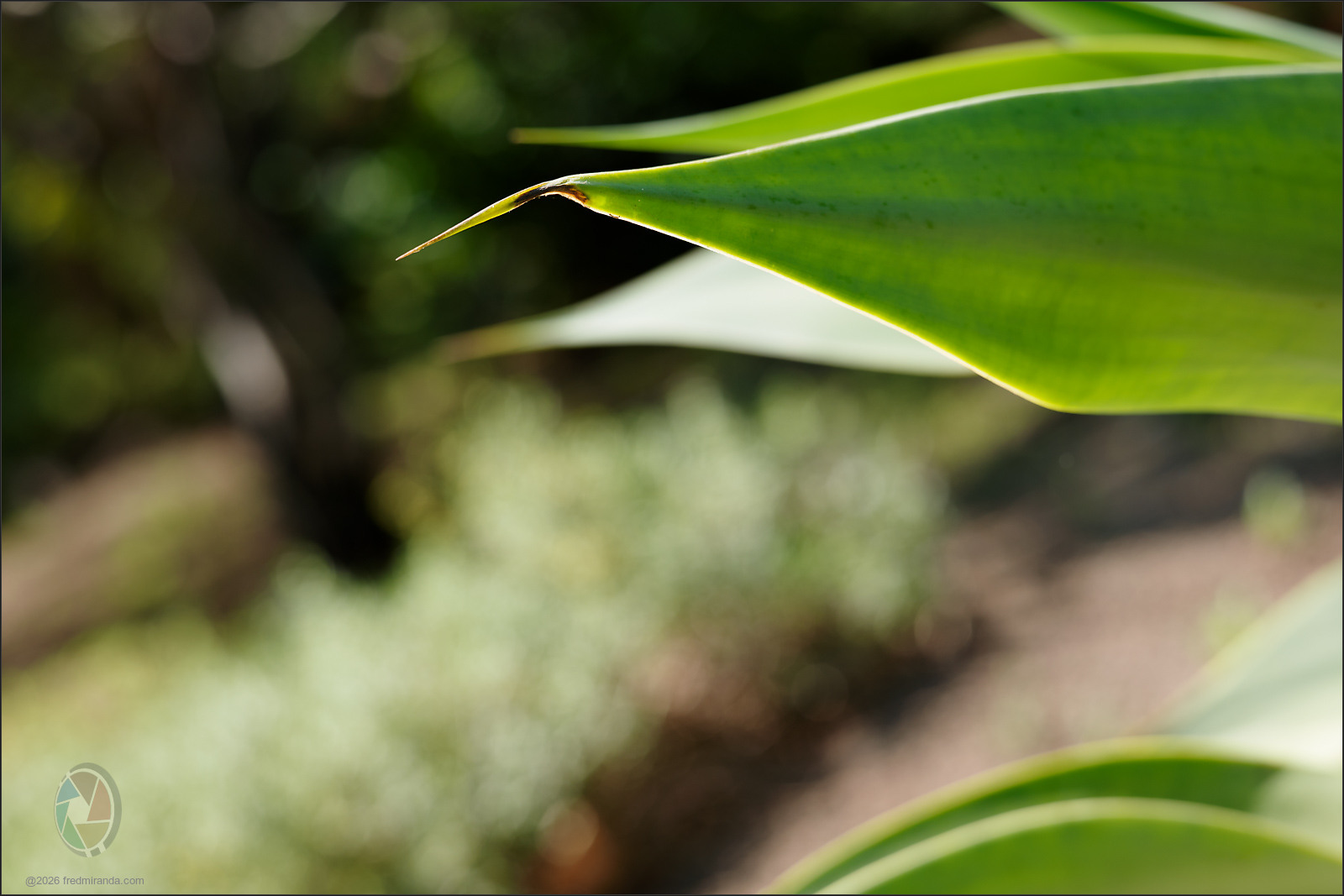
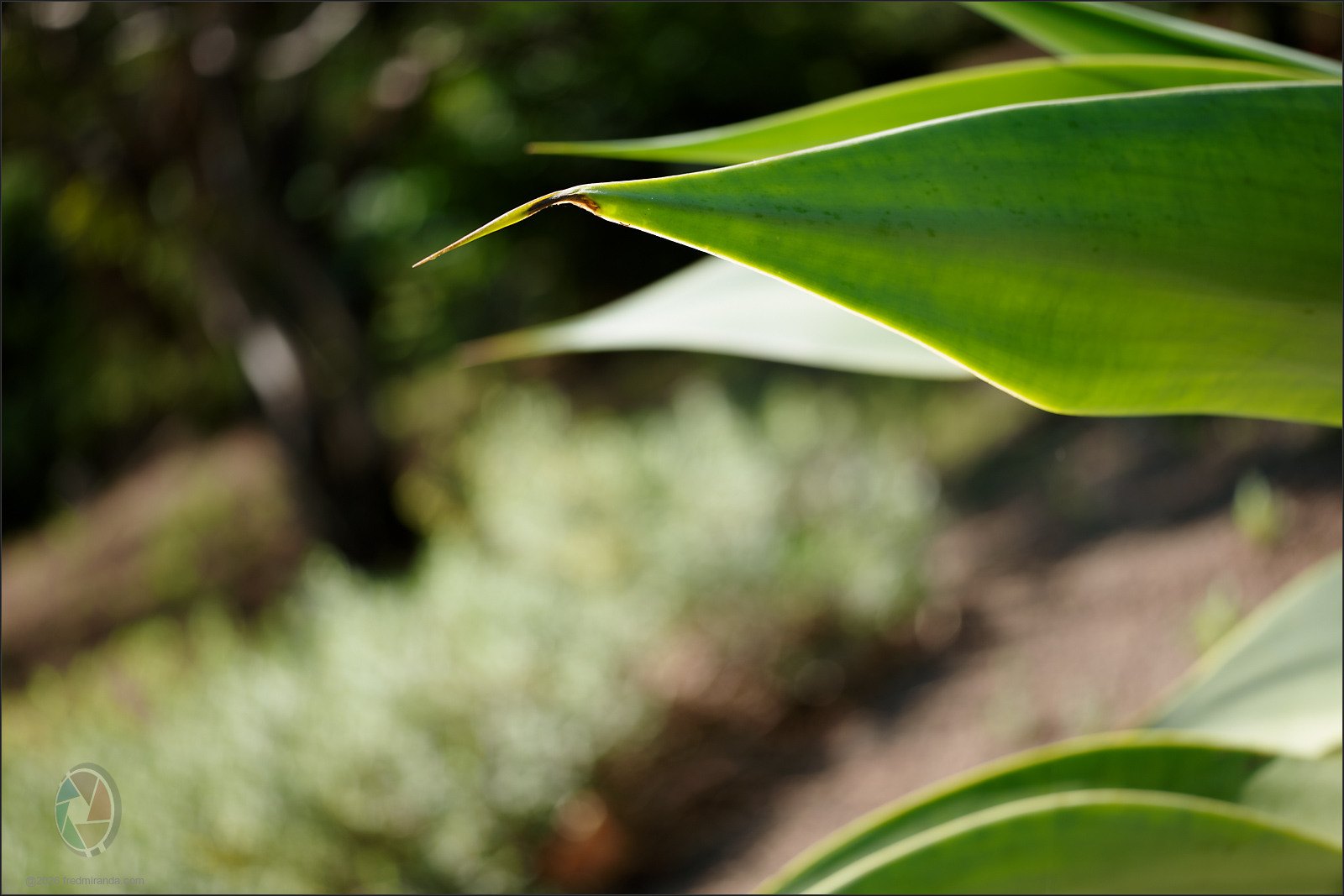
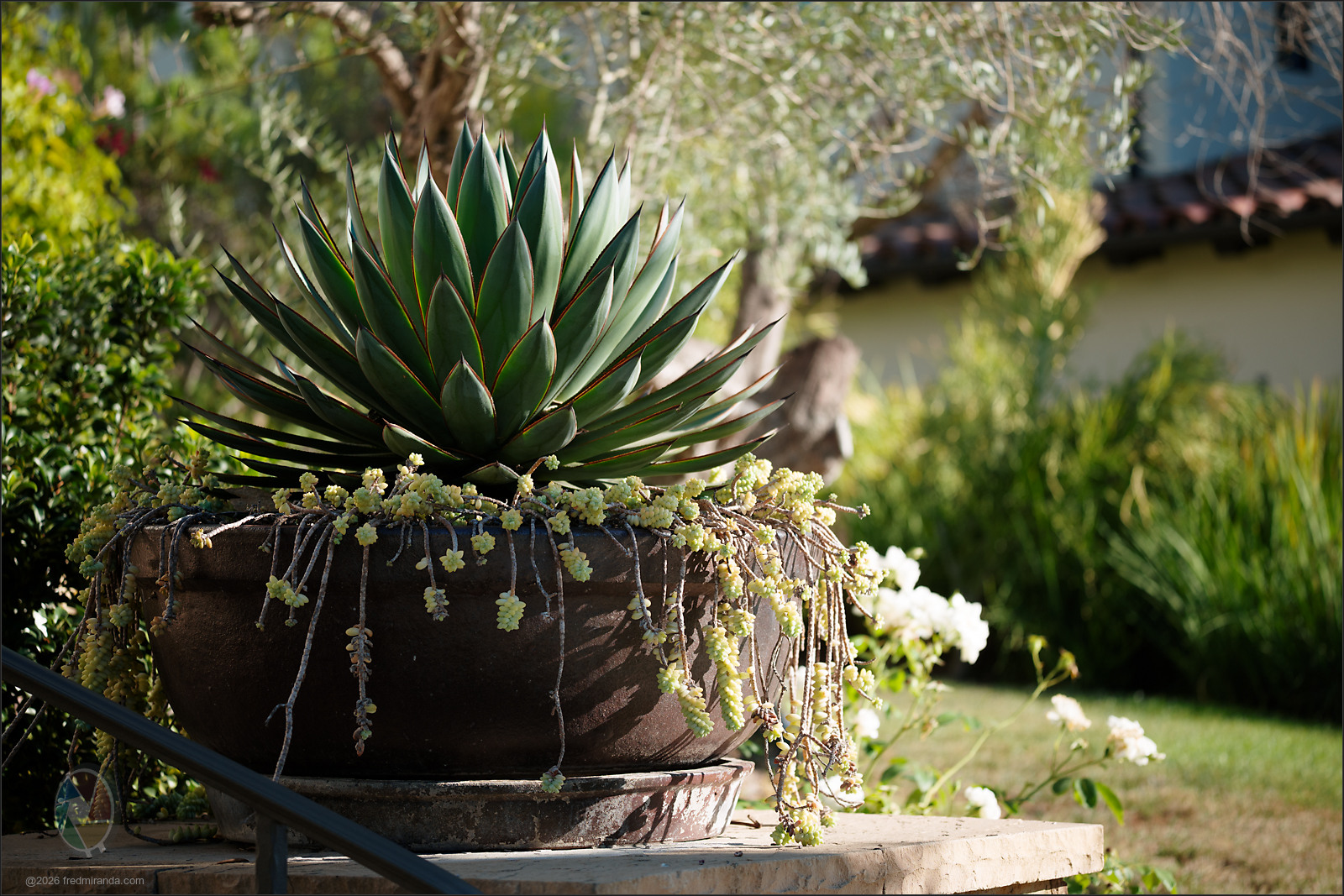
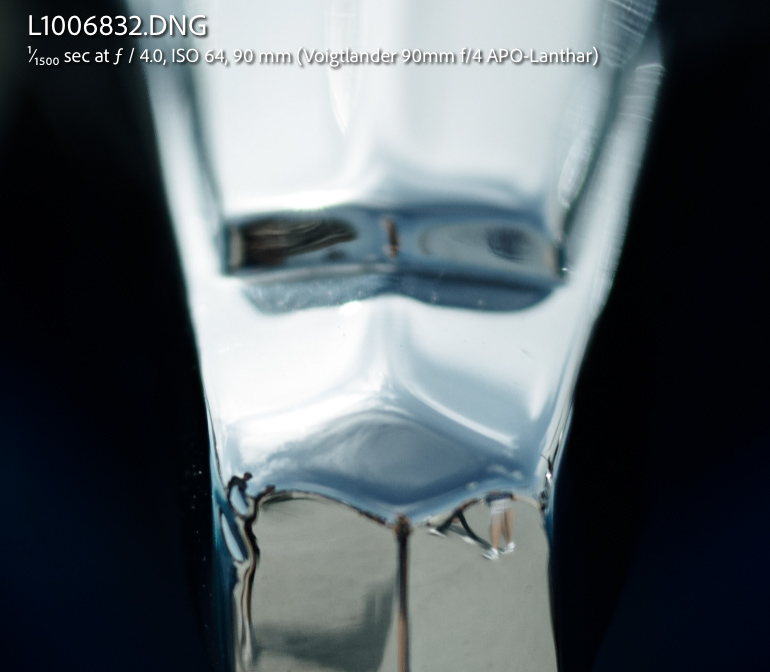
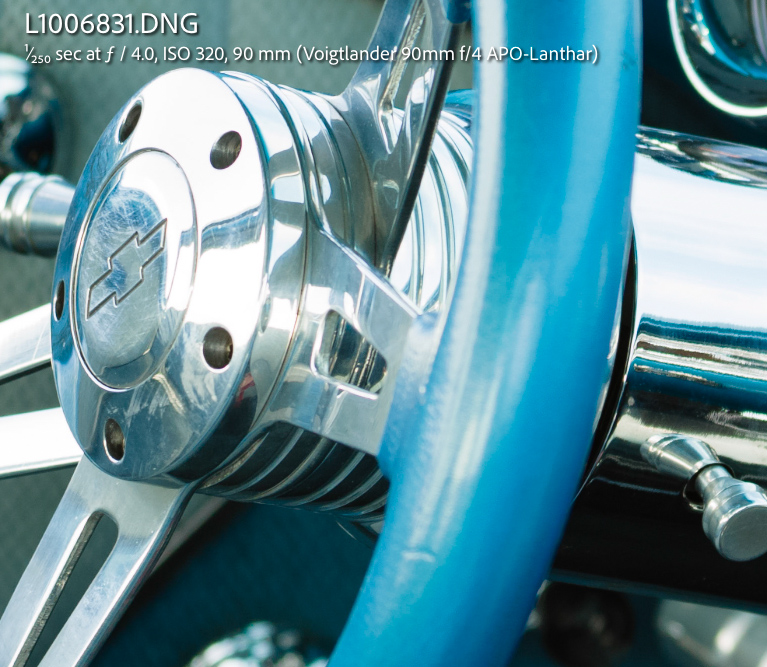
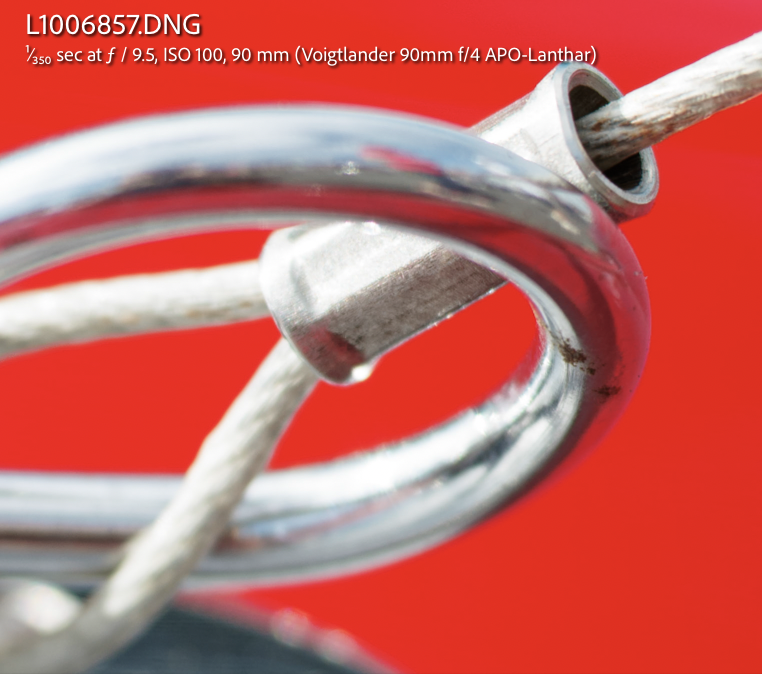
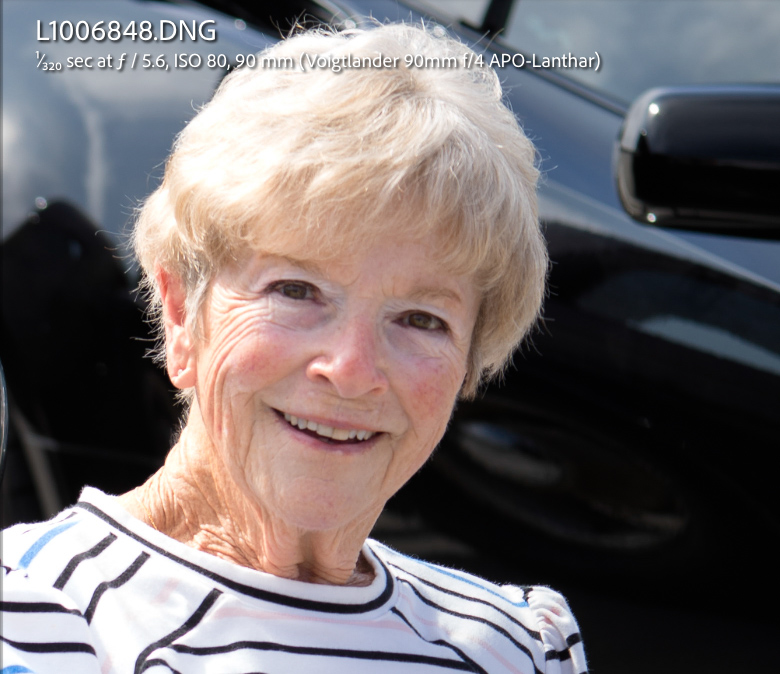
Close focus is where this lens stands out. It couples with the rangefinder down to 0.7m, where a tactile click tells you to switch to Live View, and can focus down to 0.5m (0.28x). With a Marumi DHG Macro 330 (+3) close-up lens, I reached 1:2 macro while maintaining strong optical performance. One surprise is some focus shift at very close distances, especially at 0.5m or closer. Since the lens has no floating element, my best guess is that small imperfections become more visible the closer you focus. The best approach is to focus at your working aperture, and this can't be compensated for on the rangefinder, though it only shows on high resolution sensors at very close distances. The 10 straight aperture blades produce well defined 10-point sunstars from f/4.8 to f/16, with less definition wide open and at f/22. It isn't the lens I'd normally pick for portraits, except for headshots, since it is so corrected and not fast, but depending on the background and subject it can still work.
⸻
Pros:
⦿ The shortest 90mm ever made for Leica M: 54.8mm long, 232g measured, with a 43mm filter thread.
⦿ Does not intrude into the 90mm framelines, even with the hood attached and at the rangefinder coupled minimum focus distance.
⦿ Handles like a compact 50mm rather than a typical telephoto.
⦿ Excellent resolution and strong contrast across the entire field wide open at f/4.
⦿ Outperforms the Laowa 85mm f/5.6 2x Macro APO off-axis, and the 90/2 APO-Ultron stopped down to f/4 in the mid-zone and corners.
⦿ Performs well on a stock Sony A7R II, with no detectable loss in resolution. (Which means it can be adapted to any mirrorless camera without degradation of image quality)
⦿ True apochromatic design (8 elements in 7 groups, six anomalous partial dispersion elements), with only traces of purple fringing in extreme contrast and no green or magenta fringing in defocused areas.
⦿ Outstanding lateral chromatic aberration control.
⦿ Very flat field curvature, with a slight outward shape at close distance and inward at infinity.
⦿ No aspherical elements, giving clean highlights without onion rings.
⦿ Rendering similar to the Voigtlander 50mm f/3.5 APO-Lanthar, with a clean corrected look.
⦿ Focuses down to 0.5m (0.28x magnification), with a tactile click at 0.7m where the rangefinder coupling ends.
⦿ Reaches 1:2 macro with a Marumi DHG Macro 330 (+3) close-up lens while maintaining strong optical performance.
⦿ All metal construction with a robust helicoid, smooth well damped focus ring, and firm half stop aperture clicks from f/4 to f/22.
⦿ Excellent build quality with tight tolerances, and my copy is perfectly centered and aligned with the rangefinder.
⦿ 10 straight aperture blades produce well defined 10-point sunstars from f/4.8 to f/16.
⦿ Compact low profile hood included.
Cons:
⦿ Focus shift at very close distances (0.5m or closer), noticeable only on high resolution sensors. Live View is required at these distances anyway, so just remember to focus at your working aperture.
⦿ Slight pincushion distortion, so it is not fully distortion free.
⦿ Tonal vignetting is strong wide open, and stronger than on the 90/2 APO-Ultron at f/4.
⦿ Optical vignetting turns corner blur discs into cat's-eye shapes, so the out-of-focus rendition is less even across the field than the APO-Ultron at f/4.
⦿ The slower f/4 aperture offers less subject isolation, so it is not an ideal portrait lens, except for headshots.
⦿ The lens extends to nearly double its length at 0.5m.
⦿ Small traces of lateral chromatic aberration are visible at pixel level in high contrast areas.
In the end, the Voigtlander 90mm f/4 APO-Lanthar Close Focus is arguably the most compact, high performing 90mm with quasi-macro capability ever made for the Leica M system. It delivers outstanding sharpness and aberration control wide open, a short, rangefinder friendly body, and close focus down to 0.5m. The quirks are few: some close range focus shift, which can be remedied by focusing at your working aperture in Live View, a slight pincushion distortion, and noticeable vignetting wide open. It is a rare case where restraint in design produces a genuinely mature optic, and for Leica M shooters who want a true APO telephoto that handles like a compact 50mm, it is an easy lens to recommend.
________
The Voigtlander 90mm f/4 APO-Lanthar Close-Focus is now in stock.
Cameraquest: Black | Silver
B&H Photo: Black | Silver
|