Using older dslr cameras

p.4 #1Using older dslr cameras
So since getting the 5DsR, the 24-105 STM I bought for the 5D II really doesn't hold up on the higher resolution sensor, so I've been looking for a replacement standard zoom that isn't crazy expensive and yet still can be a good option. The 24-70/2.8L II is of course the gold standard, but more than I want to spend on a lens like this. My local shop had a Tamron 24-70mm f/2.8 G2, but unfortunately, this one had some issues, with random soft areas and wildly inconsistent focus. I went back to return the Tamron, tried out the 24-105L II, and was underwhelmed. Very mediocre (at least that copy was.)
But they had a 24-70mm f/4L IS, and I figured I'd try it, even though some of the reviews I saw of it showed it not really anything special. But I have to say: what are they smoking? This lens is absolutely fantastic. Very sharp centrally at all focal lengths from wide open, and good sharpness to the edges wide open (but a touch softer). Stopped down it's sharp to the corners with outstanding contrast. IS works very well too. Significantly better than the EF 24-105's I've tried, and honestly it might be sharper than the RF 24-105mm in the overlapping range, though I haven't shot with one of those in a while. It provides outstanding contrast and resolution on the 5DsR and looks like it will seamlessly fit in with my 16-35/2.8L III. Very excited to get it out and really put it through its paces. Also: bonus - it adapts beautifully to my Nikon Z5 II, with no issues at the wide end (My 16-35L unfortunately doesn't adapt well - the sensor stack differences cause significant field curvature at the wider focal lengths).
These are just test shots, but seriously impressed for the 'budget' EF L zoom on the highest resolution camera Canon's ever made.
100% Crop (center) at 70mm f/4:

And 100% Crop (Extreme corner) at 35mm f/8:

Looks good outside too, though I haven't had a chance to actually make real photos with it yet.
Edited on Jul 02, 2026 at 04:07 PM · View previous versions
But they had a 24-70mm f/4L IS, and I figured I'd try it, even though some of the reviews I saw of it showed it not really anything special. But I have to say: what are they smoking? This lens is absolutely fantastic. Very sharp centrally at all focal lengths from wide open, and good sharpness to the edges wide open (but a touch softer). Stopped down it's sharp to the corners with outstanding contrast. IS works very well too. Significantly better than the EF 24-105's I've tried, and honestly it might be sharper than the RF 24-105mm in the overlapping range, though I haven't shot with one of those in a while. It provides outstanding contrast and resolution on the 5DsR and looks like it will seamlessly fit in with my 16-35/2.8L III. Very excited to get it out and really put it through its paces. Also: bonus - it adapts beautifully to my Nikon Z5 II, with no issues at the wide end (My 16-35L unfortunately doesn't adapt well - the sensor stack differences cause significant field curvature at the wider focal lengths).
These are just test shots, but seriously impressed for the 'budget' EF L zoom on the highest resolution camera Canon's ever made.
100% Crop (center) at 70mm f/4:
And 100% Crop (Extreme corner) at 35mm f/8:
Looks good outside too, though I haven't had a chance to actually make real photos with it yet.
Edited on Jul 02, 2026 at 04:07 PM · View previous versions
Jul 02, 2026 at 03:52 PM
p.4 #2Using older dslr cameras
The more I use this old 60D the more smitten I become.
I run two systems… canon and Pentax
I have picked up most of the Pentax Da Limiteds along with the K70 and KP bodies
I decided this evening to compare my latest buy.. the highly regarded Pentax limited HD Da 20-40 on the K70 against my new favourite.. the 60D with EF 28/2.8 is usm.
Nothing remotely scientific. Basically real life . scenarios, both cameras had same settings apertures, iso etc
As expected the Pentax was way more contrasty but the 60D with the 28is absolutely spanked its arse regarding sharpness. I’ve just dug out my old 17-40 and 70-300L for an upcoming trip to Scotland . Intend to pair the 60D with my 6D (share same battery)
The mirrorless stuff is getting left behind for this trip.
Jul 02, 2026 at 03:55 PM
p.4 #3Using older dslr cameras
Jman13 wrote:
But they had a 24-70mm f/4L IS, and I figured I'd try it, even though some of the reviews I saw of it showed it not really anything special. But I have to say: what are they smoking? This lens is absolutely fantastic.
Nice! I was still a Canon prime shooter in the 2000s but was always interested in this zoom. On shifting to F mount (and zooms), I was displeased to discover that Nikon didn't offer this zoom—an omission never fixed. However, the moment they released the Z system, first up was the "kit" zoom: yup, Z 24-70/4S. It's the standard zoom that makes universal sense.
Jul 02, 2026 at 04:22 PM
p.4 #4Using older dslr cameras
rico wrote:
Jman13 wrote
But they had a 24-70mm f/4L IS, and I figured I'd try it, even though some of the reviews I saw of it showed it not really anything special. But I have to say: what are they smoking? This lens is absolutely fantastic.Nikon had the somewhat decent 24-85/3.5-4.5 VR though, which I’ve owned as well. It’s not as good optically as this lens, but still was quite decent.
Jul 02, 2026 at 04:26 PM
p.4 #5Using older dslr cameras
Jman13 wrote:
But they had a 24-70mm f/4L IS, and I figured I'd try it, even though some of the reviews I saw of it showed it not really anything special. But I have to say: what are they smoking? This lens is absolutely fantastic.
rico wrote:
Nice! I was still a Canon prime shooter in the 2000s but was always interested in this zoom. On shifting to F mount (and zooms), I was displeased to discover that Nikon didn't offer this zoom—an omission never fixed. However, the moment they released the Z system, first up was the "kit" zoom: yup, Z 24-70/4S. It's the standard zoom that makes universal sense.
I remember trying the 24-70/4 when it was first released and my impression was precisely 'nothing special' but not because it wasn't sharp. It just lacked any 'wow' factor to draw me in and want it.

For a lot of what you present here - urban landscape photos while walking around the city, it will be a great lens. Should also pair nicely with the 70-300L you picked up, which is supposed to be very good.
Jul 02, 2026 at 08:15 PM
p.4 #6Using older dslr cameras
I'm a Nikon guy starting in 1975 when I was in high school. I saved up working after school at a filling station to buy a Nikon FTn. I still shoot a lot of film out of my SLR's but I also started buying some of the best DSLR's Nikon ever made.
I hunt for low shutter count "closet queens" that have no problems (few and far between - but can be found). My collection sits now with a D3, D700, D90 and a brand new D850 I picked up recently. For SLR's I have an F5, F2AS (I love this camera), Nikon EL and two Nikkormat FTn's. My favorite of the bunch is the F2AS but the D850 is really starting to chip away at that favorite status.
I hunt for low shutter count "closet queens" that have no problems (few and far between - but can be found). My collection sits now with a D3, D700, D90 and a brand new D850 I picked up recently. For SLR's I have an F5, F2AS (I love this camera), Nikon EL and two Nikkormat FTn's. My favorite of the bunch is the F2AS but the D850 is really starting to chip away at that favorite status.
Jul 02, 2026 at 09:03 PM
p.4 #7Using older dslr cameras
Over the past couple of years I've bought, sold, and re-bought the Canon 5D III. Also, got the 5D IV once. Best purchases in my camera-buying life. The colors and image quality is above and beyond. Spectacular. The ergonomics are great, the cameras feel solid, and the shutter sounds like angels speaking to my soul
I also have the Nikon D40, 70, and 90. They're ok, but the color science and image quality look like the era they're from. The D850 though, totally a different ball game. That camera is a beast. Rugged, sharp, solid camera. People say it's the best of all DLSRs with the best and latest tech, but, it's honestly better than so many mirrorless cameras.
I also have the Nikon D40, 70, and 90. They're ok, but the color science and image quality look like the era they're from. The D850 though, totally a different ball game. That camera is a beast. Rugged, sharp, solid camera. People say it's the best of all DLSRs with the best and latest tech, but, it's honestly better than so many mirrorless cameras.
Jul 04, 2026 at 01:20 PM
p.4 #8Using older dslr cameras
I've had 7 different Canon DSLRs over the years with my favorites being the original 5D and the 6D, also the small SL1. I sold all my Canon cameras years ago, but in 2023 I became nostalgic for the 6D and purchased one in great condition from a dealer in Japan. I really missed the high quality ISO files from that 20.2MP sensor. These days most of my shooting is with the Sony A7riii, but the 6D gets regular use as well.
Jul 06, 2026 at 09:27 PM
p.4 #9Using older dslr cameras
Coltrane wrote:
I've had 7 different Canon DSLRs over the years with my favorites being the original 5D and the 6D, also the small SL1. I sold all my Canon cameras years ago, but in 2023 I became nostalgic for the 6D and purchased one in great condition from a dealer in Japan. I really missed the high quality ISO files from that 20.2MP sensor. These days most of my shooting is with the Sony A7riii, but the 6D gets regular use as well.
I have all 3 models you mention (actually have mint/new duplicates of each -Doh)
The SL1 is currently selling for silly high prices compared to what they were fetching 12mths ago. I mounted the SL1 on my 100-400Lii a while back just to see how the combo worked. The pictures were great but the pentamirror made F5.6 viewing unpleasant, I also slapped the old 50/1.4 usm on the SL1… way way brighter and the funny thing is with the 50mm the view with both eyes open is in perfect register (for me anyway - perfect register) … I was walking around with the camera vertical and both eyes open whilst viewing through the viewfinder…. Just pressing the shutter at any compositions that caught my eye. Because my left eye was open I could see what would soon be coming into the frame…it was fun.
I’m going to do it again actually.. 🤣👍🏻
Would be brilliant for street work.
P.S
I love the 6D, just absolutely adore the files it produces.. iso 10,000?? No sweat!!
Fab camera 👍🏻
Jul 07, 2026 at 12:38 AM
p.4 #10Using older dslr cameras
Jman13 wrote:
But they had a 24-70mm f/4L IS, and I figured I'd try it, even though some of the reviews I saw of it showed it not really anything special. But I have to say: what are they smoking? This lens is absolutely fantastic.
Yes, I’ve had one for years and have no plan to ever replace it by the RF 24–105mm f/4 L. This is my primary landscape lens and I have many favourite shots taken with it. With its adapter it’s about the same size and weight as the RF, it’s probably better optically, I can use it on my DSLR, it has a macro mode, and I don’t need the 71–105mm range in my normal zoom.
The internet hive mind somehow interpreted one online test where it wasn’t as sharp at 50mm as being soft at 50mm, which isn’t the same thing. Another tester claimed to see focus shift, which I simply don’t see and don’t believe was correct.
These are just test shots, but seriously impressed for the 'budget' EF L zoom on the highest resolution camera Canon's ever made.
Some online influencers complained about the high price. But it could be had much cheaper than the retail price; retailers would split body + lens kits and sell the lens separately in its plain white box. That’s how I got mine.
It’s a real shame Canon couldn’t or didn’t do enough to counter uninformed opinion about the lens. It’s discontinued so I wish they made an RF equivalent.
Jul 07, 2026 at 02:27 AM
|
p.4 #11Using older dslr cameras
melcat wrote:
Some online influencers complained about the high price. But it could be had much cheaper than the retail price; retailers would split body + lens kits and sell the lens separately in its plain white box. That’s how I got mine.
This bundling continues today where you buy a body and get a designated lens for some discount. If the lens (usually a zoom) is considered a "kit" then the price different is substantial. For example: Sony 28-60/4-5.6 bundled for $300 versus $500 standalone; Nikon Z 24-70/4S bundled for $600 versus $1000 standalone. I own both these kit zoom and they are top-tier performers no cap. High MP sensors of today demand much better than the plastic fodder we were offered 20 years back. I picked up the solo Sony kit zoom for $160 from eBay, not from a retailer at full MSRP.
Jul 07, 2026 at 03:38 AM
p.4 #12Using older dslr cameras
Having purchased two Canon 77D and one 90D new in the last 5 years, my camera budget won't tolerate another camera for a few more years. I'm very retired now at 84 and my fixed income doesn't allow for rapid upgrades of my cameras any more. But I have tried a few mirrorless models, and for me they just aren't right. Yes, they are smaller and lighter, but I'm not comfortable with the digital viewer. I prefer the optical viewers. I don't shoot rapidly moving any more and I doubt that I'll ever buy a mirrorless camera, but time and available money might change this. Till then, I'm happy with what I've got. I couldn't want better photos than what I can take with my relatively new old DSLRs.
Charley
Charley
Jul 07, 2026 at 07:16 AM
p.4 #13Using older dslr cameras
5DSR, 1DMKIV EF 180mm f3.5 Macro, EF70-200mmf2.8 IS
Dan
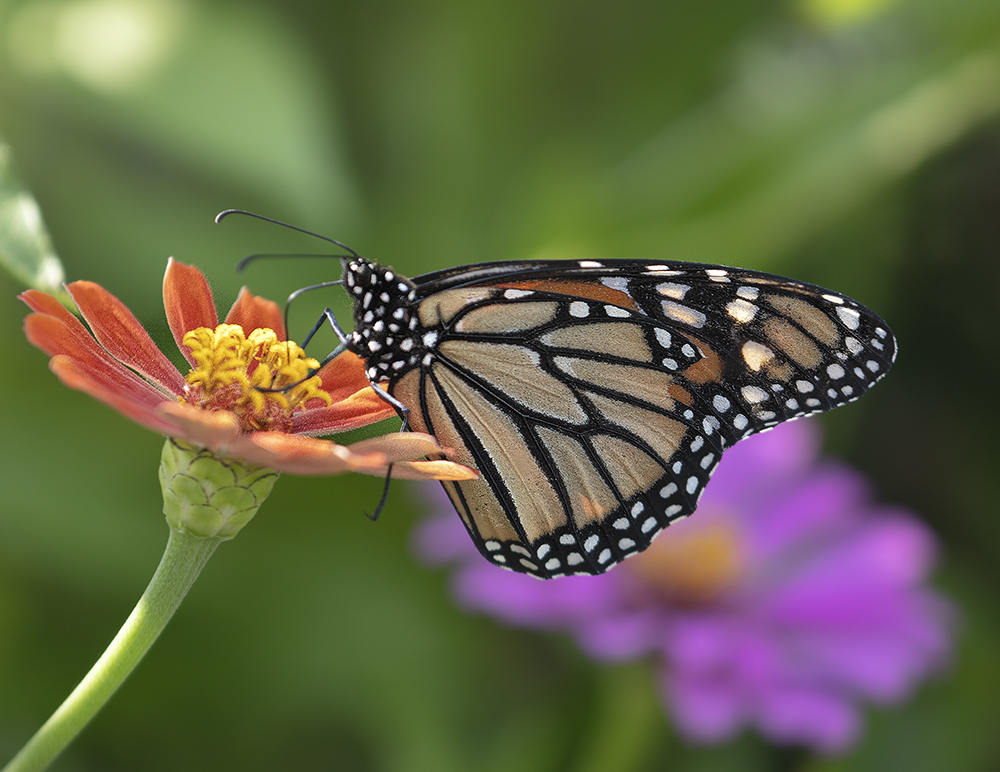
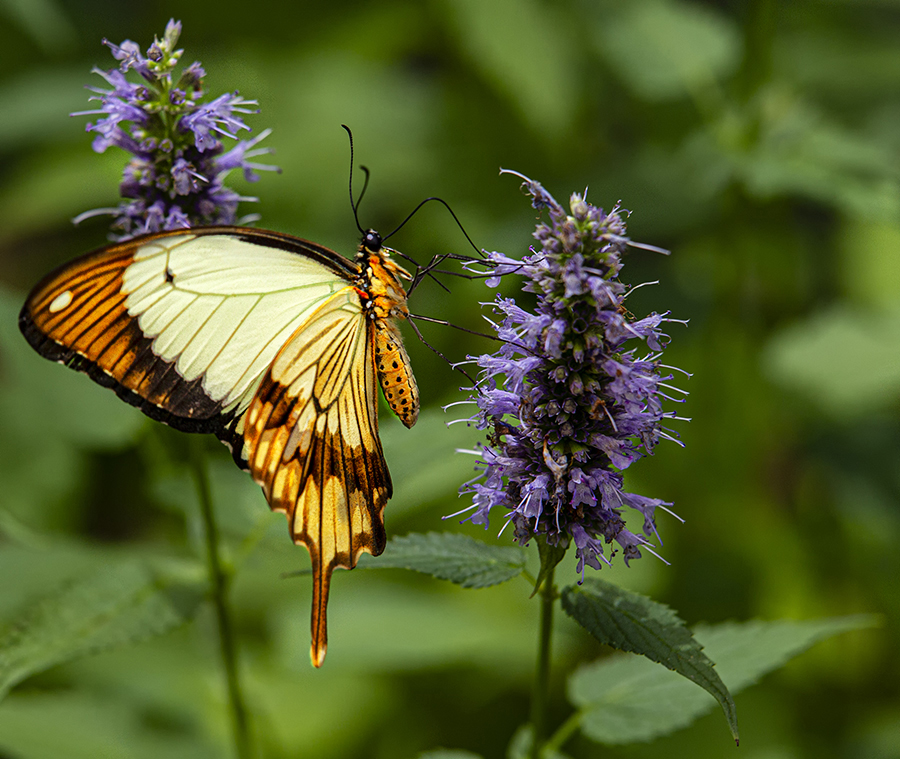
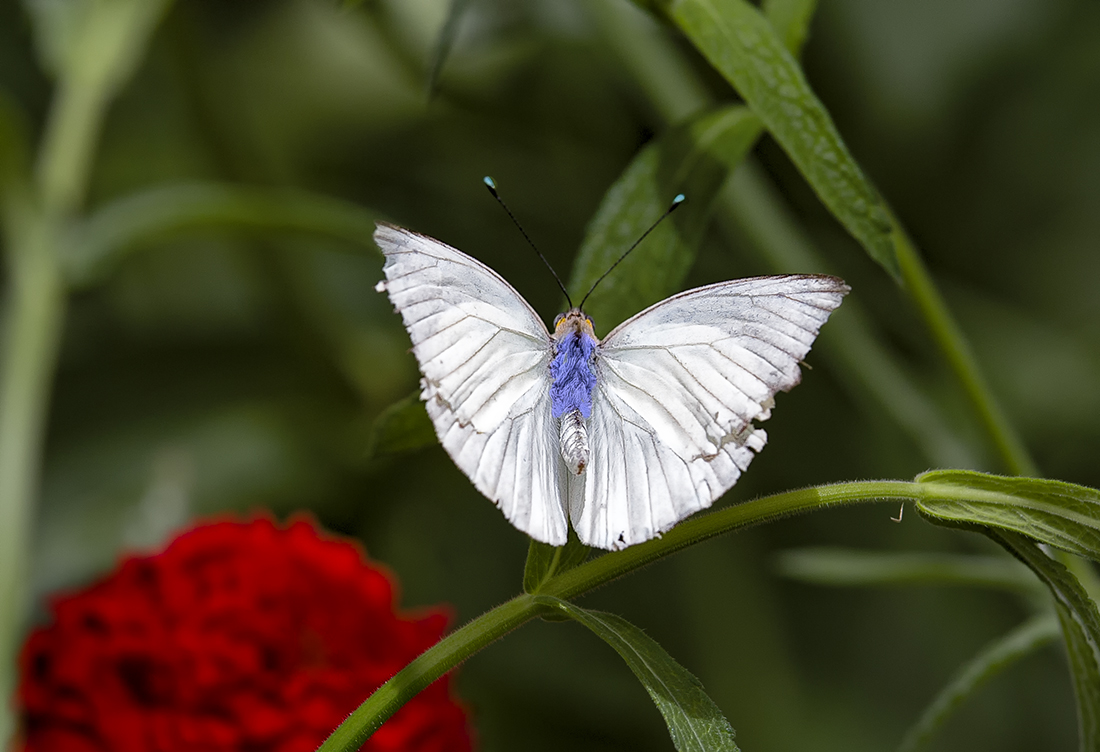
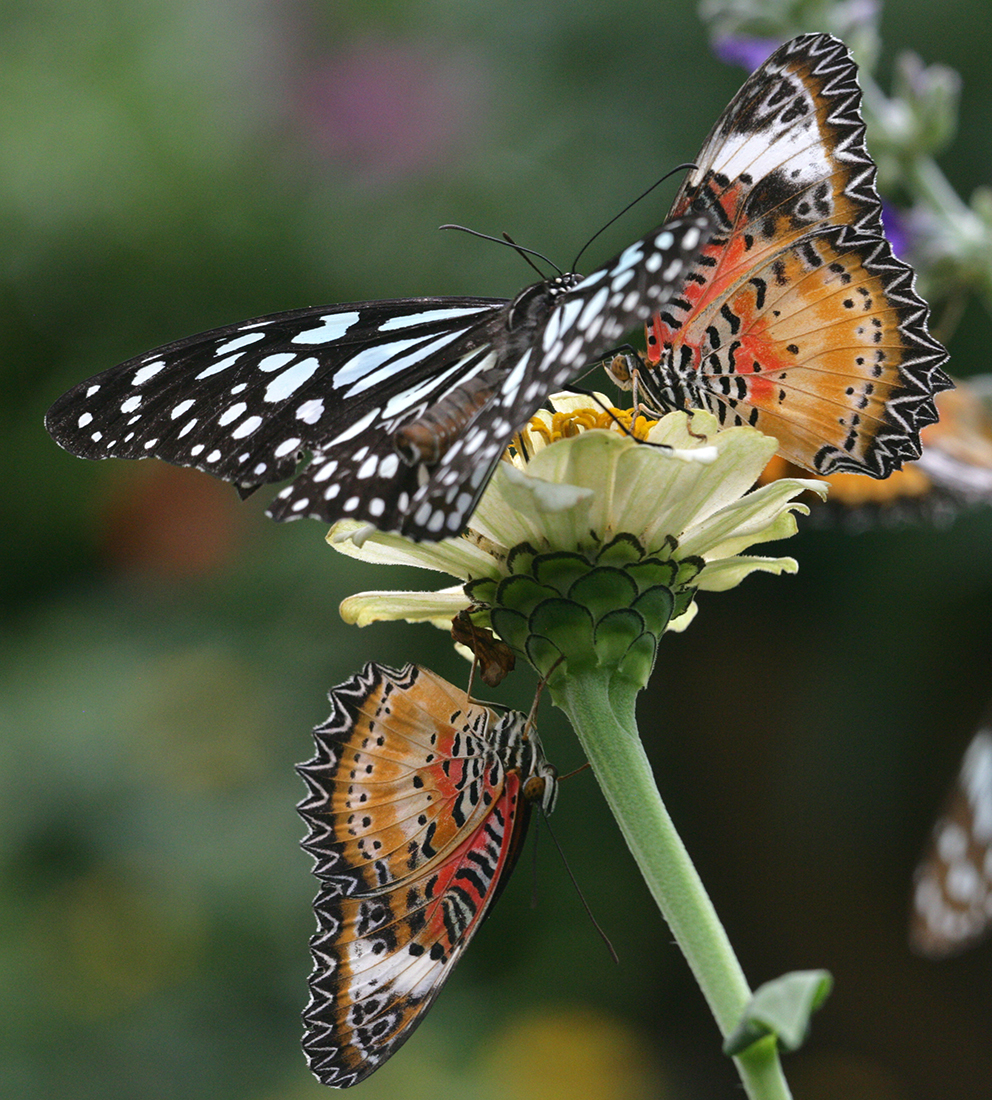
Dan
Jul 07, 2026 at 12:43 PM
p.4 #14Using older dslr cameras
CharleyL wrote:
Having purchased two Canon 77D and one 90D new in the last 5 years, my camera budget won't tolerate another camera for a few more years. I'm very retired now at 84 and my fixed income doesn't allow for rapid upgrades of my cameras any more. But I have tried a few mirrorless models, and for me they just aren't right. Yes, they are smaller and lighter, but I'm not comfortable with the digital viewer. I prefer the optical viewers. I don't shoot rapidly moving any more and I doubt that I'll ever buy a mirrorless camera, but time and...Show more →
I reaffirm your statement Charley...SIR! At 79, my Canon dslrs and EF lenses are working just fine.
Though yes I did "take the plunge" into mirrorless and MF 2 years ago(Fuji GFX100sii) my Canon dslrs are performing just fine for me...
If Canon had a hi mpx mirrorless body(50mpx or greater) I would be interested. Not denegrating any Canon mirrorless body to date..just me.
See above examples and Macro forum..or many other forums to date.
Dan
Jul 07, 2026 at 12:48 PM
p.4 #15Using older dslr cameras
Pixelpuffin wrote:
I have all 3 models you mention (actually have mint/new duplicates of each -Doh)
The SL1 is currently selling for silly high prices compared to what they were fetching 12mths ago. I mounted the SL1 on my 100-400Lii a while back just to see how the combo worked. The pictures were great but the pentamirror made F5.6 viewing unpleasant, I also slapped the old 50/1.4 usm on the SL1… way way brighter and the funny thing is with the 50mm the view with both eyes open is in perfect register (for me anyway - perfect register) … I was walking...Show more →
I vote for the 5D..It was groundbreaking imho! Most of the images that have gained any kind of "2nd party" notariety, for me, came from the 5D and various EF lenses.
I have stayed with Canon dslr's and EF glass with the exception of a Fuji GFX100sII and GF glass..but shoot 60% Canon and 40% Fuji..
Dan
Coltrane wrote
I've had 7 different Canon DSLRs over the years with my favorites being the original 5D and the 6D, also the small SL1. I sold all my Canon cameras years ago, but in 2023 I became nostalgic for the 6D and purchased one in great condition from a dealer in Japan. I really missed the high quality ISO files from that 20.2MP sensor. These days most of my shooting is with the Sony A7riii, but the 6D gets regular use as well.The SL1 is currently selling for silly high prices compared to what they were fetching 12mths ago. I mounted the SL1 on my 100-400Lii a while back just to see how the combo worked. The pictures were great but the pentamirror made F5.6 viewing unpleasant, I also slapped the old 50/1.4 usm on the SL1… way way brighter and the funny thing is with the 50mm the view with both eyes open is in perfect register (for me anyway - perfect register) … I was walking...Show more →
I vote for the 5D..It was groundbreaking imho! Most of the images that have gained any kind of "2nd party" notariety, for me, came from the 5D and various EF lenses.
I have stayed with Canon dslr's and EF glass with the exception of a Fuji GFX100sII and GF glass..but shoot 60% Canon and 40% Fuji..
Dan
Jul 07, 2026 at 12:57 PM
p.4 #16Using older dslr cameras
Pixelpuffin wrote:
The more I use this old 60D the more smitten I become.
I run two systems… canon and Pentax
I have stayed with the xxD series from my 1st dslr, the Canon 20D. Although an APS-C sensor has my frame smaller but a good EF lens can "make" a frame size adjustment for me.
My kudos on this series is the "on board" flash.
The majority of my macro work has progressed from the 20D to the 90D. 90% of any close-up or macro work is done with my 90D.
I have a Fuji GFX MF body but the majority of my shooting is on a Canon dslr, mainly a 5DSR or 1Dx.
The results suit me fine now.
Dan
Jul 07, 2026 at 01:04 PM
p.4 #17Using older dslr cameras
I originally bought my two Canon 77D for doing weddings and similar group shoots where a long zoom on one and short on the other let me catch the action from wherever I happened to be standing. I don't do weddings or paid gigs any more, but with my Tamron 18-400 mm lens on one of the 77D, it has become the camera that I take with me out of the studio most often. One good zoom lens for everything. The second 77D is presently in a camera cage and set up as a back-up camera for video work.
My 90D, especially if I put the Tamron 18-400 lens on it, is just far too heavy to carry any distance, so it is now the camera that mostly gets used in my studio, usually mounted on a K&E geared head on one of my Regalite 6' camera stands. The studio is set up for portraits and video, but I'm now doing mostly "Product", "Still Life", and "Macro" type work, since in my old age I don't walk or move around well anymore. Minimizing trip hazards has become a very high priority in my life too.
My studio shooting room is 19 X 26' and was once the bedroom part of a 2nd Master Bedroom Suite on the 2nd floor of my home ( We use the one on the first floor ). It has a double bath and walk-in gear closet off the shooting room. The large hallway at the top of the stairs is the hair, makeup, and break area, and a long walk-in closet is also off the hallway. It presently holds my props as well as family storage. I converted this second floor area into my studio 6 years ago. It's small by commercial standards, but I carefully designed it for maximum use, making it as versatile and quickly convertible as possible for still and video work, and I can switch easily from one form of photography to another very quickly. With power on the ceiling, power cords on the floor are almost never required. If they are, they usually get connected at outlets along the walls of the studio, and with a small carpet sample placed over them for safety. Even my tether cable is off the floor. It goes up to the ceiling grid and over to my computer table where it drops down the wall to my computer. There is sufficient slack at the camera end to allow free movement of the camera over most of the camera half of the studio and it has an extension to use if it should be necessary.
The video and other lighting is all on a DIY ceiling mounted support grid and I can do portraits and other still work with stands, soft boxes, etc below them without the need to remove these video lights (8 LED panels, 4 UV LED panels, and 2 Tungsten 500 watt spots). The ceiling grid allows me to locate any light anywhere in about a 10 x 20' shooting area of the studio. Power for the hanging lights comes from power strips on the ceiling and I use wireless power control modules at each light and remotes located on each camera stand to select which lights on this ceiling grid receive power, without the need to climb a ladder to turn them on or off. Power for lights on stands for still shooting also comes from the power strips on the ceiling, so again, no power cables on the floor. Even the center ceiling LED light (work light) is remotely and wirelessly controlled from the original door switch position, each camera stand, my computer table, and a wheeled tool box that I keep near and left of me when doing a shoot. When it is absolutely necessary to turn off this "Work light" for a shoot I can, from anywhere that I might be, without the need to move around in the dark. I frequently place my camera on the toolbox when taking short breaks in the shoots to re-position lights, subject, etc. It holds my Gaffer Bag, and other supplies that might be needed quickly during a photo shoot.
My "most used" backdrops are on a 10' wide backdrop system that also has a wireless remote to control each of 6 backdrops. These remotes are also located at each camera stand.
Charley
Jul 08, 2026 at 08:03 AM
p.4 #18Using older dslr cameras
My interest in the hobby ebbs and flows. Recently, the Canon RP has been feeling somewhat clumsy to me. For instance, the time it takes between picking up the camera and when I can take that first pic takes a while, which usually means I've lost the picture already if I'm looking for speed. The EV can get choppy & stutters, the battery doesn't last very long and sometimes there's a lag when pressing the shutter release.
These are annoyances that I offset by having a tiny camera with high-end optics, even in the cheapie lenses, but the hobby is getting more expensive than I want to spend and that gear lust I used to feel has been fading with age. I've already owned a large chunk of L glass (except those big whites), so I've been there, done that. There is no more mystique to this stuff.
I'm strongly considering going back to a 5D3 and the 24-105 f/4L (the OG, baby). I can get those for a song, plus whatever high end glass has been outclassed by newest and greatest. Something about the 5D3 was really nice to hold and I felt a little more "in-control". Fewer menus, less button density, tactile feel, etc.
Jul 10, 2026 at 07:44 AM
p.4 #19Using older dslr cameras
kakomu wrote:
My interest in the hobby ebbs and flows. Recently, the Canon RP has been feeling somewhat clumsy to me. For instance, the time it takes between picking up the camera and when I can take that first pic takes a while, which usually means I've lost the picture already if I'm looking for speed. The EV can get choppy & stutters, the battery doesn't last very long and sometimes there's a lag when pressing the shutter release.
These are annoyances that I offset by having a tiny camera with high-end optics, even in the cheapie lenses, but the hobby is getting...Show more →
I’ll echo every word you’ve written
Had the RP…gave it away… still have three 5diii’s a 40K user, a 2K pristine boxed shelf queen and one 196K ex press camera..battle scarred, on its last legs…but keeps going!!!
I just can’t get excited about the R system
I’m away on holiday with Pentax DSLR….(Fully weather sealed) My R100/R50 would have died on the first day (heavy showers) but the 5diii would’ve survived.
Edit:-
I’m also on the very cusp of having another bash at film. Dusted off the eos600 & eos1
Both are working fine, film is in the fridge… the nearest lab is a few miles away.
Yep, I’m intrigued to relive the magic of shooting blind and waiting for the envelope with en- prints. Think I’ll opt for 6x4
Let the fun begin…. 😎👍🏻
Jul 10, 2026 at 01:18 PM
p.4 #20Using older dslr cameras
2007 Canon 5D and EF180mm f3.5 Macro
I loved the 5D!
Dan


Canon 1DMKII EF 300mmf2.8
I loved the 5D!
Dan
Canon 1DMKII EF 300mmf2.8
Jul 13, 2026 at 02:40 PM