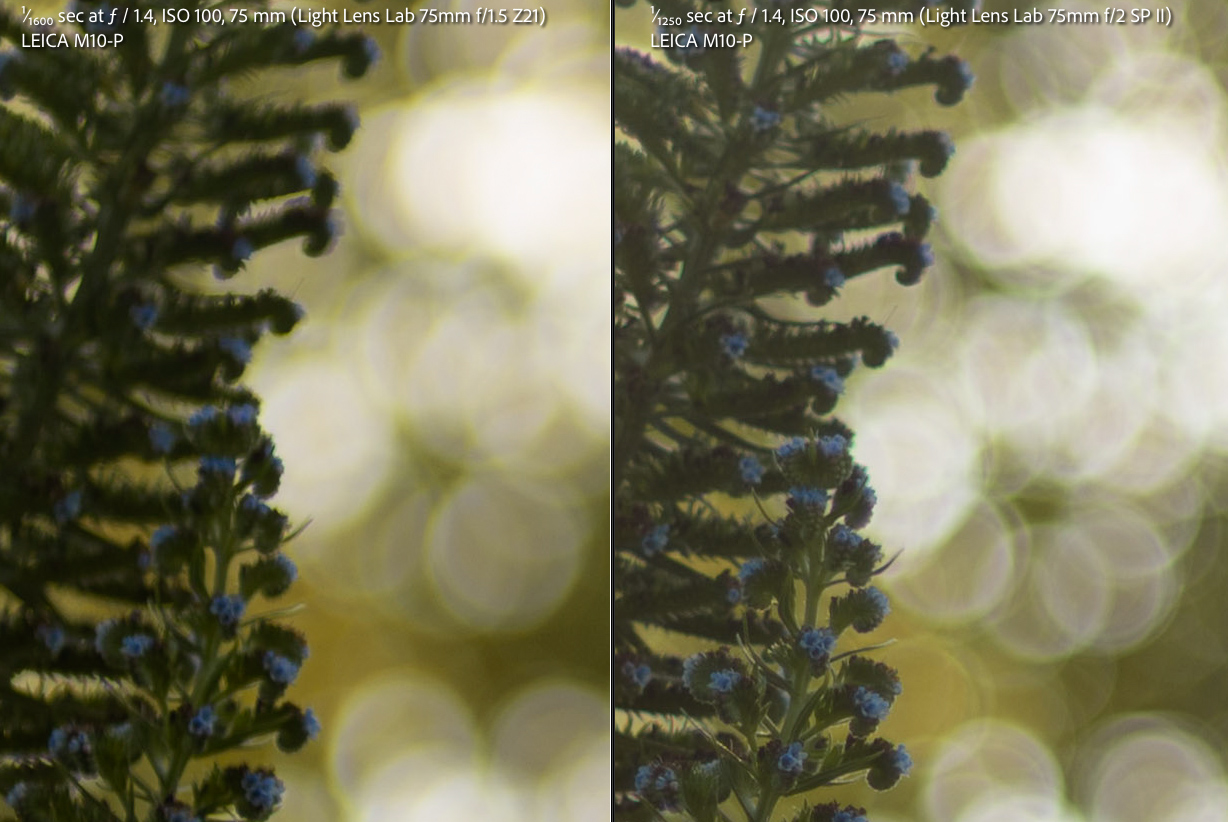
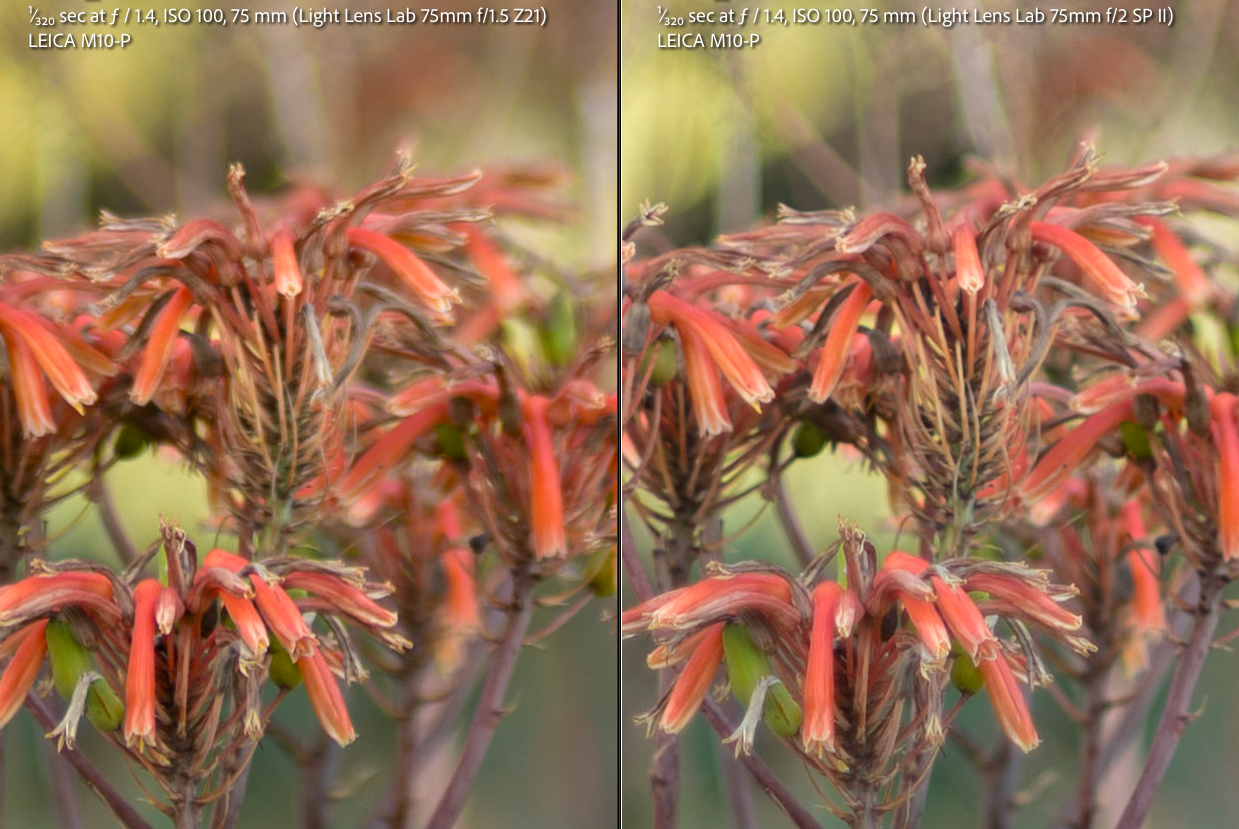
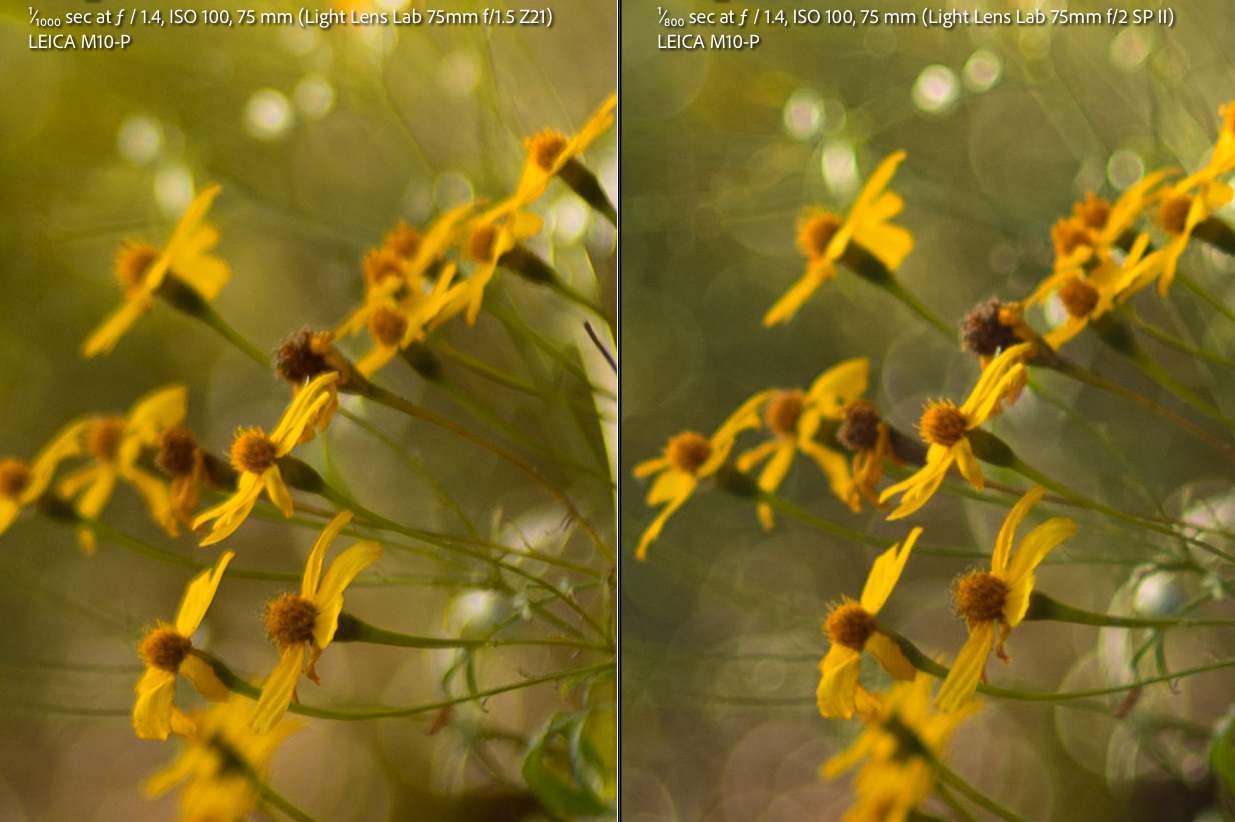
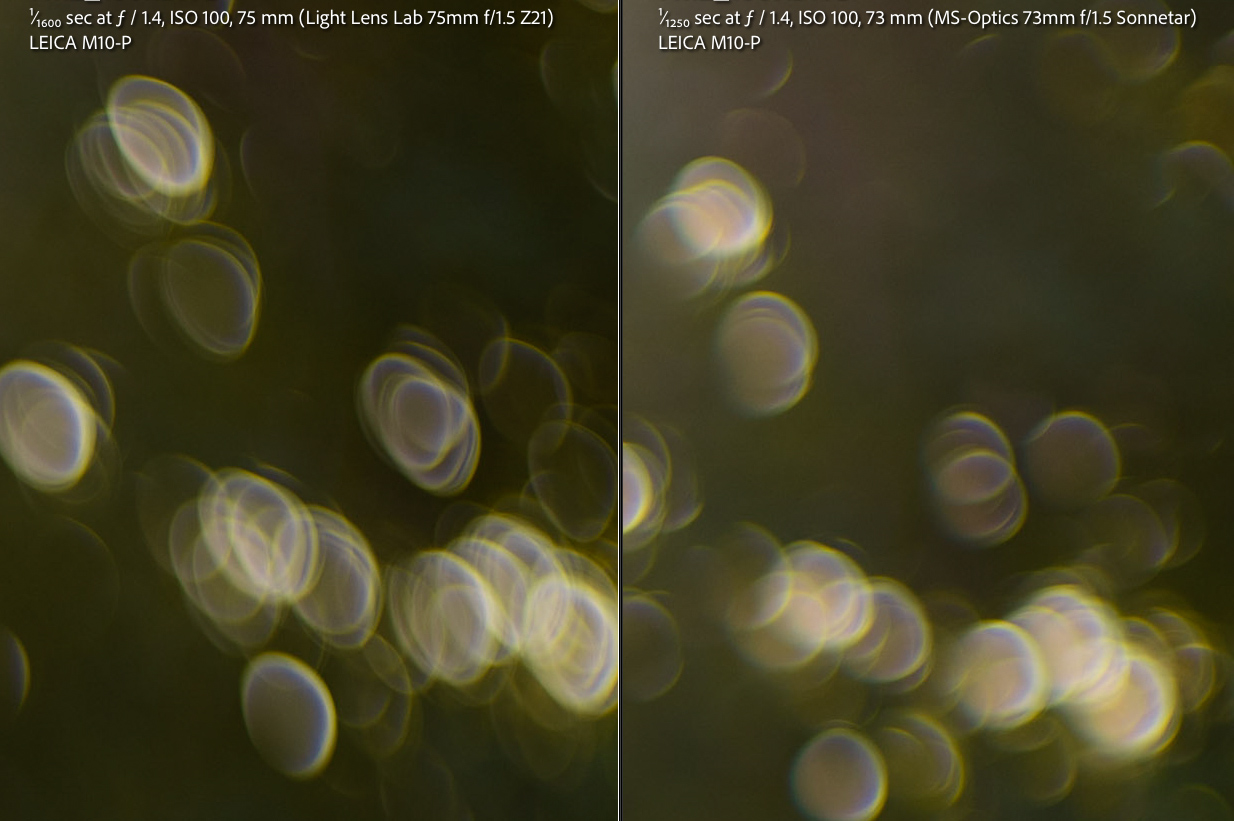
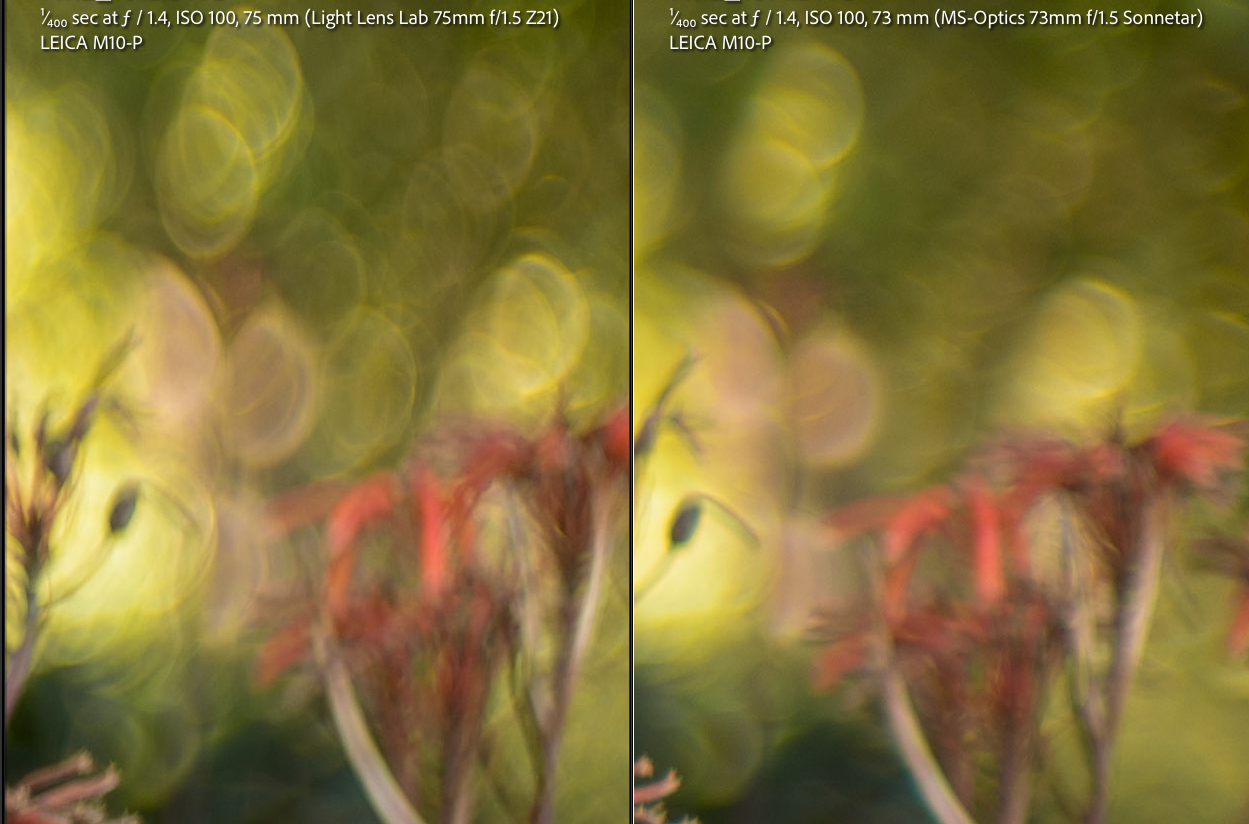
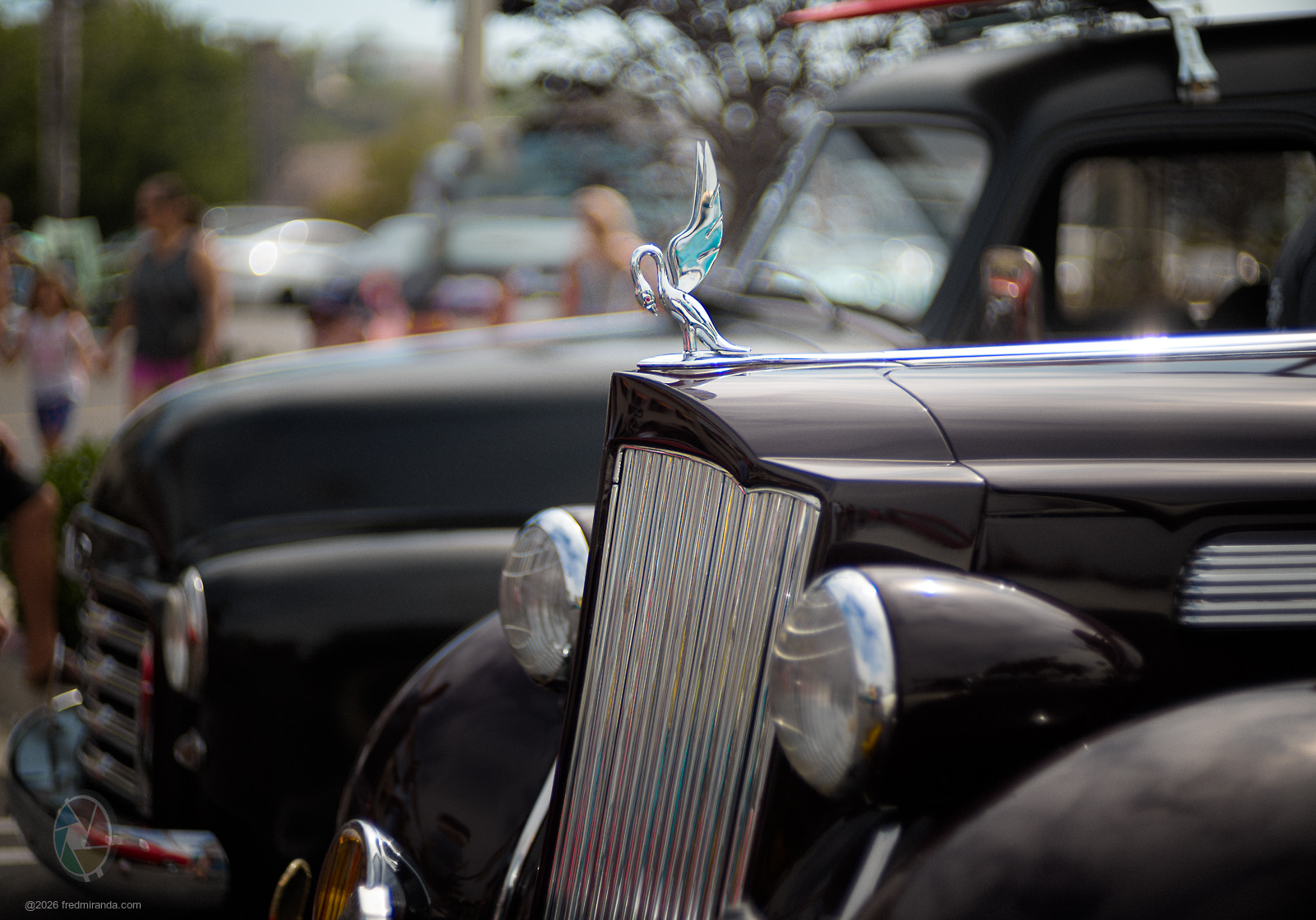
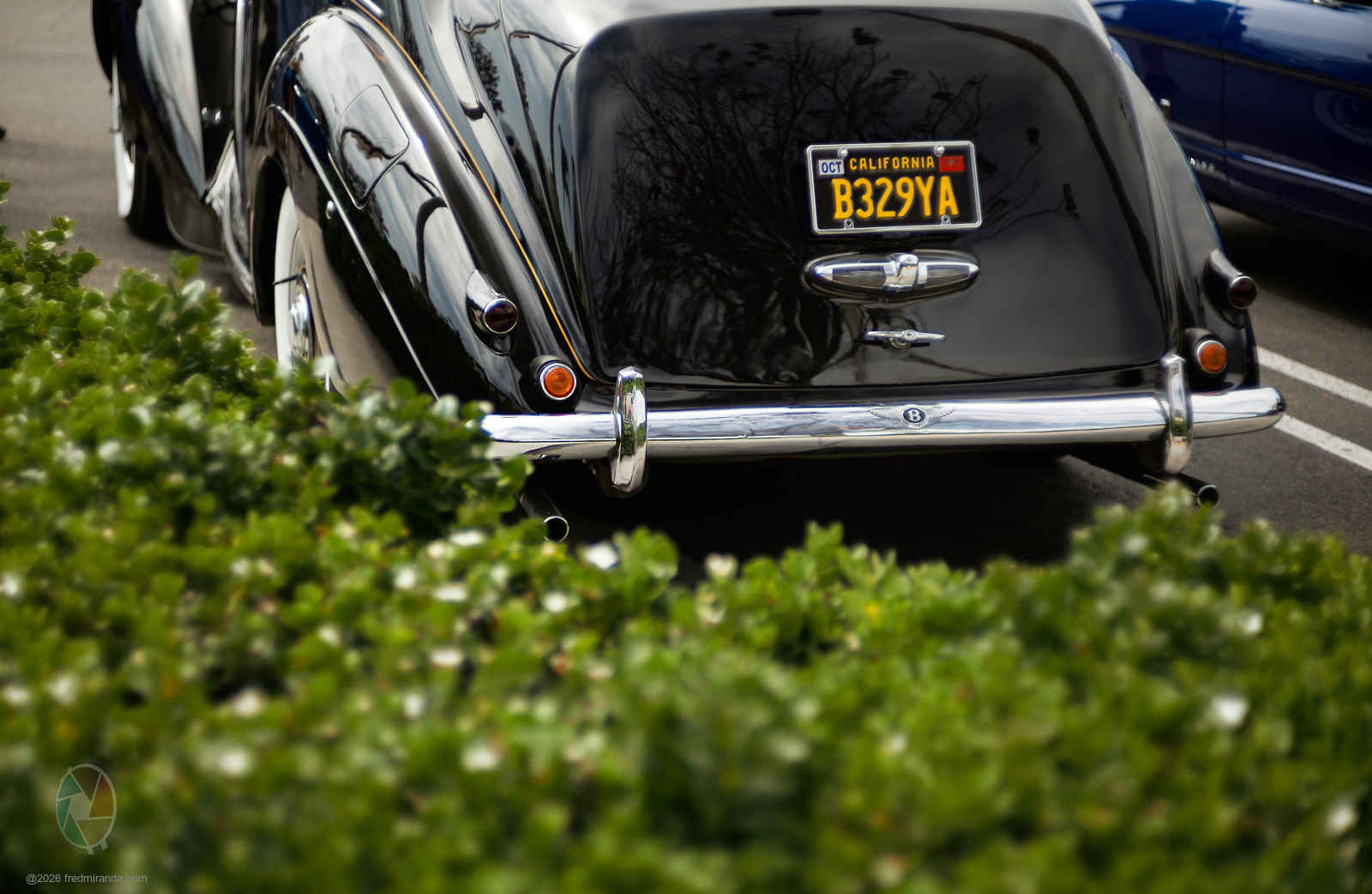
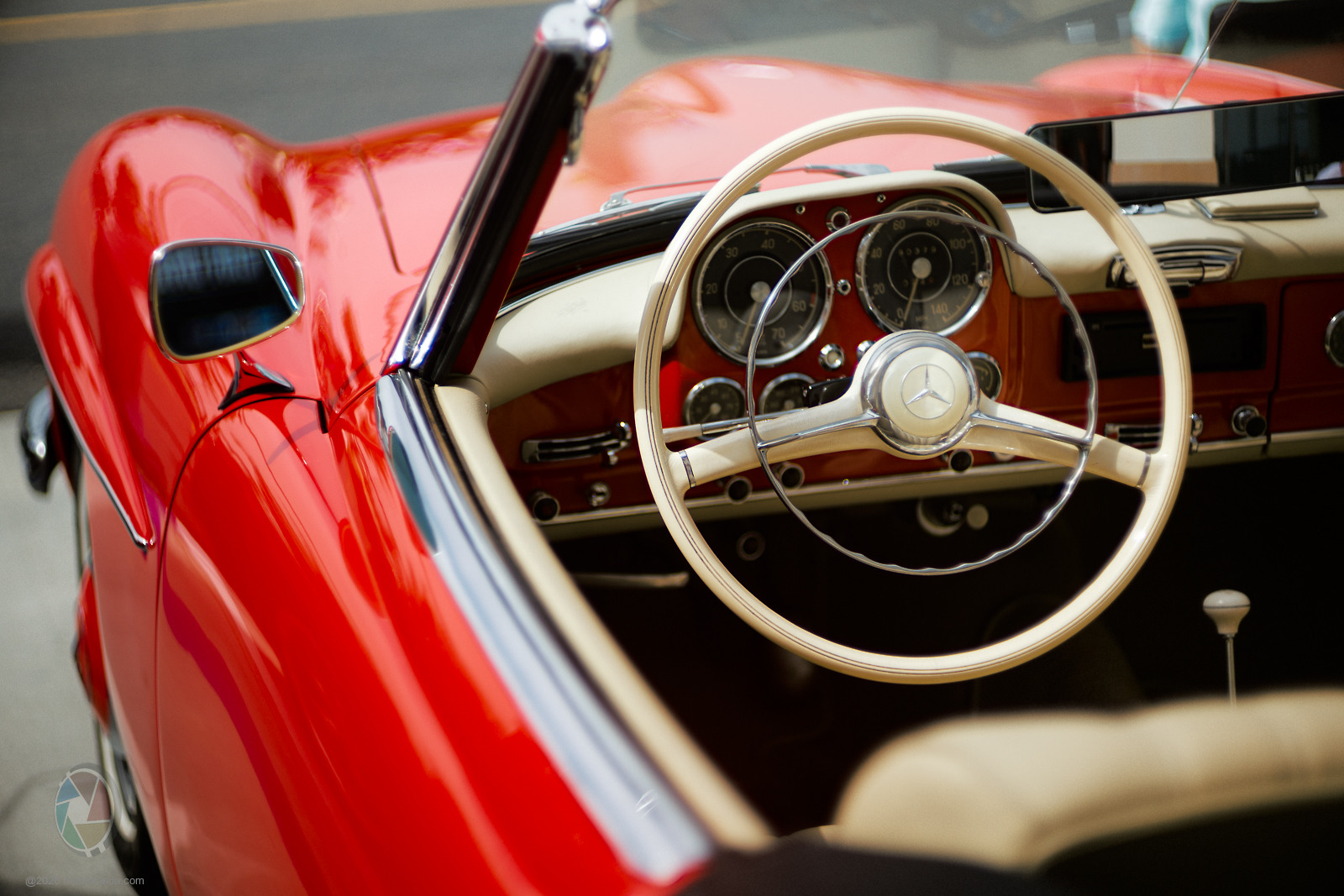
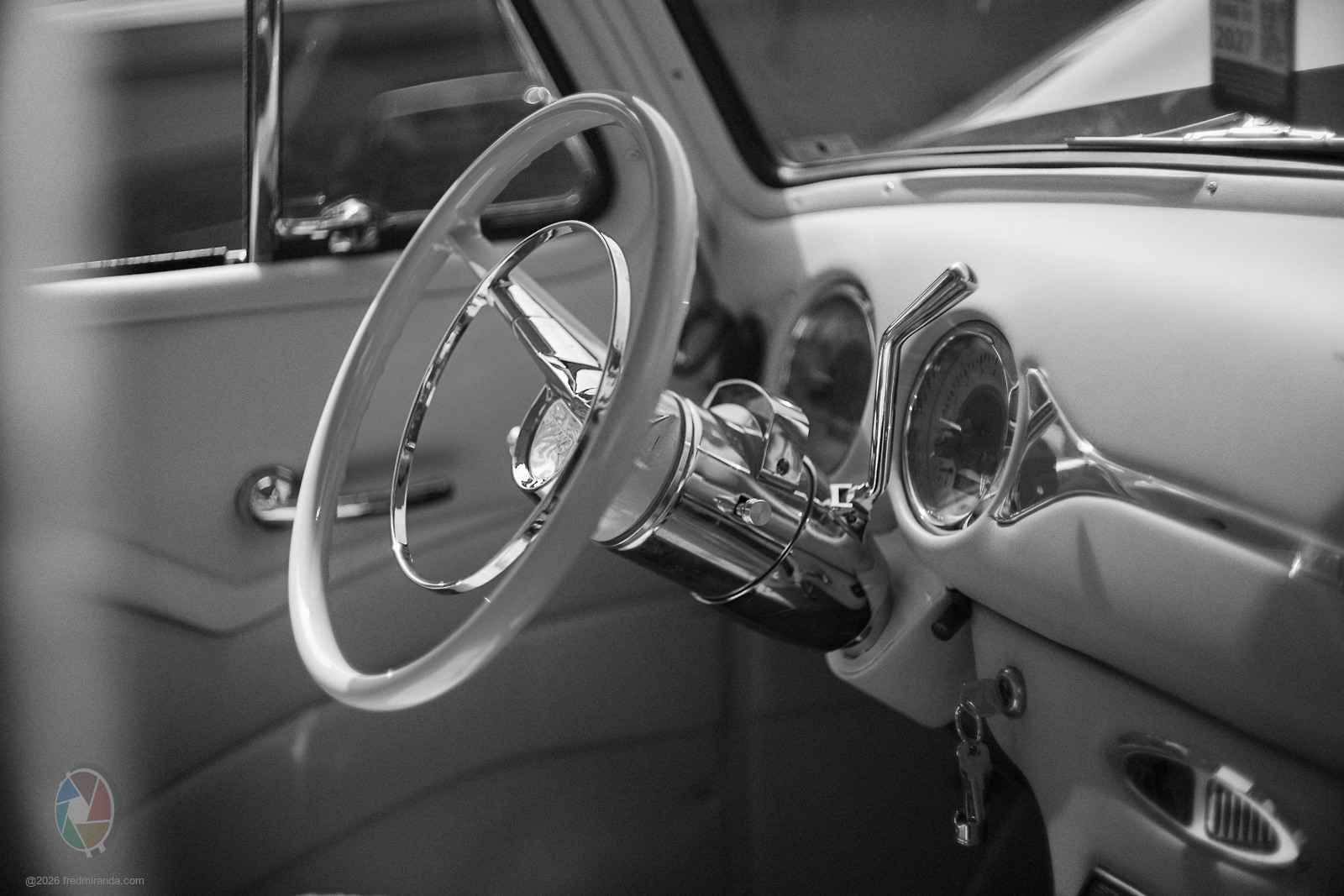
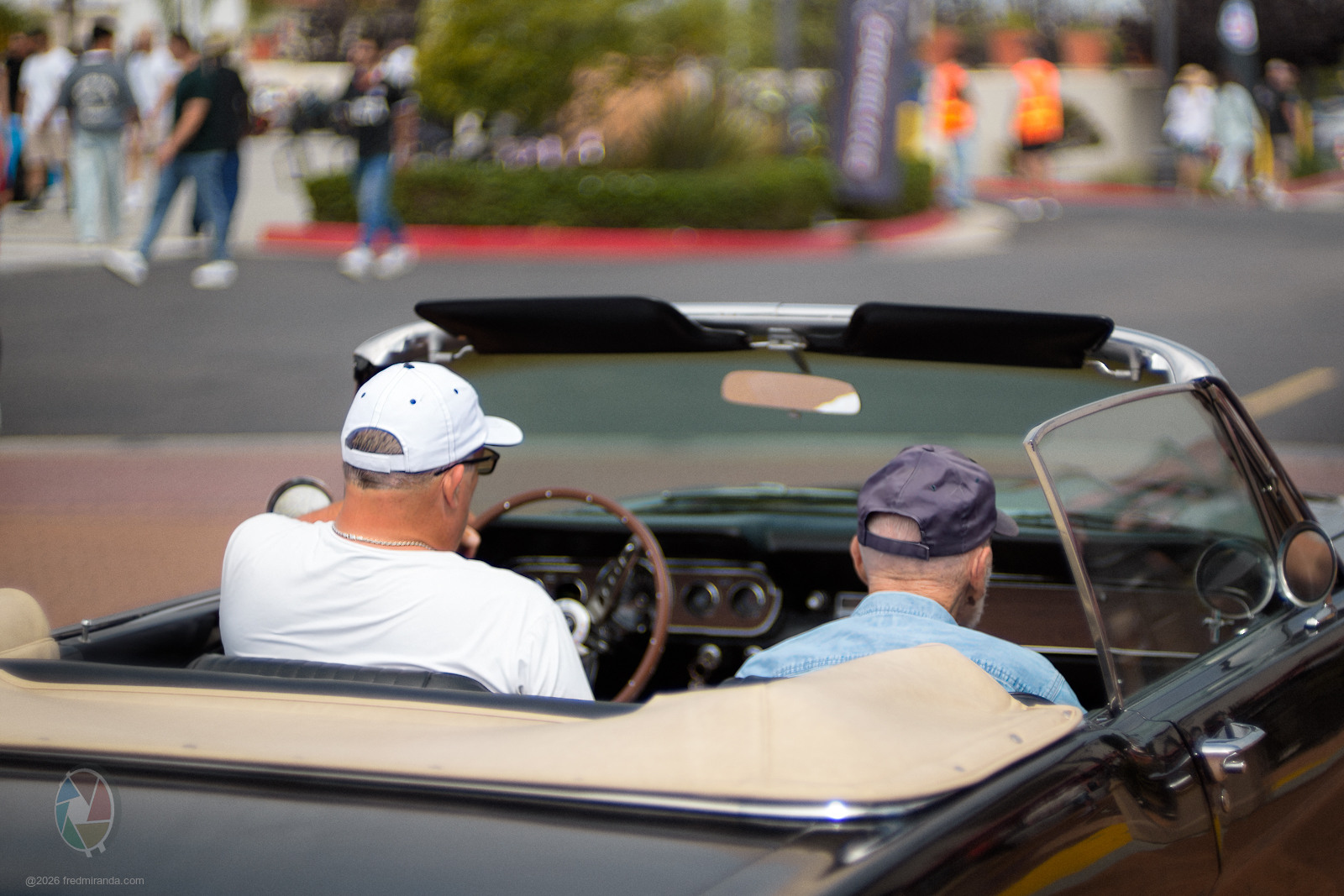
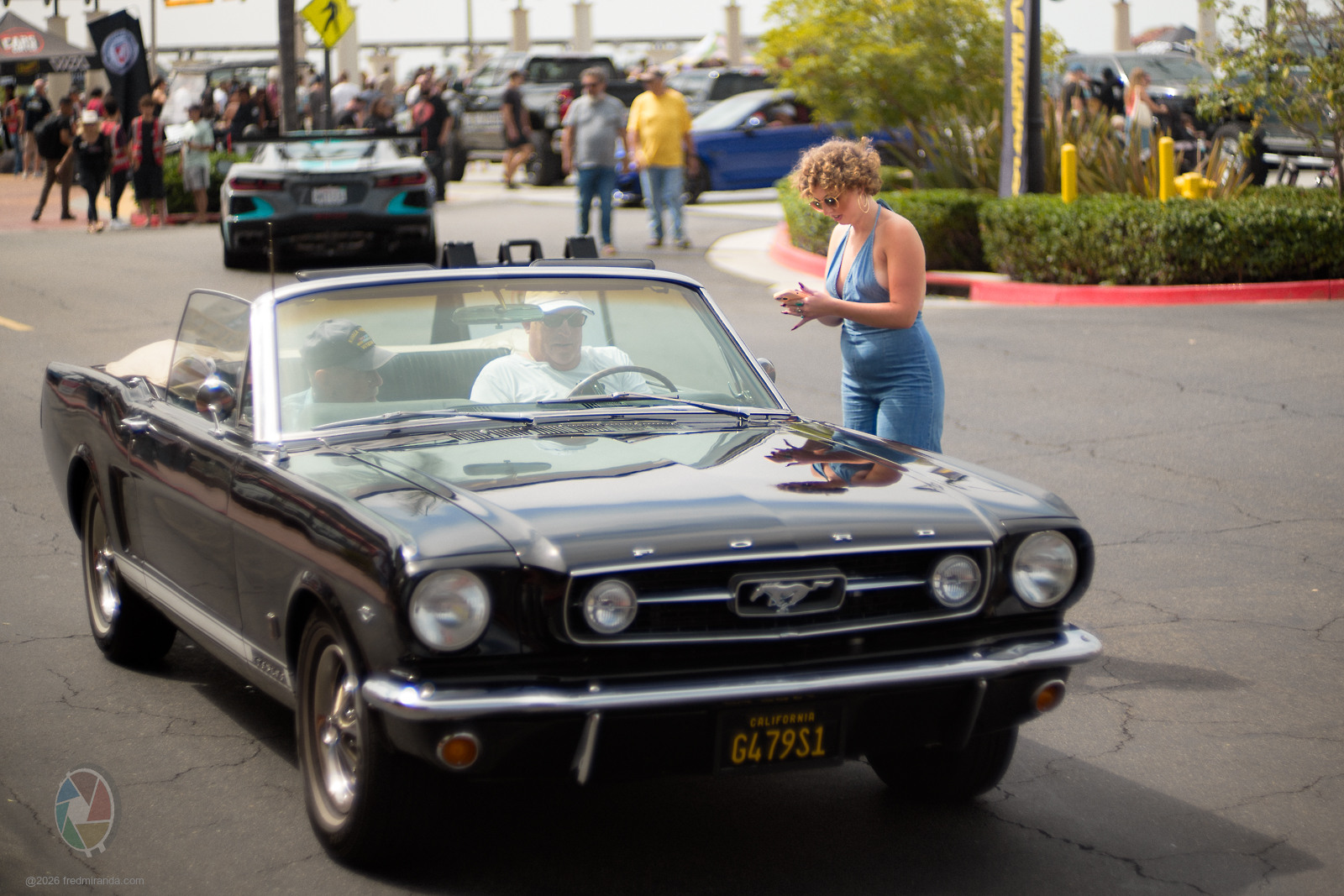
Since the main appeal of both lenses is their fast f/1.5 aperture, we’ll now compare them exactly at f/1.5.
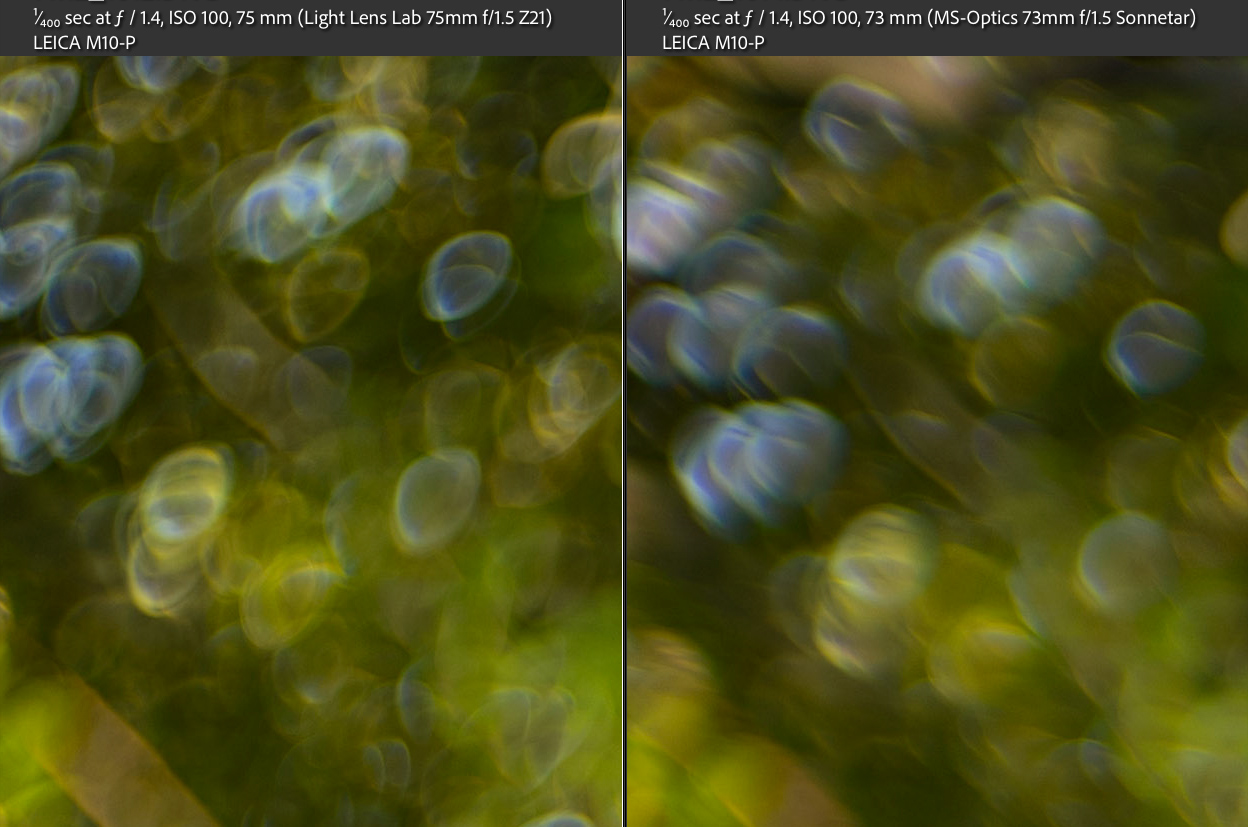
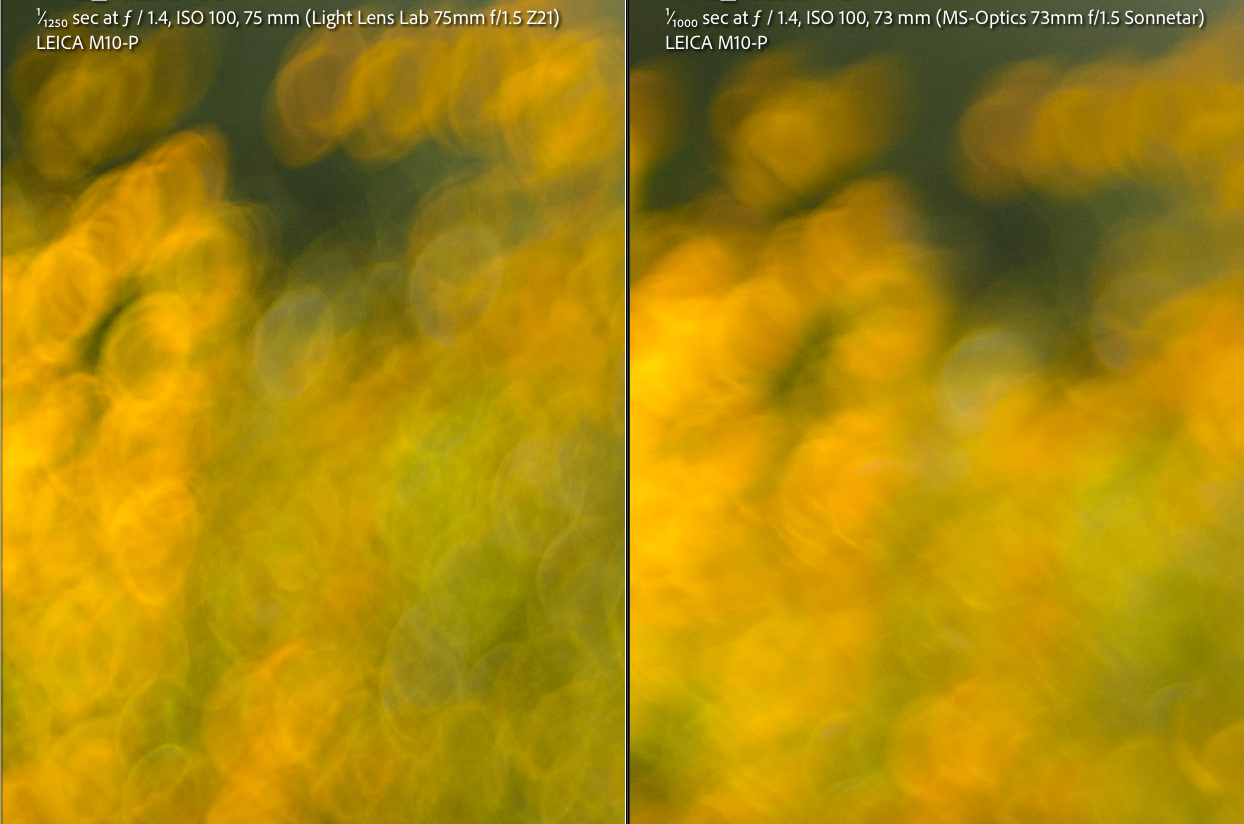
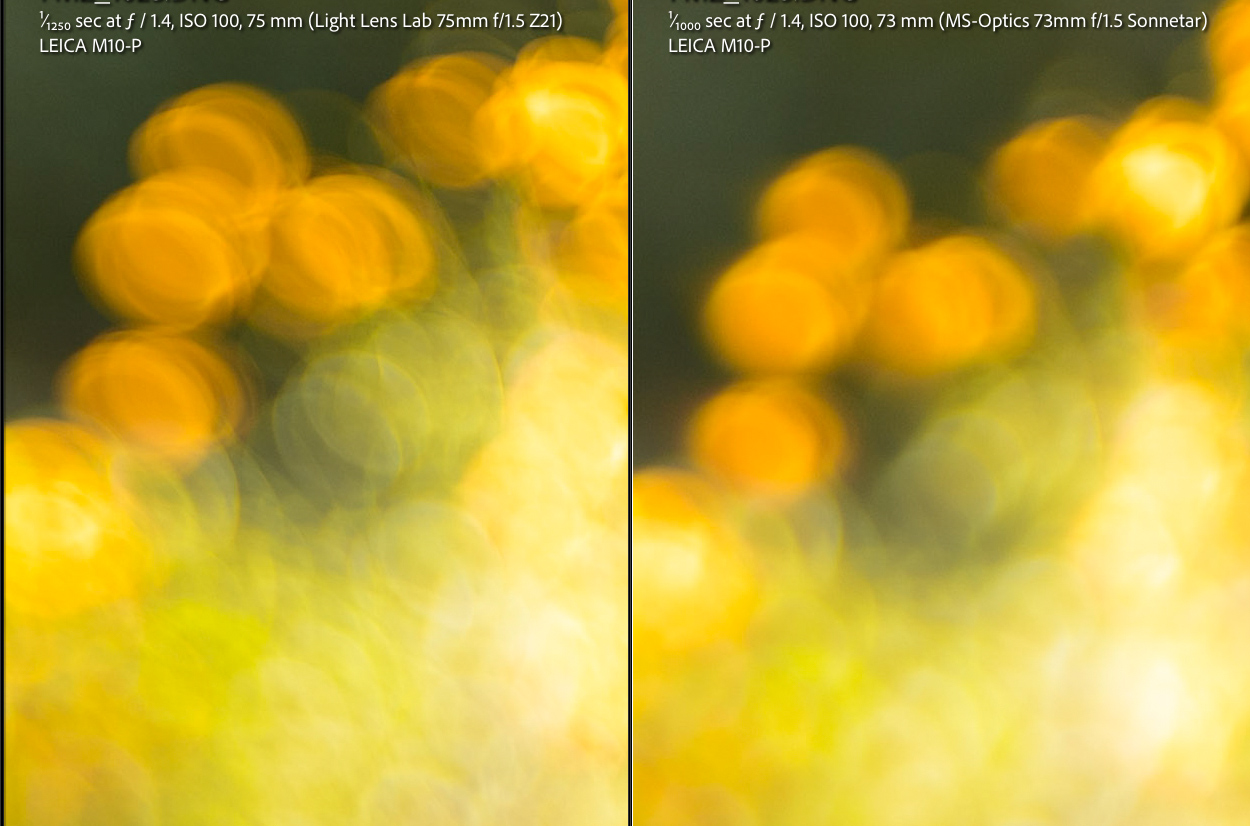
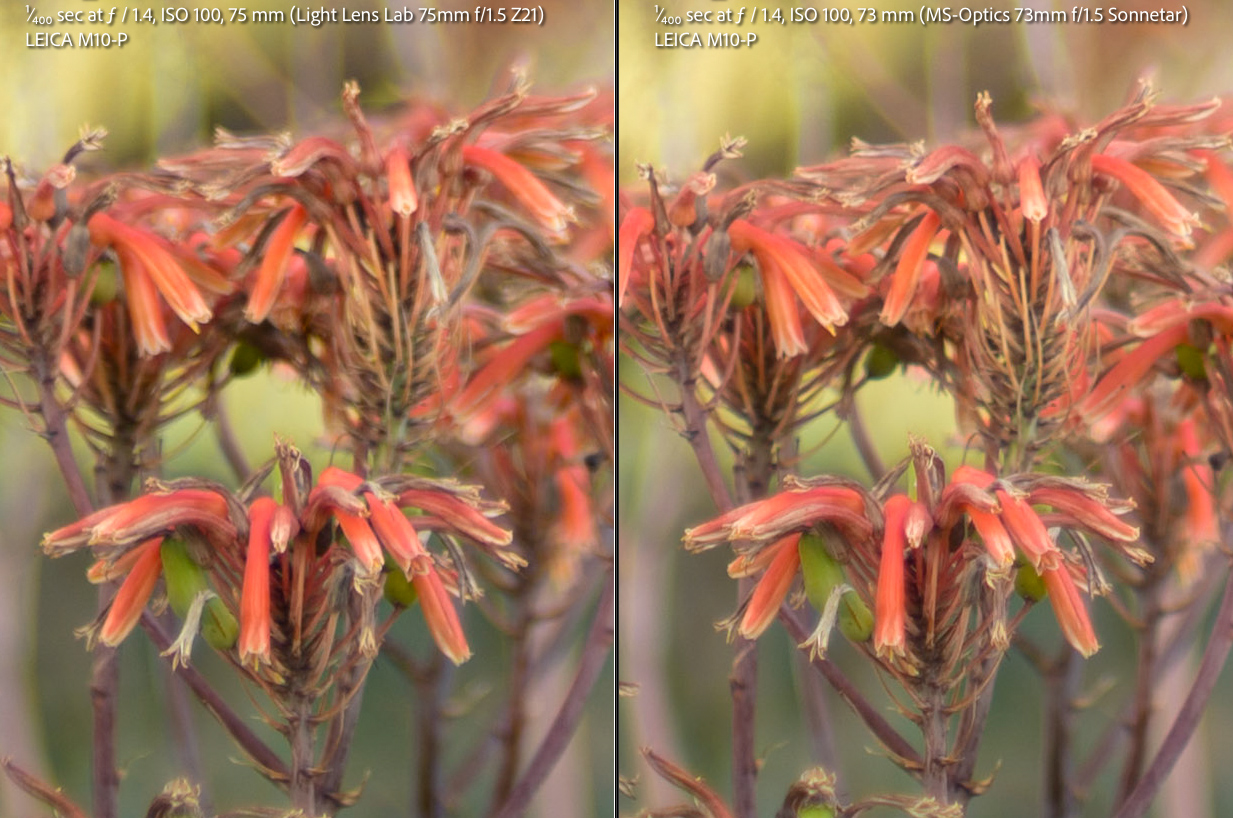
Here are 100% pixel-level crops comparing the Light Lens Lab 75mm f/1.5 Z21 and the MS Optics 73mm f/1.5 Sonnetar, both shot wide open at f/1.5 (taken from the images shown above).
They show that the MS Optics 73mm f/1.5 Sonnetar produces a smoother rendering, with less pronounced outlining in the highlights, resulting in a slightly more subdued, less structured "draw".
In some off-axis crops, the Sonnetar also outputs lower optical vignetting, which translates into reduced cat's-eye shaping and less swirl compared to the Light Lens Lab 75mm f/1.5 Z21. Whether that look is preferable is purely subjective, so the samples are provided for your own evaluation.
In terms of overall performance, both lenses are very close in resolution and contrast, particularly in the central area at the distances tested.
The Sonnetar also outputs lower optical vignetting, which translates into reduced cat's-eye shaping and less swirl compared to the Light Lens Lab 75mm f/1.5 Z21
The Sonnetar also outputs lower optical vignetting, which translates into reduced cat's-eye shaping and less swirl compared to the Light Lens Lab 75mm f/1.5 Z21
The MS Optics 73mm f/1.5 Sonnetar produces a smoother rendering, with less pronounced outlining in the highlights, resulting in a slightly more subdued, less structured draw.
The MS Optics 73mm f/1.5 Sonnetar produces a smoother rendering, with less pronounced outlining in the highlights, resulting in a slightly more subdued, less structured draw.
Both lenses are very close in resolution and contrast, particularly in the central area at the distances tested.
The MS Optics 73mm f/1.5 Sonnetar produces a smoother rendering, with less pronounced outlining in the highlights, resulting in a slightly more subdued, less structured draw.
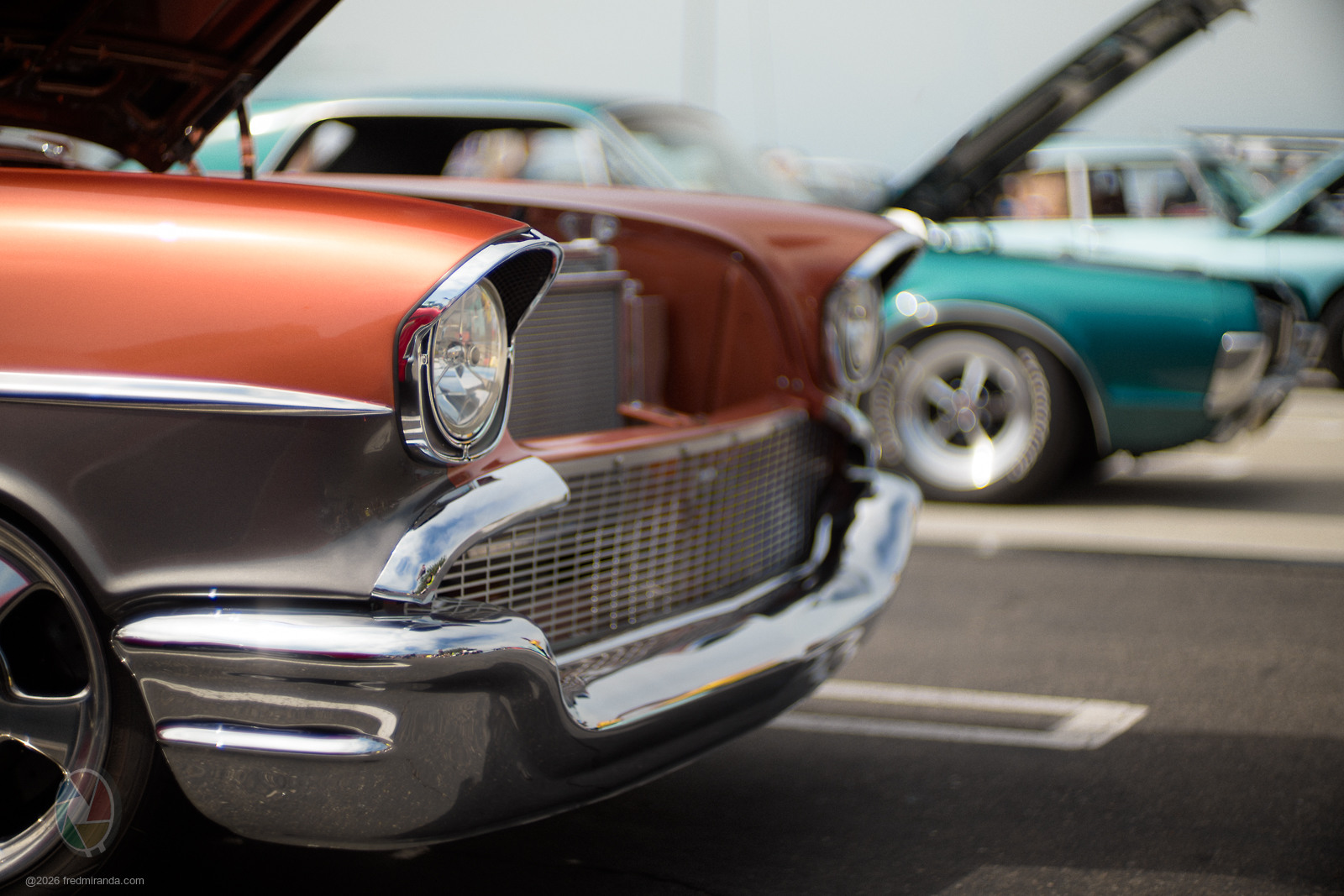
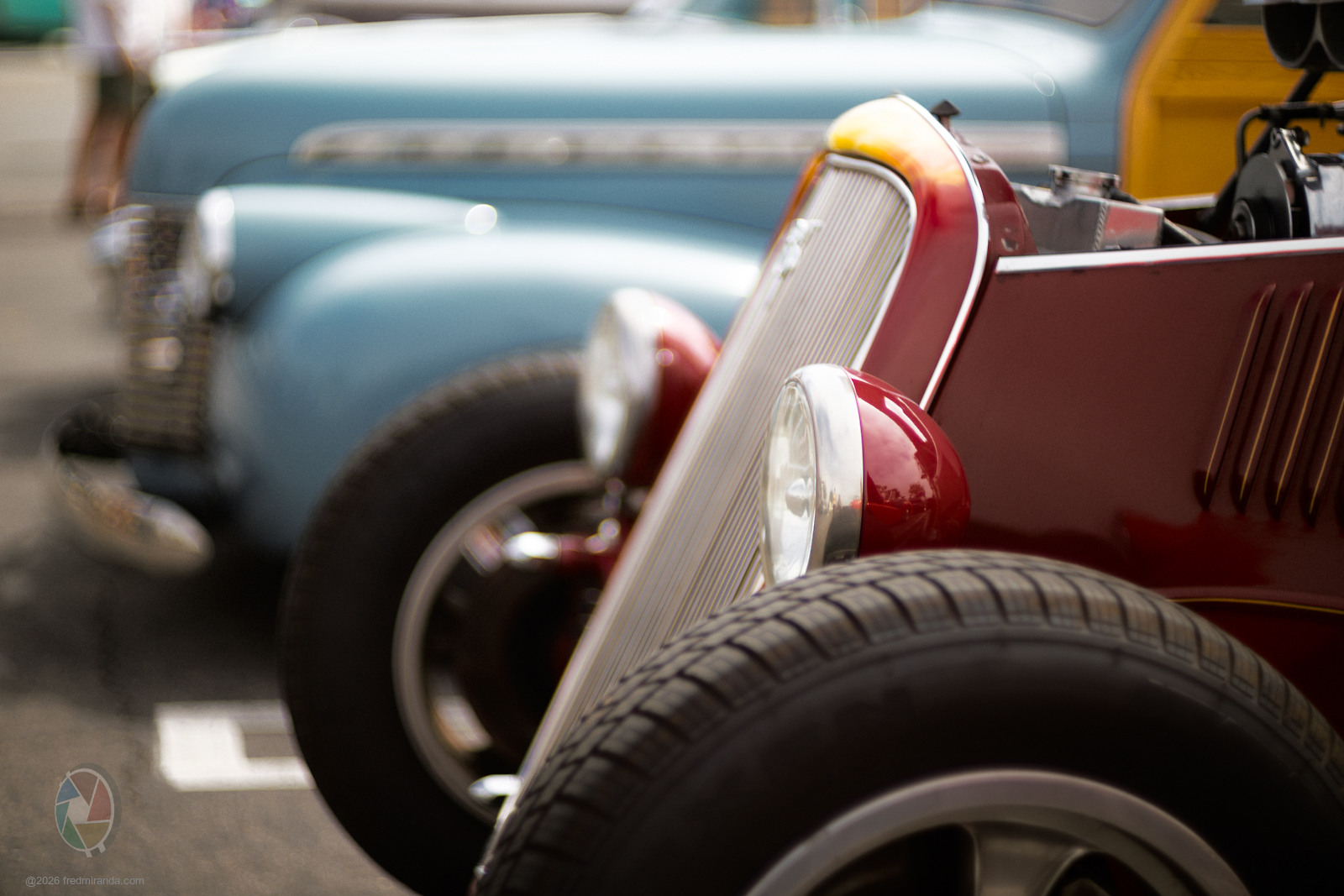
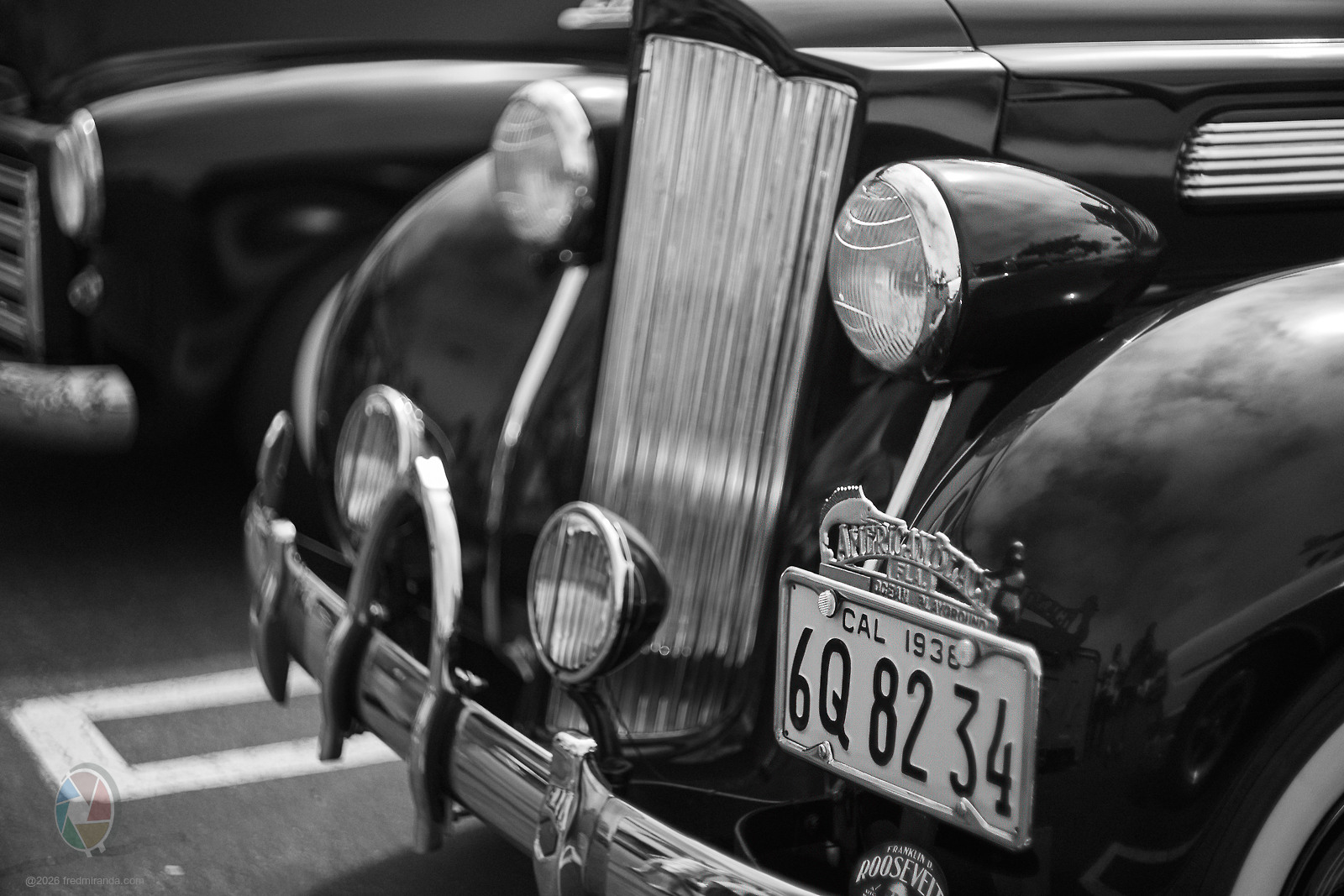
Most of the images were captured wide open at f/1.5 in late afternoon light, with subjects positioned at a variety of distances.
Post processing was intentionally kept to a minimum, consisting only of minor sharpening (40, 0.8, 20, 50) and small exposure adjustments. I used the Adobe Color and Monochrome profiles throughout to allow the lens’s natural color rendition and tonal character to shine through.
LEICA M10-PLight Lens Lab 75mm f/1.5 Z21 lens75mmf/1.41/4000s100 ISO-1.3 EV
LEICA M10-PLight Lens Lab 75mm f/1.5 Z21 lens75mmf/1.41/4000s100 ISO-1.3 EV
LEICA M10-PLight Lens Lab 75mm f/1.5 Z21 lens75mmf/1.41/4000s100 ISO-1.3 EV
LEICA M10-PLight Lens Lab 75mm f/1.5 Z21 lens75mmf/1.41/4000s100 ISO-1.3 EV
LEICA M10-PLight Lens Lab 75mm f/1.5 Z21 lens75mmf/1.41/4000s100 ISO-1.3 EV
LEICA M10-PLight Lens Lab 75mm f/1.5 Z21 lens75mmf/1.41/4000s100 ISO-1.3 EV
LEICA M10-PLight Lens Lab 75mm f/1.5 Z21 lens75mmf/1.41/4000s100 ISO-1.3 EV
LEICA M10-PLight Lens Lab 75mm f/1.5 Z21 lens75mmf/1.41/4000s100 ISO-1.3 EV
LEICA M10-PLight Lens Lab 75mm f/1.5 Z21 lens75mmf/1.41/4000s100 ISO-1.3 EV