Fred Miranda
Offline
Admin
Upload & Sell: On
|
 p.3 #18 · Light Lens Lab 75mm f/1.5 Z21 Review p.3 #18 · Light Lens Lab 75mm f/1.5 Z21 Review | |
Light Lens Lab 75mm f/1.5 Z21 – Read the Full Review
Final Thoughts
The Light Lens Lab 75mm f/1.5 Z21 extends the Z21 concept into a telephoto focal length. While the previous 50mm Z21 already prioritized character over correction, the 75mm applies that philosophy to scenes requiring greater subject separation, such as portraiture, while embracing the famous Angenieux S21 signature rendering.
Unlike modern short telephotos that prioritize resolution, contrast, and smooth abstract blur, this lens embraces a very specific historical reference, the 1950s Angenieux S21 look. That rendering was never about perfect correction. Instead, it resulted from fast apertures, early coatings, and optical compromises that produced a unique combination of glow, swirl, depth, and organic out of focus rendering. The 75mm Z21 embraces that character while adapting it into a Leica M native design that is considerably more practical than the originals.
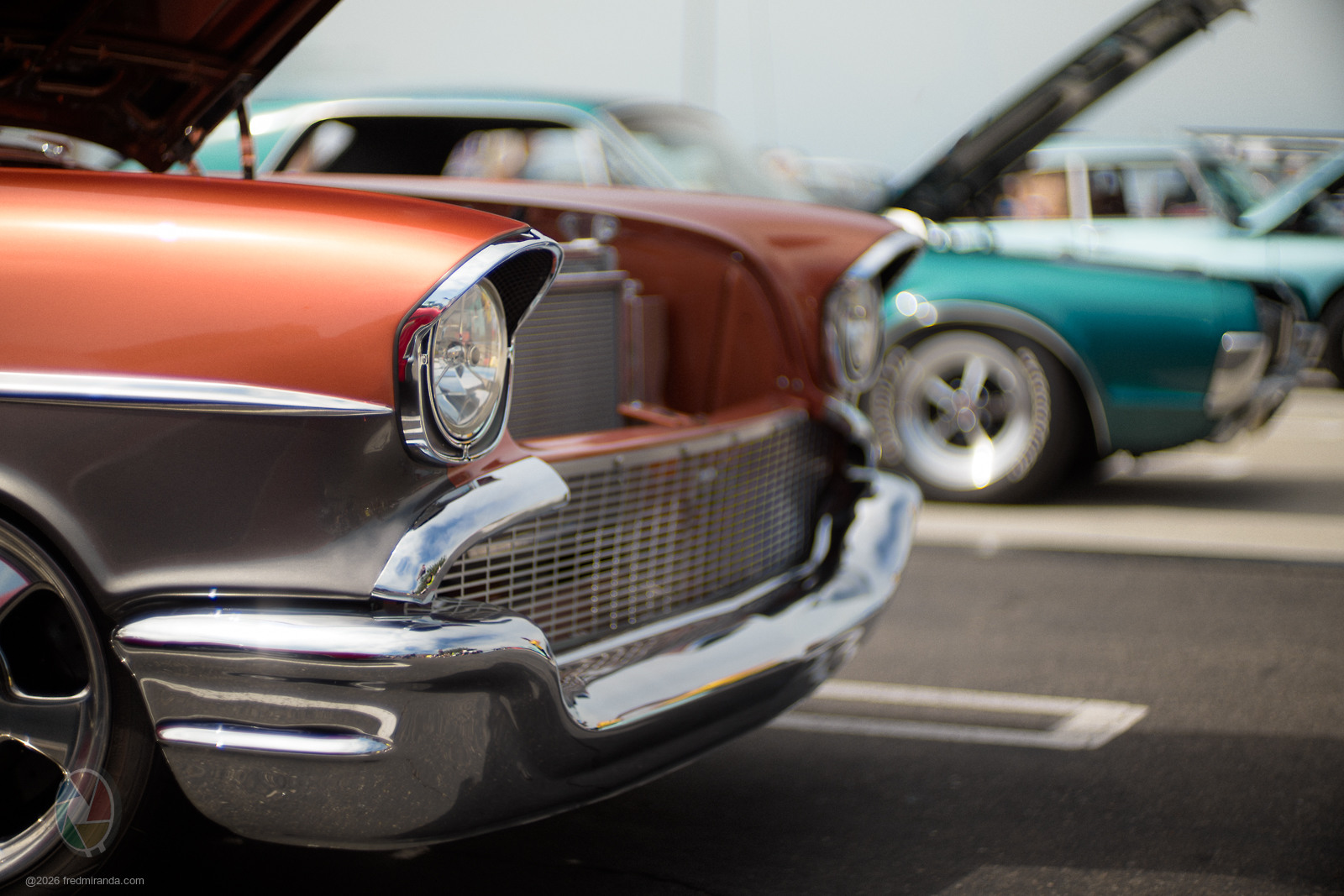
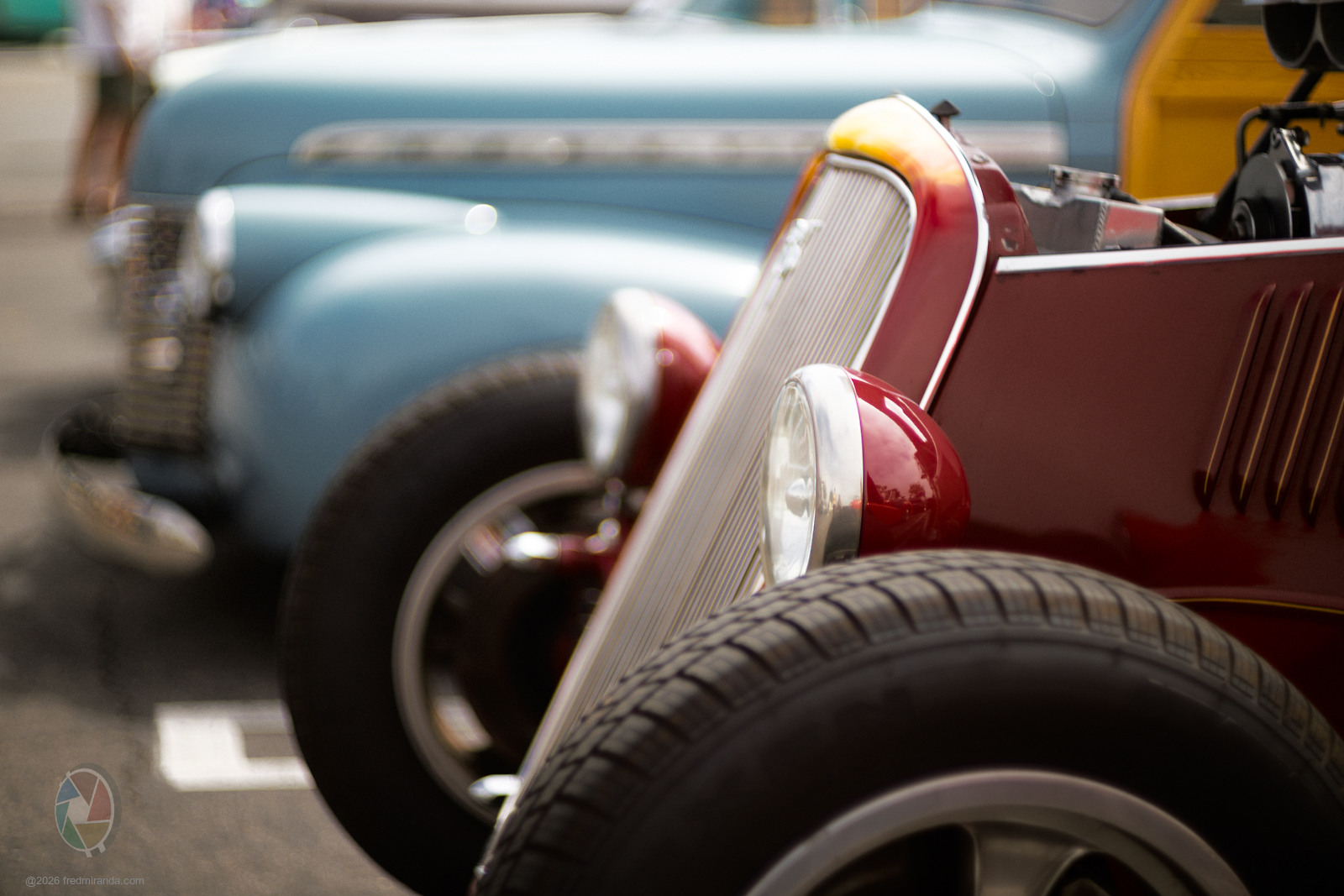
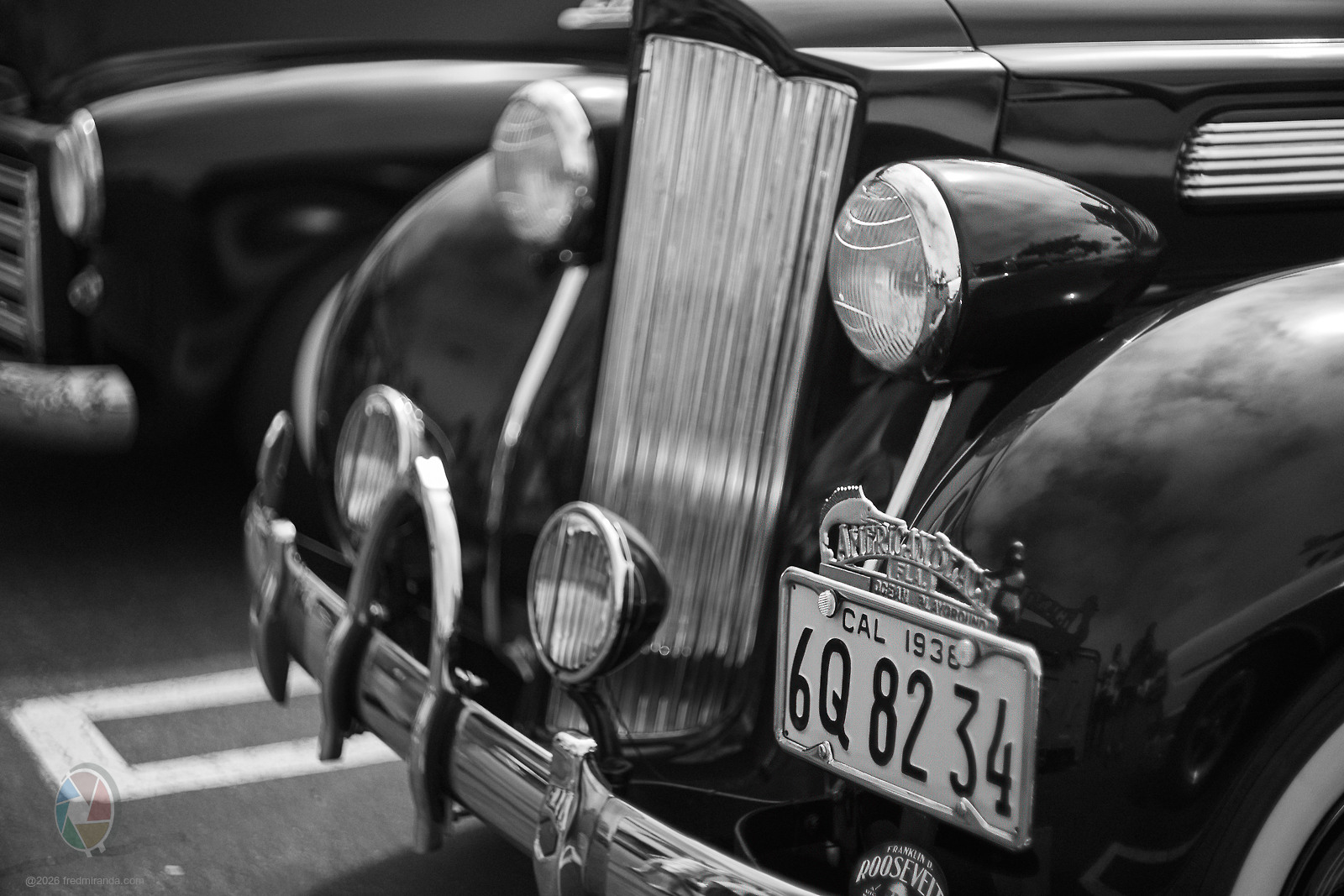
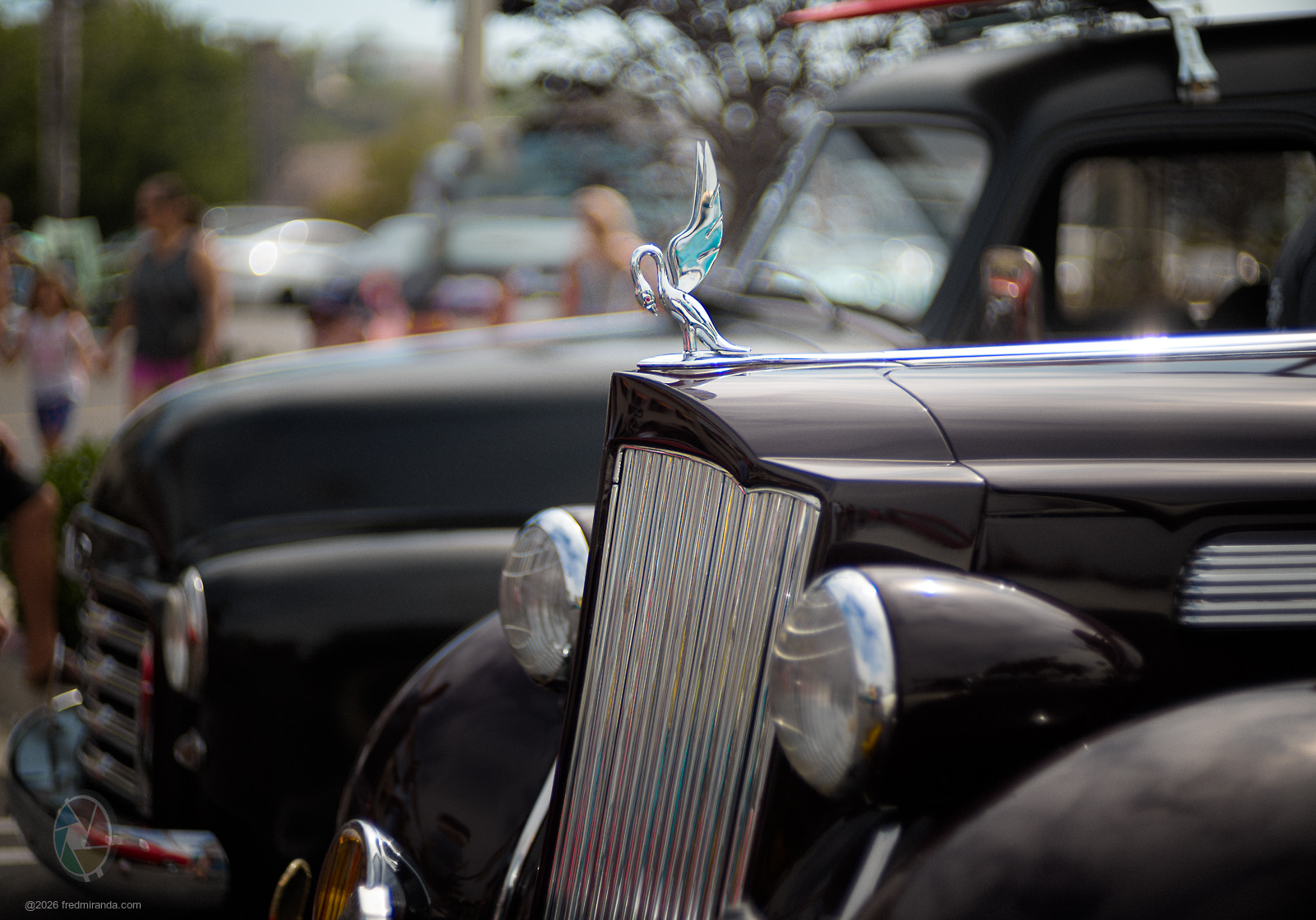
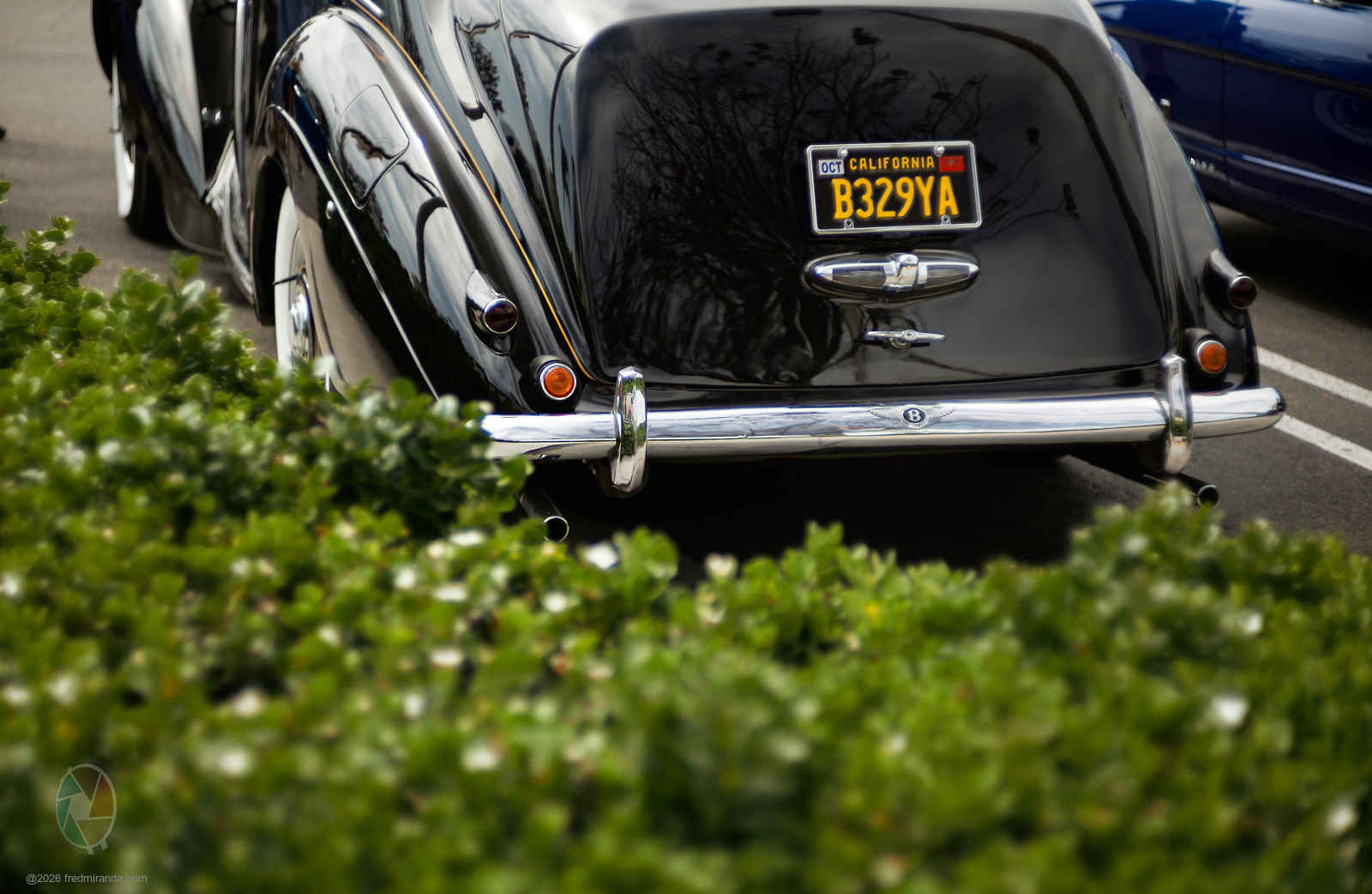
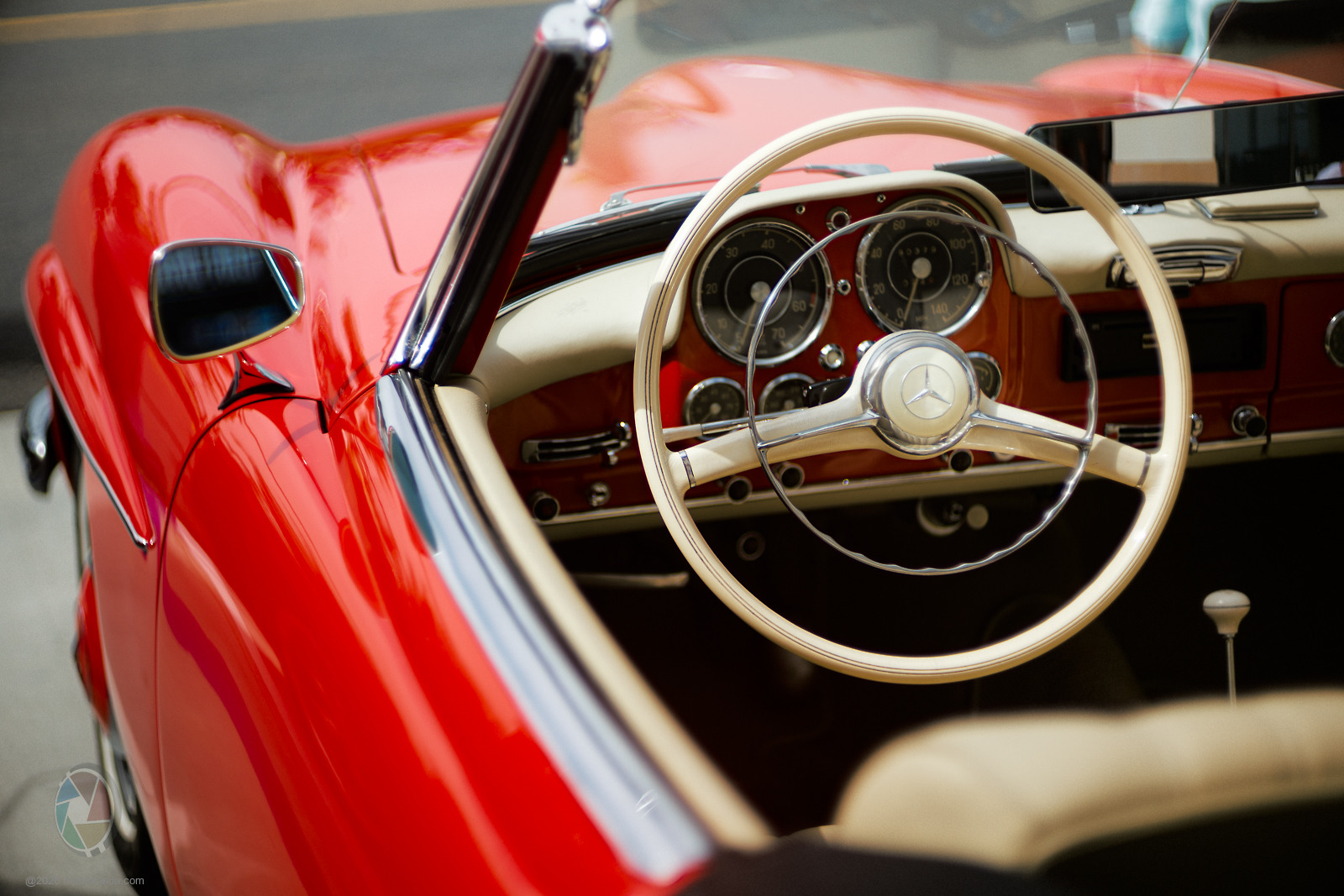
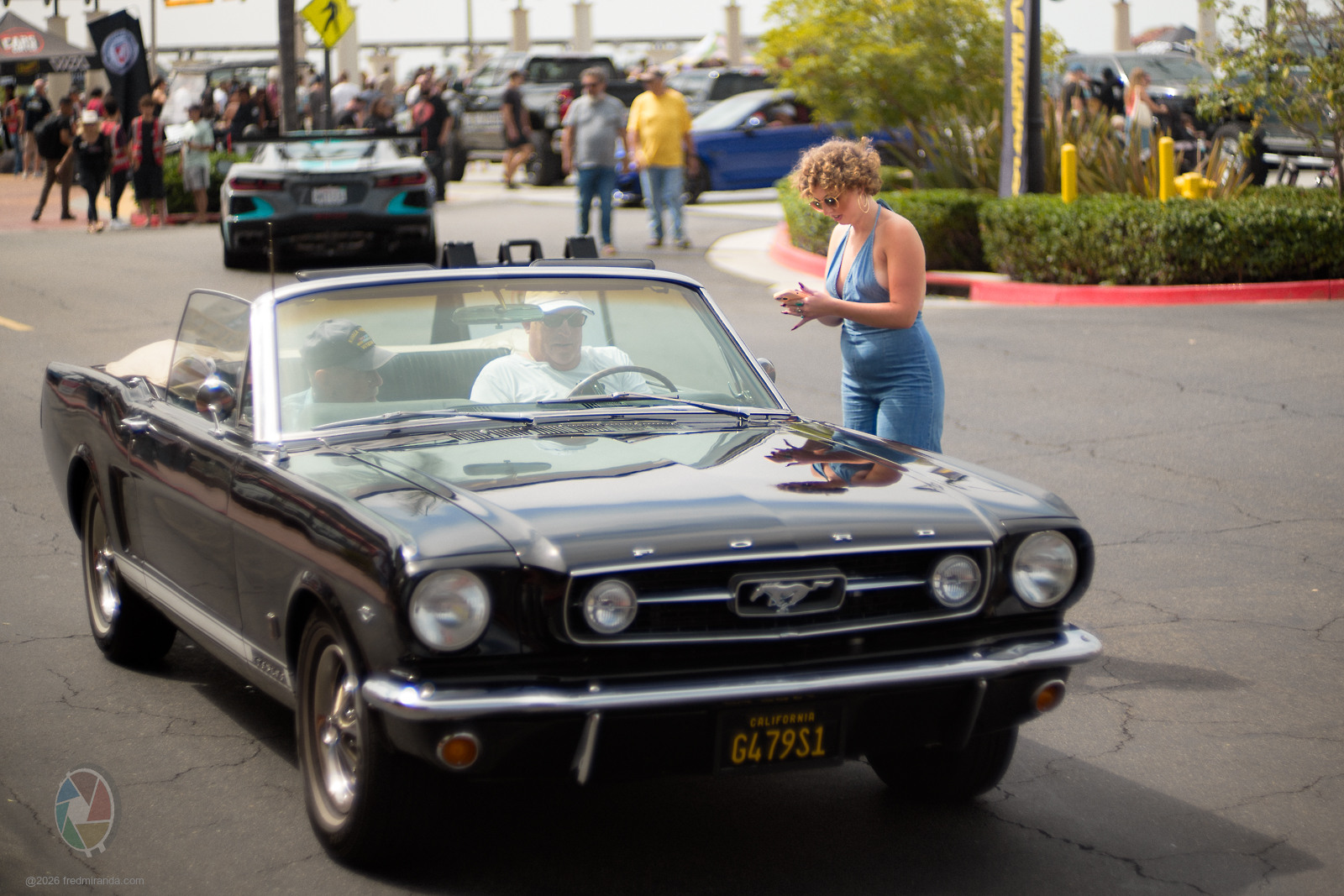
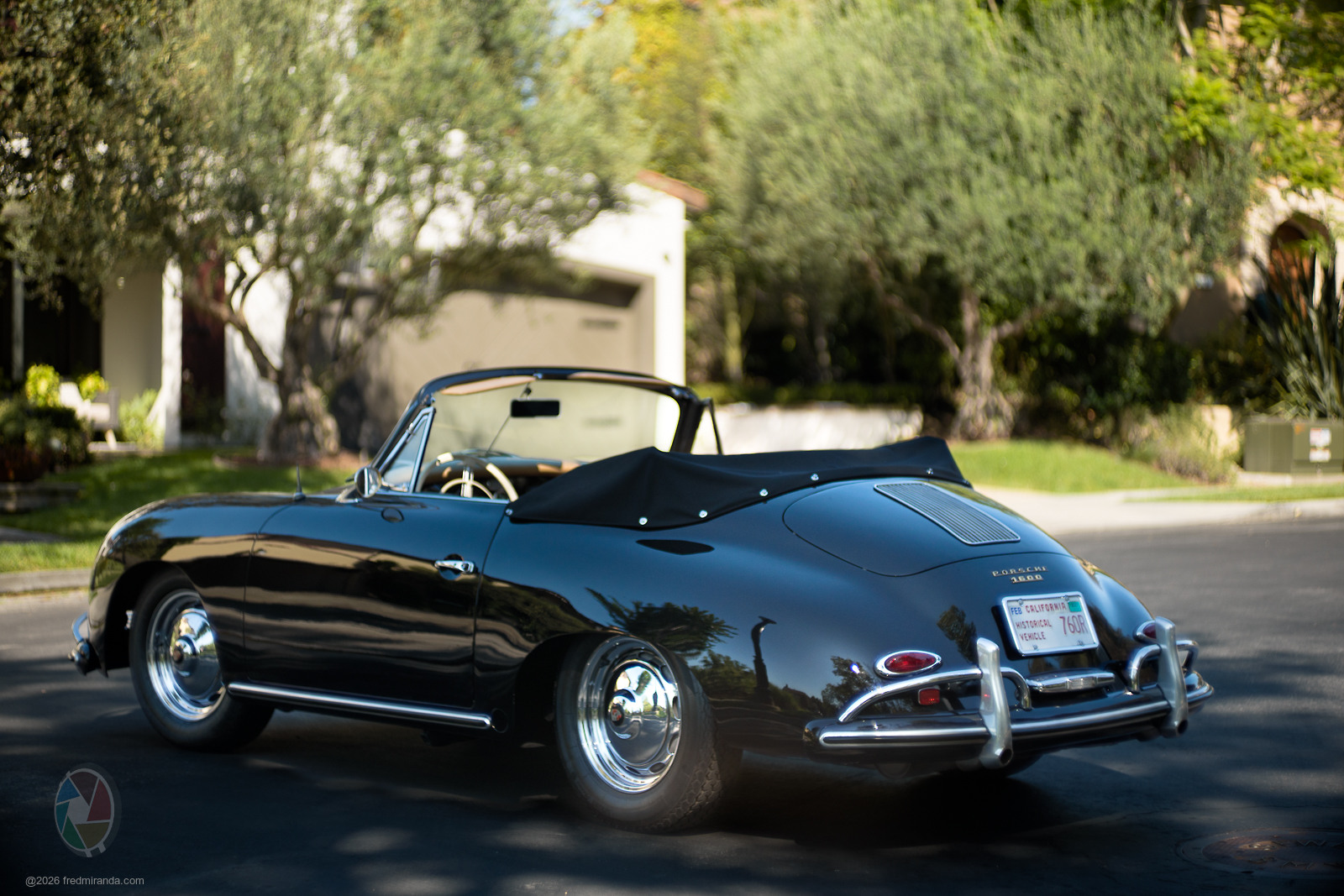
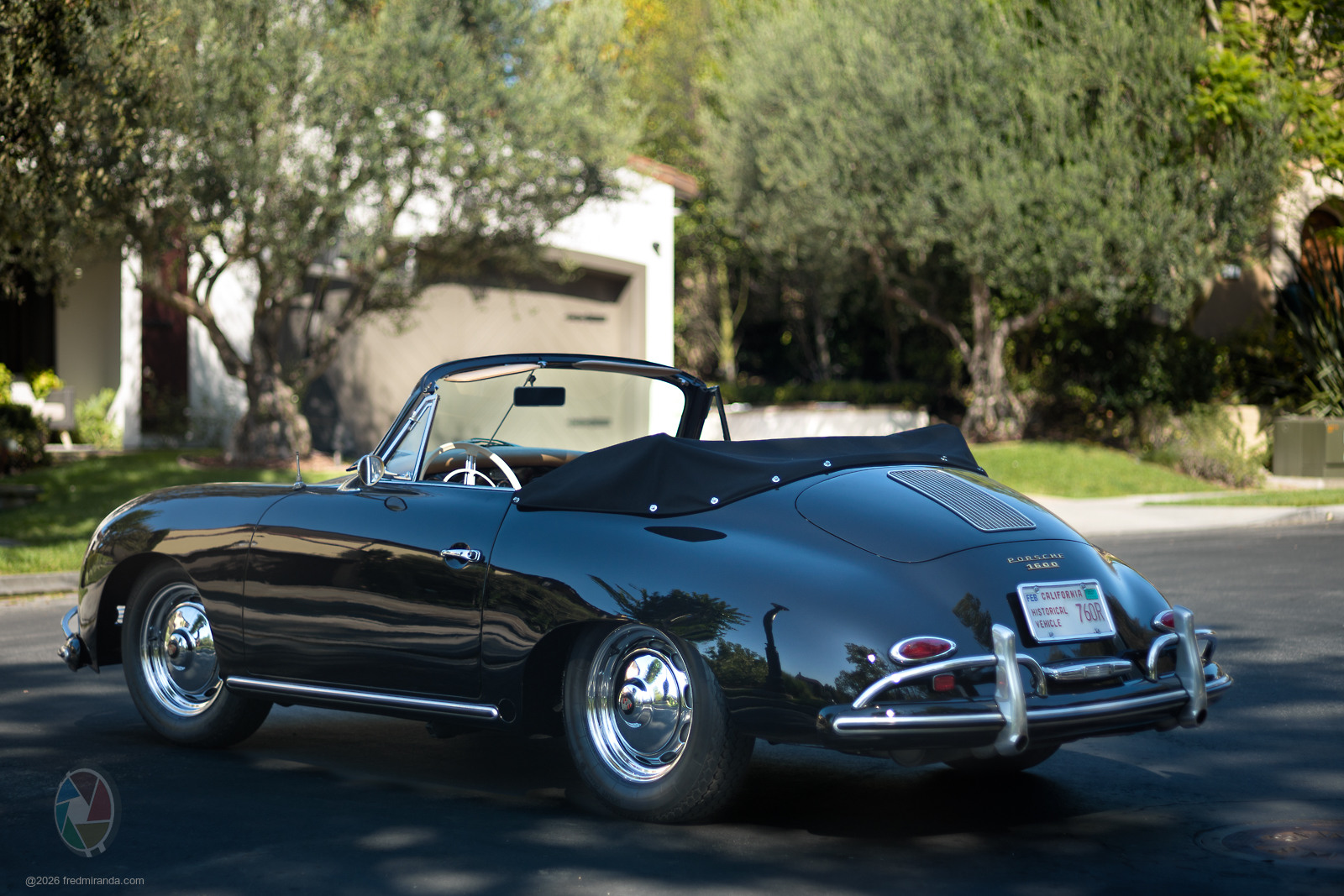
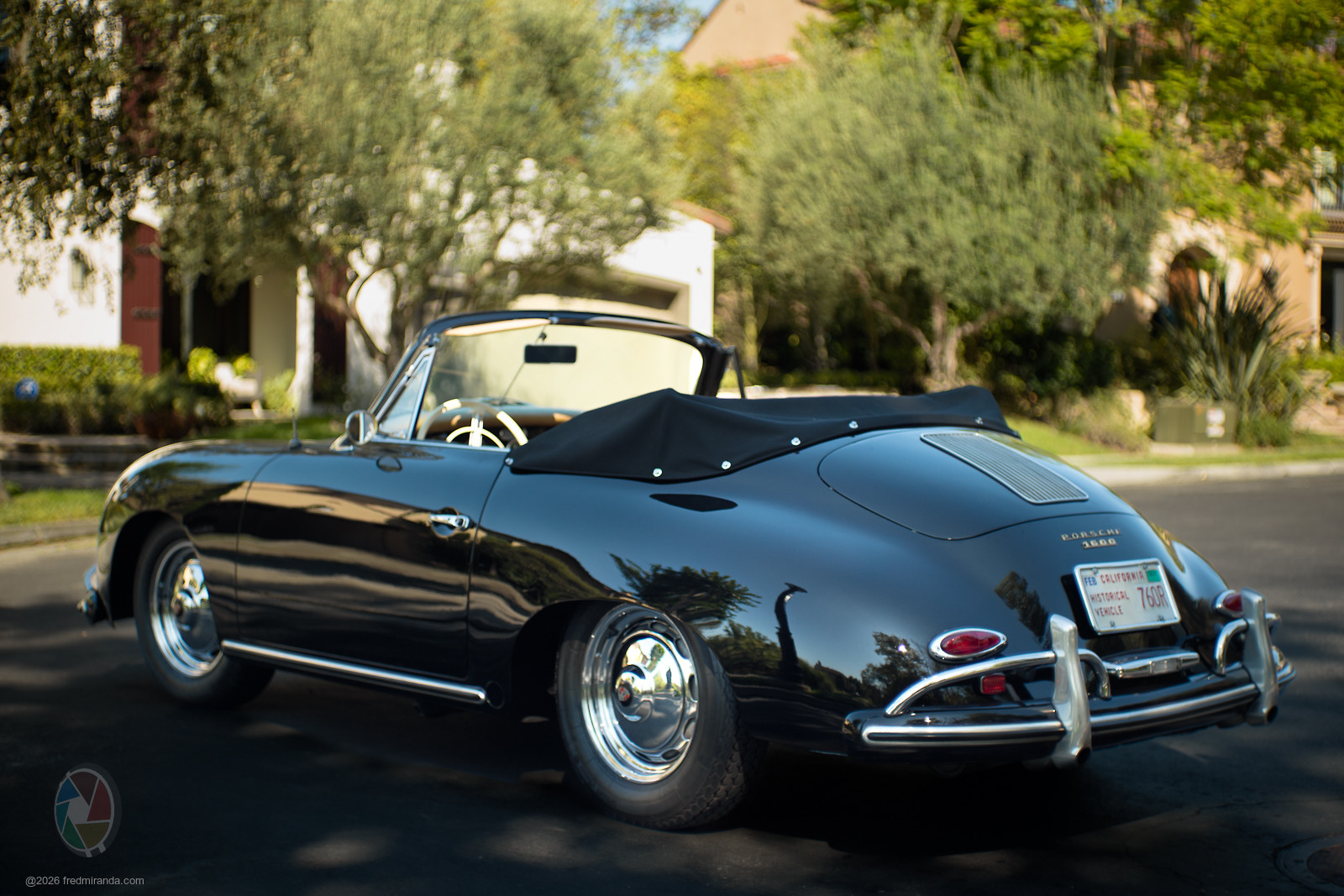
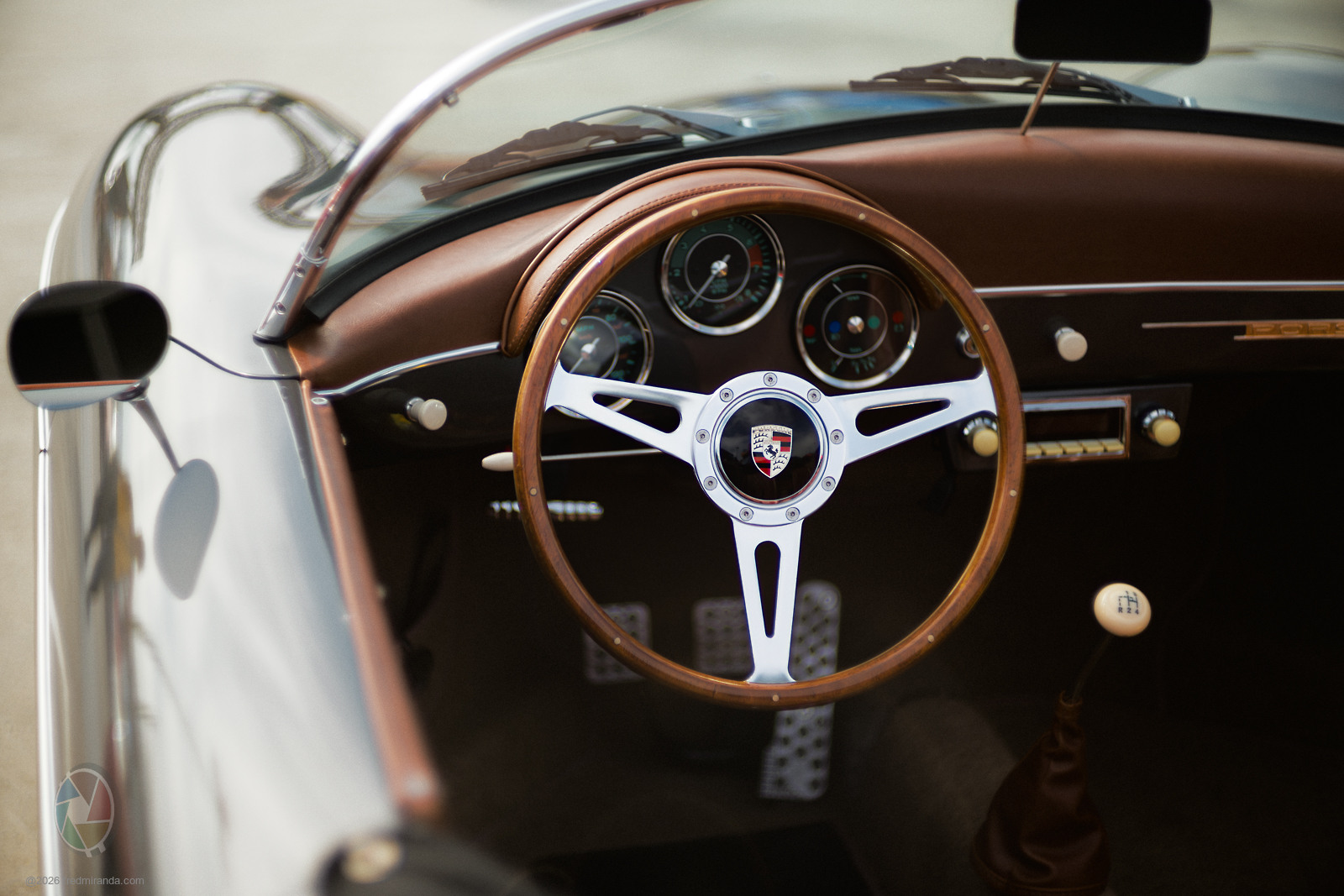
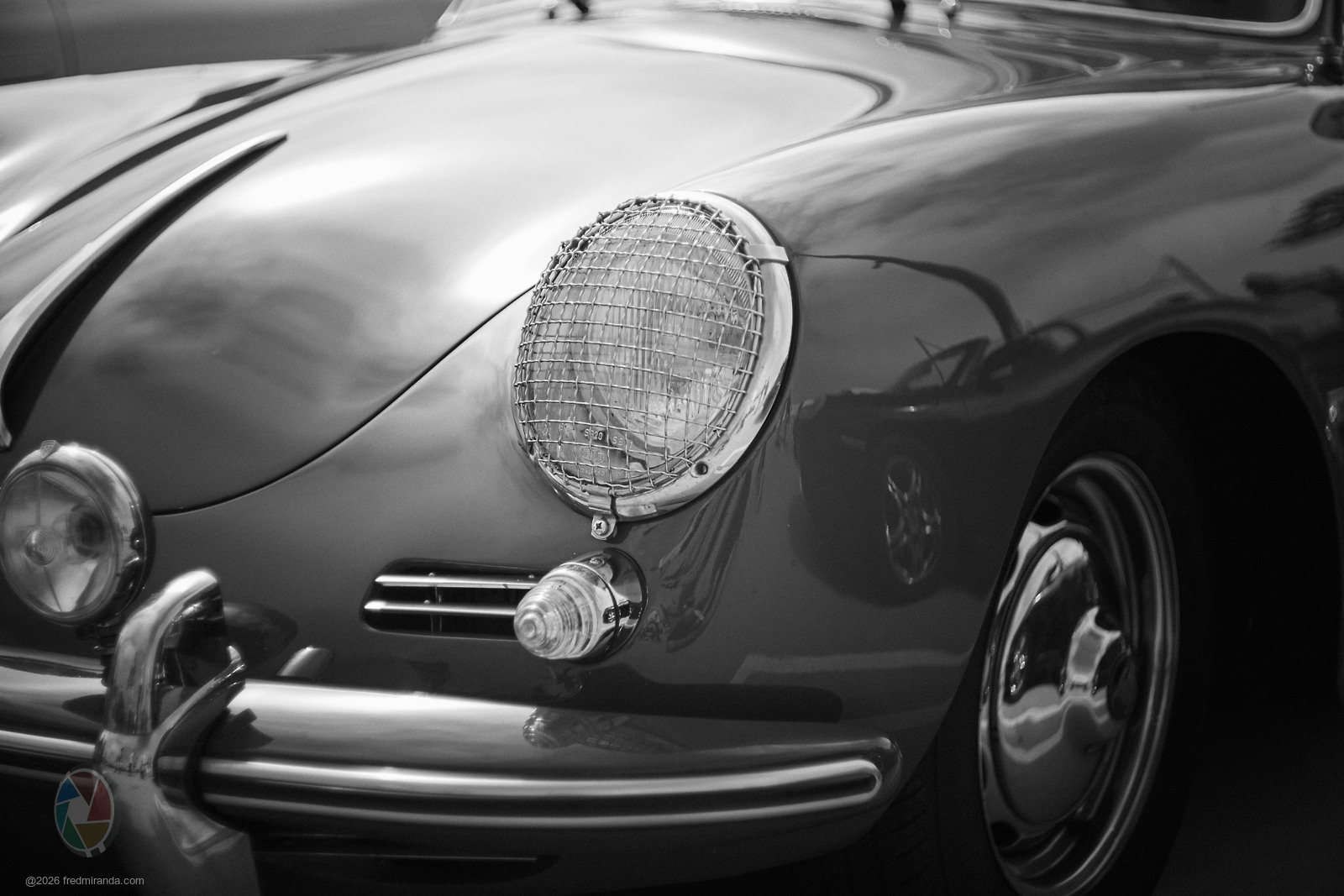
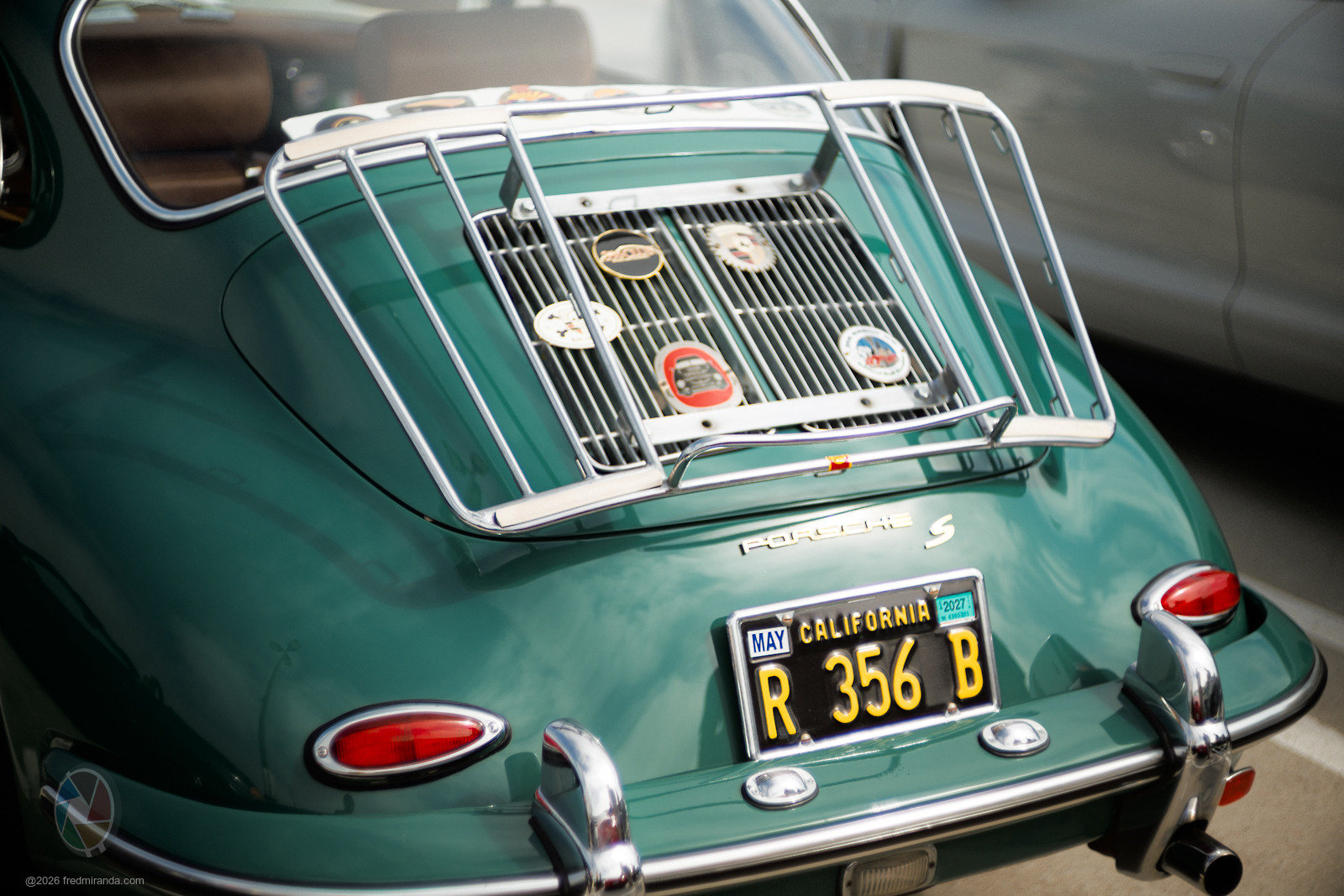
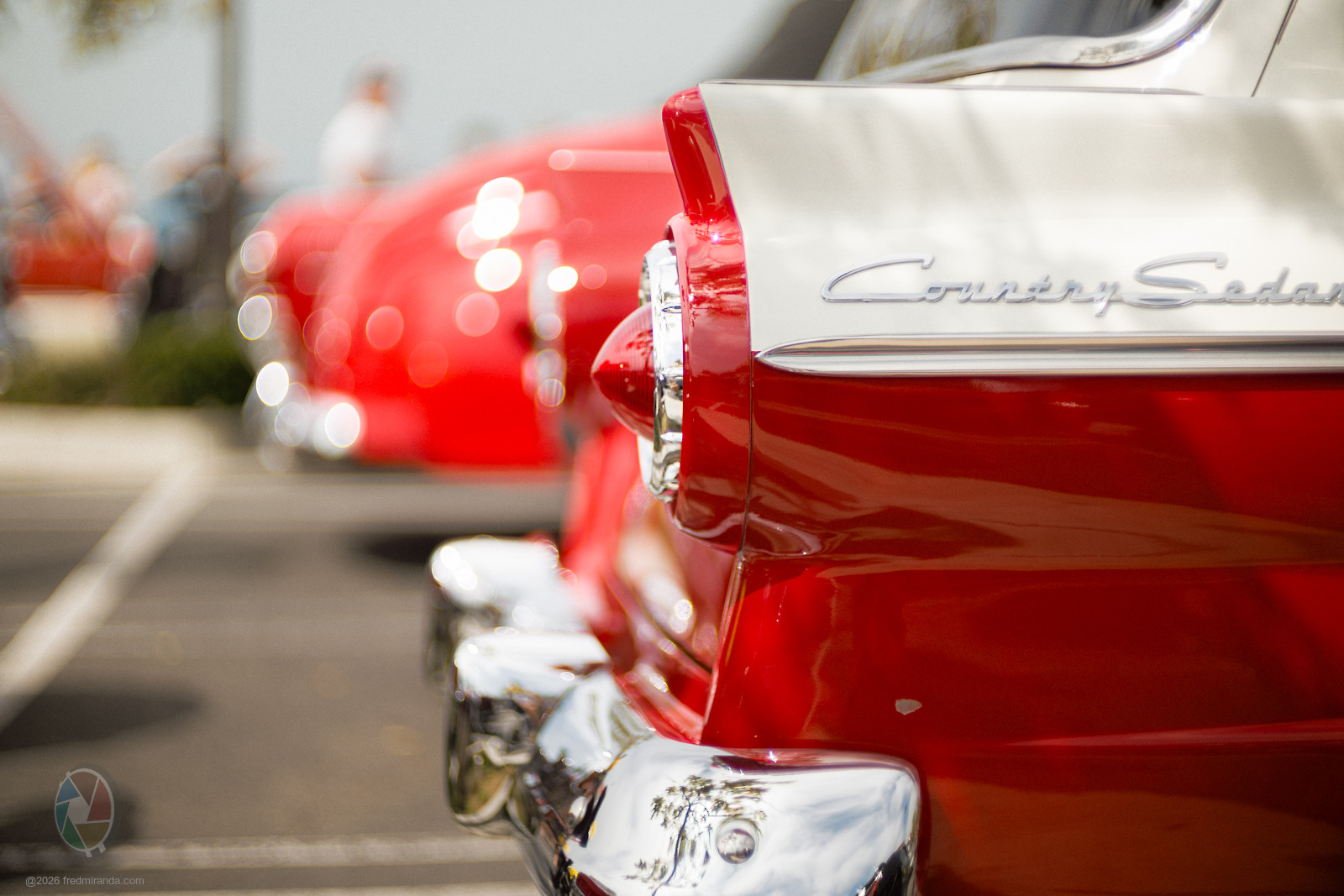
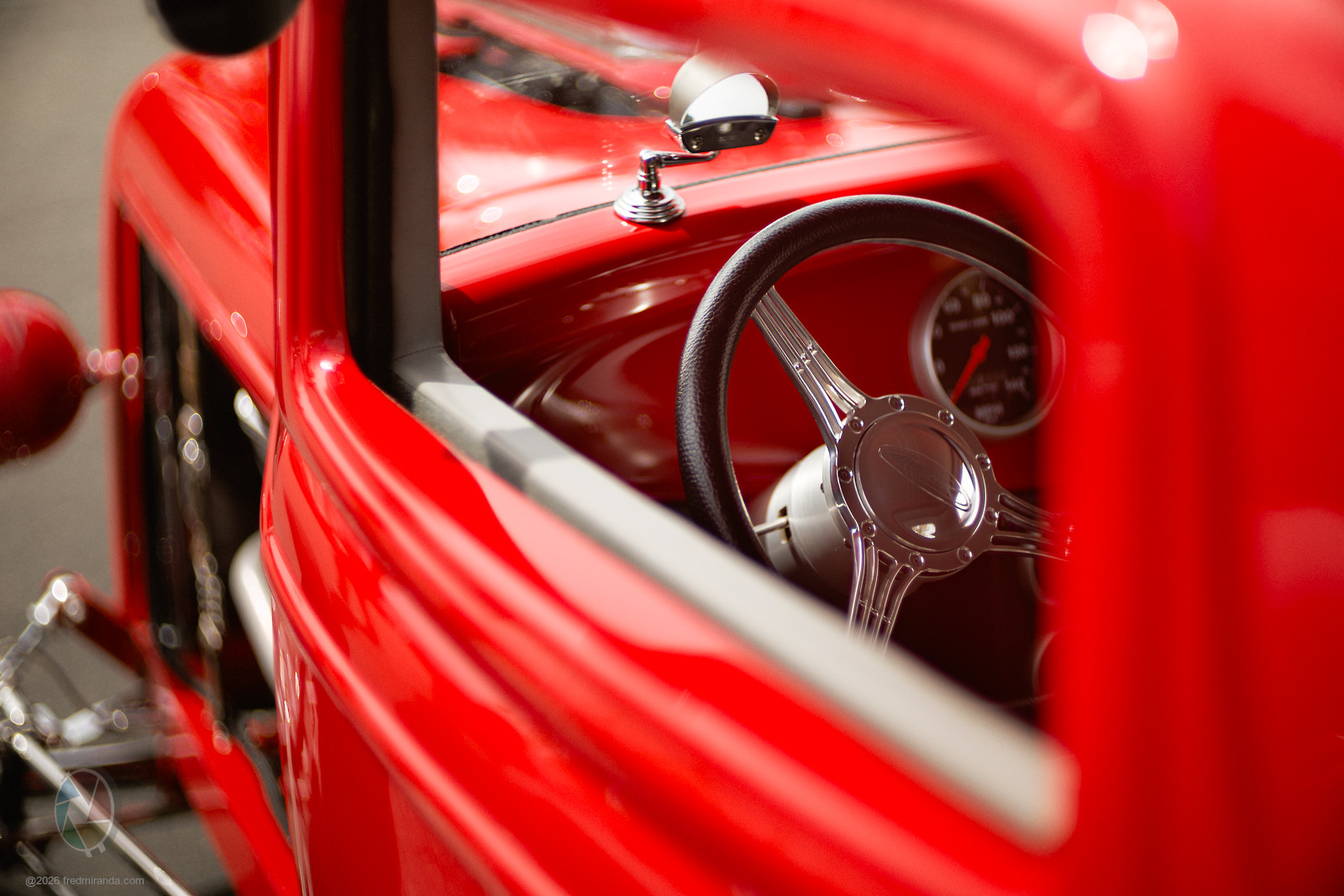
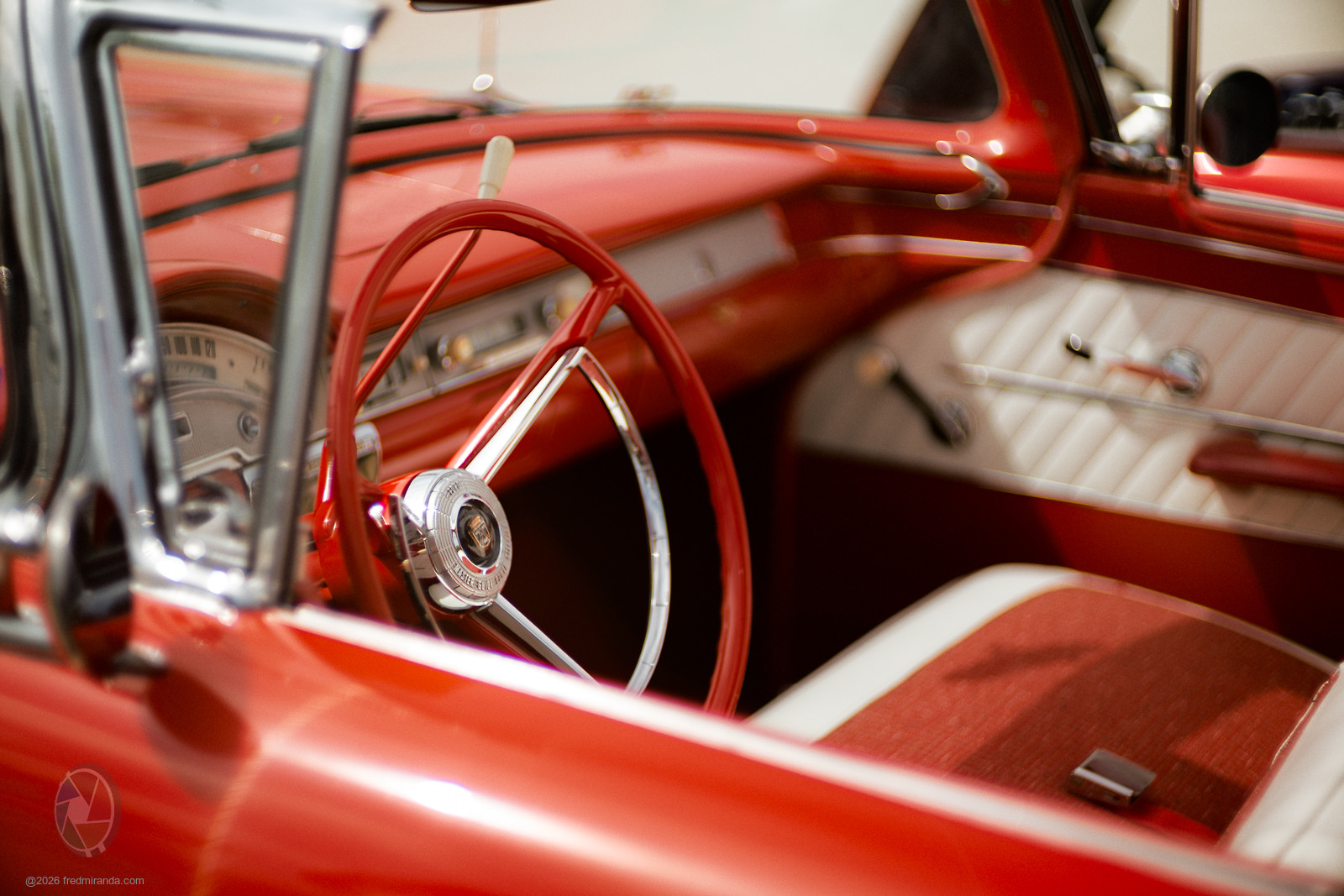
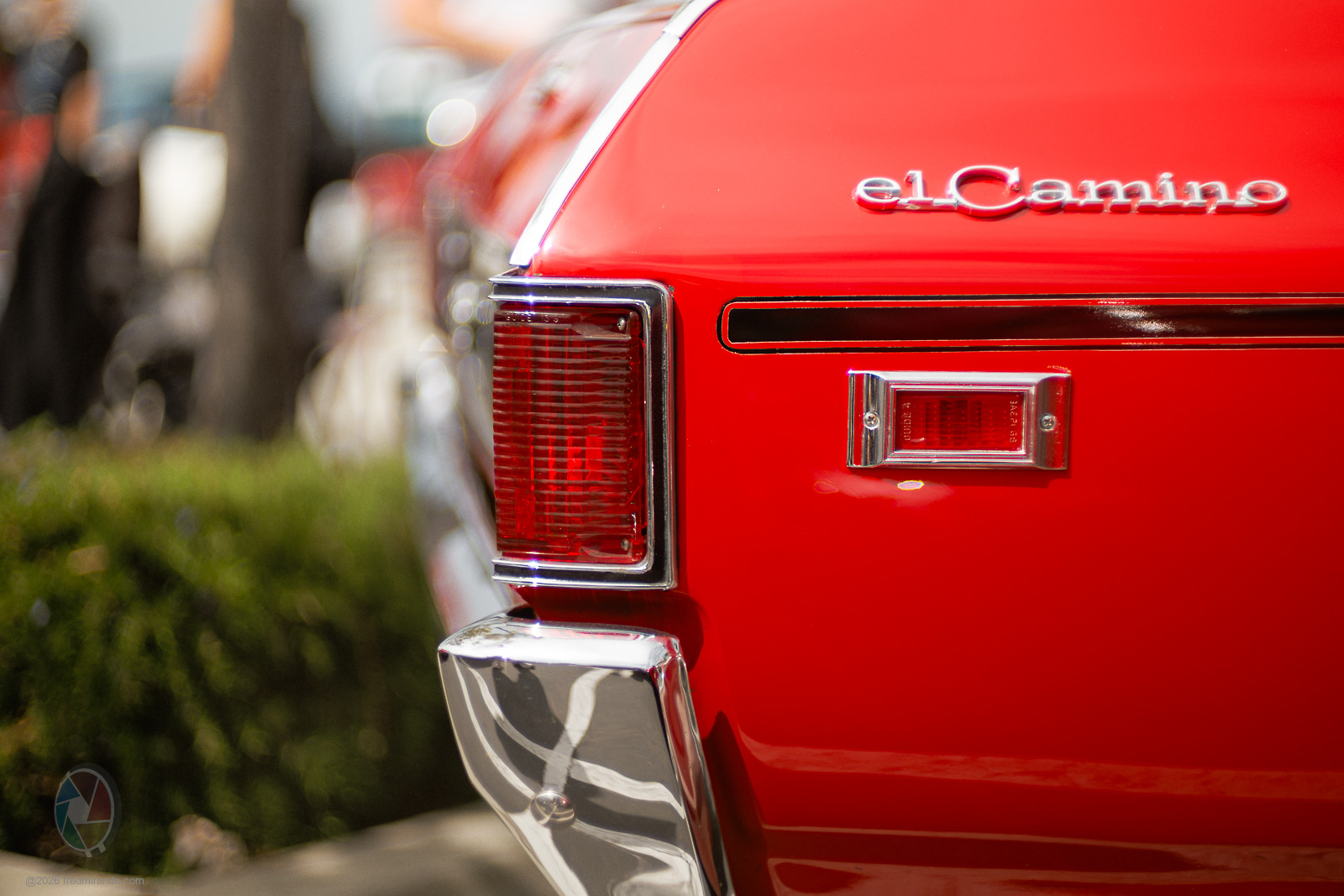
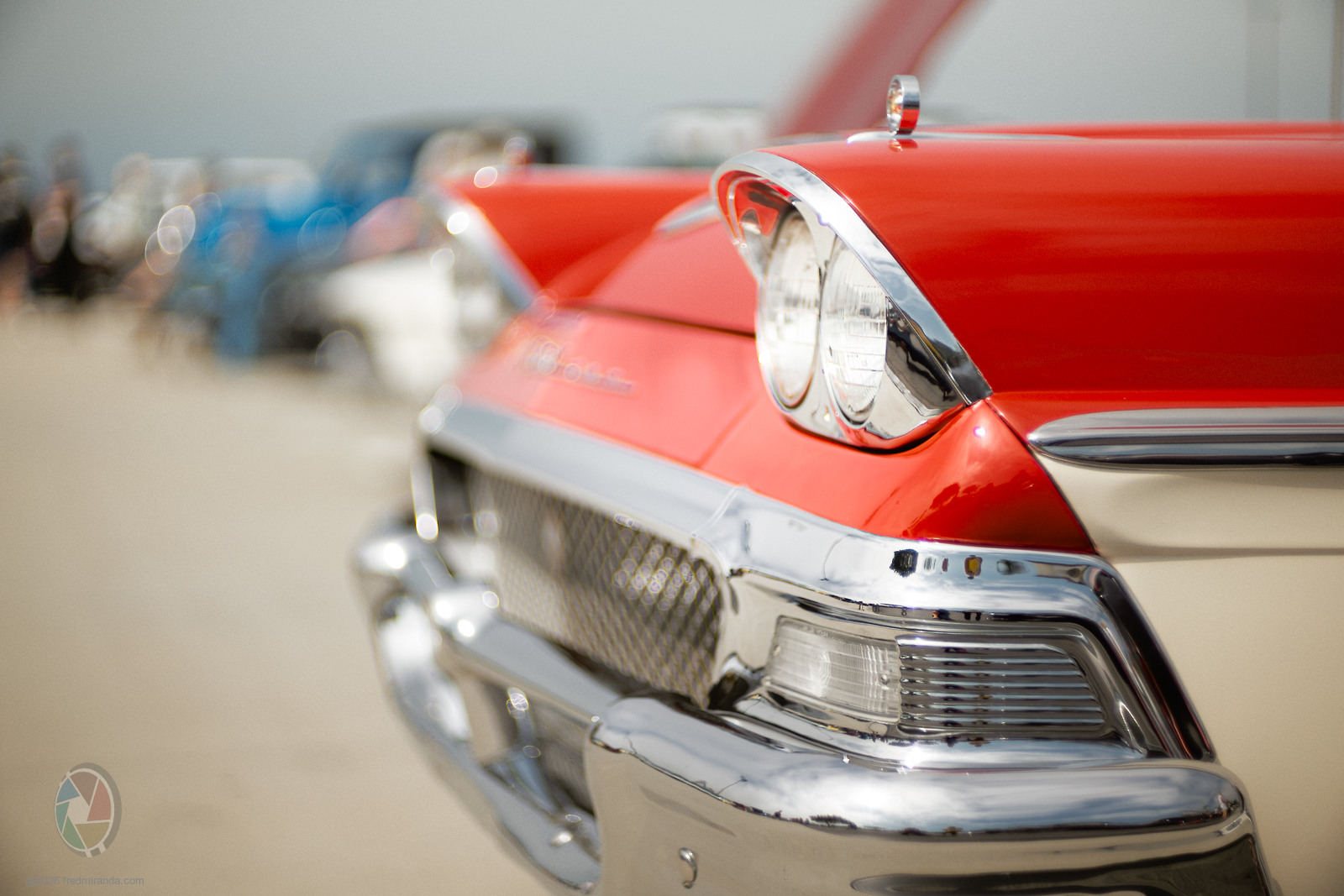
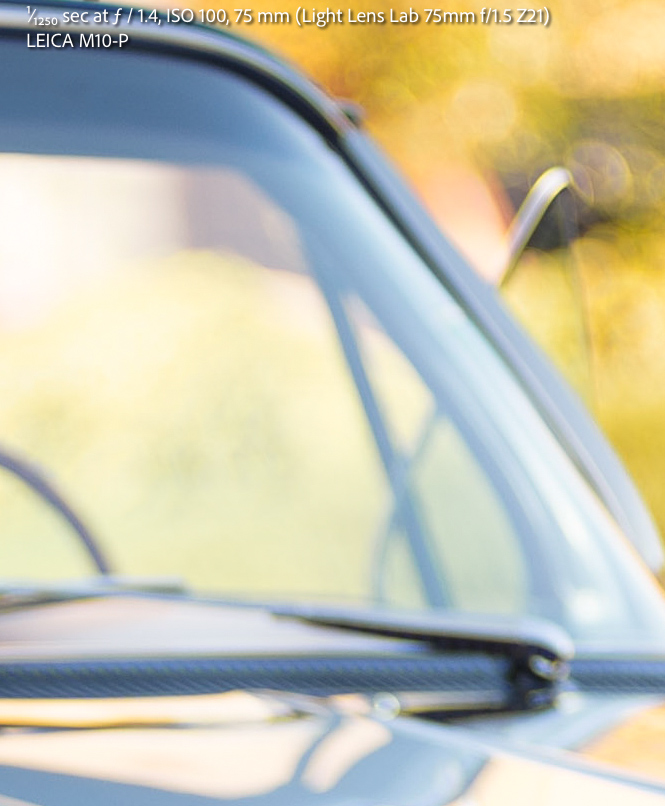
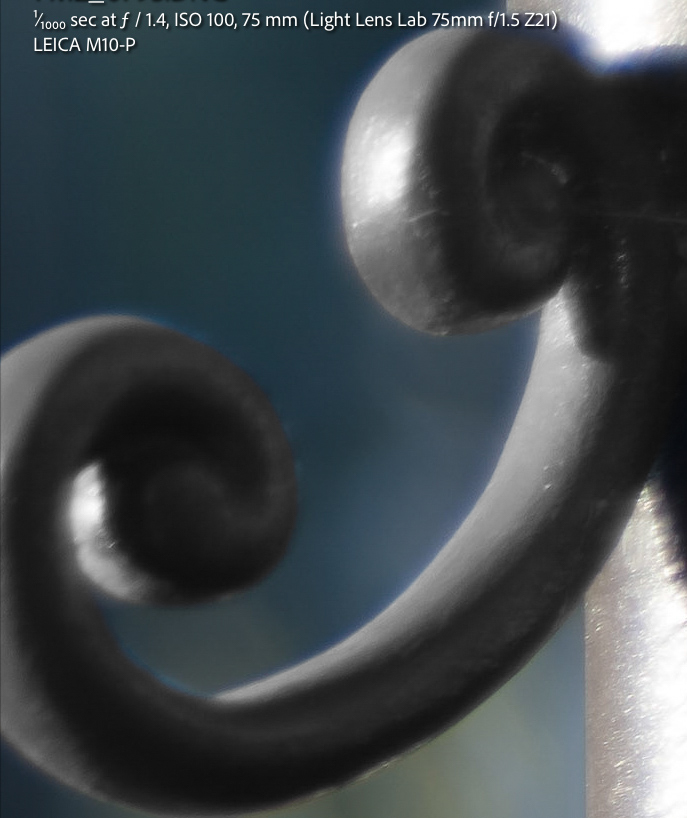
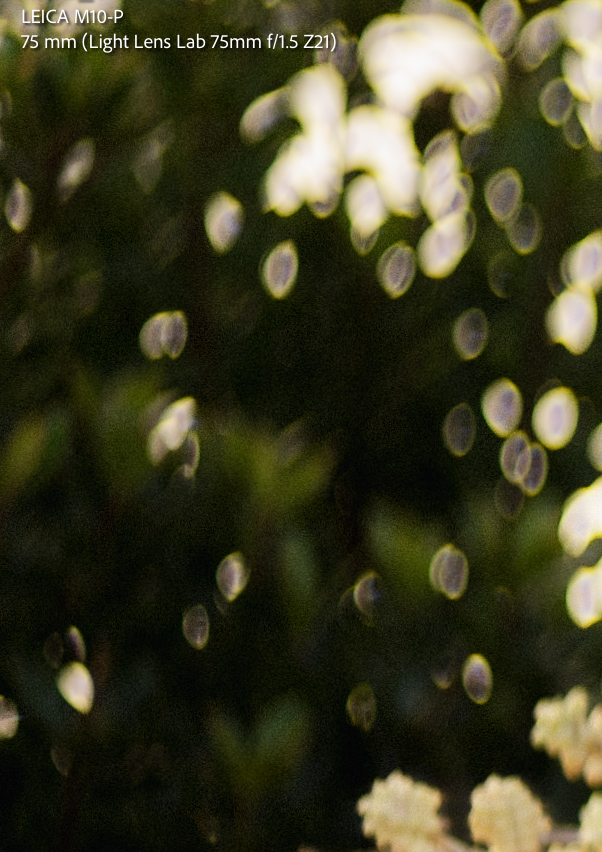
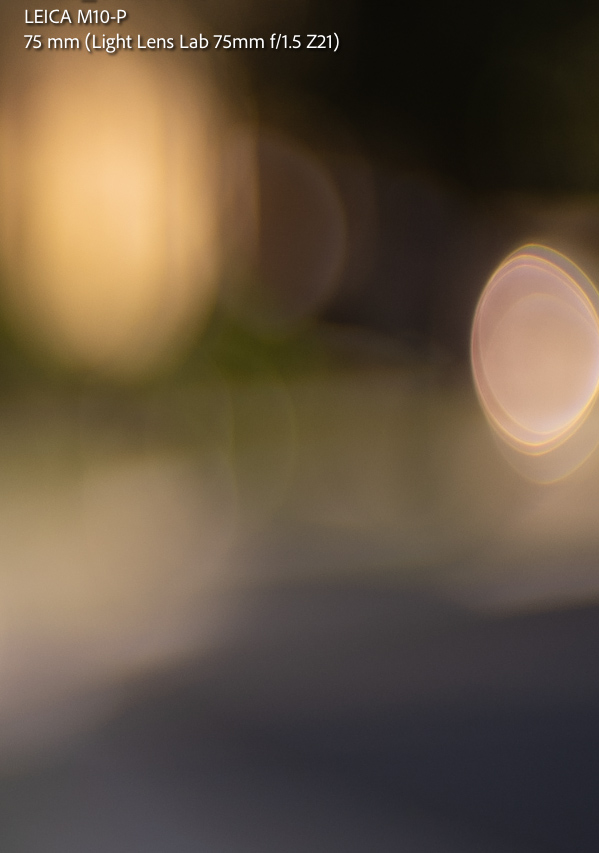
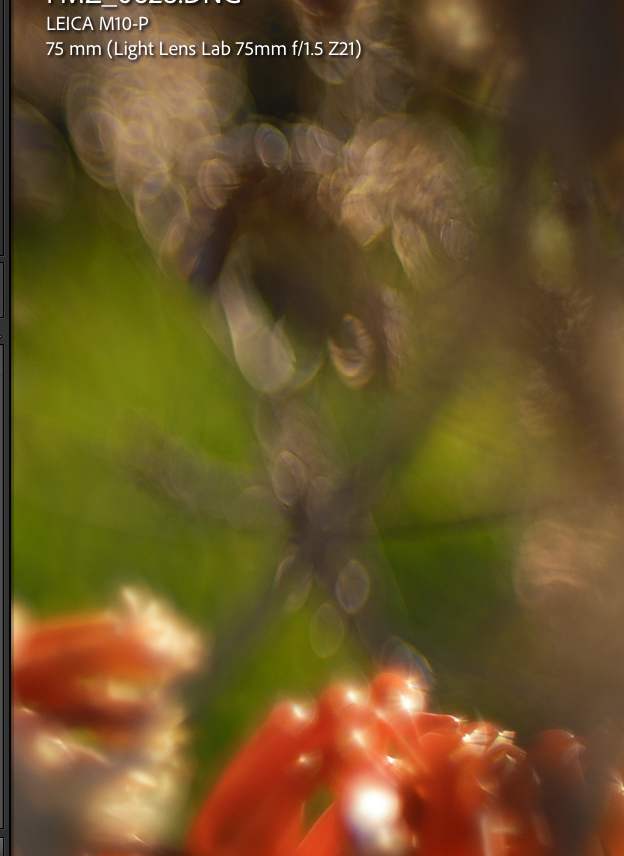
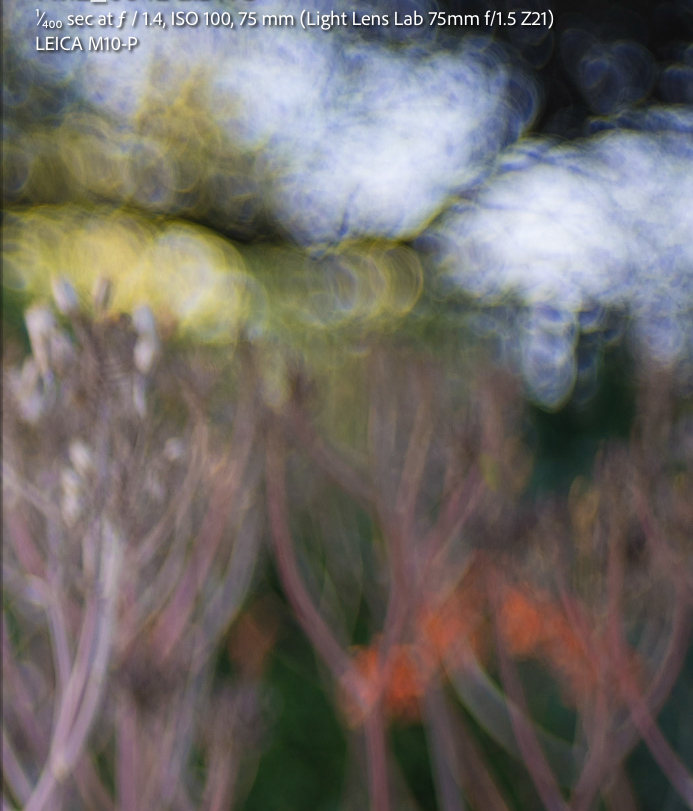
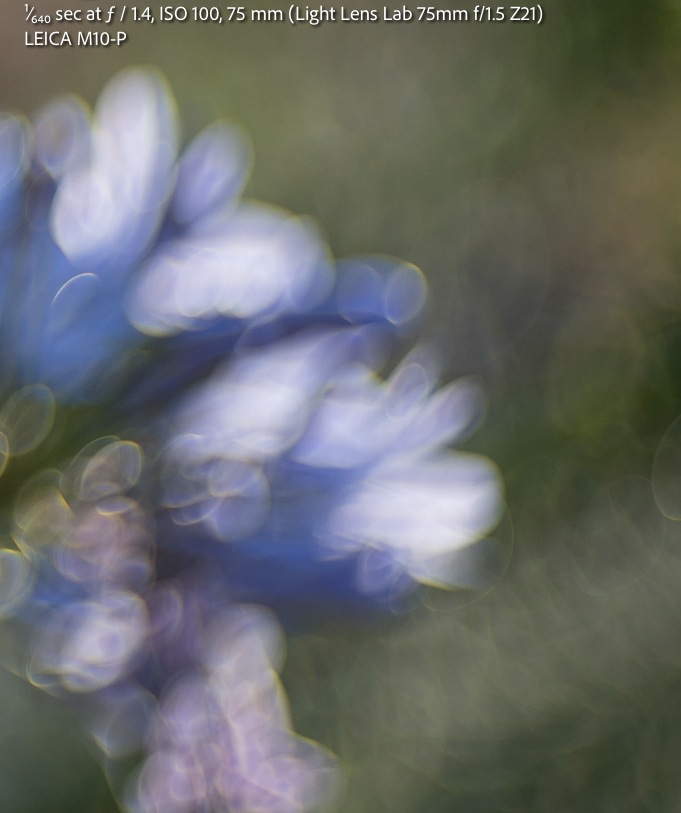
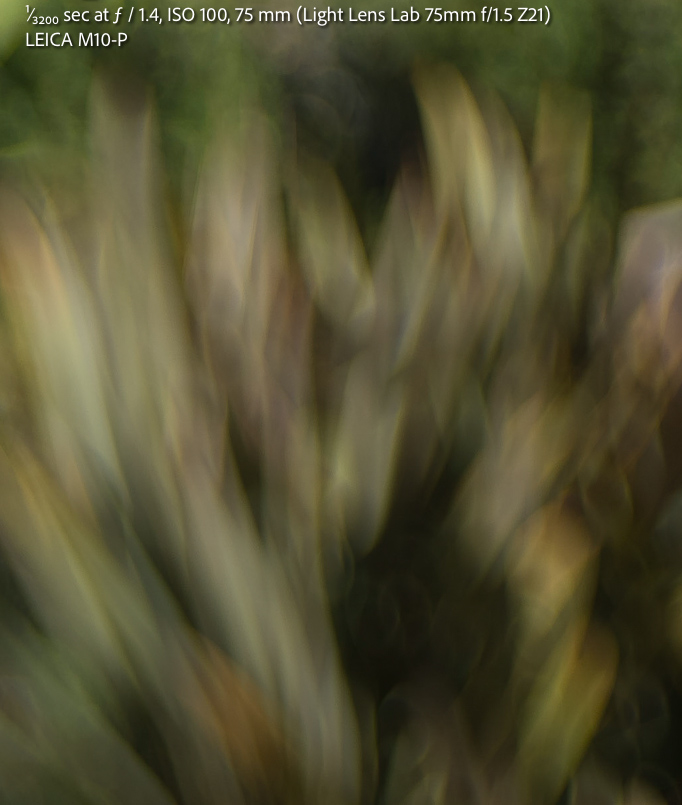
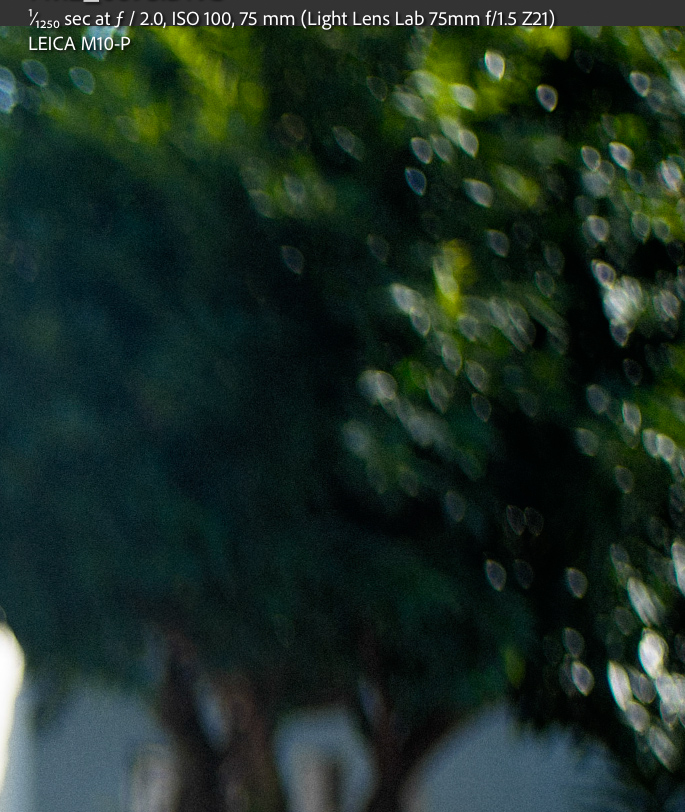
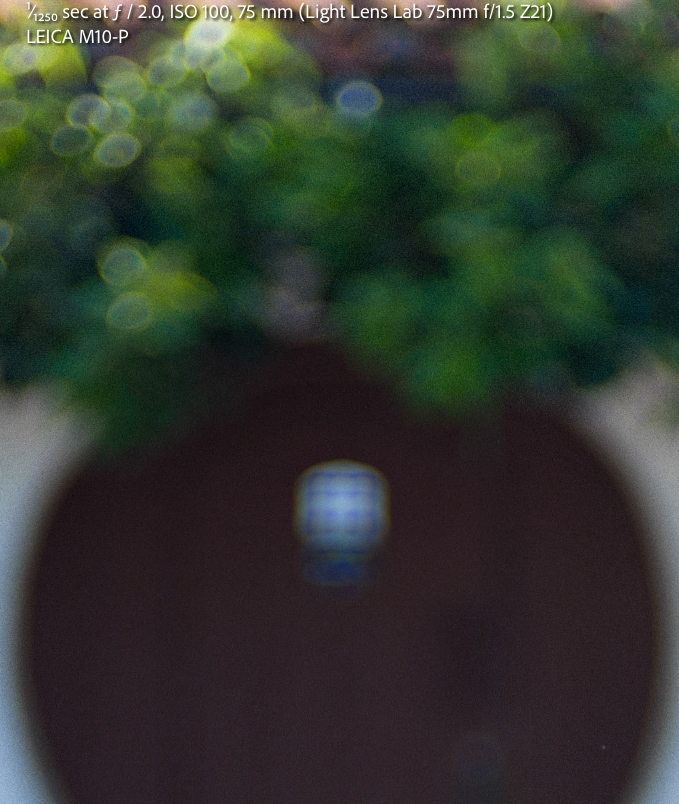
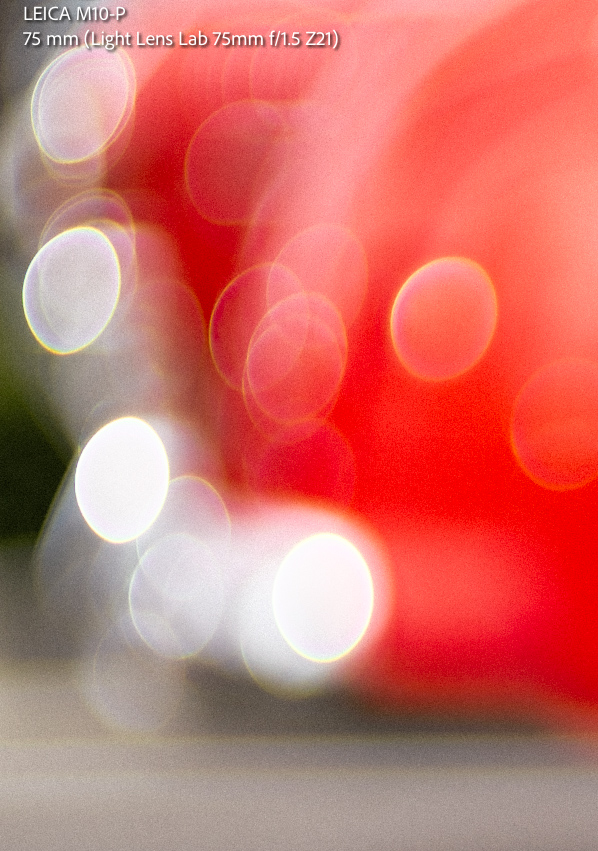
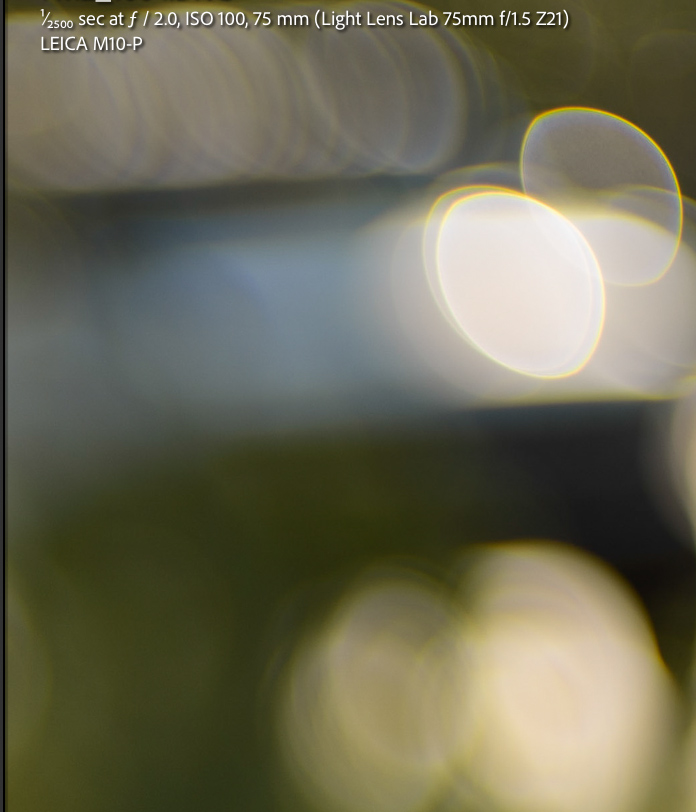
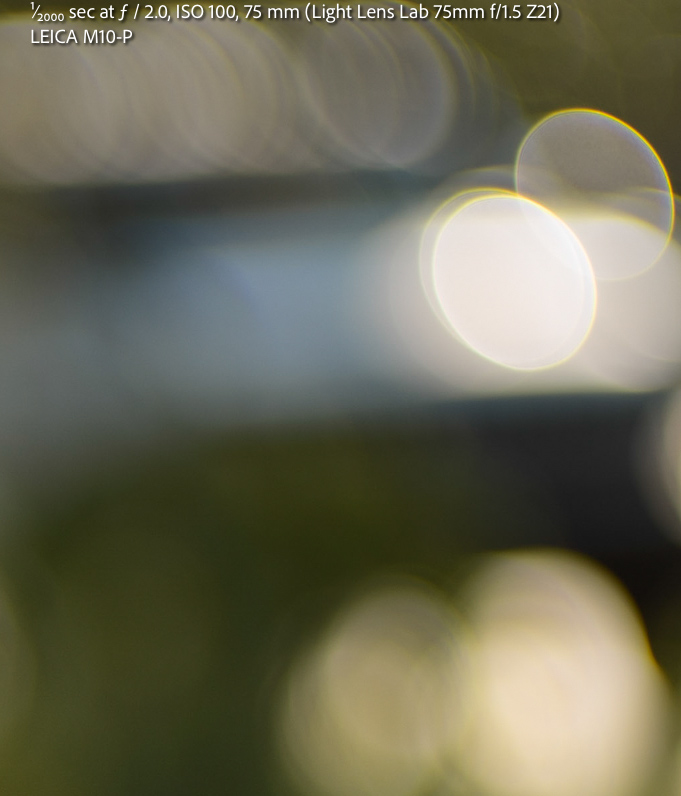
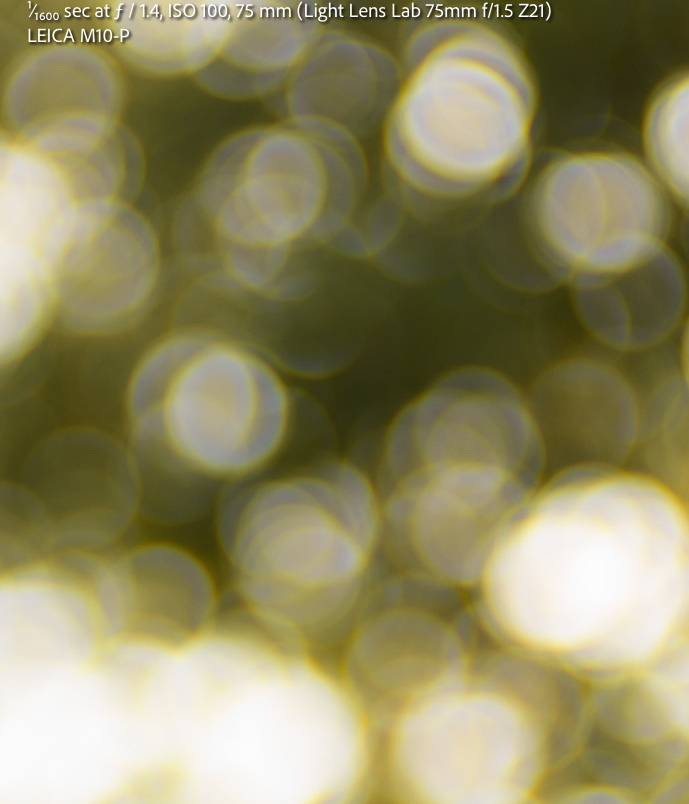
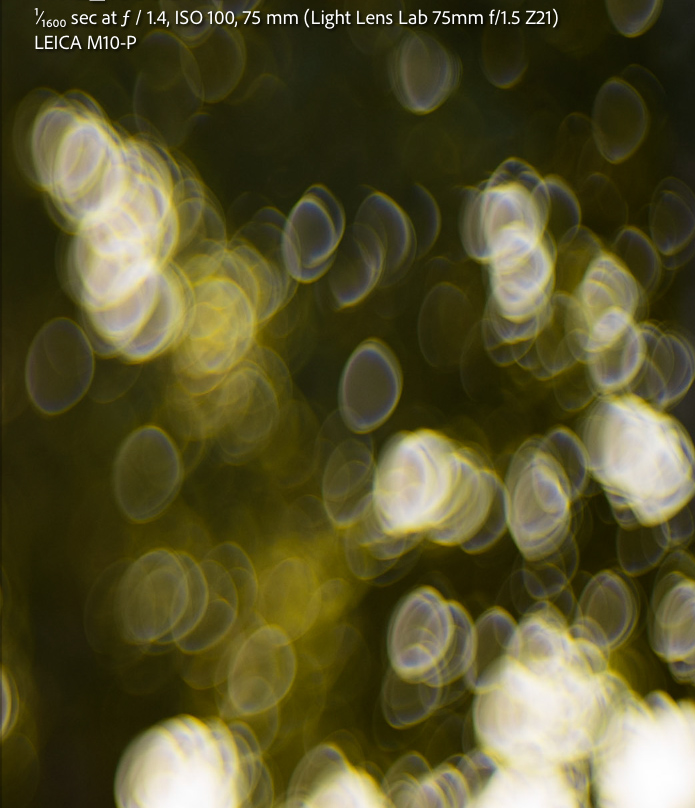
Wide open at f/1.5, the lens is immediately recognizable. A gentle veil of residual spherical aberration adds an airy quality to focused subjects without sacrificing central detail. The out of focus rendering is driven primarily by strong optical vignetting, producing pronounced cat’s eye highlights with distinct outlining that becomes more prominent toward the edges of the frame. This is not a subtle effect. It is the defining signature of the lens.
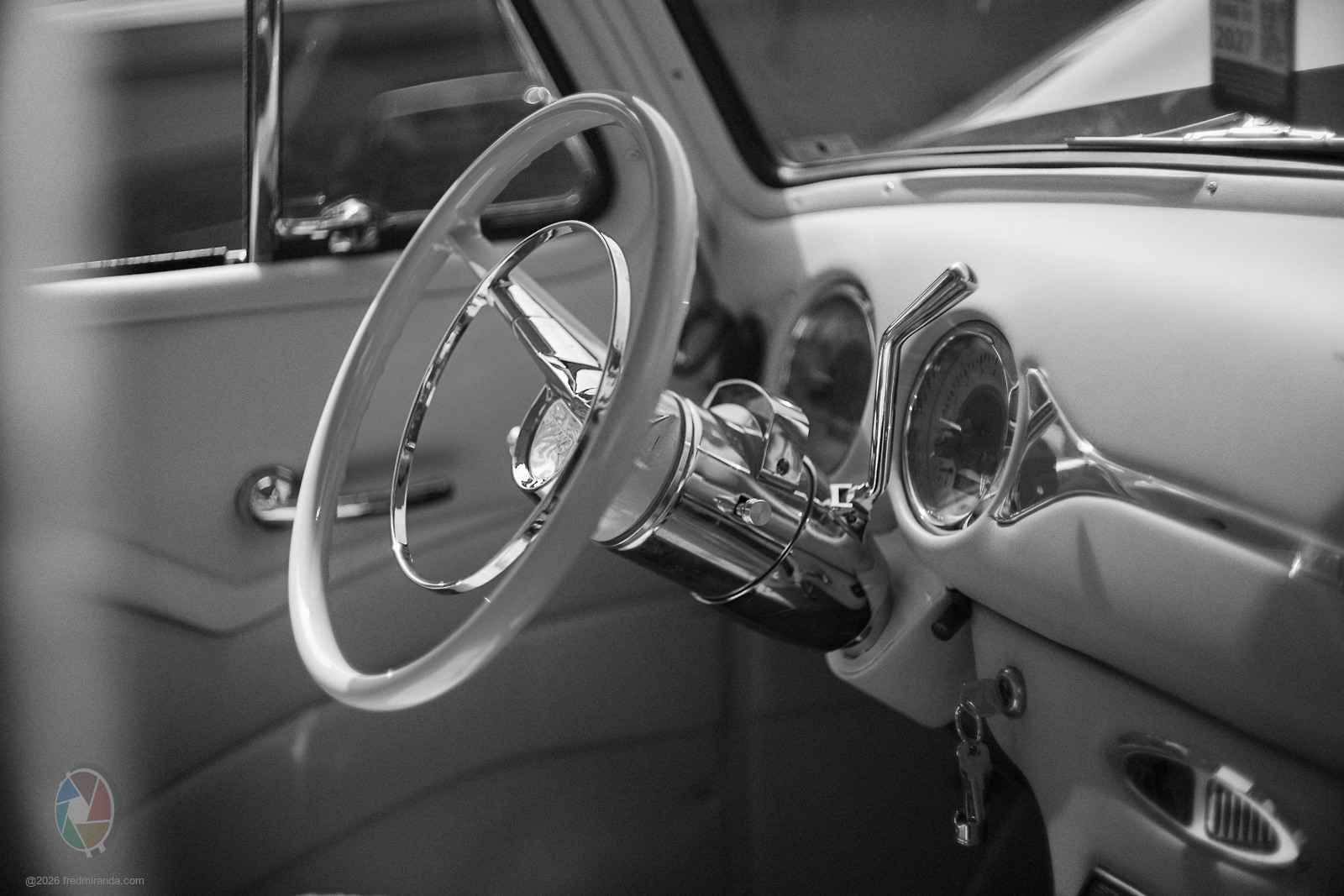
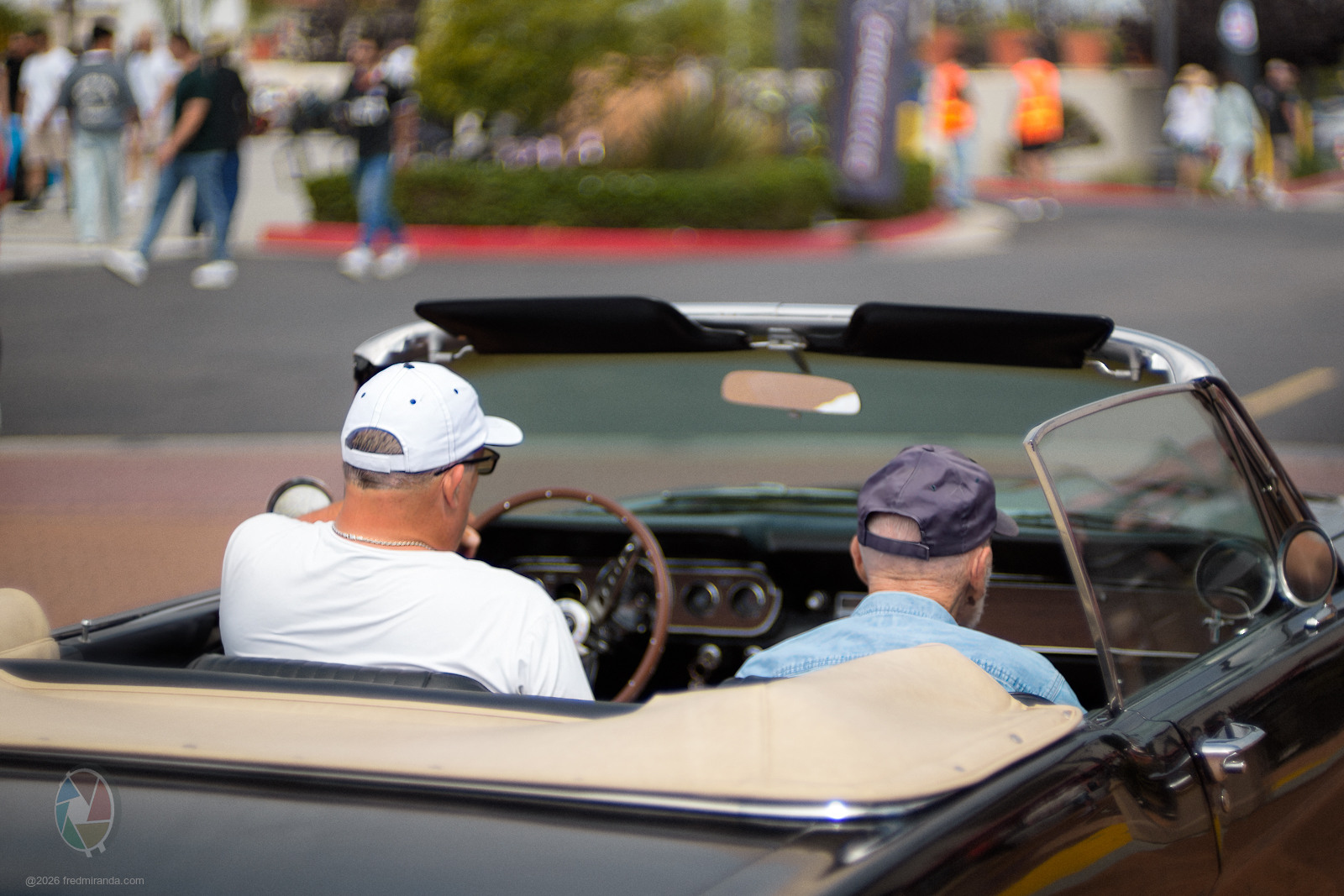
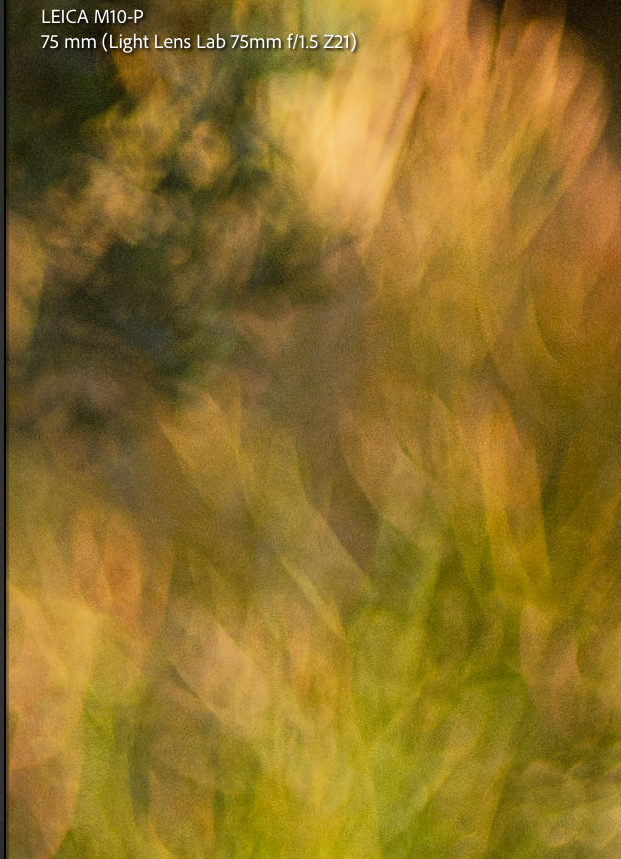
Rendering aesthetics also change across the frame. Optical vignetting and field curvature increase highlight compression toward the edges, while mid and center transitions become less structured, producing a layered sense of depth instead of a uniform blur field. Depending on the scene, this can read as painterly or structured, but it never feels neutral.
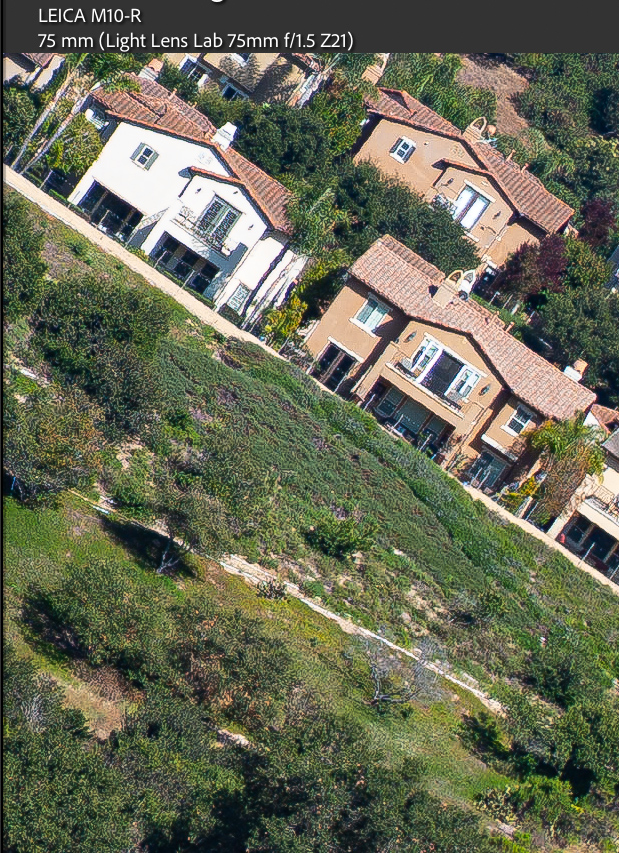
Despite its expressive rendering, the optical performance is stronger than expected. Center sharpness is already good at f/1.5, improves noticeably by f/2.8, and reaches a sweet spot around f/4 across most of the frame.
Field curvature remains one of its defining optical traits. It bows outward at close distances, becomes wavy through the mid range, and gradually flattens toward infinity with a slight inward tendency. As a result, the rendering differs with focus distance in ways that are readily visible in real photographs rather than test charts alone. Distortion is of little consequence, with only mild pincushion distortion that is rarely noticeable in practice or requires correction in post.
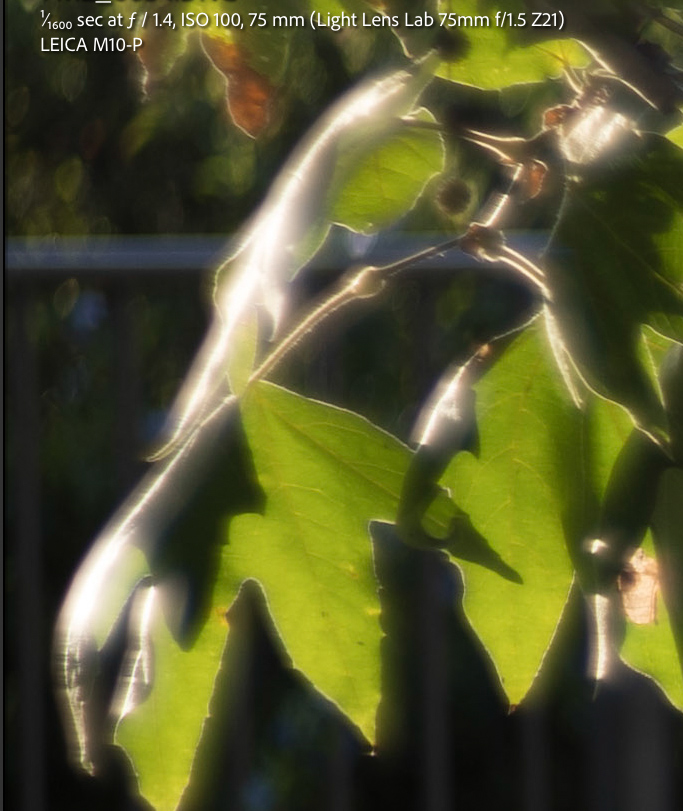
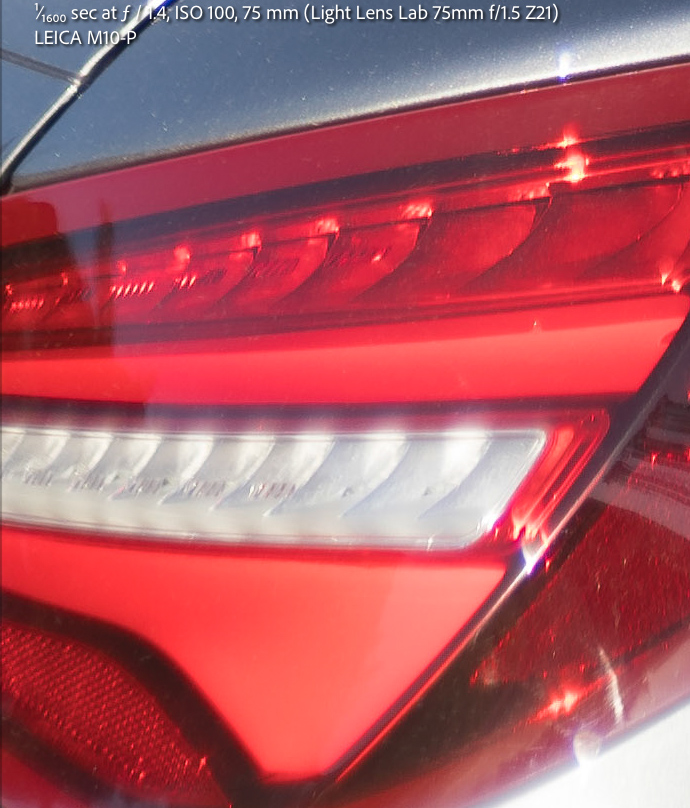
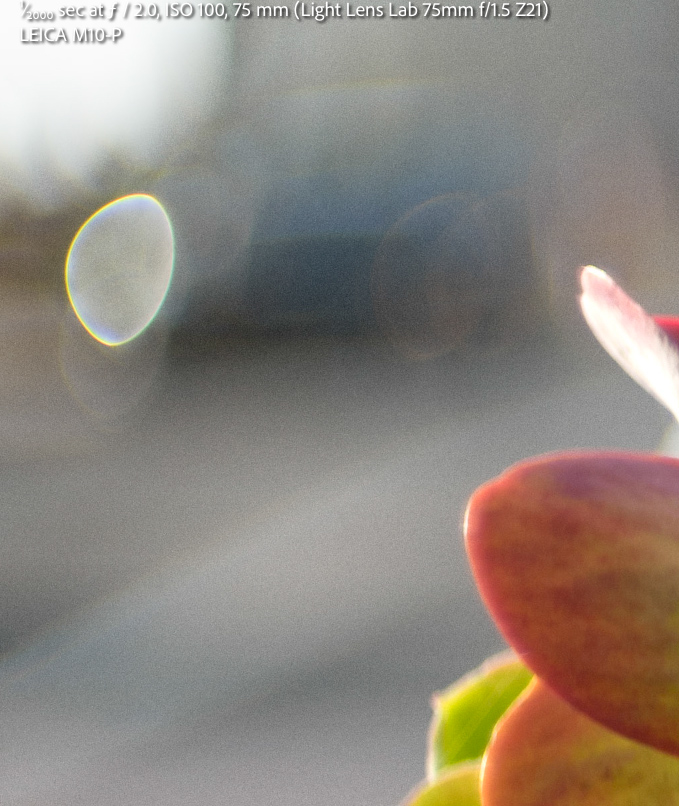
Flare reinforces the vintage character. Veiling flare is present when shooting into the light but remains controlled, especially compared to the Light Lens Lab 75mm f/2 SP II. Ghosting is more prominent and often produces classic rainbow flare whose color shifts with the angle of light. Through a rangefinder this can be somewhat unpredictable, but it contributes directly to the cinematic personality of the Z21 series.
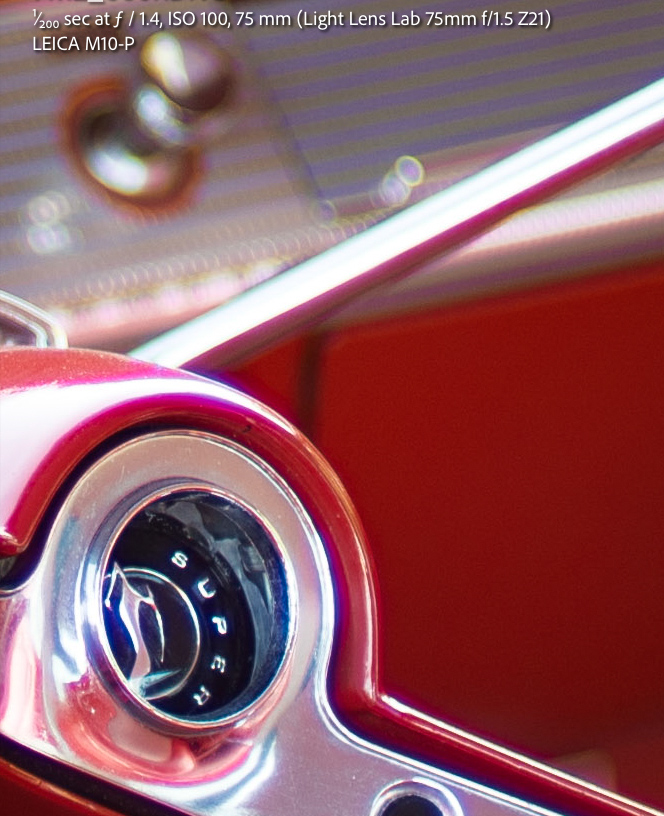
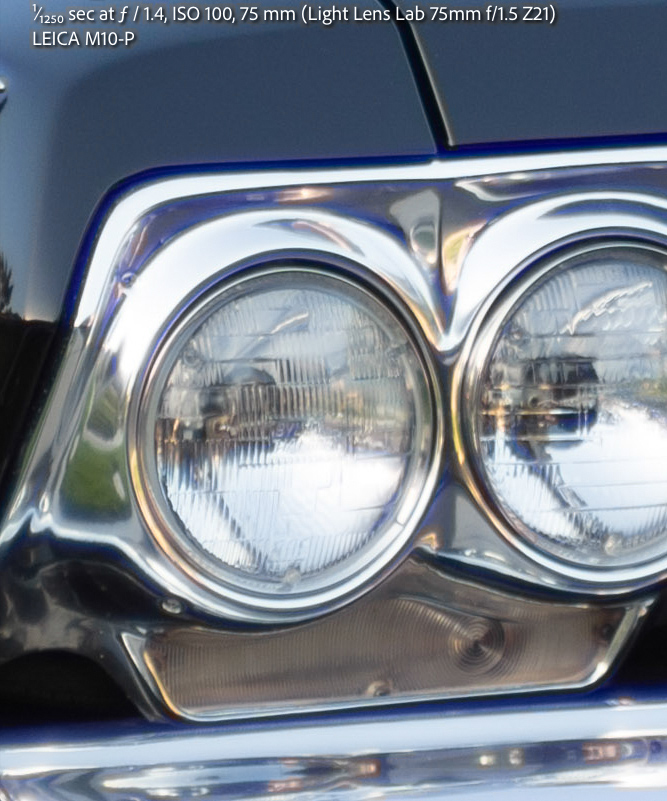
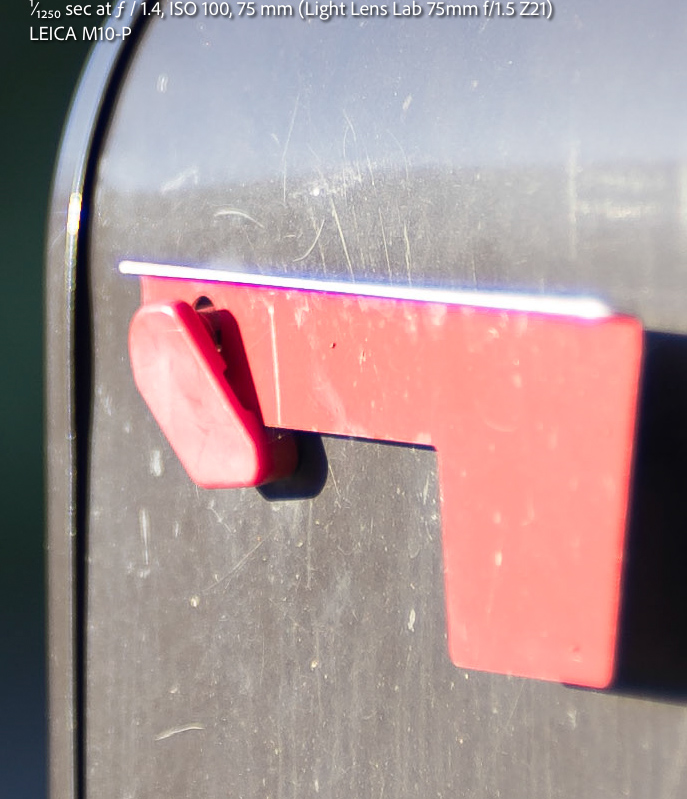
Chromatic aberration is one of the lens' biggest surprises. Lateral CA is essentially absent in real world shooting, while axial CA is remarkably well controlled for a fast telephoto with a classic 1950s optical design. Even in demanding backlit scenes, fringing remains minimal, likely aided by residual spherical aberration softening high contrast transitions.
Minimum focus distance is limited to 1 meter, which I find disappointing. At MFD the residual spherical aberration lowers contrast, but the image recovers quickly from f/2 onwards. Focus shift remains well controlled and does not interfere with normal use. Even so, a 0.7 meter minimum focus distance would have made the lens considerably more versatile.
Compared with the Light Lens Lab 75mm f/2 SP II, the SP II offers a more neutral rendering with lower contrast and even resolution across the frame. The Z21, however, delivers stronger highlight outlining and more pronounced swirl driven by higher optical vignetting wide open. Against the MS Optics 73mm f/1.5 Sonnetar, the Sonnetar shares a similar characterful look but remains more restrained, with smoother highlights and less aggressive optical vignetting. The Z21 feels more sculpted, dramatic, and visually distinctive.
Compared directly to the 50mm f/1.5 Z21, the 75mm offers more refinement while retaining the Angenieux S21 rendering signature. Off-axis performance is stronger, mid-frame contrast is higher, and rendering across the frame is more consistent, while still preserving the swirl, glow, and layered structure that define the Z21 concept. It is every bit as characterful as the 50mm but more controlled, more predictable, and ultimately better suited to telephoto use.
⸻
Pros
⦿ Strong center performance already at f/1.5
⦿ Distinct Z21 rendering consistent with the S21 signature
⦿ Optical vignetting creates a subtle swirl effect through cat’s-eye highlight shaping
⦿ Excellent axial chromatic aberration control and negligible lateral CA
⦿ Improved focus shift behavior compared to the earlier 50mm f/1.5 Z21
⦿ Very strong performance when stopped down from f/4 onward
⦿ Low pincushion distortion
⦿ Well-defined 10-point sunstars from f/5.6 onward
⦿ Characterful flare with classic rainbow-style ghosting
⦿ Stronger and more balanced off-axis performance compared to the 50mm f/1.5 Z21
⦿ Highly expressive rendering that changes with distance and composition
⦿ Tight tolerance control for rangefinder alignment and focus calibration
⸻
Cons
⦿ 140 grams heavier than the Light Lens Lab 50mm f/1.5 Z21 (454g vs 313g)
⦿ Field curvature is complex and distance-dependent, affecting consistency
⦿ 1m minimum focus distance limits flexibility
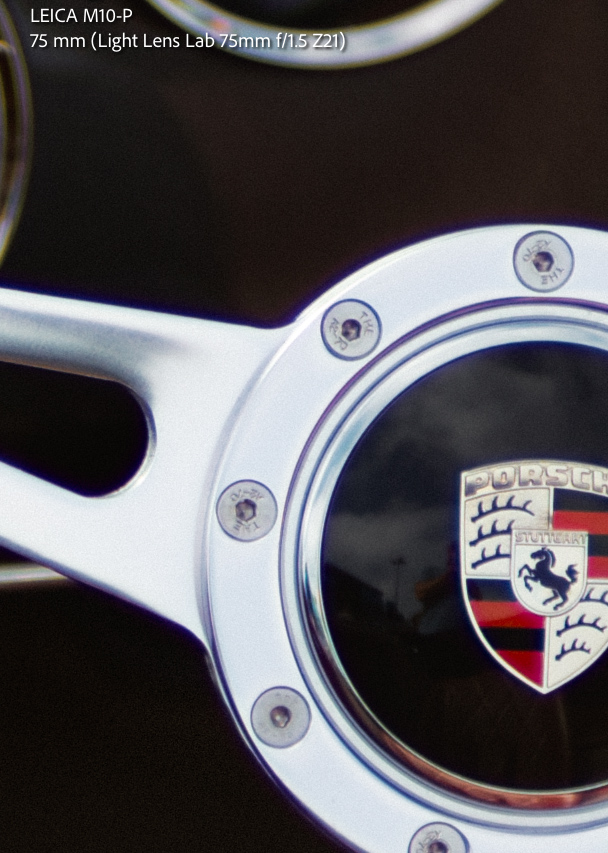
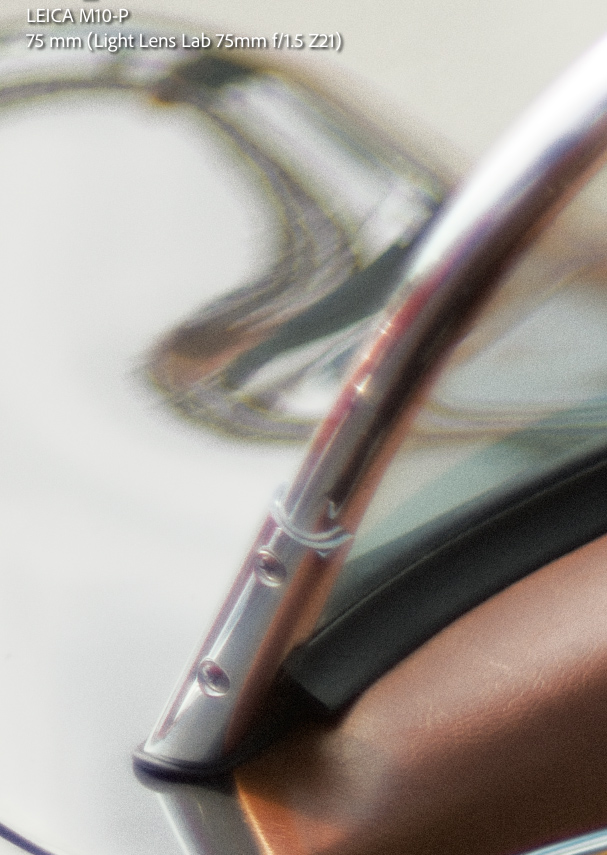
⦿ Purple fringing visible in extreme high-contrast focused areas, such as reflective metal surfaces
⦿ Residual spherical aberration wide open may not appeal to everyone
⦿ Swirl and highlight outlining can become pronounced in certain compositions
⦿ Flare and ghosting require attention in backlit conditions
⸻
The Light Lens Lab 75mm f/1.5 Z21 commits fully to its own rendering philosophy. It does not try to alter or significantly "improve" the characteristics that make the Angenieux S21 look so distinctive. Instead, it refines those traits just enough to make them usable on modern M bodies with rangefinder coupling, without stripping away its identity.
What you end up with is a lens that seems to want to actively participate in the image. Sometimes that means complexity in the background, sometimes unpredictable structure, and sometimes a beautifully painterly rendering. But it also delivers images with depth, presence, and a very specific optical personality that is difficult to replicate with more corrected designs or post-processing.
It remains very much an "S21"-inspired lens. This simply feels like the first time the concept fully locks into place for telephoto work. A wide-angle Z21 would complete the set.
_____
Order the Light Lens Lab 75mm f/1.5 Z21 lens:
Lens Light Lab Store | Get a 5% discount when you use the FREDMIRANDA code at checkout.
|