Thypoch Ksana 35mm f/2 ASPH. Review
p.6 #1Thypoch Ksana 35mm f/2 ASPH. Review
Just got one. Nice lens, optically between than the Voigt 35mm/1.5 and the Voigt 35mm/2.
Creamy bokeh like the 1.5 so much better than the Ultron.
But the right side of the image is not sharp at all to I'm sending it back.
This is kind of sad...
Creamy bokeh like the 1.5 so much better than the Ultron.
But the right side of the image is not sharp at all to I'm sending it back.
This is kind of sad...
Sep 24, 2026 at 06:46 AM
p.6 #2Thypoch Ksana 35mm f/2 ASPH. Review
pmeheut wrote:
Just got one. Nice lens, optically between than the Voigt 35mm/1.5 and the Voigt 35mm/2.
Creamy bokeh like the 1.5 so much better than the Ultron.
But the right side of the image is not sharp at all to I'm sending it back.
This is kind of sad...
Did you buy new?
Just got one. Nice lens, optically between than the Voigt 35mm/1.5 and the Voigt 35mm/2.
Creamy bokeh like the 1.5 so much better than the Ultron.
But the right side of the image is not sharp at all to I'm sending it back.
This is kind of sad...
Did you buy new?
Sep 24, 2026 at 11:00 AM
p.6 #3Thypoch Ksana 35mm f/2 ASPH. Review
nehemiahphoto wrote:
Did you buy new?
Yes.
Did you buy new?
Yes.
Sep 24, 2026 at 11:29 AM
p.6 #4Thypoch Ksana 35mm f/2 ASPH. Review
Back to Quick Links
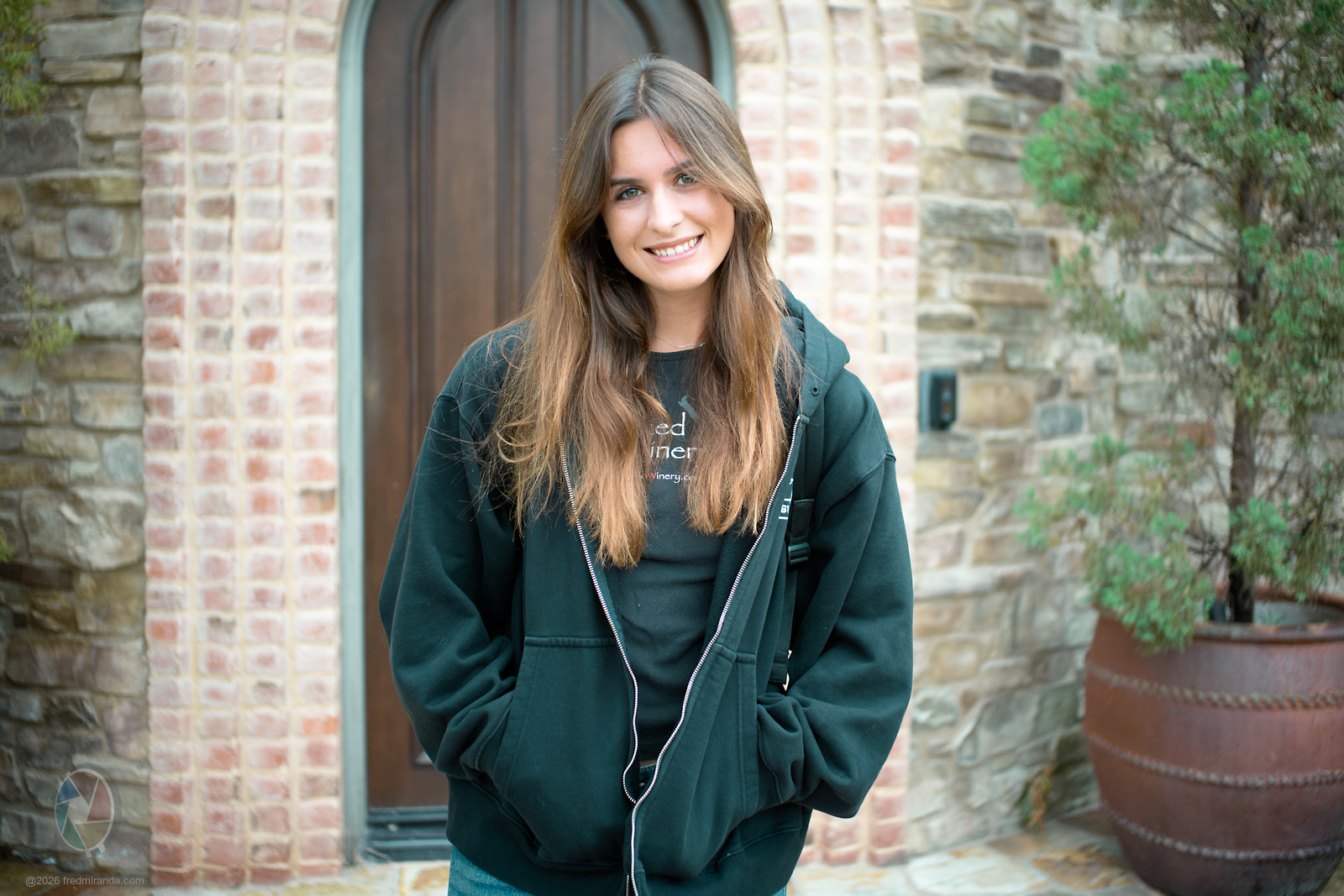
Samples 1: A few portraits
A few casual portraits from my daughter's first day of her senior year.

All images taken wide open at f/2. The Ksana 35mm f/2 ASPH. isn't a lens I'd normally reach for when shooting portraits, for its wide angle field of view and because doesn't have a fast aperture, but depending on the background and subject, it can definitely still work for environment portraits.
Post-processing was kept minimal, with only light sharpening and slight exposure adjustments applied. I used the Adobe Standard profile to better showcase the lens's natural color rendering.
No corrections were applied for distortion, vignetting, or chromatic aberration, allowing the lens's native rendering characteristics to be seen more clearly.
 |
||
 |
||
|
LEICA M10-P Ksana 35mm f/2 ASPH. lens 35mm f/2.0 1/250s 100 ISO +0.7 EV
|
||
 |
||
|
LEICA M10-P Ksana 35mm f/2 ASPH. lens 35mm f/2.0 1/320s 100 ISO +0.7 EV
|
||
 |
||
|
LEICA M10-P Ksana 35mm f/2 ASPH. lens 35mm f/2.0 1/320s 100 ISO +0.7 EV
Sep 25, 2026 at 05:39 PM
p.6 #5Thypoch Ksana 35mm f/2 ASPH. Review
Back to Quick Links
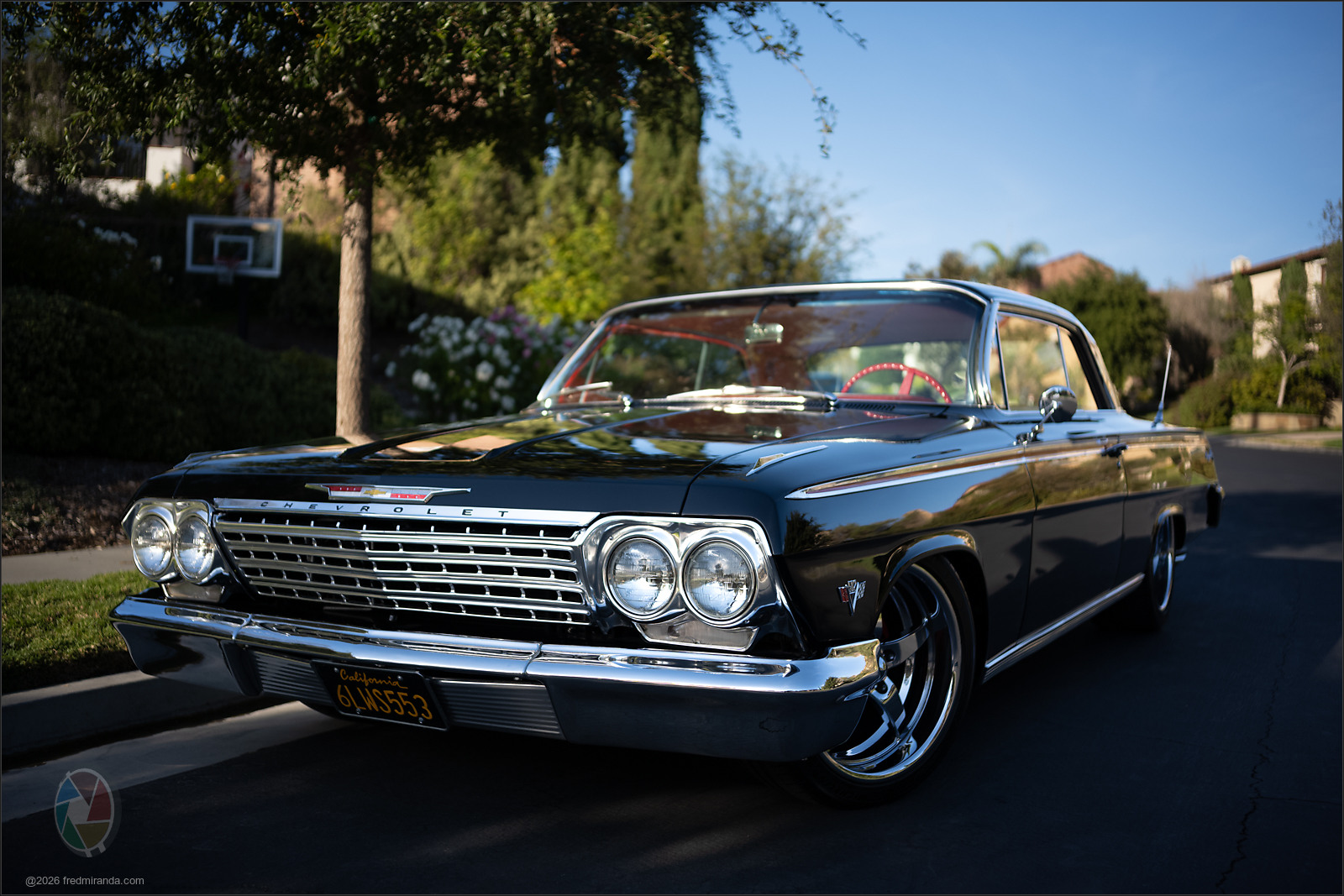
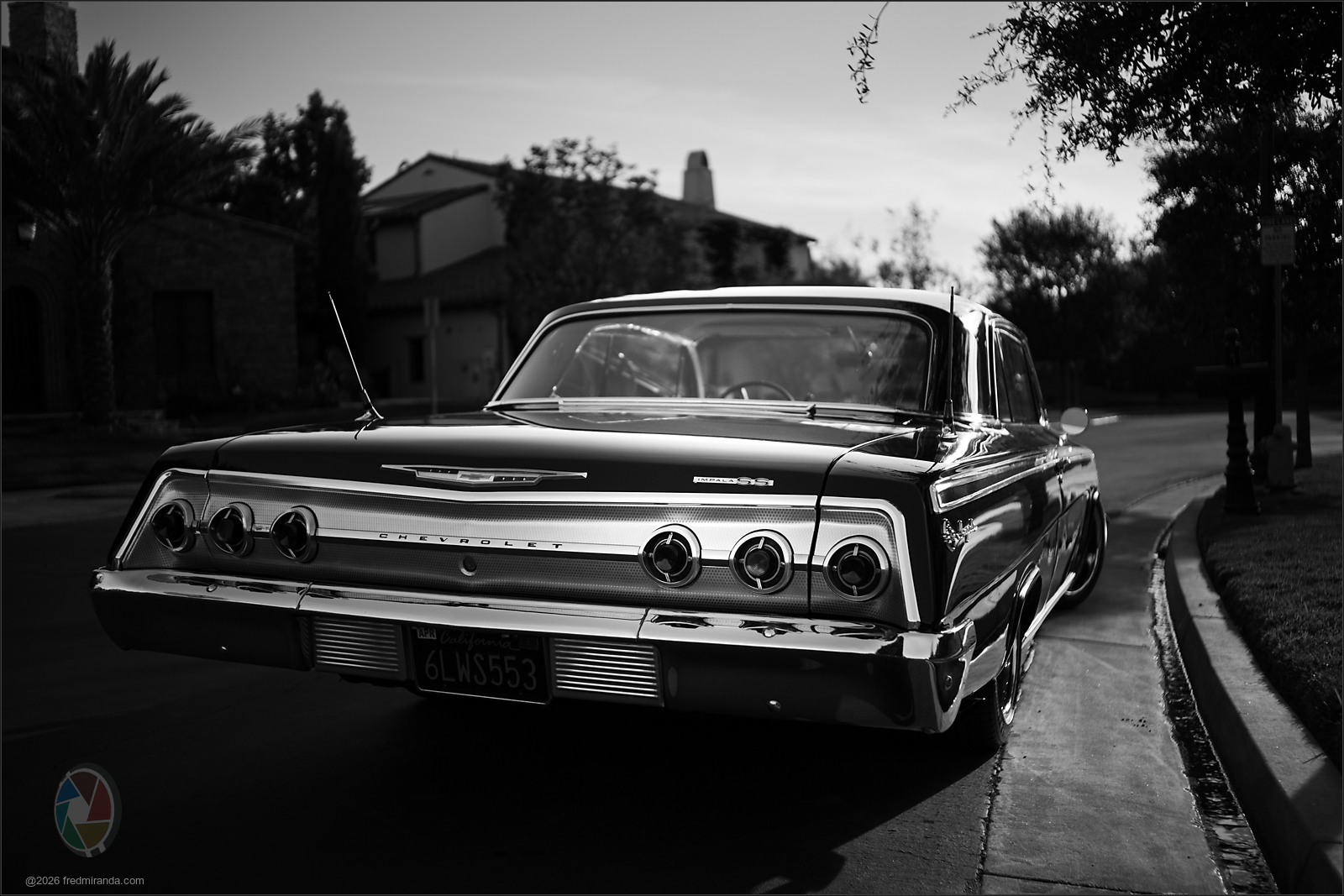
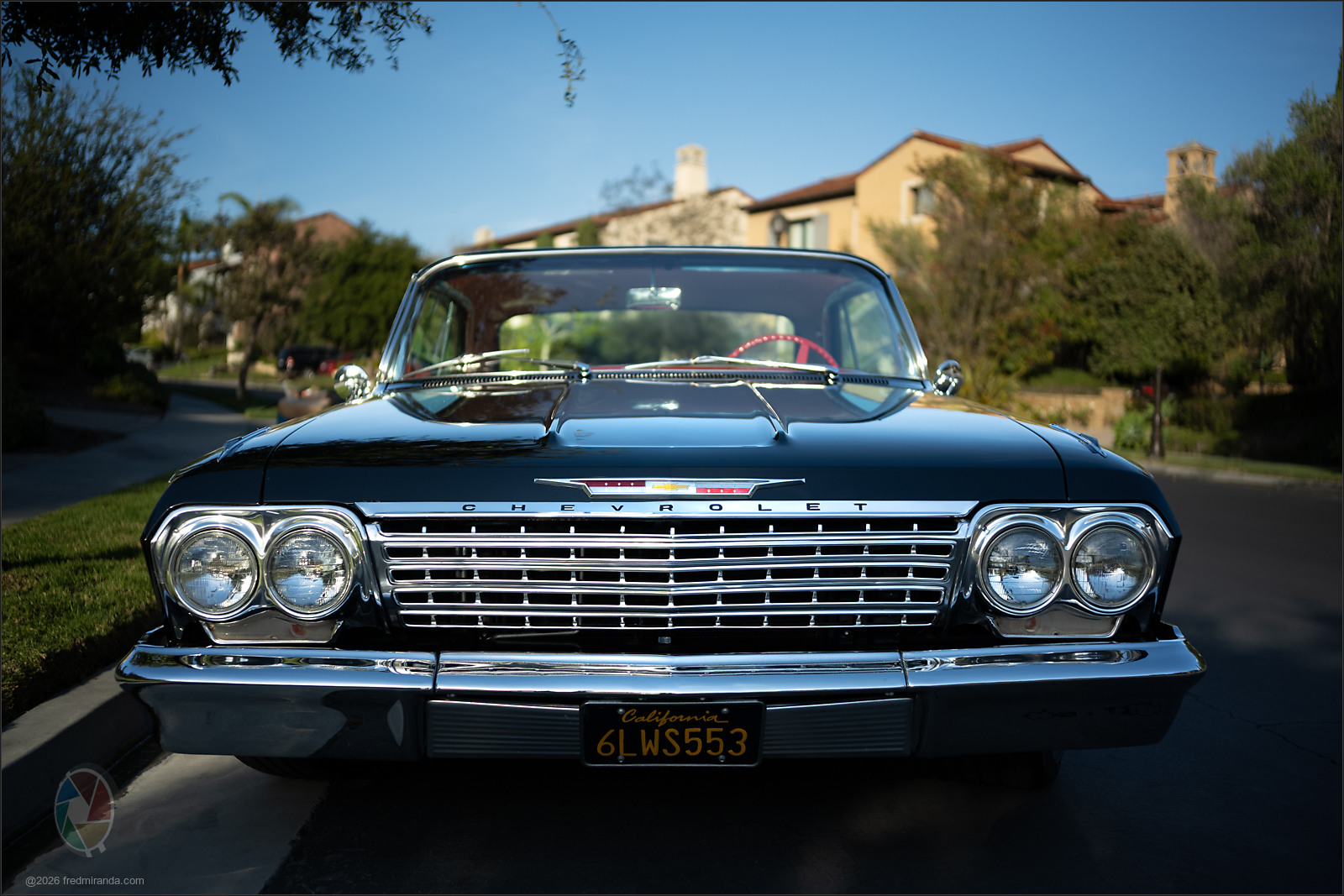
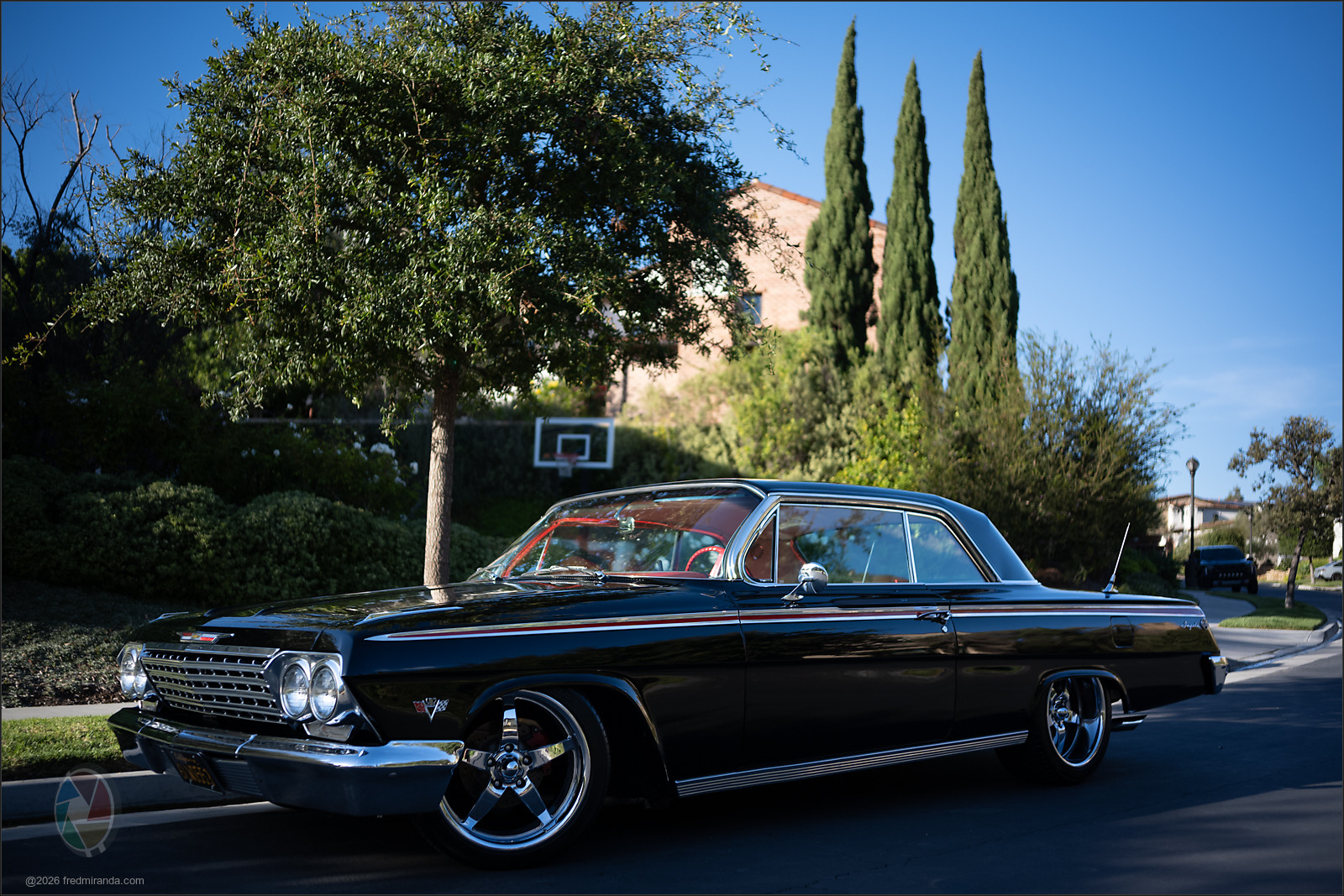
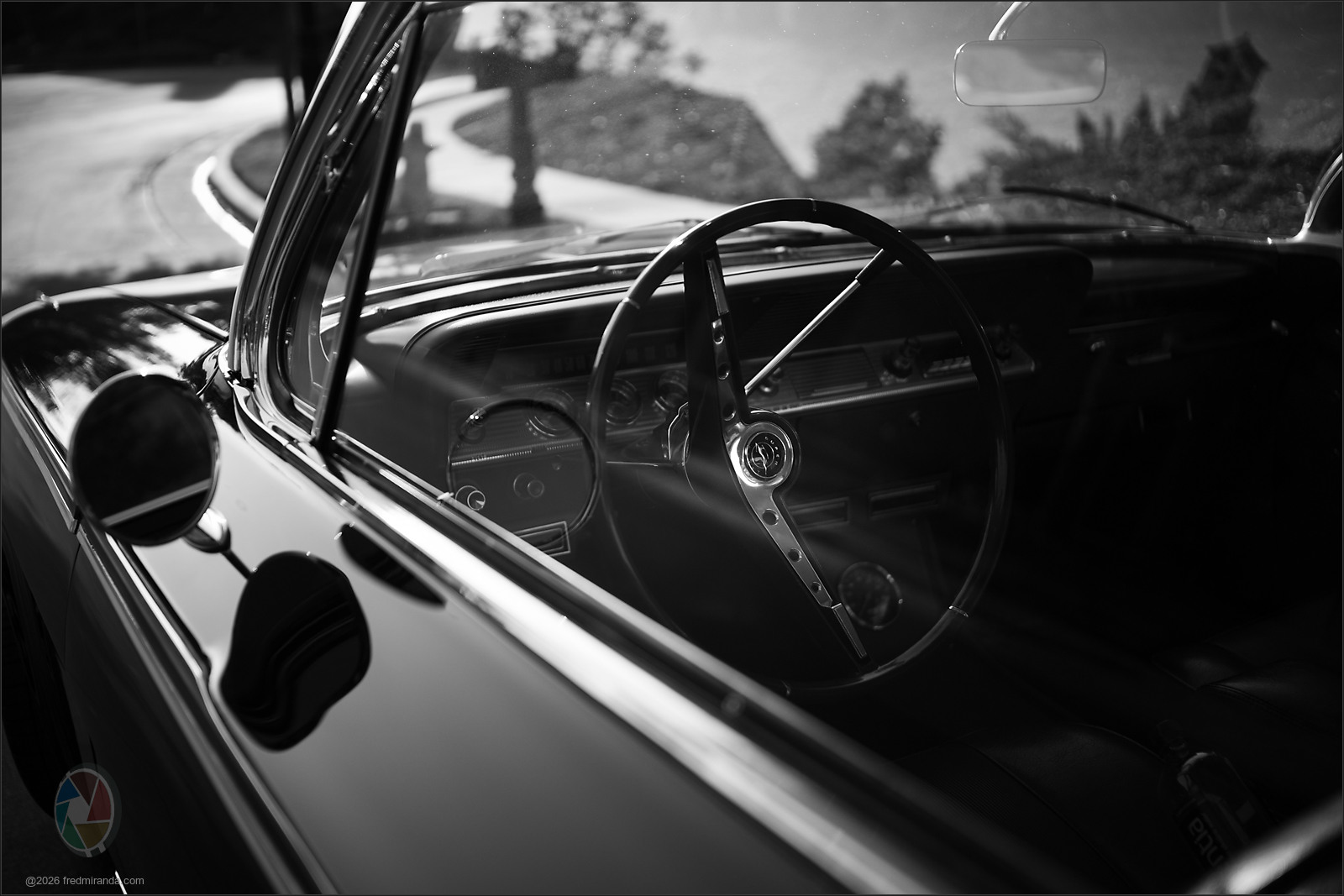
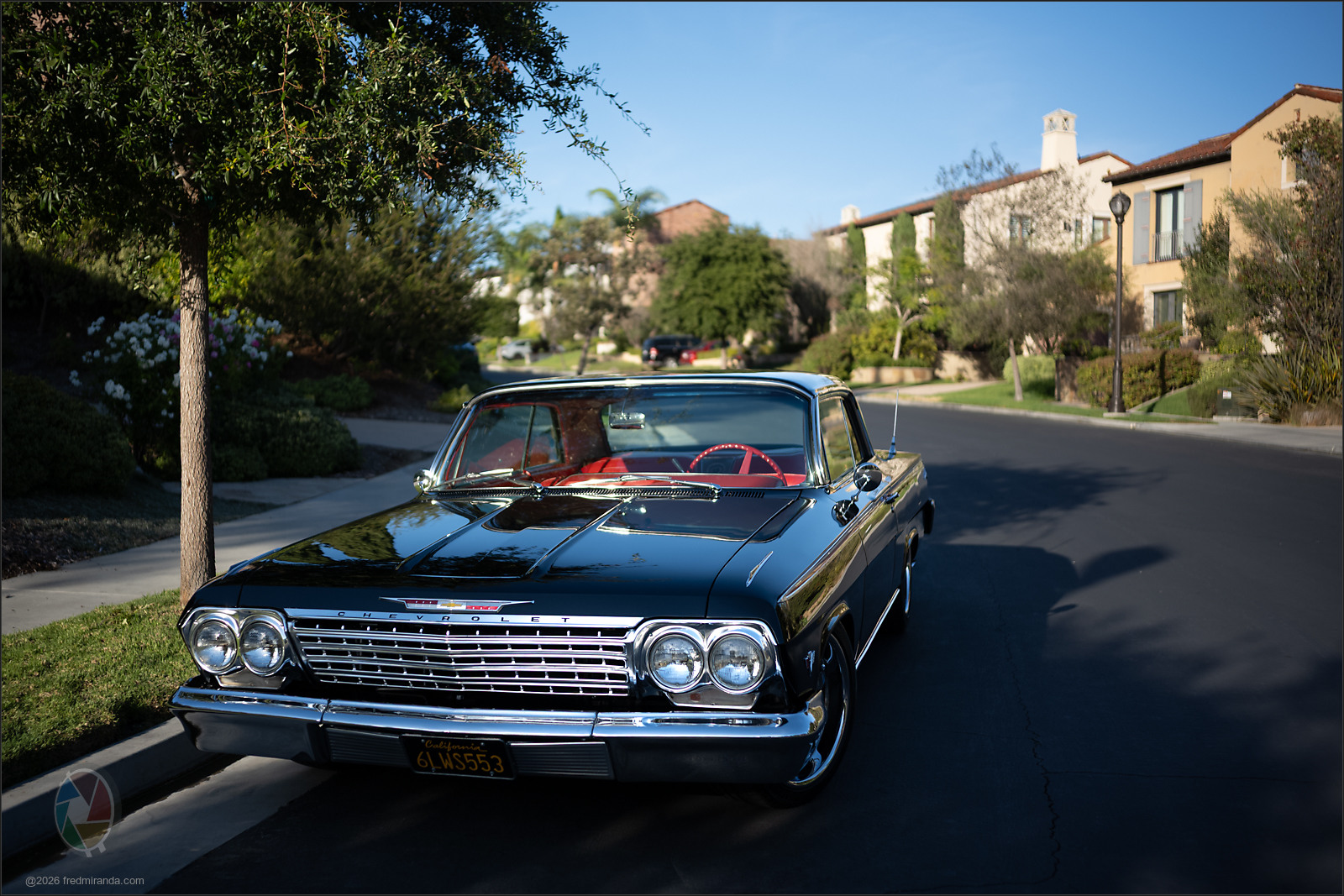
Samples 2: Daylight Shots Across Various Angles and Distances
Here are a few samples I took during 5:00pm daylight at various angles and distances to showcase the overall rendering of the Thypoch Ksana 35mm f/2 ASPH.
Overall, the rendering is very pleasant, showing only a touch of field curvature. The lens appears well-corrected for axial chromatic aberration, though I'll analyze that in greater detail in upcoming tests.
|
||
 |
||
|
LEICA M10-P Ksana 35mm f/2 ASPH. lens 35mm f/2.0 1/2500s 100 ISO +0.7 EV
|
||
 |
||
|
LEICA M10-P Ksana 35mm f/2 ASPH. lens 35mm f/2.0 1/5000s 100 ISO +0.7 EV
|
||
 |
||
|
LEICA M10-P Ksana 35mm f/2 ASPH. lens 35mm f/2.0 1/2500s 100 ISO +0.7 EV
|
||
 |
||
|
LEICA M10-P Ksana 35mm f/2 ASPH. lens 35mm f/2.0 1/1600s 100 ISO +0.7 EV
|
||
 |
||
|
LEICA M10-P Ksana 35mm f/2 ASPH. lens 35mm f/2.0 1/1000s 100 ISO +0.7 EV
|
||
 |
||
|
LEICA M10-P Ksana 35mm f/2 ASPH. lens 35mm f/2.0 1/2500s 100 ISO +0.7 EV
Sep 25, 2026 at 07:53 PM
p.6 #6Thypoch Ksana 35mm f/2 ASPH. Review
Back to Quick Links
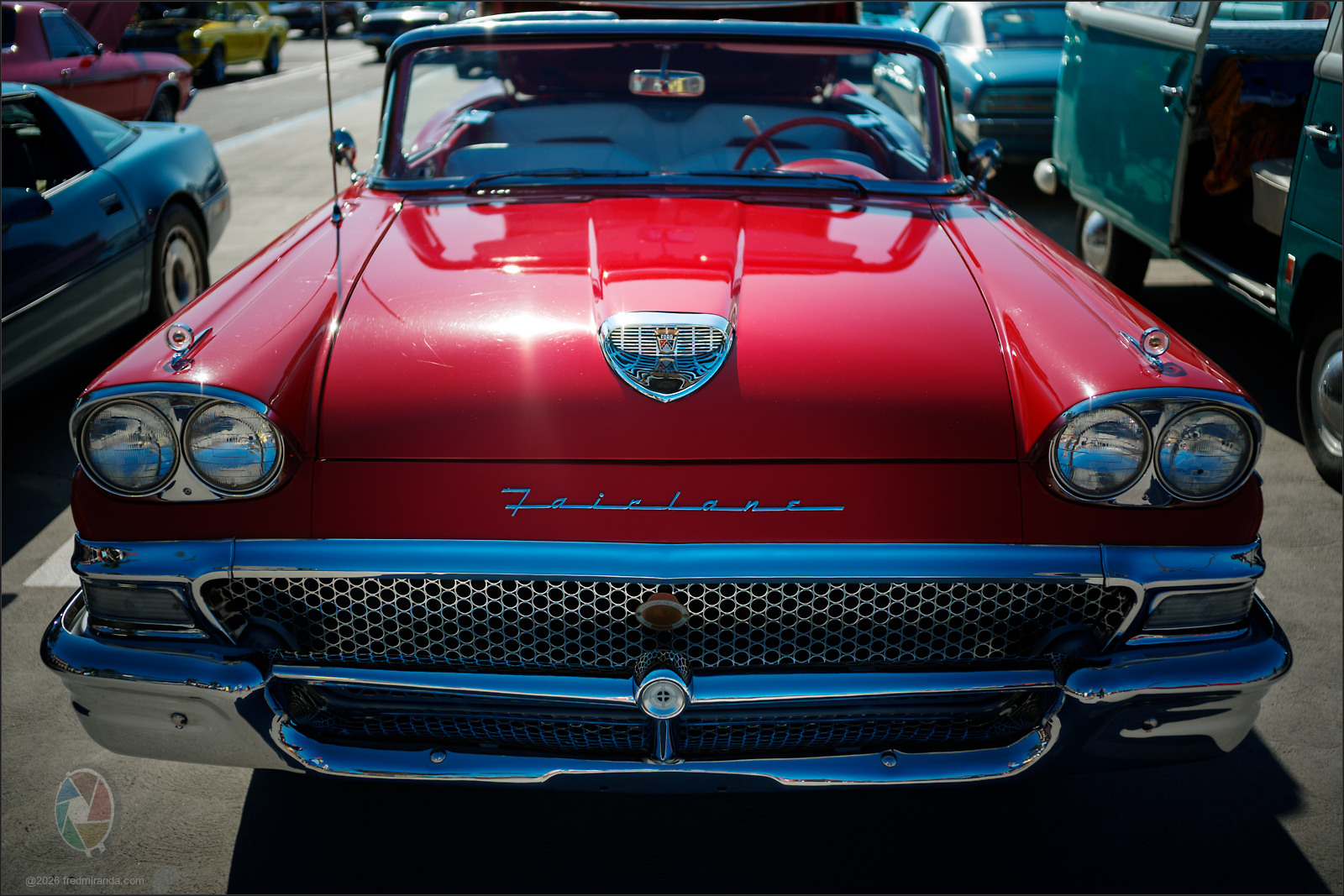
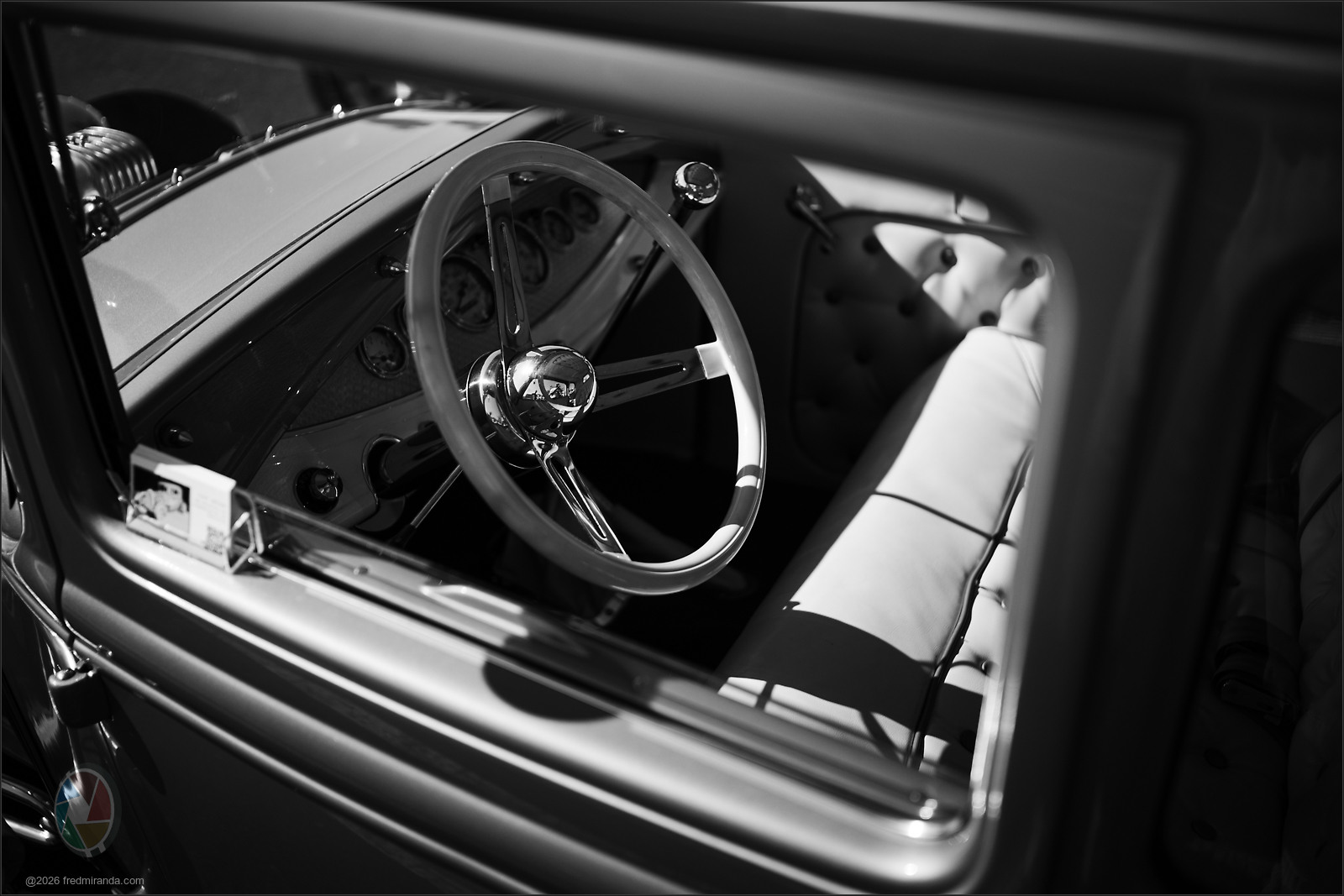
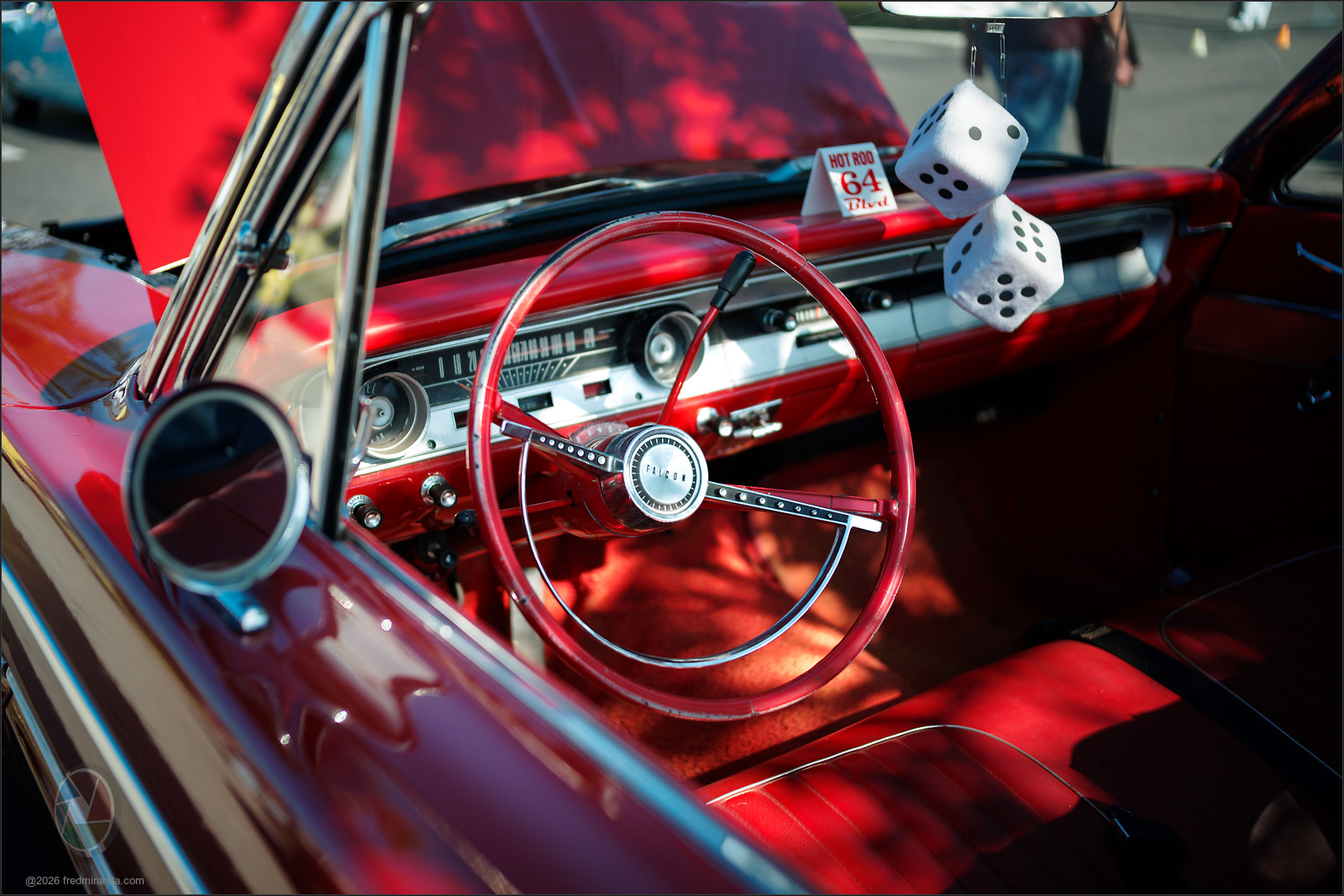
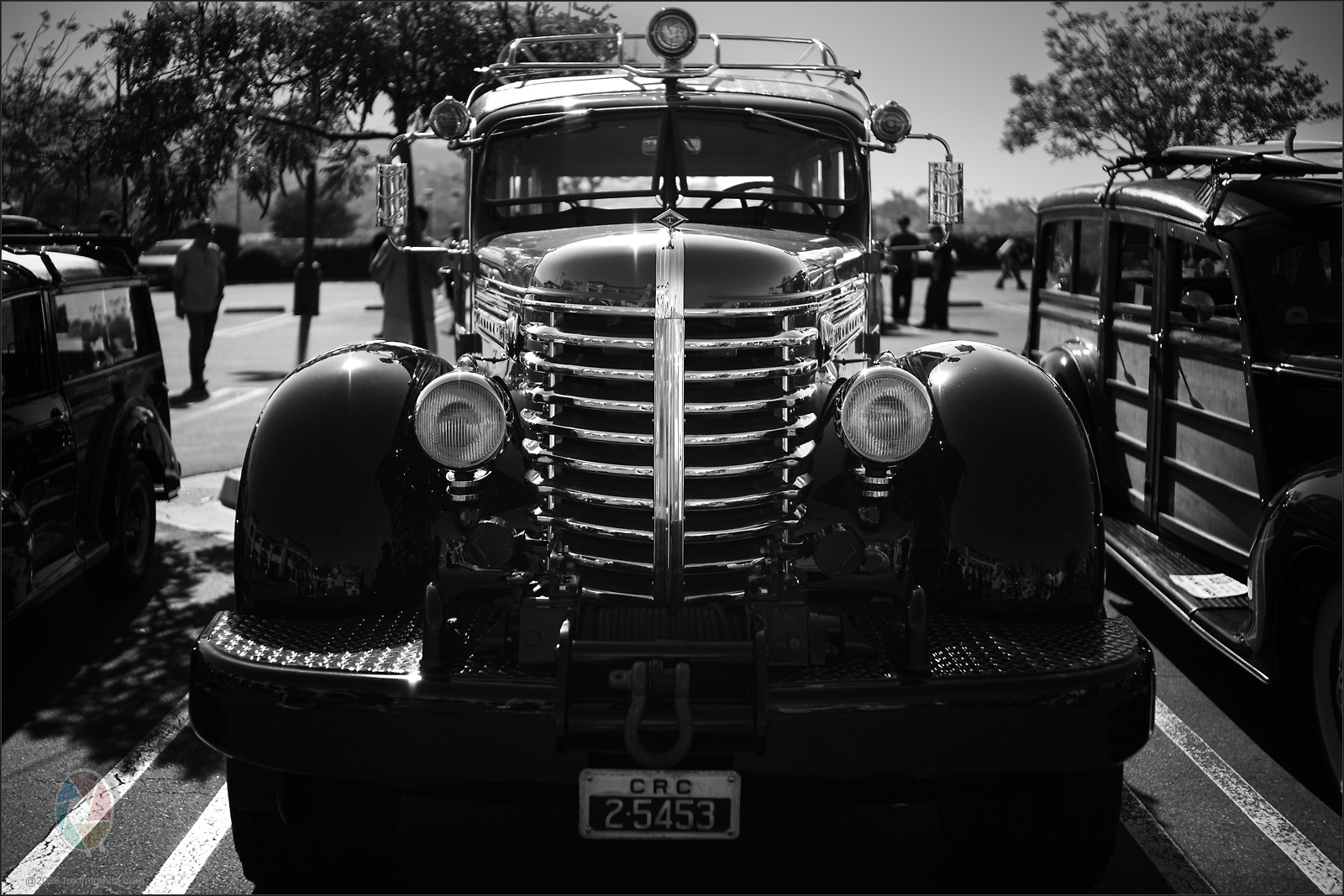
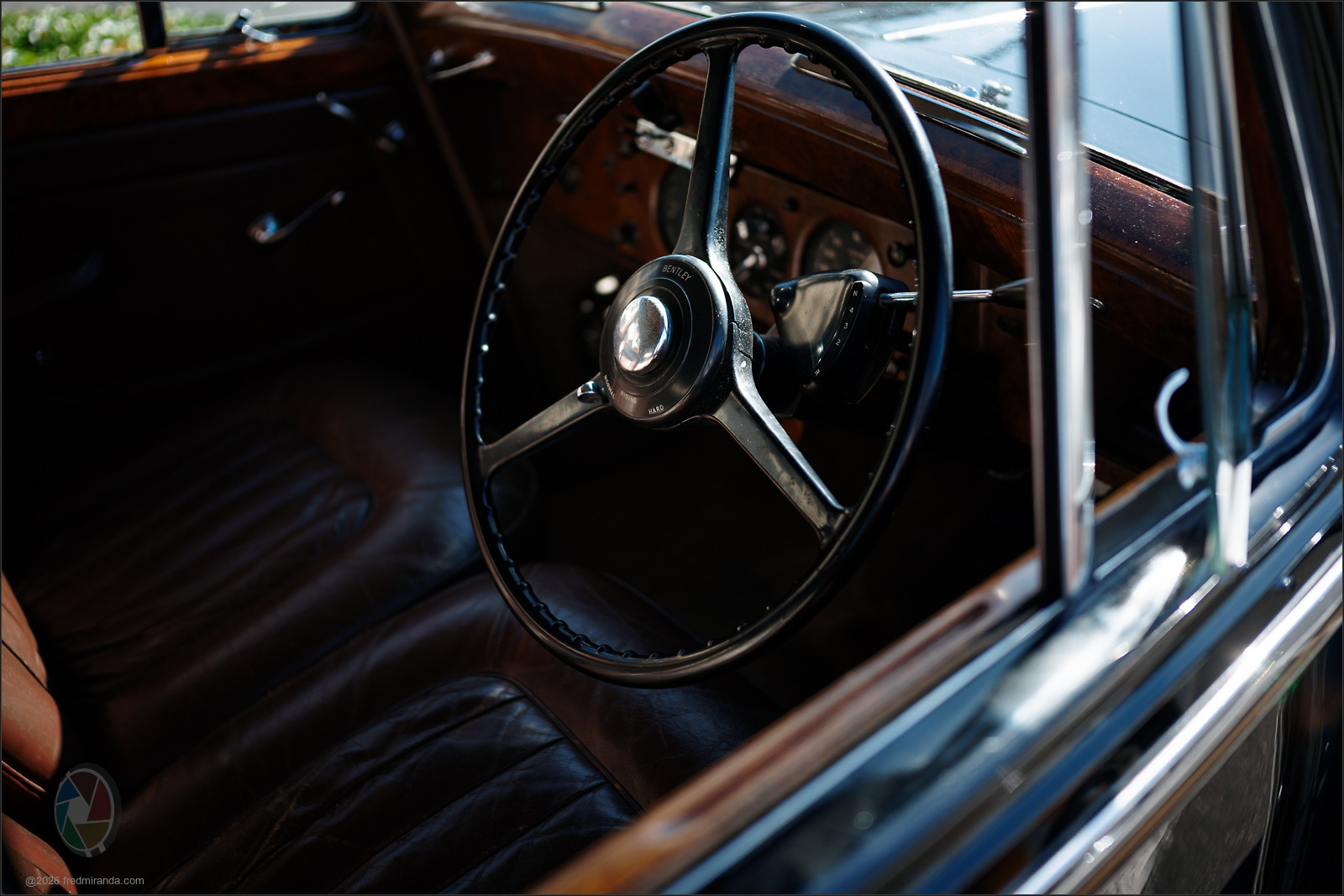
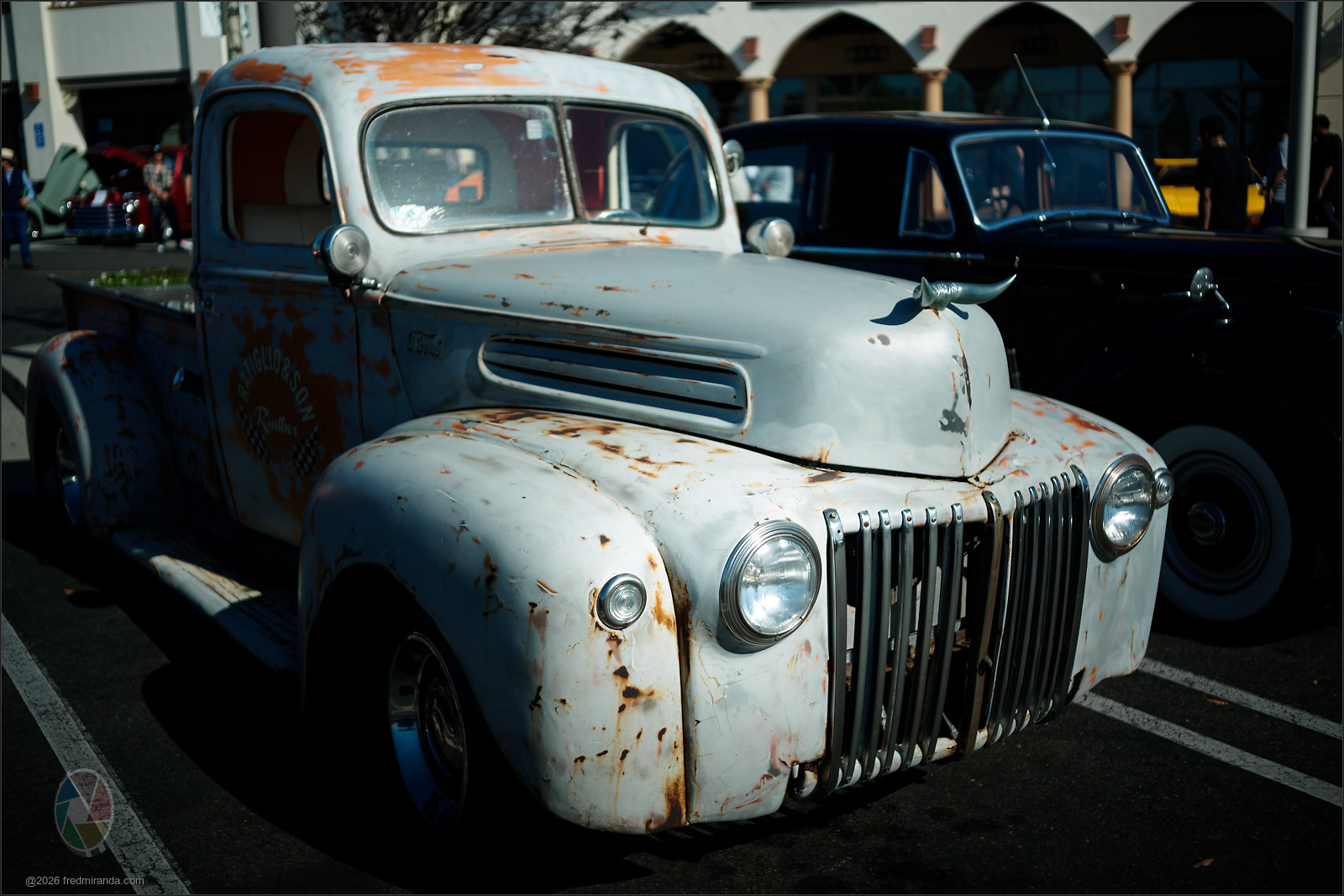
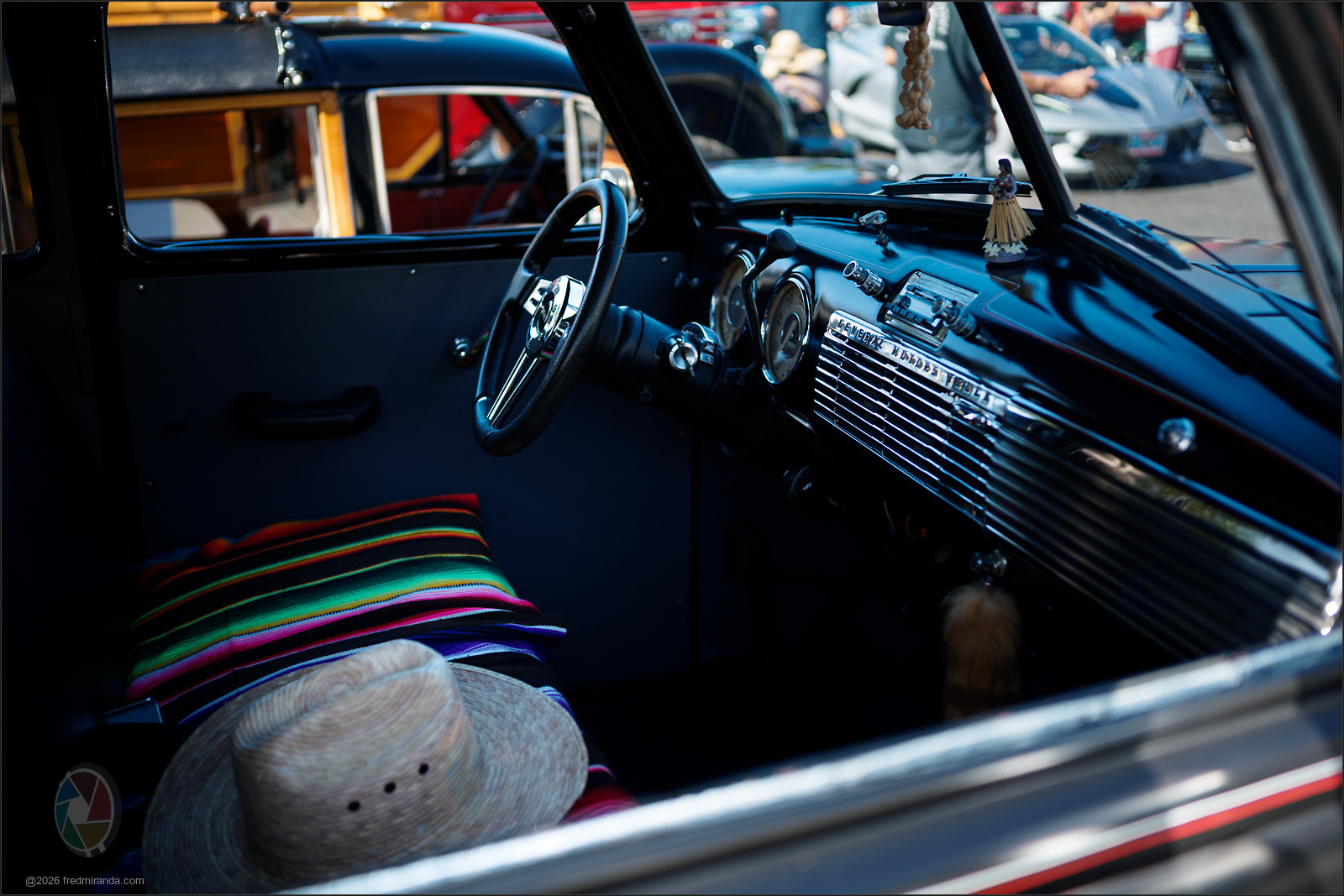
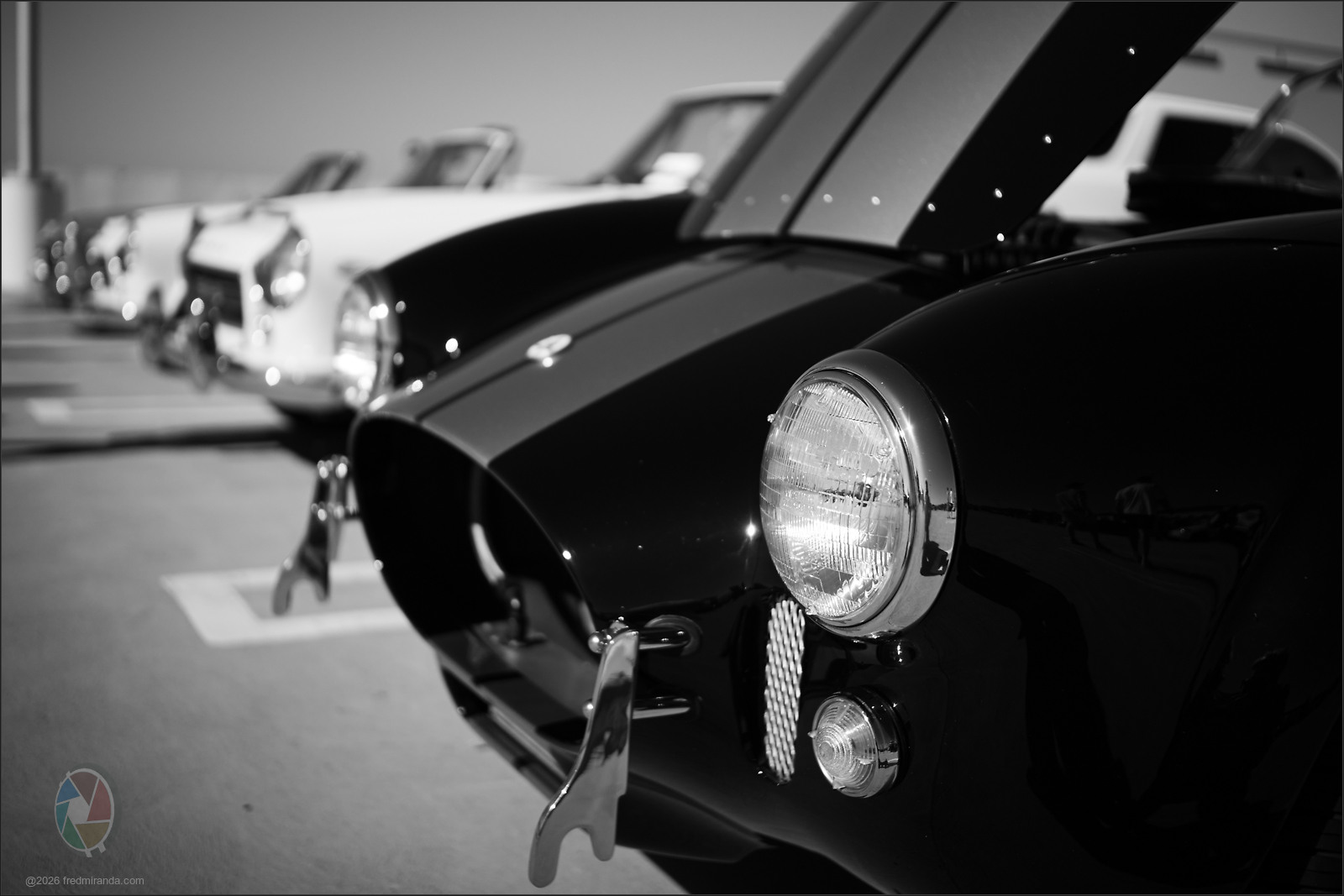
Samples 3: Cars and Coffee
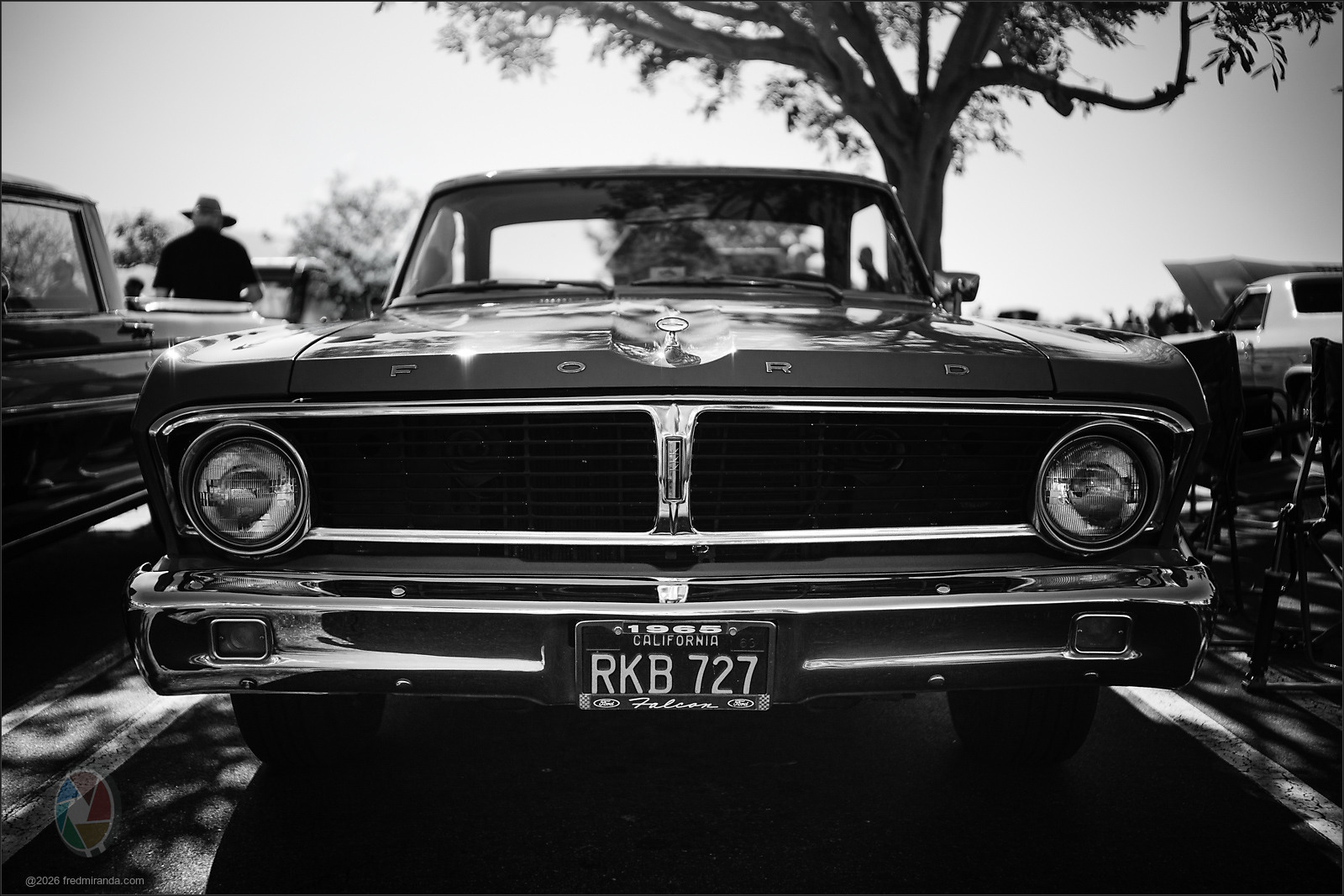
All images were captured wide open at f/2 in early morning light, with subjects positioned at a variety of distances.
Post processing was intentionally kept to a minimum, consisting only of minor sharpening (40, 0.8, 20, 50) and small exposure adjustments. I used the Adobe Color and Monochrome profiles throughout to allow the lens’s natural color rendition and tonal character to shine through.
|
||
 |
||
|
LEICA M10-P Ksana 35mm f/2 ASPH. lens 35mm f/2.0 1/4000s 100 ISO 0.0 EV
|
||
 |
||
|
LEICA M10-P Ksana 35mm f/2 ASPH. lens 35mm f/2.0 1/4000s 100 ISO 0.0 EV
|
||
 |
||
|
LEICA M10-P Ksana 35mm f/2 ASPH. lens 35mm f/2.0 1/2000s 100 ISO 0.0 EV
|
||
 |
||
|
LEICA M10-P Ksana 35mm f/2 ASPH. lens 35mm f/2.0 1/4000s 100 ISO 0.0 EV
|
||
 |
||
|
LEICA M10-P Ksana 35mm f/2 ASPH. lens 35mm f/2.0 1/1250s 100 ISO 0.0 EV
|
||
 |
||
|
LEICA M10-P Ksana 35mm f/2 ASPH. lens 35mm f/2.0 1/4000s 100 ISO 0.0 EV
|
||
 |
||
|
LEICA M10-P Ksana 35mm f/2 ASPH. lens 35mm f/2.0 1/800s 100 ISO 0.0 EV
|
||
 |
||
|
LEICA M10-P Ksana 35mm f/2 ASPH. lens 35mm f/2.0 1/4000s 100 ISO 0.0 EV
|
||
 |
||
|
LEICA M10-P Ksana 35mm f/2 ASPH. lens 35mm f/2.0 1/4000s 100 ISO 0.0 EV
|
||
 |
||
|
LEICA M10-P Ksana 35mm f/2 ASPH. lens 35mm f/2.0 1/4000s 100 ISO 0.0 EV
Sep 27, 2026 at 01:55 PM
p.6 #7Thypoch Ksana 35mm f/2 ASPH. Review
Back to Quick Links
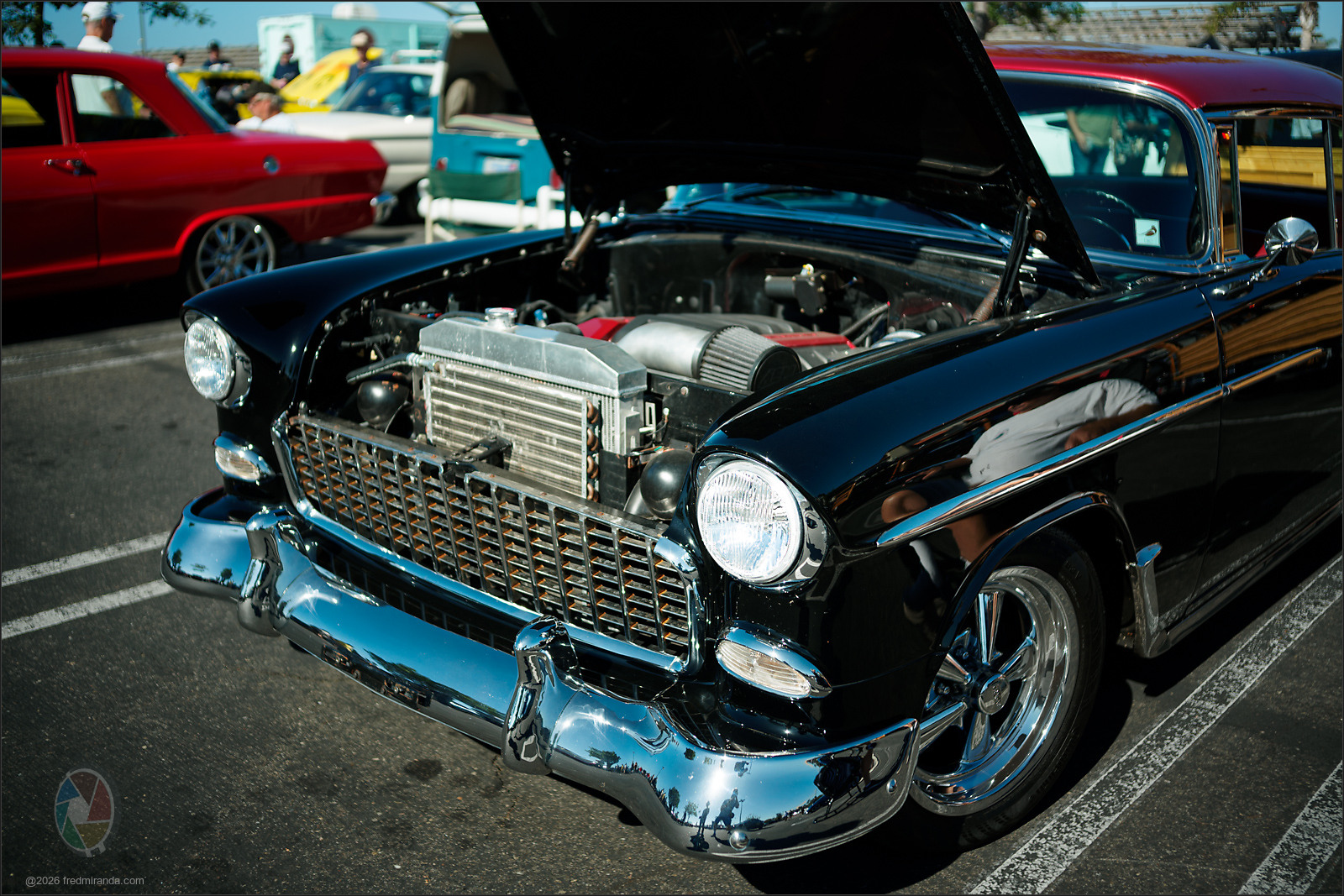
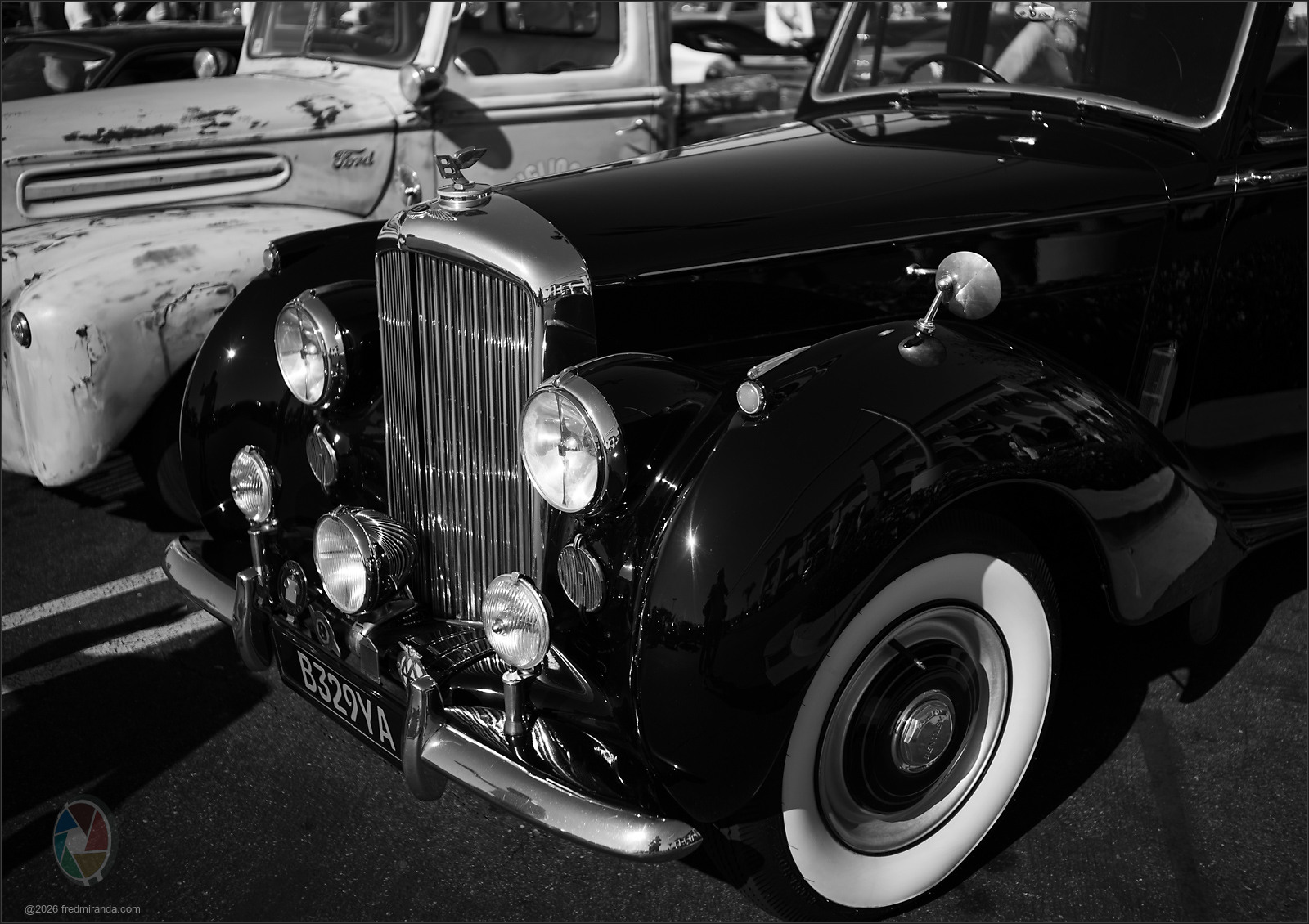
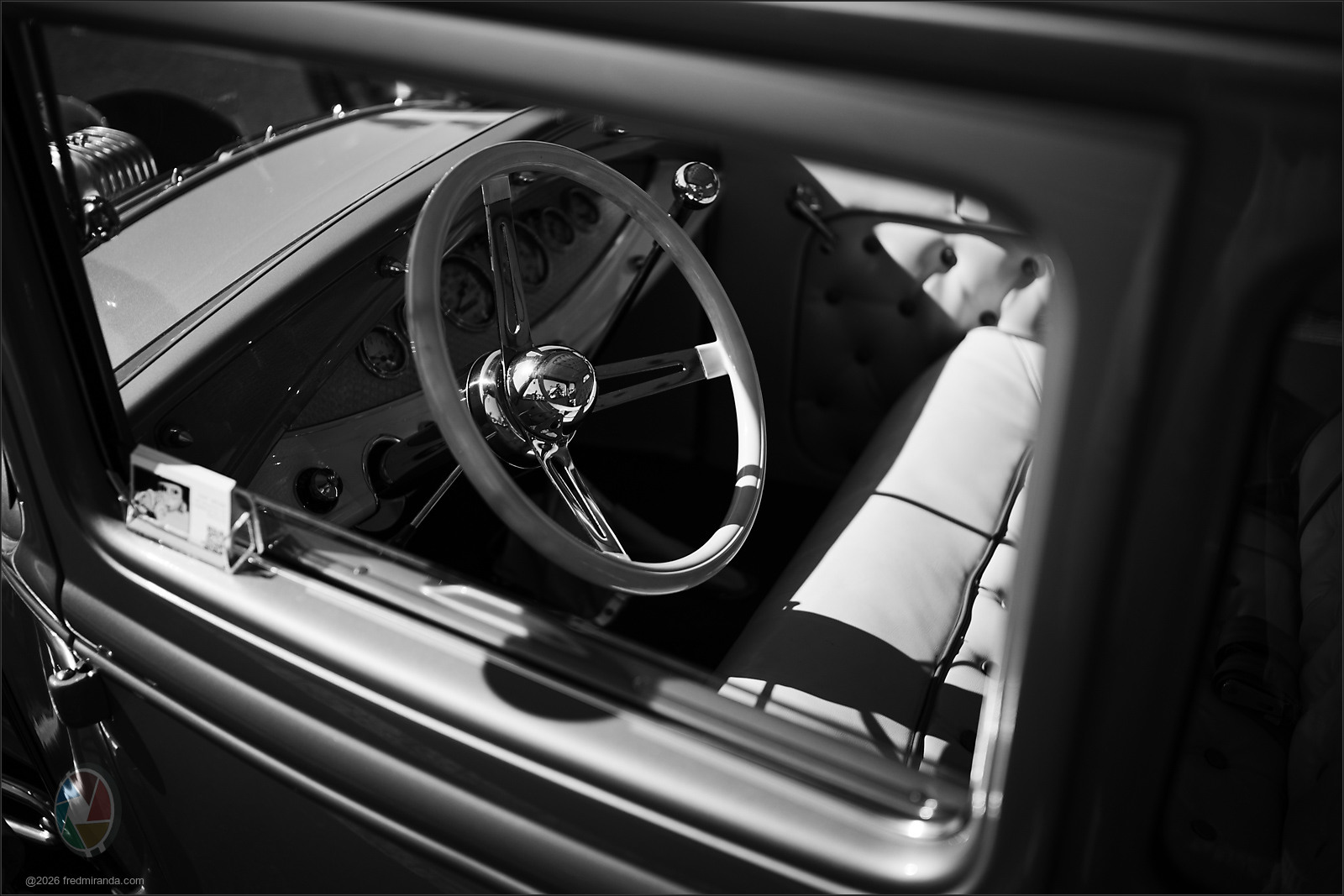
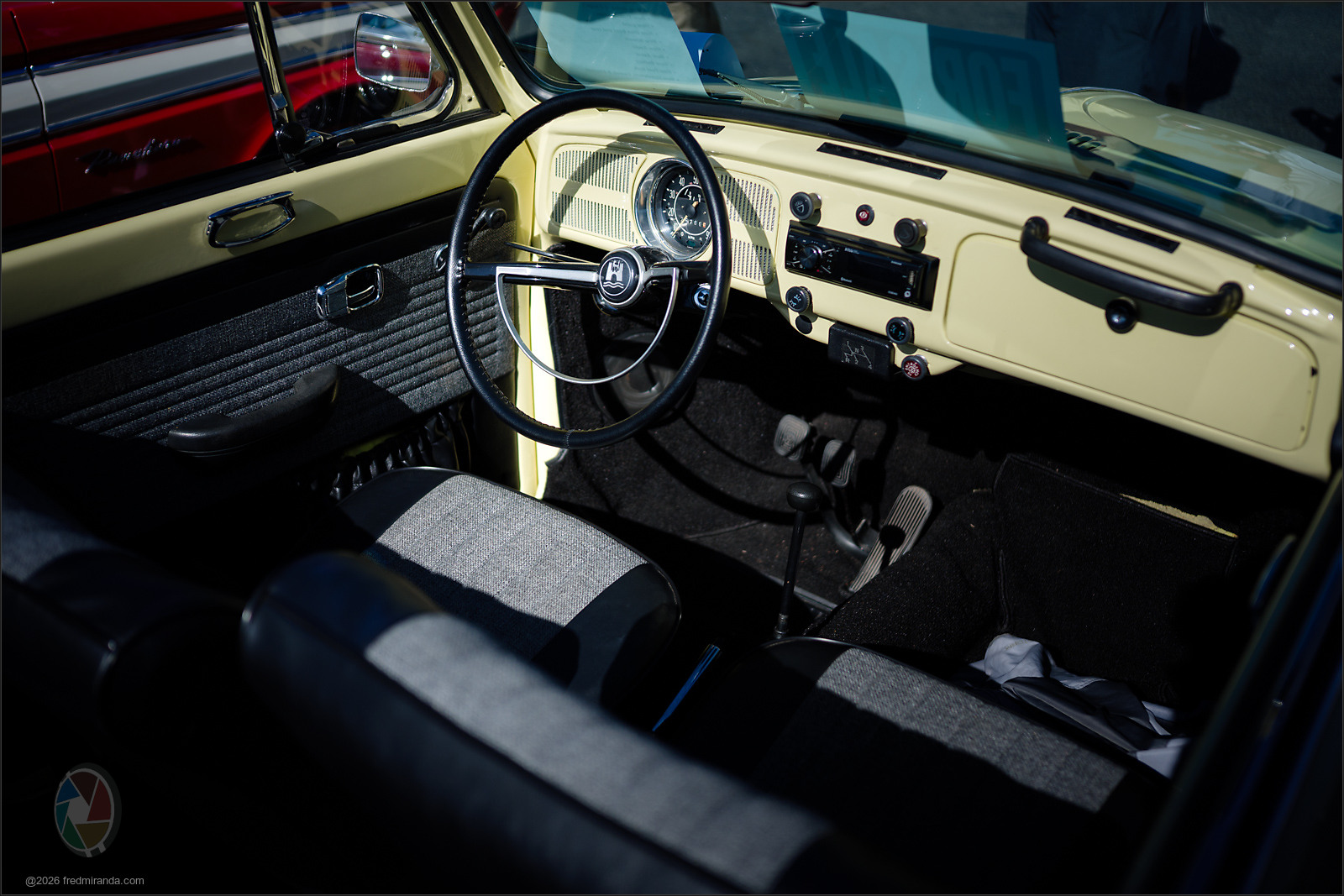
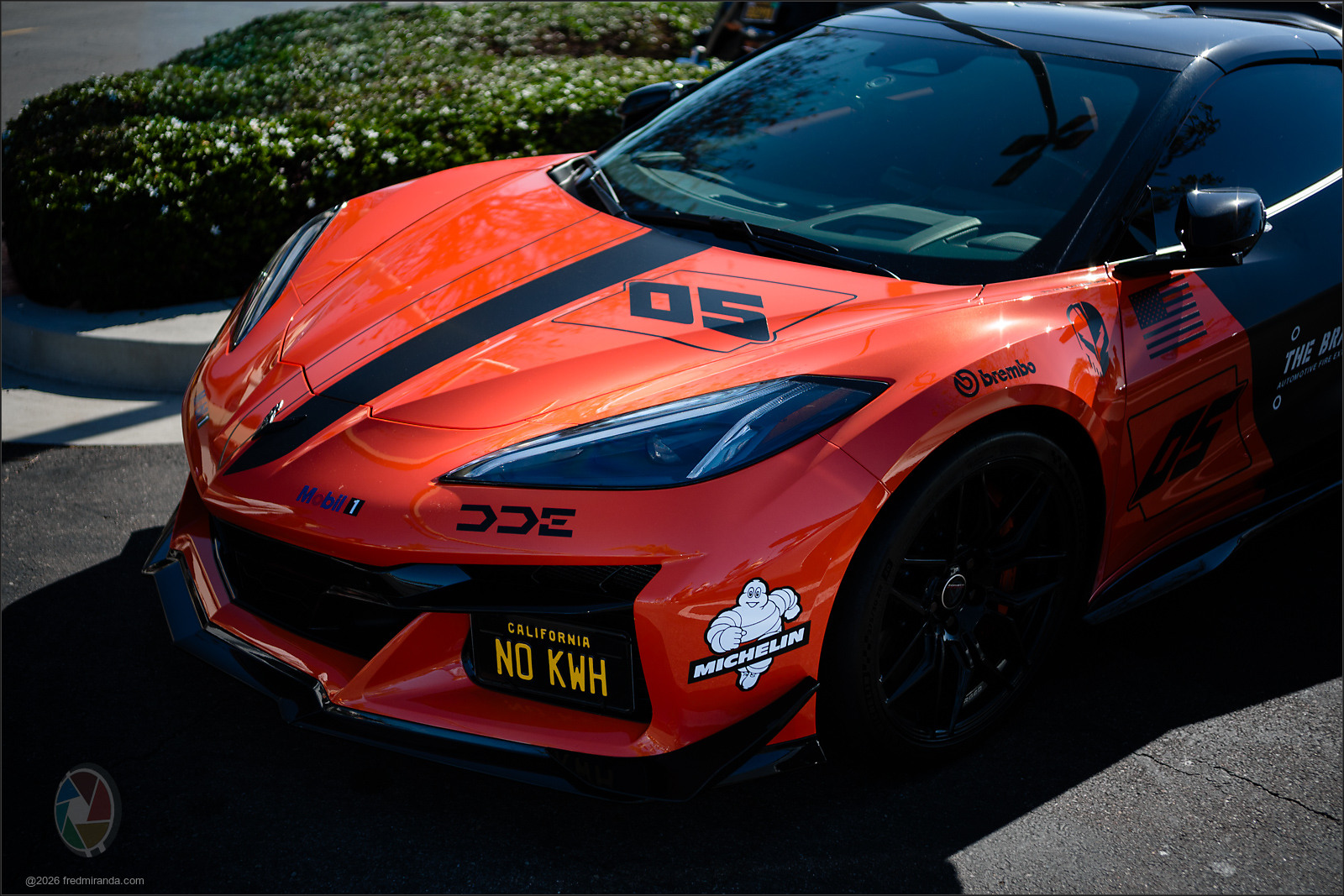
Samples 4: Cars and Coffee II
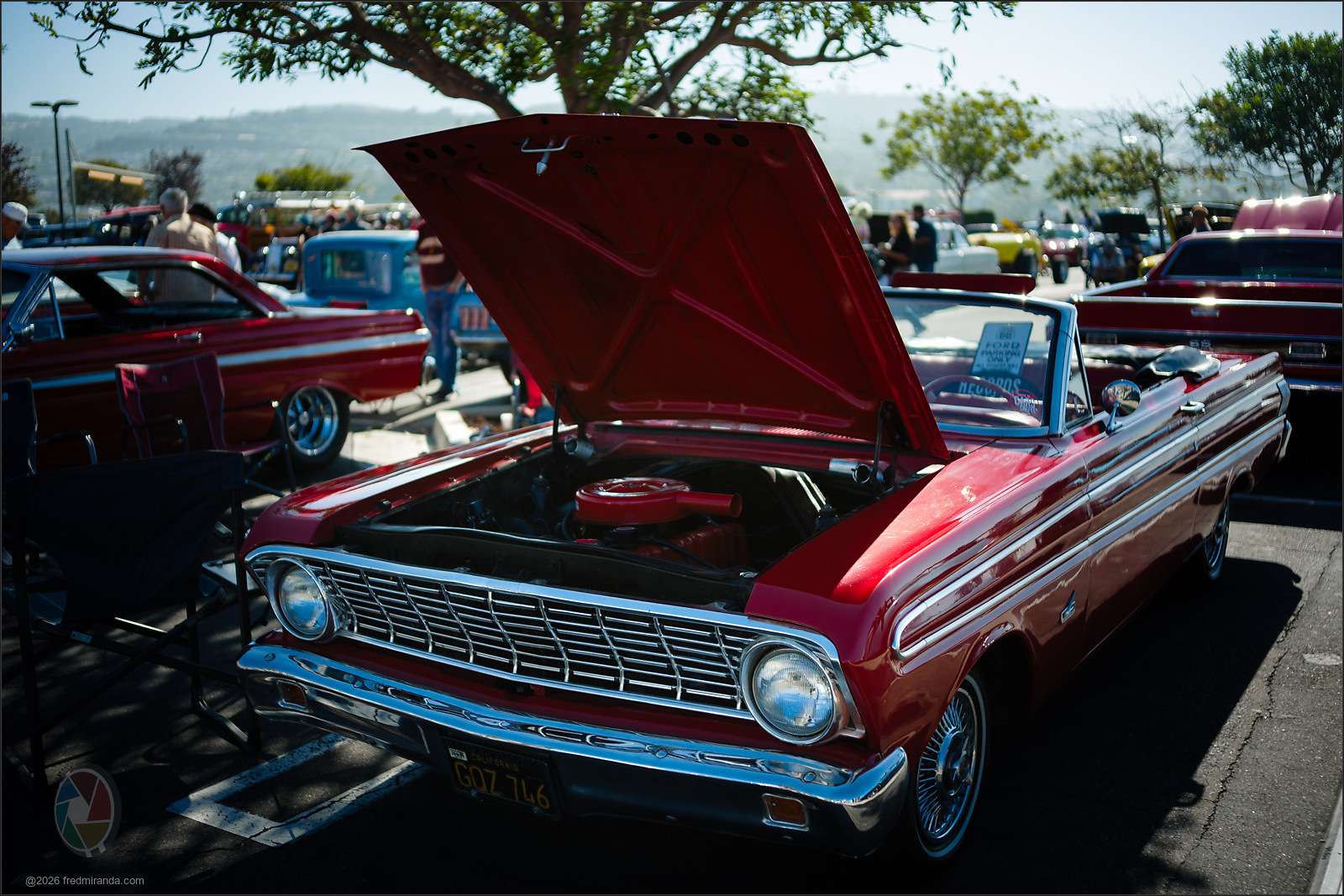
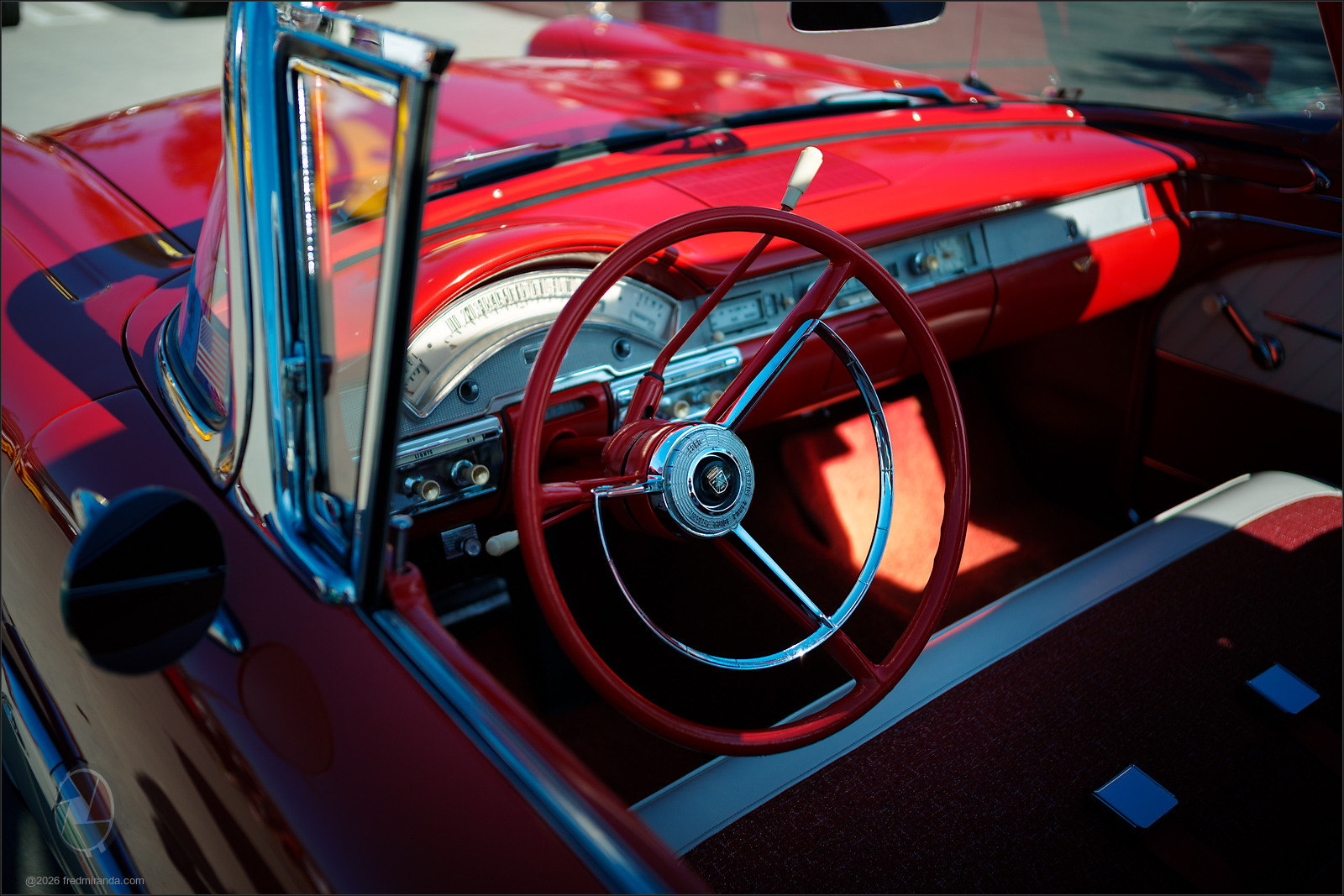
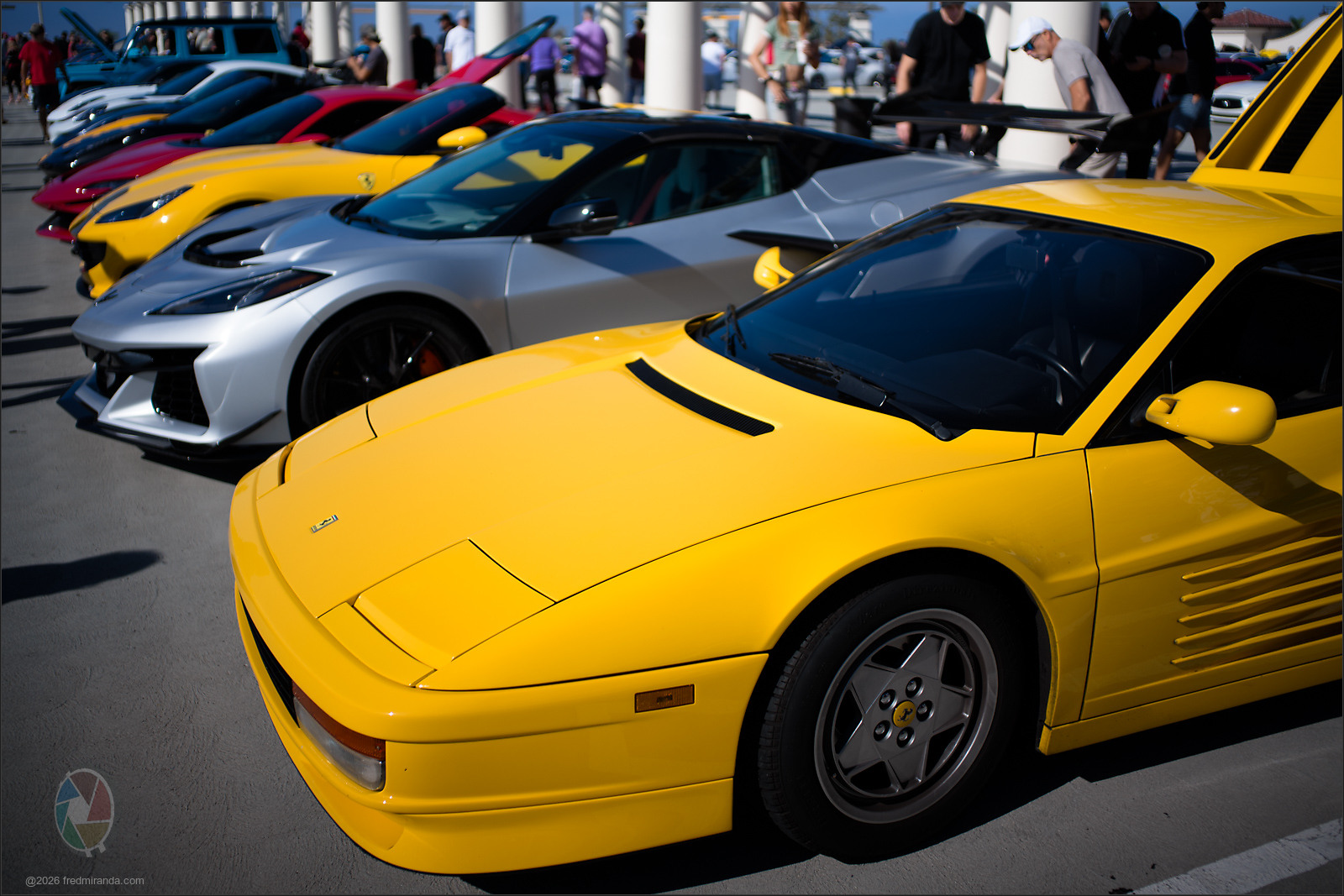
All images were captured wide open at f/2 in early morning light, with subjects positioned at a variety of distances.
Post processing was intentionally kept to a minimum, consisting only of minor sharpening (40, 0.8, 20, 50) and small exposure adjustments. I used the Adobe Color and Monochrome profiles throughout to allow the lens’s natural color rendition and tonal character to shine through.
|
||
 |
||
|
LEICA M10-P Ksana 35mm f/2 ASPH. lens 35mm f/2.0 1/4000s 100 ISO 0.0 EV
|
||
 |
||
|
LEICA M10-P Ksana 35mm f/2 ASPH. lens 35mm f/2.0 1/4000s 100 ISO 0.0 EV
|
||
 |
||
|
LEICA M10-P Ksana 35mm f/2 ASPH. lens 35mm f/2.0 1/2000s 100 ISO 0.0 EV
|
||
 |
||
|
LEICA M10-P Ksana 35mm f/2 ASPH. lens 35mm f/2.0 1/2000s 100 ISO 0.0 EV
|
||
 |
||
|
LEICA M10-P Ksana 35mm f/2 ASPH. lens 35mm f/2.0 1/4000s 100 ISO 0.0 EV
|
||
 |
||
|
LEICA M10-P Ksana 35mm f/2 ASPH. lens 35mm f/2.0 1/4000s 100 ISO 0.0 EV
|
||
 |
||
|
LEICA M10-P Ksana 35mm f/2 ASPH. lens 35mm f/2.0 1/4000s 100 ISO 0.0 EV
|
||
 |
||
|
LEICA M10-P Ksana 35mm f/2 ASPH. lens 35mm f/2.0 1/4000s 100 ISO 0.0 EV
|
||
 |
||
|
LEICA M10-P Ksana 35mm f/2 ASPH. lens 35mm f/2.0 1/4000s 100 ISO 0.0 EV
|
||
 |
||
|
LEICA M10-P Ksana 35mm f/2 ASPH. lens 35mm f/2.0 1/4000s 100 ISO 0.0 EV
|
||
 |
||
|
LEICA M10-P Ksana 35mm f/2 ASPH. lens 35mm f/2.0 1/4000s 100 ISO 0.0 EV
|
||
 |
||
|
LEICA M10-P Ksana 35mm f/2 ASPH. lens 35mm f/2.0 1/4000s 100 ISO 0.0 EV
Sep 29, 2026 at 07:35 PM
p.6 #8Thypoch Ksana 35mm f/2 ASPH. Review
Back to Quick Links
Minimal Focus Distance: Resolution and Contrast
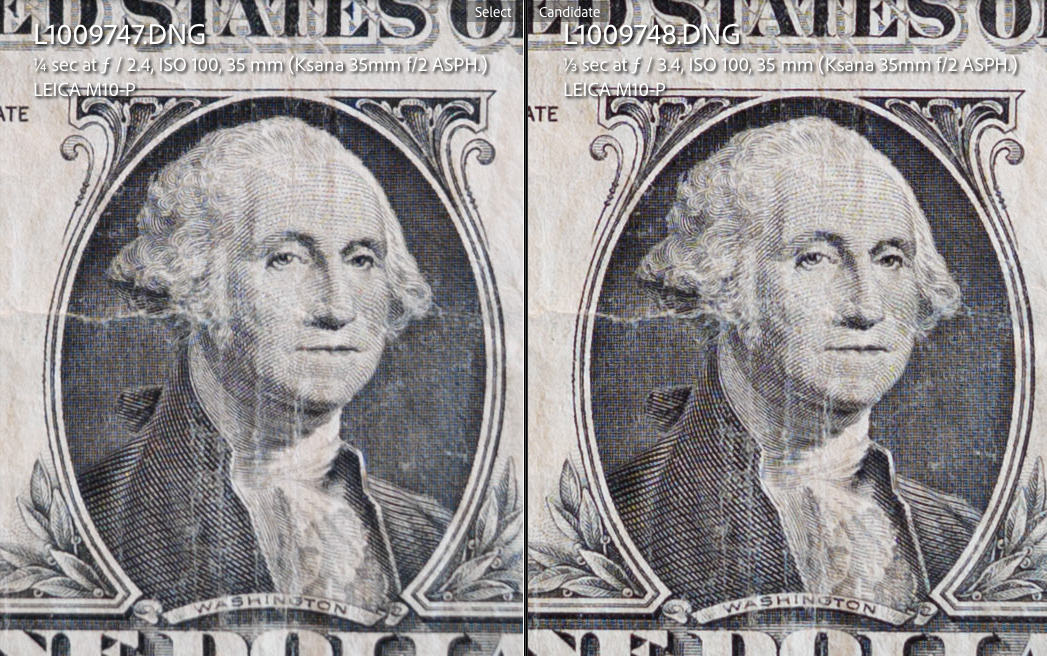
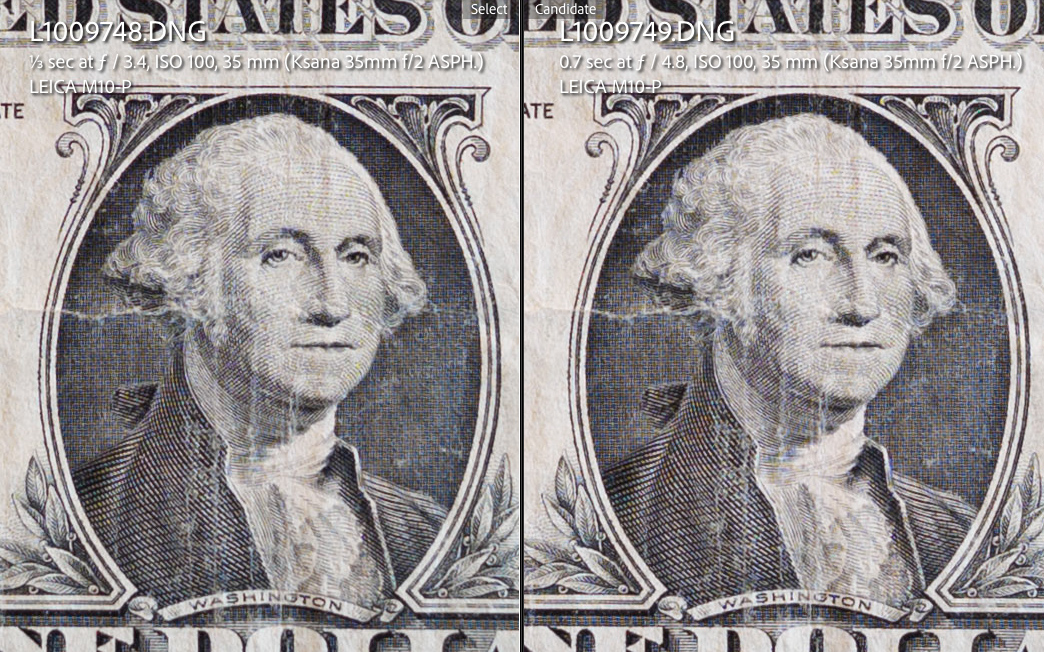
The Thypoch Ksana 35mm f/2 ASPH. focuses down to 0.5m, allowing photographers to utilize the rangefinder's standard 0.7m limit as well as focus closer using live view.
The lens performs extremely well at its 0.5m MFD. Wide open, a touch of spherical aberration slightly reduces contrast, but performance improves incrementally at f/2.8 and f/4 as aberrations clean up.
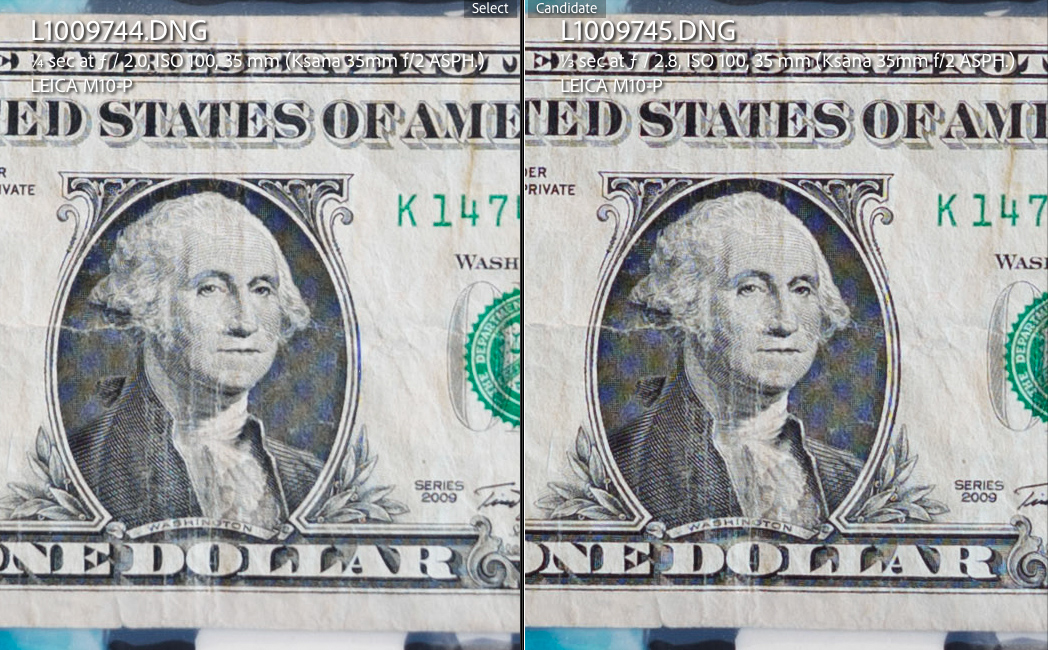
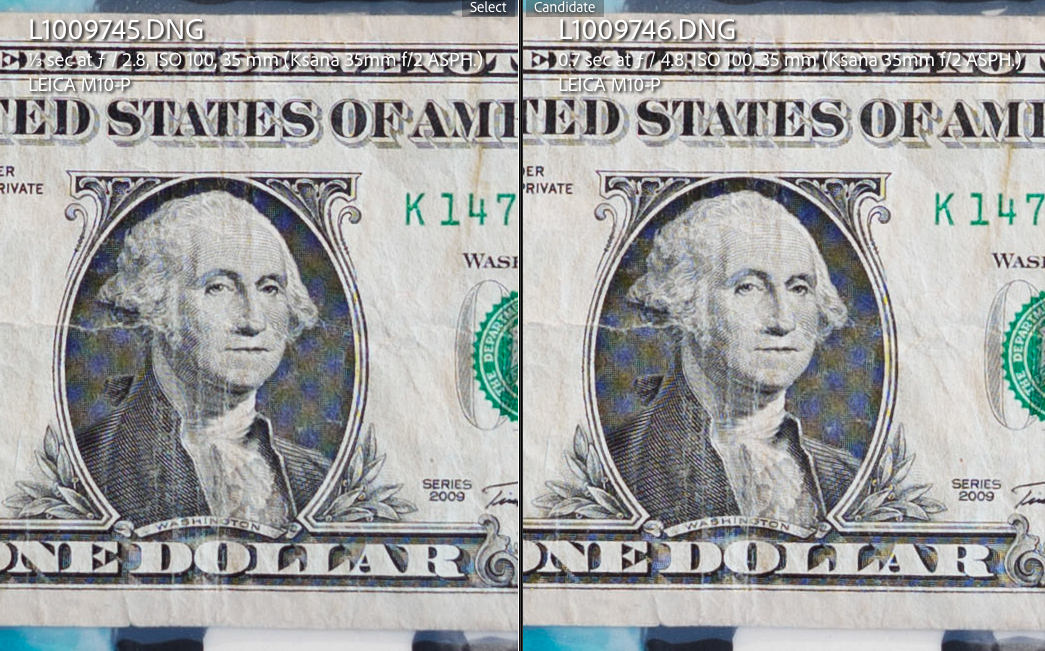
The following sequence illustrates optical performance from f/2 to f/4. Initial focus was set at f/2, and the aperture was then stopped down to f/2.8 and f/4 without refocusing to reveal any potential focus shift. In this test, no focus shift is visible.
At 0.7m MFD using LiveView
 |
||
 |
||
|
f/2 (LEFT), f/2.8 (RIGHT)
|
||
 |
||
|
f/2.8 (LEFT), f/4 (RIGHT)
Oct 02, 2026 at 06:59 PM
p.6 #9Thypoch Ksana 35mm f/2 ASPH. Review
At 0.5m MFD using LiveView
f/2 (LEFT), f/2.8 (RIGHT)
f/2.8 (LEFT), f/4 (RIGHT)
|
||
 |
||
|
f/2 (LEFT), f/2.8 (RIGHT)
|
||
 |
||
|
f/2.8 (LEFT), f/4 (RIGHT)
Oct 02, 2026 at 06:59 PM
p.6 #10Thypoch Ksana 35mm f/2 ASPH. Review
No FLE. Interesting about the lack of curvature on E-mount, one reviewer thought 'in terms of adaptability, it does seem like Thypoch did optimize the optical formula of the Ksana 35mm f/2 to cater to sensors with thicker cover glass.' His examples are close range, in the main. Zhen Siang Yang also mentions it 'shows minimal focus breathing'. Always good, and similar to the 35mm Simera in this respect.
https://fstoppers.com/originals/review-thypoch-latest-compact-m-mount-lens-ksana-35mm-f2-asph-903011
Vincent at 35mmc adds: 'I look forward to seeing what Thypoch does next with the Ksana lineup—perhaps a 50mm or 75mm f2.5 to complement their Simera lenses would be the perfect addition.'
And as we read about the 'Ksana Project', the incipient release of three more from Thypoch (October 8-11) may see longer focal length lenses joining this one. A light 75mm, along the lines of the CV 75/2.5 Color Heliar, would get plenty of interest.
Oct 02, 2026 at 08:34 PM
|
p.6 #11Thypoch Ksana 35mm f/2 ASPH. Review
@fredmiranda
These results look pretty good. Better than some lenses with FLE correction.
Is there quite a bit of field curvature when using the lens at or near MFD? Like the Tamarron lenses have quite good close focus in terms of resolution and contrast in the central part of the frame, but outside of it, there’s pretty significant field curvature, which really lowers the usefulness.
Oct 02, 2026 at 09:52 PM
p.6 #12Thypoch Ksana 35mm f/2 ASPH. Review
Back to Quick Links
Rendering compared to Voigtlander 35mm f/2 Ultron
 |
||
 |
||
|
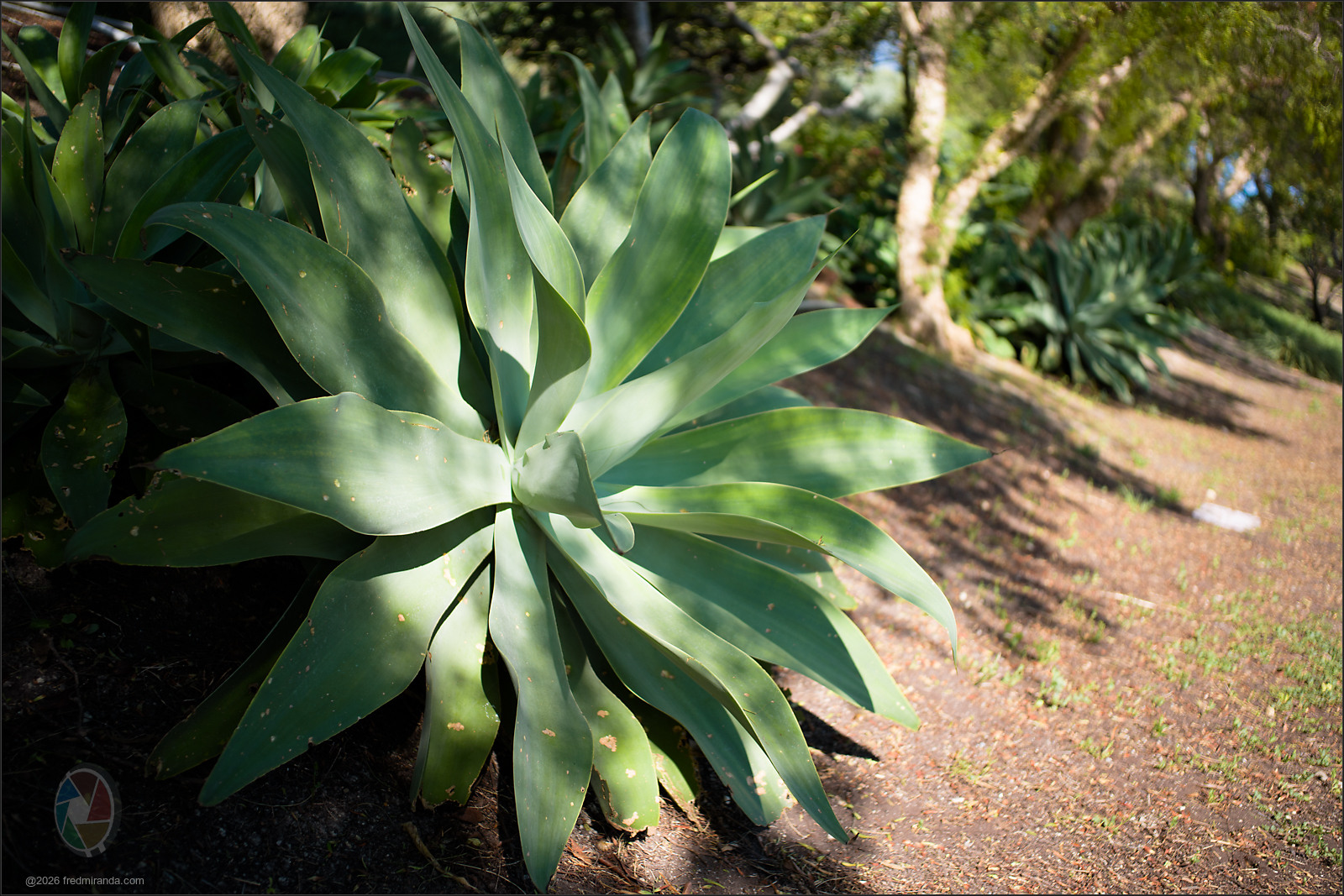
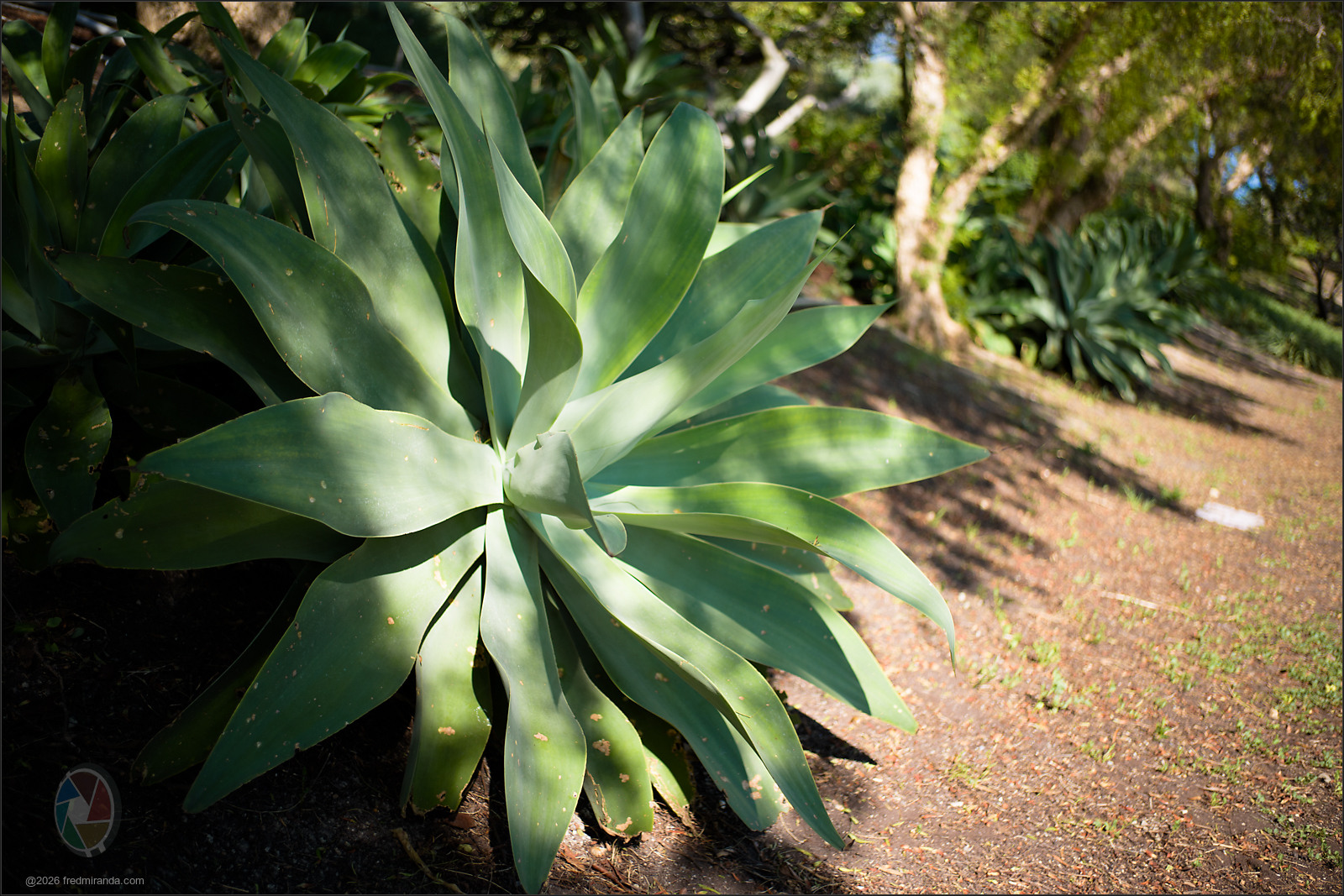
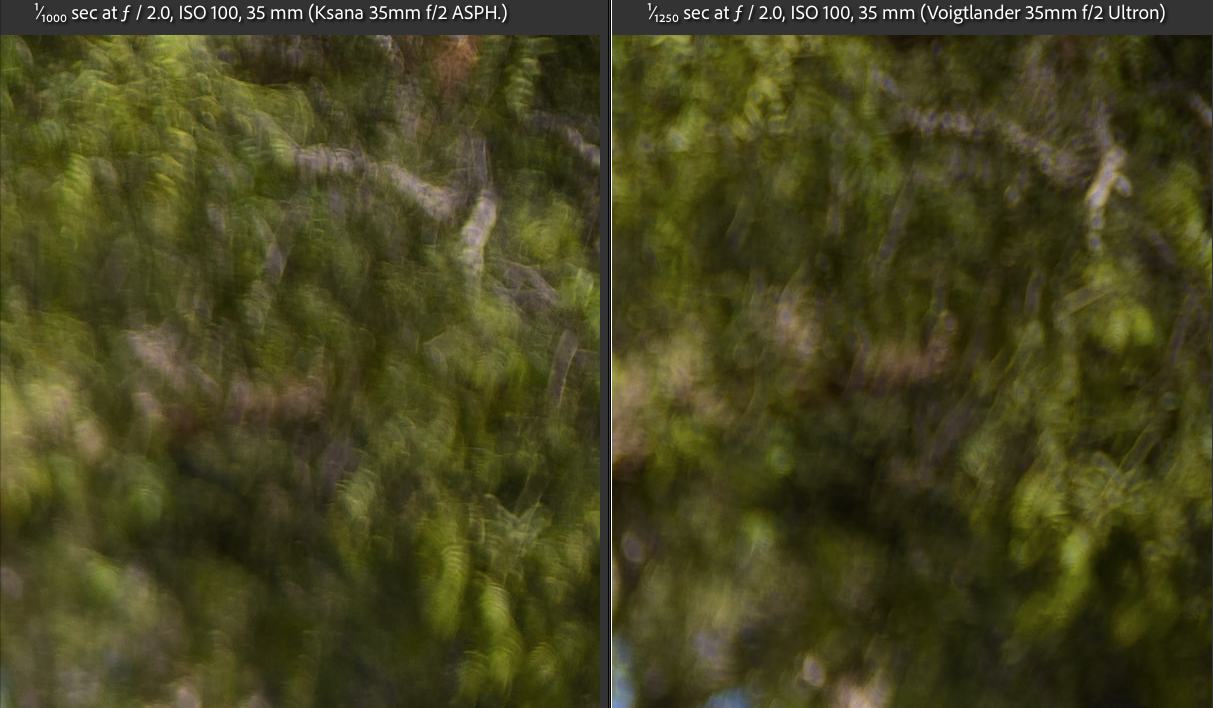
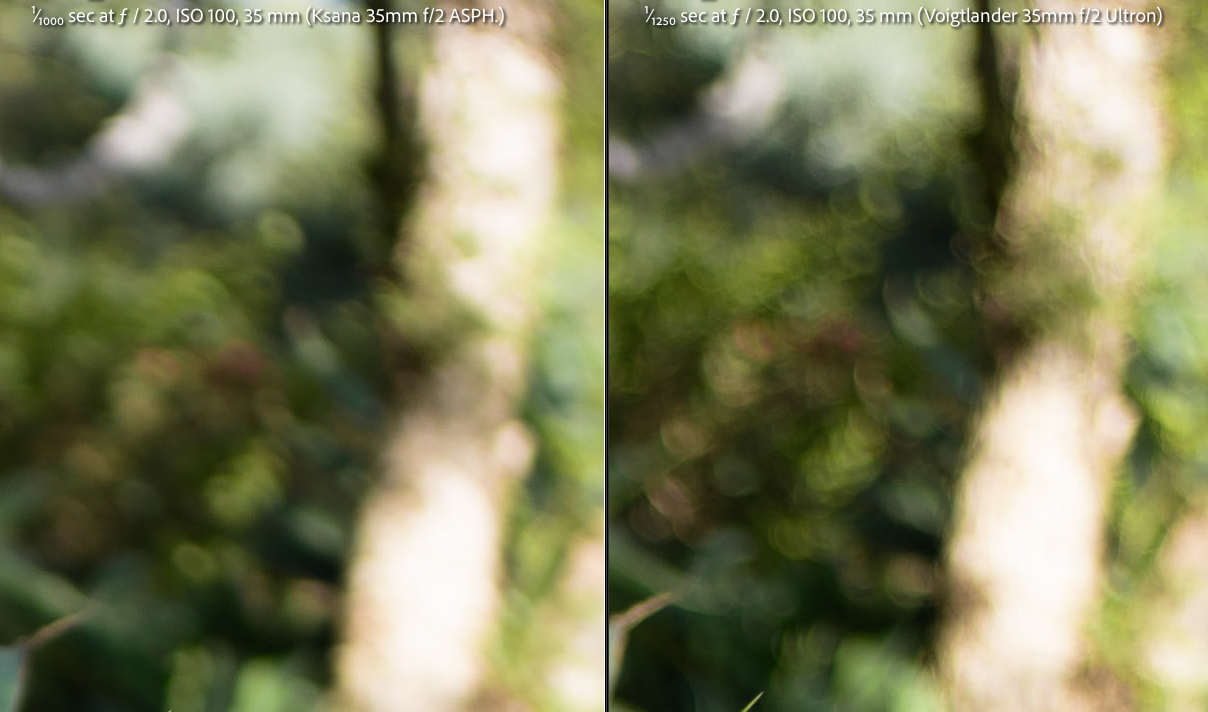
I've owned the Voigtlander 35mm f/2 Ultron for many years and have recently spent several weeks shooting it side by side with the Ksana 35mm f/2 ASPH. At first, I thought the Ksana's rendering was very modern and abstract. At mid and long distances, though, where the focus transition zone is easier to see and less masked by blur, I now think the Ksana has a unique character of its own. Its bokeh outlining is less pronounced than the Ultron's, but the two share a similar look. The Ksana's focus transitions are smoother and less structured across most of the frame. The exception is the corners, where field curvature pulls the out-of-focus areas closer to focus, even more than on the Ultron.
Both lenses are high performing, sharp and contrasty, without tipping into an overly modern or abstract look. Specular highlight rendition isn't identical when you compare them side by side under the same lighting, but they aren't far apart either, especially when the subject isn't very close. Both show low residual spherical aberration wide open and similar color error correction.
I also noticed that the Ksana's angle of view is slightly wider, and its overall temperature and tint cast is more neutral than the Voigtlander's. All in all, you'd get very similar images from either lens as far as overall rendering is concerned. The main differences are that the Ksana shows less outlining in specular highlights and has stronger field curvature.
I hope these comparisons are useful for anyone considering both lenses.
Sample 1: Mid-distance
|
||
 |
||
|
LEICA M10-P Ksana 35mm f/2 ASPH. lens 35mm f/2.0 1/1600s 100 ISO +1.3 EV
|
||
 |
||
|
LEICA M10-P Voigtlander 35mm f/2 Ultron lens 35mm f/2.0 1/1600s 100 ISO +1.3 EV
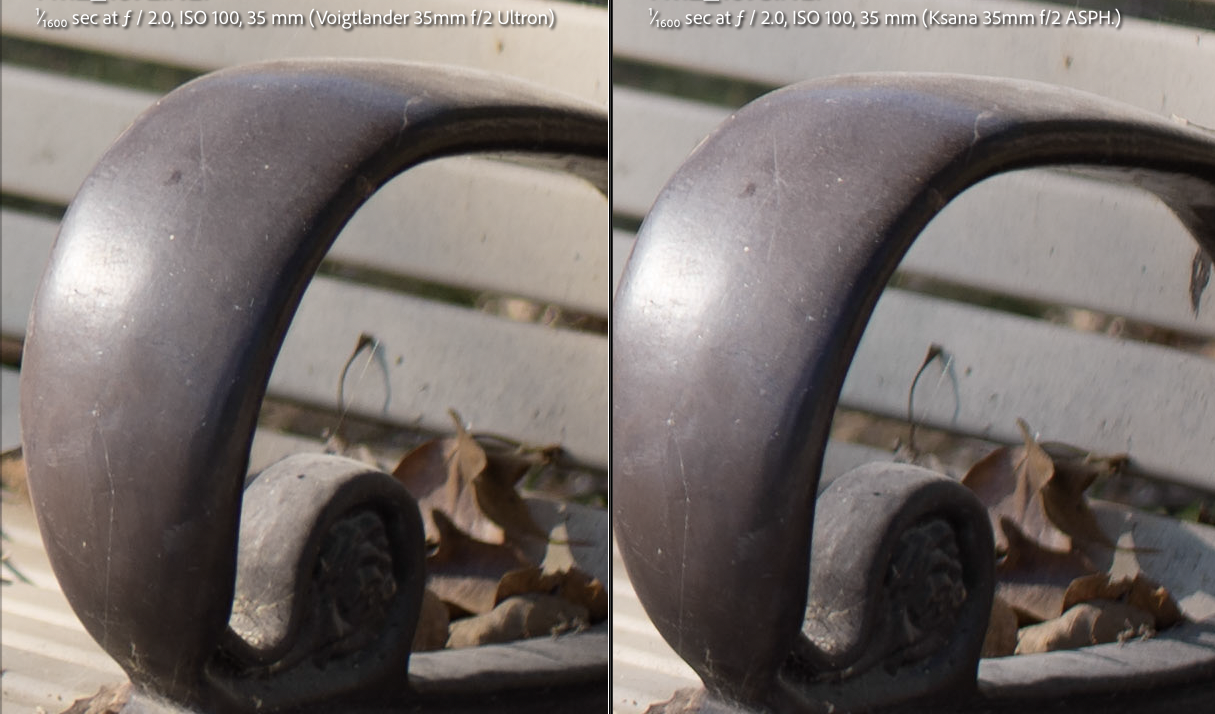
100% magnification (Focused area)
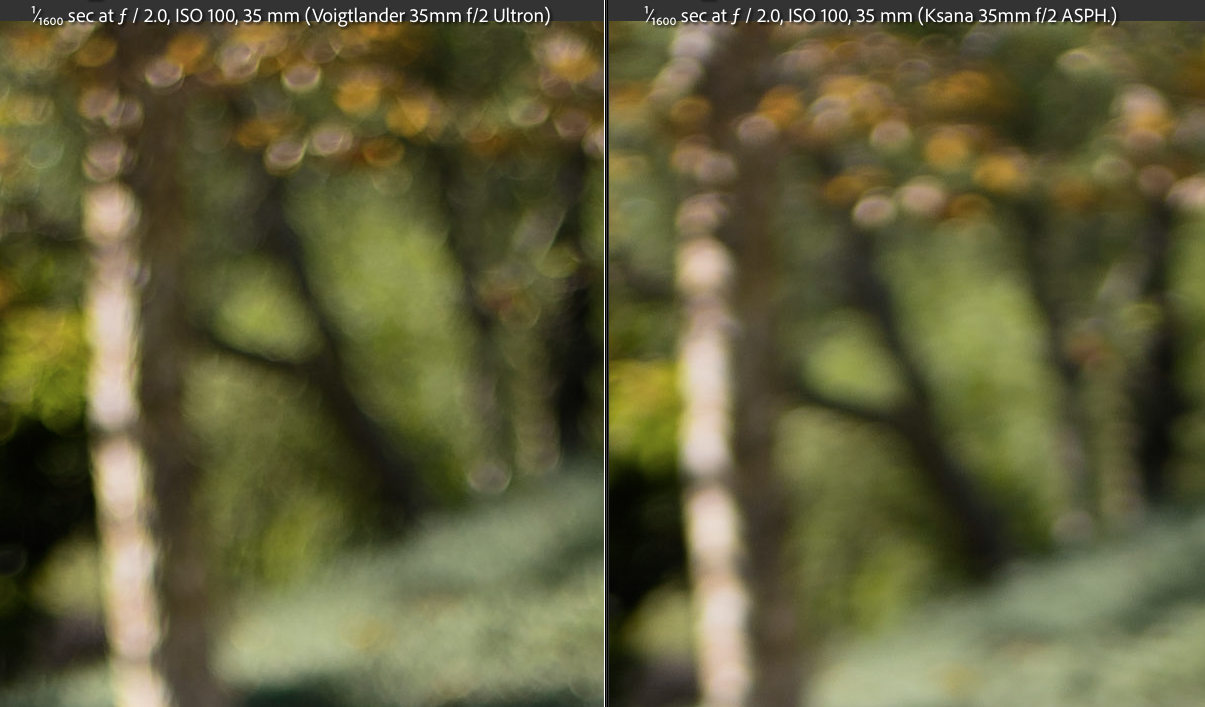
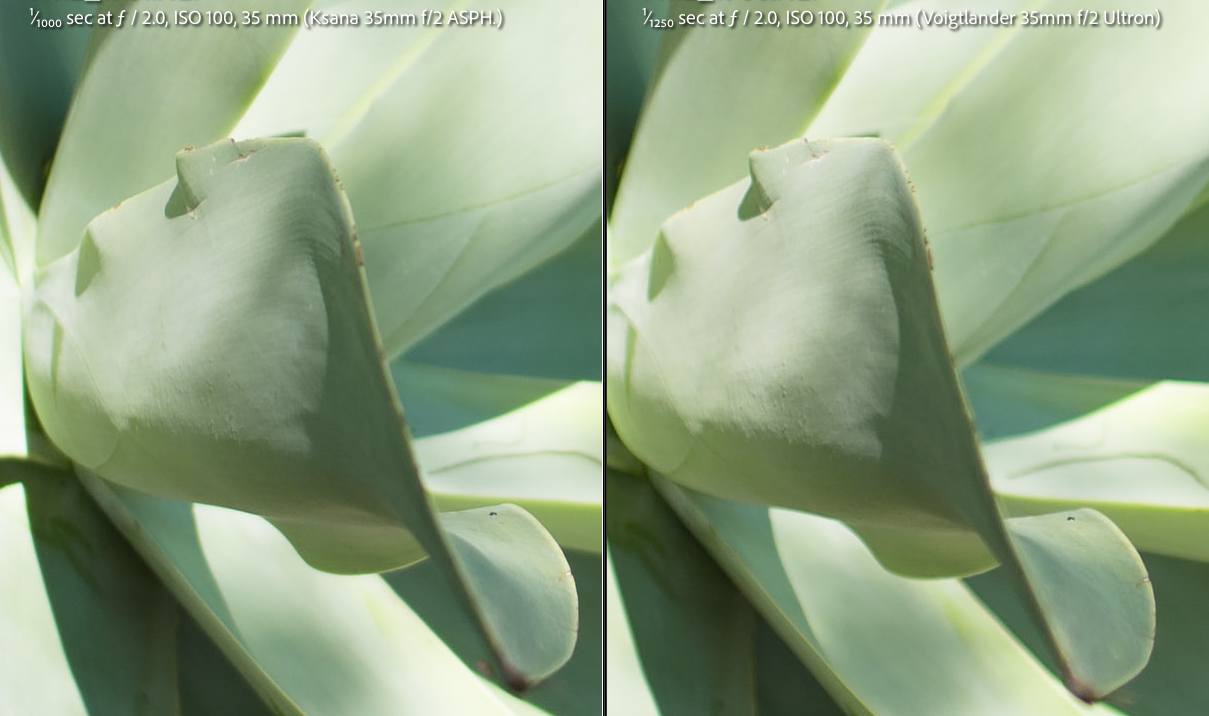
100% crop: The Voigtlander 35mm f/2 Ultron shows stronger bokeh outlining, which contributes to its structured, classic rendering.
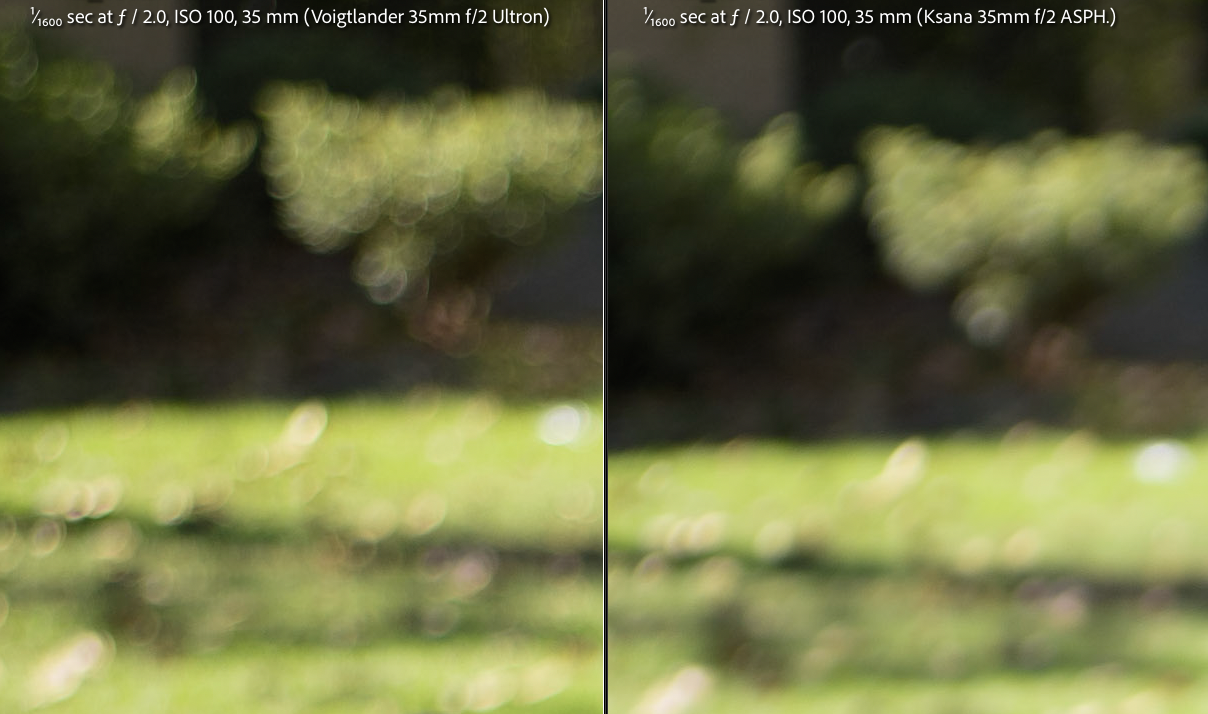
100% crop: The Voigtlander 35mm f/2 Ultron shows stronger bokeh outlining, which contributes to its structured, classic rendering.
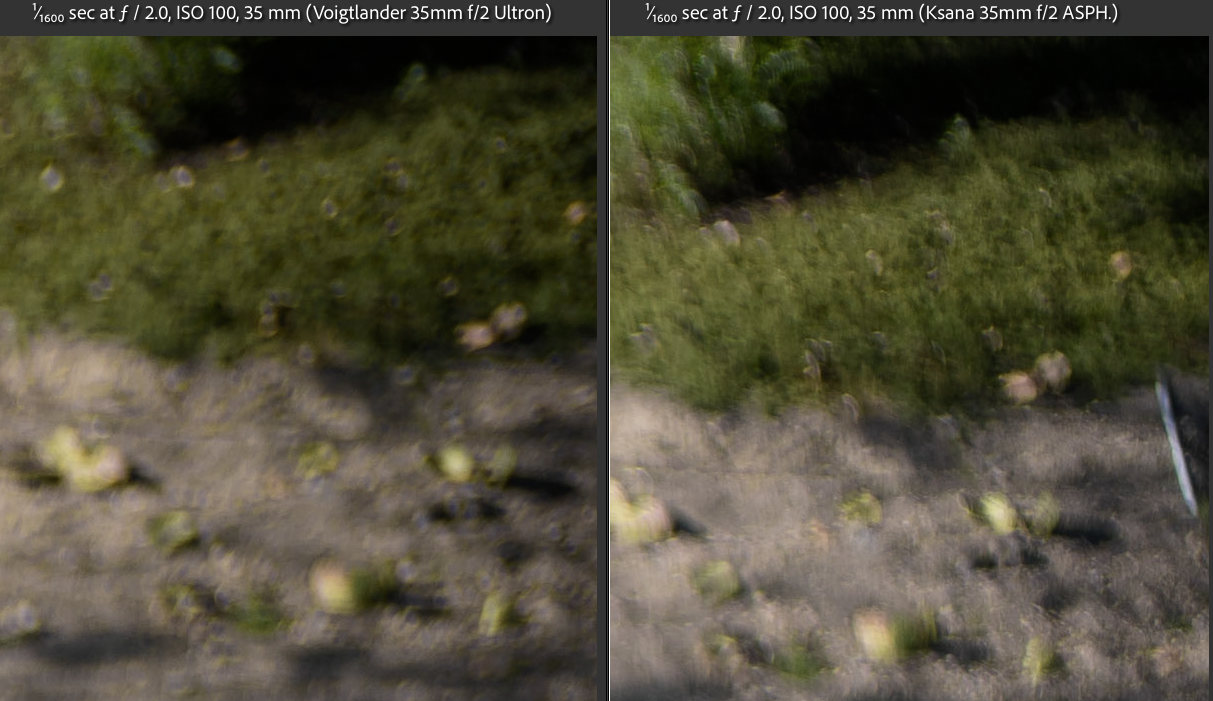
100% crop: The Ksana shows more in-focus corners due to field curvature.
Oct 05, 2026 at 01:04 PM
p.6 #13Thypoch Ksana 35mm f/2 ASPH. Review
Thanks for the comparison, the exact reason I bought the Ksana because I have the Ultron and I really do not like the busy bokeh.
BTW, I wrote to Typoch about my sample being very bad on the right and they have been perfect so far and are analyzing the problem. I will let you know the end of the story.
BTW, I wrote to Typoch about my sample being very bad on the right and they have been perfect so far and are analyzing the problem. I will let you know the end of the story.
Oct 05, 2026 at 01:11 PM
p.6 #14Thypoch Ksana 35mm f/2 ASPH. Review
Sample 2: ~1.2m
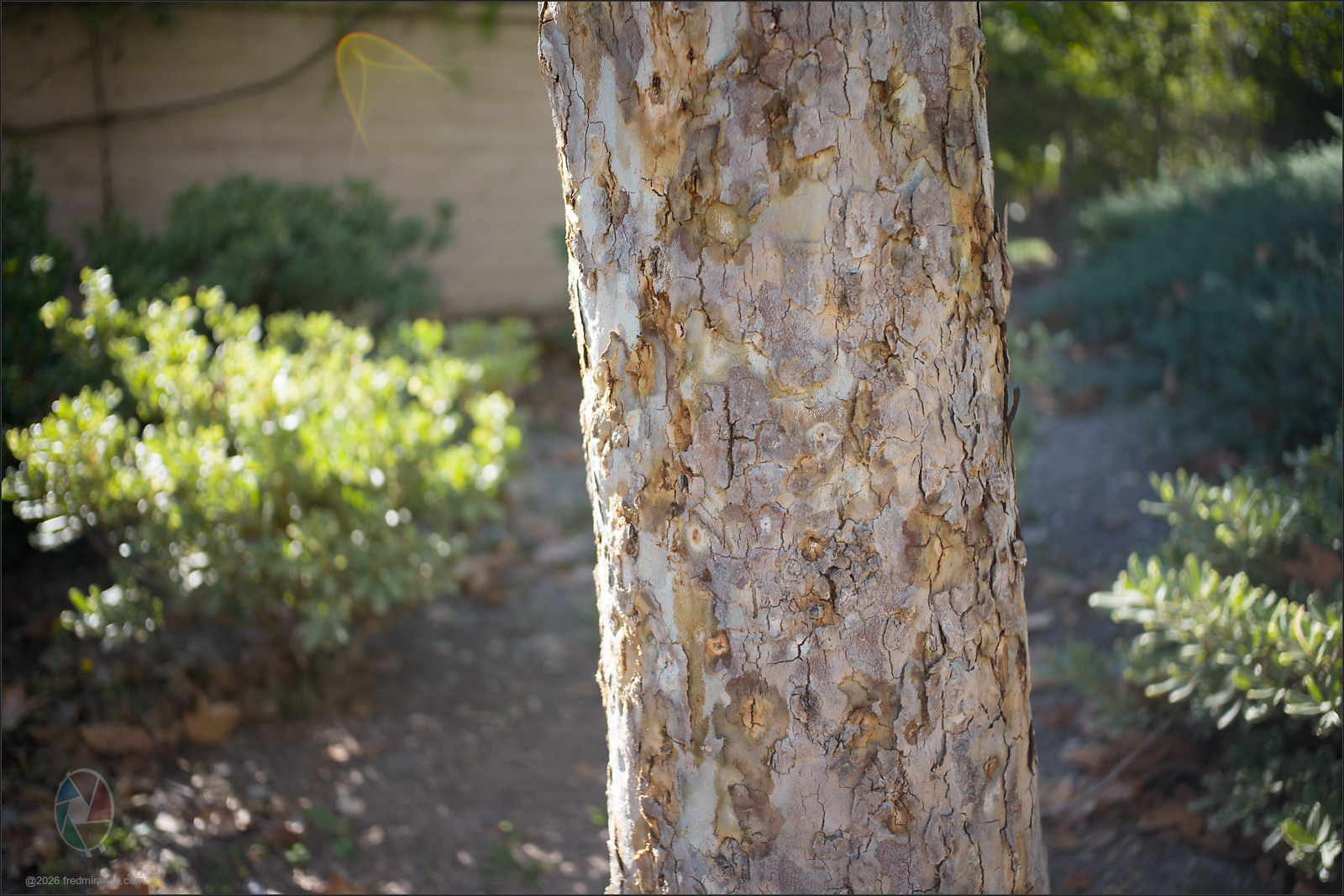
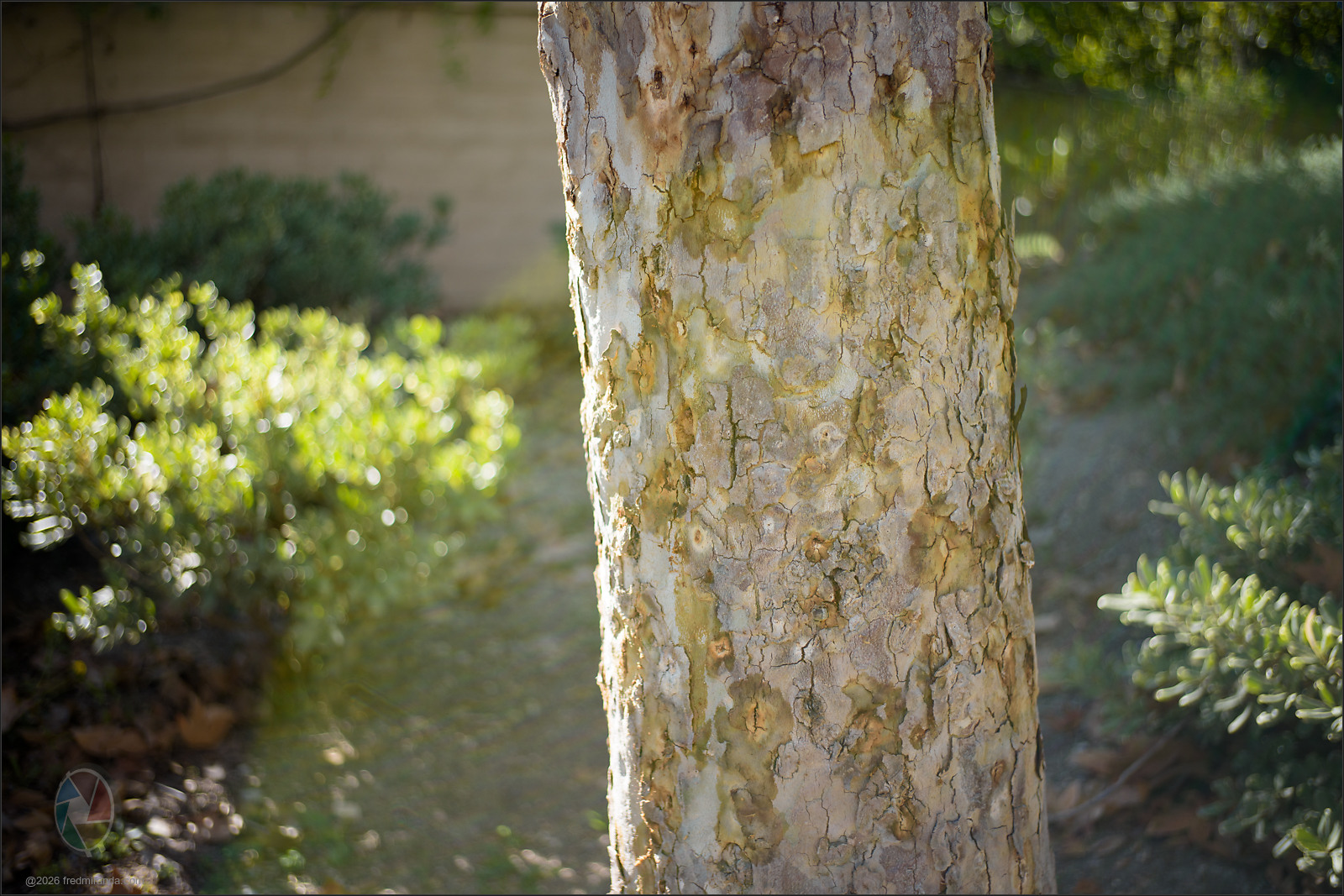
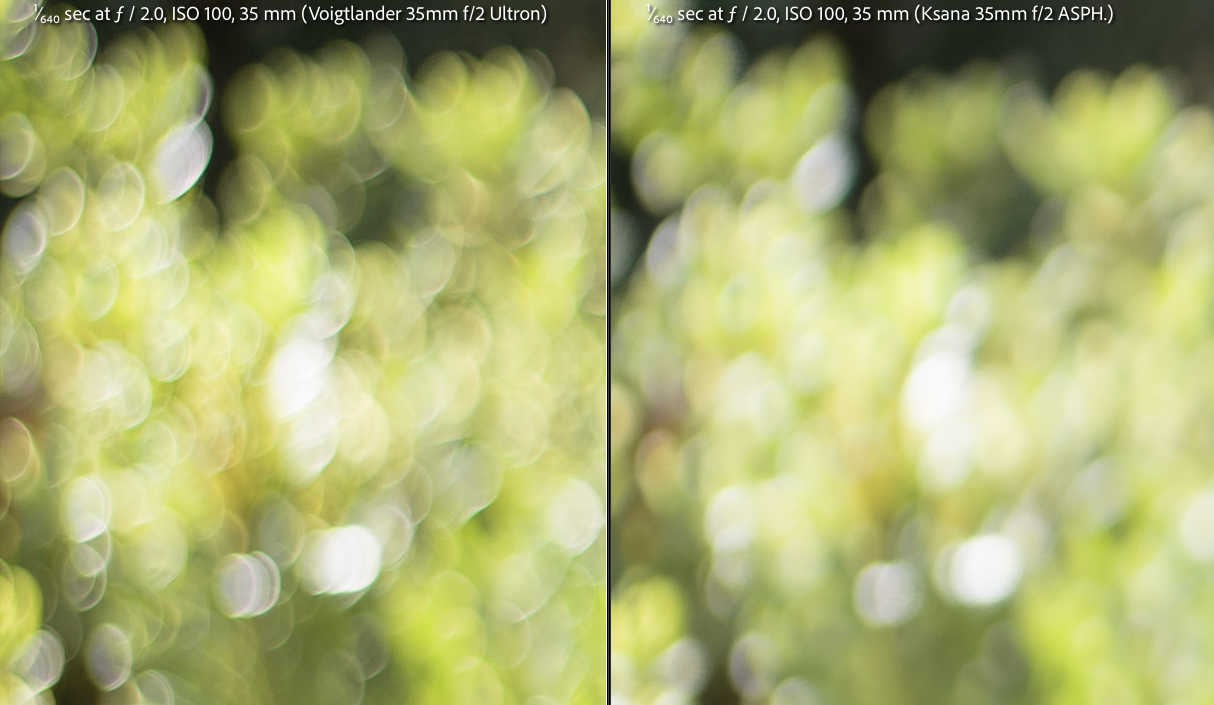
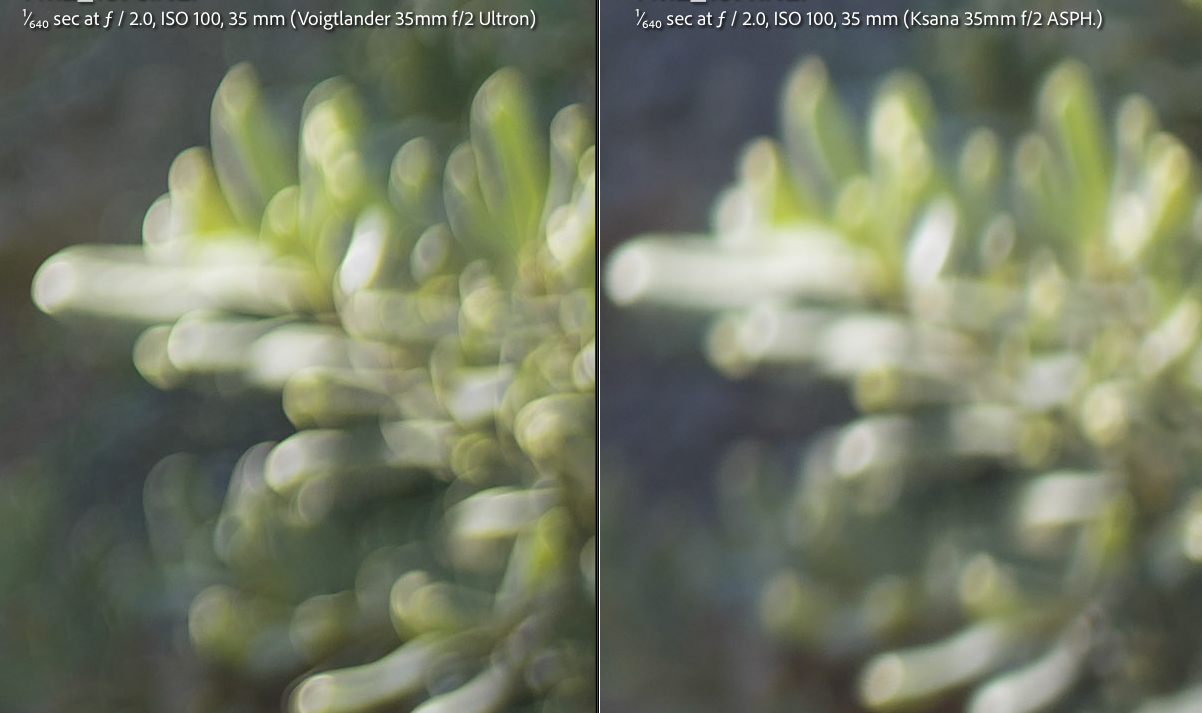
In many of my tests, the Voigtlander 35mm f/2 Ultron has been more prone to veiling flare than the Thypoch Ksana 35mm f/2 ASPH. That may surprise people, since Voigtlander is known for coatings that resist flare well, but the Ultron is an exception.
The Ksana is actually marketed as producing a pleasant veiling flare thanks to its EPOCH Coating 84'. As you can see here, though, it's the Voigtlander that shows the veiling, while the Ksana resists it and only produces a ghosting blob in the frame.
100% magnification
100% magnification
In many of my tests, the Voigtlander 35mm f/2 Ultron has been more prone to veiling flare than the Thypoch Ksana 35mm f/2 ASPH. That may surprise people, since Voigtlander is known for coatings that resist flare well, but the Ultron is an exception.
The Ksana is actually marketed as producing a pleasant veiling flare thanks to its EPOCH Coating 84'. As you can see here, though, it's the Voigtlander that shows the veiling, while the Ksana resists it and only produces a ghosting blob in the frame.
|
||
 |
||
|
LEICA M10-P Ksana 35mm f/2 ASPH. lens 35mm f/2.0 1/640s 100 ISO +0.7 EV
|
||
 |
||
|
LEICA M10-P Voigtlander 35mm f/2 Ultron lens 35mm f/2.0 1/640s 100 ISO +0.7 EV
|
||
 |
||
|
100% magnification
|
||
 |
||
|
100% magnification
Oct 05, 2026 at 01:15 PM
p.6 #15Thypoch Ksana 35mm f/2 ASPH. Review
Sample 3: ~1.5m
100% magnification (Focused area)
100% crop: Unevenness in rendering due to the more pronounced field curvature.
100% magnification crop comparison (pixel level)
|
||
 |
||
|
|
||
 |
||
|
|
||
 |
||
|
100% magnification (Focused area)
|
||
 |
||
|
100% crop: Unevenness in rendering due to the more pronounced field curvature.
|
||
 |
||
|
100% magnification crop comparison (pixel level)
Oct 05, 2026 at 01:21 PM
p.6 #16Thypoch Ksana 35mm f/2 ASPH. Review
Back to Quick Links
Flare Resistance
Thypoch is very emphatic about the Ksana's EPOCH Coating '84 being one of its key differentiators. According to them, the multilayer coating on the Ksana 35mm f/2 ASPH, inspired by 1980s Olympus Zuiko lenses, allows a controlled amount of light interaction when you push into strong light sources, instead of aggressively suppressing everything. The idea is a slight warmth and a gentle glow in certain situations, especially when shooting against the light, with hints of golden and purple flare depending on angle and intensity, while still keeping solid contrast and good transmission for modern sharpness. In their words, it lands in a useful middle ground between high image quality and a bit of atmospheric veiling when conditions call for it.
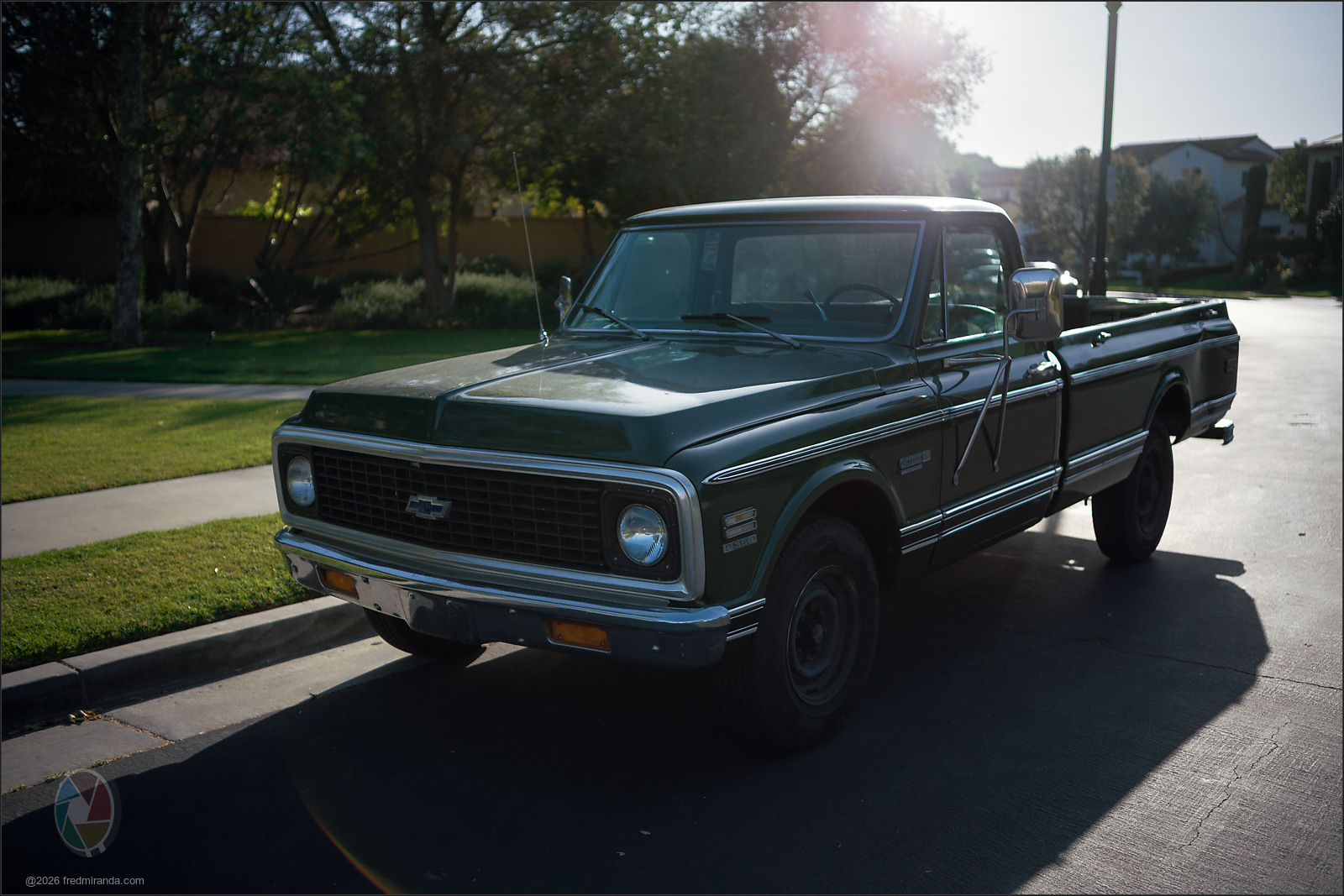
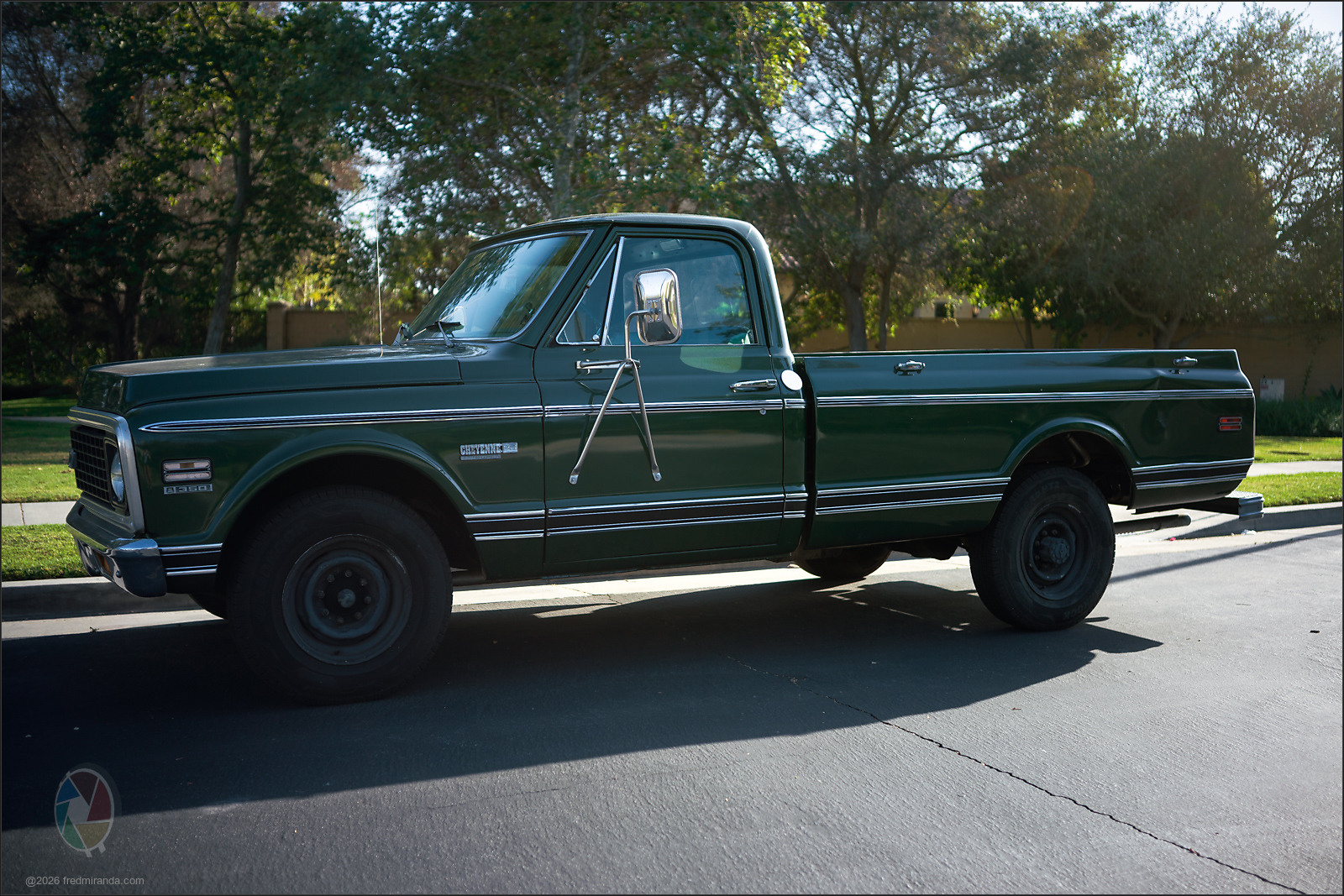
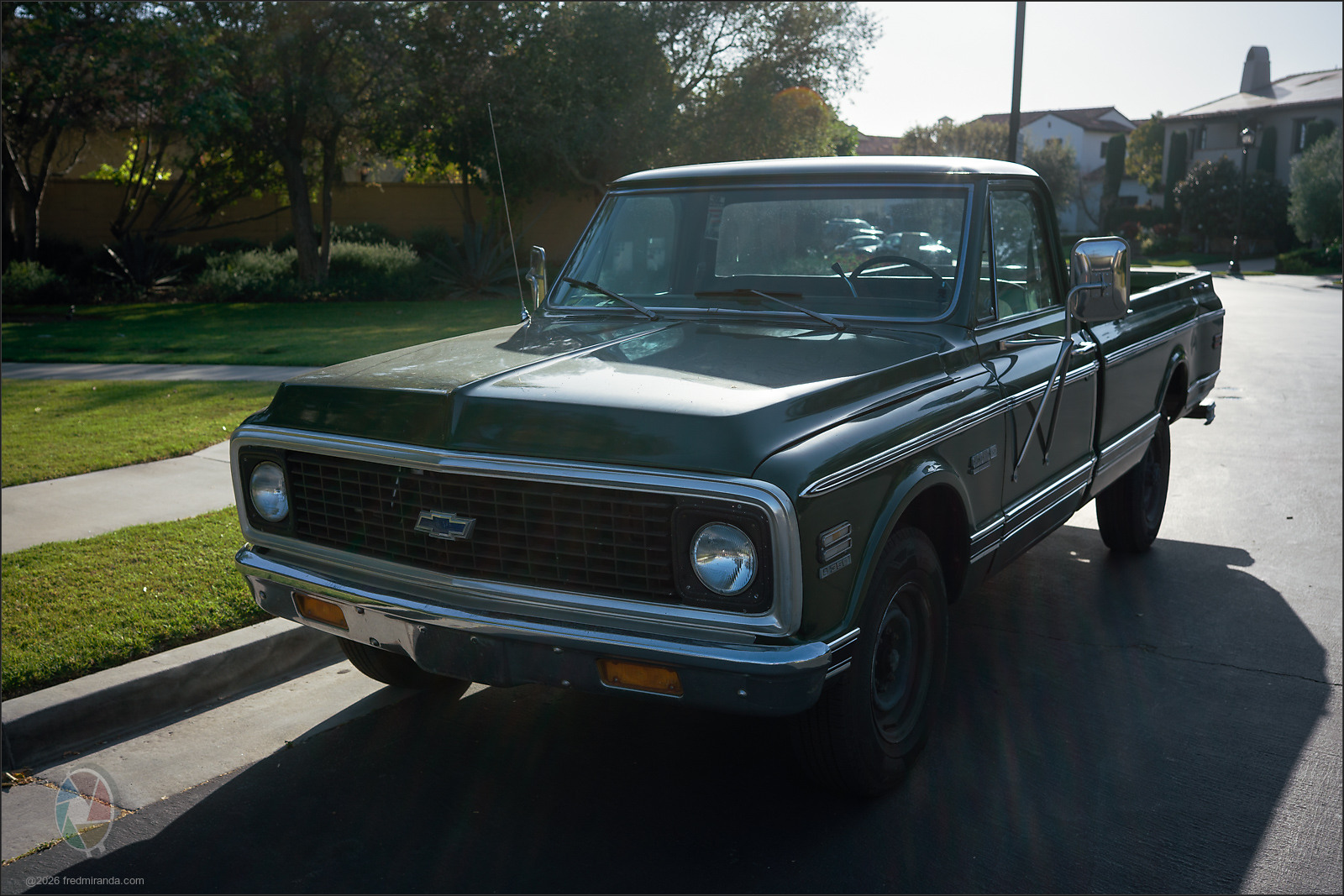
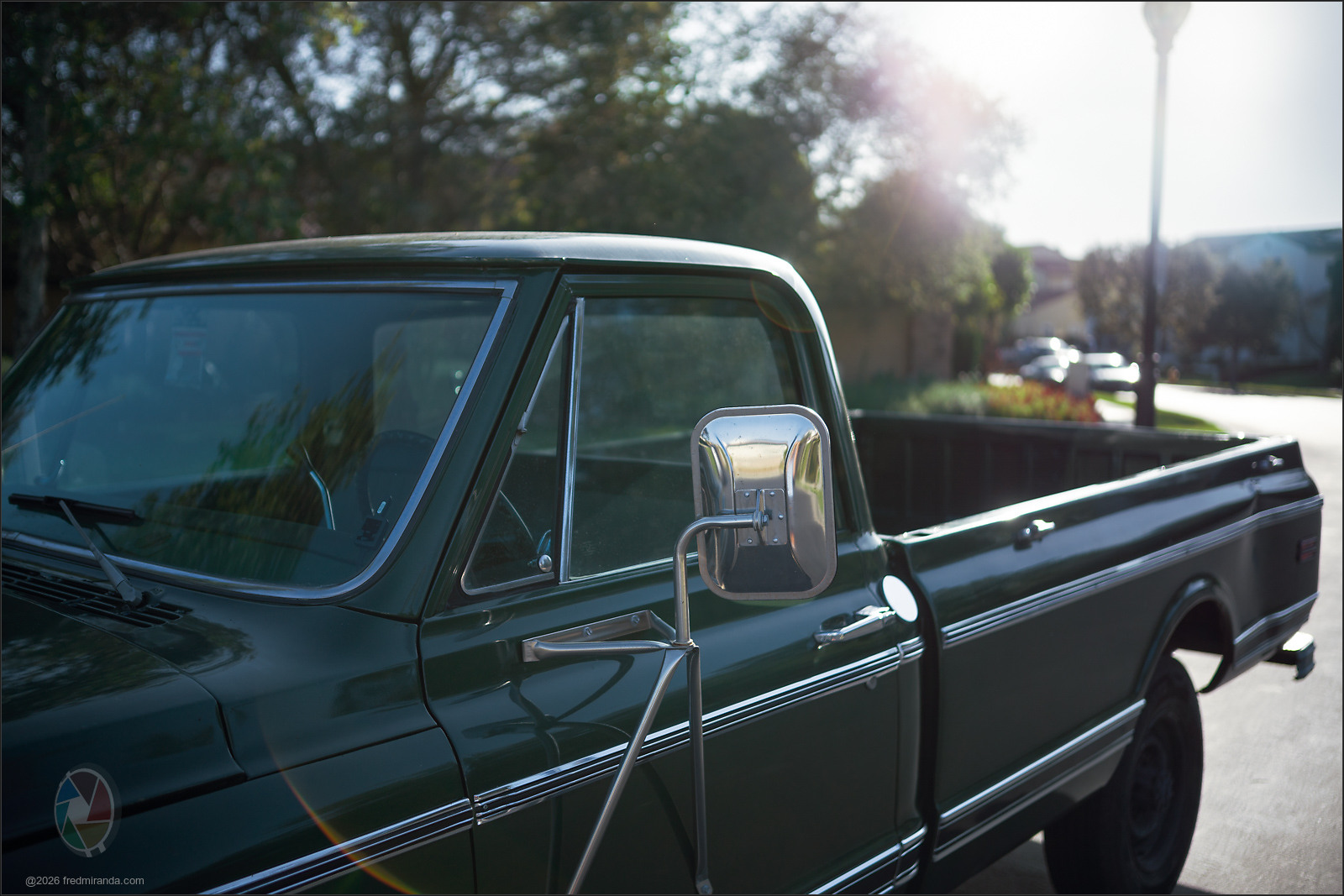
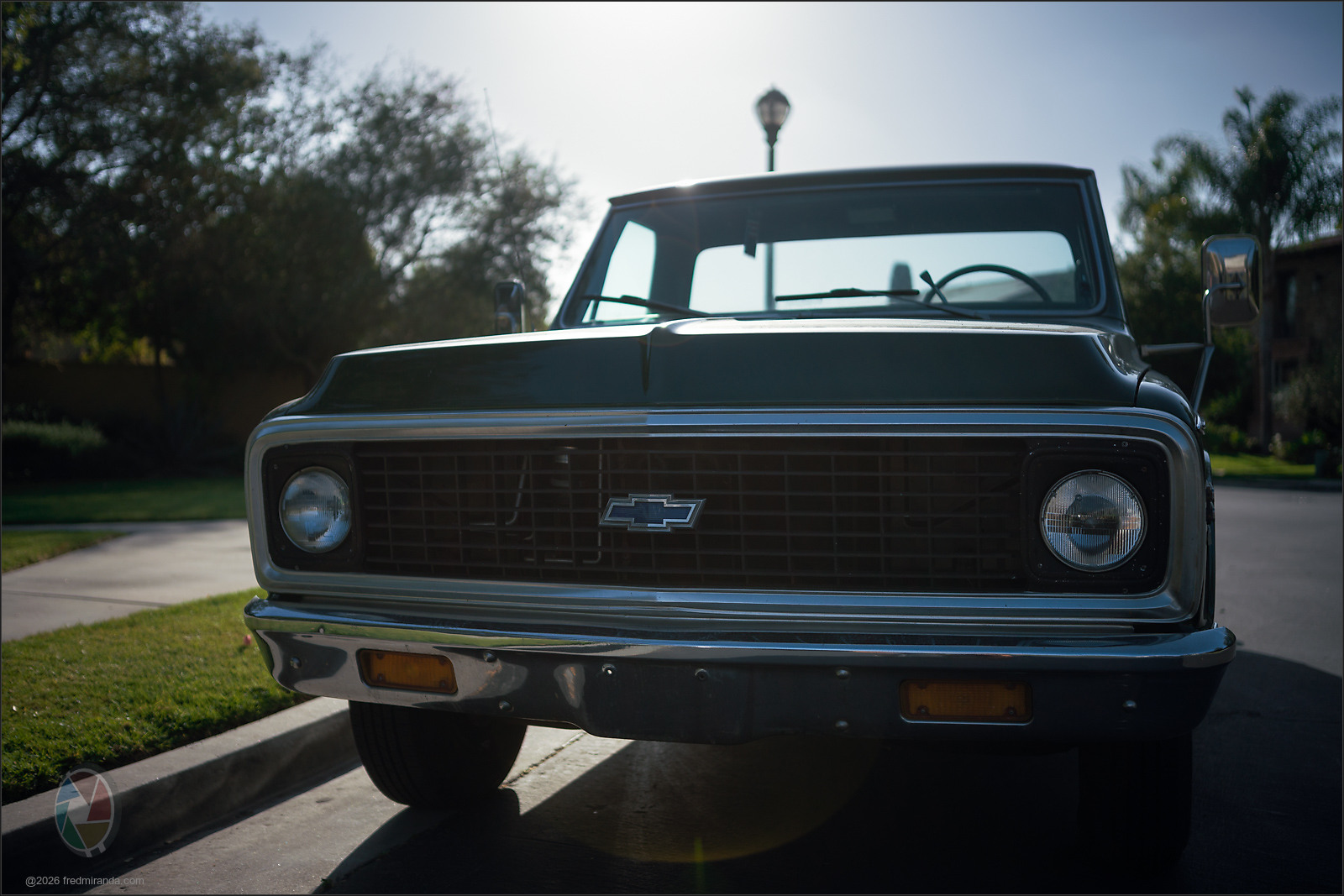
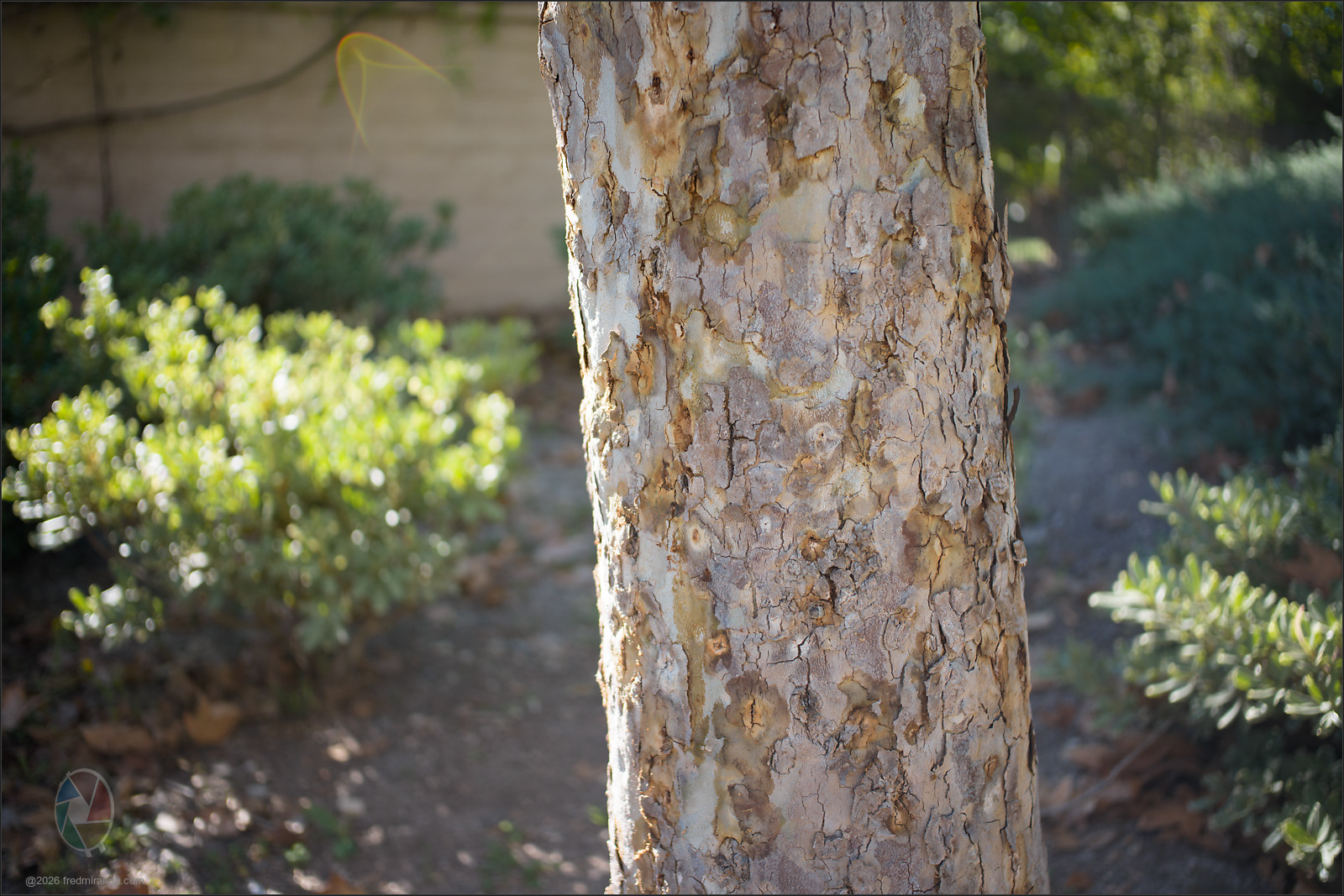
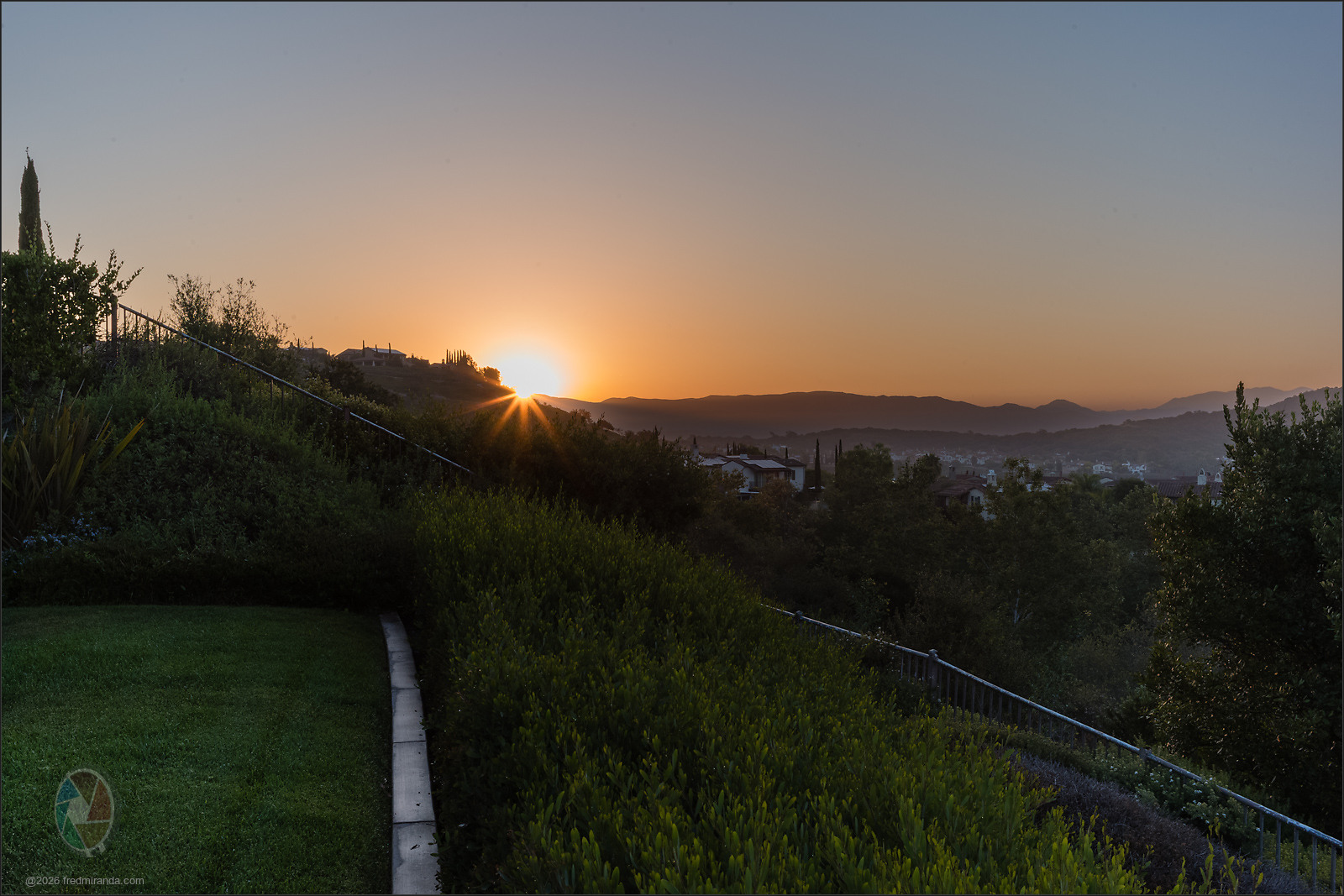
But how does that translate to real shooting, in images made against the light? Honestly, I don't see much of an advantage.
Yes, the lens produces some ghosting, like many others do, but in my tests it resists veiling flare very well, even better than other lenses in its class (Including the Voigtlander 35mm f/2 Ultron). That makes it a strong performer against the light, just not in the way the marketing describes.
Here are some samples where I tried very hard to make the lens flare:
|
||
 |
||
|
LEICA M10-P Thypoch Ksana 35mm f/2 Aspherical lens 35mm 1/4000s 100 ISO -1.7 EV
|
||
 |
||
|
LEICA M10-P Thypoch Ksana 35mm f/2 Aspherical lens 35mm 1/2000s 100 ISO -1.7 EV
|
||
 |
||
|
LEICA M10-P Thypoch Ksana 35mm f/2 Aspherical lens 35mm 1/800s 100 ISO -1.7 EV
|
||
 |
||
|
LEICA M10-P Thypoch Ksana 35mm f/2 Aspherical lens 35mm 1/3200s 100 ISO -1.7 EV
|
||
 |
||
|
LEICA M10-P Thypoch Ksana 35mm f/2 Aspherical lens 35mm 1/4000s 100 ISO -1.7 EV
|
||
 |
||
|
LEICA M10-P Thypoch Ksana 35mm f/2 Aspherical lens 35mm 1/4000s 100 ISO -1.7 EV
|
||
 |
||
|
LEICA M10-P Ksana 35mm f/2 ASPH. lens 35mm f/2.0 1/640s 100 ISO +0.7 EV
|
||
 |
||
|
LEICA M10-P Thypoch Ksana 35mm f/2 Aspherical lens 35mm f/4.8 1/45s 100 ISO -2.0 EV
Oct 05, 2026 at 01:42 PM
p.6 #17Thypoch Ksana 35mm f/2 ASPH. Review
Back to Quick Links
Chromatic Aberration Control
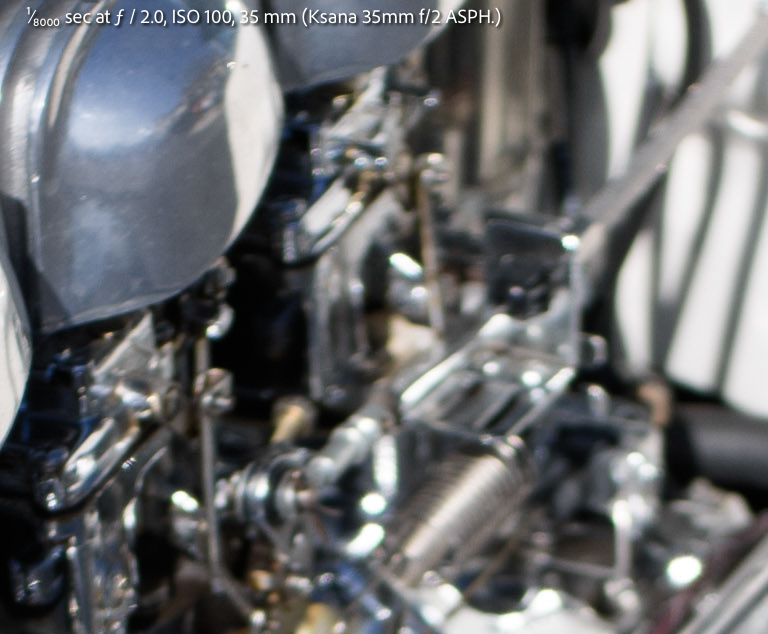
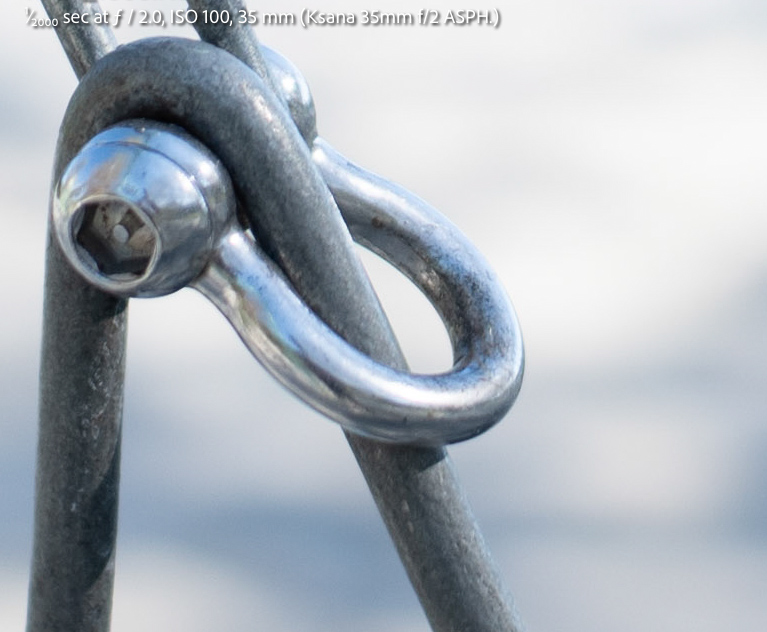
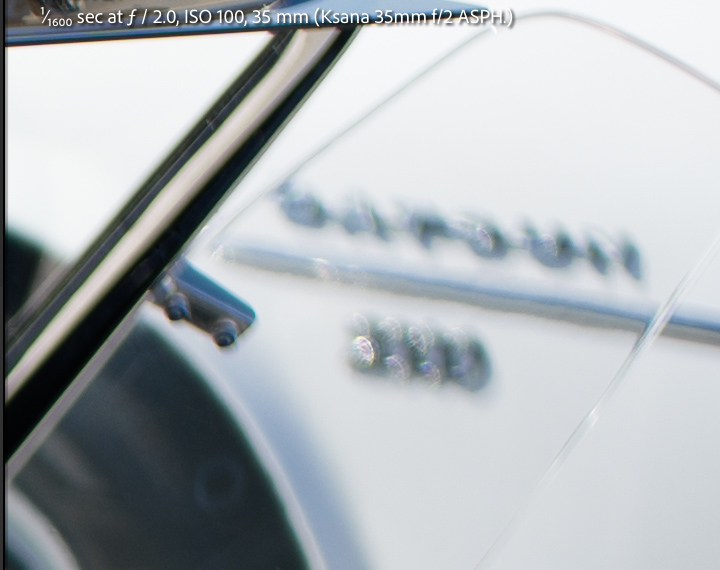
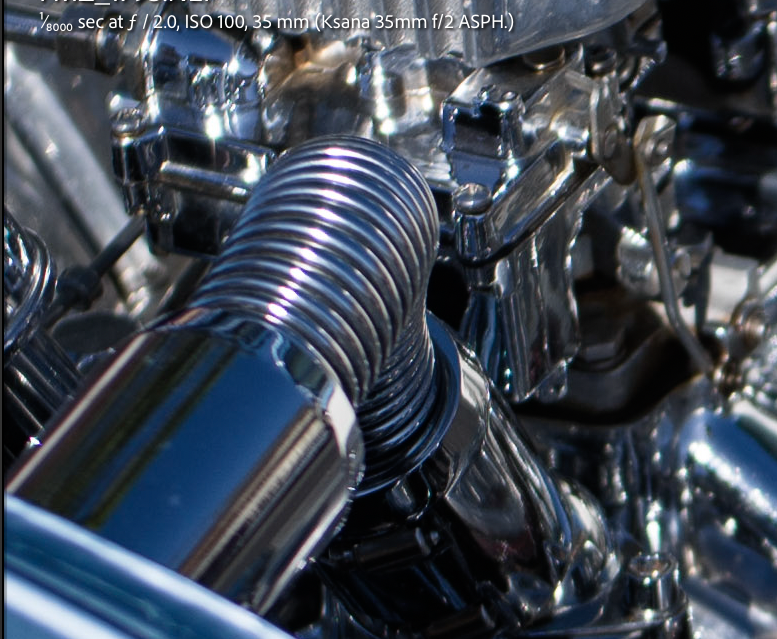
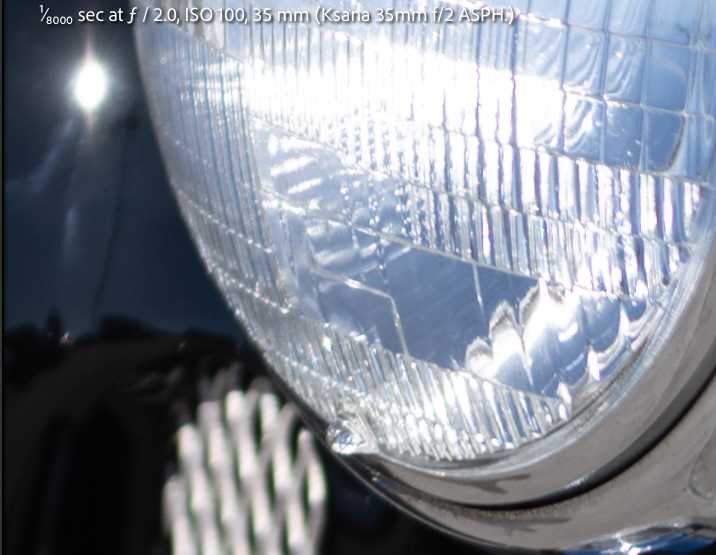
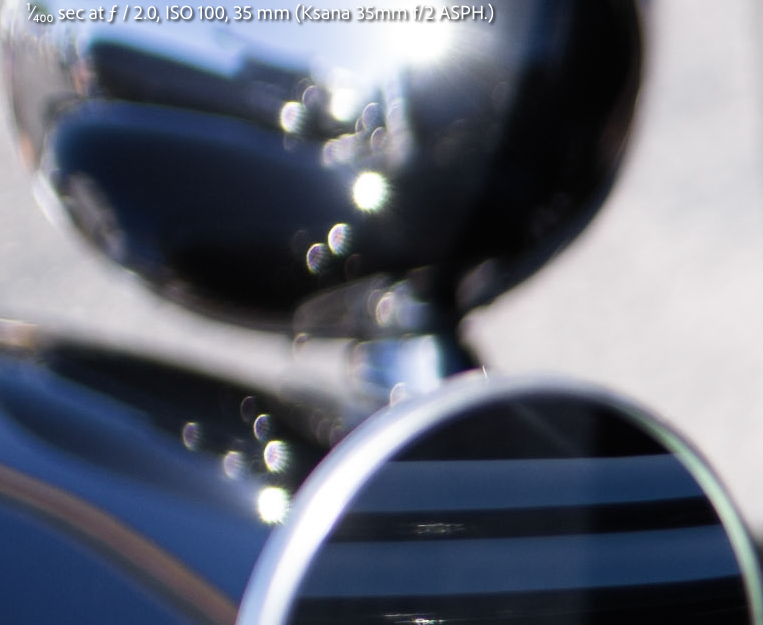
Most 35mm f/2 lenses are better corrected for axial chromatic aberration than faster f/1.4 designs, but the Ksana 35mm f/2 ASPH. does better than average here, delivering excellent color error control, especially for a lens with an almost pancake size. Its chromatic aberration performance stands out as one of its biggest strengths.
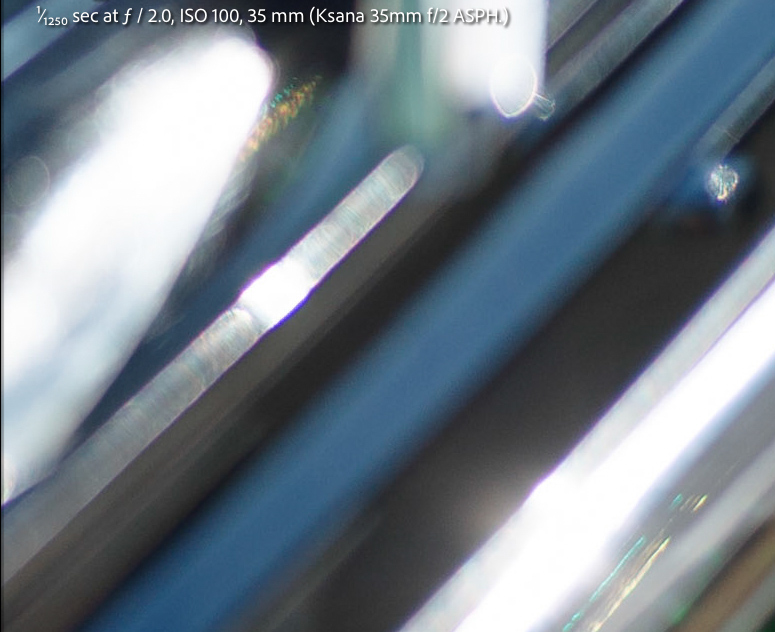
Below are a few 100% crops showing how axial chromatic aberration is handled. In most of them, the green fringing behind the focus area (in the out-of-focus background) and the magenta fringing in front of it are very clean, with only traces visible.
That said, since this is not an apochromatic lens, you can still expect to see some fringing in areas of extreme high contrast. All in all, it's a great performer as far as color aberration is concerned.
|
||
 |
||
|
Traces of green fringing behind the plane of focus
|
||
 |
||
|
Lack of purple fringing at focus area
|
||
 |
||
|
Lack of green fringing behind the plane of focus
|
||
 |
||
|
Some magenta fringing at very high contrast area.
|
||
 |
||
|
Purple fringing spotted here (extreme condition)
|
||
 |
||
|
Lack of purple fringing on this frame
|
||
 |
||
|
Traces of magenta fringing in front of the plane of focus
Oct 05, 2026 at 02:13 PM
p.6 #18Thypoch Ksana 35mm f/2 ASPH. Review
Thypoch Ksana 35mm f/2 ASPH. -- Read the Full Review
Final Thoughts
The Thypoch Ksana 35mm f/2 ASPH. arrives as a very practical and good looking 35mm for Leica M, pairing a modern, well corrected optical design (8 elements in 5 groups, with one ED, two HRI and one aspherical element) with a body that was clearly built around rangefinder use. At just 27mm long and 196g measured, brass construction, and a 39mm filter thread, it is an impressive package, and it looks gorgeous in both black paint and silver chrome.
|
||
|
||
|
After several weeks of testing on a Leica M, and adapted to a 42MP Sony A7R II, I can say this lens delivers where it matters most. Center resolution and contrast are excellent and on par with the Voigtlander 35mm f/2 Ultron, which keeps a slight edge in high frequency detail once stopped down. At mid-field the two are equal wide open, with the Ksana ahead once stopped down, and in the extreme corners the Ksana pulls ahead at wide apertures. Both are excellent from f/5.6. Distortion is virtually nonexistent, and chromatic aberration control is better than average for a 35mm f/2, with very clean green and magenta fringing.
Its rendering is modern without being sterile. Focus transitions are smooth, bokeh outlining is minimal, and residual spherical aberration is low wide open. At mid and long distances, where the transition zone is easier to see, it shows a character of its own: smoother and less structured than the Ultron, with a more neutral temperature and tint cast. It is also not a "vintage character" lens, and the Epoch Coating 84' marketing needs to be separated from reality. In my tests, flare control is excellent and veiling is minimal, even better than the Ultron, with only some ghosting when pointed at bright light sources.
In use, the Ksana is a pleasure. The short barrel stays out of the 35mm framelines, balance is excellent, the focus ring is smooth and precise, and the focusing tab has well judged resistance. It focuses down to 0.5m, and a tactile cue when the rangefinder coupling disengages at 0.7m tells you to switch to Live View. Performance at 0.5m is very good, with no focus shift when stopping down. My one gripe is the aperture ring, which is a bit loose for my liking. It sometimes rotates without me noticing in the field, and I wish it had more distinct clicks.
There are a few downsides. Vignetting is noticeable wide open and stronger than on the Ultron, though it narrows considerably once stopped down and is understandable for a lens this small. Field curvature is also stronger than on the Ultron, and on the Leica M10-R it curves inward at longer distances, so the corners fall slightly out of focus at wide apertures. Build quality is excellent, but the engraved numbers are small and the amber fill is hard to read in low light, and the aperture clicks feel a bit mushy. My first copy was decentered and this replacement is centered, so check yours when you receive it.
Overall, the Ksana is a very strong 35mm f/2 for Leica M shooters, delivering high image quality, a rangefinder friendly size and a rendering with just enough personality to keep it interesting. Whether for street, travel or environmental portraits, it is a compact and reliable companion.
⸻
Pros:
- Excellent center resolution and contrast, on par with the Voigtlander 35mm f/2 Ultron.
- Very sharp and consistent across the frame from f/5.6
- Ultra compact and light: 27mm long and 196g measured, with excellent balance and a 39mm filter thread.
- The short barrel does not intrude into the 35mm framelines.
- Excellent build quality, with tight tolerances and zero play in the aperture and focus rings.
- Brass construction in glossy black paint or silver chrome, with a diamond cross aperture ring texture that echoes the Leica M shutter speed dial.
- Smooth, precise focus ring with a nicely judged focusing tab, focusing down to 0.5m.
- The rangefinder coupling disengages at 0.7m and gives a subtle tactile cue to switch to Live View.
- Very good performance at the 0.5m minimum focus distance, with no focus shift from f/2 to f/4.
- Modern but not sterile rendering, with smooth focus transitions and minimal harsh highlight outlining.
- Low residual spherical aberration wide open.
- Better than average axial chromatic aberration control for a 35mm f/2, with very clean green and magenta fringing.
- Excellent flare resistance, better than the Voigtlander 35mm f/2 Ultron, with minimal ghosting.
- Distortion is virtually nonexistent, with no correction needed in Lightroom.
- 10-blade aperture produces clean, symmetrical 10-point sunstars from f/4 to f/16, without being overly defined.
- More neutral temperature and tint cast than the Voigtlander.
Cons:
- Vignetting is noticeable wide open and stronger than on the Ultron.
- Field curvature is more pronounced than on the Ultron, with an inward shape at longer distances on the Leica M10-R.
- The engraved numbers are small, and the amber fill is hard to read in low light.
- Aperture click stops are a bit mushy.
- The veiling flare promised by the Epoch Coating 84' marketing was not evident in my tests.
- The hood is optional.
- Possible copy variation: my first copy was decentered.
In the end, the Thypoch Ksana 35mm f/2 ASPH. is sharp, contrasty, well corrected, and highly resistant to flare, yet its smooth focus transitions and restrained highlight outlining keep it from feeling sterile. Add a rangefinder friendly size and excellent build quality, and the quirks, namely noticeable vignetting wide open, field curvature, and an aperture ring that could use firmer clicks, are fair trade-offs. For Leica M shooters who want a modern, reliable 35mm f/2 with just enough personality to stay interesting, it is an easy lens to recommend.
________
Purchase the Thypoch Ksana 35mm f/2 ASPH. lens:
Thypoch Store (Use promo code: FREDMIRANDA for a 5% discount at checkout) | B&H Photo
Voigtlander 35mm f/2 Ultron Aspherical at CameraQuest | B&H Photo
|
||
|
||
|
Oct 05, 2026 at 02:41 PM
p.6 #19Thypoch Ksana 35mm f/2 ASPH. Review
On the teased new lenses:
'Update – Thypoch confirmed that the new lenses will be for Leica M-mount.'
(Days later, neither hide nor hair of any new lens, looks like they teased their own tease, lol.) While in this thread, a 75/2.5 would be of interest.
Edited on Oct 15, 2026 at 07:46 PM · View previous versions
'Update – Thypoch confirmed that the new lenses will be for Leica M-mount.'
(Days later, neither hide nor hair of any new lens, looks like they teased their own tease, lol.) While in this thread, a 75/2.5 would be of interest.
Edited on Oct 15, 2026 at 07:46 PM · View previous versions
Oct 07, 2026 at 10:32 PM
p.6 #20Thypoch Ksana 35mm f/2 ASPH. Review
Fred Miranda wrote:
Final Thoughts
The Thypoch Ksana 35mm f/2 ASPH. arrives as a very practical and good looking 35mm for Leica M, pairing a modern, well corrected optical design (8 elements in 5 groups, with one ED, two HRI and one aspherical element) with a body that was clearly built around rangefinder use. At just 27mm long and 196g measured, brass construction, and a 39mm filter thread, it is an impressive package, and it looks gorgeous in both black paint and silver chrome.
After several weeks of testing on a Leica M, and adapted to a 42MP Sony A7R II, I can say...Show more →
Thanks for the review. I'm debating whether I should get this or the LLL APO as my modern 35mm. I realise the APO will be a better corrected lens, sharper across the frame etc, but at the same time it's a fair bit bigger at the same apperture and also 3 times the price. I'm not entirely sure that extra bit of improvement is worth it to me.
Oct 15, 2026 at 06:50 PM