Lee Saxon wrote:
Certain non-retrofocal (I left out the "non" accidentally in my first post) early ultra wide angle lens designs protruded back past the mount and got in the way of the mirror. Older SLRs required a mechanical lever that "permanently" locked up the mirror so that it wouldn't bang into such a lens while you had it mounted. The mirror *stays* up until you remove the lens and re-open that lever. You had to mount an external viewfinder in the flash shoe so you could frame your shot. As fewer and fewer people still had those ancient lenses, Nikon only kept this feature in their top end bodies, up until (double-checking just now, I was mistaken, the F5 was the last to have it, not the F4).
Starting with the F100, F6, and DSLRs, even the pro bodies lost this "true" mirror lock-up and got an electronic mode which you might call mirror "pre-fire" instead of "lock-up". First shutter activation raises the mirror temporarily, you wait for vibration to die down, second activation fires the shutter, but then the mirror automatically comes back down, preparing you to frame your next shot. The D850 even automated this into an "Exposure Delay" mode that only required one shutter press (sort of a blend of mirror pre-fire and a very short self-timer). This is a huge improvement and far easier and more convenient for the 99.9% of people who were using mirror lock-up mode just to reduce vibration, but obviously it wouldn't work for the 0.01% of people experimenting with some ancient protruding non-retrofocal lens, because the mirror would crash into it.
(Also: Huss implies I might be mistaken about the F6, and indeed I haven't confirmed this myself this is just based on my research online)...Show more →
I recently picked up an obscure M42 lens that hits the mirror when focused to infinity on all my Pentax K, EOS and M42 bodies. I ended up finding an older M42 body that had enough clearance (Zeiss Ikon Voigtlander Icarex 35S TM Pro). Cool that Nikon supported old lenses like this for so long.
Mirror strike was revisited in the 21th century when people started attaching alternative lenses to DSLRs. Even when the registration distance was compatible, the lens could protrude too deeply into the mirror box. Solutions included shaving the lens, shaving the mirror, and even using pre-fire to mount the lens (and allowing the mirror to land on top of the lens). The latter approach meant losing TTL functions, but we suffer for our art, right?
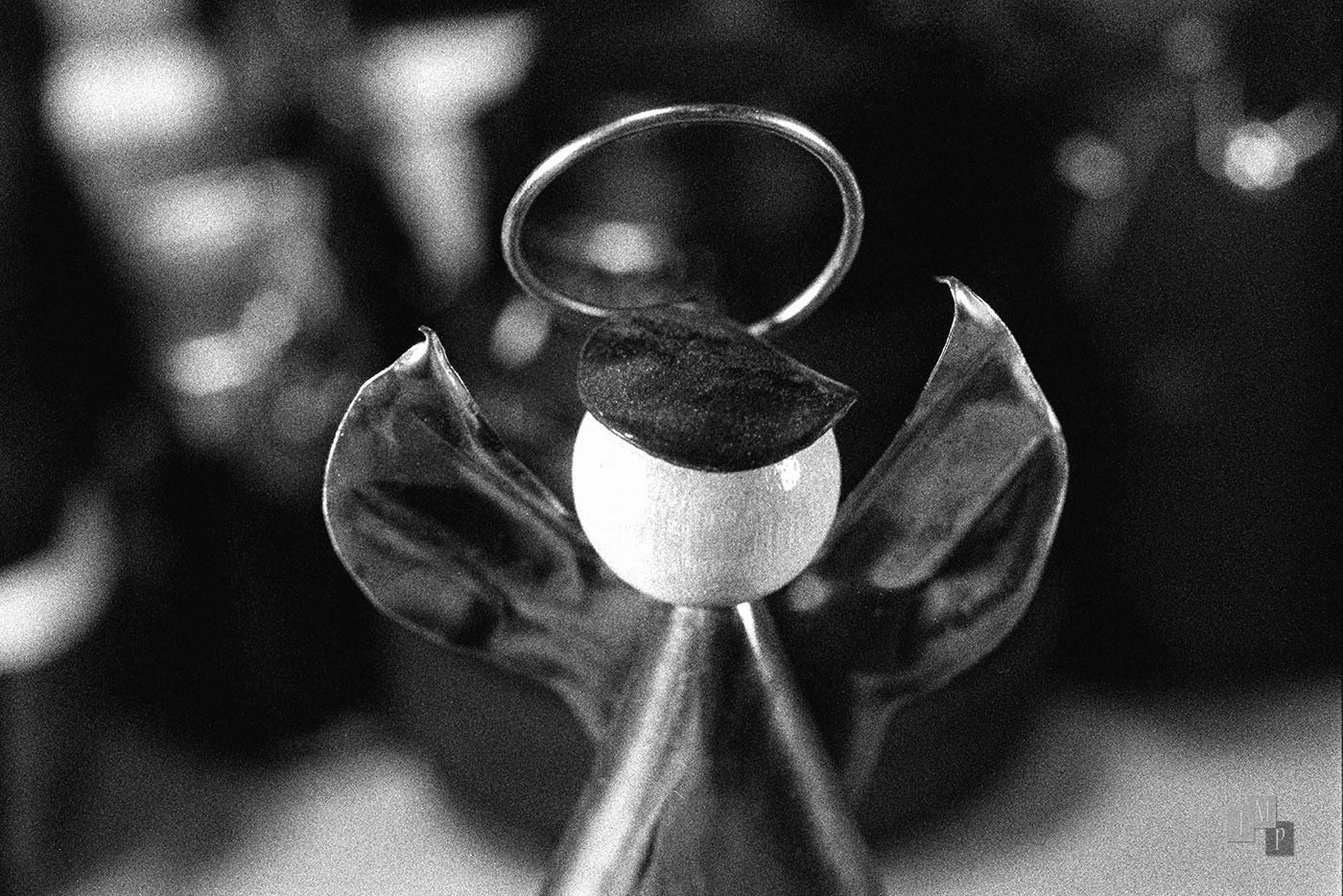
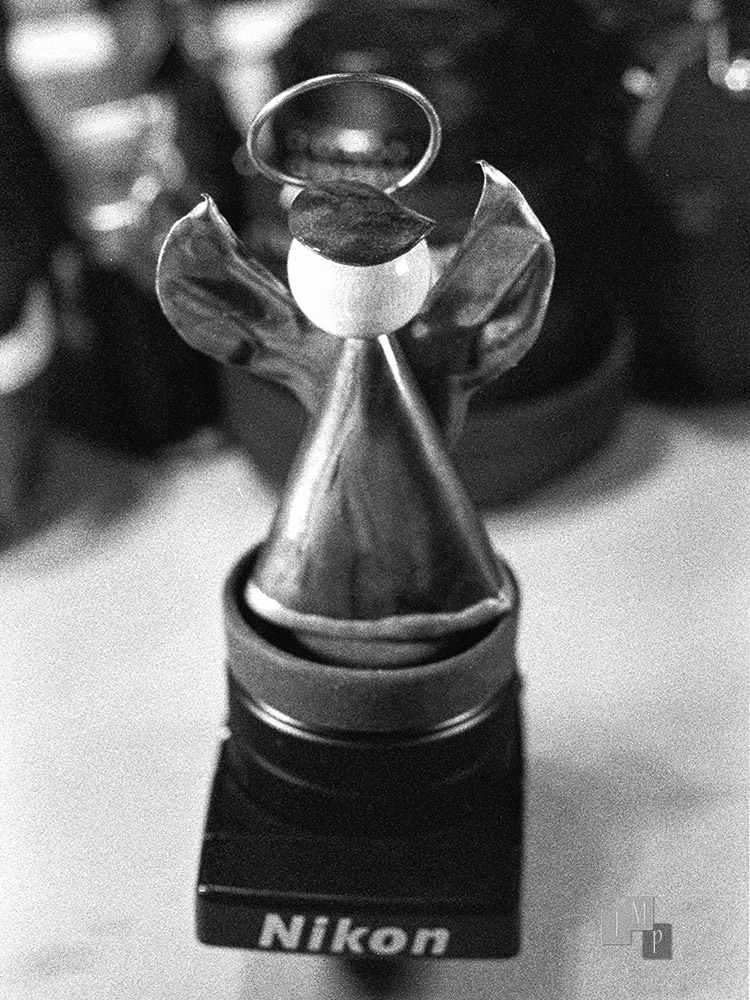
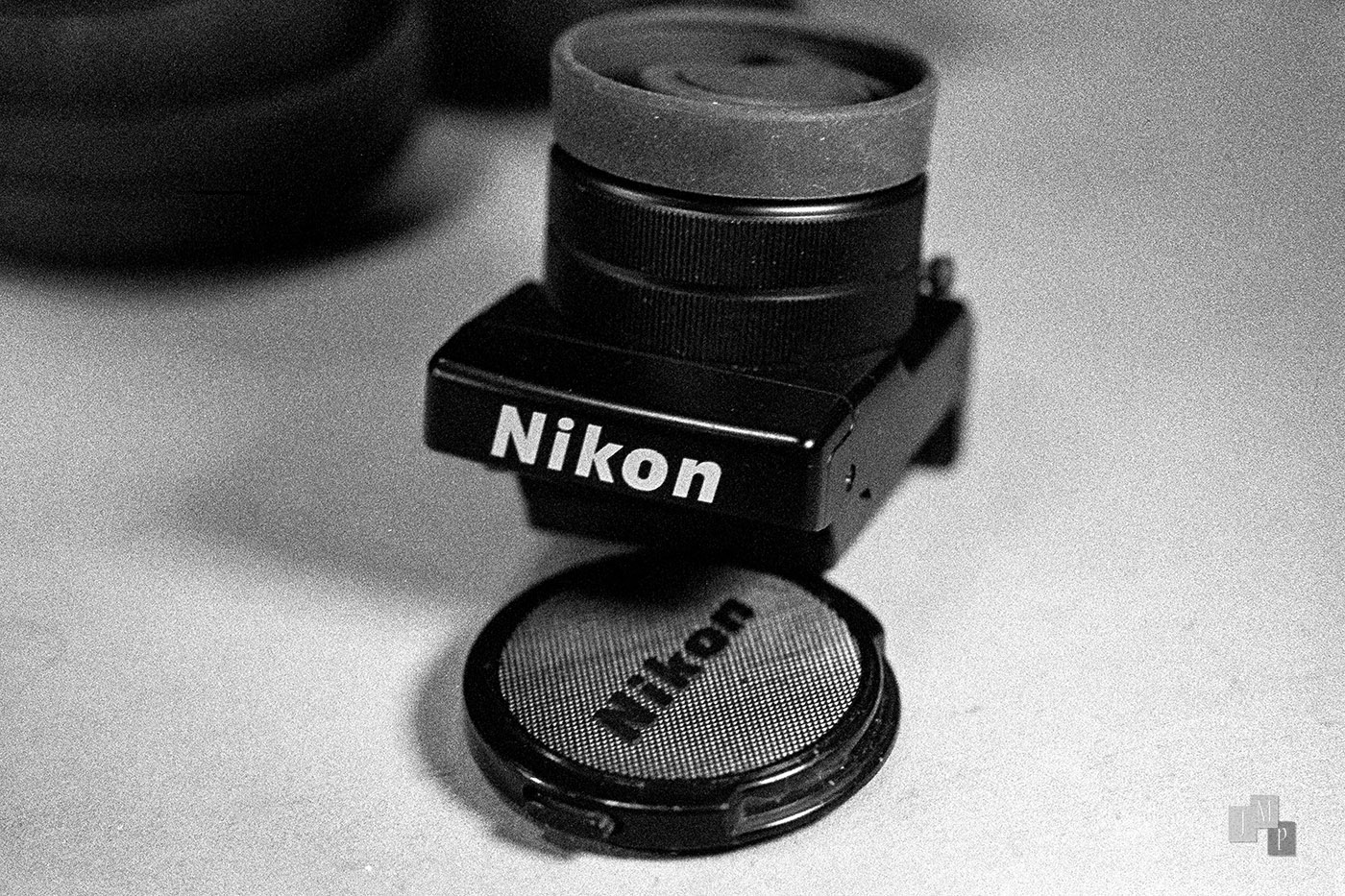
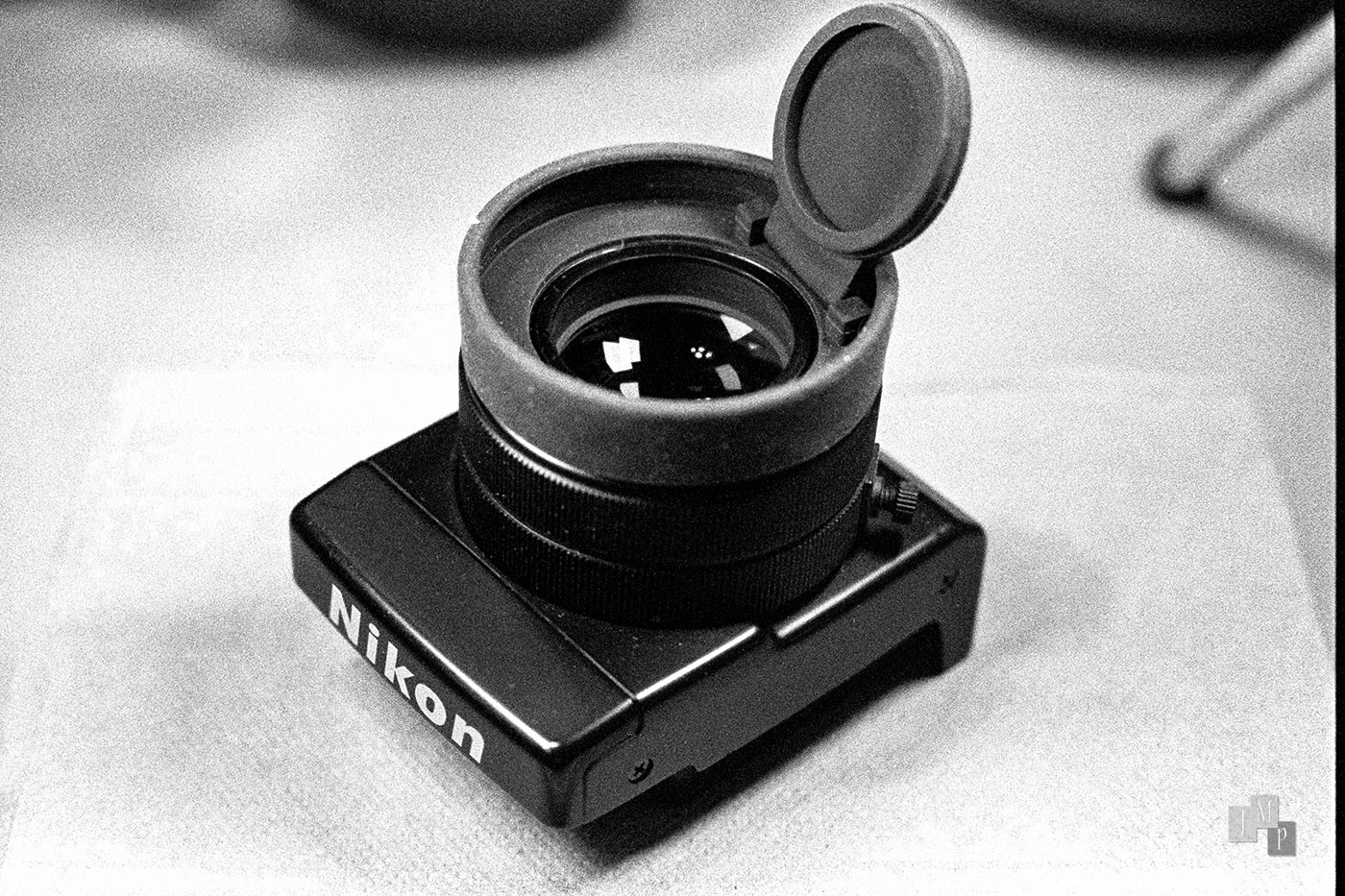
I had originally wanted the F4, but the best version I could find was the F4S. It's great!. Then found an F4 that met the criteria, and even with it's smaller size it is a heavy camera. Then I found the best waist level finder ever with an amazing diopter adjustment range. An angel dropped it off yesterday. My eyes are happy.
Oldwino wrote:
What’s the magnification on that finder? Can you see the whole frame?
Specs:
"The Nikon DW-21 is a 6X high-magnification finder designed for the F4 35mm SLR camera, featuring a diopter adjustment range from -5 to +3 for individual eyesight correction. It is primarily used for close-up work and photomicrography, providing a clear and sharp view of the entire image"
I can see critical focus from about 12-18 inches away, but have to move my eye closer to see the whole frame. The brightness is amazing.
Desmolicious wrote:
While totally fine on film, I just found it too bulky and replaced it with the much more enjoyable to use (and better optically) 28-80 kit lenses.
I have both the D and G versions (the D came with a Nikon N80 for $30 totall). I prefer the G just because it is more compact - optical quality is the same. Even though the D has the aperture ring, I do not recommend this lens - or the 28-105D - to be used on a manual focus body.
This is because the focus throw on these AF lenses are geared so short it makes them hard to use accurately.
The 28-80 G on the F4 (program mode used) with HP5.
The previous version w the aperture ring (which makes it more suitable for the F4 pretty much gave the same results i.e. I could not tell any difference.
anselwannab wrote:
To me, you have to put F4 in perspective. I thought it came out around 86, but what I see online is 89- which would put it contemporary to the EOS-1. And I think that is a great ‘break point’ in cameras.
To me, as a young shooter, the F4 was ‘it’. Building on the F3 and the history of Nikons. At least from my perspective in the 1980s, Nikon’s were pro cameras and Canons were consumers cams, (like the AE-1 Program that my mom had). My first camera was an A1 to build on the lenses in my family, but I wanted an FM2n and I REALLY wanted an F4s.
But to me, the F4 was the last time that Nikon could say that they ruled pro 35mm SLRs. AF was coming. The F4 was 4 years after the Minolta(Sony) Maxxum 7000. Canon had ditched their FD mount and had gone non-compromises with the new EF mount.
Nikon listened to their customers and kept the F lens mount, and tried to adapt (pretty well) AF to it over time. Maybe a great example of how you shouldn’t always listen to your customers as Canon became ascendant, especially in sports.
Want a lighter F4? Buy a Canon T90… a few years older, but the start of the EOS camera design gestalt.
So we had the F4 and in 10 years digital was the path forward, and after the Canon 5D full frame, film even for consumers became a distant second.
So, to me, the F4 is that maximum of the tech as there is a transition. The Grumman Bearcat- perhaps the ultimate prop fighter that was replaced by jets. Cool tech, taken to the logical extremes, but soon cast aside.
Perspective. We photographers should appreciate that…
With all that, there are few cameras as pretty and imposing as a F4s with a 50/1.4 on it. Decades later is screams- I’M A PHOTOGRAPHER…. Hear my click! (At 5fps.)...Show more →
1988-1995 were the golden years for the switch over from mechanical to electronic - manual to auto focus and exposure. The newspaper I worked at was about 95% Nikon, and one staff, and one stringer photog used Canon. Nikon's backward mount compatibility probably held them back in the AF development - while Canon gobbled up market share.
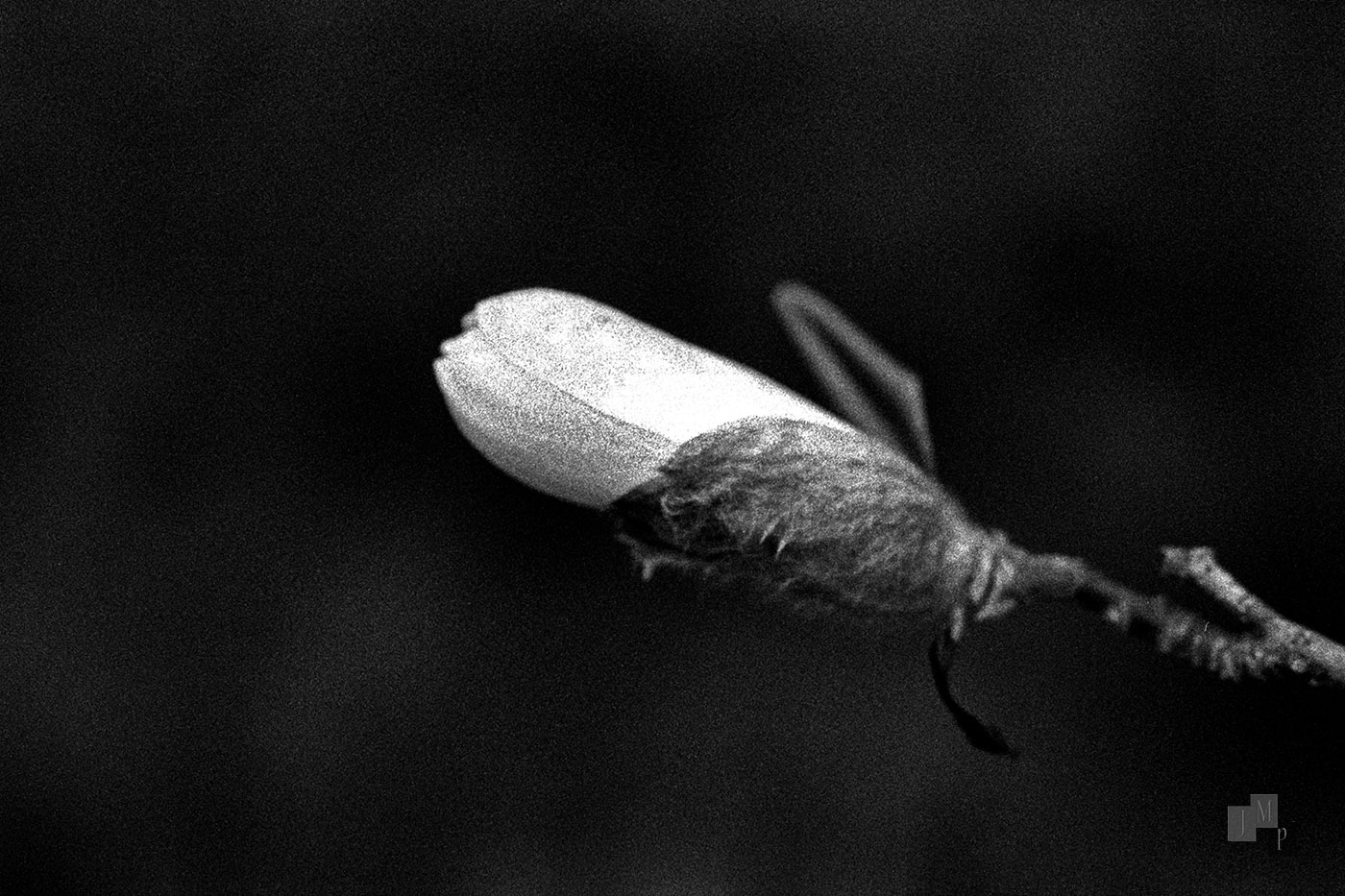
A have a Royal Star Magnolia in the yard. As my health declined three different vines attacked it's 5-6 foot high frame. They actually choked it, broke branches off - due to my pruning neglect. I looked out the windows a few days ago - and it was in bloom. So I got the shears out and Freddie Krueger'd the vines. Even more blossoms - yeah. F4 with the Micro Zoom Nikkor 70-180mm f4.5-5.6 AFD
grantgoodes wrote:
I think the F4 is a great design, probably the last of the "knobs and locks-on-knobs" UI bodies from the Nikon pro-line. However, with no removable motor-drive, and even the smallest battery being quite large, the F4 was just too big for me and I stuck with my F3/T. Yes, would have _loved_ the F4's matrix-metering, better finder, and (primitive) AF capabilities, but I just wasn't willing to carry around such a big body to get those features. Also, I'm kind of "all in" with my complete collection of F3 finders and accessories, and the F4 finders were _very_ pricey in the day....Show more →
Yeah there's a reason that Nikon kept the F3 going well into the early 2000s
Tina Kino wrote:
Lovely colors in that shot @James Markus@@ 🥰
Also that finder looks really nice, yet isn't the "lid" in the way then lowering your eye to it?
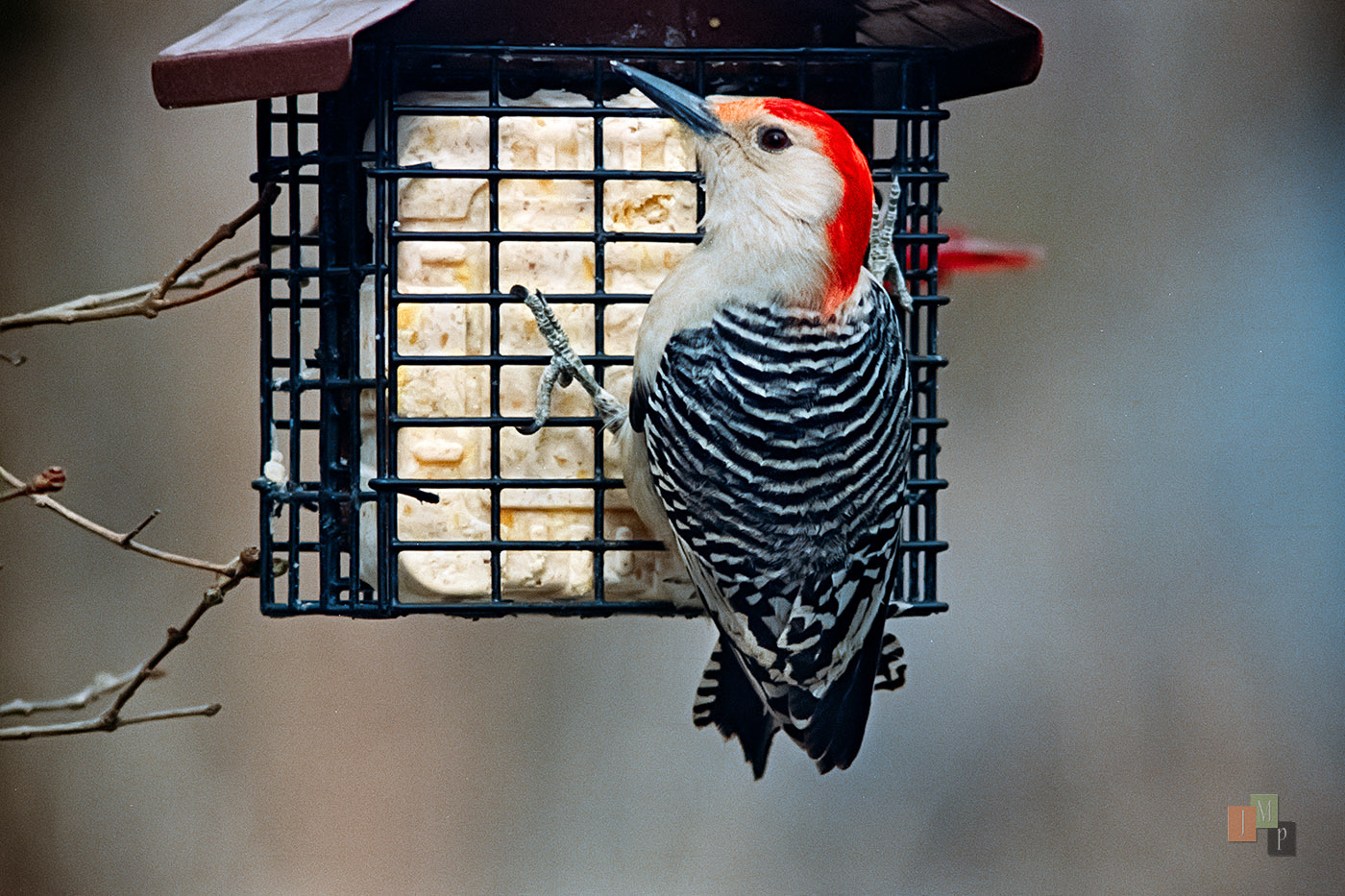
Thanks. Fuji 400 seems to have natural colors imo. The waist level finder lid is rubber - just like the dk-2 and dk-19 eye cup. So, you can push your face into it. However, it's intended use is to hover your eye above it. When close you can see the full frame, but even from a distance of 12 inches i can see critical focus. This is why I bought it - to help with manual focusing. Auto focus still works as well. I wonder why there are not more parafocal optics in photo gear? In microphotography all eyepieces are parafocal.
It is good and thorough, though more like instruction than review. I'm surprised the F4e is not mentioned. Many pros were unhappy with the fiddly 3-piece MB-21 battery grip so the F4e was introduced a bit later. I found the MF-23 indispensable and one of the reasons I bought the F4s and spare MB20 to begin with. AF was not very good and focus trap pretty useless. What bugged me most was that there were no fractional shutter speeds in M or S and in A or P the shutter was shown in half stops. By the 90s that was looking archaic already.
Although the camera was developed a bit before the Eveready/Energizer L91 were widely available, they were usable over most of its production life if memory serves. They were red/gold back in the day.