Micro Four-Thirds Macro and Semimacro Image Thread
p.8 #1Micro Four-Thirds Macro and Semimacro Image Thread
Imagemaster wrote:
Queen Anne's lace thrives in great numbers in the wild around Parksville at this time of year. Unless one stops and has a close look at it, you do not notice the intricate and numerous purple prickly seeds.
Queen Anne's lace (Wild carrot) is common to roadsides and other disturbed areas. It was introduced from Europe as a medicinal herb. This biennial plant persists in clay soils and can be a threat to recovering grasslands. After going to seed the dried flower takes on a “birds’ nest” like appearance and can move like a tumble weed to help spread its seeds.
There...Show more →
Lovely image of a plant I detest -- you make it look desirable. The burrs/seeds from this plant are a complete pain in the rear when the get in your dogs fur, or your socks, or whatever. That said, you revealed things about this plant that I had no idea about. Thanks. You're a wealth of information.
Greg
Sep 03, 2026 at 07:55 AM
p.8 #2Micro Four-Thirds Macro and Semimacro Image Thread
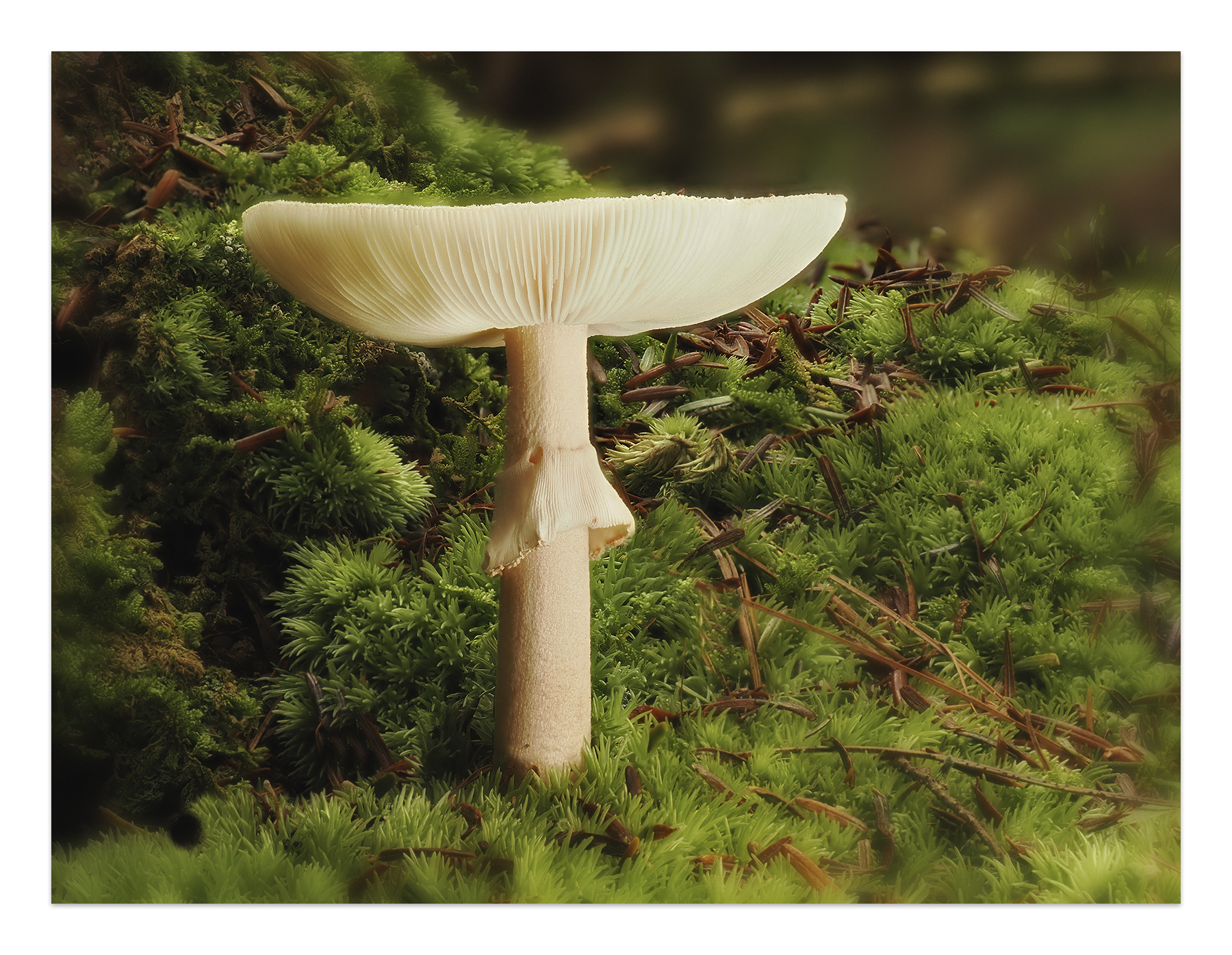
OM-1 OM 90 3.5 Macro focus stack
Sep 20, 2026 at 07:34 AM
p.8 #3Micro Four-Thirds Macro and Semimacro Image Thread
A King Bolete
OM-1 OM 90 3.5 Macro
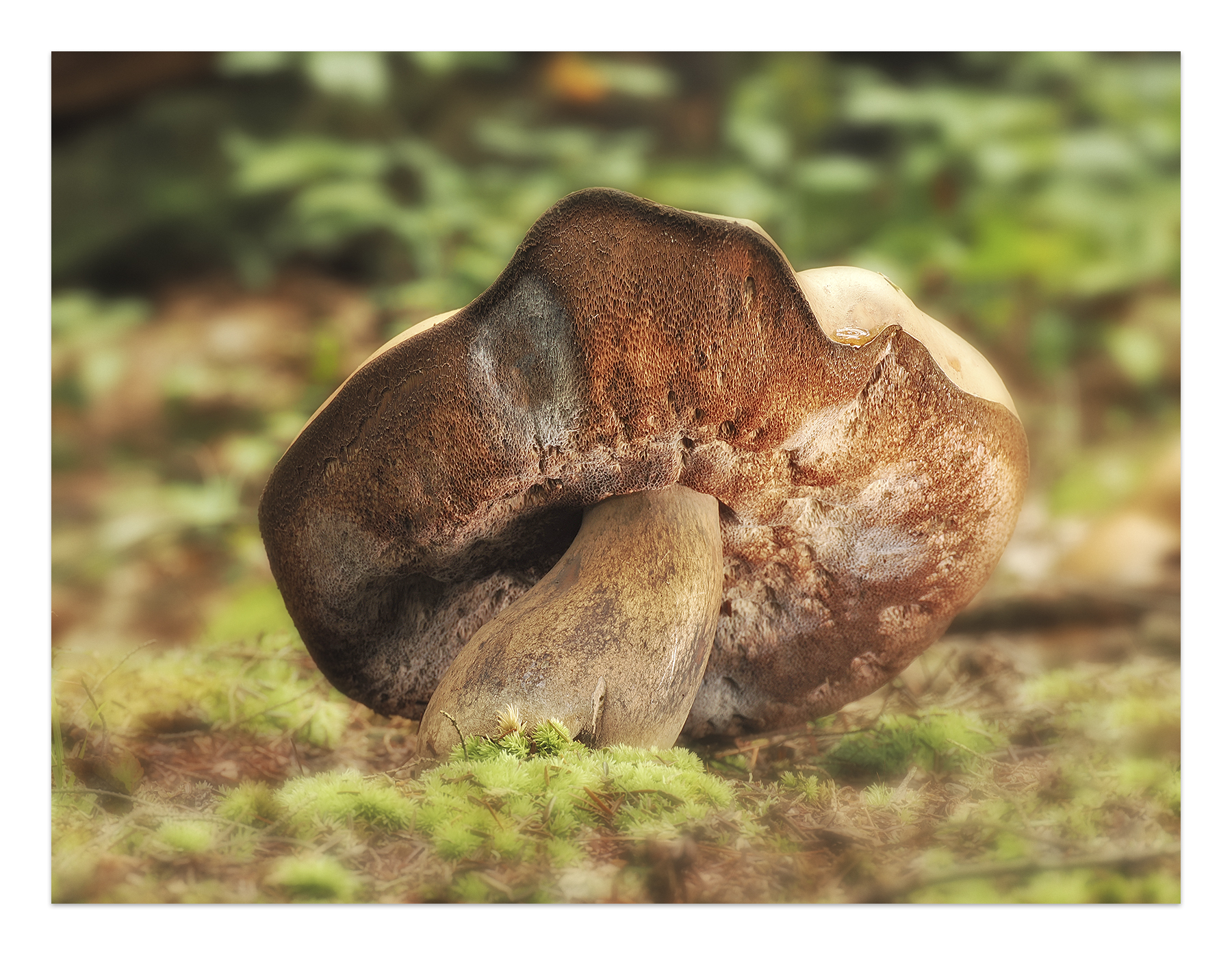
OM-1 OM 90 3.5 Macro
Sep 20, 2026 at 08:00 AM
p.8 #4Micro Four-Thirds Macro and Semimacro Image Thread
Today on a walk: OM System OM-3 + OM System 12-40/2.8 MKII.

Sep 20, 2026 at 09:05 AM
p.8 #5Micro Four-Thirds Macro and Semimacro Image Thread
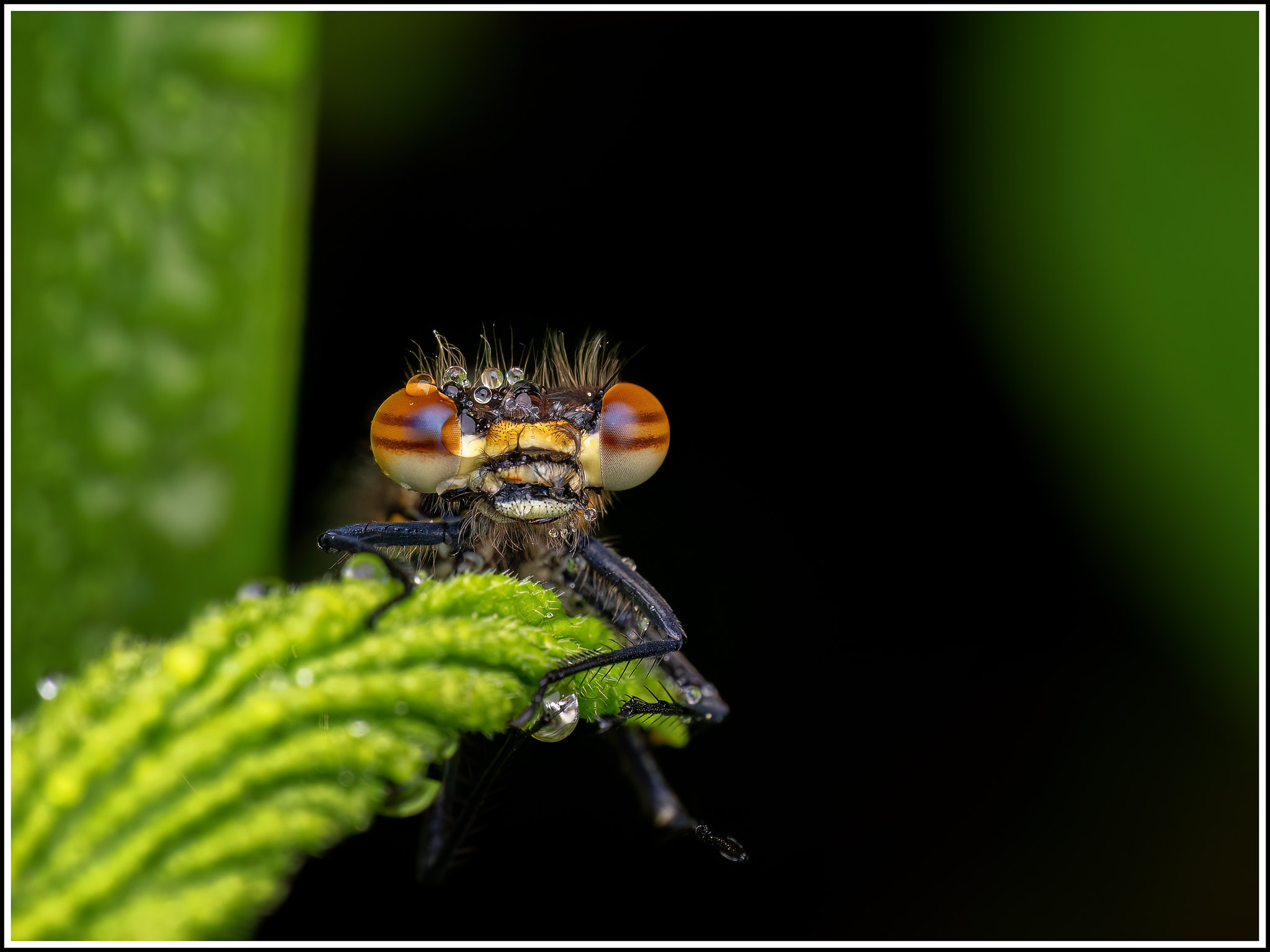
OM Digital Solutions OM-1 + OM SYSTEM M.Zuiko Digital ED 90mm f/3,5 Macro IS PRO by Ronny Olsson, on Flickr

OM Digital Solutions OM-1 OM 90mm F3.5 by Ronny Olsson, on Flickr

OM Digital Solutions OM-1 + OLYMPUS M.300mm F4.0 by Ronny Olsson, on Flick
Sep 23, 2026 at 12:09 PM
p.8 #7Micro Four-Thirds Macro and Semimacro Image Thread
Grass Spider non-stacked and stacked. I grabbed a quick shot before he ran away but he changed his leg position before I could switch to focus-stacking.
OM-1 OM 90 3.5 Macro
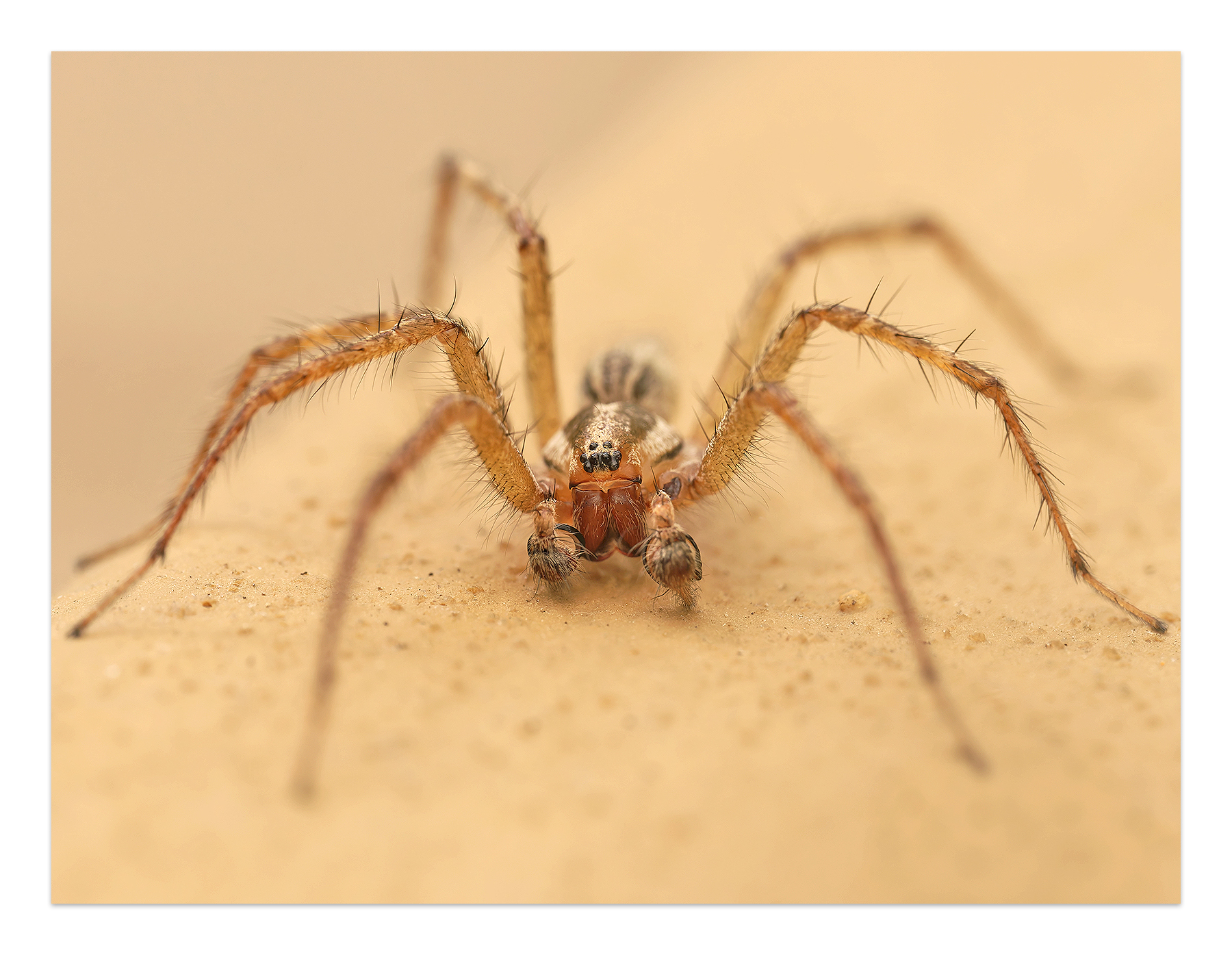
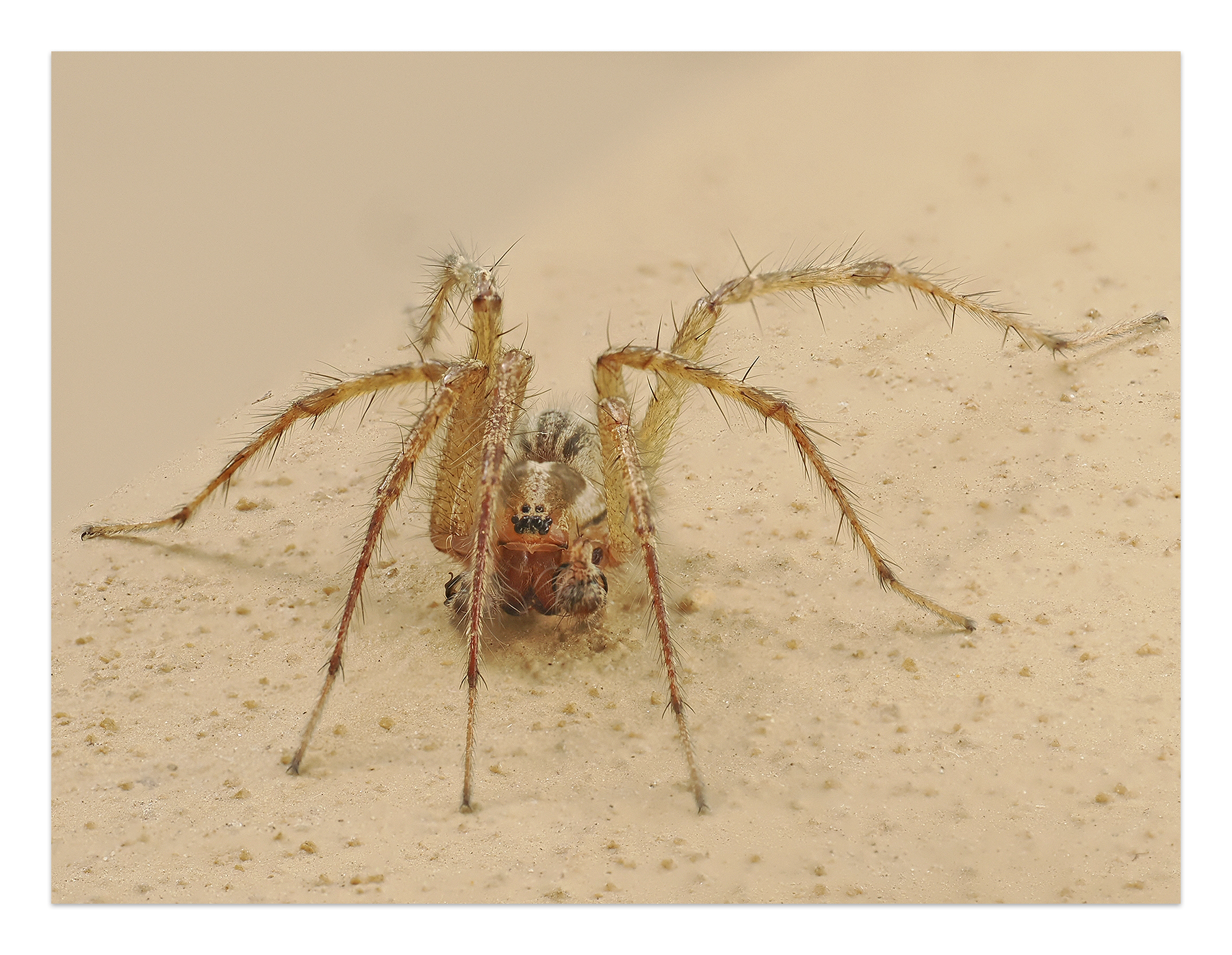
OM-1 OM 90 3.5 Macro
Sep 27, 2026 at 10:03 AM
p.8 #8Micro Four-Thirds Macro and Semimacro Image Thread

OM Digital Solutions OM-1 + OLYMPUS M.150-400mm F4.5 by Ronny Olsson, on Flickr

OM Digital Solutions OM-1 + OLYMPUS M.150-400mm F4.5 by Ronny Olsson, on Flickr

OM Digital Solutions OM-1 + OLYMPUS M.150-400mm F4.5 by Ronny Olsson, on Flickr

OM Digital Solutions OM-1 + OLYMPUS M.150-400mm F4.5 by Ronny Olsson, on Flickr
Sep 27, 2026 at 11:37 AM
|
p.8 #10Micro Four-Thirds Macro and Semimacro Image Thread
sum1sgrampa wrote:
Gorgeous Ronny !
Thanks Gary !
Sep 28, 2026 at 04:03 AM
p.8 #11Micro Four-Thirds Macro and Semimacro Image Thread
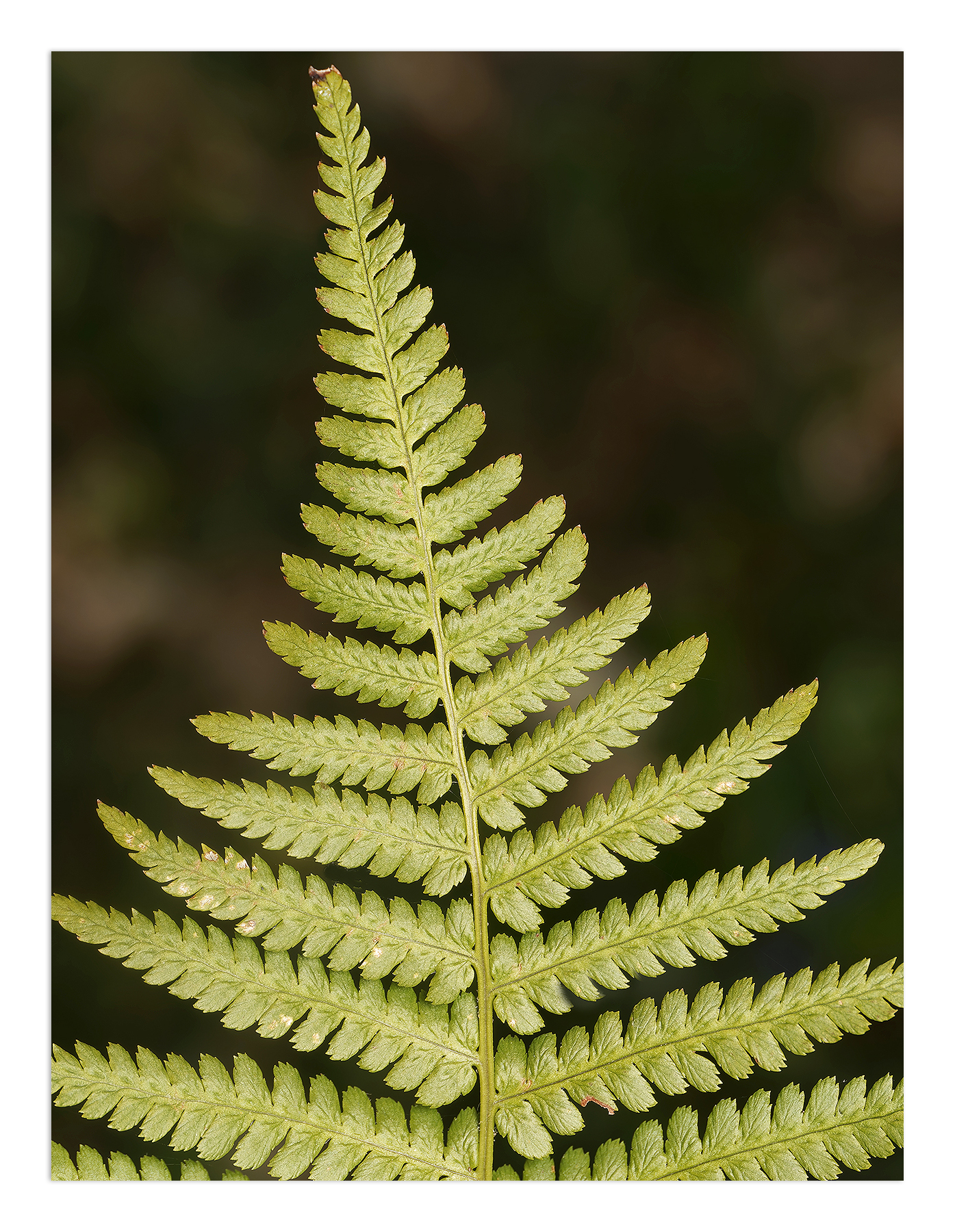
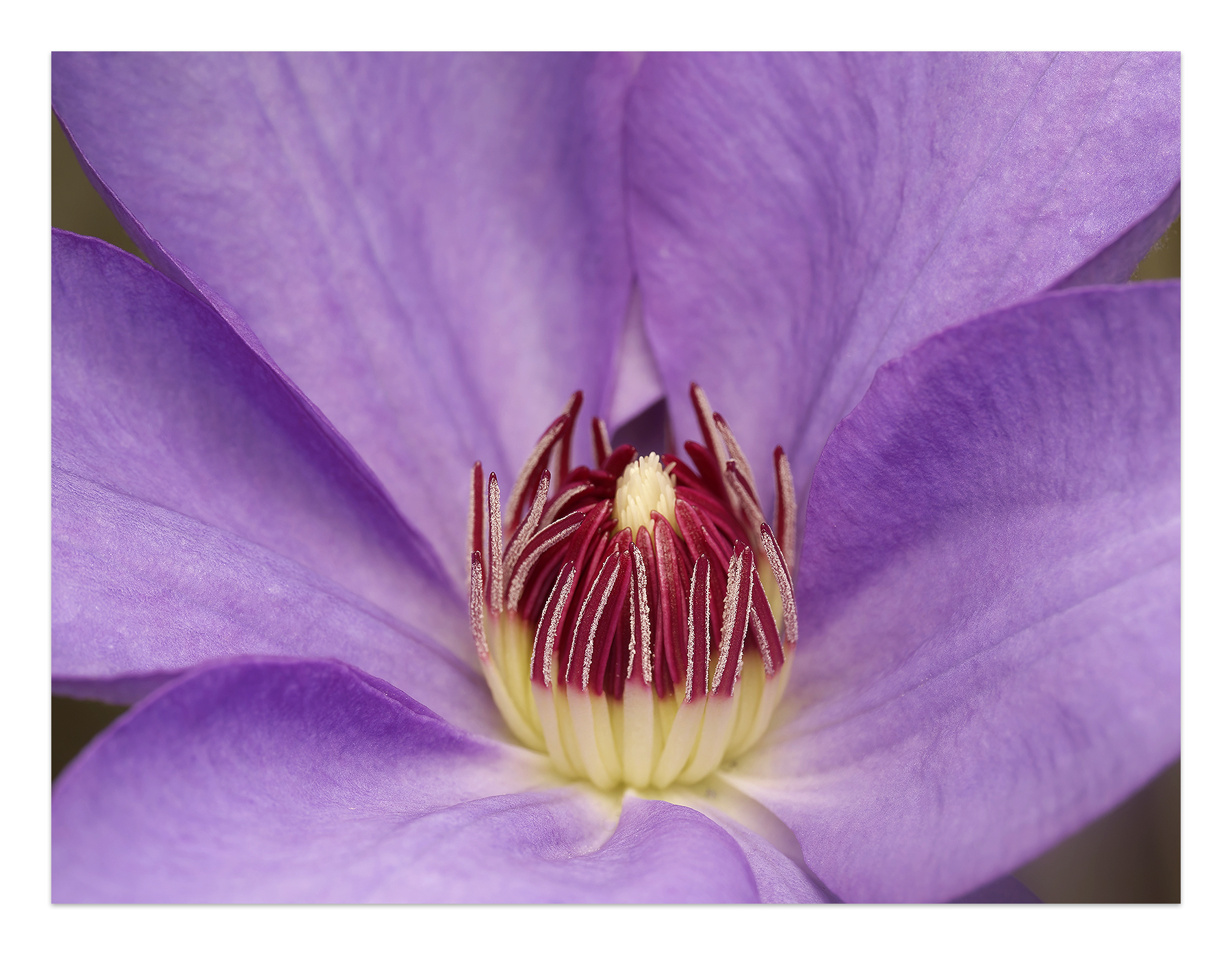
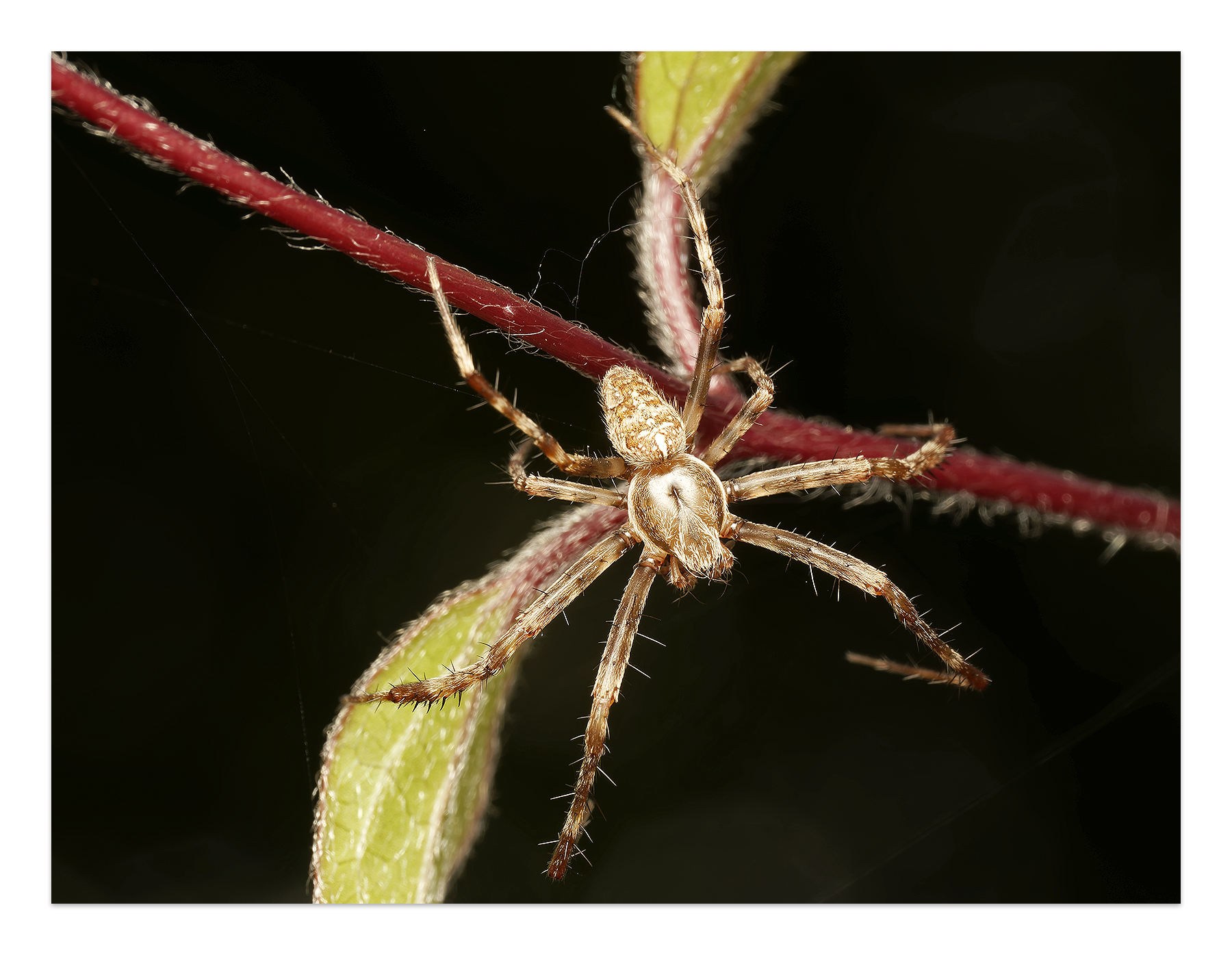
OM-1 OM 90 3.5 macro
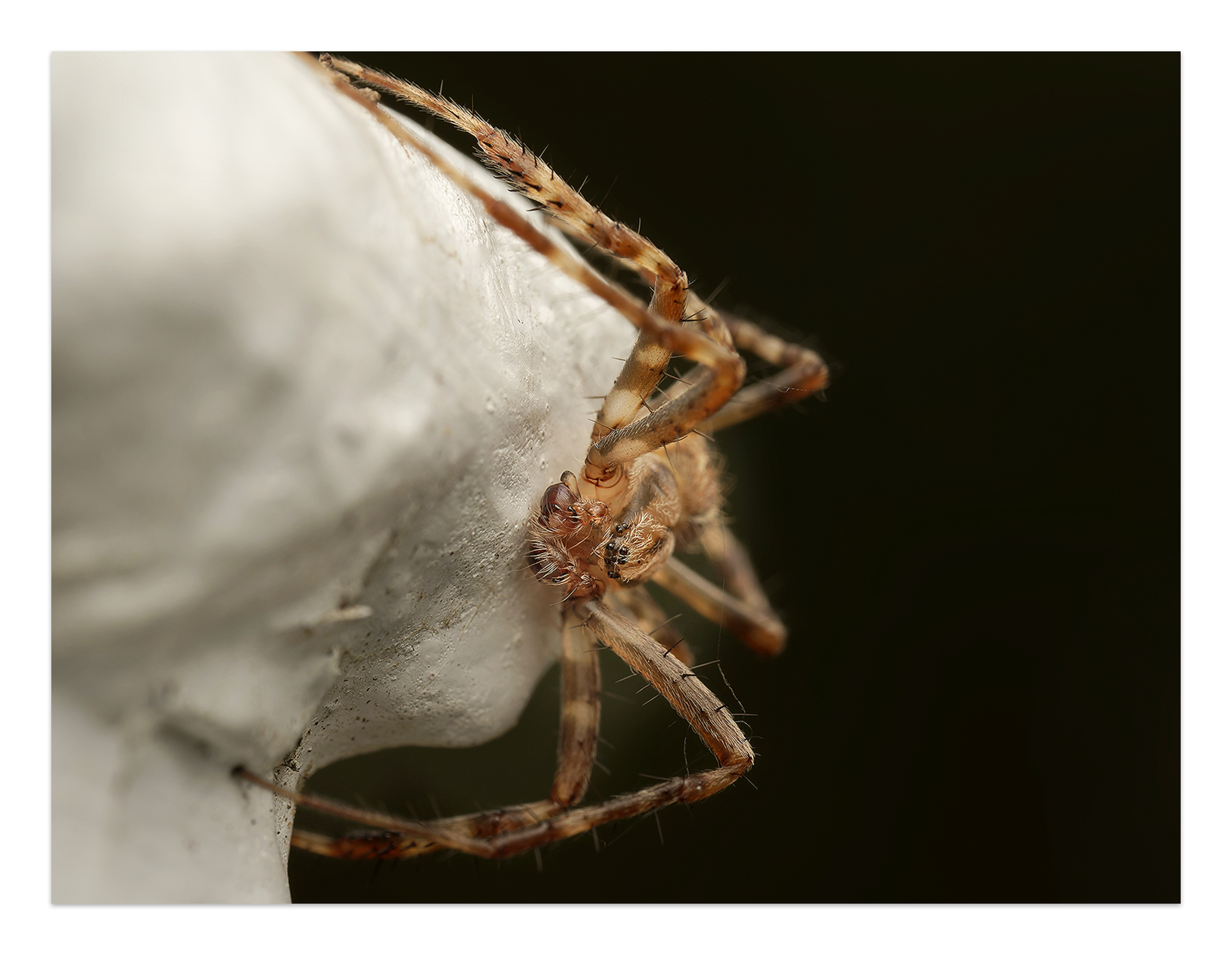
Oct 01, 2026 at 01:48 PM
p.8 #12Micro Four-Thirds Macro and Semimacro Image Thread
Great set Gary !
Ronny

Olympus E-M1MarkIII OLYMPUS M.60mm F2.8 Macro by Ronny Olsson, on Flickr

Olympus E-M1MarkIII + OLYMPUS M.60mm F2.8 Macro by Ronny Olsson, on Flickr

Olympus E-M1MarkIII OLYMPUS M.60mm F2.8 Macro by Ronny Olsson, on Flickr
Ronny
Olympus E-M1MarkIII OLYMPUS M.60mm F2.8 Macro by Ronny Olsson, on Flickr
Olympus E-M1MarkIII + OLYMPUS M.60mm F2.8 Macro by Ronny Olsson, on Flickr
Olympus E-M1MarkIII OLYMPUS M.60mm F2.8 Macro by Ronny Olsson, on Flickr
Oct 10, 2026 at 11:56 AM
p.8 #13Micro Four-Thirds Macro and Semimacro Image Thread
Love that first shot Ronny. Looks like some type of intergalactic warrior 
OM-1 MKll OM 90 3.5 Macro
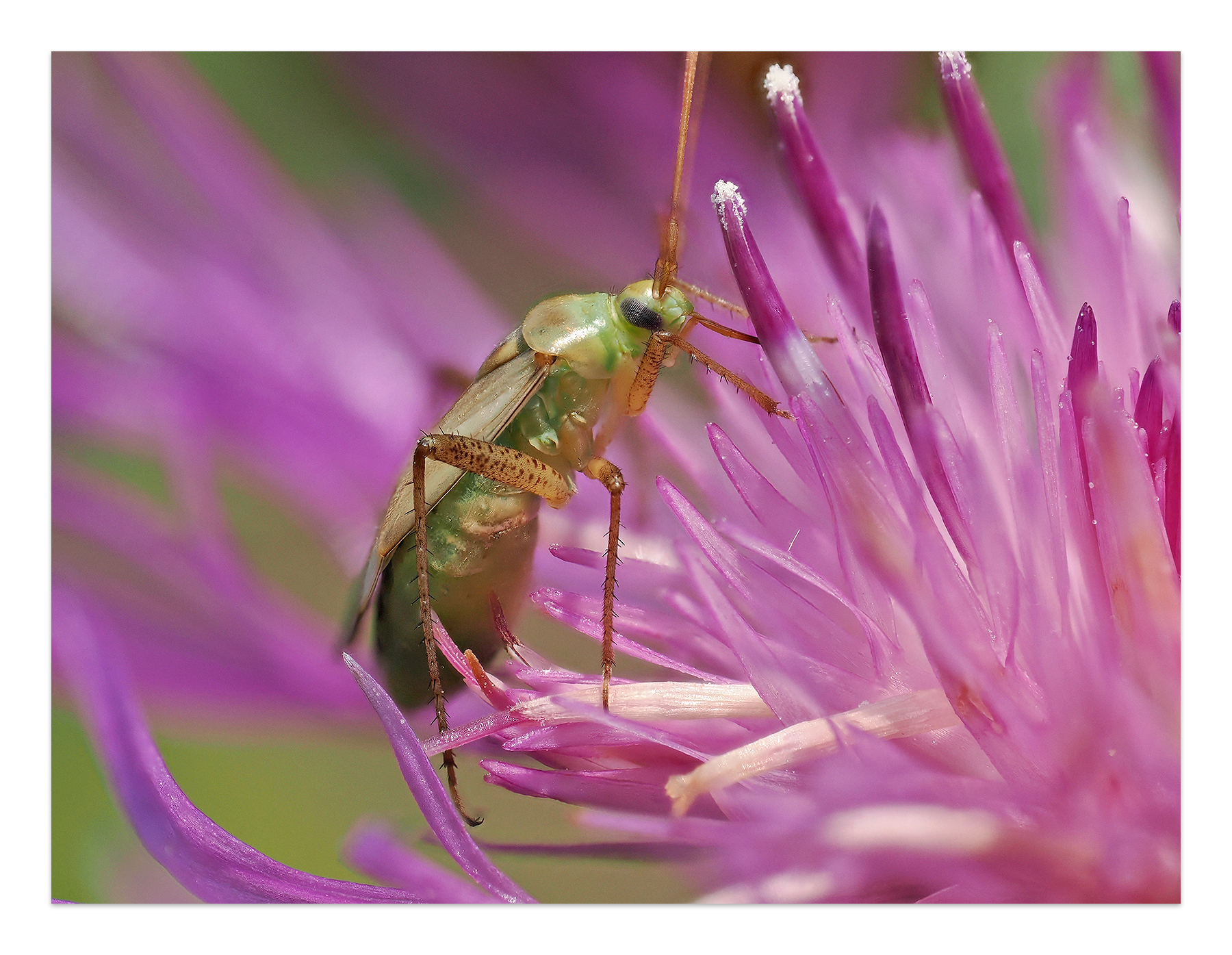
OM-1 MKll OM 90 3.5 Macro
Oct 13, 2026 at 07:52 AM
p.8 #14Micro Four-Thirds Macro and Semimacro Image Thread
A succulent flower at the Botanical Garden in Berlin-Dahlem.
OM System OM-3 + OM System 90/3.5 Macro IS Pro + OM System TC 1.4x MC-14
F5.6, ISO 320, 1/125 s, a single shot, no stack.

OM System OM-3 + OM System 90/3.5 Macro IS Pro + OM System TC 1.4x MC-14
F5.6, ISO 320, 1/125 s, a single shot, no stack.
Oct 24, 2026 at 04:10 PM
p.8 #15Micro Four-Thirds Macro and Semimacro Image Thread
these were shot with OM-1II, 90/3.5 Pro and the new-ish Godox MA-2 Macro Twin (LED) Lights with IM-20 Lights. I bought this at AliExpress because as of this writing it's still hard to come by in my neck of the woods (US).
short review: the lights are surprisingly well-built for the price.. so far, the arms are sturdy even with the IM-20 attached (although the IM-20 is super light to begin with)...how it holds up over time remains to be seen. The diffuser it has a similar flexible thing for some adjustability. As for performance, so far it's fine. What worries me though is the weight can potentially put a huge strain on the hotshoe of the camera...i wouldn't use this with a Canon (easy, Canon users..that was a joke).
for reference, I have the expensive, god-awful and tedious AdaptaLux (the variant with Xenon flashes) which didn't quite work OOB; it misfires, and Bluetooth connectivity is spotty. I'm an engineer by trade and this frustrates me a great deal in terms of usability...I can only imagine how this would irate normal user. its flash stopped working while conducting tests..I had to ship it out to UK for repair which costs about ⅓ of the price of the product) ...and remained unused after it came back from repair..I wouldn't recommend AdaptaLux..
I may write a slightly longer review if there is interest and maybe even compare the MA2 with the Adaptalux.


short review: the lights are surprisingly well-built for the price.. so far, the arms are sturdy even with the IM-20 attached (although the IM-20 is super light to begin with)...how it holds up over time remains to be seen. The diffuser it has a similar flexible thing for some adjustability. As for performance, so far it's fine. What worries me though is the weight can potentially put a huge strain on the hotshoe of the camera...i wouldn't use this with a Canon
(easy, Canon users..that was a joke). for reference, I have the expensive, god-awful and tedious AdaptaLux (the variant with Xenon flashes) which didn't quite work OOB; it misfires, and Bluetooth connectivity is spotty. I'm an engineer by trade and this frustrates me a great deal in terms of usability...I can only imagine how this would irate normal user. its flash stopped working while conducting tests..I had to ship it out to UK for repair which costs about ⅓ of the price of the product) ...and remained unused after it came back from repair..I wouldn't recommend AdaptaLux..
I may write a slightly longer review if there is interest and maybe even compare the MA2 with the Adaptalux.
Oct 26, 2026 at 07:57 AM
p.8 #16Micro Four-Thirds Macro and Semimacro Image Thread
Very nice ! I hadn't heard of that setup (just looked it up). I for one would be very invested in how you're getting on with it. I bought an AK Diffuser to use with my Godox V860lll for macro shots. Although it works great I find it so awkward and bulky that I rarely use it. TFS
Oct 26, 2026 at 08:05 AM
p.8 #17Micro Four-Thirds Macro and Semimacro Image Thread
OM-1 MKll OM 90 3.5 Macro
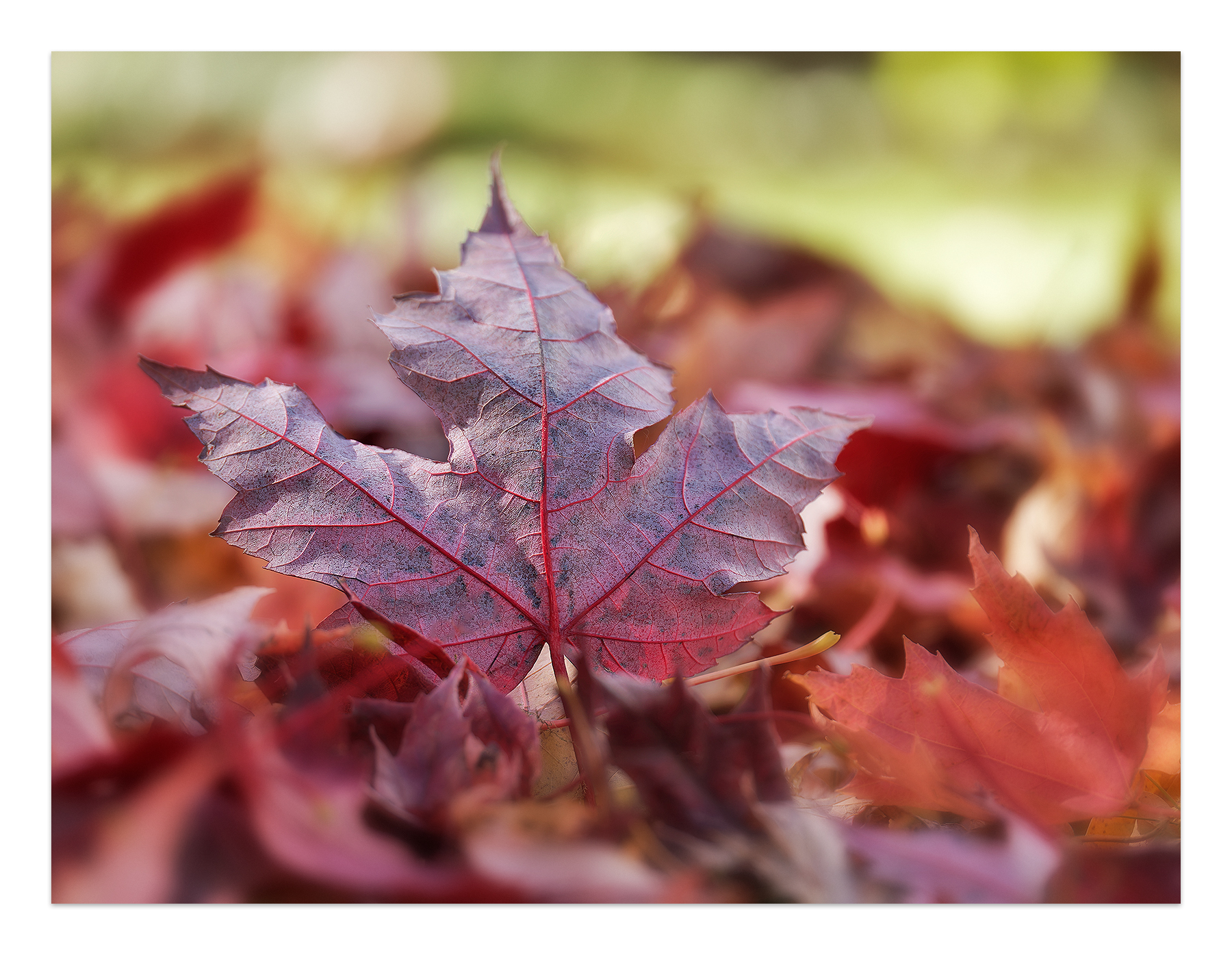
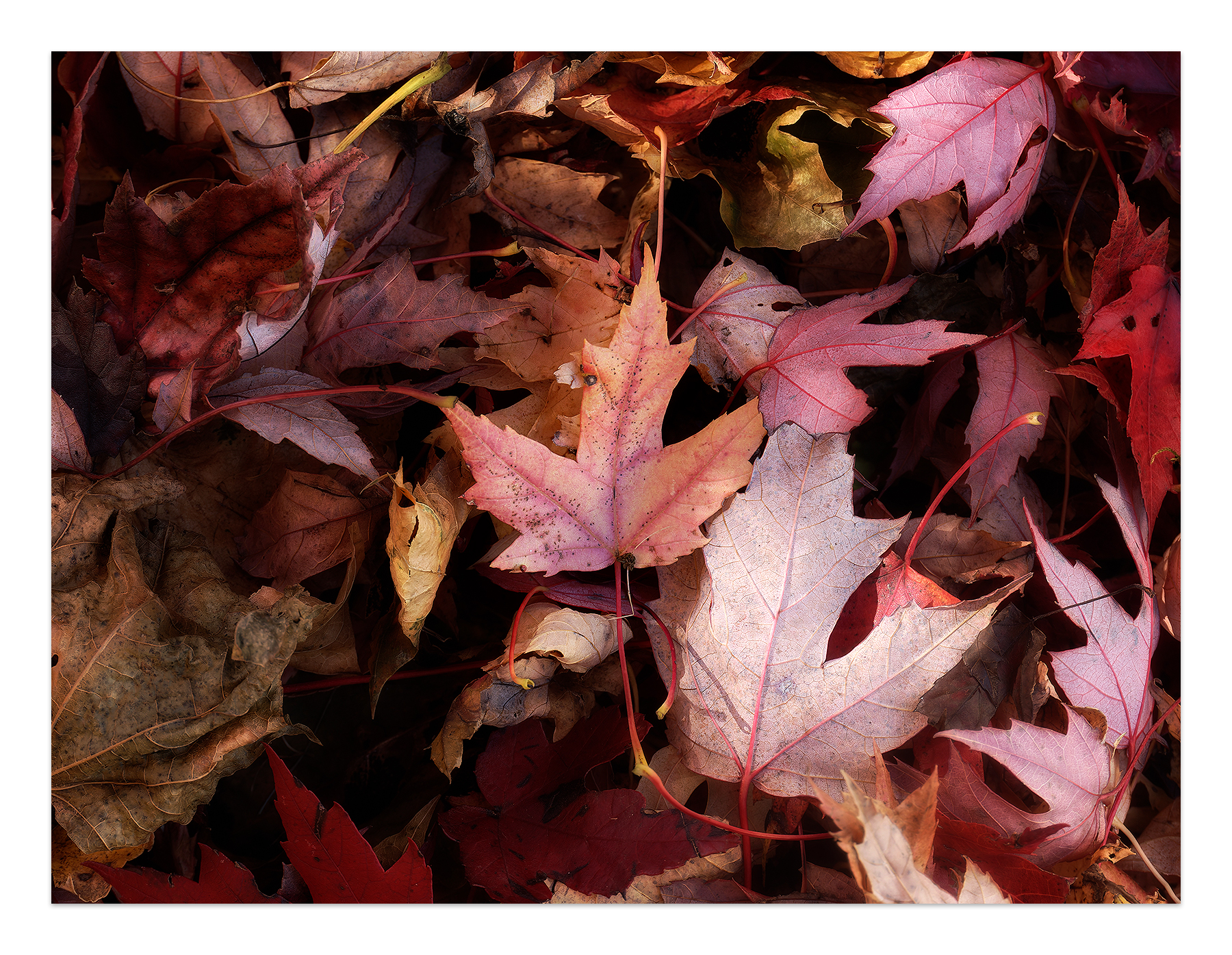
Oct 26, 2026 at 08:06 AM
p.8 #18Micro Four-Thirds Macro and Semimacro Image Thread
sum1sgrampa wrote:
Very nice ! I hadn't heard of that setup (just looked it up). I for one would be very invested in how you're getting on with it. I bought an AK Diffuser to use with my Godox V860lll for macro shots. Although it works great I find it so awkward and bulky that I rarely use it. TFS
i also have that setup and i agree it works great but it's so tedious and awkward to set up by the time i'm finished setting it up with my camera i feel like doing something else...like eating a sandwich instead.
i think this new Godox setup is relatively simpler to setup _and_ if you need more controlled directional lighting without the harsh highlights of direct flash (because of that diffuser setup) so it's not a direct replacement...and also with something like the AK diffuser you can pair with a bigger and stronger flash that allows much better and broader diffused lighting .. with this setup you're at the mercy of those flexible arms. still tedious but to its credit it's probably less tedious than MF-12 setup with (maybe) better results.
Oct 26, 2026 at 11:29 AM