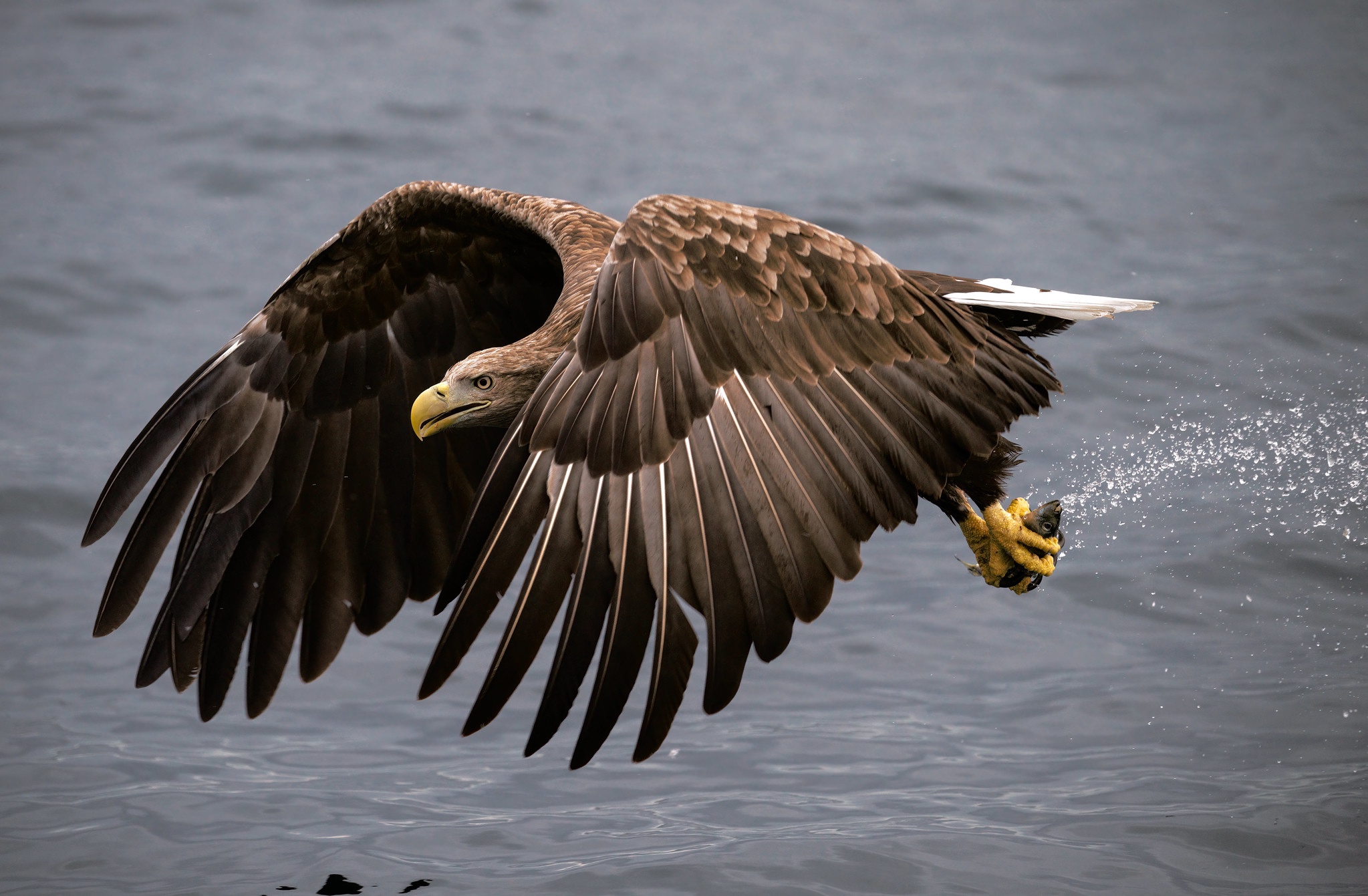
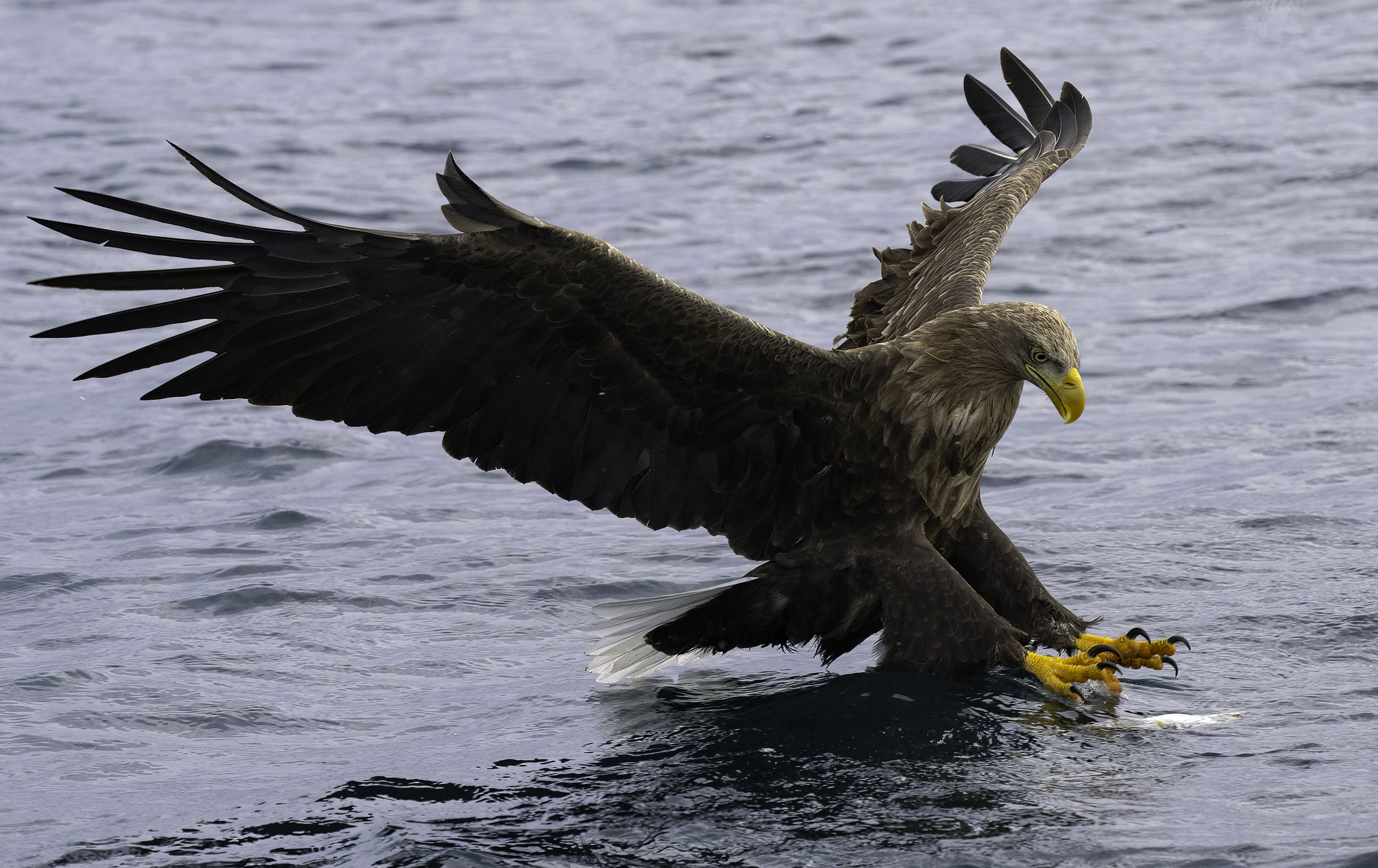
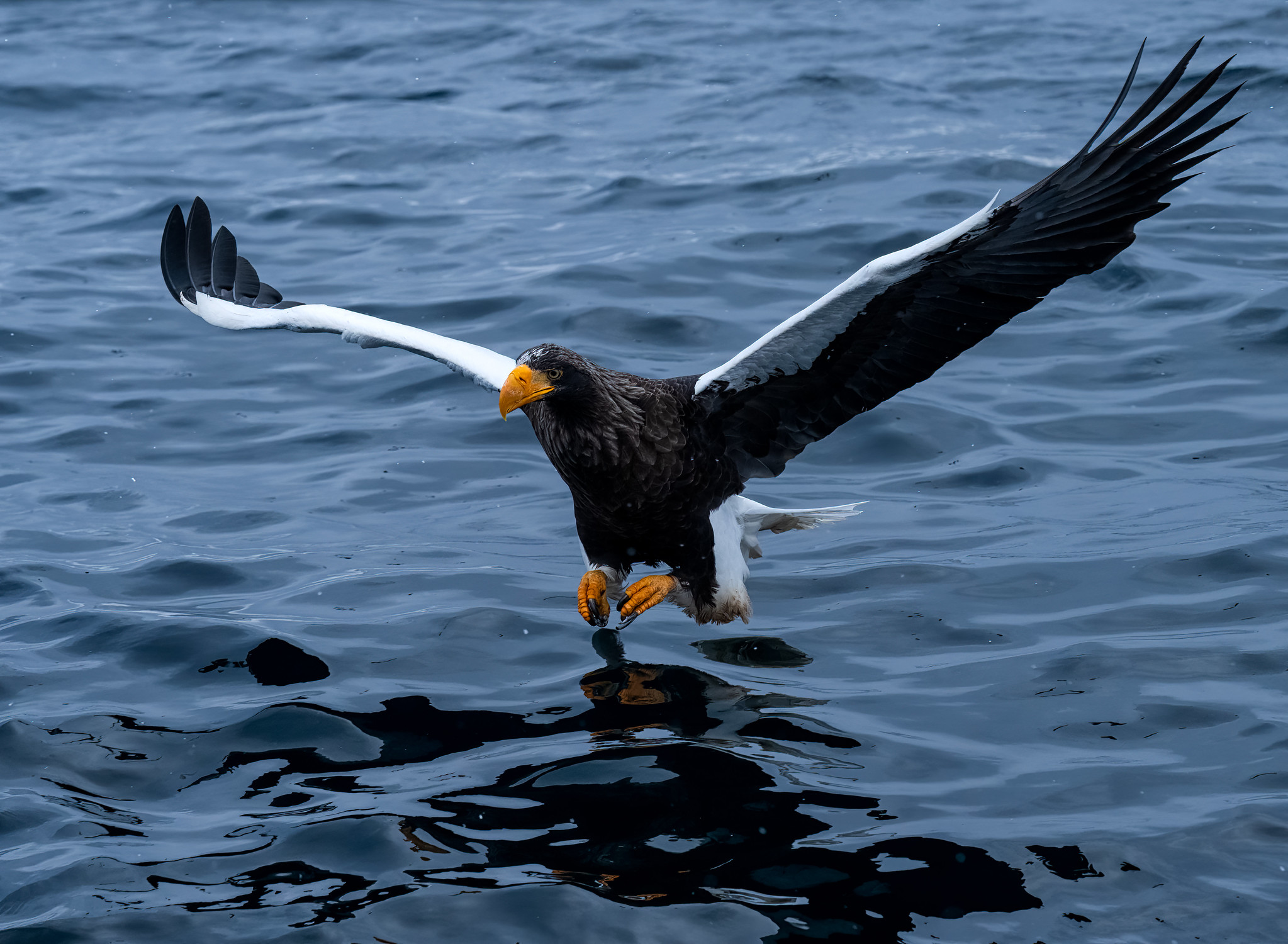
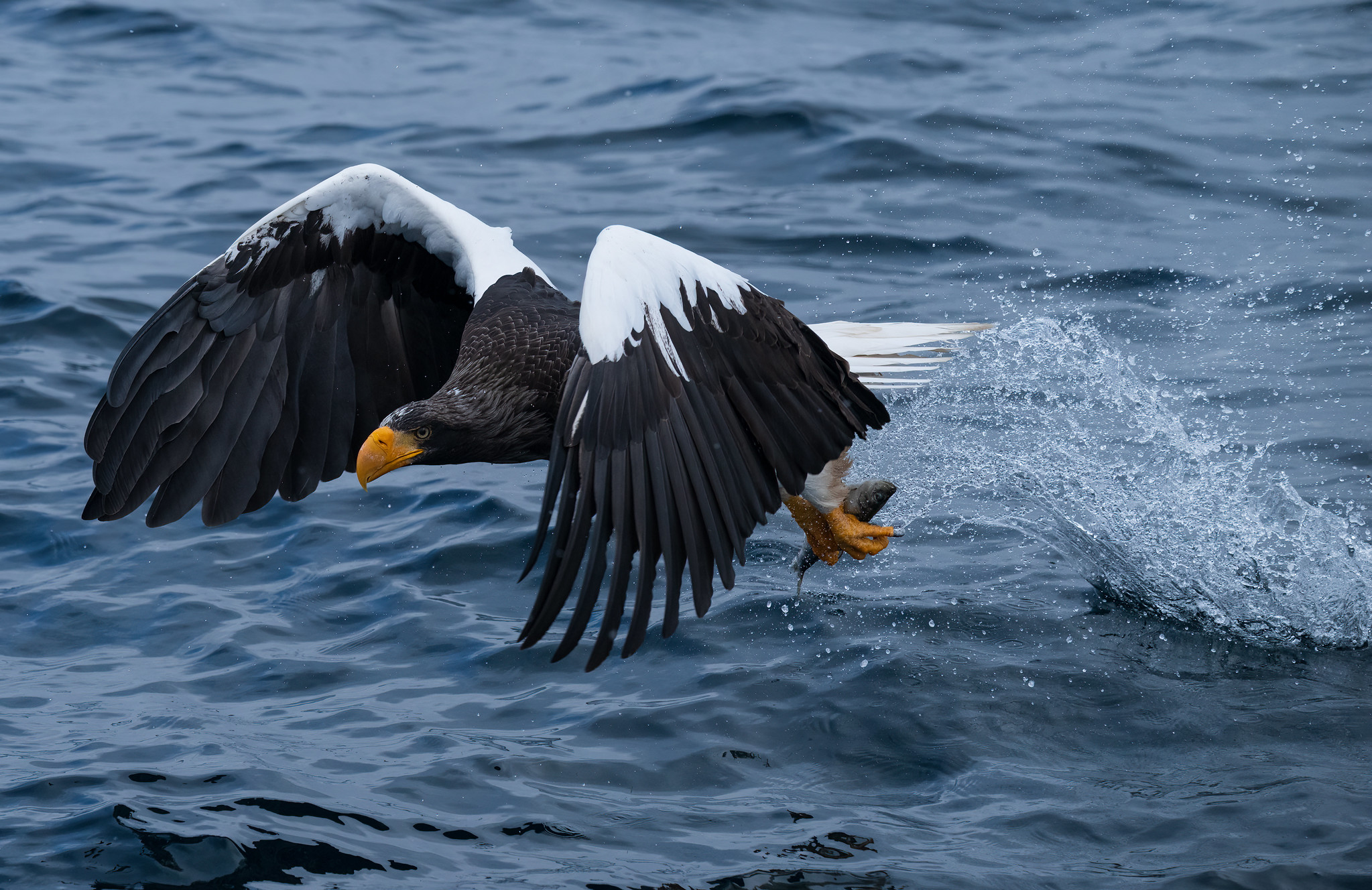
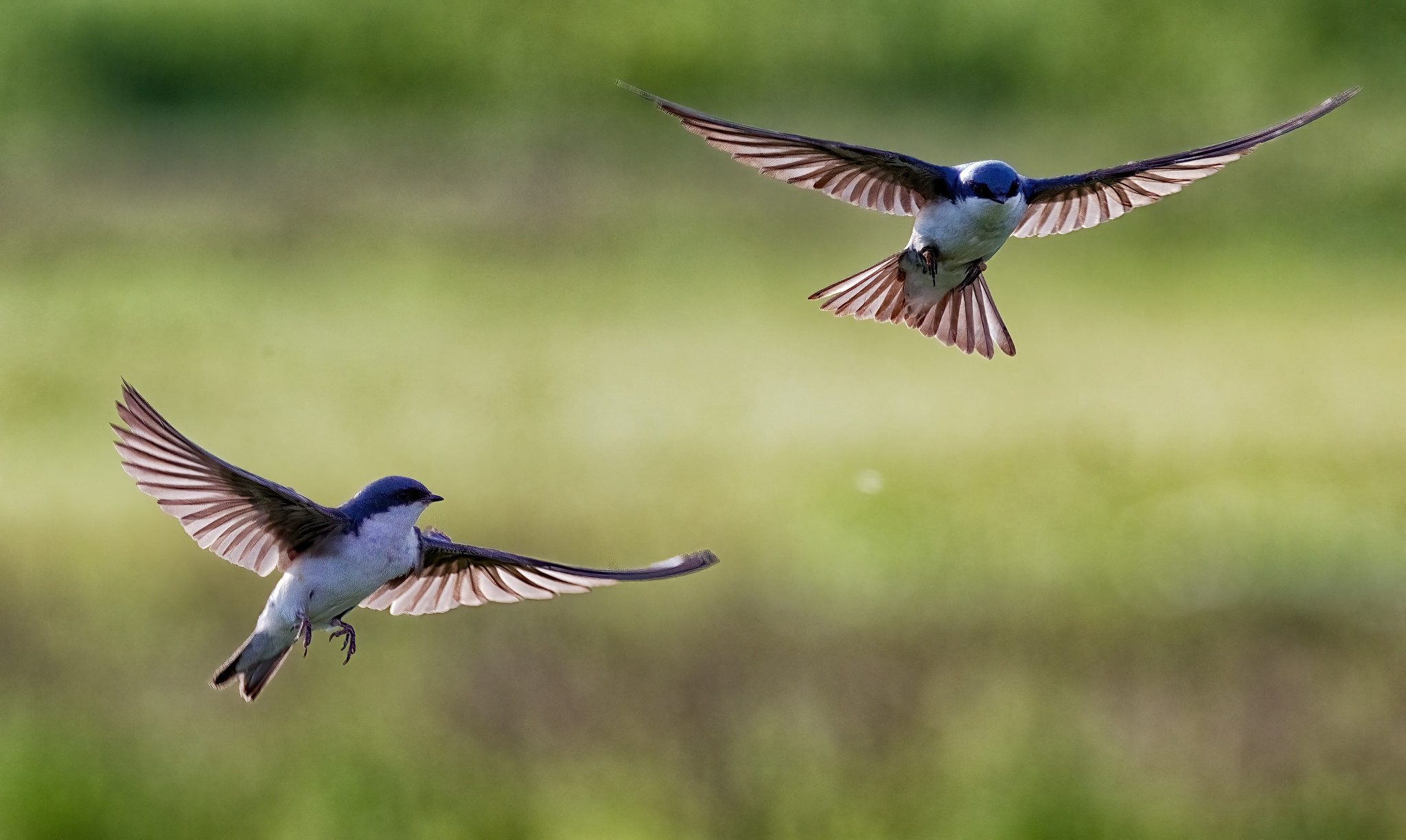
I’ve been spending a fair bit of time working on birds in flight with the Z8 over the past few months, mainly small, fast-moving subjects in mixed light.
After a lot of trial and error, I’ve settled on a setup that’s giving me a noticeably higher hit rate, particularly with erratic movement and busy backgrounds.
A few things that made the biggest difference for me:
Using Wide-area AF (C1) with a tighter box than I initially expected
Back button focus with AF-ON only, separating it from the shutter
Tweaking subject detection behaviour rather than relying on defaults
Letting shutter speed sit higher than feels necessary to keep wing detail sharp
Being more deliberate about how early I acquire the subject before firing
What stood out most is that consistency seems to come more from simplifying the setup than adding complexity. Once things are predictable, it’s much easier to stay with the bird.
Still plenty to learn, but this setup has made things feel a lot more controlled in the field.
I have not found a one setting fits all for the Z8, the settings outlined in posts above work well, but I have often found I try a few different settings for size of focus point and type of focus - a lot seems to be light, time of day, color light, background, sky, clouds, water etc snow is the worst..... and so I seem to have to play with it each time I am wing shooting fast birds. I do shoot quite fast, often 1/5000 or more to get the freeze motion, I know some like the blurred motion look, but I am in the crisp look school of thought. The eagles shown are moving fast, as was the tree swallow, tree swallows are tough, they are speedy and change direction so much easier than a large eagle. Usually I miss a bunch of shoots and then get my setting I like under that circumstance zoned in and go for it. All the shots shown are Z8 with my go to 100-400 Z lens, that is most often my optimum combo, although I do wish the lens was faster, it is big enough now.
That’s a really good description of it, and it lines up very closely with what I see with the Z8 shooting birds here in the UK.
I’ve not found a one-setting-fits-all either. Most of my work is smaller woodland and garden birds, with the occasional birds in flight, and the behaviour changes massively depending on light and background. A clean sky is straightforward, but once you’re dealing with branches, hedgerows or darker woodland backgrounds, the autofocus can behave very differently.
I also tend to adjust AF area size quite a bit. For more predictable movement I’ll open it up, but in clutter I find tightening the area helps keep it from jumping. It’s a bit of a balance depending on the situation.
Shutter speed wise I’m very much in the sharp camp as well. I’d rather keep detail in feathers than go for motion blur, so I’m often pushing the shutter speed up when the light allows. In the UK we don’t always have that luxury, so it becomes a bit of a compromise.
Your point about missing a few and then dialling it in is exactly how I work. Once things settle, you can usually get into a rhythm with it.
The 100–400 sounds like a great pairing. I’m mostly using longer glass for smaller birds, but the principle is the same, it’s about finding what works under those specific conditions rather than chasing a single perfect setup.
I’ve actually been pulling together some notes from my own field use recently, and it’s interesting how much it comes down to adapting rather than fixed settings.
Thanks for comment re images. I usually find the my first bit fumbling around trying to find the right setting frustrating, get my swing down, and thoughts pass / doubts about am I going to make this work, but usually I get it dialed in after a little effort and then the fun begins and I start enjoy what I am doing. The second photo from the bottom is one of my favorites from the session, that the Steller eagle is maybe a centimeter or two from the water, not quite touching, and then reflected in the ocean, and that I got the eagle centered, when I shot that one off and looked a minute later, that image was that session's I have it working moment and from then on that morning I was nailing the eagles and their action. Every session capturing animals is a new adventure, first frustrating, then elation as it comes together. Solar eclipses are the same I spend years planning a trip, generally have 1-2 min of the actual eclipse to make it happen, one of the most intense photo things I do, to time to dial it in, it just has to work at that moment.
youngalan200 wrote:
That’s a really good description of it, and it lines up very closely with what I see with the Z8 shooting birds here in the UK.
I’ve not found a one-setting-fits-all either. Most of my work is smaller woodland and garden birds, with the occasional birds in flight, and the behaviour changes massively depending on light and background. A clean sky is straightforward, but once you’re dealing with branches, hedgerows or darker woodland backgrounds, the autofocus can behave very differently.
I also tend to adjust AF area size quite a bit. For more predictable movement I’ll open it up, but in clutter I find tightening the area helps keep it from jumping. It’s a bit of a balance depending on the situation.
Shutter speed wise I’m very much in the sharp camp as well. I’d rather keep detail in feathers than go for motion blur, so I’m often pushing the shutter speed up when the light allows. In the UK we don’t always have that luxury, so it becomes a bit of a compromise.
Your point about missing a few and then dialling it in is exactly how I work. Once things settle, you can usually get into a rhythm with it.
The 100–400 sounds like a great pairing. I’m mostly using longer glass for smaller birds, but the principle is the same, it’s about finding what works under those specific conditions rather than chasing a single perfect setup.
I’ve actually been pulling together some notes from my own field use recently, and it’s interesting how much it comes down to adapting rather than fixed settings.
That’s a great way of putting it, and it mirrors my experience very closely as well.
I think that early “fumbling phase” is something most of us go through at the start of a session, especially with fast, unpredictable subjects. You’re reading the light, background, behaviour, and trying to get the camera aligned with all of it at the same time. It can feel a bit chaotic until it suddenly clicks.
That moment you described with the eagle just off the water is exactly it. When everything lines up, timing, focus, composition, you know straight away you’ve got it, and from there the confidence builds and the hit rate jumps. It’s almost like the camera and your reactions sync up.
Completely agree as well on each session being a fresh start. No matter how familiar the gear is, conditions reset everything, so it becomes more about adapting quickly than relying on a fixed setup.
The eclipse comparison is spot on too. That pressure of a single, unrepeatable window really strips things back to preparation and instinct.
Sounds like a fantastic session, and that frame with the reflection must be a special one.