A bit of an odd request. I am a math professor and was invited to give a virtual talk during our upcoming Math Awareness Week (the theme is Ocean of Math). The theme is often just declared in spirit, and as long as some elements of it are incorporated, folks are happy. I was considering discussing mathematical patterns (fractals, symmetry, balance, progressions, etc.) through photographs. Ideally, I'd love to request some high resolution macro images of subjects that exhibit some of those patterns where I zoom in really close into the image where one might think it's just a bunch of circles/bubbles, have the audience guess what it is, then zoom out a bit in the next slide to see if they can come up with a better guess, eventually finishing with the compound eye of an insect before discussing the differences between vision of insects and humans and how some math can be done with either/both to build models of machine vision. The goal is to explore patterns found in nature and see how mathematics either describes them or is inspired by them.
The ask - I don't have too many such photos. Would you consider sharing them for non-commercial, purely academic purposes? The audience is students at a large community college in South Florida. I am happy to give you credit individually after each photo/topic is discussed, but unfortunately, I do not have a budget for monetary compensation. I'd appreciate any help or guidance in the matter.
Anurag wrote:
A bit of an odd request. I am a math professor and was invited to give a virtual talk during our upcoming Math Awareness Week (the theme is Ocean of Math). The theme is often just declared in spirit, and as long as some elements of it are incorporated, folks are happy. I was considering discussing mathematical patterns (fractals, symmetry, balance, progressions, etc.) through photographs. Ideally, I'd love to request some high resolution macro images of subjects that exhibit some of those patterns where I zoom in really close into the image where one might think it's just a bunch of circles/bubbles, have the audience guess what it is, then zoom out a bit in the next slide to see if they can come up with a better guess, eventually finishing with the compound eye of an insect before discussing the differences between vision of insects and humans and how some math can be done with either/both to build models of machine vision. The goal is to explore patterns found in nature and see how mathematics either describes them or is inspired by them.
The ask - I don't have too many such photos. Would you consider sharing them for non-commercial, purely academic purposes? The audience is students at a large community college in South Florida. I am happy to give you credit individually after each photo/topic is discussed, but unfortunately, I do not have a budget for monetary compensation. I'd appreciate any help or guidance in the matter.
I would be happy to help since I just added a new(used) macro lens to my MF arsenal and need to test it.
What are you looking for exactly? Post an example? The goal is to explore patterns found in nature and see how mathematics either describes them or is inspired by them. ..I can think of a few "math formula related" images..in geometry/trig especially.
I am free!
Dan
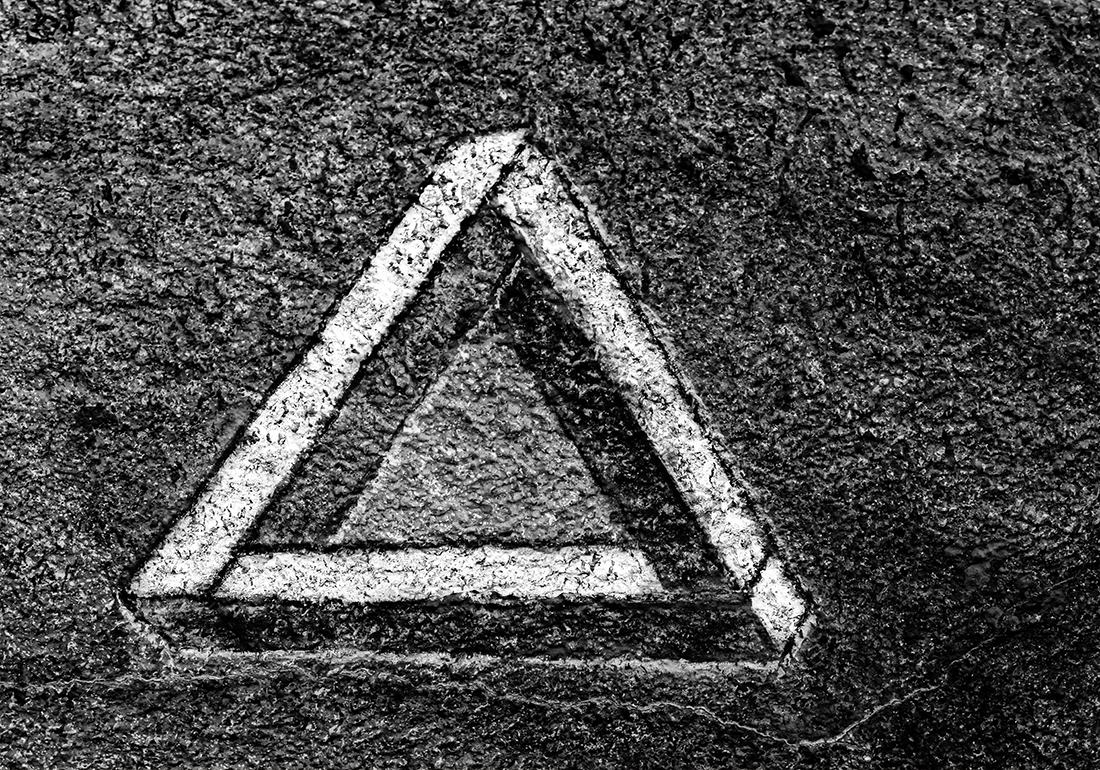
a diagonal line?
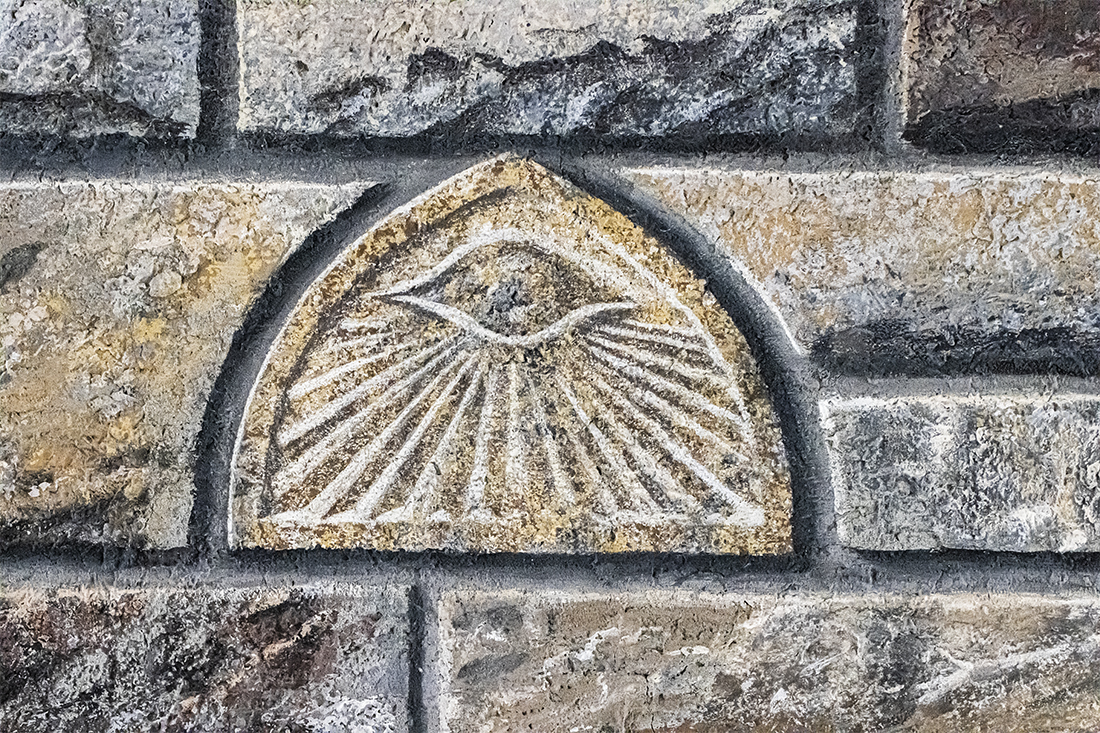
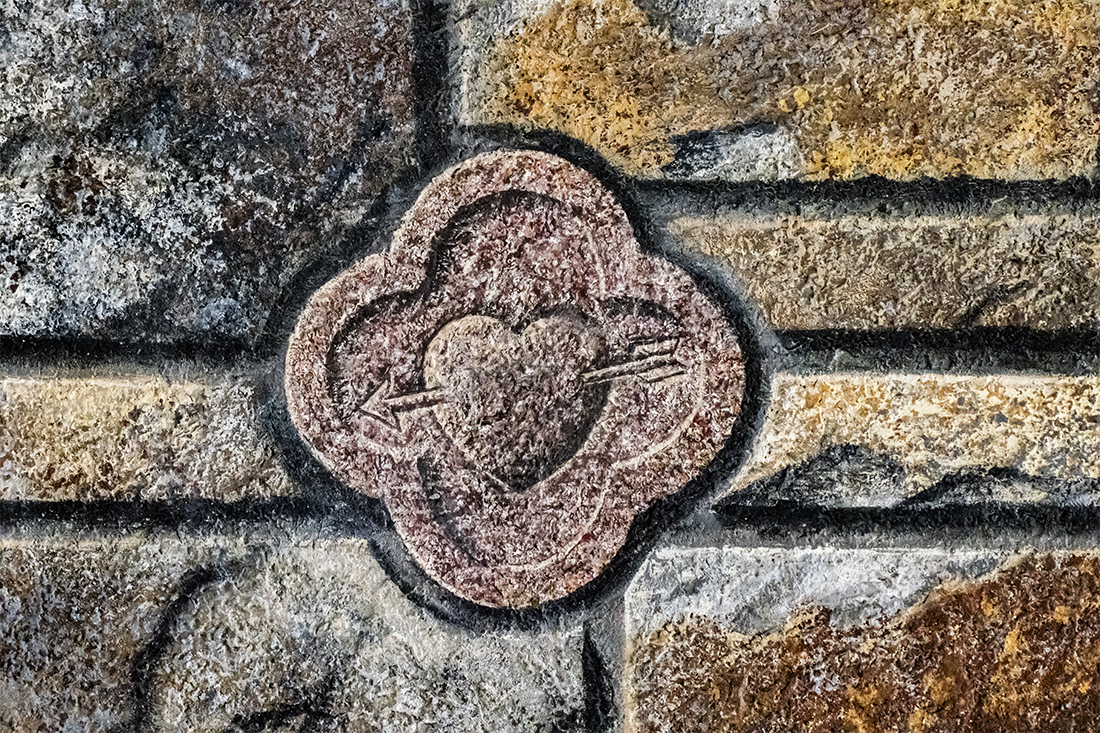
While this is NOT nature, it is a mural on a wall that borders a creek. I have them in many shapes..
There are about 5-6 of these painted murals on a wall that borders a creek thru town
Anurag wrote:
Hiya Dan. Here’s a pseudo wishlist I shared elsewhere.
Based on the Math, I am thinking of the following but nothing is set in stone yet. I am happy to move to a different topic for an interesting photo.
1. Compound eye of an insect (or honeycomb)
2. Pinecone, sunflower, or spiral shell.
3. Nautilus shell.
4. Coral, fern leaf, or Romanesco broccoli.
5. Giraffe skin, dragonfly wings.
6. Mineral deposits or electrochemical growth.
7. Fish skin patterns.
8. Water surface disturbances.
9. Soap bubbles.
10. Spiral leaf arrangement.
11. Algae expansion
12. Ink dispersing in water.
13. Bubbles or cells.
14. Coastlines or coral.
Anurag,
Perhaps my recent posting for the monthly assignment would be useful for you (item #2). You have my approval to download and use the image for educational purposes. https://www.fredmiranda.com/forum/topic/1937573/
Sreedhar.
This sounds like a nice way to engage the audience. After explaining the concept you could even so something like show the zoomed in image and offer 3 choices for what it is and have the audience vote.
I think it might be challenging for most people to zoom in as far as you might to disguise the actual image. Many of the pics of 'fractals in nature', for example show a full leaf then say, 'see the edges?' You might have more success looking for something like a gigapixel image of a mountain range, or beach (if an appropriate one exists. Then zoom way in to show the pattern and zoom out for the bigger picture. That will also give you the same point of view as you zoom.