RustyBug 
Offline
• • • • • • •
Upload & Sell: On
|
 p.1 #11 · how to expose this photograph p.1 #11 · how to expose this photograph | |
hanay78 wrote:
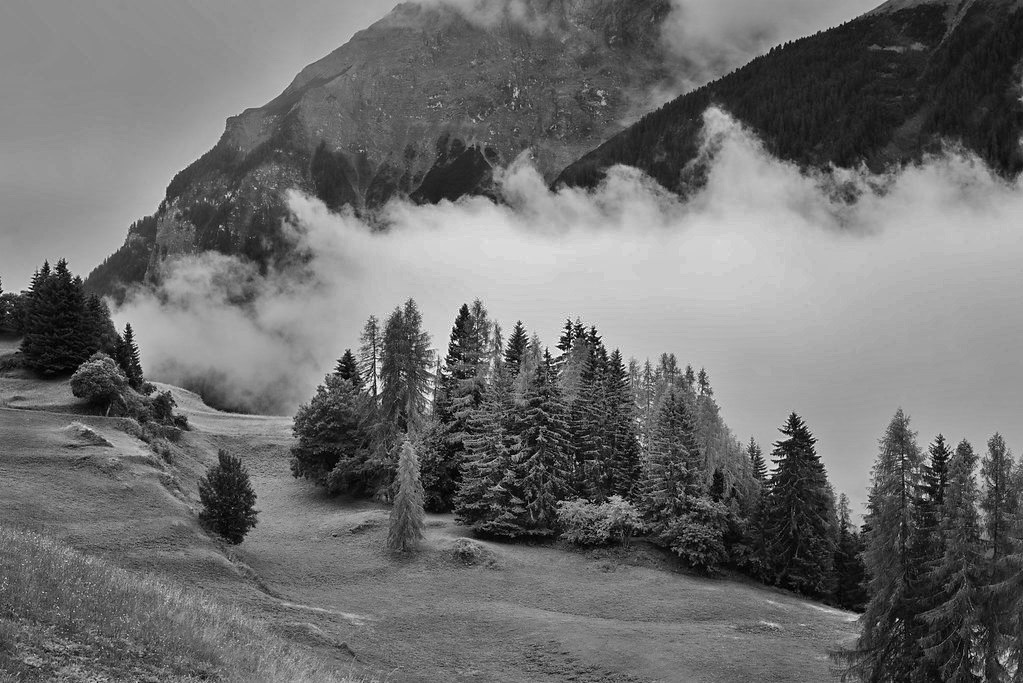
@RustyBug@@ Thank you very much for your new response. I did not understood your initial one as you guessed. thanks for the second one. It has been much clarifying. Thanks for sharing your knowledge. Of course i need to modify my approach. it was a complete missing 
Than you for the ideas, and the explanation about the reflective meter. I do use it in spot mode. I thing it has relatively small angle, so that your approach can be used efficiently in the field
@Imagemaster@ & @Camperjim@ I think the shutter speed was enough to have used bracketing. The point is that I was trying to make a panorama. Thus bracketing was inconvenient, I hope you understand what I mean. Bracketing may have mean to much delay to capture a 3:1 panorama. Anyway, to be able to meter such scenes understanding what i am doing is good thing, to grow as a photographer
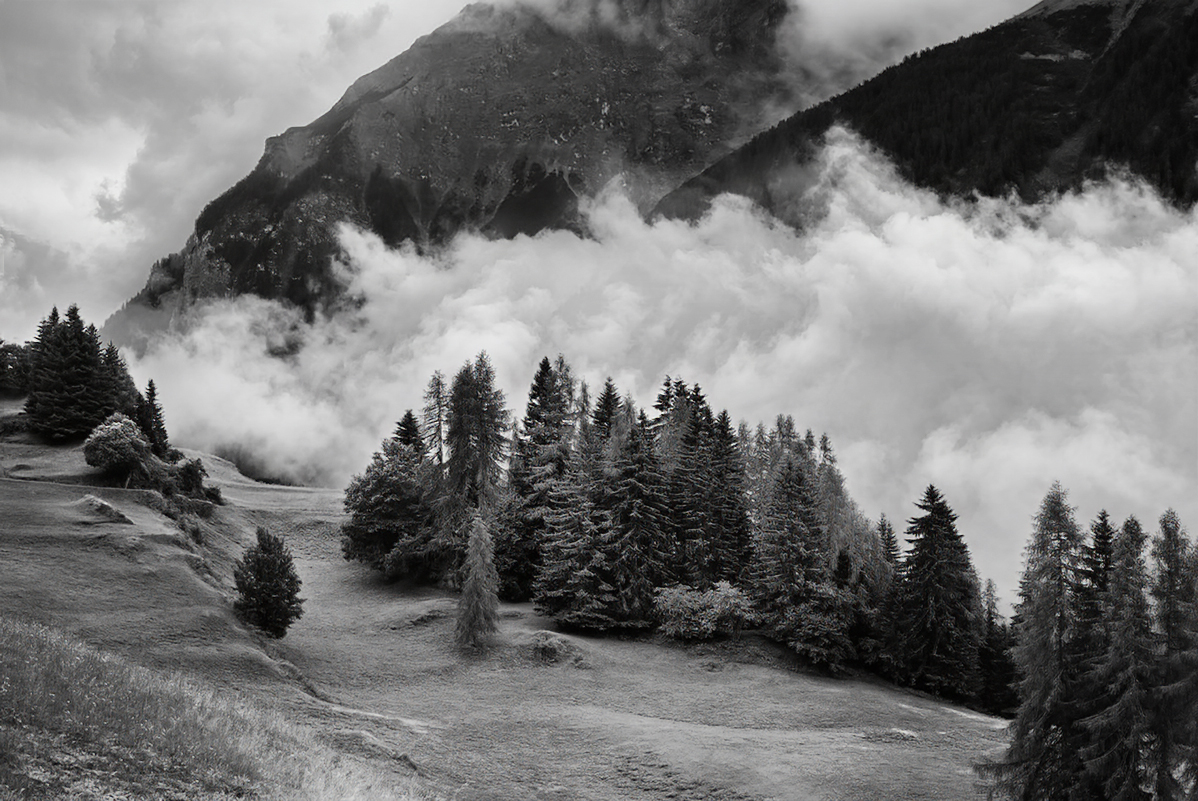
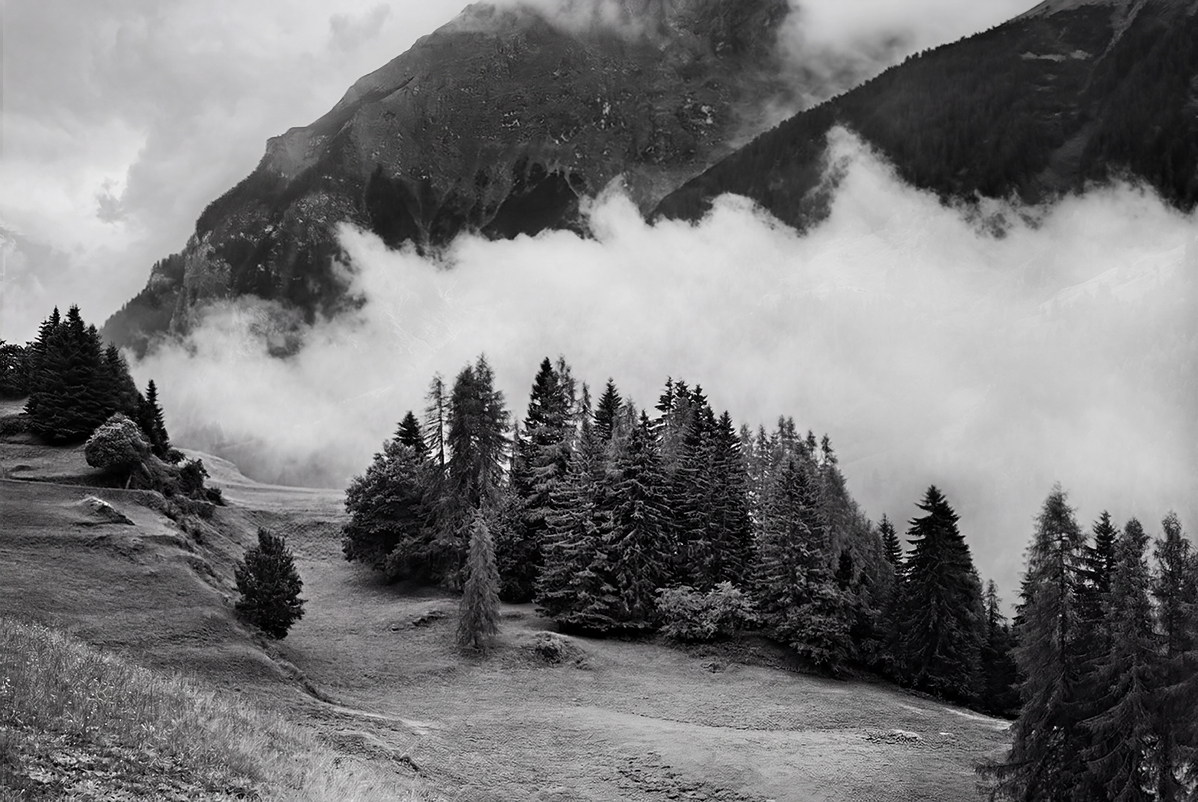
@Shasoc@@ the feeling of the cloud is pitifully not as I remember it. The place is very special, with inversion the clouds are interesting from this position, where I was standing. the clouds were fantastic, more earial than you depicted it. Also more convex. It is a real pity that my lack of qualification stop me to transform my feelings in an image. Anyway, your post-processing is very impressive and very well done! May I ask you what was your workflow? I very much like to learn to make things like that cleanly
Jorge
...Show more →
Here's an exercise I did a VERY long time ago (1980's) ...
Get three pieces of construction paper (or other similar) ... one white, one gray, one black.
Now, in the same lighting setup, use your reflective spot meter to take three different pictures (one of each paper), and allow the camera to determine the exposure. No EC, no manual adjustments ... just what the camera wants to do. Be sure to frame it "tight" so you are photographing the entire frame as the uniform tonal value.
Compare the different exposure values that the camera suggested.
Compare the images.
What you should find, is that the camera will generate three different exposure recommendations.
And, it should yield three GRAY images, that are essentially indistinguishable from one another.
I tested this using slide film long ago. Back in the day when you dropped of film at a lab and had to wait to go pick it up the next day or so. And, yes ... all three slides were gray, indistinguishable from one another.
This is the "test" that correlates to the understanding of what the REFLECTIVE meter is trying to do. It is assuming (i.e. calibrated to yield) that what ever you are pointing it at ... is something that you WANT to be gray.
Point it at dark things, and it increases exposure ... "adds light" to make >>> dark = gray (and thus blows out highlights).
Point it at bright things, and it decreases exposoure ... "subtracts light" to make >>> bright = gray (and thus crushes shadows).
That is the bugaboo about reflective metering that gets things "fooled".
As an "extension" test ... place all three papers in your scened. Take three different images of the three papers. Each time, metering off of the different paper. This time, instead of seeing them be equal ... you'll see that whichever one you metered off of ... it will be the gray one. The other two will either be brighter or darker than expected. Of course, when you meter the gray one, expecting it to be gray, it will be the closest to being gray and the other two remaining closest to how you would expect them to be.
Of course, we also have center weighted, average, matrix, etc. for metering modes. So, even with those different metering modes (and the ability to use EC with them), it still behooves us to understand the essence of how a REFLECTIVE meter works.
In that regard ... the camera / meter might get fooled, but we can recognize the scenarios that might fool it from what we want, and then take control ourselves to land things where we want them.
I encourage you to run your own tests / experiments ... they can be very helpful in understanding it better. The good news, is once it "clicks" for you, you'll rarely get fooled again.
To a certain degree, this understanding of how reflective metering works is a "lost art" ... given the preponderance of availability for folks to use their histogram, bracketing, matrix metering, etc. But, if you are going to wander in the land of "tricky lighting" in the natural world, it's a skill set worth understanding / developing (imo).
HTH

|