philip_pj
Offline
• • • • • •
Upload & Sell: On
|
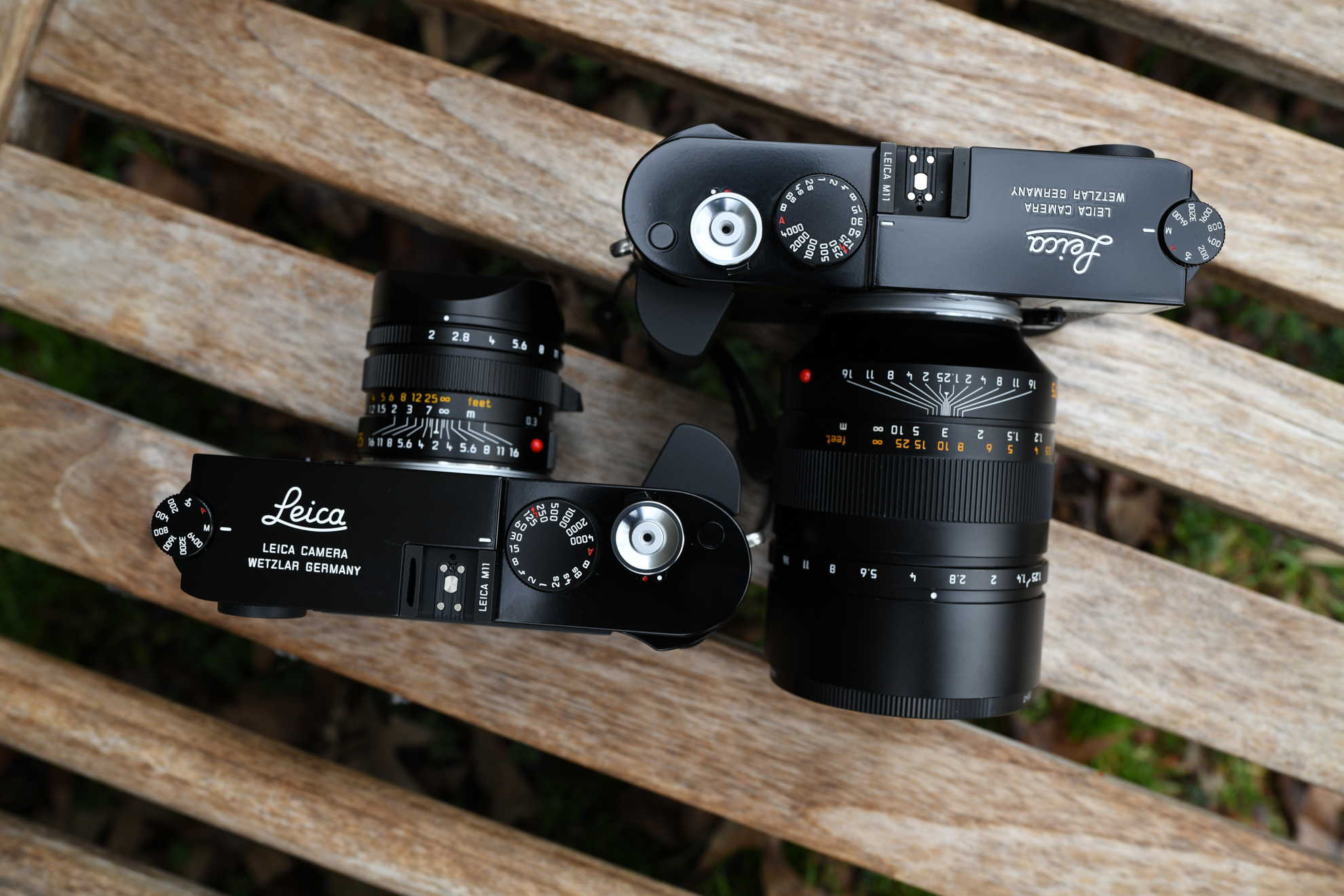
 p.1 #2 · Noctilux 75 vs Voightlander 90 apo p.1 #2 · Noctilux 75 vs Voightlander 90 apo | |
Very nice and pretty instructive. Plenty do not, but I do agree regarding 75mm and 90mm. Before going further, the new light lens ranges being released for 'moving pictures' usage all feature 75mm and 100mm lenses, and this seems to me like a better gap, a separation between the ideal portrait focal length and the beginning of what we might call the 'stand off' mid-telephoto range.
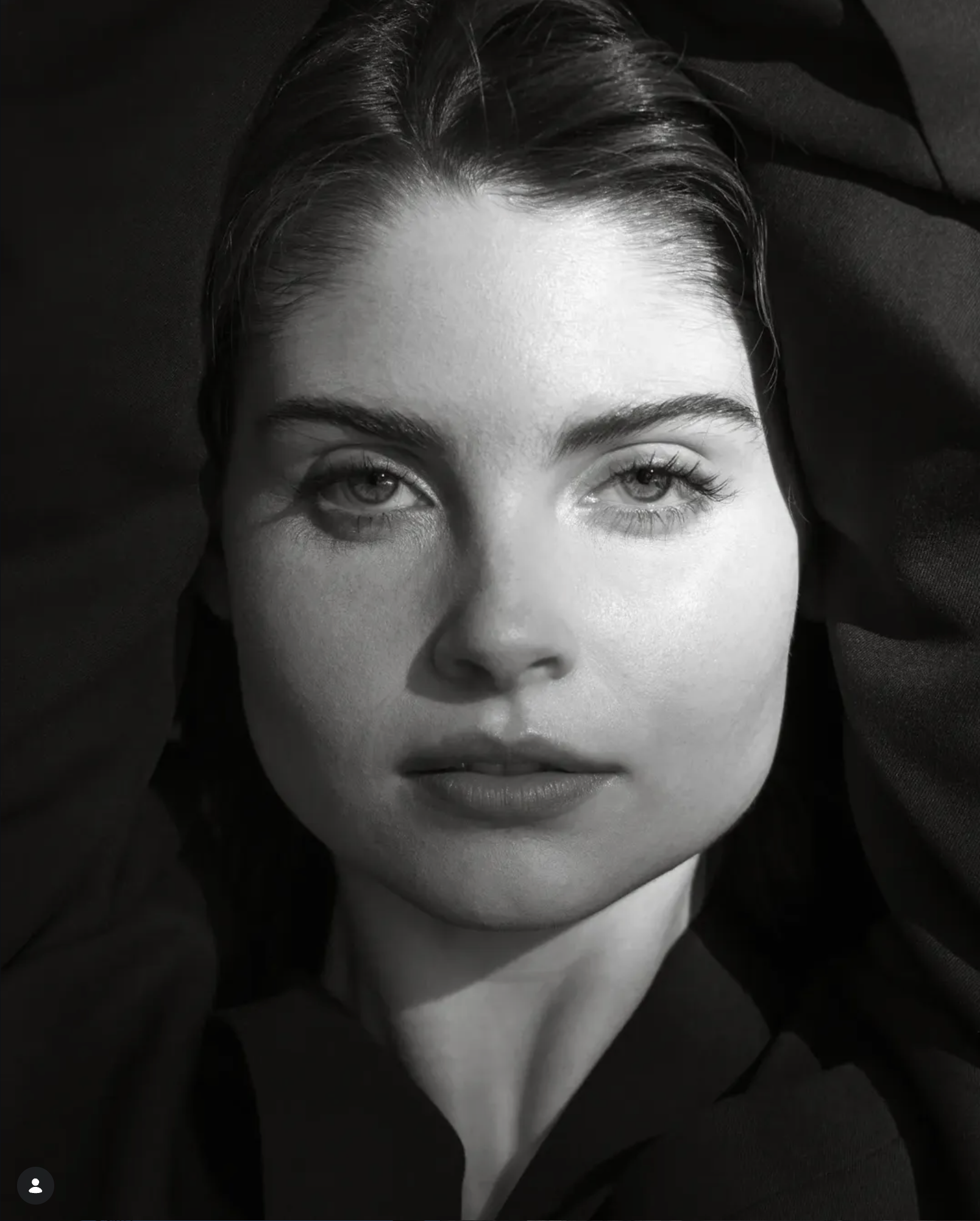
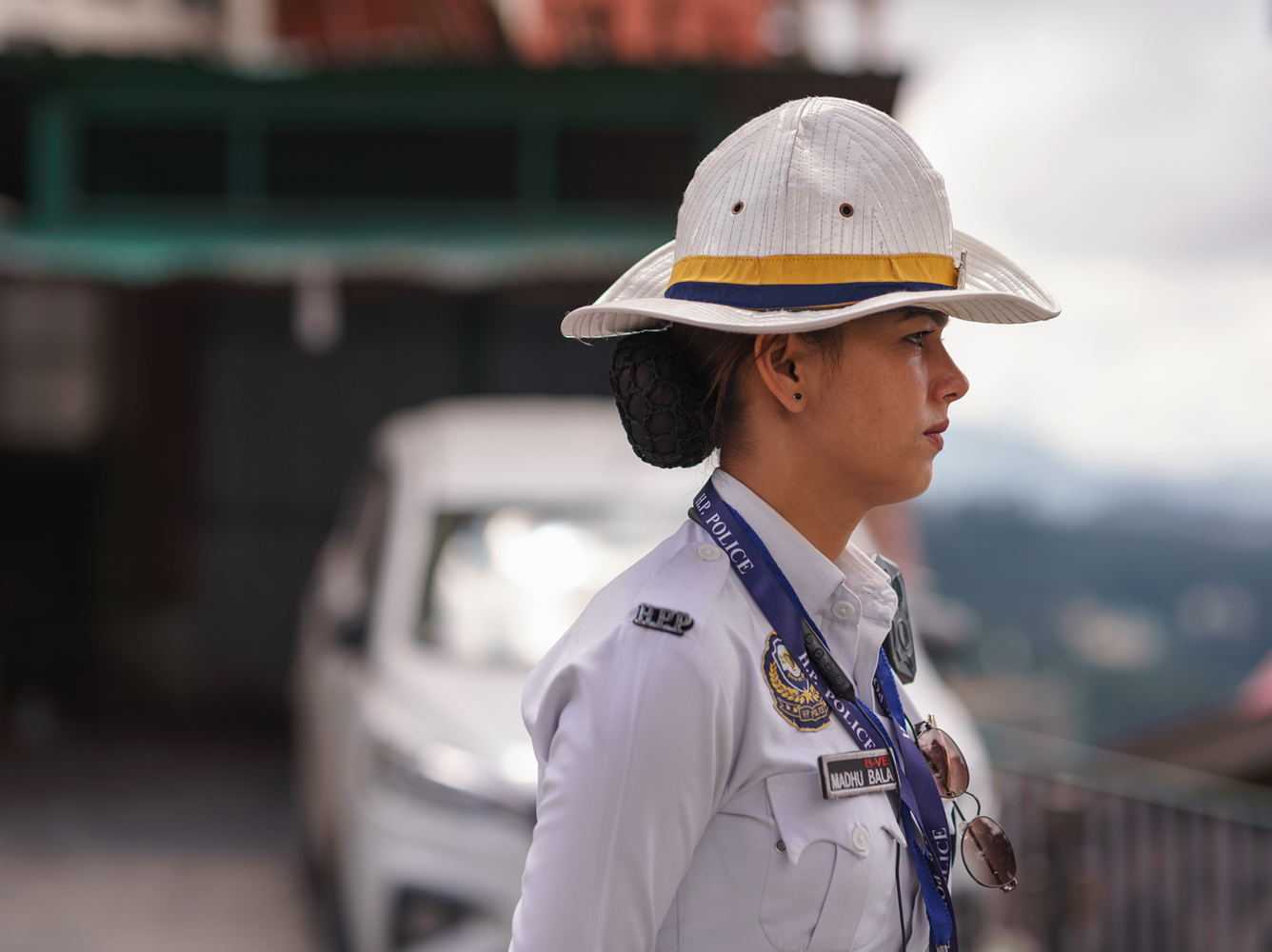
It pays dividends at shot-time too, because a 75mm maintains a better sense of intimacy between photographer and subject. 75s also give you greater dimensionality to human faces - you simply see the curves of jawline and cheek bones better, and this effect works well with the tonal gradation offered by the lens.
If you like, a 75mm is a long 58mm, where 90mm is a short 100mm, and made even more so at portrait distances if the lens in question has significant breathing - something very few reviewers include in their presentations. 75s also give us greater scope for gradual transitions - very important when considering near-APO performance levels. Bokeh gets greater life for the same reason = less compression.
And if you photograph non-Caucasians with different head shapes and different skin tones, 90mm delivers more flatness of the face in a tone range that makes it very obvious what is happening to skin rendering.
APO portraiture is an ongoing debate, I've already had (more than) my fair say about the 90/2 APO-Ultron. Those who have doubts about the use of APOs here can point to the full spectrum trend to sky high MTF combined with rapid fall-off, and this is exacerbated by the force of sheer magnification at this focal length region.
It may come down to what you want to mostly use the lens for - APOs are very suitable for the subject matter most FM members post images of. Many don't want to have two lenses at this FL region, they may not use it much and the lenses tend to be heavy. But portraits throw it all into a harsh glare because the only thing in focus is the human face. And for reasons of fashion and optical science, it has to happen at wide apertures these days.
It's a new world in post-processing. Many believe they can deal with excess acutance by using negative Clarity or similar. I'm unconvinced for this reason: Clarity is a brute force instrument that appears to operate on all spatial frequencies.
We who love our portraits don't want that, we need good edges at 5-10 lpmm for authentic shaping, but we need it with sensible skin depiction - outside of the high impact magazine 'pro' look. It's best done inside the lens therefore.
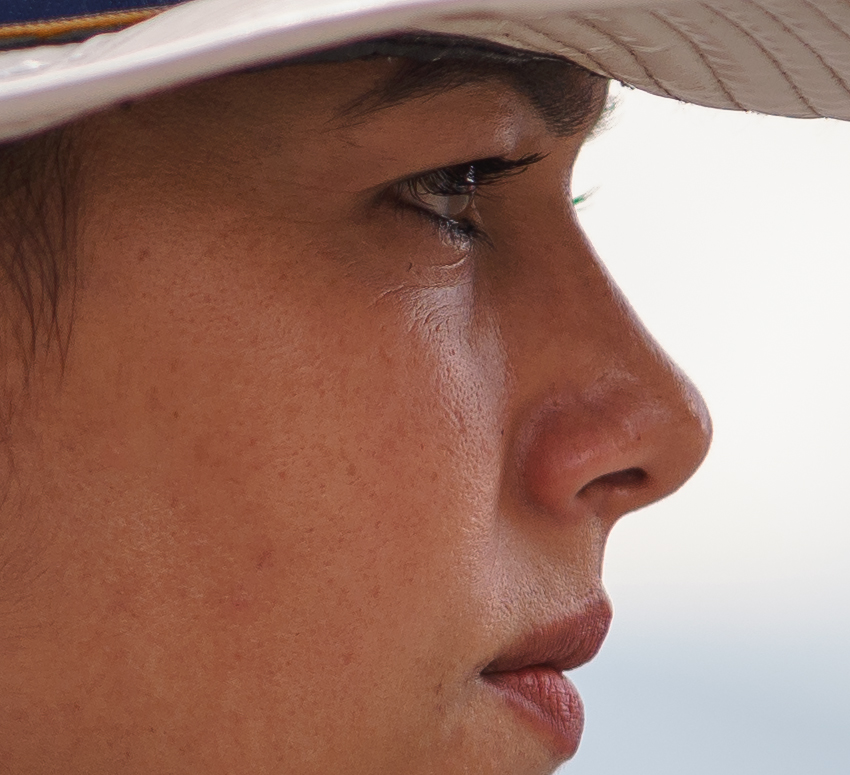
And, ironically, a little CA is a tell that you might be using a fine portrait lens. Another tell that the photographer used a modern APO genre lens is image brightness levels. So you see many images up near the level of disappearance of easily seen skin tones, as well as a full frequency gamut loss of sharpness, if post work was not handled very carefully.
Skin with no palpable detail is the tell here, people may start to resemble ghosts. The industry mainstream is trying to move us to this form of super-sharp face depiction, in stills at least. Cine won't tolerate it, for serious character movies. They want 'natural', not a facial skin cancer inspection.
Now that China makes up over 30% of the market, help is on the way (!) Their aesthetic is for a lot of 75mm lenses over 90/100mm and their population has a wide range of skin tones and head shapes. They almost all make very solid portrait 75s. The Artisans, Sirui, Thypoch, Viltrox et al, they are all helping out those who are value-oriented and price-sensitive.
|