p.4 #1 · New Cobalt Kodachrome 25 and 64 film profiles
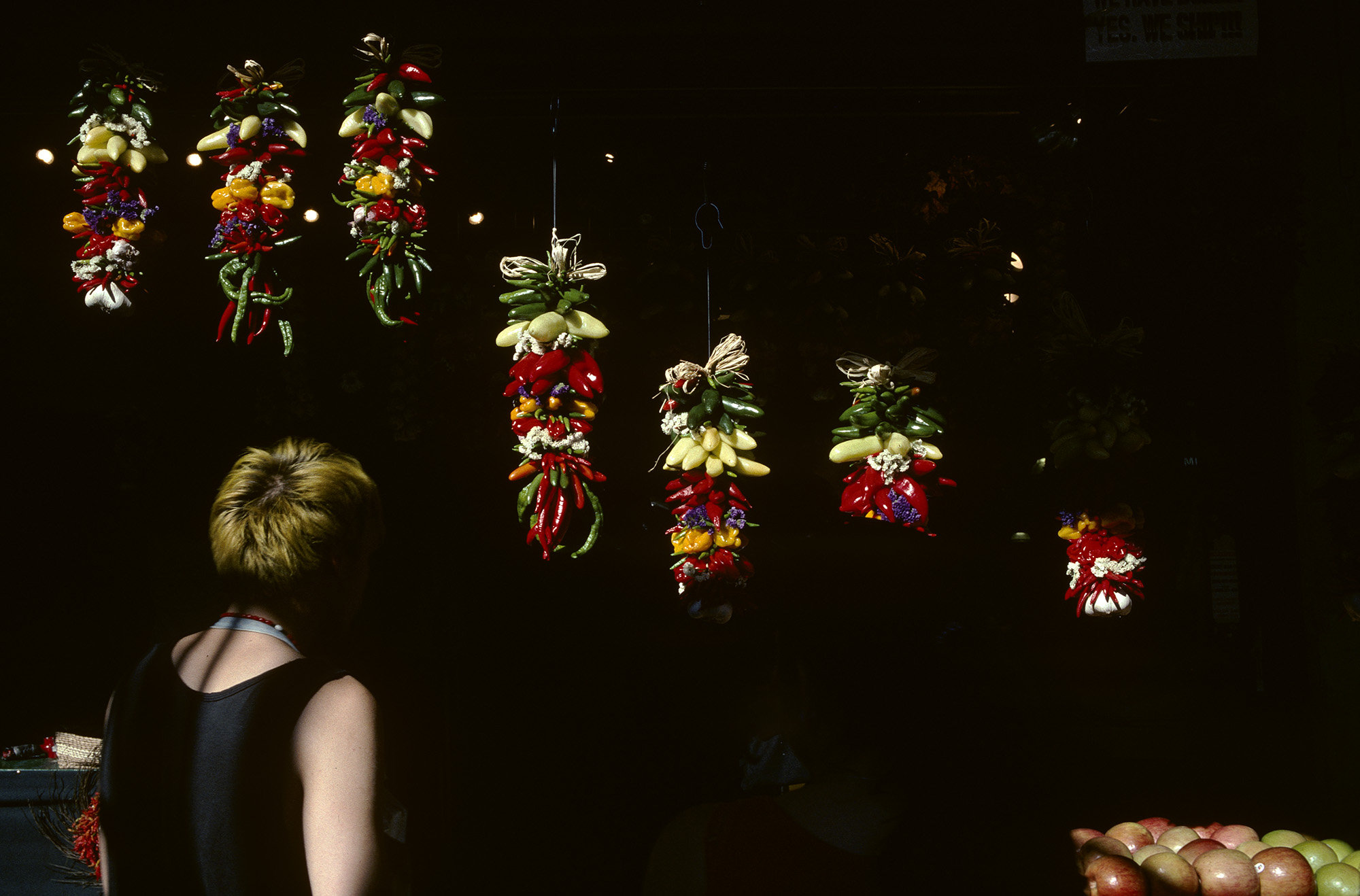
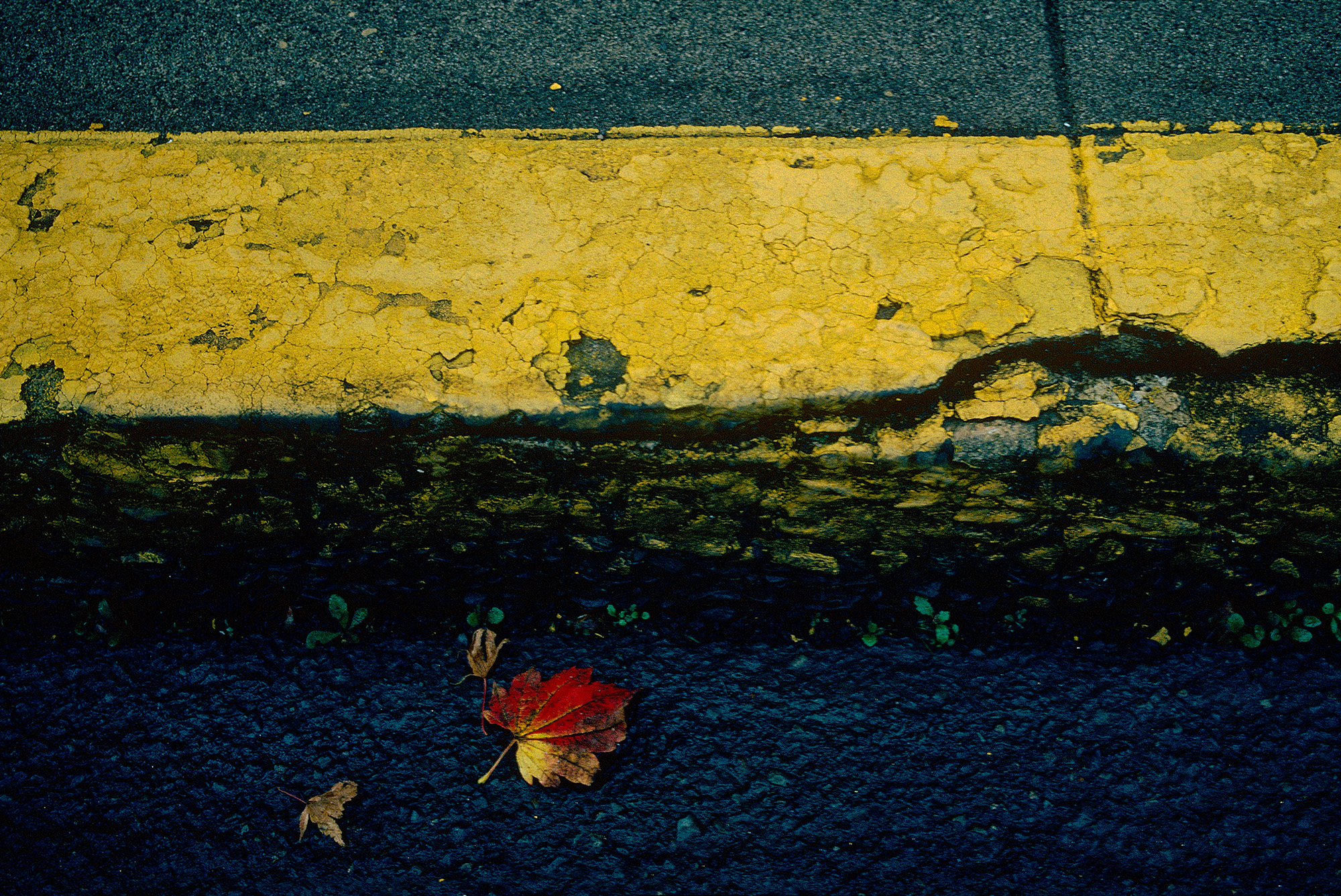
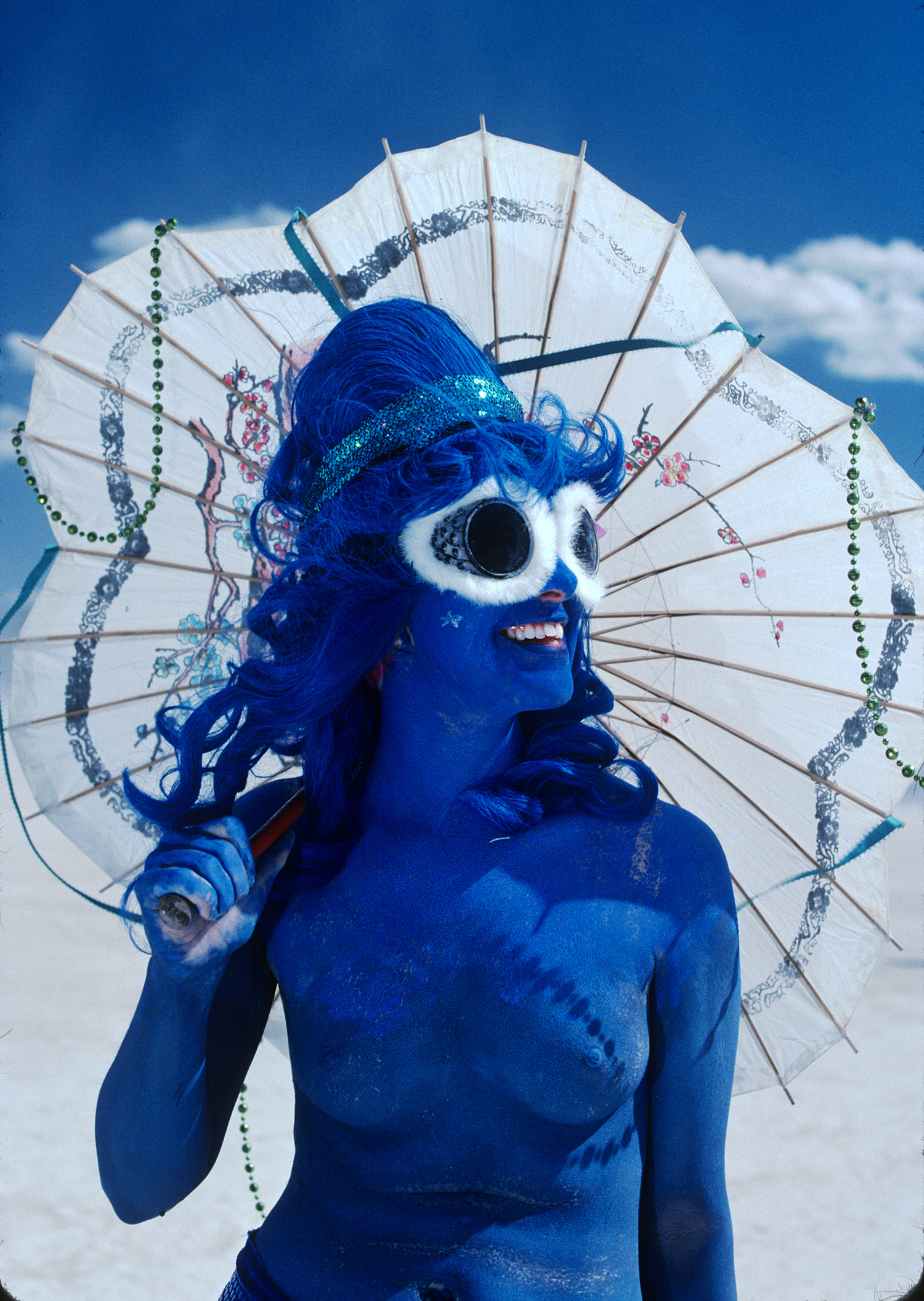
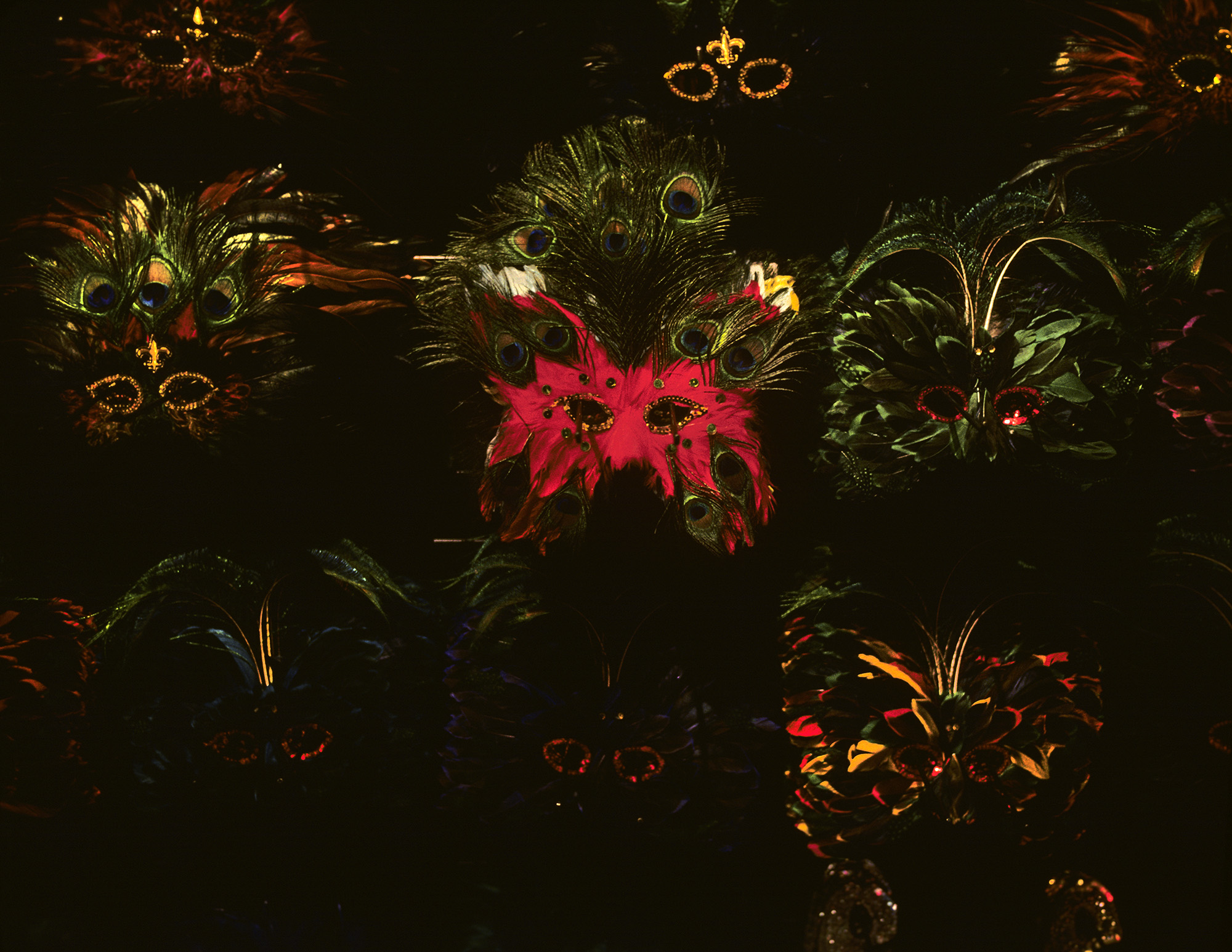
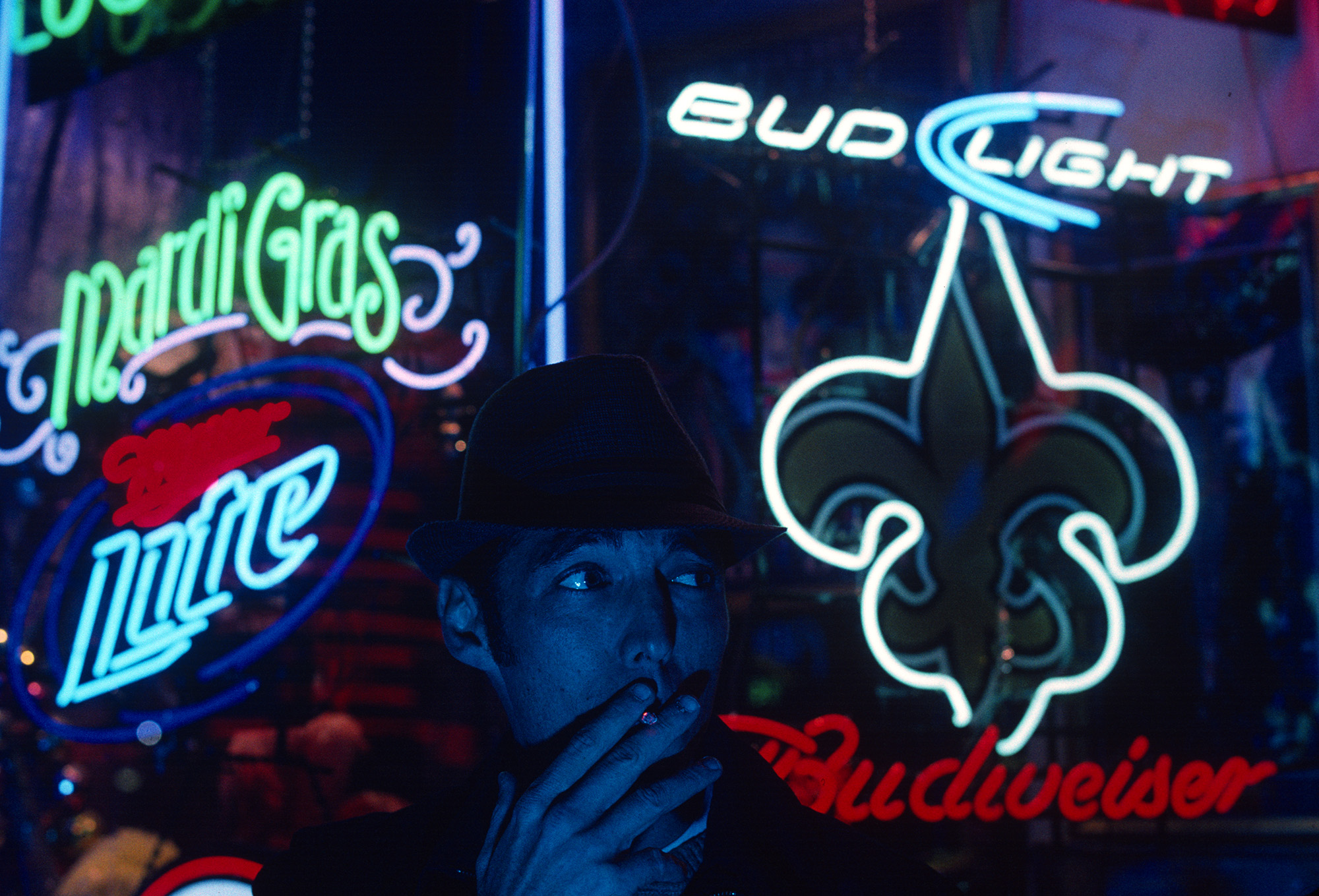
More real Kodachromes, it was a great few years working on this book project, nice to reminisce. Kodachrome 200 was a fantastic film too, Alex Webb did wonderful work on it, the blue smoker was shot on it. I also loved Kodachrome's narrow exposure latitude, it made for great spotlighting and Caravaggio effect...
p.4 #2 · New Cobalt Kodachrome 25 and 64 film profiles
Ai_Print wrote:
More real Kodachromes, it was a great few years working on this book project, nice to reminisce. Kodachrome 200 was a fantastic film too, Alex Webb did wonderful work on it, the blue smoker was shot on it. I also loved Kodachrome's narrow exposure latitude, it made for great spotlighting and Caravaggio effect...
p.4 #3 · New Cobalt Kodachrome 25 and 64 film profiles
Does anybody have some samples for how the Kodachrome simulation compares to the Cobalt Portra 400 simulation? That's the one I use the most, and that would help me decide whether it's worth getting this pack as well.
p.4 #4 · New Cobalt Kodachrome 25 and 64 film profiles
Kodachrome and Portra flm have VERY different looks. Transparency film like Kodachromes color is very different than the color and contrast you would get from a color negative film like Portra.
p.4 #5 · New Cobalt Kodachrome 25 and 64 film profiles
airfrogusmc wrote:
Kodachrome and Portra flm have VERY different looks. Transparency film like Kodachromes color is very different than the color and contrast you would get from a color negative film like Portra.
Yes, I get that. I'm still interested in seeing the two Cobalt simulations for Kodachrome and Portra side by side on a couple of samples to get a better idea of where the differences are.
p.4 #6 · New Cobalt Kodachrome 25 and 64 film profiles
I wonder how a preset can possibly achieve the look of a particular film, given that film has a defined and consistent white balance under all conditions, whereas digital white balance is not standardized, neither during the photographic capture (from the sensor) nor during processing (from the editing software). In my opinion, these "scientifically created" film simulations mislead the unsuspecting buyer. However, I'm happy to be proven wrong if someone is capable of doing so.
Or is an integrated white balance fixed and binding in the preset?
p.4 #7 · New Cobalt Kodachrome 25 and 64 film profiles
Nifty Fifty wrote:
I wonder how a preset can possibly achieve the look of a particular film, given that film has a defined and consistent white balance under all conditions, whereas digital white balance is not standardized, neither during the photographic capture (from the sensor) nor during processing (from the editing software). In my opinion, these "scientifically created" film simulations mislead the unsuspecting buyer. However, I'm happy to be proven wrong if someone is capable of doing so.
Or is an integrated white balance fixed and binding in the preset?
I think that it is maybe better to think of these presets as being “flavors” of interpretation that might be “inspired by” those original film stocks than to think of them as actually being digital equivalents of them.
I also sometimes wonder why the great interest — other than perhaps nostalgia on the part of folks who liked the past — in emulating the way photography looked decades ago, especially when we now have the power in our cameras and software to produce whatever sort of look we want without reference to old antecedents.
YMMV.
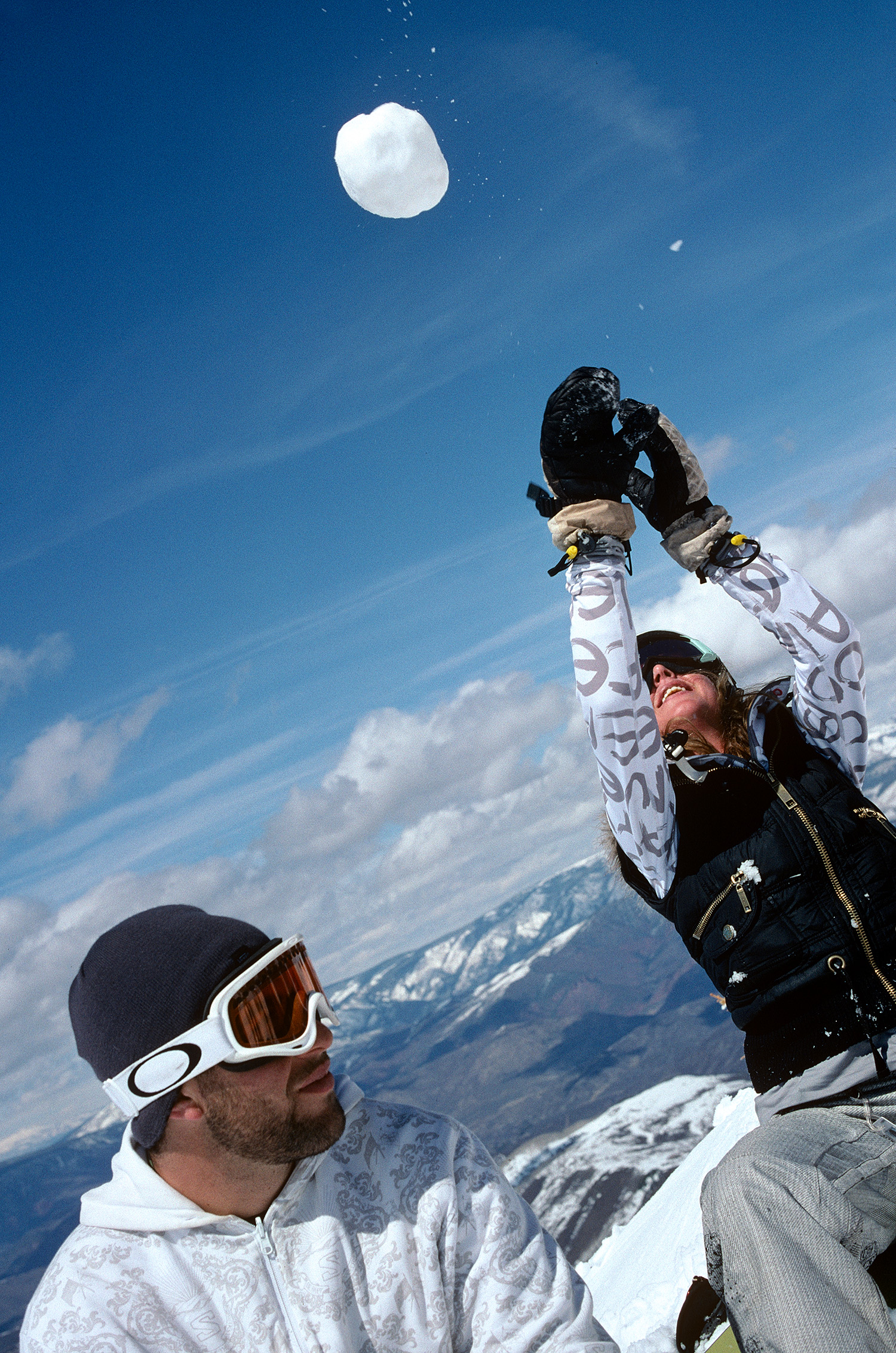
BTW, the image above of the people with the snowball comes closest to what I remember Kodachrome images looking like when I used it. I photographed a lot of mountains and people and sky on that film…
p.4 #9 · New Cobalt Kodachrome 25 and 64 film profiles
KLaban wrote:
Yeah, but we're not looking at original Kodachrome transparencies on a lightbox here.
Doesn't matter. When you ask someone to reminisce about a famous Kodachrome shot, they'll usually point to one of the "over-saturated" ones they've seen in print or media. No one consuming these ever saw a transparency on a lightbox, that's absurd.
Just because our resident contrarians beg to differ doesn't change any of that.
p.4 #10 · New Cobalt Kodachrome 25 and 64 film profiles
KLaban wrote:
Yeah, but we're not looking at original Kodachrome transparencies on a lightbox here.
That was my thought, too. I suspect that we’re looking a scans that were further post-processed to get the heavily saturated look of these images. (I’m not saying that is a bad thing, just that it might not quite be what we typically saw in our Kodachrome transparencies. It also suggests that starting with a Kodachrome simulation may not necessarily be the ideal way to get to the results we see in the final images that were the result of additional optical/chemical post or more modern digital scanning and post-processing.)
p.4 #11 · New Cobalt Kodachrome 25 and 64 film profiles
RoamingScott wrote:
Doesn't matter. When you ask someone to reminisce about a famous Kodachrome shot, they'll usually point to one of the "over-saturated" ones they've seen in print or media. No one consuming these ever saw a transparency on a lightbox, that's absurd.
Just because our resident contrarians beg to differ doesn't change any of that.
Plenty here shot and viewed original Kodachrome transparencies on a lightbox. OK, perhaps not the punks though.
p.4 #13 · New Cobalt Kodachrome 25 and 64 film profiles
gdanmitchell wrote:
That was my thought, too. I suspect that we’re looking a scans that were further post-processed to get the heavily saturated look of these images. (I’m not saying that is a bad thing, just that it might not quite be what we typically saw in our Kodachrome transparencies. It also suggests that starting with a Kodachrome simulation may not necessarily be the ideal way to get to the results we see in the final images that were the result of additional optical/chemical post or more modern digital scanning and post-processing.)
Yes, you've only got to look at the work of Harry Gruyaert to realise there's a world of difference between his published work and Kodachrome originals.
p.4 #14 · New Cobalt Kodachrome 25 and 64 film profiles
Some of us have posted photos with the presets and old Kodachrome examples etc. Lets not take an interesting conversation and ruin it with this pathetic banter-
p.4 #16 · New Cobalt Kodachrome 25 and 64 film profiles
MikeRZ67 wrote:
Does anybody have some samples for how the Kodachrome simulation compares to the Cobalt Portra 400 simulation? That's the one I use the most, and that would help me decide whether it's worth getting this pack as well.
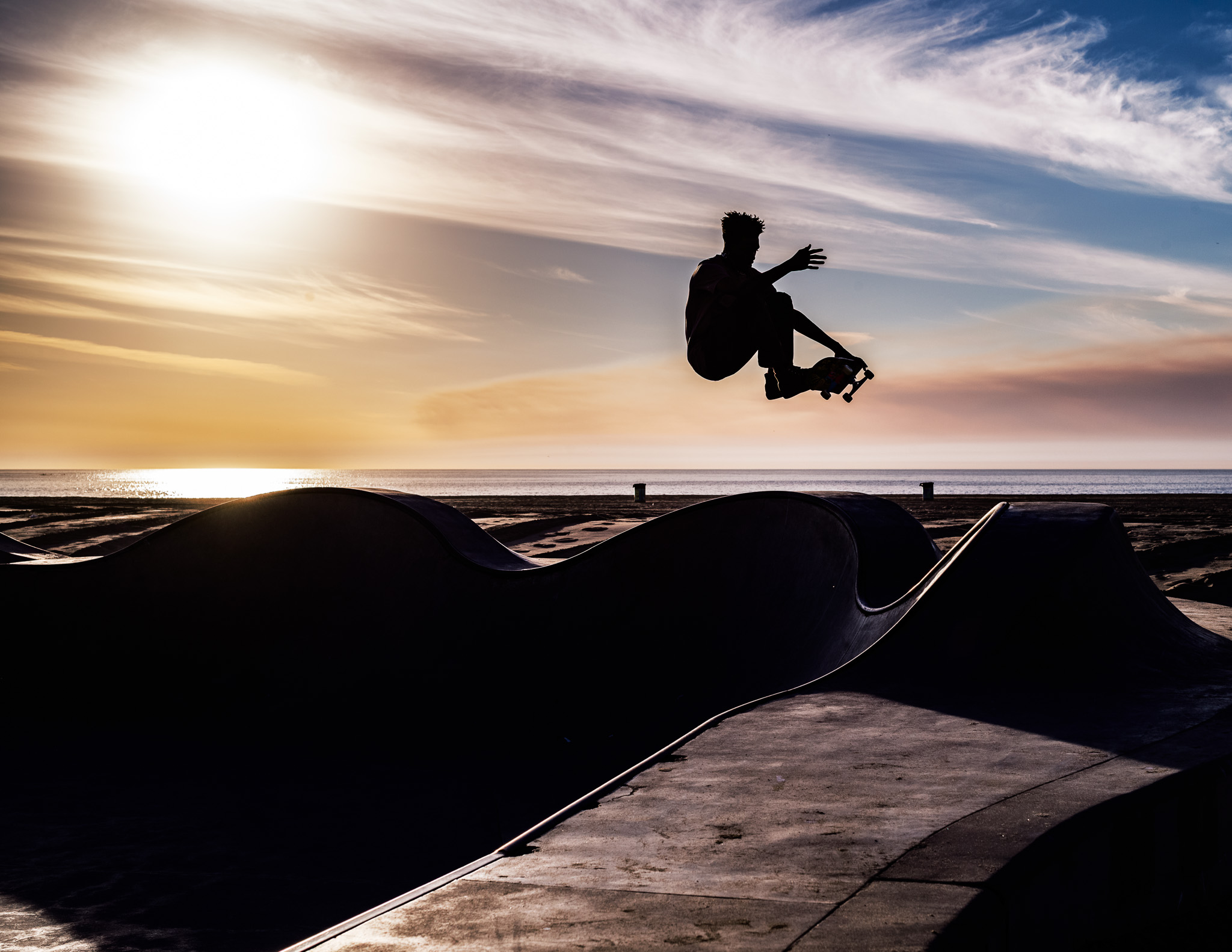
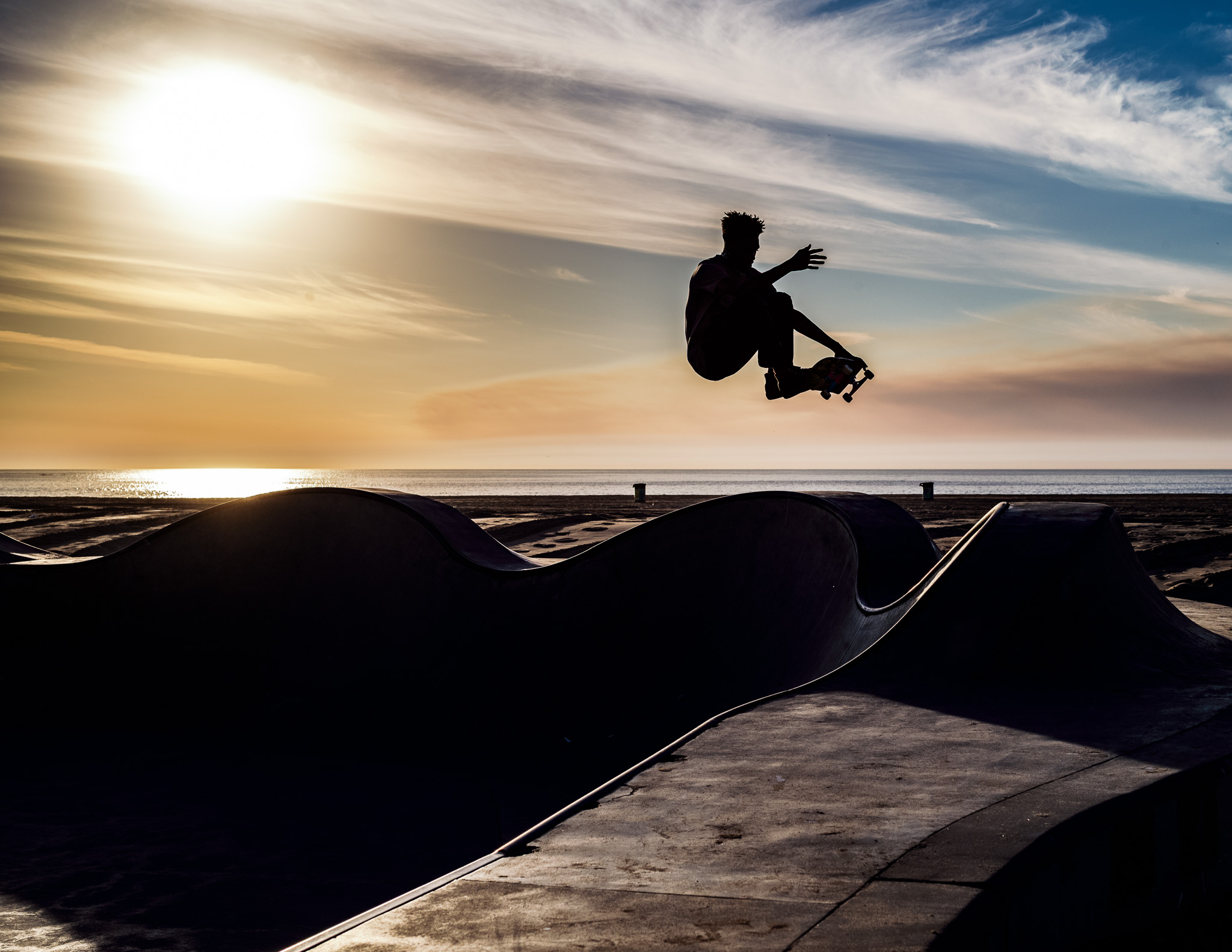
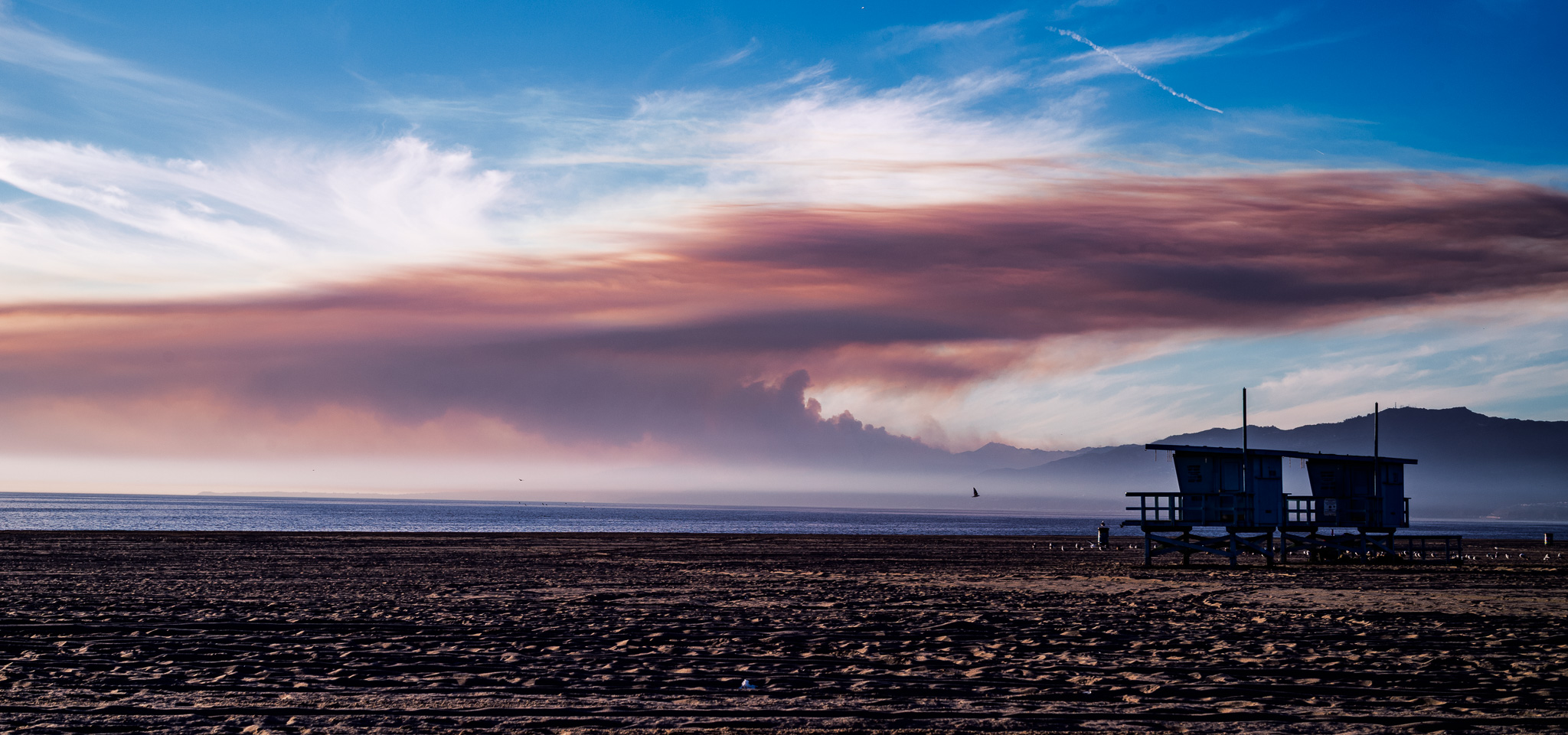
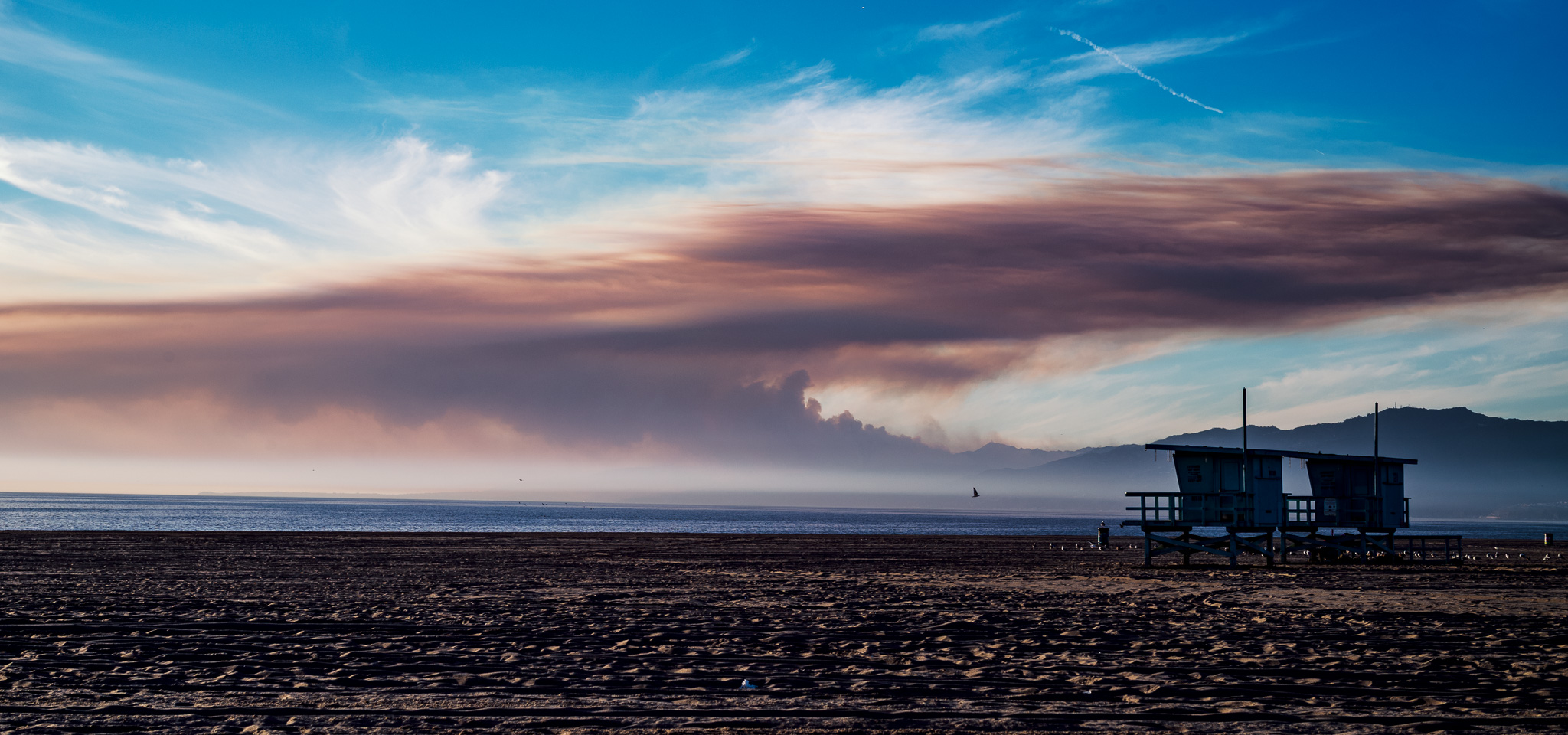
Here ya go-
Random photos selected-
One with Porta 400B
One with Kodachrome 25B
LEICA M11-PSummilux-M 1:1.4/50 ASPH. lens50mmf/1.41/250s1250 ISO0.0 EV
LEICA M11-PSummilux-M 1:1.4/50 ASPH. lens50mmf/1.41/250s1250 ISO0.0 EV
LEICA M11-PSummilux-M 1:1.4/50 ASPH. lens50mmf/4.81/1000s125 ISO0.0 EV
LEICA M11-PSummilux-M 1:1.4/50 ASPH. lens50mmf/4.81/1000s125 ISO0.0 EV
LEICA M11-PSummilux-M 1:1.4/50 ASPH. lens50mmf/4.81/320s64 ISO0.0 EV
LEICA M11-PSummilux-M 1:1.4/50 ASPH. lens50mmf/4.81/320s64 ISO0.0 EV
p.4 #17 · New Cobalt Kodachrome 25 and 64 film profiles
gdanmitchell wrote:
That was my thought, too. I suspect that we’re looking a scans that were further post-processed to get the heavily saturated look of these images. (I’m not saying that is a bad thing, just that it might not quite be what we typically saw in our Kodachrome transparencies. It also suggests that starting with a Kodachrome simulation may not necessarily be the ideal way to get to the results we see in the final images that were the result of additional optical/chemical post or more modern digital scanning and post-processing.)
In the case of mine, they were toned with the transparency nearby and most of them shot with modern Leica M glass which I find can really pop those colors out, a bit too much with a film like Velvia but just wonderfully with Kodachrome. I have a fair number of shots made in quieter light that would be more along the lines of Sam Abell or Bill Allard.
One thing I have found out is how much better a camera like the Z7 is at digging into that inky D-Max when using it to scan. I look forward to doing my final scans for the book using that method.
p.4 #18 · New Cobalt Kodachrome 25 and 64 film profiles
Ai_Print wrote:
In the case of mine, they were toned with the transparency nearby and most of them shot with modern Leica M glass which I find can really pop those colors out, a bit too much with a film like Velvia but just wonderfully with Kodachrome. I have a fair number of shots made in quieter light that would be more along the lines of Sam Abell or Bill Allard.
One thing I have found out is how much better a camera like the Z7 is at digging into that inky D-Max when using it to scan. I look forward to doing my final scans for the book using that method....Show more →
I'm curious, have you any experience using drumscans or the Hasselblad Flextight X1/X5 for scanning Kodachrome? If so, how would your Z7 scans compare?
p.4 #19 · New Cobalt Kodachrome 25 and 64 film profiles
RustyRus wrote:
Here ya go-
Random photos selected-
One with Porta 400B
One with Kodachrome 25B
Thanks for sharing these comparisons. I would love to see more Portra v Kodachrome from you or others that include more reds, skin tones, and vibrant colors.
Interesting observation … my Cobalt Portra emulations render blues much more teal than what I see here (M11-P and M10-R files).
p.4 #20 · New Cobalt Kodachrome 25 and 64 film profiles
I use Cobalt profiles and am very happy with the results. It’s a long time since I shot film but clearly remember the vagaries of lighting and processing making big differences to the final results. On that basis I look at individual shots I want to process and apply whichever profile makes me happy. Running endless comparisons seems rather pointless to me as you’ll never be able to accurately see differences outside a lab. It does however seem to be a reason for some people to disagree over not much of consequence.