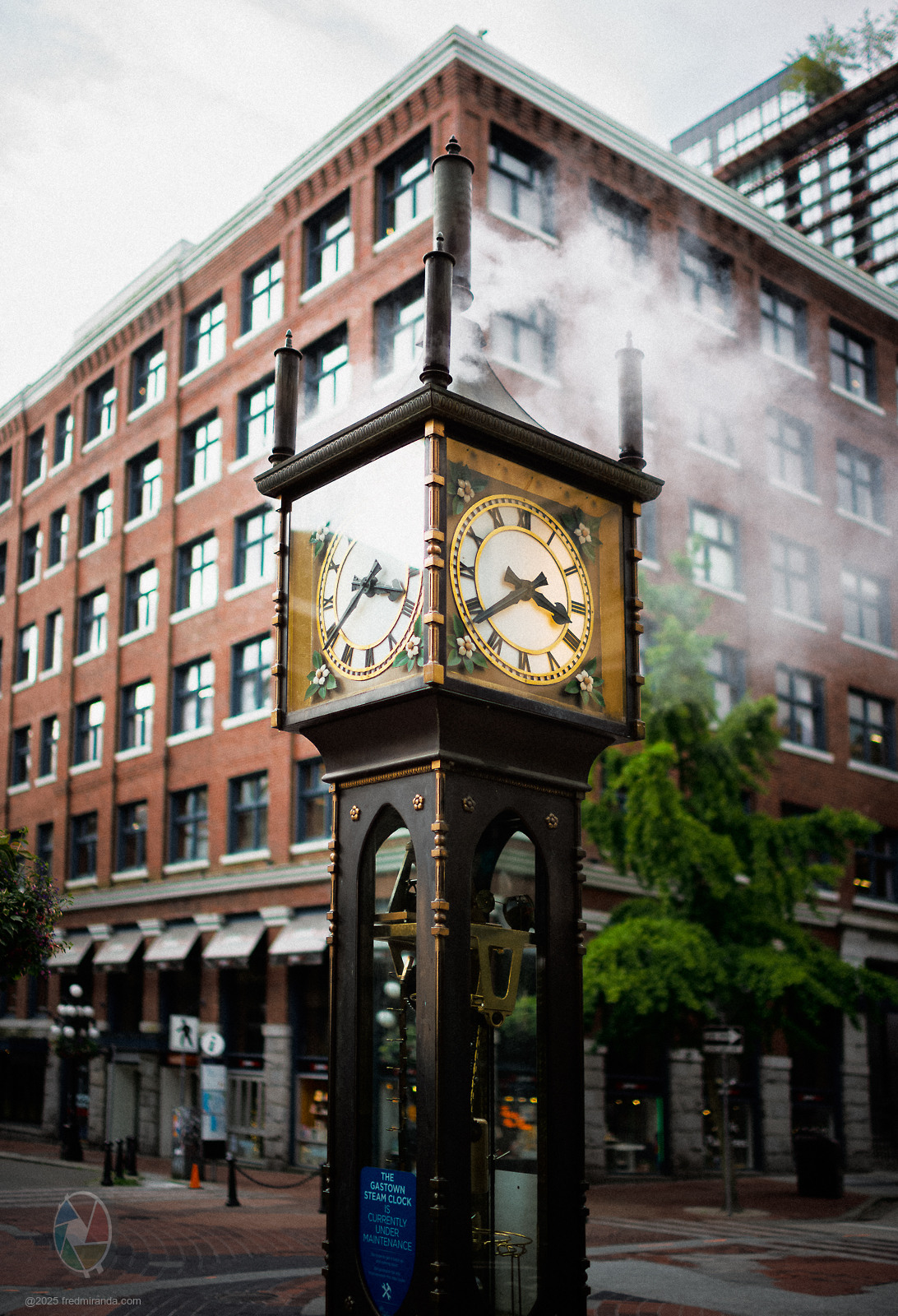
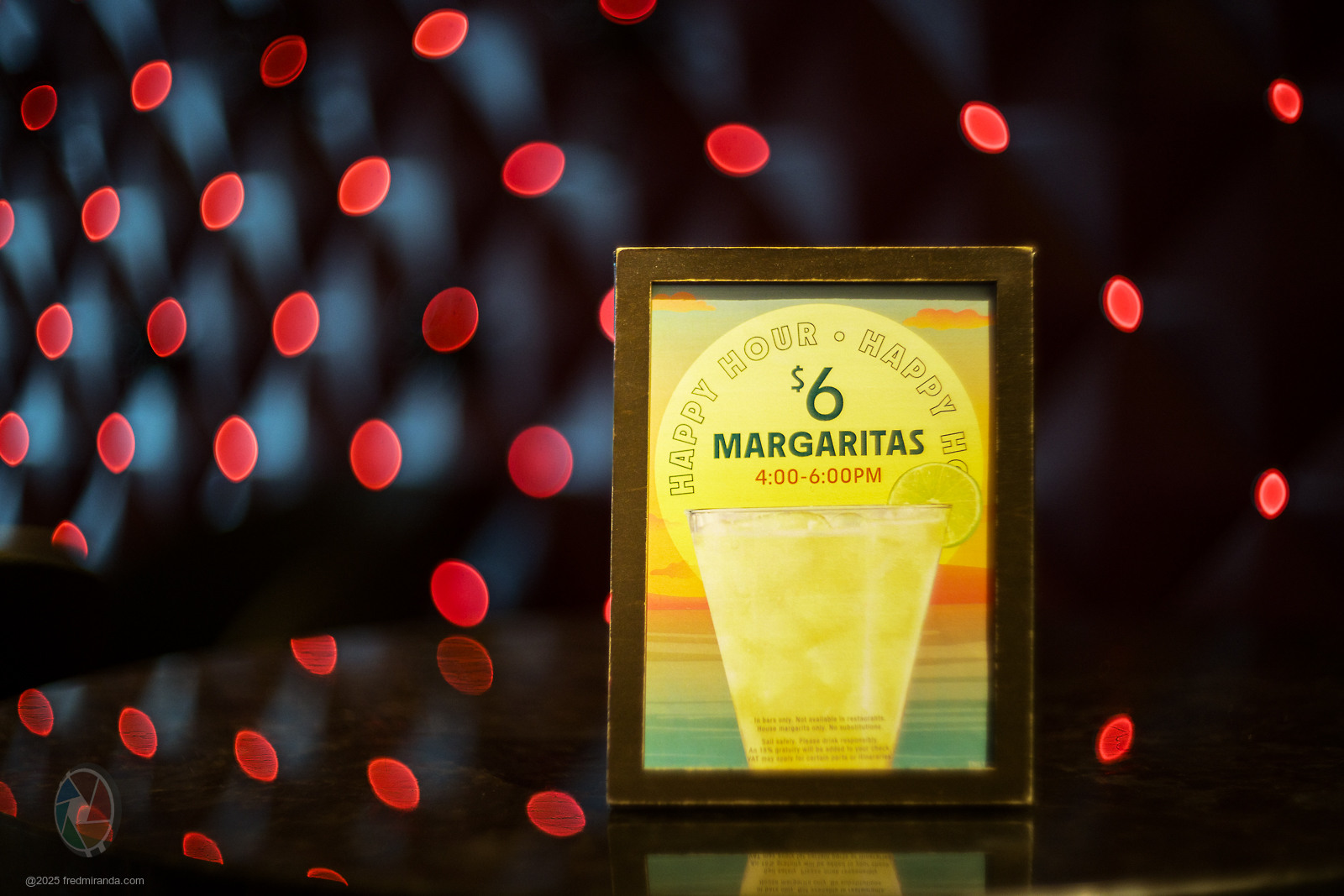
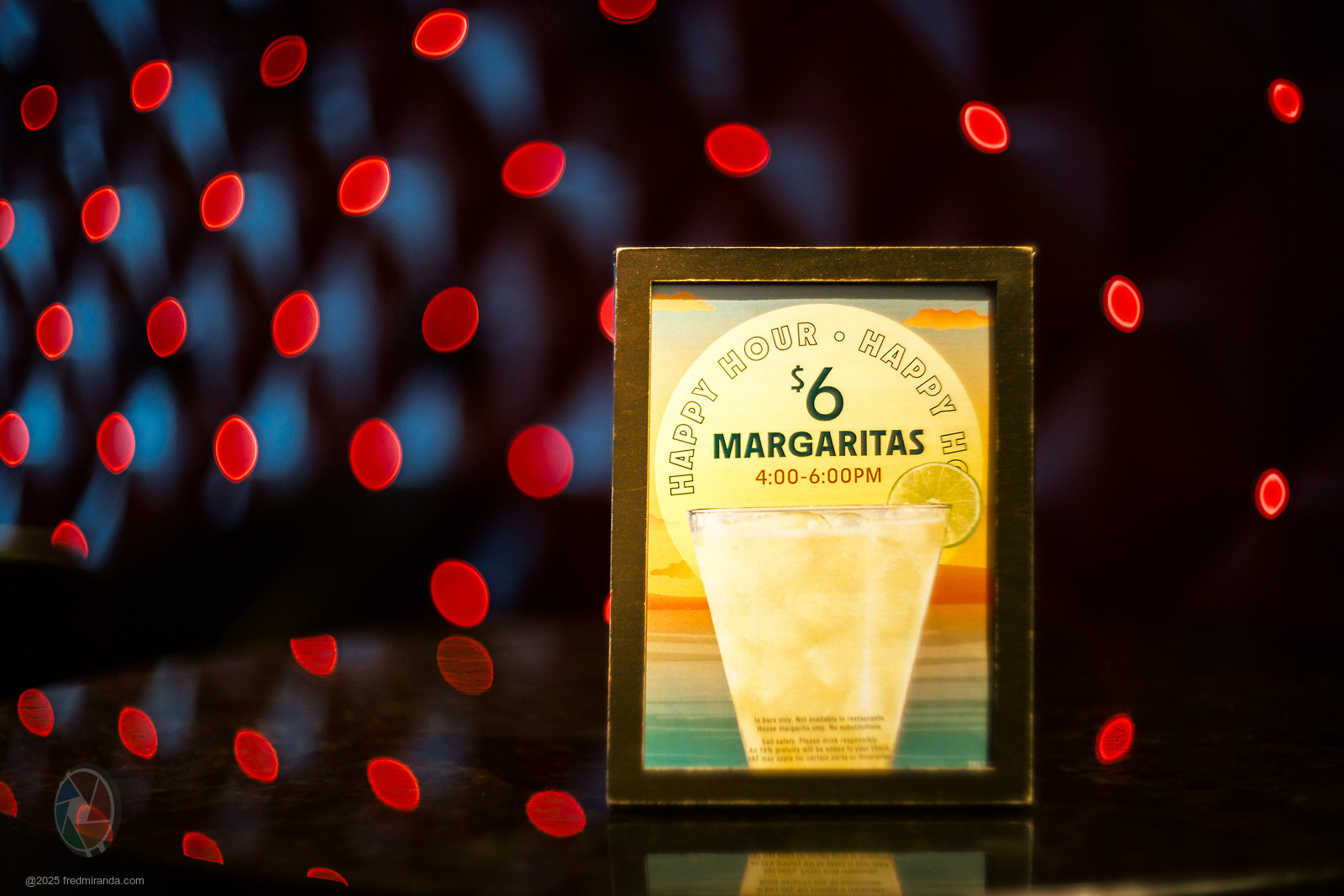
p.2 #1 · New Cobalt Kodachrome 25 and 64 film profiles
bjhurley wrote:
I agree, I shot Kodachrome 64 for about 25 years (although I transitioned to Agfachrome 100 as I thought it looked more realistic) and none of this looks like Kodachrome to me although it looks nice. I have lots of film emulations and none of them look like film stocks to me but I enjoy using them.
Similarly, I shot Kodachrome 25 and 64 for a couple decades. It's hard to tell how accurately the Cobalt profiles are given we are not viewing them in the same media. The closest we can come is a side by side comparison of a transparency against the monitor, but that is not replicable in the forum. It's the same thing when comparing a transparency against a printed reproduction. Kodachrome images printed in books lose something and are an imperfect example of a Kodachrome image. To me, the color balance of the Cobalt profiles looks about right but with greater contrast than the original film when compared to the transparencies I have at hand. I do agree with the earlier post that the white comes across as too bright.
p.2 #2 · New Cobalt Kodachrome 25 and 64 film profiles
I shot Kodachrome exclusively for many years. I recall my results at the time (starting in 1966) as being quite saturated and I loved the look. I must assume that is why I still prefer a saturated image, color or B&W.
Sadly before digital backup was available, Hurricane Andrew in 1992 took 25 years of my images away and were never recovered even in a damaged state.
Needless to say, today I over backup my images, onsite, in bank vault and at a other undisclosed location.
p.2 #3 · New Cobalt Kodachrome 25 and 64 film profiles
Even if these profiles are accurate - which based on my experience they're not - Kodachrome was suited to certain subjects and entirely inappropriate for others: it's why we chose film type carefully and appropriately. The danger here is using profiles indiscriminately.
p.2 #5 · New Cobalt Kodachrome 25 and 64 film profiles
KLaban wrote:
Even if these profiles are accurate - which based on my experience they're not - Kodachrome was suited to certain subjects and entirely inappropriate for others: it's why we chose film type carefully and appropriately. The danger here is using profiles indiscriminately.
I think the only real danger with a digital profile is worrying too much about what others think your image should look like.
I’m sure plenty of people would have loved to shoot Kodachrome in situations that didn’t really call for it. My guess is that in most of those cases it wasn’t the color that made it wrong — it was the technical limitations of the film, like ISO.
That’s why films like Cinestill or Kodak 500T with the remjet removed became so popular. Even something like Kodak Aerochrome falls into that category.
It’s usually the people who aren’t constrained by popular opinion who end up creating the most magnificent work. I’m not one of those people, but I love it when I see it.
p.2 #6 · New Cobalt Kodachrome 25 and 64 film profiles
As I mentioned, some may feel this doesn't quite look like the Kodachrome they remember and that is understandable. Everyone's reference is different, whether from slides, scans, aging, or even memory. Most images you see online or in books are interpretations, not the film itself.
What matters most here is the methodology. This profile was built from real Kodachrome transparencies processed via authentic K-14 and profiled for digital use, which I don't think has been done before. It will never replicate the physical film aesthetic and it may look different from what you remember, but in color and tonality, it is the most accurate digital representation we have right now.
I am no Kodachrome expert , and have only developed C41 color negative film kits, so I am not really qualified to judge the "correct" interpretation of this project, but I'm happy with the results.
p.2 #7 · New Cobalt Kodachrome 25 and 64 film profiles
RustyRus wrote:
I think they did a very nice job with it-
Most noticeable, how the profile deals with reds. The last profile really played with the reds to a point they no longer looked natraul and had a fake look to them.
Like in the last photo, it still has that classic Kodachrome red but more reminiscent of the original film (IMO).
p.2 #8 · New Cobalt Kodachrome 25 and 64 film profiles
Let's try this one on all your discerning eyes, last photos were Nikon and its base with Cobalt, this one is Leica M11 EV1 and its base with the Kodachrome emulation. I want to start with Leica in the workflow and see what it does. Last evening. It seems to me getting color profiles is indeed one thing, but the film look is the result of it being physically film, a leica has too high a resolution, it is too sharp and the things it isn't film. Hopefully tonight I can capture the eclipse with iso 800 film in addition to the dig and the telescopes.... that will really bring back the old days.....
p.2 #9 · New Cobalt Kodachrome 25 and 64 film profiles
KLaban wrote:
Even if these profiles are accurate - which based on my experience they're not - Kodachrome was suited to certain subjects and entirely inappropriate for others: it's why we chose film type carefully and appropriately. The danger here is using profiles indiscriminately.
Except there IS no danger, being digital and all. It's not like taking the "wrong" film into a job already loaded in your camera.
p.2 #10 · New Cobalt Kodachrome 25 and 64 film profiles
RoamingScott wrote:
Except there IS no danger, being digital and all. It's not like taking the "wrong" film into a job already loaded in your camera.
:-)
and it is not like it is my job or career or anything, just enjoying what I do......plus if I dont like it I can discard it and no additional money changed hands with "the darkroom" who I already send enough film
p.2 #11 · New Cobalt Kodachrome 25 and 64 film profiles
I have never used any of the presets, but that might be because I learned about light on the real thing as a kid and shot thousands of rolls of it throughout my life.
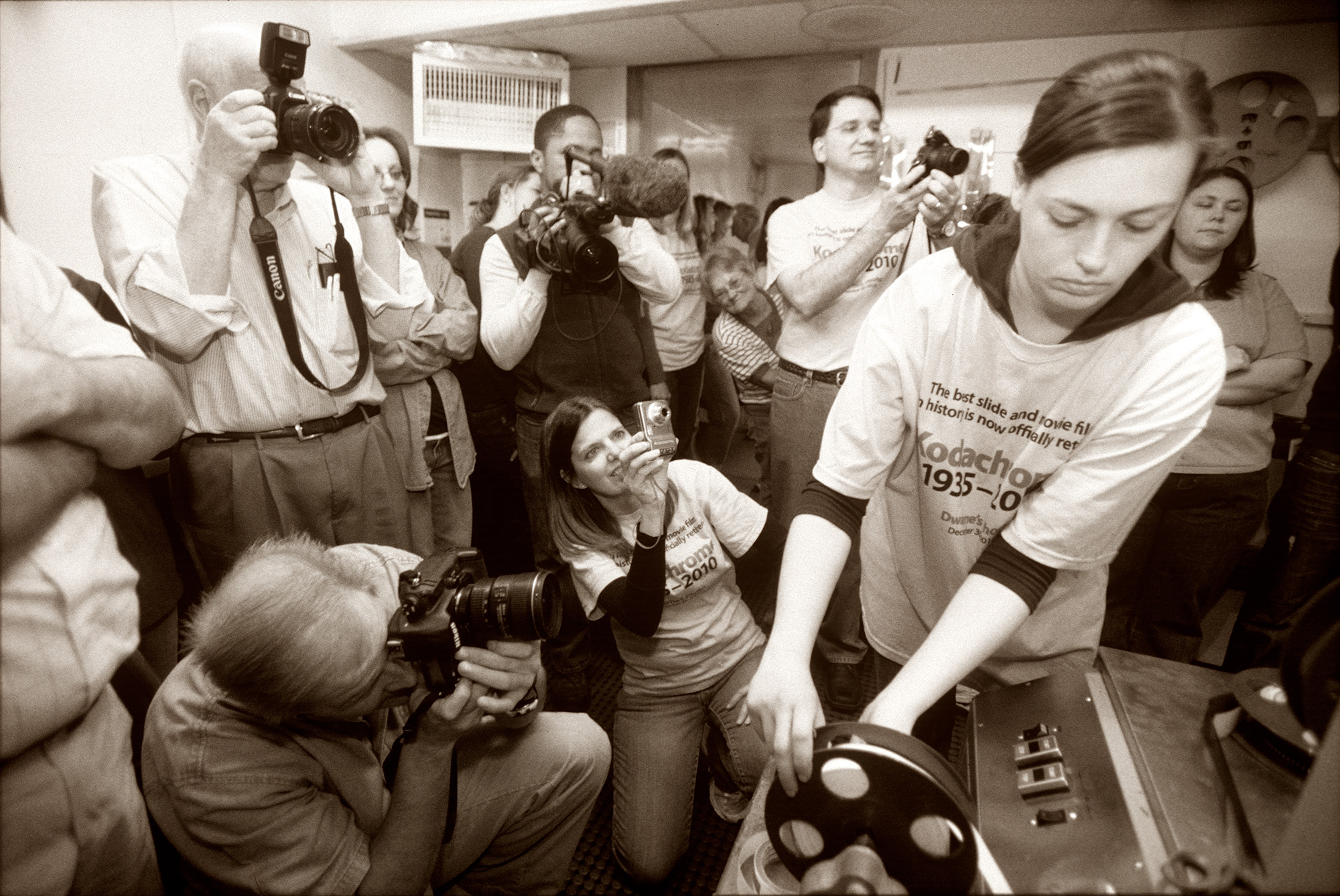
Here are some from the last months it was around in 2010-2011 all with Leica and a photo of the very last 50 rolls of it to ever be processed being loaded into the mounting machine in Kansas...I shot that event all on Tri-X processed as slide in DR5.
Wonderful film, wonderful era never to be repeated, glad I was a part of it...
p.2 #16 · New Cobalt Kodachrome 25 and 64 film profiles
I have a filing cabinet full of K25 and K64 slides and FWIW the station wagon is very close to Kodachrome 64. It was a very contrasty film emulsion with a DR of @ +/-9 stops.
One variable that might influence the digital conversion is WB, keeping in mind K64 was nailed down whereas digital shooters can vary their WB. So for testing, lock your WB down to 5500k, that in itself will vary skin tones based on actual ambient WB.
p.2 #17 · New Cobalt Kodachrome 25 and 64 film profiles
Ai_Print wrote:
I have never used any of the presets, but that might be because I learned about light on the real thing as a kid and shot thousands of rolls of it throughout my life.
Here are some from the last months it was around in 2010-2011 all with Leica and a photo of the very last 50 rolls of it to ever be processed being loaded into the mounting machine in Kansas...I shot that event all on Tri-X processed as slide in DR5.
Wonderful film, wonderful era never to be repeated, glad I was a part of it...
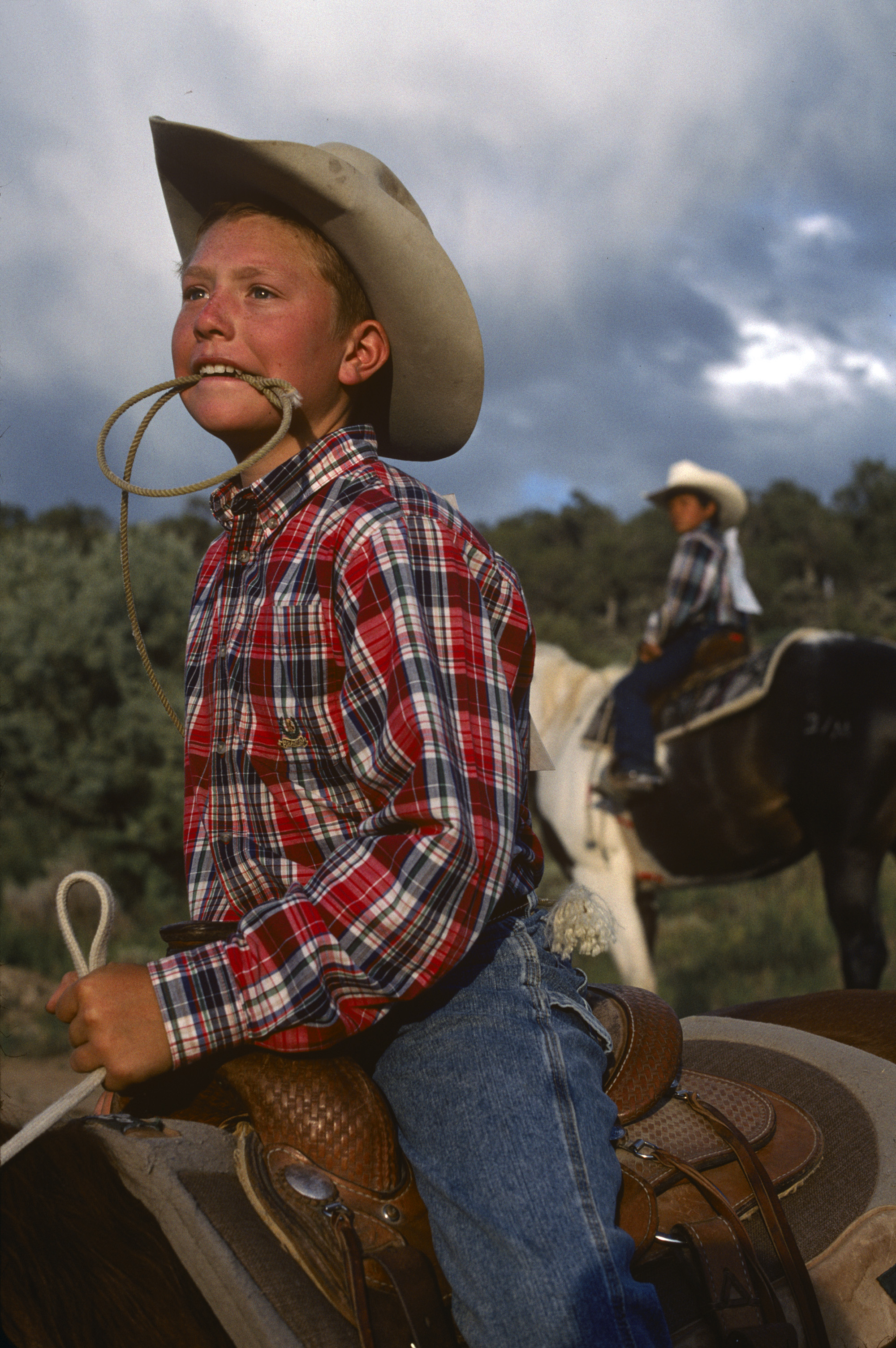
Those first three people images in @Ai_Print's selection of images (the boy coboys, etc.) are what I associate with Kodachrome, and I also associate it with the pages of LIFE magazine. I was never a fan--too overdone and screaming THIS IS A PHOTOGRAPH IN COLOR. The skin tones especially I find artificial and objectionable but quite characteristic of the film.
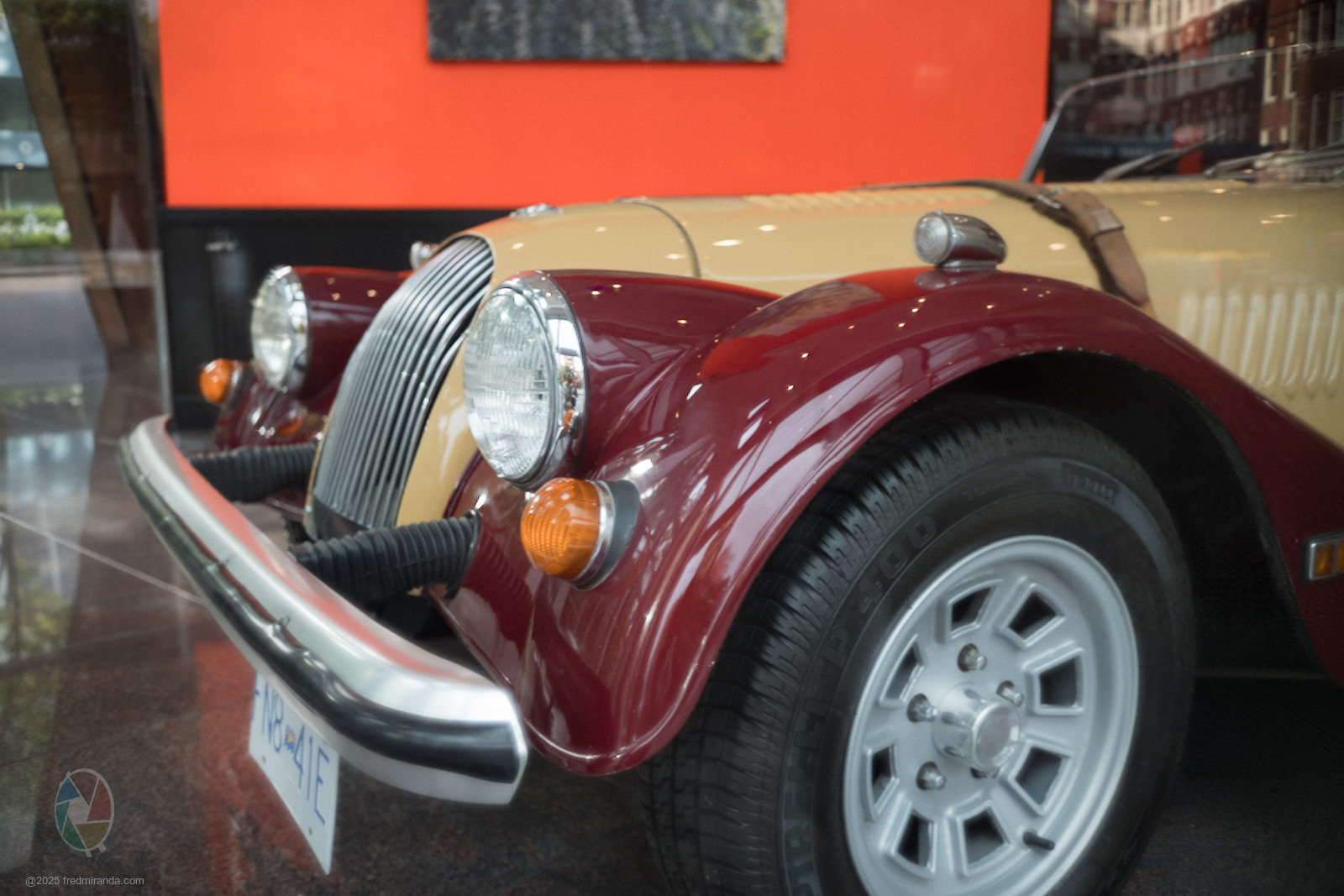
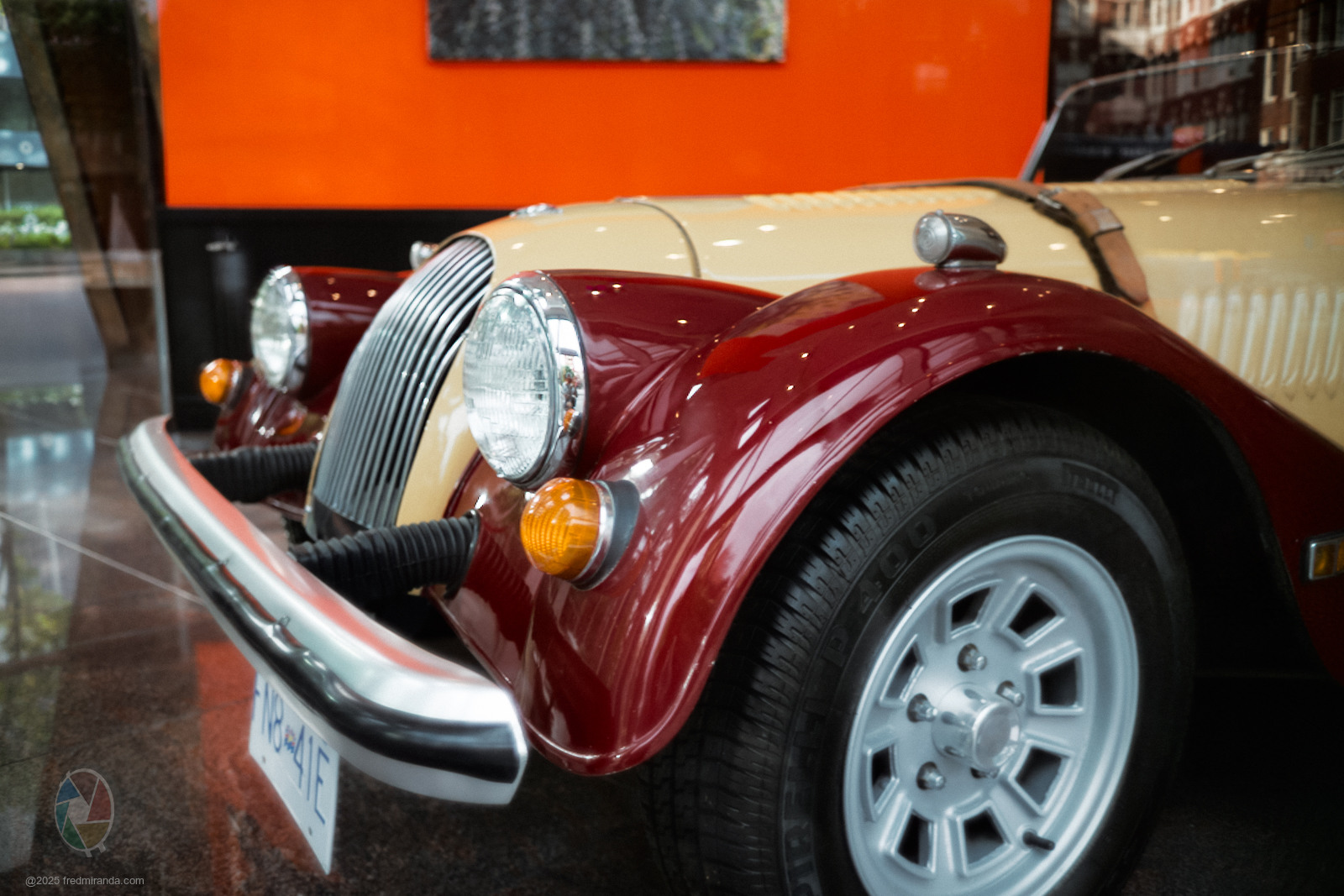
Also, I disliked what often seemed to be hard borders between colors and what I perceived as a blockiness to the colors, a lack of transition. I do like @Fred Miranda's two images of the Maybach, which I think are both beautiful, but for their luminosity and the gracefulness of the light and color rather than for a Kodachrome aesthetic which I don't really see in them. Also, beautiful for the same reasons, several of @RustyRus's images and @geoff d F's image of Bailey's Garage.
For me, Kodachrome images work best when there are some strong light sources in the scene that bleed over the colors and soften their edges with light. Then they glow.
p.2 #18 · New Cobalt Kodachrome 25 and 64 film profiles
I really like the Cobalt standard profile for my camera, and after reading this discussion, I was tempted to get the Kodachrome profile pack as well. The red car in Fred's image above impressed me; saturated reds like this are very difficult to get right in digital photographs.
I'm old enough to have shot some rolls of Kodachrome; I remember it as a sunshine film, a film that needs a lot of light and contrast to look good. This seems to be wrong, at least for the profile pack: too much contrast, and the shadows become just one featureless black smudge. But if the contrast in the image is just right, the Kodachrome pack can make images come alive.
Here are some samples, compared to the standard Cobalt image profiles.
Look at the red fender in the image below. It's very saturated, yet without any banding or nasty colour shifts. Update: when I look at the uploaded image, there is some banding that wasn't visible in Lightroom.
Two more comparisons. Skin colours seem to need careful treatment in order not to look too brown or otherwise wrong.
p.2 #19 · New Cobalt Kodachrome 25 and 64 film profiles
Here are a few more samples comparing Adobe Standard with Cobalt 25 and Cobalt 64 Kodachrome profiles.
All editing settings are identical, including the added grain. The only difference between the samples is the profile applied. The included Grain 25 and Grain 64 that come with each profile were used.
Adobe Stardard profile
LEICA M10-PVoigtlander 90/2 APO-Ultron lens90mmf/2.01/4000s200 ISO0.0 EV
Cobalt Kodachrome 64 1987 PR
LEICA M10-PVoigtlander 90/2 APO-Ultron lens90mmf/2.01/4000s200 ISO0.0 EV
Adobe Stardard profile
LEICA M10-PMS-Optics 28mm f/2 Apoqualia lens28mmf/2.01/250s200 ISO0.0 EV
Cobalt Kodachrome 25 B
LEICA M10-PMS-Optics 28mm f/2 Apoqualia lens28mmf/2.01/250s200 ISO0.0 EV
Adobe Stardard profile
LEICA M10-PVoigtlander 35mm f/1.2 Nokton lens35mmf/1.41/2000s200 ISO0.0 EV
Cobalt Kodachrome 2009 B
LEICA M10-PVoigtlander 35mm f/1.2 Nokton lens35mmf/1.41/2000s200 ISO0.0 EV
Adobe Stardard profile
ILCE-7CRTECHART LM-EA9 lens50mmf/2.01/125s500 ISO-0.7 EV
Cobalt Kodachrome 25 B
ILCE-7CRTECHART LM-EA9 lens50mmf/2.01/125s500 ISO-0.7 EV


 , and have only developed C41 color negative film kits, so I am not really qualified to judge the "correct" interpretation of this project, but I'm happy with the results.