Caleb Williams
Offline
• • • •
Upload & Sell: On
|
 p.1 #4 · First year of track and field in this house p.1 #4 · First year of track and field in this house | |
RoamingScott wrote:
I know it's a vague question, but what kind of lens do you find the most flexible for track?
Not who you asked, but it really depends on if you are indoors or outdoors.
Generally you can use anything from fisheye to 500mm (maybe 600mm) in outdoor. I use/see people use a ton of the 70-200 f/2.8 and 200-400 f/4 or 400 f/2.8 for a lot of shots. (300 f/2.8 + 1.4x was common for me). Wide angles work great for some different perspectives.
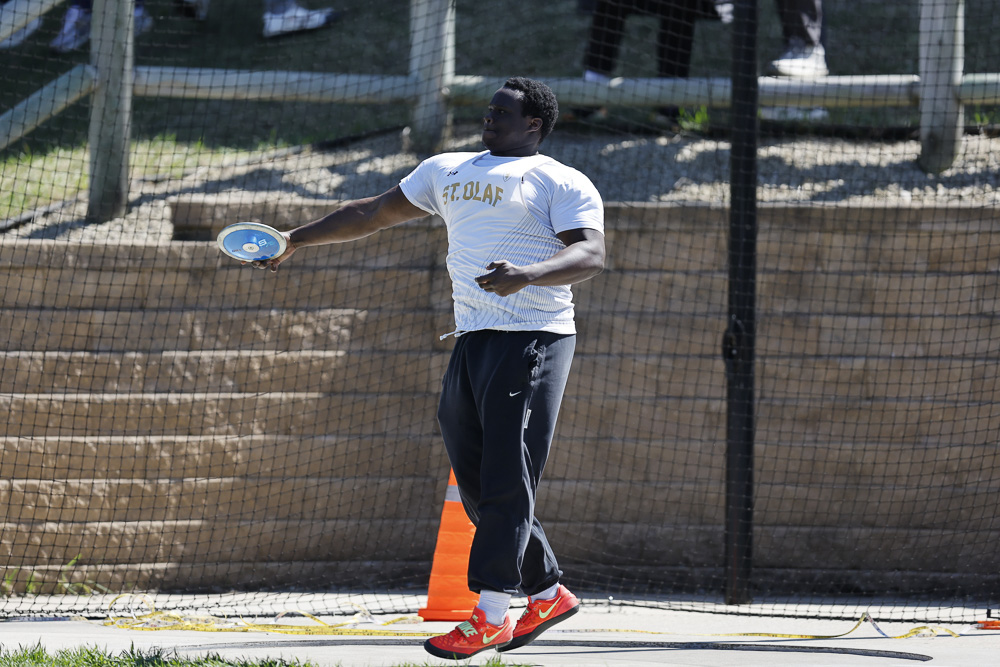
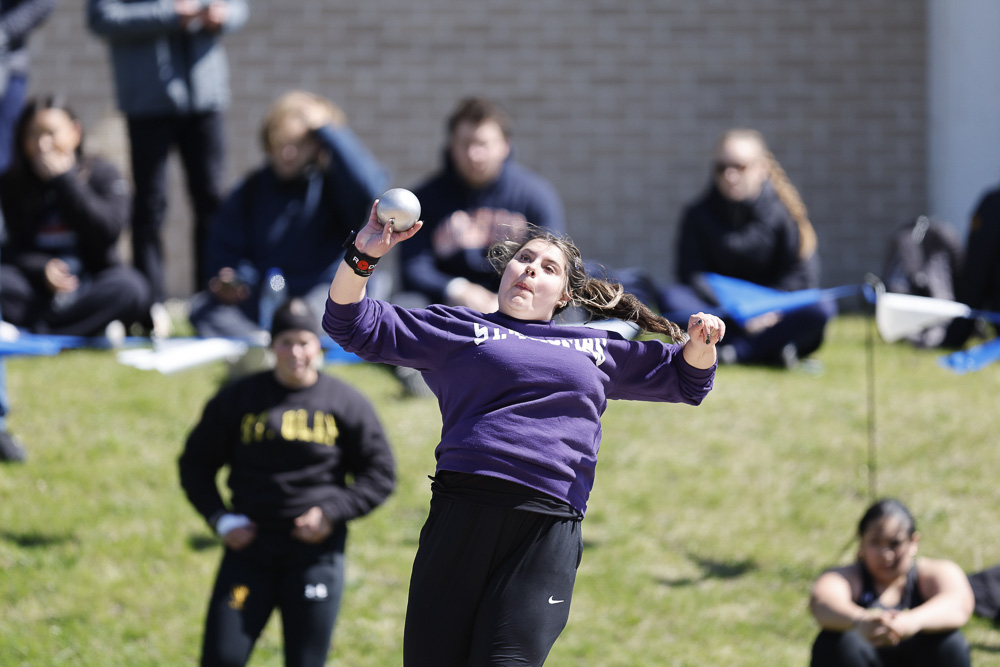
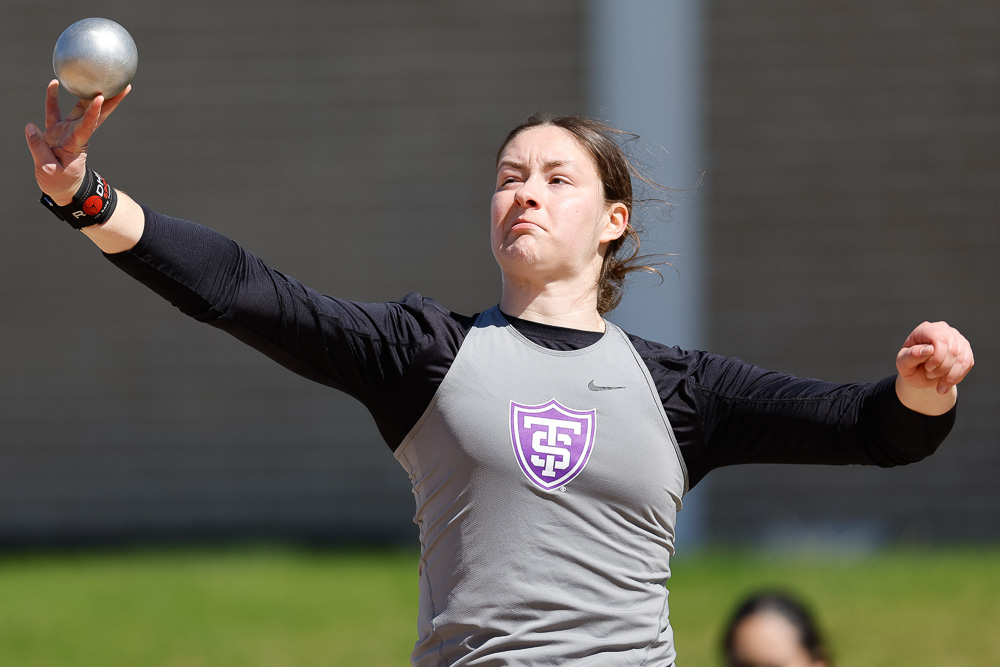
For some of the throwing events, you cannot get that close, so you can use a 500mm, 600mm or 400mm + 1.4x combo if you want to get tight.
I haven't shot as much indoor T&F, but if it's often a bit tighter in those spaces so a 300mm may be as long as you can go.
I should also say that I have only shot college-level T&F so the athletes are taller than the ones you may be shooting based on your images.
Track Events
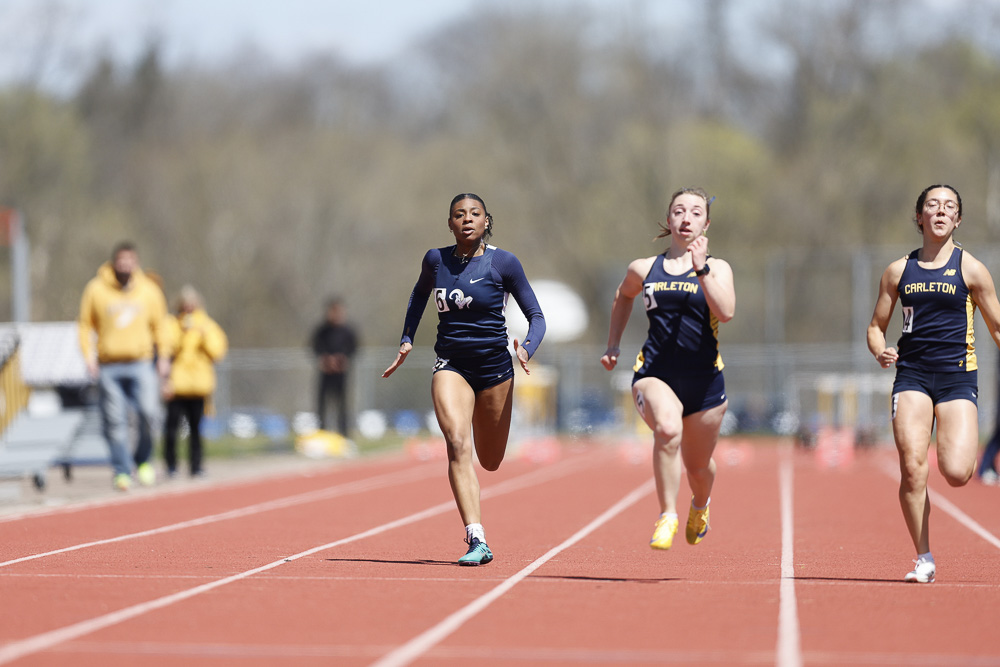
- 60m/100m: shoot from the end past the finish line. Start with 400mm and switch to 70-200mm if you need more than one athlete
- 200m/300m: Same as above.
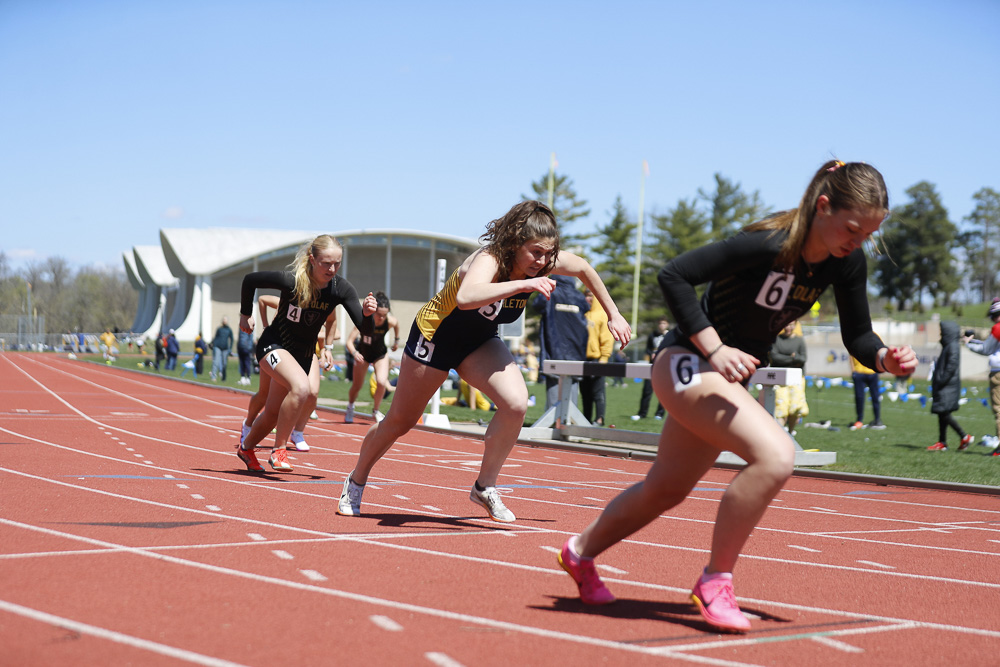
- 400m/600m: 24-70, 70-200 to shoot the athletes off the blocks; 400mm coming back toward the finish line; then switch to wider if needed (Depending on the indoor track size you may have more laps here.)
- 600m/800m: Same as above but you have another lap so you can get more angles. you may have time to travel between spots. (Depending on the indoor track size you may have more laps here.)
- 1500m: Same but even more time. This is where you can really start getting B and C shots for some color.
- Steeplechase: You can easily get the start, some low hurdles, and into the pool, before making it back to the finish line.
- 5000m/10000m: Go nuts. Straights, corners, turns. You have time for it all.
- Relays: 4x100 You may be able to get first runner off the blocks, the final handoff (via long lens), then finish line. 4x400mm: Off the blocks, then each handoff, then finishline, then teammates together.
- Hurdles: 400mm right down the track. You can shoot low and get the runner coming out of the blocks for the 100/110m hurdles and then kneel or stand to get the runners jumping over the hurdles. Again you may want to switch to a 70-200 for the finish. For the 400m hurdles, you may need to do a mix of what you can do in the 400m track event.
From there, expand your shot selection by moving. I have setup a remote for things like the finish line of track events, the pool at the steeplechase, and the cage of some throwing events.
Field Events
- Pole vault: You can really shoot this from 360 degrees around the event and get great shots. You can usually have the opportunity to use a Super Telephoto and a 70-200, but it really depends on if the event is located inside the track or in a separate area.
- High Jump: Similar to Pole vault, in that if you have 360 degrees, you can use that for each jump to get different angles. I see this, shoot this more often with 70-200, but no reason you could go longer if there is space.
- Long/Triple Jump: You can shoot i the manner you have posted or from the side. Many of the venues i have shot college-level T&F have these lanes staggered, so you may been to shoot with a zoom if you need to cover both pits.
- Throwing events: Again, depends in distance, how far the athletes can throw, and where you can go. Depending on the sport, you may have 360 degrees worth of angles to shoot from. Javelin is always trickiest for me because shooting from one side can get you good shots of the "back swing" but their arm covers their face after they throw. Or from the other, you can get some good shots at/after release, but less so prior.
At lot this goes down to how many athletes you are covering. I tend to shoot T&F when I am trying to get images of all/one half (if I am shooting with more than one photo) of the competitors.If you are shooting only one athlete or team, your options go way up. Multiple heats, semifinals/finals, flights, number of attempts per height, etc.
|