fredmiranda.com
Login

Moderated by: Fred Miranda
  New fredmiranda.com Mobile Site
  New Feature: SMS Notification alert
  New Feature: Buy & Sell Watchlist
  

FM Forums | City, Street & Architecture | Join Upload & Sell


Can Flash Add Another Dimension to Your Street and Travel Photography?


bwcolor
Offline
• • • •
Upload & Sell: Off
p.1 #1 · Can Flash Add Another Dimension to Your Street and Travel Photography?


I was hoping that some of you might post images of your travel and street photography where flash added another dimension to the image. Also, what lighting equipment do you travel with? I’m thinking along the lines of what lighting equipment do you carry with you when walking and not your portable studio in the back of your truck.

I started to think about this after reading posts where the poster lived in an area that was uninteresting and so they weren’t motivated to go out with their camera. It seems to me that flash and macro allow for a different approach to such issues. Also, it is so easy to shoot on the street, or visit another tourist trap and come away with images that you could have downloaded from someone’s Flicker posting.

Thanks.. appreciate your response..


Dec 20, 2025 at 11:34 AM
rico
Offline
• • • • •
Upload & Sell: Off
p.1 #2 · Can Flash Add Another Dimension to Your Street and Travel Photography?


I just take a small flash when travelling casually. As studio mavens know, available light is sucky in general and not available at all sometimes:


Disney World w/ Nikon SB-300. Added another dimension to the pic, check.


Dec 20, 2025 at 01:03 PM
gregfountain
Offline
• • • • •
Upload & Sell: On
p.1 #3 · Can Flash Add Another Dimension to Your Street and Travel Photography?


I think flash, if done right, can be a valuable tool to get the most out of an exposure when working with people in an environment where a camera is expected, but getting it right is the hard part (for me this means bouncing it off a ceiling or wall and employing the built-in bounce card for the eyes). I don't take flash when I travel, and I wouldn't use one for "street" photography as there's no better way of drawing attention to yourself than using one in the wrong situation.


Dec 20, 2025 at 02:54 PM
bwcolor
Offline
• • • •
Upload & Sell: Off
p.1 #4 · Can Flash Add Another Dimension to Your Street and Travel Photography?


Since traveling with the M11 Monochrom, I’ve not really needed a flash to overcome the night. I was thinking of flash, when shooting color, as a means to provide fill, or accent texture, or provide a subtle subject enhancement. I’ve ordered the Profoto A2 and A10. I was thinking of picking up the Click Magnum Reflector with Grid, or Click Fresnel Lens.


Dec 20, 2025 at 05:10 PM
sungphoto
Offline
• • • •
Upload & Sell: Off
p.1 #5 · Can Flash Add Another Dimension to Your Street and Travel Photography?


My opinion, after lugging around lighting on trips for a decade or so, is that the lights are great if you have a specific use for them in mind. Otherwise, they are best left at home. That said, I have a personal project in Korea and Japan next year that I'll be bringing a 720 watt continuous light with me because they're hard to source locally, but that's a very specific type of lighting for photo series I've been working on for about 6 years.

When I travel, I prefer to be in the moment and capture how the light looks at particular parts of the day, because how the sun feels in the different parts of the world is part of the experience.

That said, a Profoto A10 or A2, plus an angler softbox with the magnetic A series light mount, and a paint pole adapter would be a wonderfully small bit of kit. You can screw the paint pole adapter to any available broom stick, paint pole sourced locally, and even better hire someone locally to hold it for you.

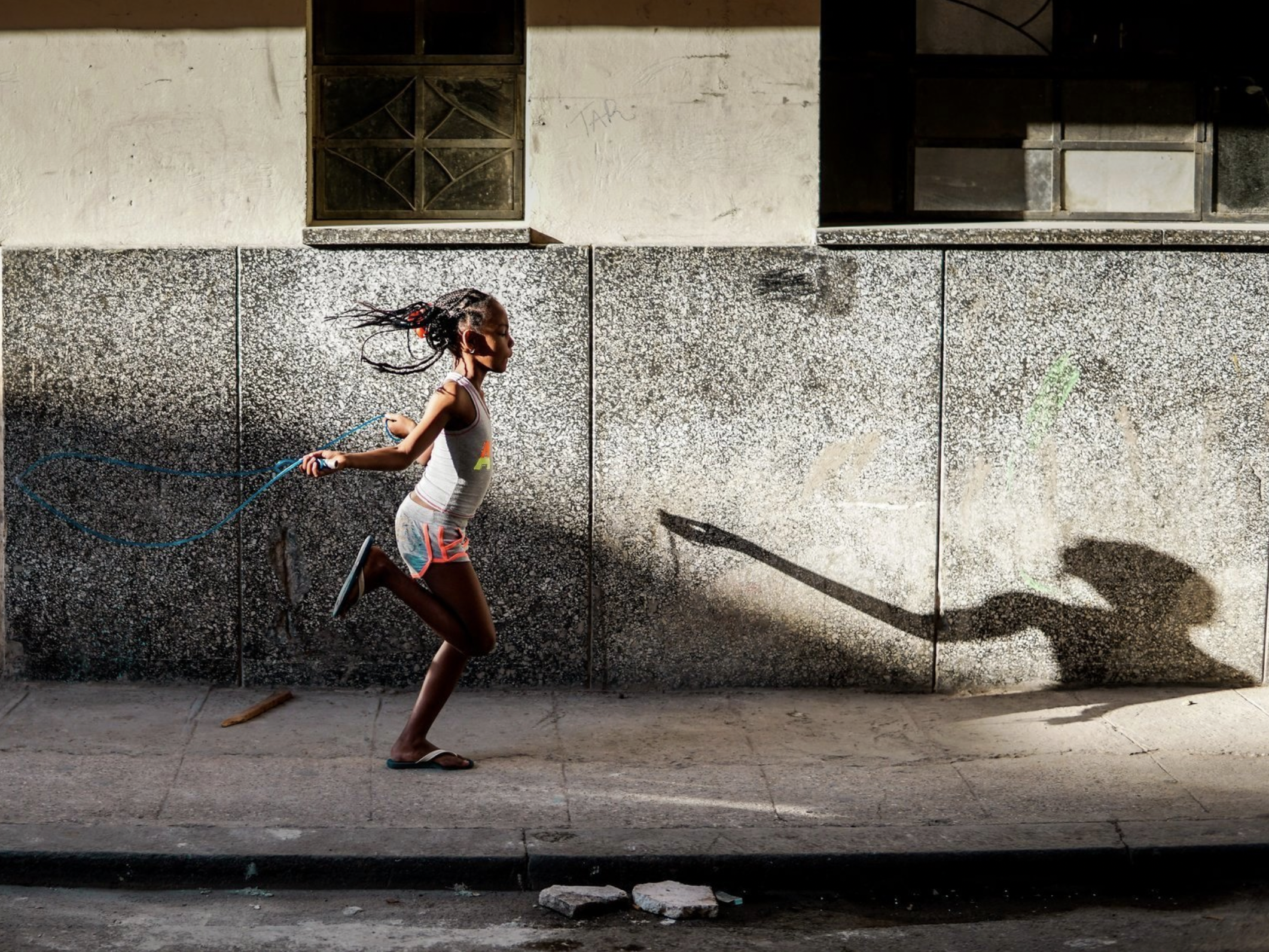
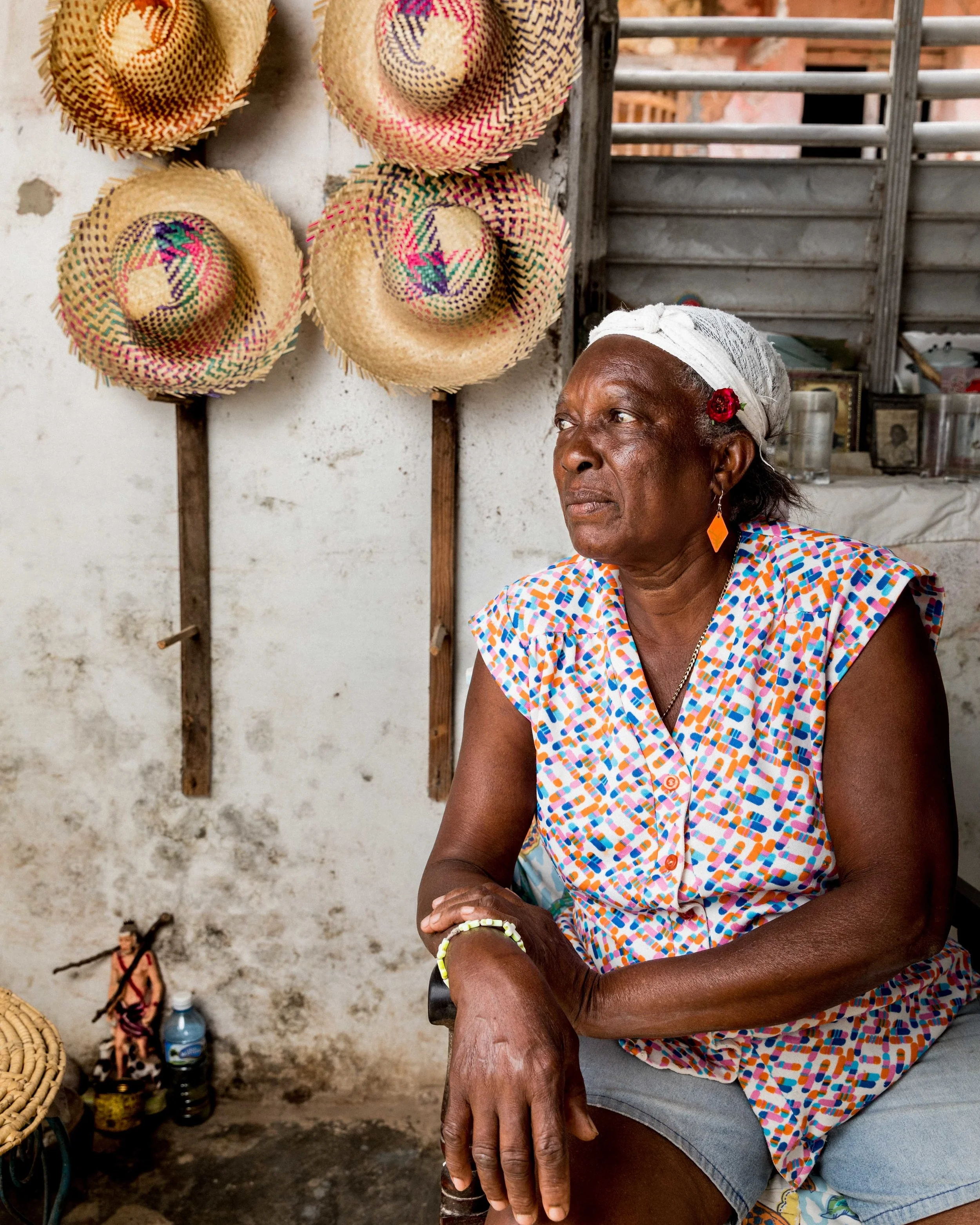
Here are a few photos I've taken while in various parts of the world. Most of them are available light, a few are with a small 24" softbox.


Dec 20, 2025 at 10:07 PM


Search in Used Dept. 

story_teller
Offline
• • •
Upload & Sell: On
p.1 #6 · Can Flash Add Another Dimension to Your Street and Travel Photography?


If I’m on vacation, I take one flash and a transmitter most of the time. It comes in handy for backlit and nighttime situations.


Dec 21, 2025 at 09:18 AM
CharleyL
Offline
• • •
Upload & Sell: Off
p.1 #7 · Can Flash Add Another Dimension to Your Street and Travel Photography?


Learning how to use light, both natural and artificial, is the next step in photography after you learn your camera. Flash gives you plenty of light, but for a very short time, so you need the flash synchronized with the camera shutter. Flashes on camera hot shoes are a good first step when learning to use flash, but getting it off the camera using a wireless transmitter on the camera hot shoe to control the flash wherever you place it is the next big step. With the flash located somewhere off the camera, but aimed to properly light the subject will get rid of the "Deer In The Headlights" look of the subject's eyes when the flash is located on the camera hot shoe. Even when just a few feet from the camera, this can improve the subject's look and appearance. Learning how much light power and how to shape the light from the flash will get you the next resulting improvement.

When starting with a new light, flash or otherwise, it helps to point the light at the subject or even a blank wall and then learn what power levels and distances produce the desired results. Some times it helps to shoot a photo with your digital camera, and make note of the photo number and the flash settings and distance so you can compare the results will help. With a digital camera, you can erase these shots after they are no longer needed. Added modifiers can spread and shape this light to suit, but spreading the light, and even by adding a modifier, you will loose some of the light in the process, so a little more power from the light will be required to get the same amount of light that you got from just the light alone. Once you get a "Feel" for this, you can usually make a much better decision about how much light you will need to take the desired photo.

When outdoors, making use of the Sun can save the need to carry a lot of lighting equipment. Trying to "Over Power The Sun", is crazy when you can use it and save lugging a lot of heavy gear. Even a hazy day will produce adequate light for photography. Actually, a hazy or thinly clouded day is like having the whole sky for your nice even soft box light source. Clouds with breaks between them can give you both kinds of shots, if you time the shots right and aren't in a hurry. Bright Sun and no clouds blocking the Sunlight requires a different technique. If you can place the subject in a shaded area, like next to a building or large tree, etc. to block the direct Sunlight, you will get similar results to a soft box on the light and resulting good photos as the reflected light from everywhere will give you soft light to work with. .

If the Sun will need to be behind them or in a position that shadows their face and front, Using a flash, even an on camera flash, can light them well, with the Sun providing background and hair light to make them stand out from the background and easier to see in the photo. A reflector and a willing participant to hold it, can take the place of outdoor flash to light the subject's face and front, even when they are in shade, but the reflector needs to be held high and angled down to reflect the Sunlight as if a second Sun is in a different position and providing light on the subject from a different angle. If they hold the reflector low and angled up, like so many inexperienced people want to do, the reflected light will produce un-natural light (goule light) making the subject's nose, neck, and chin shadows show in the wrong direction. A light or a reflector needs to be high and reflecting down at an angle to produce natural beautiful light on the subject. Only use low light pointing up for Halloween or other special times when low light is needed for these special shots.

Learn what the Inverse Square Law of Light is. Not so much the math, but understand how light diminishes with distance and spread. It's benefits can work both ways, and getting good adequate light on the subject for your photos will be greatly affected by the light level, distance, and spread of the available light. This is true with light coming from anywhere but is more important when working with low levels of light, such as speedlites. They can be quite effective when used up close to the subject, but if the subject is further away the light level falls off quickly and the speedlites can be far from effective for lighting subjects in near total darkness and they are positioned more than about 10' from the light. Adding a soft box to a speedlite makes this effective distance even shorter, as there is more spread to the light and you will loose a small amount of the light as it passes through the soft box itself.

I hope this helps all of the newbies to get started using natural or created light. Please ask questions if you need more help. I've been a photographer since about 1952, worked on special camera designs for NASA, and have been a stage manager of an Off Broadway Theater (kind of a one man job for the lighting and anything else that was needed). I owned a photo retouch business in 1998- 2003 doing work for other photographers and I finally built my own small photo/video studio in my home 5 1/2 years ago. I'm still experimenting with light and cameras, though I'm now very retired and do this for just myself, close friends, and family now.

Charley


Dec 21, 2025 at 12:47 PM
hiepphotog
Offline
• • • •
Upload & Sell: Off
p.1 #8 · Can Flash Add Another Dimension to Your Street and Travel Photography?


With the advent of modern technology and the increased affordability driven by Chinese manufacturers, particularly Godox, there is now a range of small yet highly capable lights such as the AD200, AD100, V480, and the brilliant iT32 that make the entire lighting process far more enjoyable. When used intentionally, added light sources consistently help subjects stand out and achieve greater visual impact.


Dec 22, 2025 at 06:52 AM
Danpbphoto
Offline
• • • • • • •
Upload & Sell: On
p.1 #9 · Can Flash Add Another Dimension to Your Street and Travel Photography?


bwcolor wrote:
Since traveling with the M11 Monochrom, I’ve not really needed a flash to overcome the night. I was thinking of flash, when shooting color, as a means to provide fill, or accent texture, or provide a subtle subject enhancement. I’ve ordered the Profoto A2 and A10. I was thinking of picking up the Click Magnum Reflector with Grid, or Click Fresnel Lens.

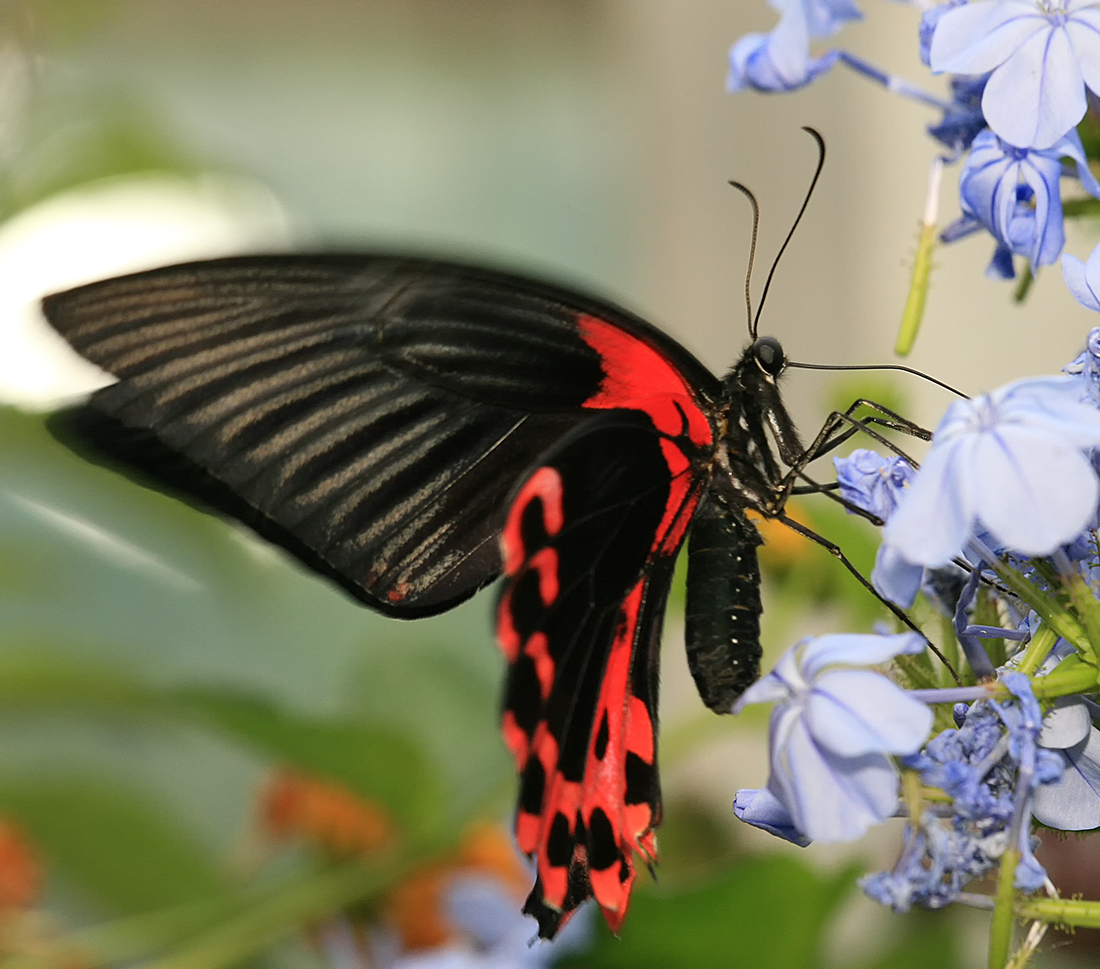
I know you are speaking to street photography...I use it, flash, seldom BUT at "butterfly gardens, flower displays etc.", outside or inside, and I am up close, most often using a macro lens, I enjoy and use "fill flash". Most often I take my Canon 90D with its onboard flash. It does quite well!

If I need extra light I take a Canon Speedlight....as shown below. Outdoors Canon 5D and EF180mm f3.5Macro and Canon Speedlight flash with diffuser on light.
Dan


Dec 22, 2025 at 01:23 PM
CharleyL
Offline
• • •
Upload & Sell: Off
p.1 #10 · Can Flash Add Another Dimension to Your Street and Travel Photography?


Some great pictures here, thanks.

Depending on high ISO will not get you the best results. ISO is a kind-of sensitivity control. Meaning that increasing the ISO will let you see more in the darker shadows of the photos taken, or be able to to use your camera on dark nights with only a minimum of light, but it is not a fix for the absence of light in shadowed photos. The added light, be it flash or reflected constant light, will get you more detail from otherwise well lit photos that have been posted here. No dark faces in any of these shots, because added flash filled in the darker faces and areas of already well lit photos. Getting the flash or reflected light, as well as the ISO setting correct for the shot will get you the best photos.

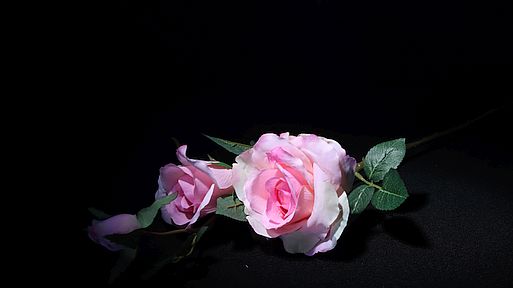
There is another kind of photo that requires just the right amount of light that's in just the right place for the shot. The Inverse Square law of light (not the math, but the understanding of how it works) combined with careful control of the light will let you take photos similar to the one that I've attached. In easy to understand amounts, for every foot of distance between the light and the subject being photographed, the available light level diminishes by about 50% (1/2). So at 2 ft distance the light is 1/2 of 1/2, or 1/4 of the light level reaching the subject. For each additional foot of distance, the light level diminishes by about 1/2 of the level that it was at the previous foot distance. As the light spreads, the quantity of light reaching any point reduces at this same rate. Adding grids or other modifiers to the light will also reduce the amount of light available to reach the subject.

This photo attached was taken in my studio, but it could have been anywhere. Even a card table in a small room will let you do this, but you need careful control of the light shape and amount of light used. There was no backdrop used in this shot, but nothing can be seen back there, because the Inverse Square law of light reduced it's level to below the setting of the F-Stop. The Inverse Square law of light let the light seen by the camera, basically end just beyond the flowers. Careful setting of the F-Stop let me take this photo in a studio that had the overhead "Work" light still ON during this shoot, so I could easily see my way around if I needed to move. Yes, the F-Stop setting changes the depth of focus, but the low end of the F-Stop settings allow you to set a minimum light cut-off point that the camera sees. This allowed me to leave the "Work" light on during this shoot, without it's light affecting the shot.

If I remember right, I used an F-8 setting for this shot, but I always check with "Test Shots" with no flash, to see if the ceiling or environment lights will affect the shot. If it's set high enough, the environment lights will not affect the shot and this test shot will be black, or nearly so. But it's also necessary to use the correct F-Stop for the depth of focus necessary for the desired shot, so the F-Stop setting may need to change to accomplish this too. For some shots, the desired F-Stop setting for a really sharp depth of focus will interfere with my desire to block the environment light from the shot, so I have to work in the dark with no environment lighting. For these, I have modified my studio lighting circuit so that I can remotely and wirelessly turn off and back on these lights using a remote control that I have attached to each camera stand (studio version of tripod). I also have one of these remote controls located on my wheeled tool box that I keep close to where I'm shooting, and another located at my computer, plus the ability to still turn the lights on and off at the studio door.

Experimenting with your photography lights and camera settings will give you a "feel" for what works and what doesn't. I suggest that you take "Test Shots" with each of your flashes at different settings while pointing it at a blank wall or backdrop. Do this at different distances and power levels for each light source that you have (once you have taken the test shots and set the F-Stop to eliminate the environment light). With this kind of test, you will learn what shape the light from the flash is and how bright it is at different distance and power settings. You will learn a lot about flash lighting this way and know the limits of each of your flashes.

Speedlites tend to average about 72 watt/seconds maximum, so usually good out to about 10 or so feet, but best at 3-4 feet distance. Larger flashes, like the Godox AD200 versions and 200 watt/second capability, allow about 1.5-2 times the working distance of a speedlite. With larger lights, like studio strobes there is far more light power to work with, so they can be farther from the subject. My largest is a 1,000 watt/second and it has a focusing lens attached to let me project patterns and images on the backdrops and even add color to these patterns and images. A lot of light gets lost in this focusing lens, so this massive amount of light is needed for this, as both the losses through the lens and pattern, plus the distance of the light to the backdrop (for my studio setup, about 22 ft) requires this much power, but I use smaller 300 and 400 watt second studio strobes for most of my studio and portrait photography, and 3 Godox AD200 lights for my field kit, but sometimes use them in my studio as well.

Charley
.


Dec 23, 2025 at 11:16 AM


FM Forums | City, Street & Architecture | Join Upload & Sell


Welcome back
Log in to your account