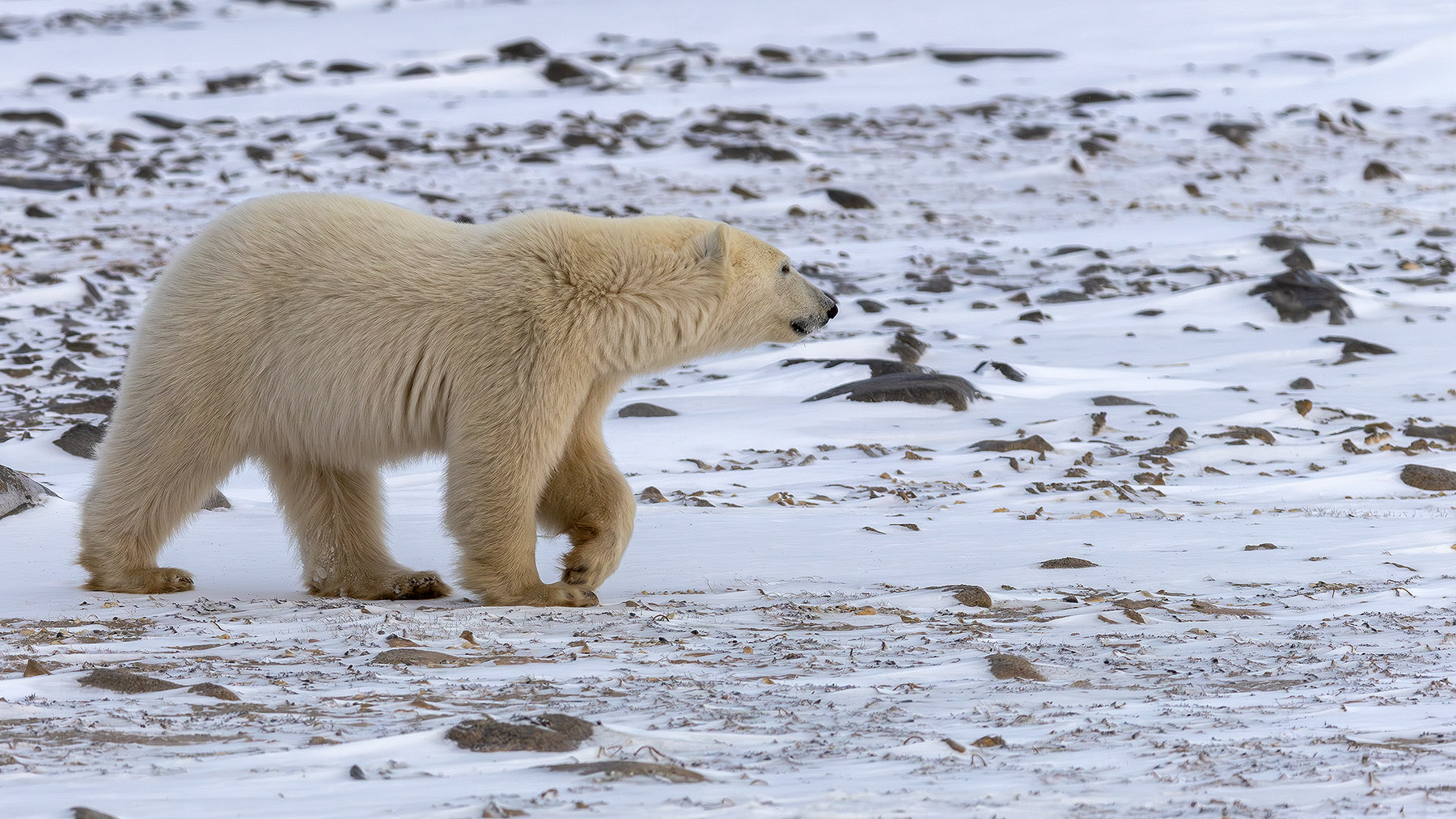
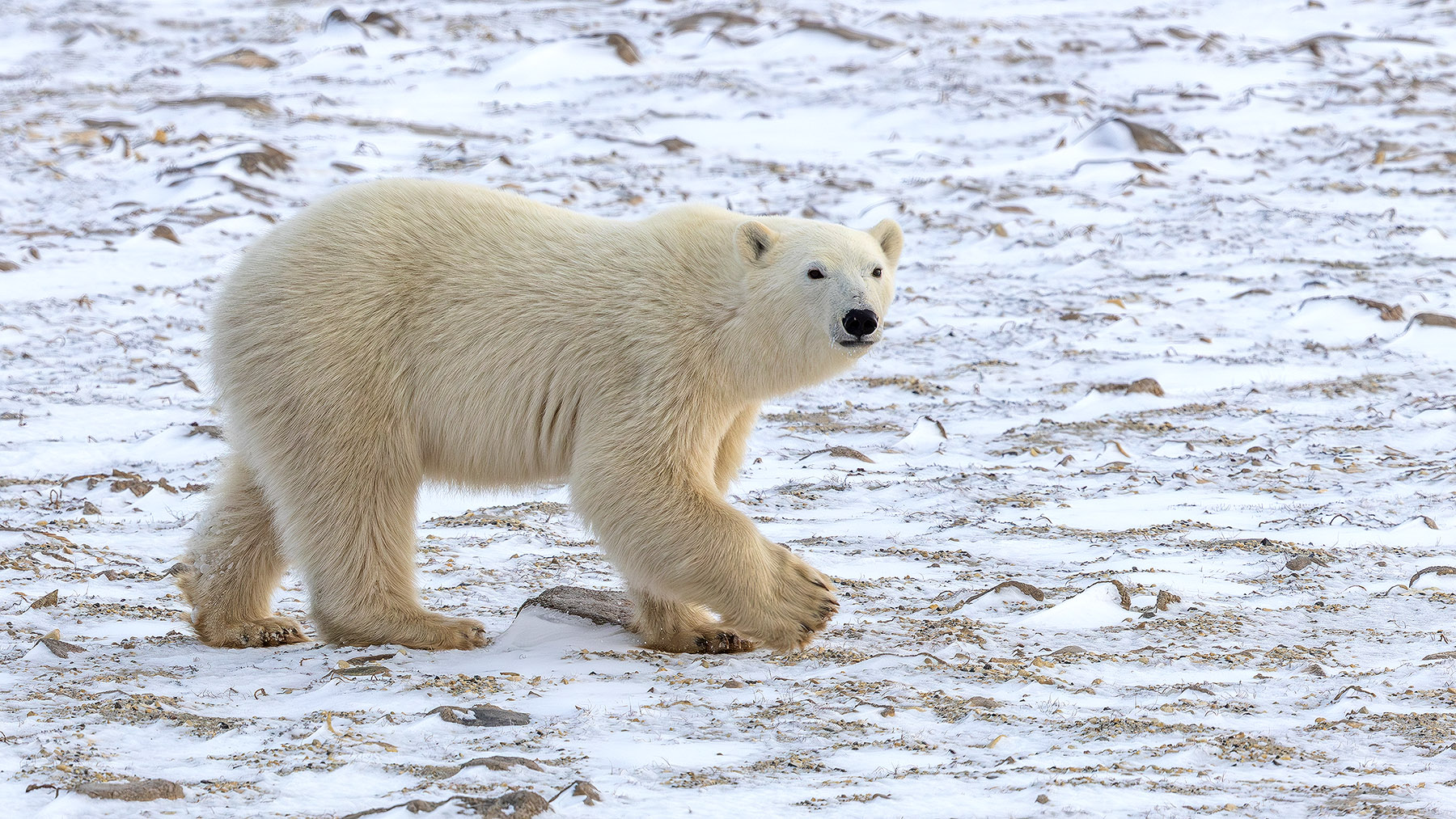
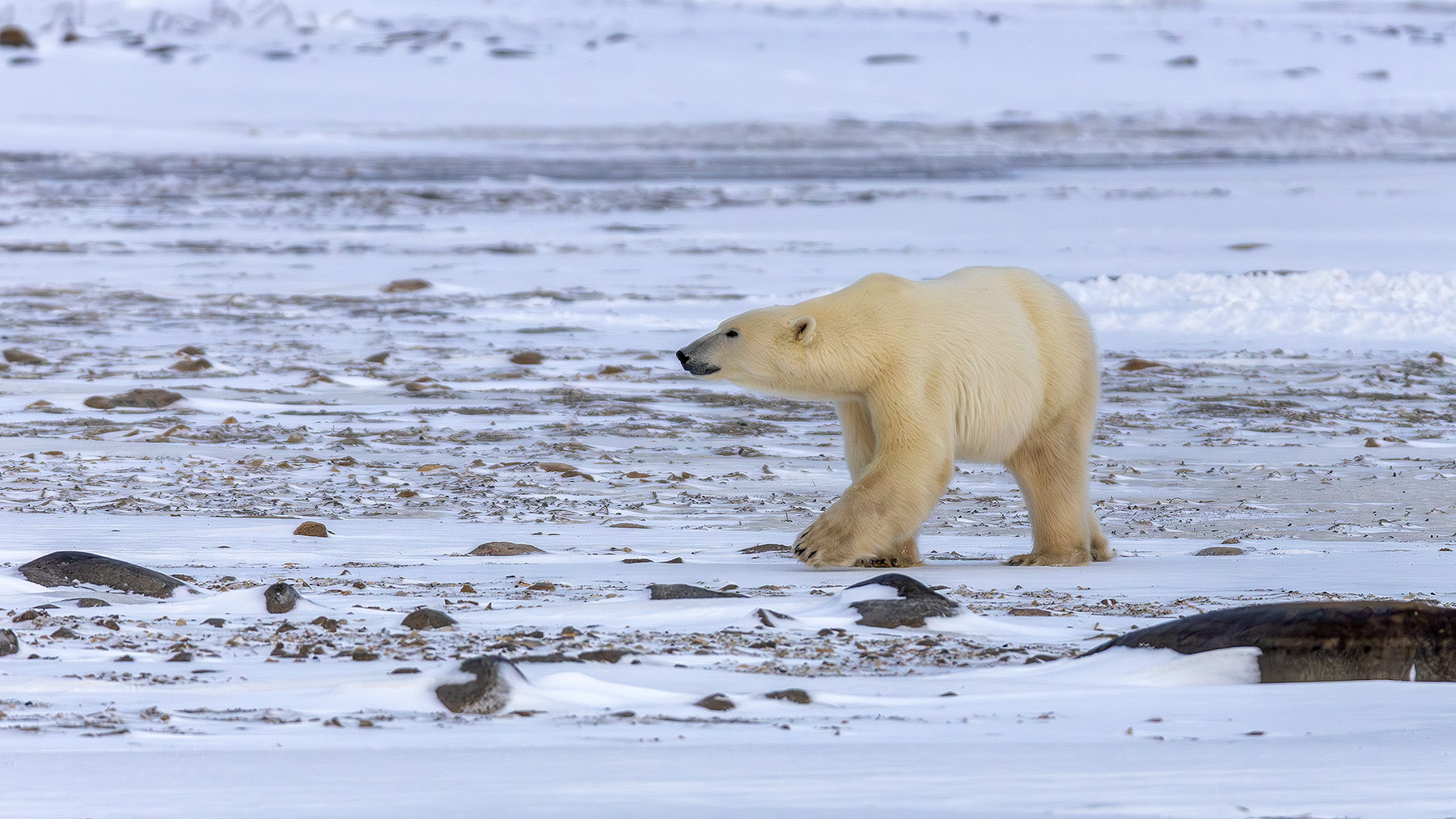
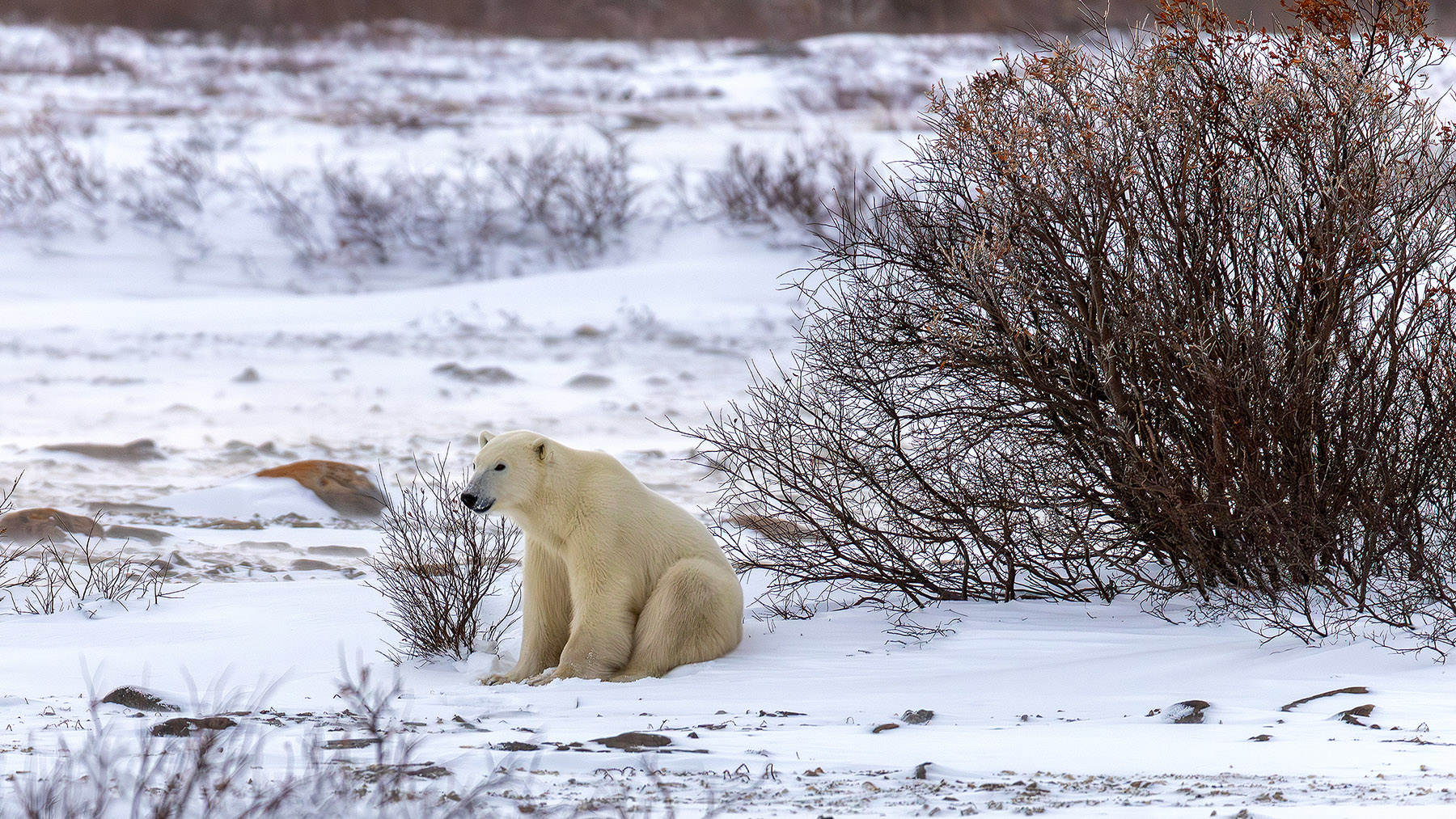
On Sunday, I took a quick trip up to Churchill to see the polar bears.
Here is my favourite of the Trip.
Background:
- Churchill is at about 59degrees latitude on Hudson Bay, Canada.
- There are two rivers entering the bay here.
- The water is shallow.
- Because of the resulting lower salinity and shallow, it's the first area to freeze over.
- The polar bears wait here for the ice to freeze so they can go out and catch ring seals
- Mom has not eaten much since June when they came off the ice
- The moms spend all their time avoiding big males who will kill and eat their babies.
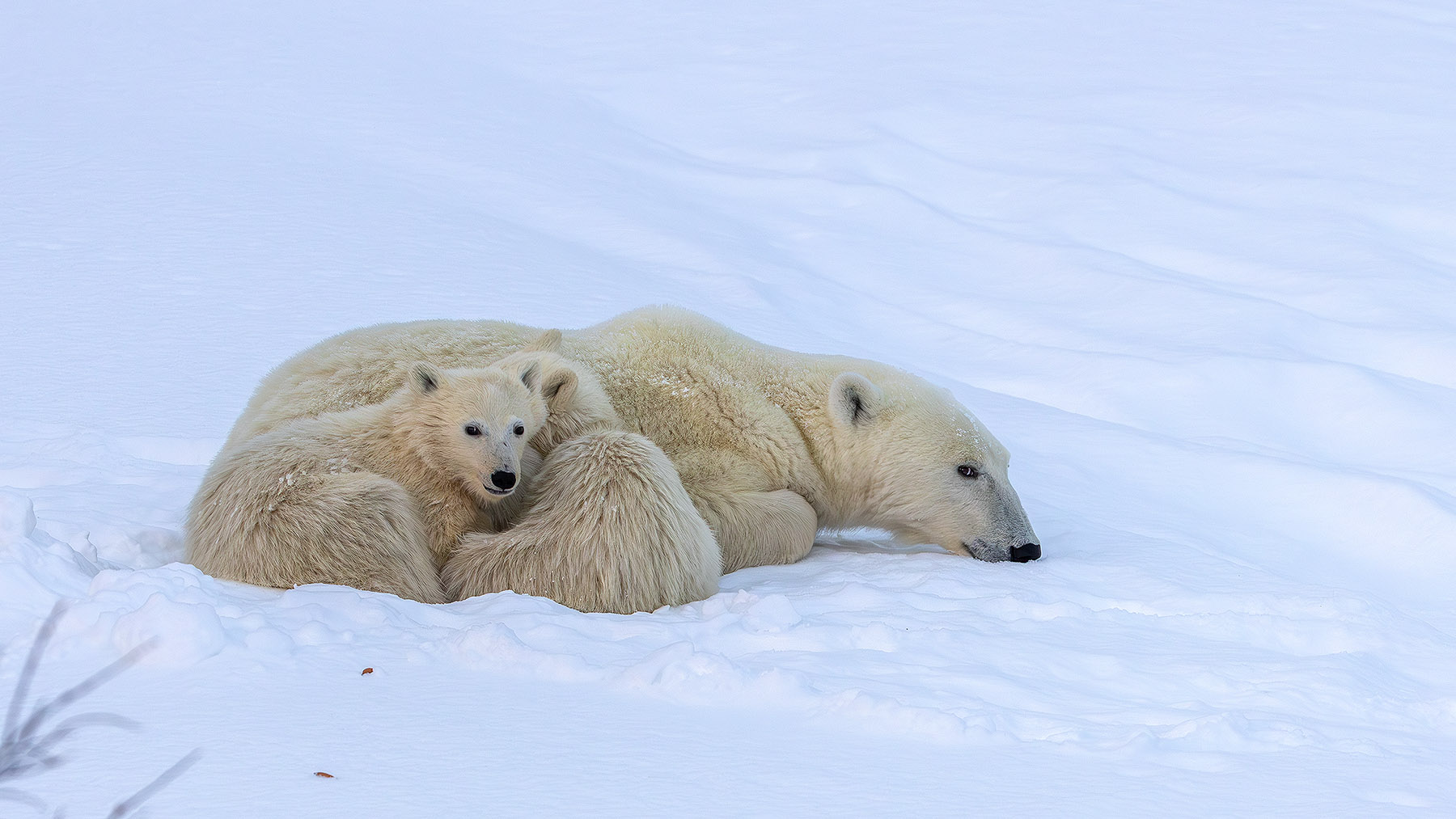
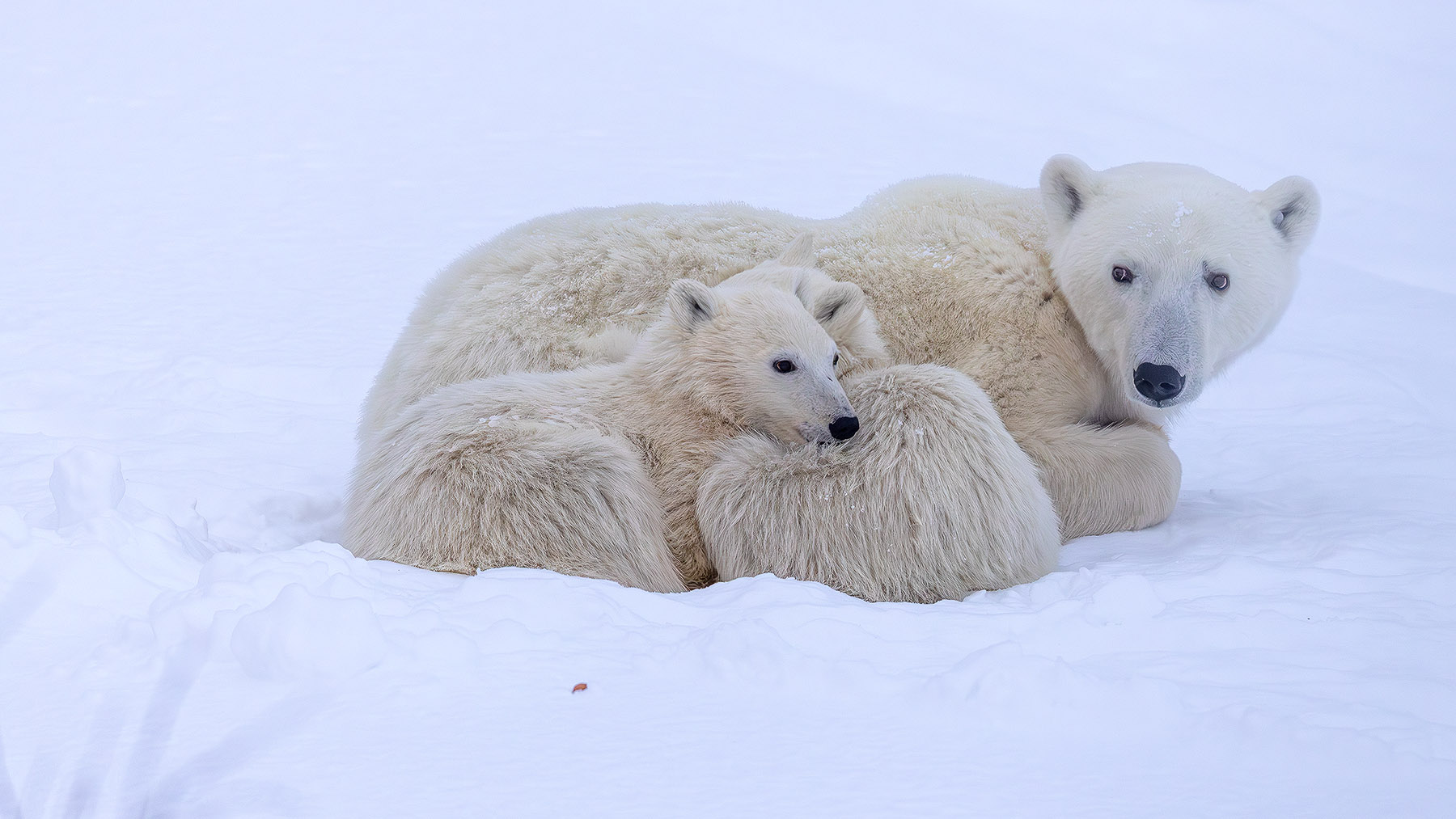
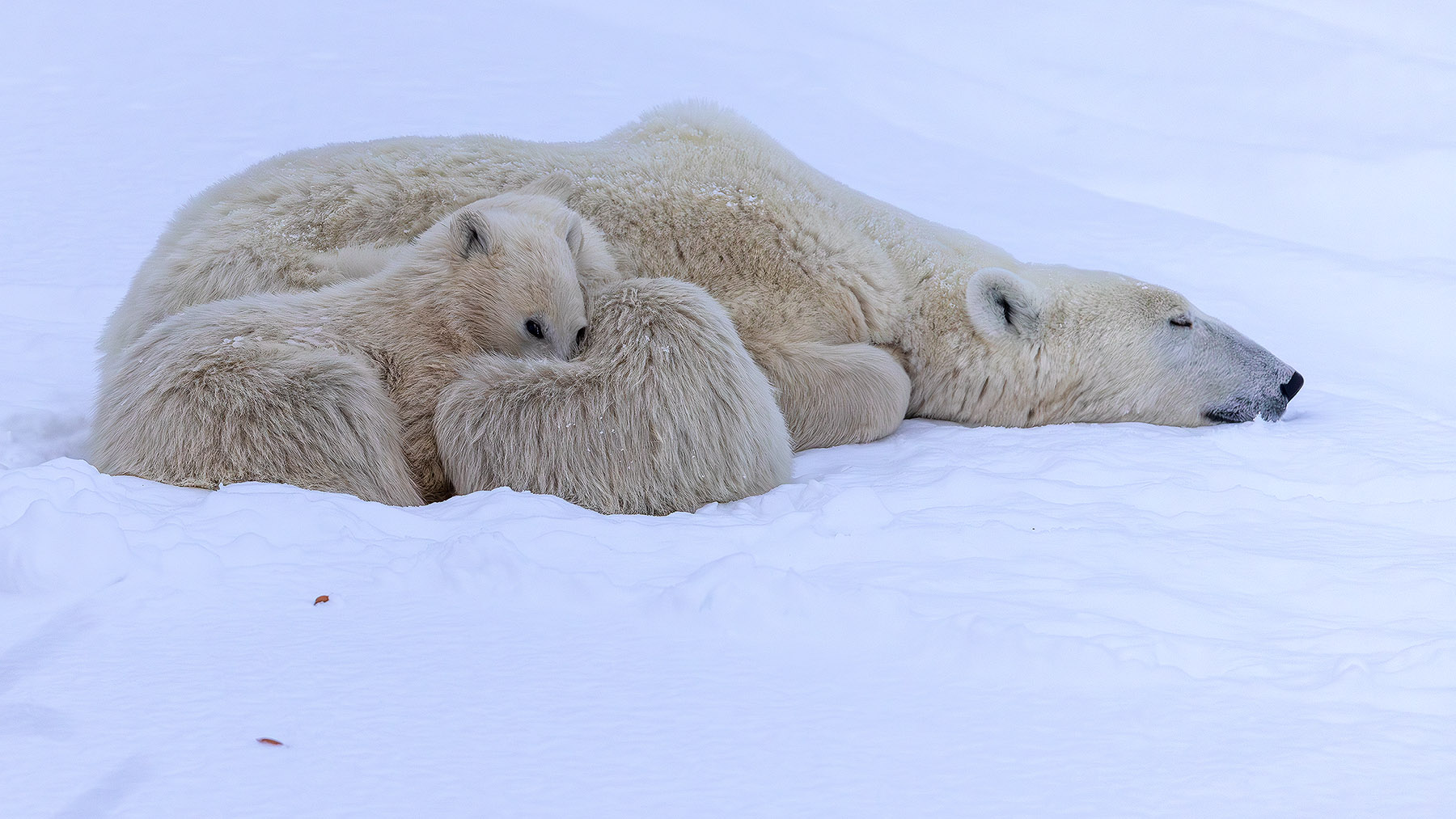
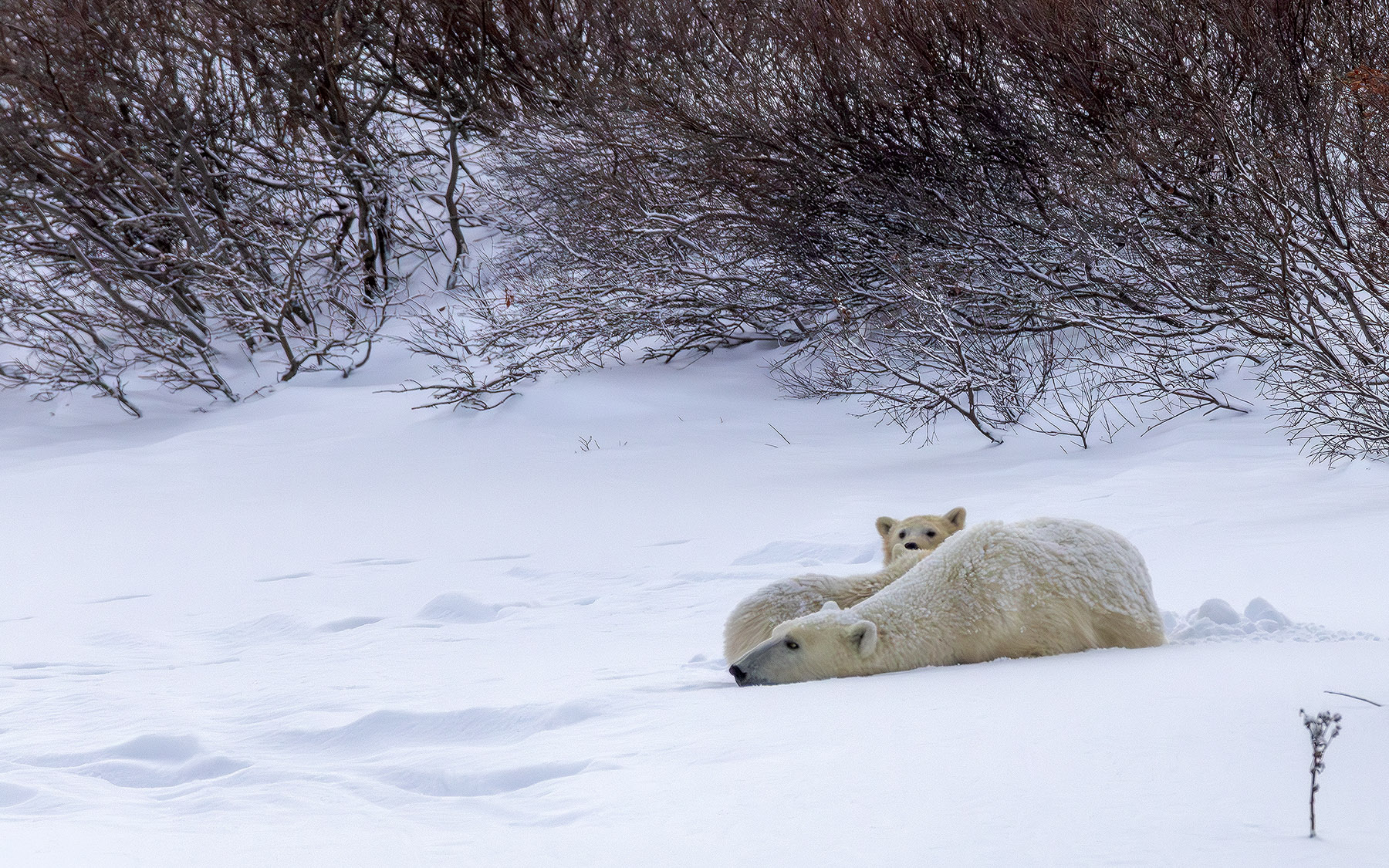
This is a sequence of mom and 2 cubs, convserving energy waiting for the ocean to freeze, and constantly paying attention for big males.
1to 4 of 4
1 of 4
Canon EOS R7EF200-400mm f/4L IS USM lens200mmf/5.61/640s1000 ISO-0.3 EV
2 of 4
Canon EOS R5EF200-400mm f/4L IS USM EXT lens448mmf/5.61/500s3200 ISO-0.3 EV
3 of 4
Canon EOS R5EF200-400mm f/4L IS USM EXT lens448mmf/5.61/500s3200 ISO-0.3 EV
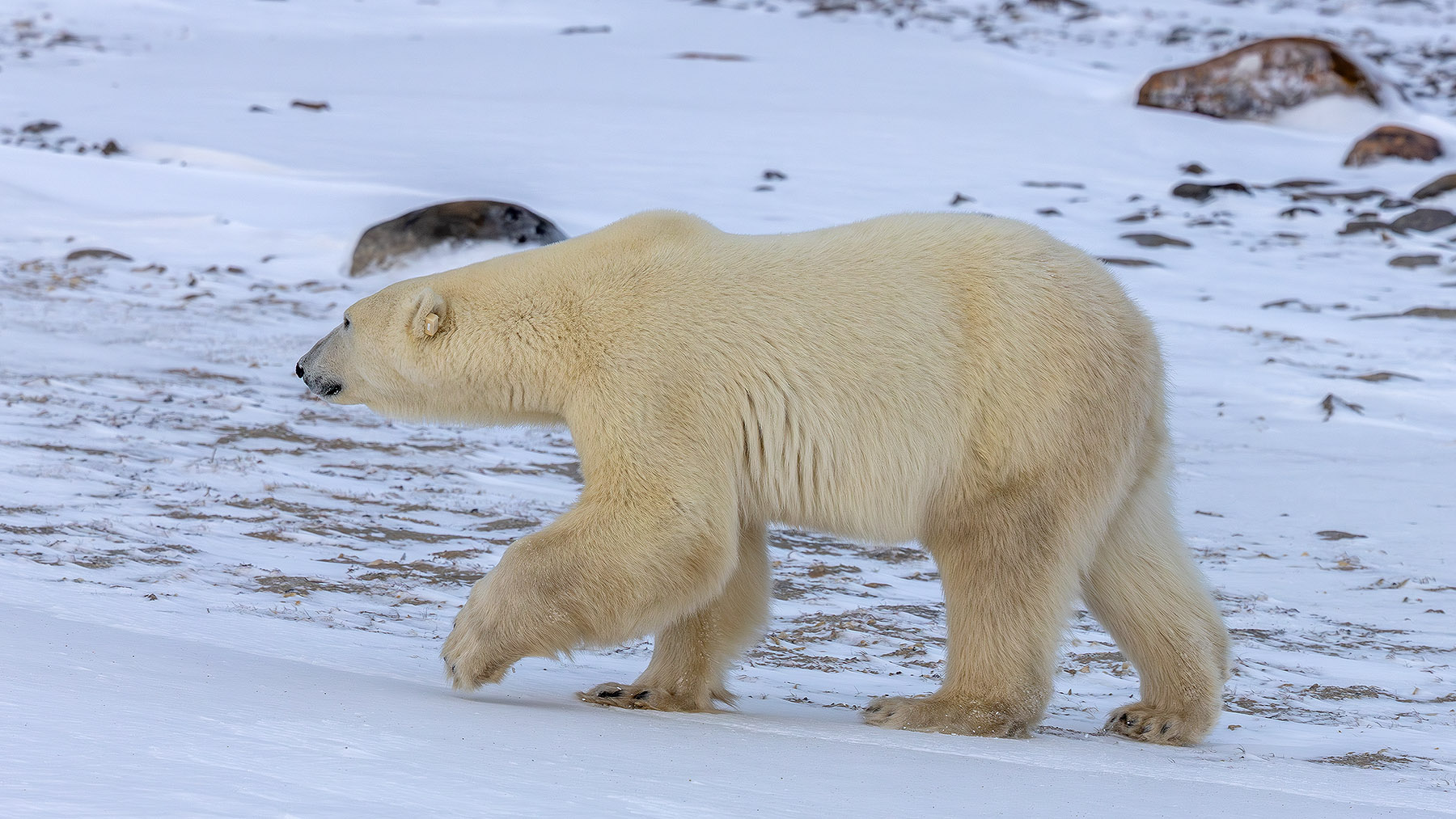
4 of 4
Canon EOS R7EF200-400mm f/4L IS USM EXT lens560mmf/9.01/2000s1000 ISO-0.3 EV
Typically if he has caused troubles prior, the put him in the bear jail for a couple of months without food. And they tag him in the ear. That's what his ear ring is.
Old 1
Canon EOS R7EF200-400mm f/4L IS USM EXT lens560mmf/5.61/2000s640 ISO-0.3 EV
Old 2
Canon EOS R7EF200-400mm f/4L IS USM lens300mmf/5.61/1250s400 ISO-0.3 EV
Old 3
Canon EOS R7EF200-400mm f/4L IS USM EXT lens560mmf/5.61/2000s800 ISO-0.3 EV
morris: Thanks Morris. Glad you like the bears. My summer has been all about backpacking. More than 350km. Much appreciated. Scott
gmccroskery: Glad you like 2 and young 2. They have big bits. These bears are deceptive this time of year. They are skinny from not eating for 4 months and bored waiting for the ice to freeze. But soon they will be out finding ring seals. Thanks for the feedback. Much appreciated. Scott
Douter: Glad you enjoyed them. They look like puppies - curious and cuddly. But it would be so dangerous to hang out in this area without shelter because they are quiet and curious and strong. Thanks for the feedback. Much appreciated. Scott
You know a lot about Polar Bears. Thank you for the excellent images and for explaining some things.
We hear about the northern ice cap melting and the bears losing their habitat. Do you have knowledge of this that you care to share? Are the bears losing the ice cap?
Hey Scott good to hear from you. These give me goosebumps and that is the highest compliment you can earn from me!!
WOW factor, intimate, peaceful and powerful, excellent set and earned my vote
cs3is: Glad you like the captures. Much appreciated. Scott
Imagemaster: Glad you like the 3rd and last. I think the mom is more worried about the big males than anything else. This would be their 2nd fall. Between accidents and big males wanting to kill them, that's a tough year with a great mother. I suspect she knows Tundra buggies are safe.
I decided to try the 7d for reach because often on this trip, you need reach. I bought the 7d for reach a week ago and went back and forth lots over with lens to bring with it. And then which shutter mode. Ultimately, using the 200-400f4 to keep the shutter fast, efcs, and zooming range, and switching over to r5 when they got close turned into a good strategy. I think the r7 was great where reach was needed at f5.6 (200-400 w 1.4x internal) and its hard to distinguish between r5 and r7 but R5 just gave me more comfort when it got late close in and r7 gave me more pixels per bear when the reach/crop was needed, and the 200-400 gave me faster shutter speed at f5.6. It was too complicated to switch bodies a lot, and I am happy with the r7 close in even when I was not reach limited. I need to use the r7 more to conclude. I did not like the efcs shutter noise, but did not want to experiment with rolling shutter at long distances, in the critical moment. I had read that at extreme reach/cropping that rolling shutter could cause eyes to distort. So the r7 was great, but I did not like the EFCS or the worry about rolling shutter.
Number 6 is close in to tundra buggy. I just liked the look. That's why the r7 is desirable. If they are too close the shooting down on perspective kicks in. In my view there is no sense in bringing a short lens on this trip. A long, fast zoom is the best eg 200-400 f4.
Thanks for the feedback. Much appreciated. Scott
bs kite: Glad you like the images. I grew up in Northern Manitoba at a similar latitude so I am interested in polar bears.
The bears come off the ice after thaw in June and back on when it freezes. They basically don't eat from Jun to Nov. The bulk of their diet is ring seals which they can only get on the ice. The pregnant moms den, after taking the summer off without eating, until March when they bring their cubs out to coincide with the ring seal birthing with abundant food. They are feeding the babies for months on reserves. They are so specialized that when on the ice they get their water from eating ring seals. They only eat the blubber and leave the rest to maximize calories and water.
The ice has been thawing several weeks earlier and freezing several weeks later in the last decade. The experts say that the later ice will affect birth production. I don't think it will eliminate Polar bears but if it continues it's likely to move the bear population north (and reduce it). There are other factors as well - there is a plan to dredge and ice break in the area which could cause later freeze up locally. It might also hurt the beluga whales in more noise and eliminate a safe spot for belugas get their calves up to weight.
In summary, I don't think the ice cap is the issue, it's the lower latitude length of ice season. But polar bears are likely to survive further north. But I am not an expert.
csinseattle: Glad you like the sequence. It was a beautiful family. Much appreciated. Scott
Karl Witt: Glad you like the set. Thank your for your comments (and goosebumps and vote). Much appreciated. High complements. It was a fantastic weekend. Scott
Ted ellis: Glad you like the series. The family was excellent. Much appreciated. Scott
johnohio: Glad you like the introduction and the pics. Every year I learn a little more about bears. Thanks for the feedback. Much appreciated. Scott
Really a wonderful set, Scott Your understanding of the bears has helped you capture some great ointimate & i9nteractive shots. I've been surprised at how many unitneresting whots I've seen of these animals and that has made me appreciate how exceptional these are.