Toothwalker wrote:
Where can we find this patent? A patent mentioned by Canon Rumors two months ago mentioned 48.6 mm for what supposedly was the RF 45 F/1.2. The RF 50/1.4 VCM has a focal length of 48.5 mm. Rounding the former to 45 mm and the latter to 50 mm is madness.
Maddening, maybe. But definitely not madness, as we have seen this done numerous times before across all brands in both directions. Would definitely be interesting to see the documentation though.
JohnDizzo15 wrote:
Maddening, maybe. But definitely not madness, as we have seen this done numerous times before across all brands in both directions. Would definitely be interesting to see the documentation though.
Indeed, all brands cheat with the numbers. I notice now that the patent mentioning 48.6 mm may not be the actual RF 45 F/1.2 lens, so yes - let's wait for the documentation.
rscheffler wrote: TDP suggests in his review that there is focus shift evident and most visible around f/2.8.
What's unclear to me is how cameras will handle this lens. Will they focus wide open and stop down, or will they focus stopped down to account for the focus shift? IIRC Canon's mirrorless cameras normally focus wide open, but there are times when they appear to focus stopped down (in high brightness conditions?).
Unfortunately, I can confirm the focus shift. Lens is back focused with close subjects at f/2.8.
This is the exact same problem I had with my EF 50 1.2L. At least on a DSLR, you could fine-tune the focus to dial-in your preferred aperture.
I'm not sure how to force the R bodies to focus stopped down... that would help.
It also seems to me that Canon could design around this with their AF algorithms for lenses with this known characteristic. (Of course, it would be better to have no focus shift in the first place.)
garyvot wrote:
Unfortunately, I can confirm the focus shift. Lens is back focused with close subjects at f/2.8.
This is the exact same problem I had with my EF 50 1.2L. At least on a DSLR, you could fine-tune the focus to dial-in your preferred aperture.
I'm not sure how to force the R bodies to focus stopped down... that would help.
It also seems to me that Canon could design around this with their AF algorithms for lenses with this known characteristic. (Of course, it would be better to have no focus shift in the first place.)
Wow, it really surprises me that out of the box there isn't automatic focus shift compensation of some sort.
I'm not sure if this will work, but IIRC you have the R6II. Check page 323 of the manual: Display Simulation and set it to Exposure + DOF.
I just tried this setting with the 28-70/2 and it appears to focus stopped down at the taking aperture until around f/5.0. If set to a smaller aperture, it will stop down to it for automatic DOF preview, but when AF is active, it appears to open up to about f/5.0. Theoretically this should compensate for the focus shift...
For those asking about the focal length, I think perhaps the patent I referenced may not be for this exact design. The lens does seem to have a bit wider FOV than 48mm to me, now that I've used it.
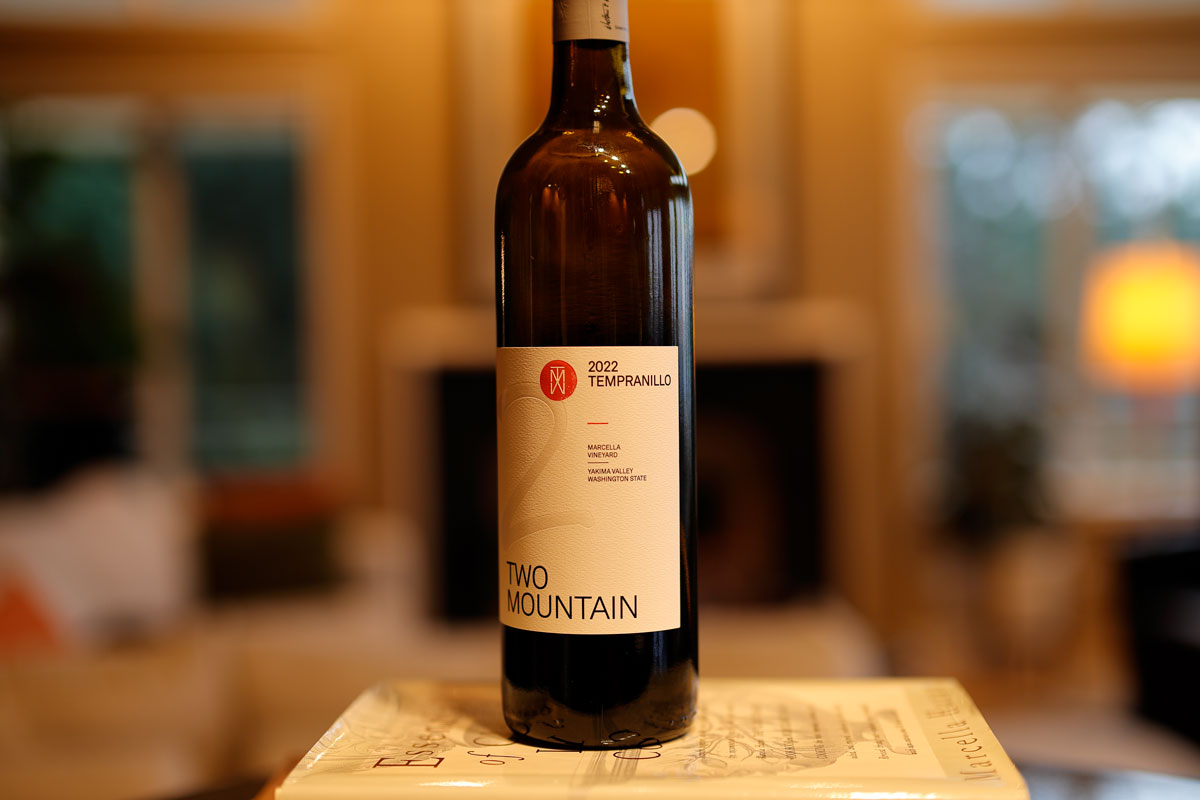
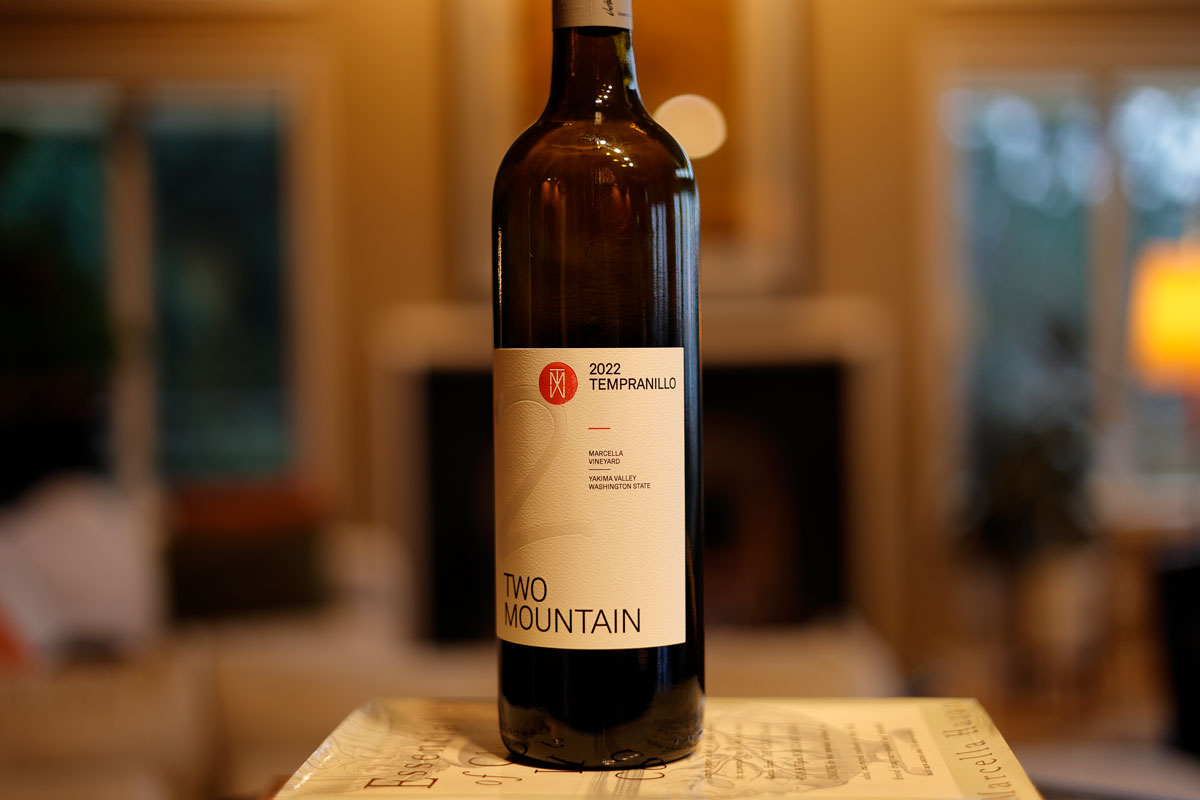
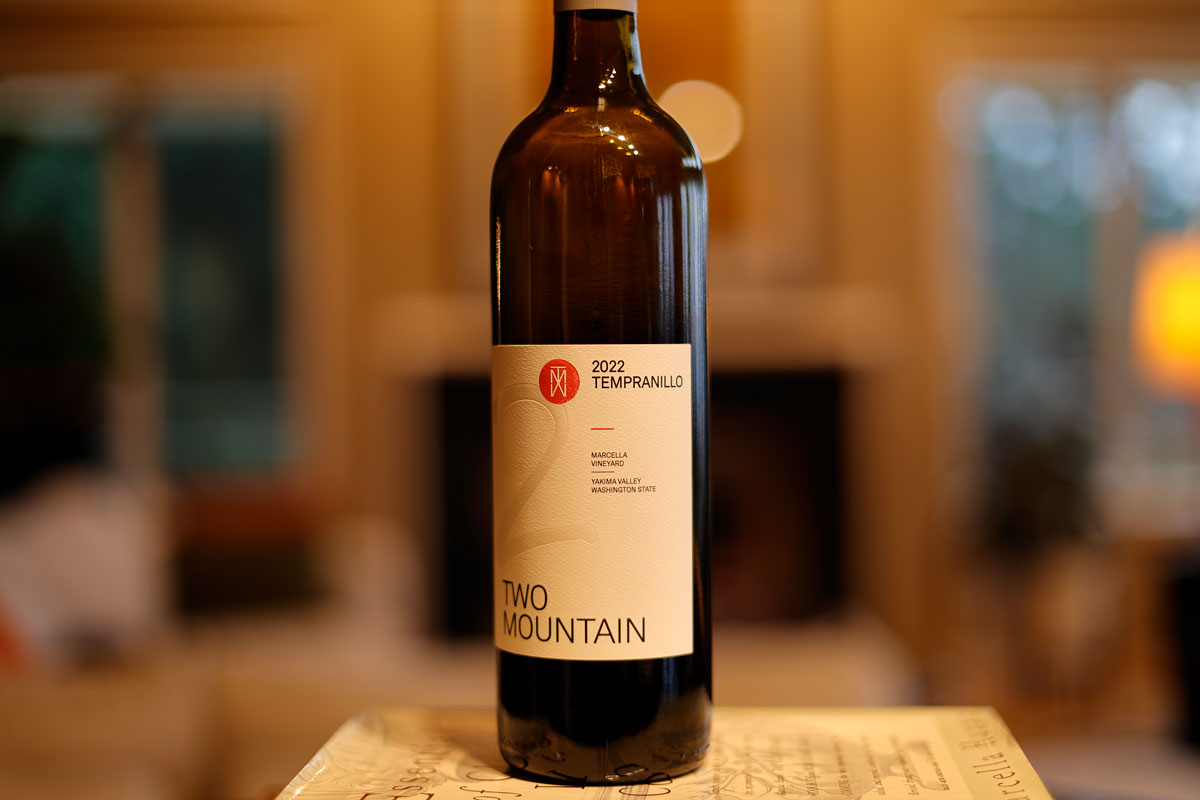
Here is a quick and dirty close distance FOV comparison of the 45 against the RF 50 1.8 and EF 50 1.4, all shot at a matching f/1.8. Processed in DPP but using straight out of camera settings (including lens corrections).
On a positive note, the bokeh from this lens is actually nicer than I expected, besting both of the 50's in my estimation (the EF 50 benefits from its longer apparent focal length with greater softness, but the OOF area is still more "busy").
rscheffler wrote:
I'm not sure if this will work, but IIRC you have the R6II. Check page 323 of the manual: Display Simulation and set it to Exposure + DOF.
Oh wow, Ron, thanks for this. Just tested this and it does indeed work! Shots are now crispy (well, at least as crispy as the lens gets, haha).
I had considered possibly returning the lens, but this may be a very acceptable work-around, at least for me. I'm always shooting wide open or within a stop or two anyway, and electronic viewfinders do not darken when stopped down like an optical VF would.
rscheffler wrote:
Thanks for the comparison photos and confirmation that that setting change has addressed the focus shift problem!
How is AF speed?
You're welcome!
Focus is definitely on the leisurely side, but tolerable, I think. It may be marginally slower that the EF 50 1.2L, judging from my memory, but if so, not by much. I judge it will be fine for documentary work, portraiture, weddings, etc. Maybe not so much for fast action.
It is quieter than the other RF STM primes I own, so the STM motor may be of the newer kind built into the RF 28-70 and 16-28 STM zooms.
The whole front group moves for focusing; comparatively, a lot of glass. Like the EF 50L (and unlike the EF 50 1.4), everything is housed within a larger lens body, so all movement is "internal". This makes using a 67mm screw-in metal hood (my preference for compactness) safe and effective. Overall, I think it is a nice mechanical package.
The lens has a lot of barrel distortion and vignetting uncorrected, so lens corrections are a must. But this has allowed Canon to successfully keep the size and weight down to an unexpected degree, I think.
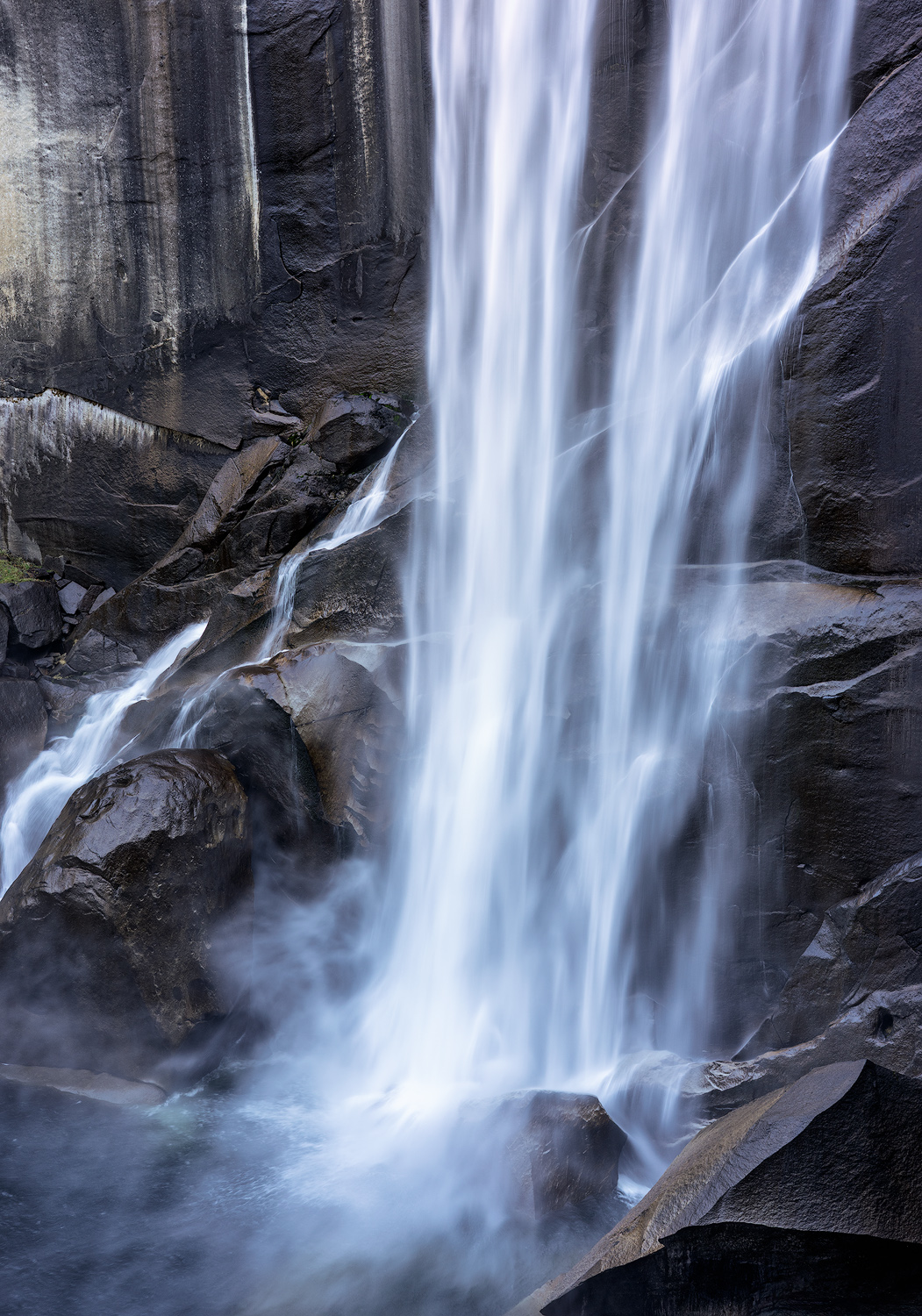
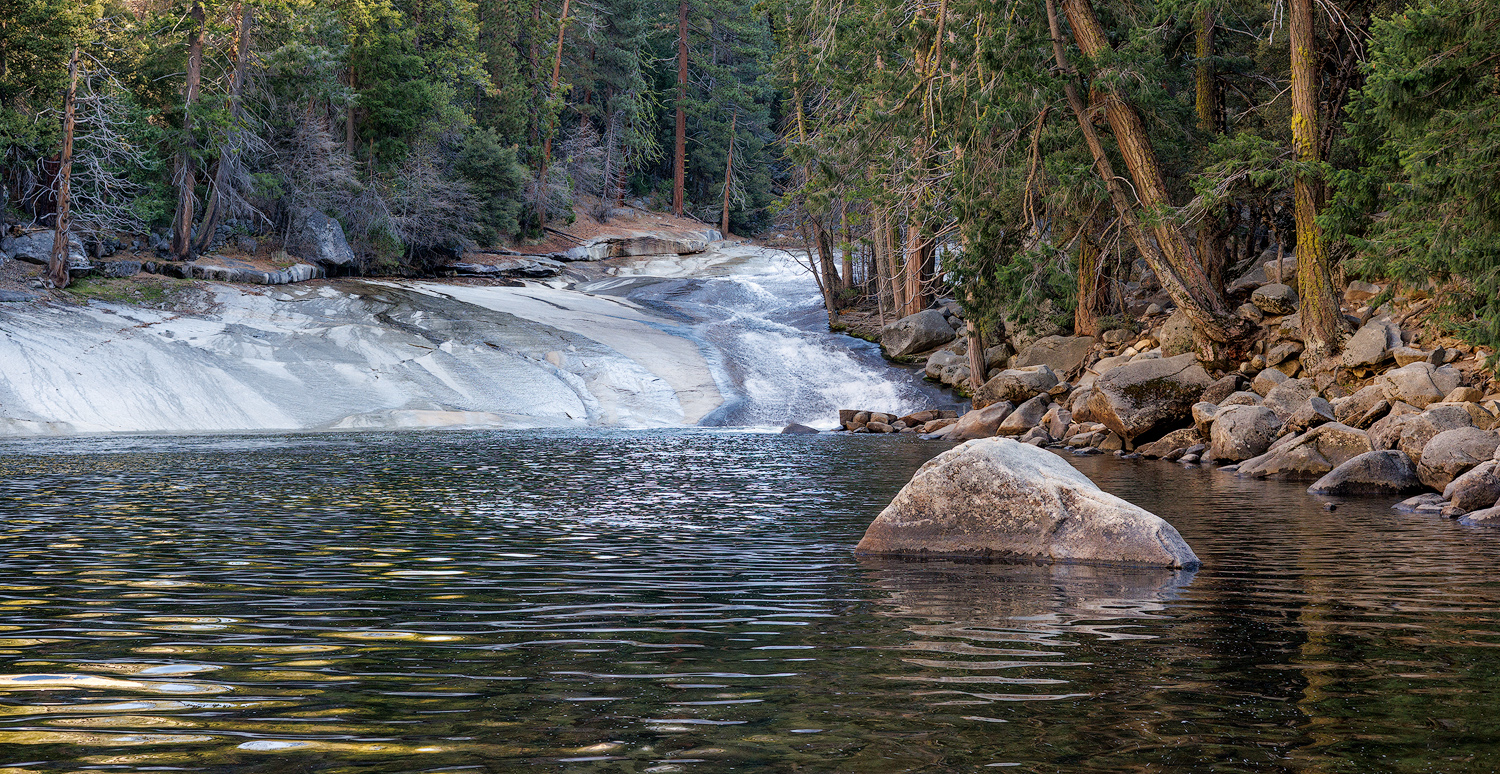
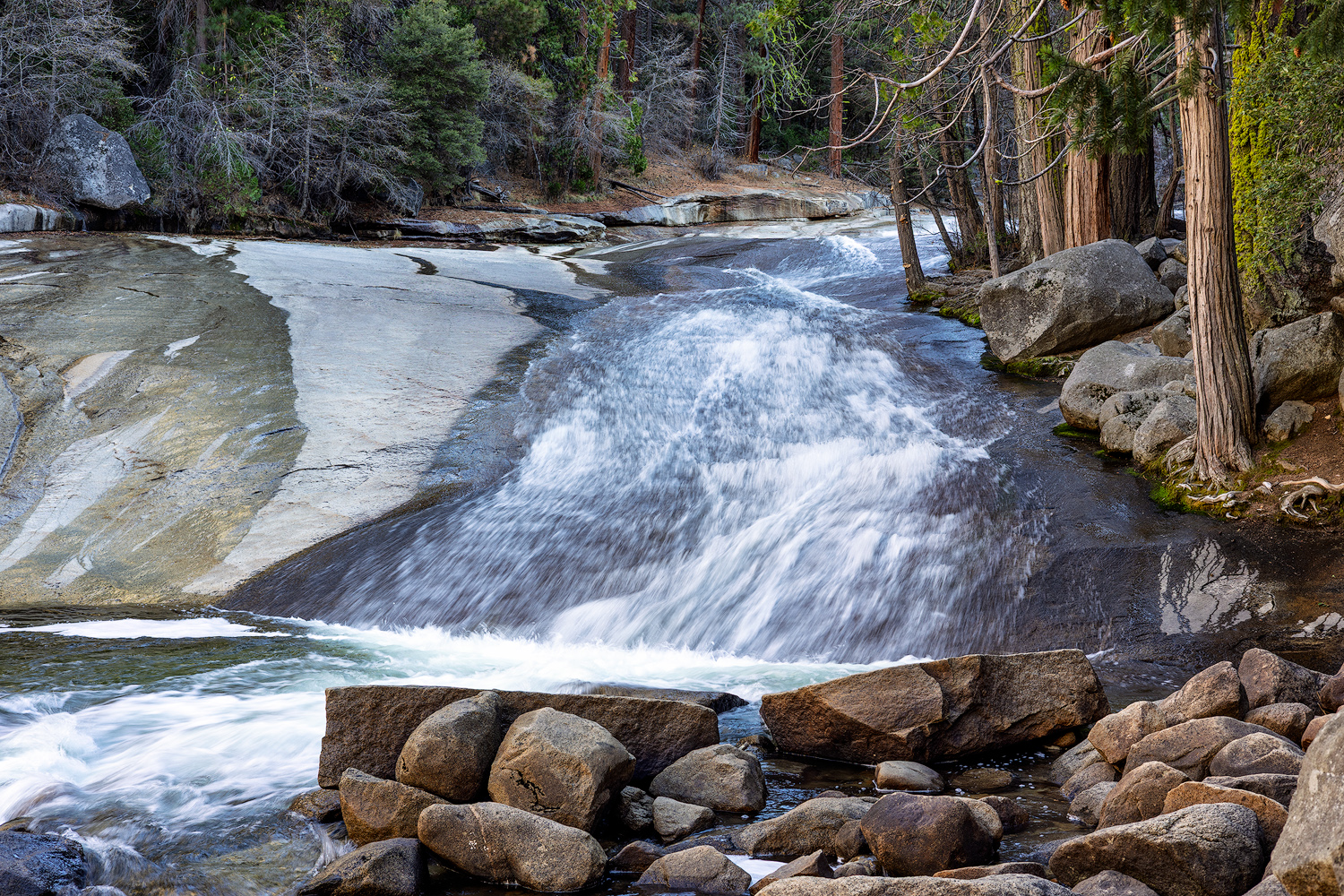
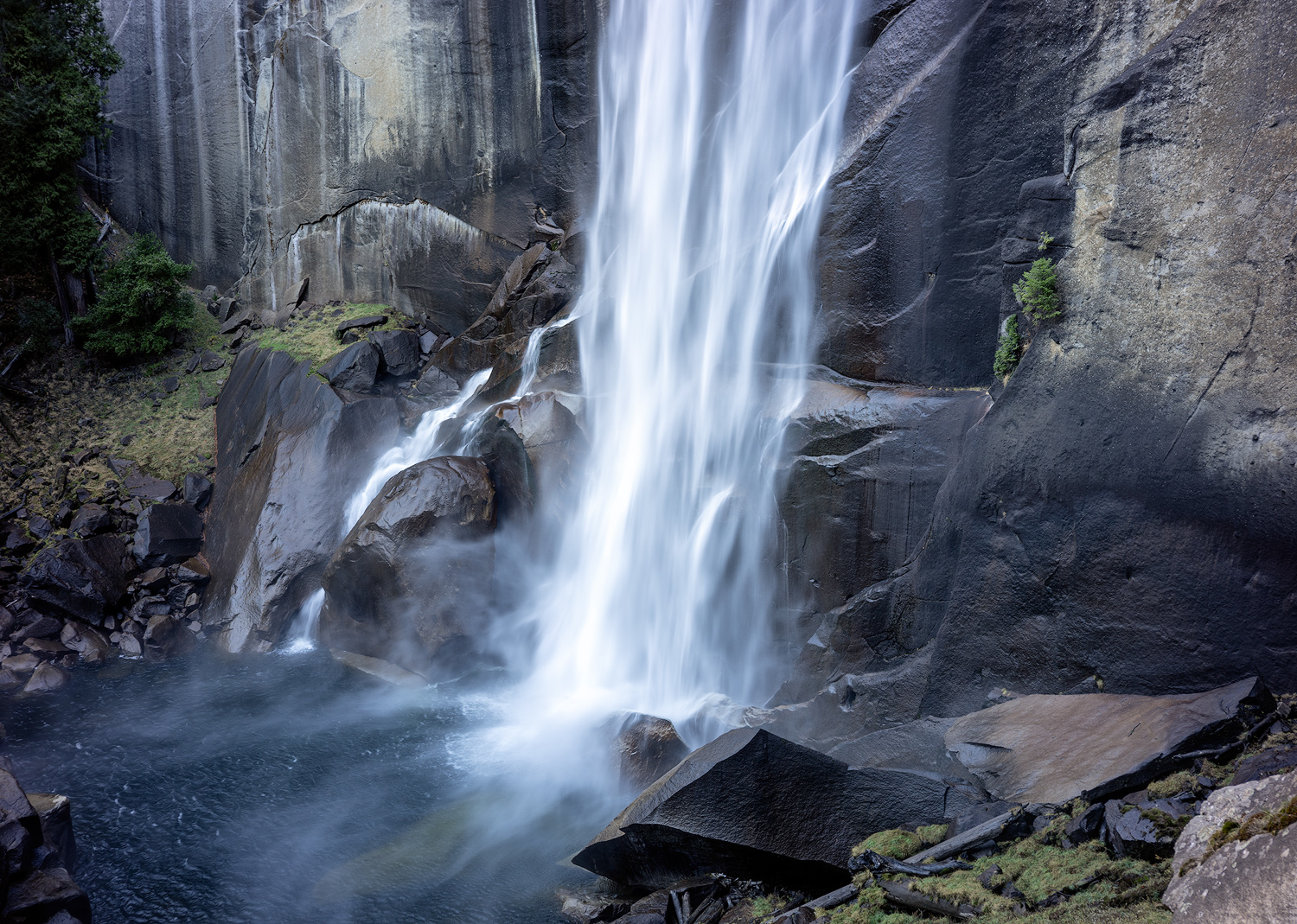
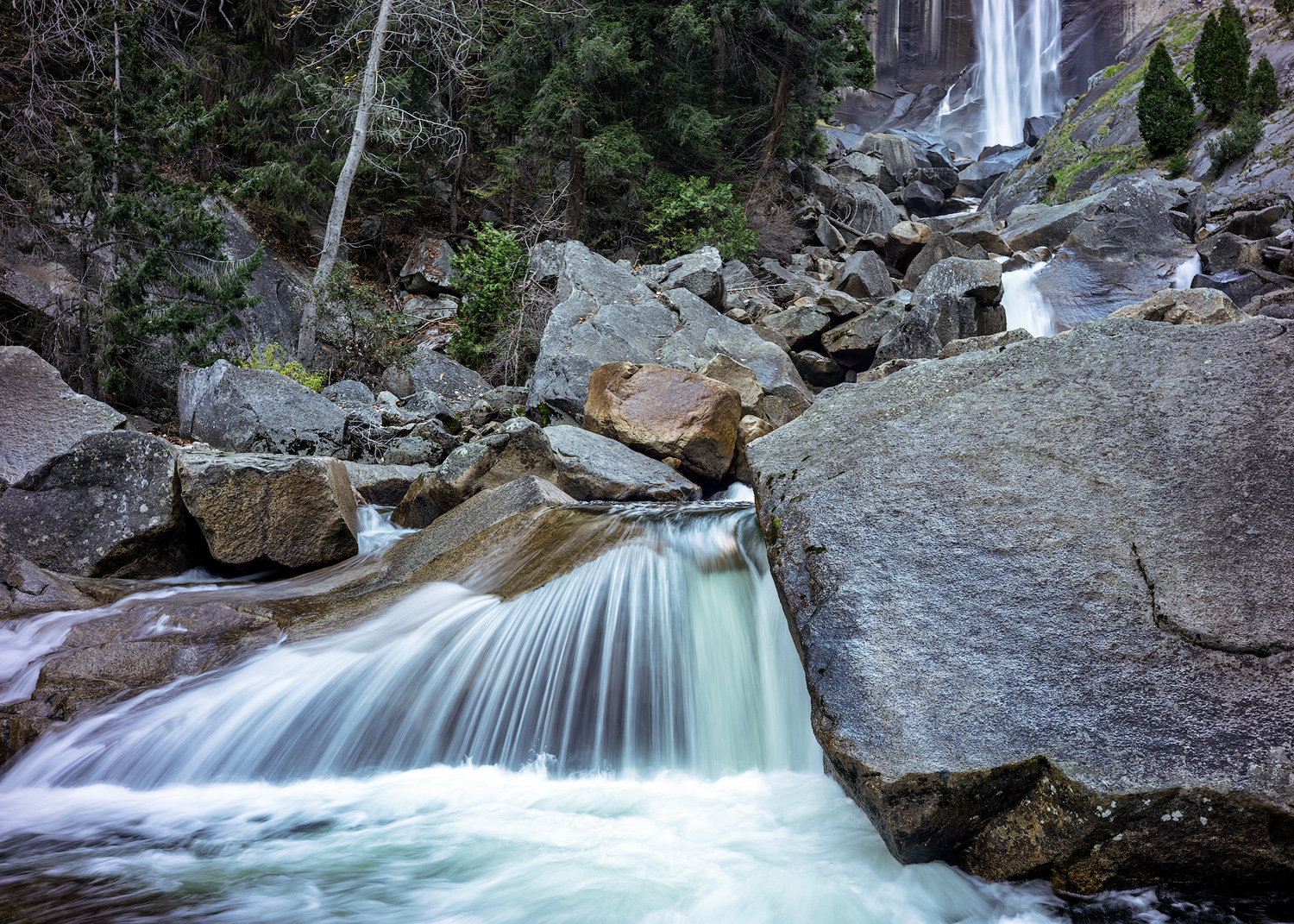
I received my R6III this week and finally had a chance to take it out Saturday during a hike up Vernal Falls (Yosemite). The entire hike was in deep shade, so it certainly wasn't a chance to experiment in great light, but I'm happy with how it performed in the conditions. Handholding at 1/5th to 1/10th second to get water movement worked quite well with the stabilization.